
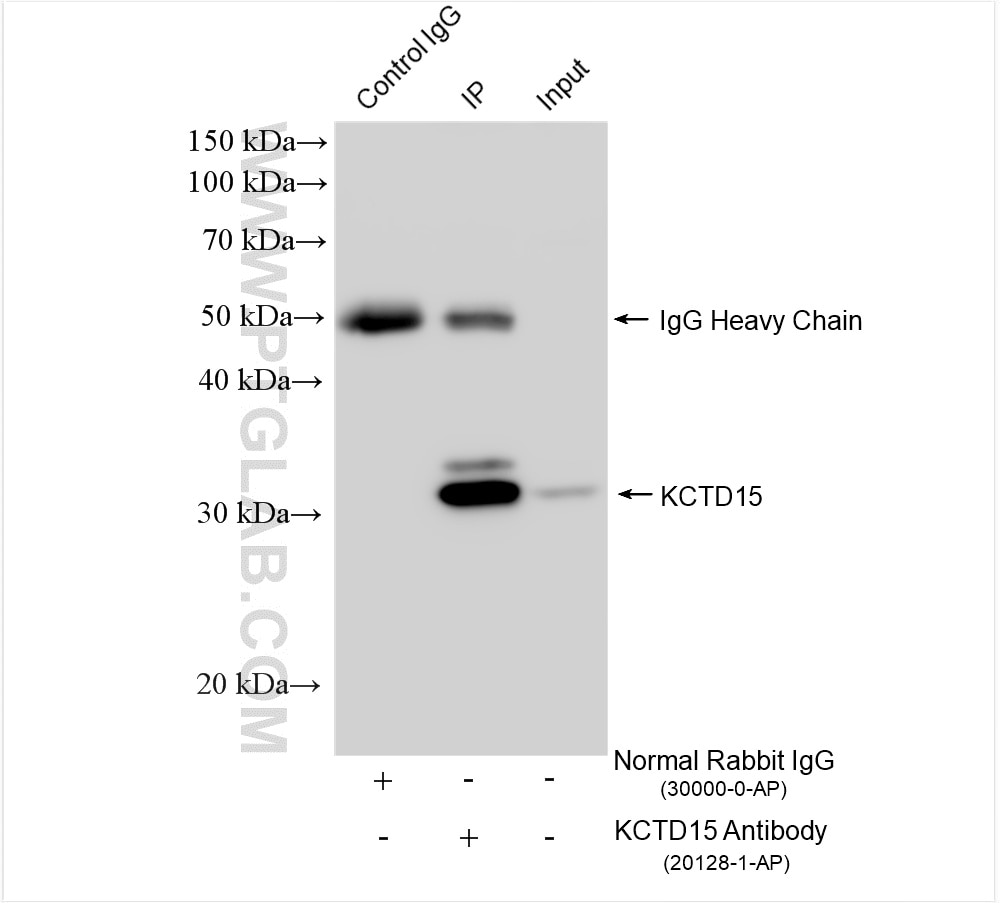
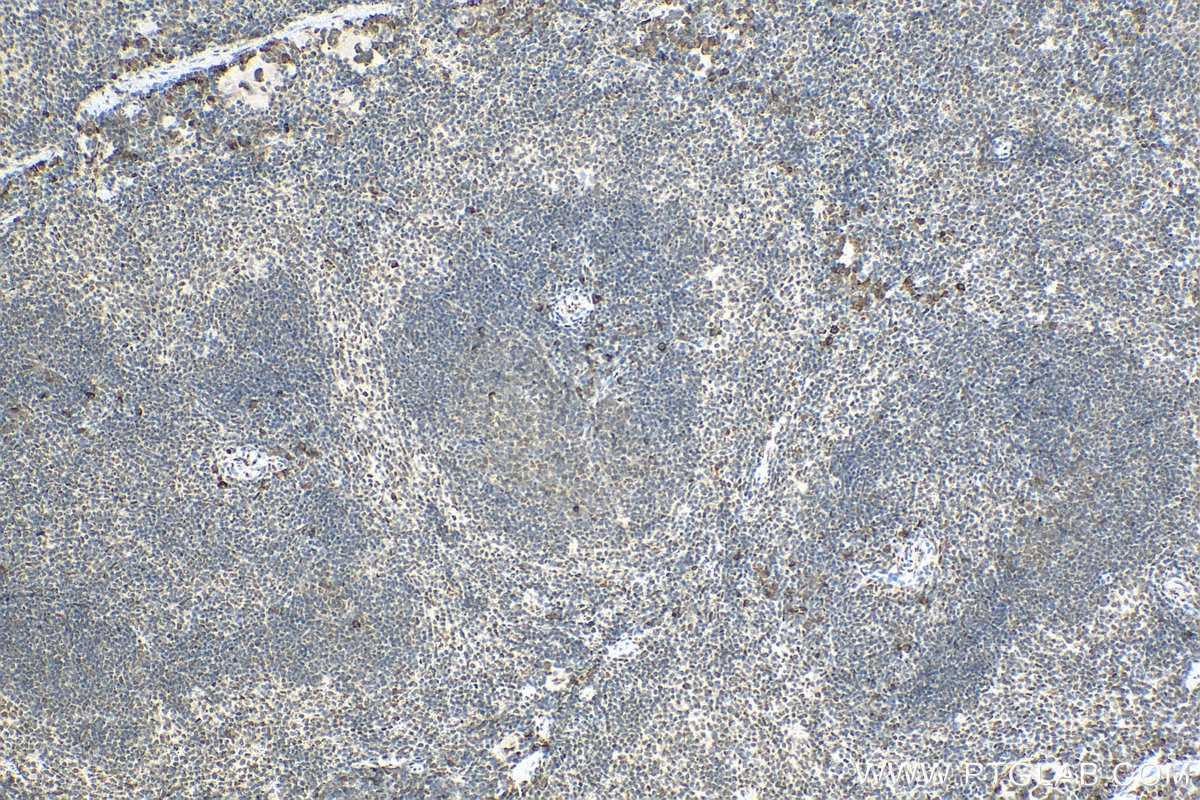
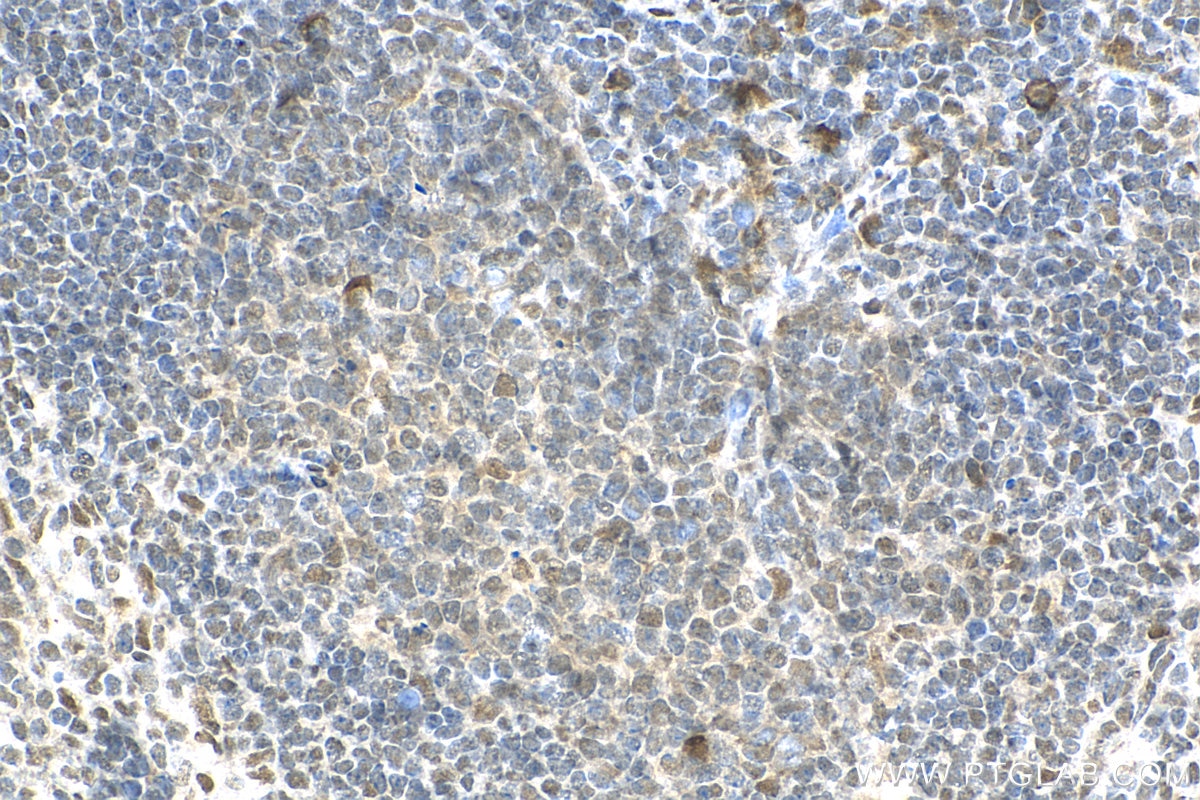

Tested Applications
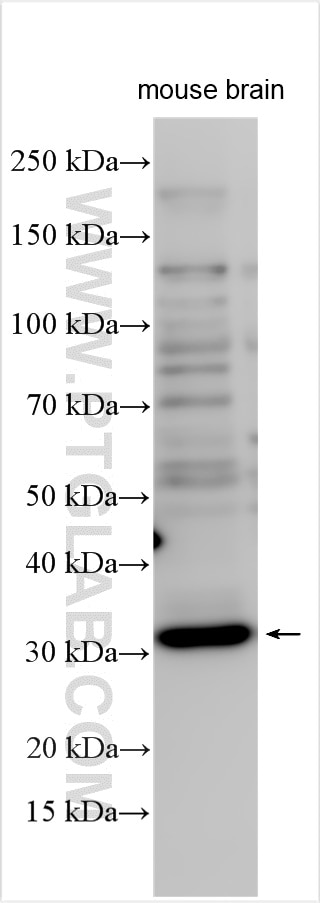
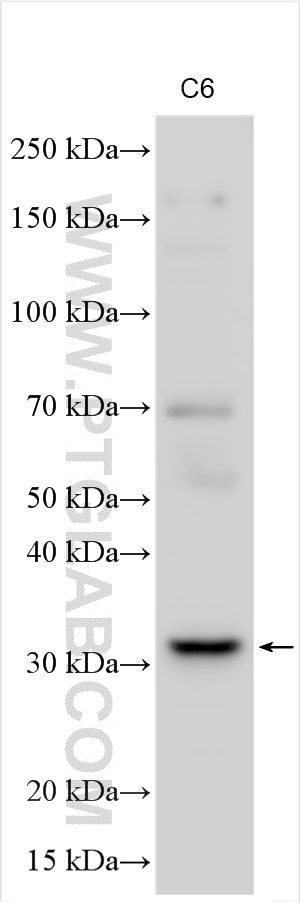
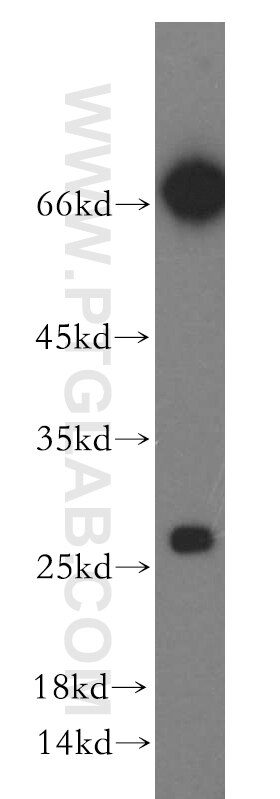
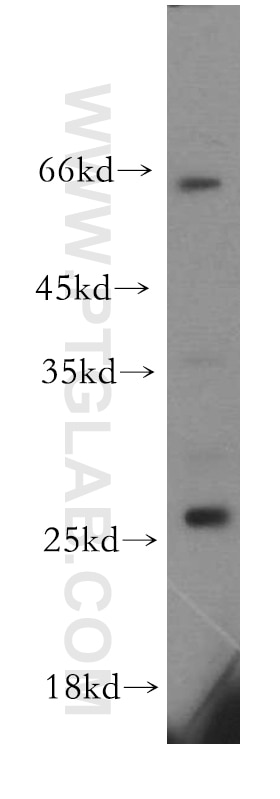
| Positive WB detected in | mouse brain tissue, C6 cells, HEK-293 cells, mouse lung tissue |
| Positive IP detected in | C6 cells |
| Positive IHC detected in | mouse spleen tissue Note: suggested antigen retrieval with TE buffer pH 9.0; (*) Alternatively, antigen retrieval may be performed with citrate buffer pH 6.0 |
Recommended dilution
| Application | Dilution |
|---|---|
| Western Blot (WB) | WB : 1:500-1:1000 |
| Immunoprecipitation (IP) | IP : 0.5-4.0 ug for 1.0-3.0 mg of total protein lysate |
| Immunohistochemistry (IHC) | IHC : 1:50-1:500 |
| It is recommended that this reagent should be titrated in each testing system to obtain optimal results. | |
| Sample-dependent, Check data in validation data gallery. | |
Product Information
20128-1-AP targets KCTD15 in WB, IHC, IP, ELISA applications and shows reactivity with human, mouse, rat samples.
| Tested Reactivity | human, mouse, rat |
| Cited Reactivity | human |
| Host / Isotype | Rabbit / IgG |
| Class | Polyclonal |
| Type | Antibody |
| Immunogen |
CatNo: Ag13962 Product name: Recombinant human KCTD15 protein Source: e coli.-derived, PET28a Tag: 6*His Domain: 1-234 aa of BC001185 Sequence: MPHRKERPSGSSLHTHGSTGTAEGGNMSRLSLTRSPVSPLAAQGIPLPAQLTKSNAPVHIDVGSHMYTSSLATLTKYPDSRISRLFNGTEPIVLDSLKQHYFIDRDGEIFRYVLSFLRTSKLLLPDDFKDFSLLYEEARYYQLQPMVRELERWQQEQEQRRRSRACDCLVVRVTPDLGERIALSGEKALIEEVFPETGDVMCNSVNAGWNQDPTHVIRFPLNGYCRLNSVQDVL Predict reactive species |
| Full Name | potassium channel tetramerisation domain containing 15 |
| Calculated Molecular Weight | 283 aa, 32 kDa |
| Observed Molecular Weight | 26 kDa |
| GenBank Accession Number | BC001185 |
| Gene Symbol | KCTD15 |
| Gene ID (NCBI) | 79047 |
| RRID | AB_10646430 |
| Conjugate | Unconjugated |
| Form | Liquid |
| Purification Method | Antigen affinity purification |
| UNIPROT ID | Q96SI1 |
| Storage Buffer | PBS with 0.02% sodium azide and 50% glycerol, pH 7.3. |
| Storage Conditions | Store at -20°C. Stable for one year after shipment. Aliquoting is unnecessary for -20oC storage. 20ul sizes contain 0.1% BSA. |
Background Information
KCTD15 is a member of the KCTD family of proteins, which are involved in various biological processes. KCTD15 plays a role in embryonic development by regulating the neural crest domain. It inhibits neural crest induction by repressing the Wnt/β-catenin signaling pathway. KCTD15 is involved in the NF-κB signaling pathway, which is crucial for immune responses and inflammation. Its deregulation can influence the activation of the IKK-β enzyme complex, triggering the NF-κB pathway. KCTD15's expression levels in peripheral blood cells and leukemia cells suggest its potential as a biomarker for diagnosing and monitoring acute leukemias. Its distinct expression profile in different types of white blood cells highlights its importance in both physiological and pathological processes.
Protocols
| Product Specific Protocols | |
|---|---|
| IHC protocol for KCTD15 antibody 20128-1-AP | Download protocol |
| IP protocol for KCTD15 antibody 20128-1-AP | Download protocol |
| WB protocol for KCTD15 antibody 20128-1-AP | Download protocol |
| Standard Protocols | |
|---|---|
| Click here to view our Standard Protocols |
Publications
What published studies show
The KCTD15 Polyclonal antibody (Cat# 20128-1-AP) has 4 total citations. These appear in Proceedings of the National Academy of Sciences (PNAS), Oncogenesis, FASEB Journal, and Journal of Biological Chemistry. The research fields span neuroscience (striatal cAMP signaling), oncology (medulloblastoma and triple-negative breast cancer), and developmental biology (cAMP signaling and cellular communication). Applications include Western blot and immunohistochemistry, with RNAi controls.
| Species | Application | Title |
|---|---|---|
Proc Natl Acad Sci U S A KCTD1 regulation of Adenylyl cyclase type 5 adjusts striatal cAMP signaling | ||
Oncogenesis KCTD15 inhibits the Hedgehog pathway in Medulloblastoma cells by increasing protein levels of the oncosuppressor KCASH2.
| ||
FASEB J KCTD15 Enhances Stem Cell-Like Properties and Promotes Triple-Negative Breast Cancer Progression Through KLF4/β-Catenin Signaling.
| ||
J Biol Chem Pathogenic variants in KCTD1 disrupt cAMP signaling and cellular communication associated with developmental pathways.
|

