
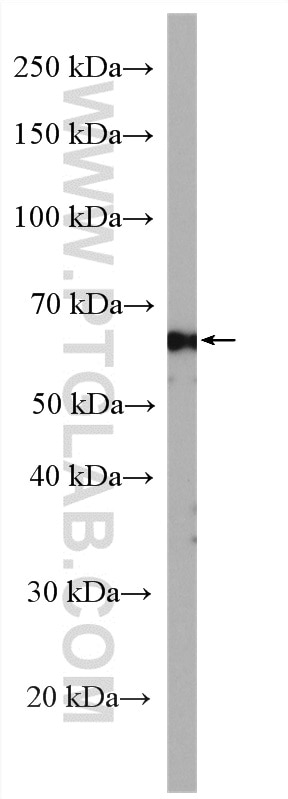
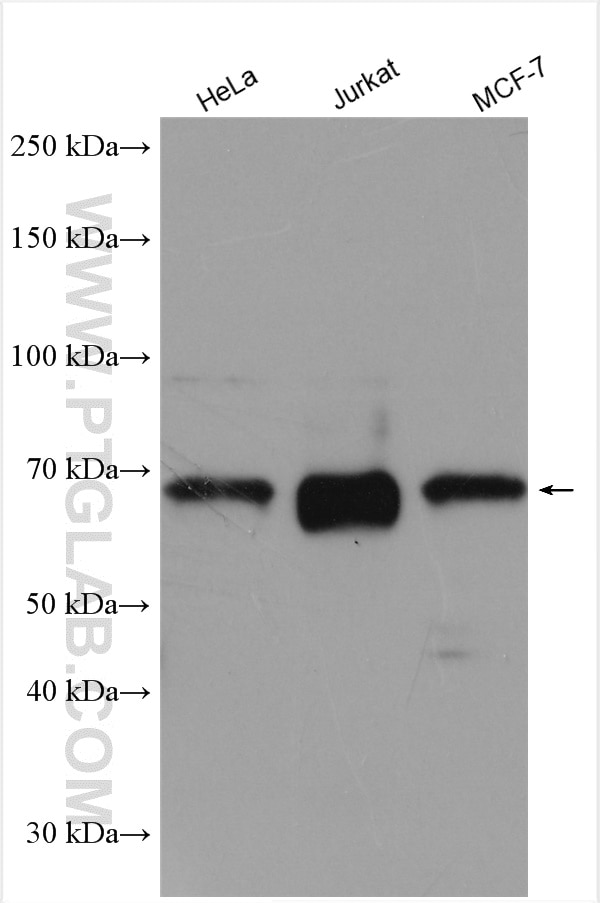
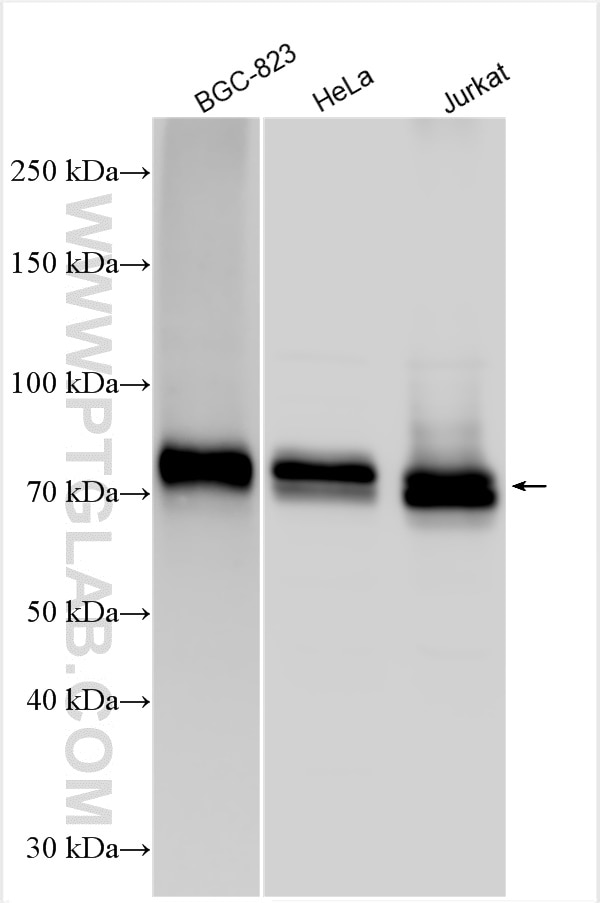
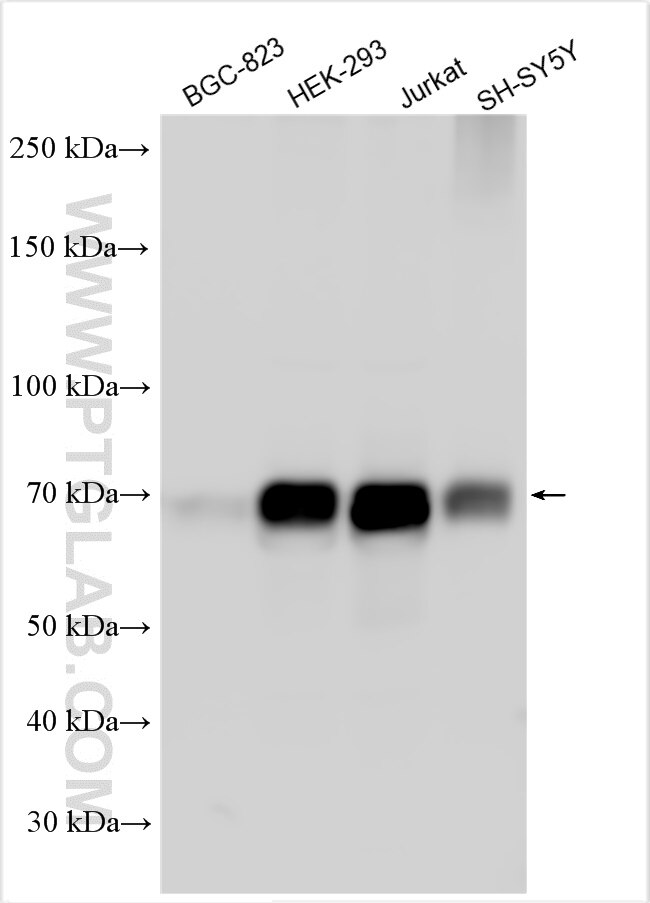
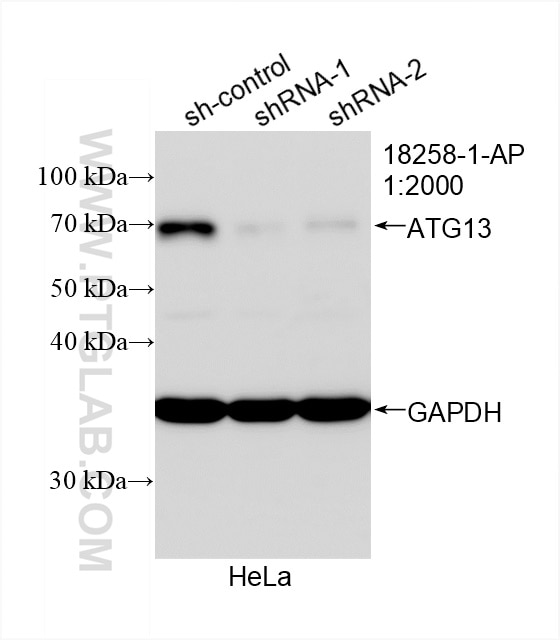
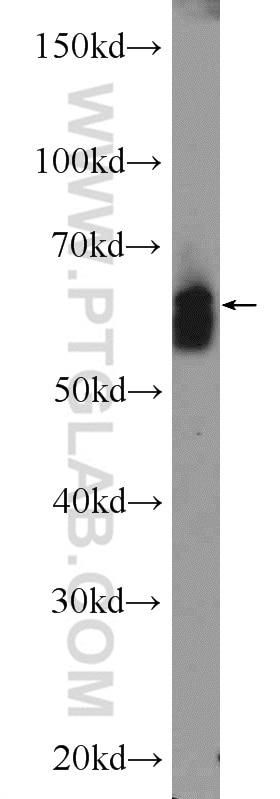
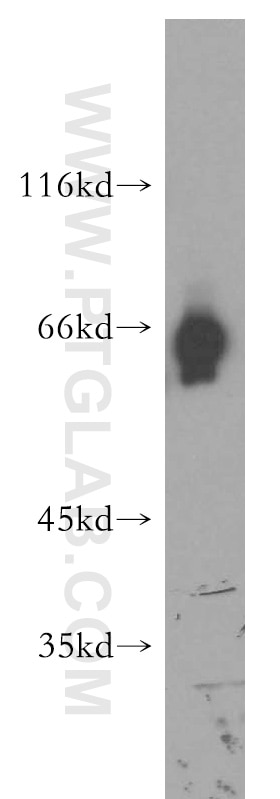
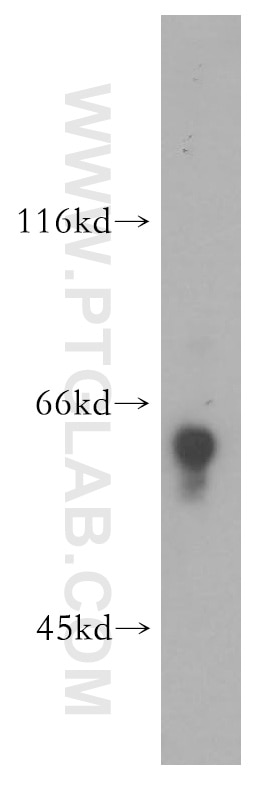

Tested Applications
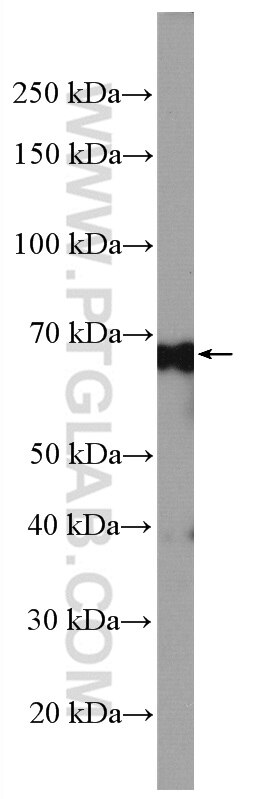
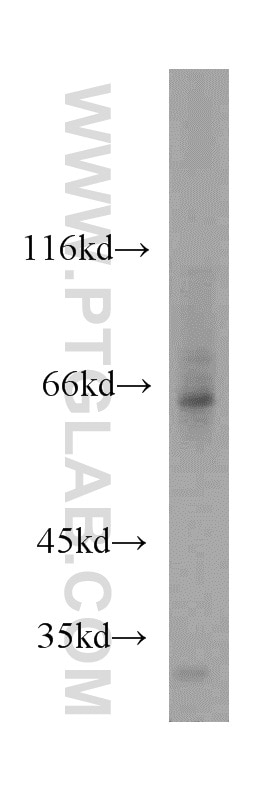
| Positive WB detected in | SH-SY5Y cells, BGC-823 cells, HeLa cells, human brain tissue, mouse cerebellum tissue, mouse testis tissue, mouse thymus tissue, Jurkat cells, HEK-293 cells, MCF-7 cells |
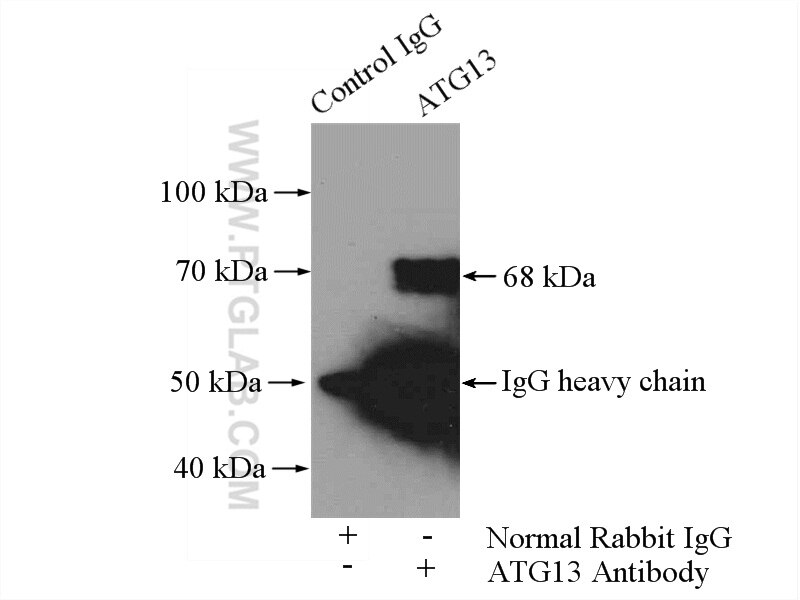
| Positive IP detected in | SH-SY5Y cells |
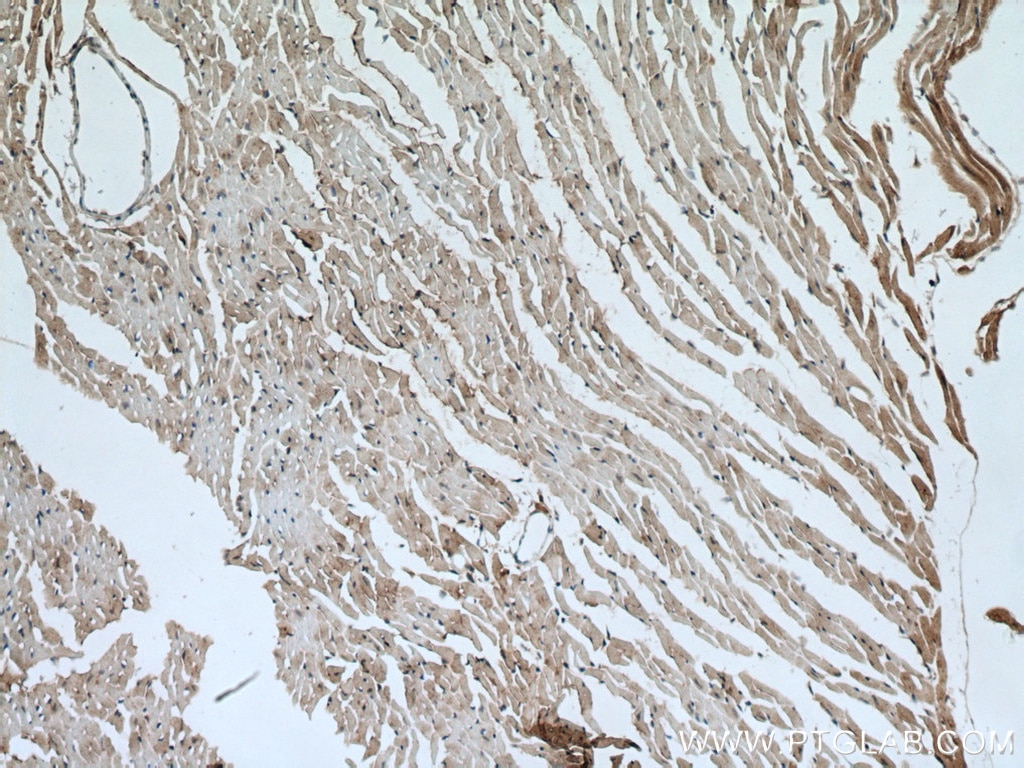
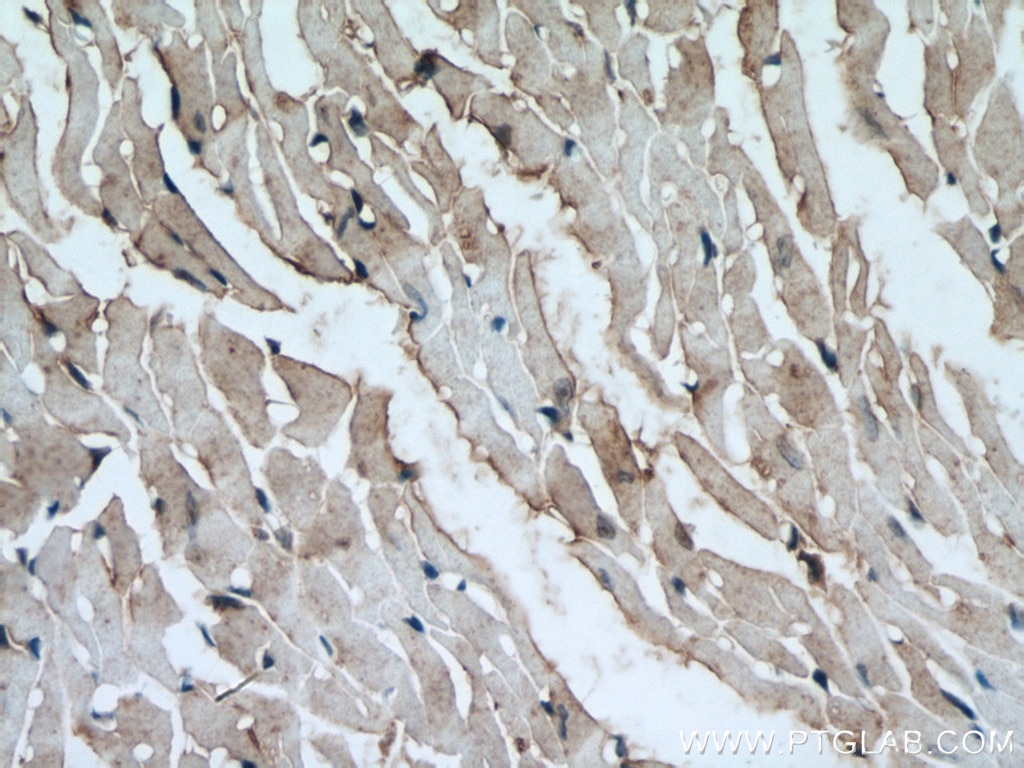
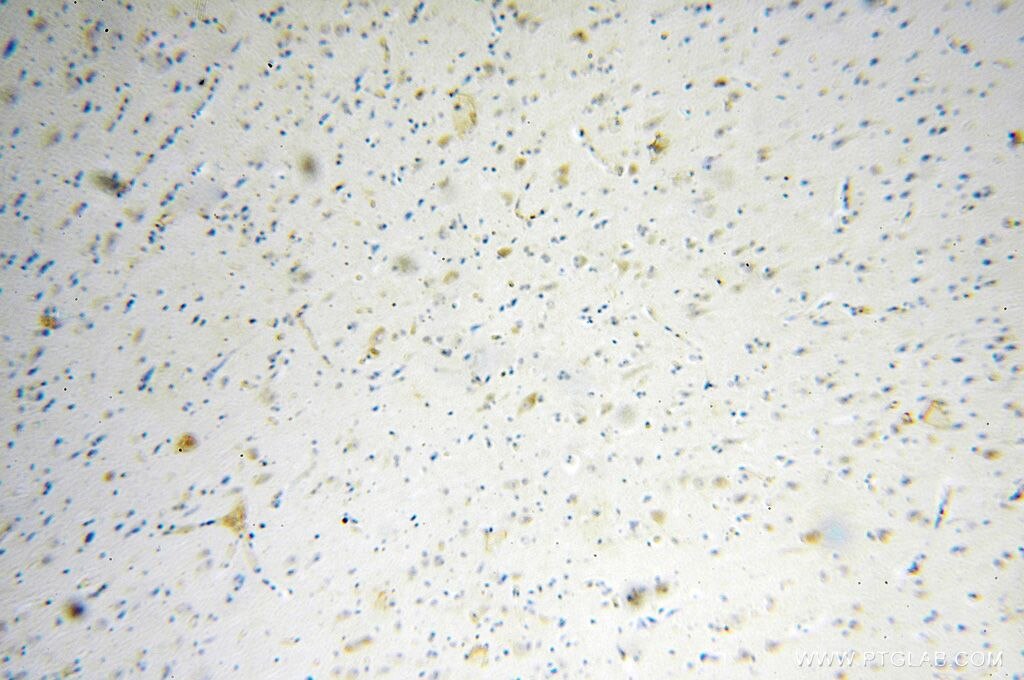
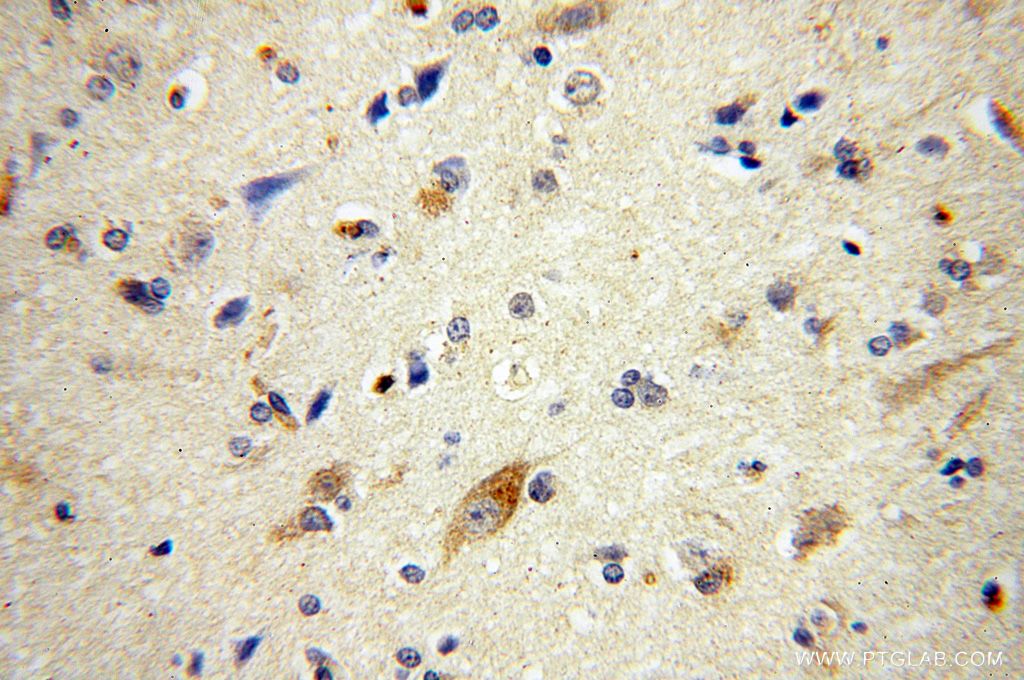
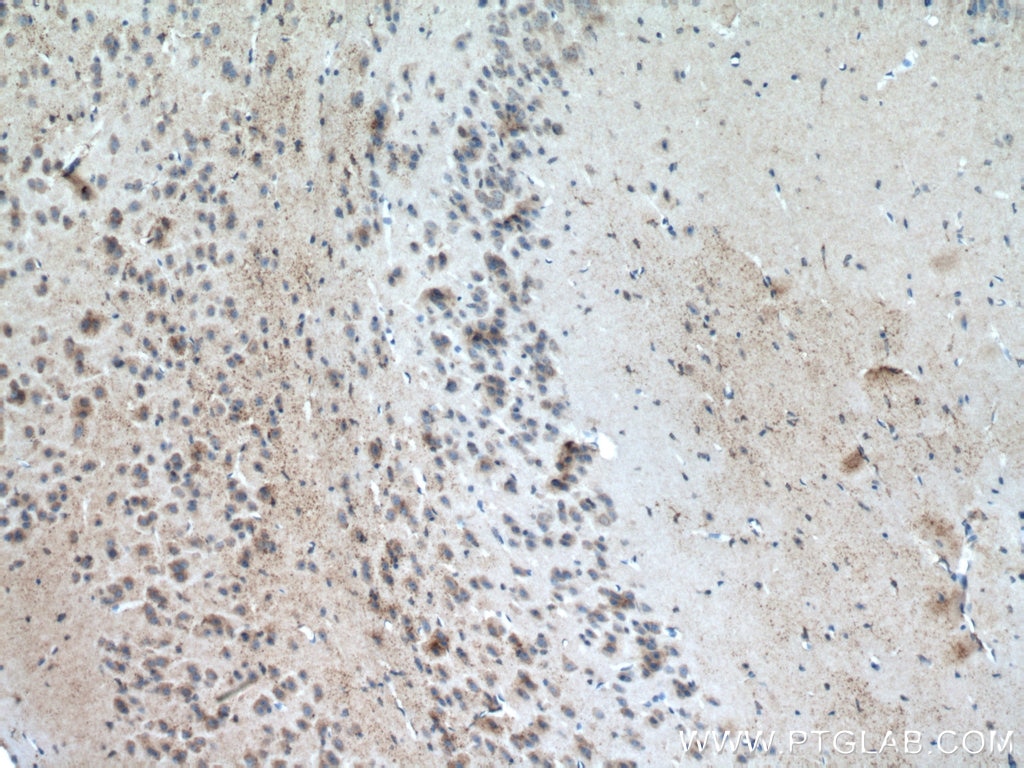
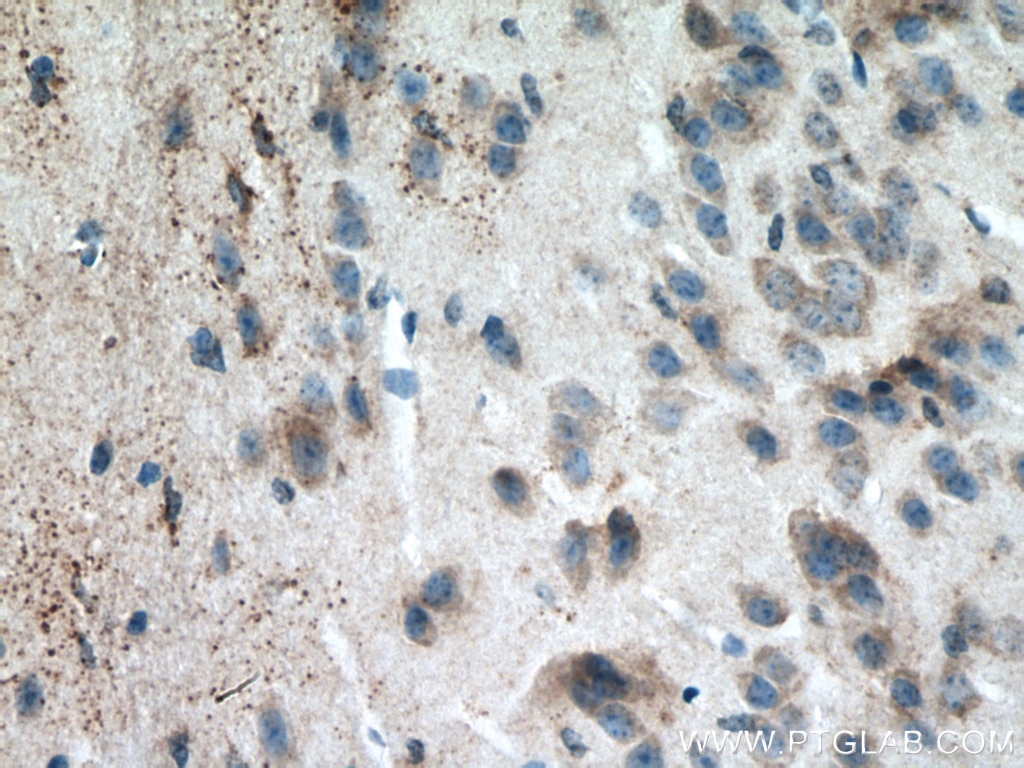
| Positive IHC detected in | mouse heart tissue, mouse brain tissue, human brain tissue Note: suggested antigen retrieval with TE buffer pH 9.0; (*) Alternatively, antigen retrieval may be performed with citrate buffer pH 6.0 |
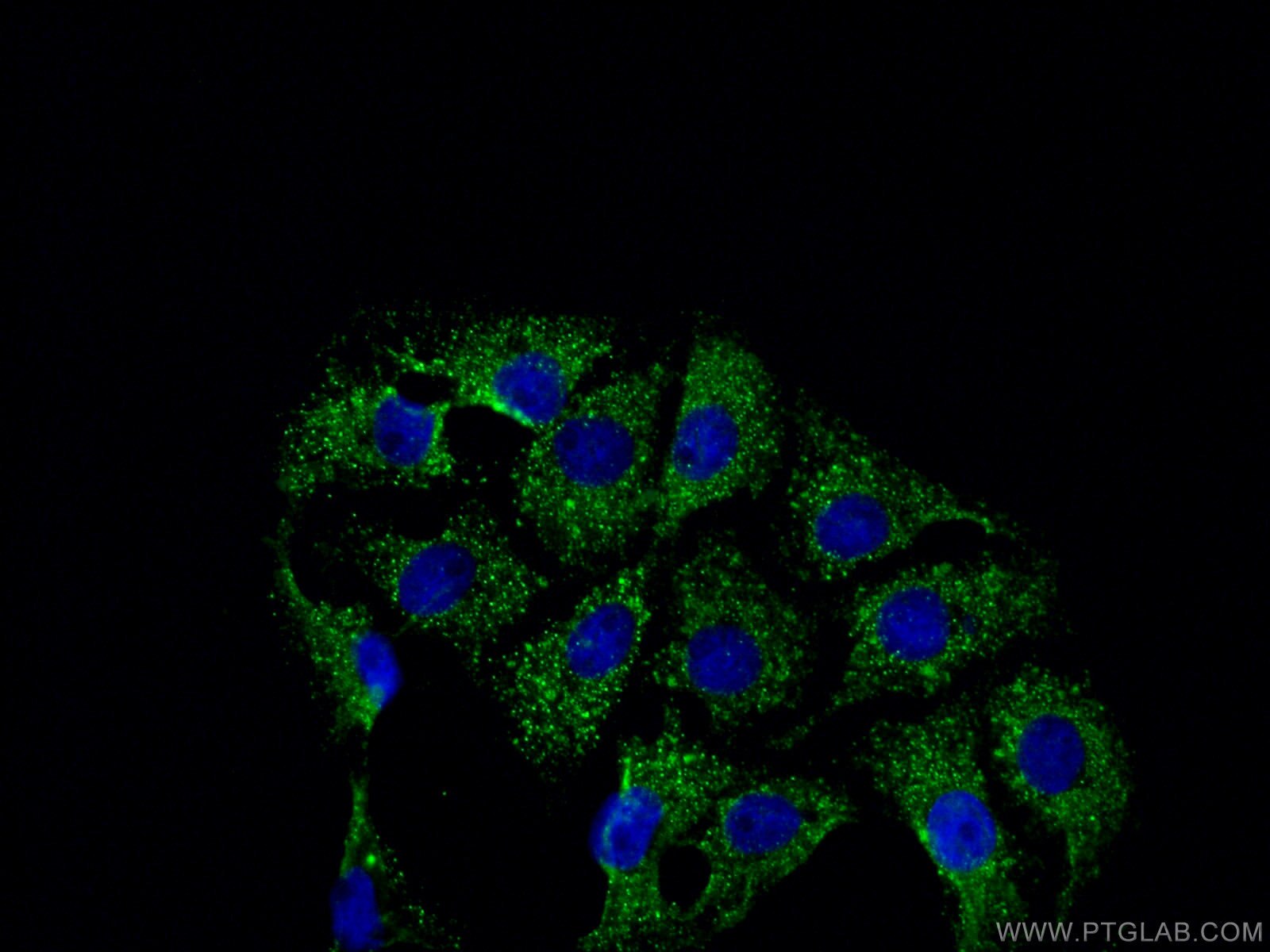
| Positive IF/ICC detected in | SH-SY5Y cells |
Recommended dilution
| Application | Dilution |
|---|---|
| Western Blot (WB) | WB : 1:500-1:1000 |
| Immunoprecipitation (IP) | IP : 0.5-4.0 ug for 1.0-3.0 mg of total protein lysate |
| Immunohistochemistry (IHC) | IHC : 1:50-1:500 |
| Immunofluorescence (IF)/ICC | IF/ICC : 1:50-1:500 |
| It is recommended that this reagent should be titrated in each testing system to obtain optimal results. | |
| Sample-dependent, Check data in validation data gallery. | |
Product Information
18258-1-AP targets ATG13 in WB, IHC, IF/ICC, IP, CoIP, ELISA applications and shows reactivity with human, mouse, rat samples.
| Tested Reactivity | human, mouse, rat |
| Cited Reactivity | human, mouse, rat |
| Host / Isotype | Rabbit / IgG |
| Class | Polyclonal |
| Type | Antibody |
| Immunogen |
CatNo: Ag13090 Product name: Recombinant human KIAA0652 protein Source: e coli.-derived, PGEX-4T Tag: GST Domain: 131-481 aa of BC001331 Sequence: ITRVTPAYRLSRKQGHEYVILYRIYFGEVQLSGLGEGFQTVRVGTVGTPVGTITLSCAYRINLAFMSTRQFERTPPIMGIIIDHFVDRPYPSSSPMHPCNYRTAGEDTGVIYPSVEDSQEVCTTSFSTSPPSQLMVPGKEGGVPLAPNQPVHGTQADQERLATCTPSDRTHCAATPSSSEDTETVSNSSEGRASPHDVLETIFVRKVGAFVNKPINQVTLTSLDIPFAMFAPKNLELEDTDPMVNPPDSPETESPLQGSLHSDGSSGGSSGNTHDDFVMIDFKPAFSKDDILPMDLGTFYREFQNPPQLSSLSIDIGAQSMAEDLDSLPEKLAVHEKNVREFDAFVETLQ* Predict reactive species |
| Full Name | KIAA0652 |
| Calculated Molecular Weight | 57 kDa |
| Observed Molecular Weight | 57-63 kDa |
| GenBank Accession Number | BC001331 |
| Gene Symbol | ATG13 |
| Gene ID (NCBI) | 9776 |
| RRID | AB_2130658 |
| Conjugate | Unconjugated |
| Form | Liquid |
| Purification Method | Antigen affinity purification |
| UNIPROT ID | O75143 |
| Storage Buffer | PBS with 0.02% sodium azide and 50% glycerol, pH 7.3. |
| Storage Conditions | Store at -20°C. Stable for one year after shipment. Aliquoting is unnecessary for -20oC storage. 20ul sizes contain 0.1% BSA. |
Background Information
ATG13 is one component protein of the ULK1 complex which is required for autophagosome formation and mitophagy. ATG13 has two nutrient regulatory phosphorylation sites and the phosphorylation status of ATG13 affect regulation of autophagy by modulating enzyme activity and cellular localization of ULK1. Besides, it has been reported the nonautophagic function of ATG13 on cardiac development for ATG13-deficient embryos show myocardial growth defects.(PMID:27387056, 26801615, 26644405)
Protocols
| Product Specific Protocols | |
|---|---|
| IF protocol for ATG13 antibody 18258-1-AP | Download protocol |
| IHC protocol for ATG13 antibody 18258-1-AP | Download protocol |
| IP protocol for ATG13 antibody 18258-1-AP | Download protocol |
| WB protocol for ATG13 antibody 18258-1-AP | Download protocol |
| Standard Protocols | |
|---|---|
| Click here to view our Standard Protocols |
Publications
What published studies show
The ATG13 Polyclonal antibody (18258-1-AP) has 31 total citations across journals including Cell, Nature Biomedical Engineering, Nature Communications, Autophagy, Journal of Clinical Investigation, Military Medical Research, Molecular Cell, EMBO Reports, and Journal of Biological Chemistry, among others. The citations span research fields such as autophagy and autophagosome formation, neurodegeneration, cancer biology, cardiovascular and renal disease, diabetes, inflammation, immunology and antiviral immunity, reproductive/toxicology, and microbial/host defense. Applications cited include WB, IF, IHC, IP, and CoIP.
| Species | Application | Title |
|---|---|---|
Mil Med Res Intracellular accumulation of tau inhibits autophagosome formation by activating TIA1-amino acid-mTORC1 signaling. | ||
Nat Biomed Eng A deep learning and large language hybrid workflow for omics interpretation. | ||
Autophagy The ALS-FTD-linked gene product, C9orf72, regulates neuronal morphogenesis via autophagy. | ||
Autophagy S-palmitoylation coordinates the trafficking of ATG9A to mediate autophagy initiation | ||

