
Tested Applications
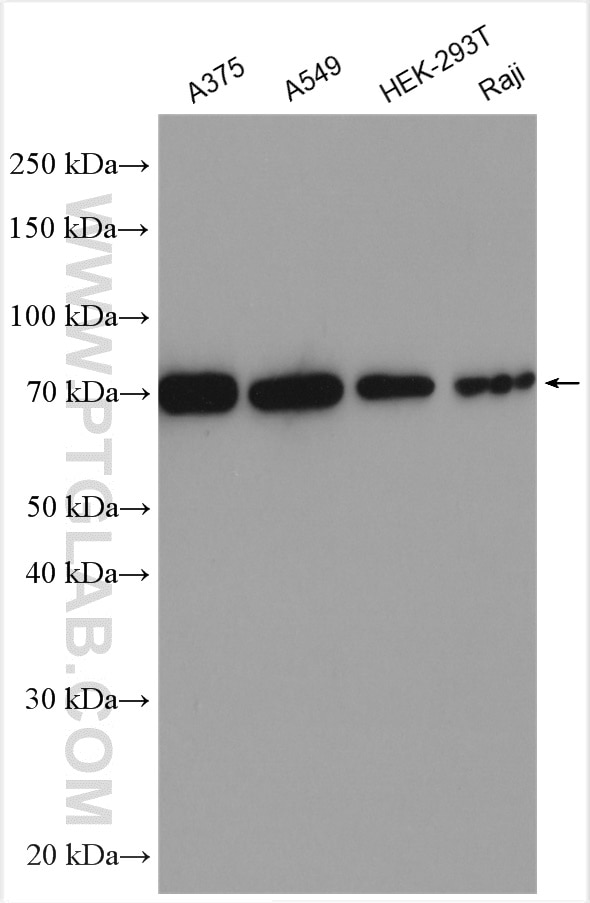
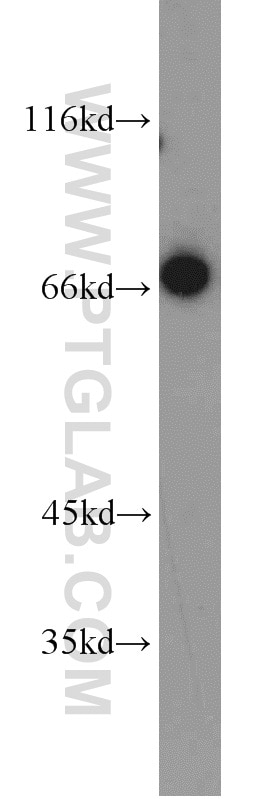
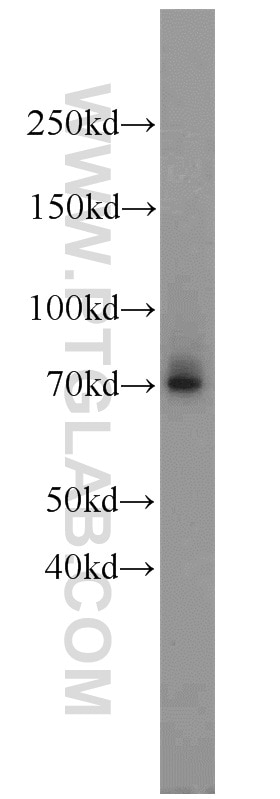
| Positive WB detected in | A375 cells, mouse thymus tissue, rat lung tissue, A549 cells, HEK-293T cells, Raji cells |
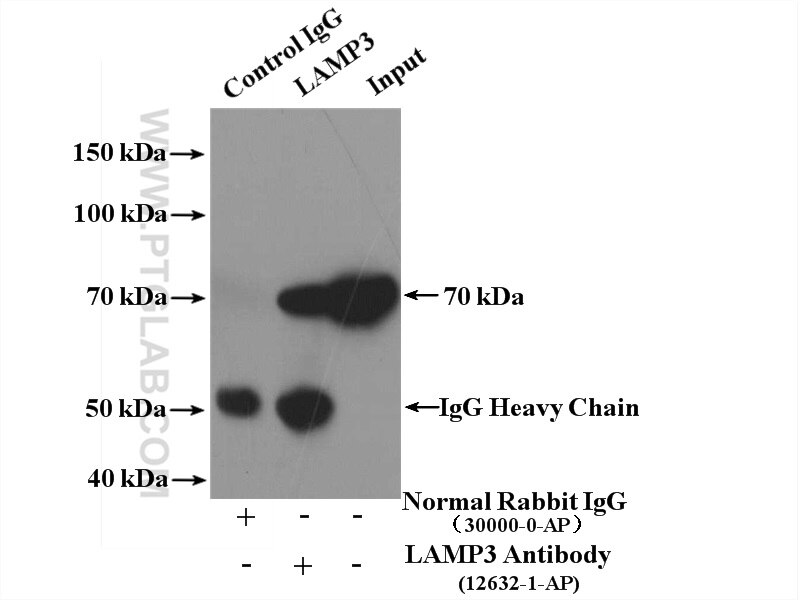
| Positive IP detected in | A549 cells |
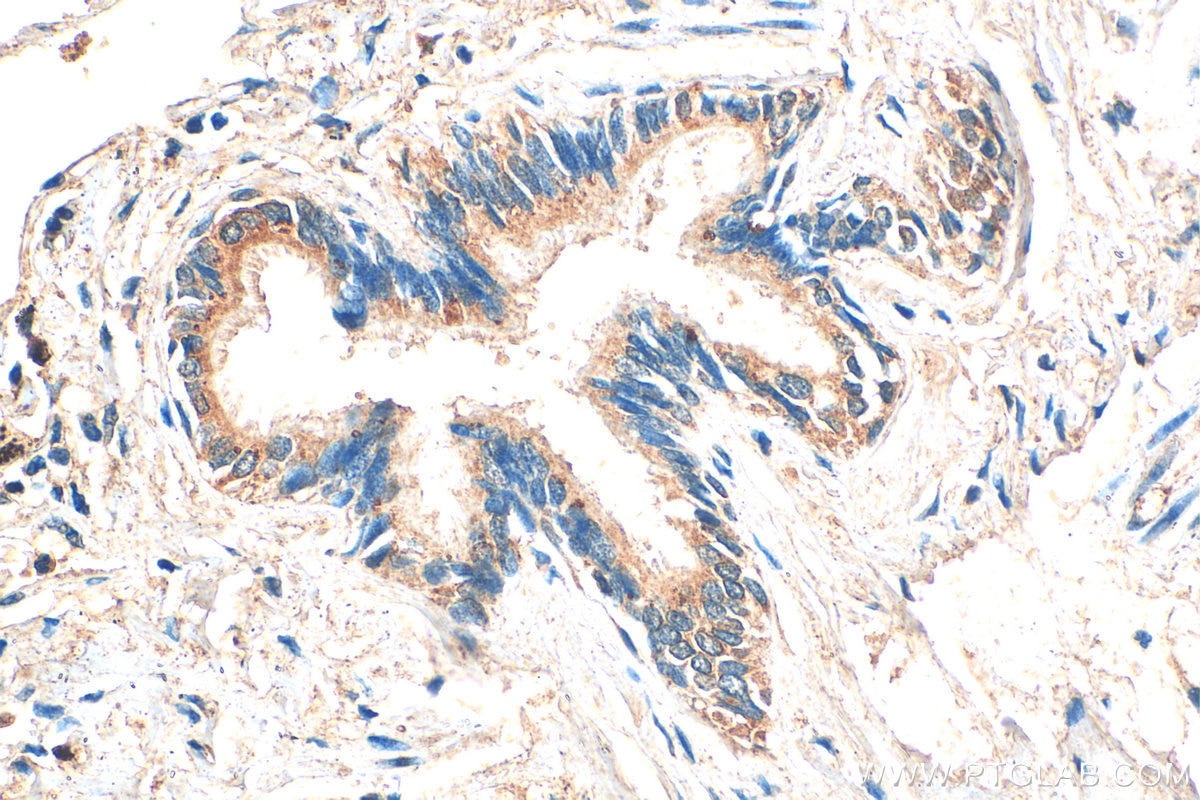
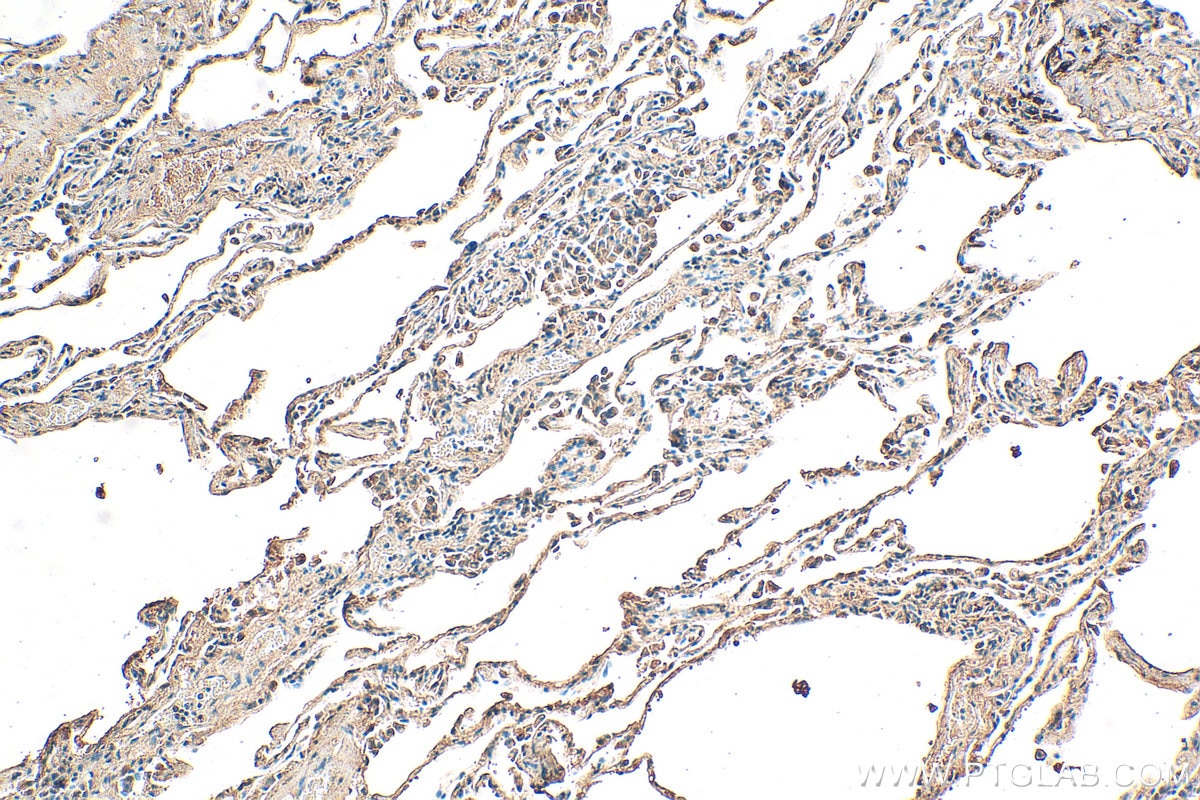
| Positive IHC detected in | human lung tissue Note: suggested antigen retrieval with TE buffer pH 9.0; (*) Alternatively, antigen retrieval may be performed with citrate buffer pH 6.0 |
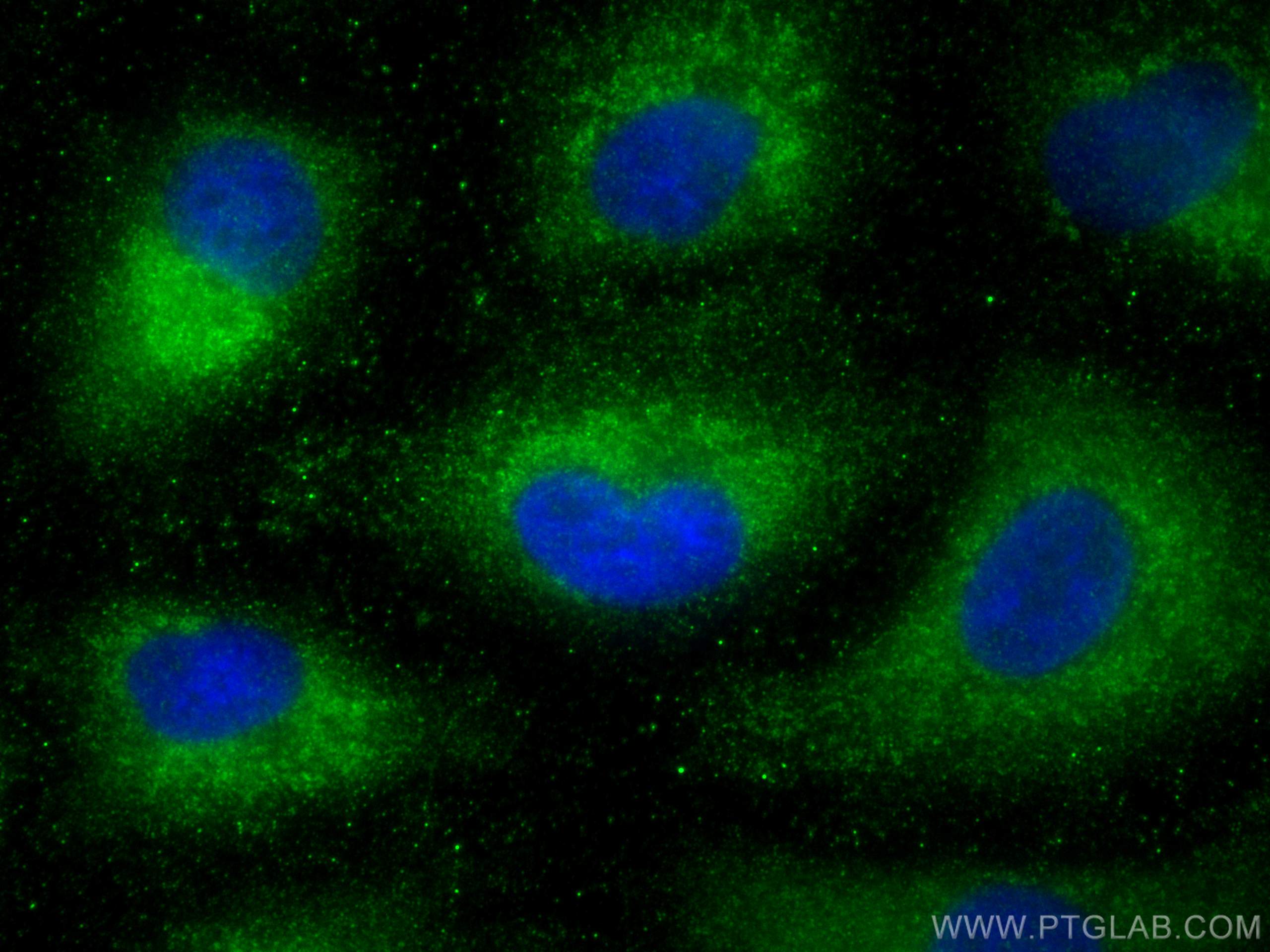
| Positive IF/ICC detected in | A549 cells |
Recommended dilution
| Application | Dilution |
|---|---|
| Western Blot (WB) | WB : 1:1000-1:8000 |
| Immunoprecipitation (IP) | IP : 0.5-4.0 ug for 1.0-3.0 mg of total protein lysate |
| Immunohistochemistry (IHC) | IHC : 1:50-1:500 |
| Immunofluorescence (IF)/ICC | IF/ICC : 1:200-1:800 |
| It is recommended that this reagent should be titrated in each testing system to obtain optimal results. | |
| Sample-dependent, Check data in validation data gallery. | |
Product Information
12632-1-AP targets LAMP3 in WB, IHC, IF/ICC, IP, ELISA applications and shows reactivity with human, mouse, rat samples.
| Tested Reactivity | human, mouse, rat |
| Cited Reactivity | human, mouse, rat, monkey |
| Host / Isotype | Rabbit / IgG |
| Class | Polyclonal |
| Type | Antibody |
| Immunogen |
CatNo: Ag3325 Product name: Recombinant human LAMP3 protein Source: e coli.-derived, PGEX-4T Tag: GST Domain: 30-380 aa of BC032940 Sequence: FPGTRDYSQPTAAATVQDIKKPVQQPAKQAPHQTLAARFMDGHITFQTAATVKIPTTTPATTKNTATTSPITYTLVTTQATPNNSHTAPPVTEVTVGPSLAPYSLPPTITPPAHTTGTSSSTVSHTTGNTTQPSNQTTLPATLSIALHKSTTGQKPVQPTHAPGTTAAAHNTTRTAAPASTVPGPTLAPQPSSVKTGIYQVLNGSRLCIKAEMGIQLIVQDKESVFSPRRYFNIDPNATQASGNCGTRKSNLLLNFQGGFVNLTFTKDEESYYISEVGAYLTVSDPETVYQGIKHAVVMFQTAVGHSFKCVSEQSLQLSAHLQVKTTDVQLQAFDFEDDHFGNVDECSSDY Predict reactive species |
| Full Name | lysosomal-associated membrane protein 3 |
| Calculated Molecular Weight | 416 aa, 44 kDa |
| Observed Molecular Weight | 70 kDa |
| GenBank Accession Number | BC032940 |
| Gene Symbol | LAMP3 |
| Gene ID (NCBI) | 27074 |
| RRID | AB_2076629 |
| Conjugate | Unconjugated |
| Form | Liquid |
| Purification Method | Antigen affinity purification |
| UNIPROT ID | Q9UQV4 |
| Storage Buffer | PBS with 0.02% sodium azide and 50% glycerol, pH 7.3. |
| Storage Conditions | Store at -20°C. Stable for one year after shipment. Aliquoting is unnecessary for -20oC storage. 20ul sizes contain 0.1% BSA. |
Background Information
LAMP3 (lysosome-associated membrane protein 3), also known as DC-LAMP (DC-lysosome-associated membrane glycoprotein), TSC403 or CD208, is a highly glycosylated lysosomal membrane protein that belongs to the LAMP family. The mature glycoprotein has an apparent molecular mass of 70-90 kDa, which is considerably larger than its predicted mass of 44 kDa (PMID: 9768752). LAMP3 is expressed in lung type II pneumocytes, lymphoid organs and dendritic cells. It might change the lysosome function after the transfer of peptide-MHC class II molecules to the surface of dendritic cells. LAMP3 mRNA is up-regulated in some human cancers (PMID:9721848). LAMP3 overexpression is associated with an enhanced metastatic potential and may be a prognostic factor for cervical cancer (PMID: 16204031).
Protocols
| Product Specific Protocols | |
|---|---|
| IF protocol for LAMP3 antibody 12632-1-AP | Download protocol |
| IHC protocol for LAMP3 antibody 12632-1-AP | Download protocol |
| IP protocol for LAMP3 antibody 12632-1-AP | Download protocol |
| WB protocol for LAMP3 antibody 12632-1-AP | Download protocol |
| Standard Protocols | |
|---|---|
| Click here to view our Standard Protocols |
Publications
What published studies show
| Species | Application | Title |
|---|---|---|
Nat Med Haploinsufficiency leads to neurodegeneration in C9ORF72 ALS/FTD human induced motor neurons. | ||
Arthritis Rheumatol LAMP3 induces lysosome-dependent cell death by impairing autophagic caspase-8 degradation in Sjögren's salivary glands | ||
Nat Commun Dstyk mutation leads to congenital scoliosis-like vertebral malformations in zebrafish via dysregulated mTORC1/TFEB pathway. | ||
J Clin Invest Lysosomal exocytosis of HSP70 stimulates monocytic BMP6 expression in Sjögren's syndrome. | ||
Autophagy LAMP3 inhibits autophagy and contributes to cell death by lysosomal membrane permeabilization. | ||
Cell Prolif Intrapulmonary distal airway stem cell transplantation repairs lung injury in chronic obstructive pulmonary disease. |
Reviews
What customers say
The reviews below have been submitted by verified Proteintech customers who received an incentive for providing their feedback.
Ying (Verified Customer) (08-19-2019) | very good antibody
|

