

Tested Applications
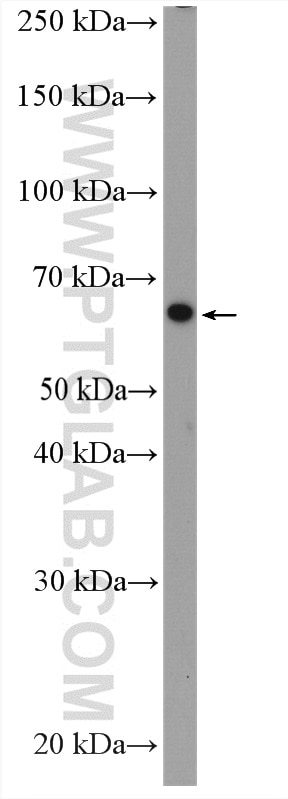
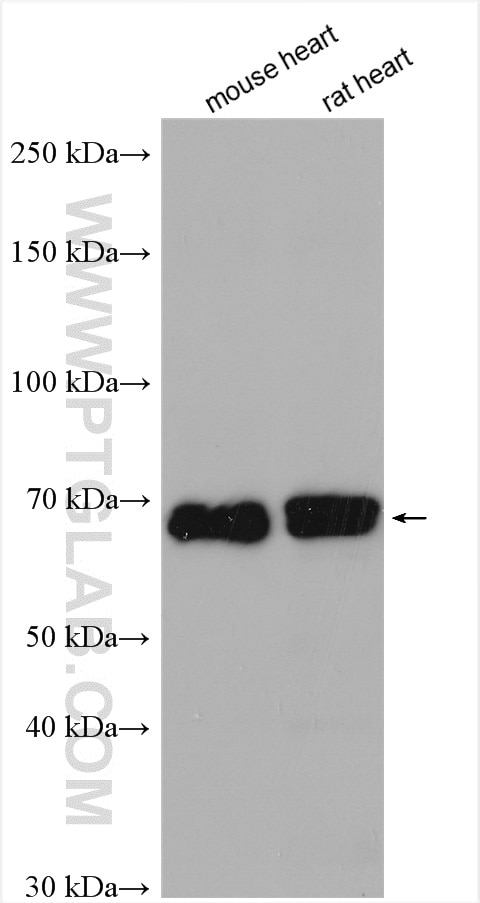
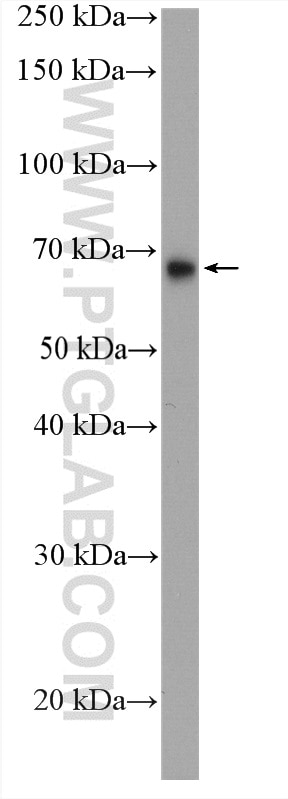
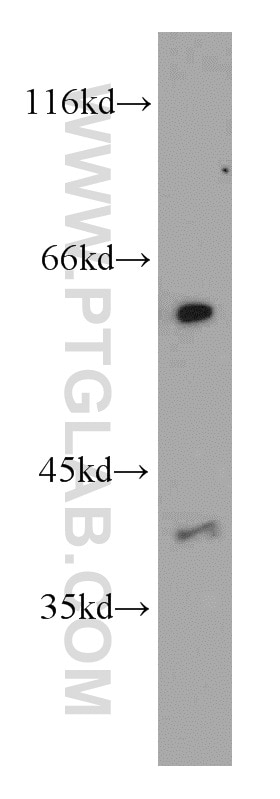
| Positive WB detected in | mouse heart tissue, mouse liver tissue, HepG2 cells, rat heart tissue |
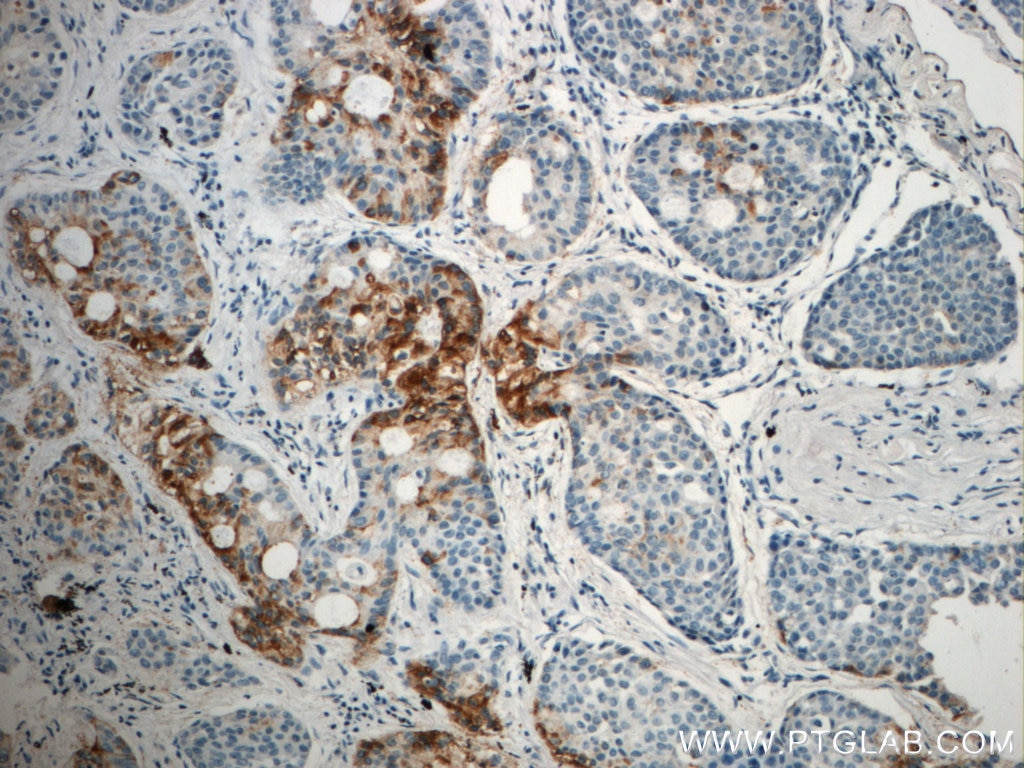
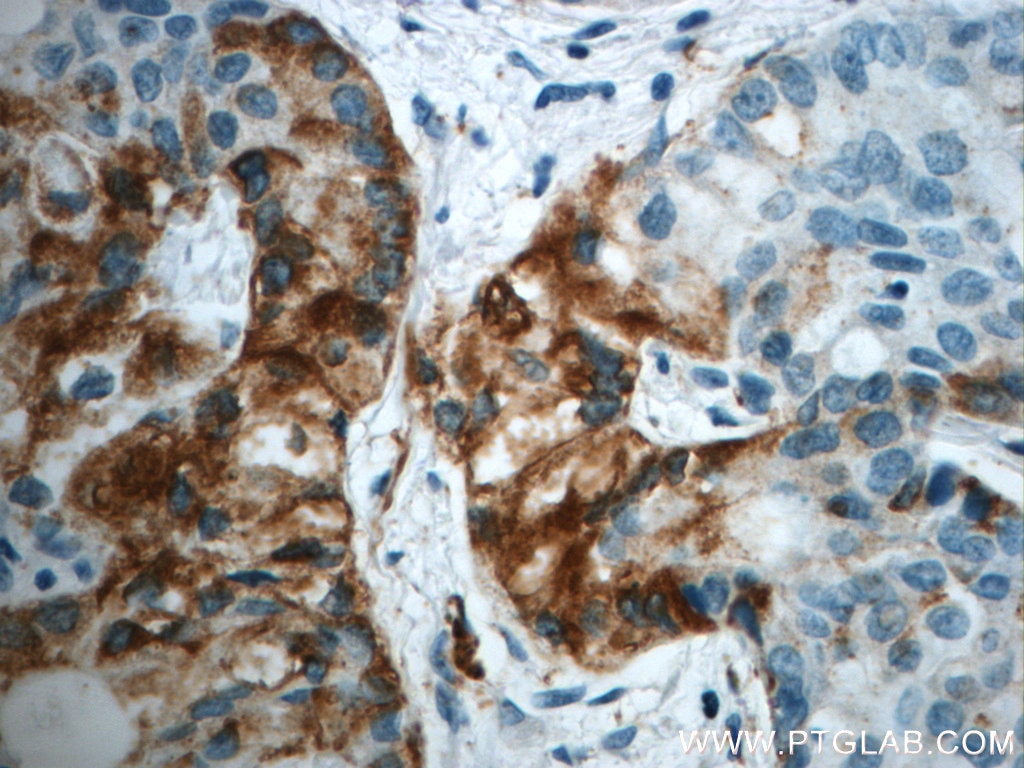
| Positive IHC detected in | human lung cancer tissue Note: suggested antigen retrieval with TE buffer pH 9.0; (*) Alternatively, antigen retrieval may be performed with citrate buffer pH 6.0 |
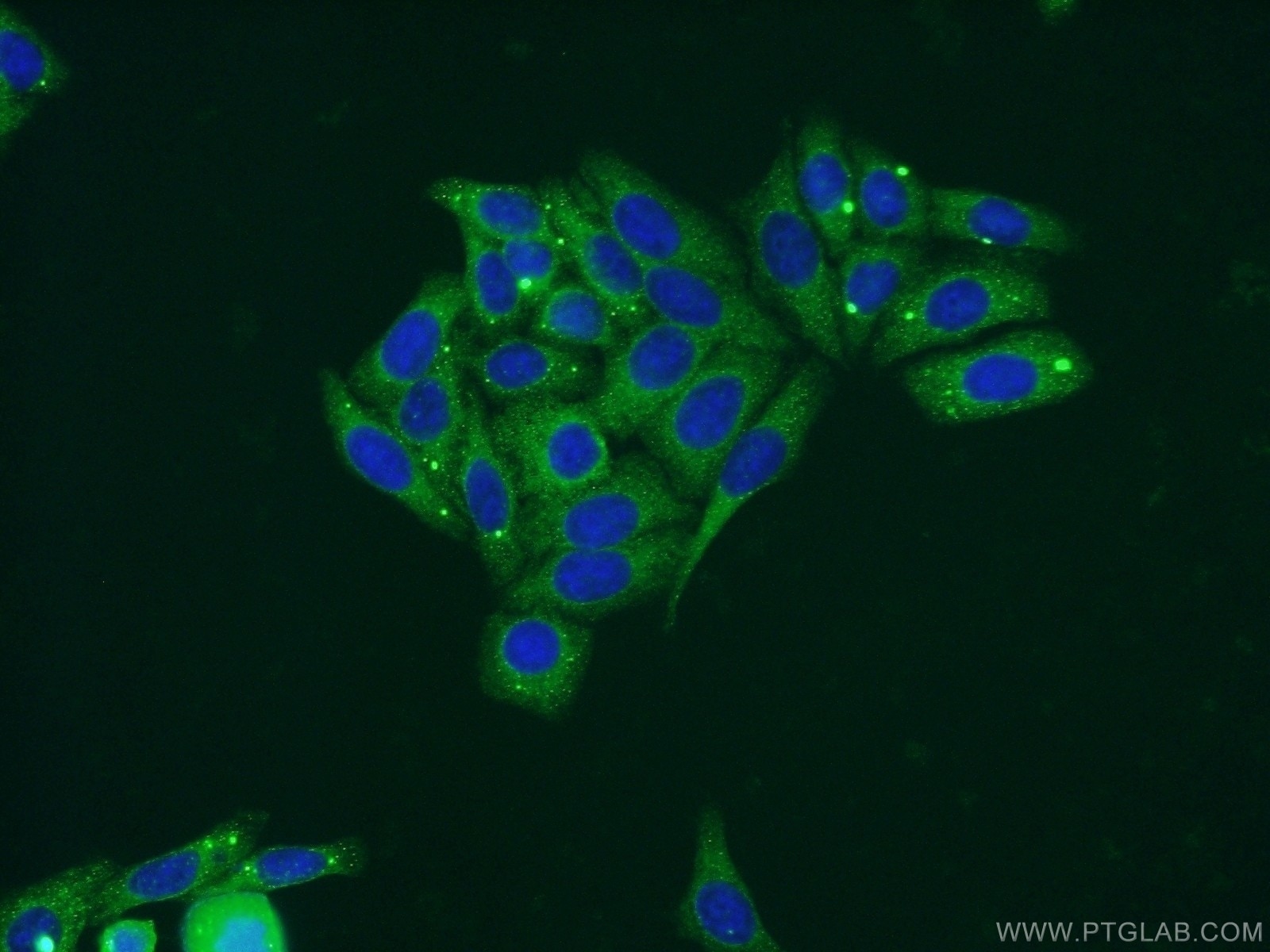
| Positive IF/ICC detected in | HepG2 cells |
Recommended dilution
| Application | Dilution |
|---|---|
| Western Blot (WB) | WB : 1:1000-1:4000 |
| Immunohistochemistry (IHC) | IHC : 1:20-1:200 |
| Immunofluorescence (IF)/ICC | IF/ICC : 1:20-1:200 |
| It is recommended that this reagent should be titrated in each testing system to obtain optimal results. | |
| Sample-dependent, Check data in validation data gallery. | |
Product Information
21133-1-AP targets LIPC in WB, IHC, IF/ICC, ELISA applications and shows reactivity with human, mouse, rat samples.
| Tested Reactivity | human, mouse, rat |
| Cited Reactivity | human, mouse, rat |
| Host / Isotype | Rabbit / IgG |
| Class | Polyclonal |
| Type | Antibody |
| Immunogen |
CatNo: Ag15538 Product name: Recombinant human LIPC protein Source: e coli.-derived, PGEX-4T Tag: GST Domain: 213-463 aa of BC146659 Sequence: DASFVDAIHTFTREHMGLSVGIKQPIGHYDFYPNGGSFQPGCHFLELYRHIAQHGFNAITQTIKCSHERSVHLFIDSLLHAGTQSMAYPCGDMNSFSQGLCLSCKKGRCNTLGYHVRQEPRSKSKRLFLVTRAQSPFKVYHYQLKIQFINQTETPIQTTFTMSLLGTKEKMQKIPITLGKGIASNKTYSFLITLDVDIGELIMIKFKWENSAVWANVWDTVQTIIPWSTGPRHSGLVLKTIRVKAGETQQR Predict reactive species |
| Full Name | lipase, hepatic |
| Calculated Molecular Weight | 499 aa, 56 kDa |
| Observed Molecular Weight | 65 kDa |
| GenBank Accession Number | BC146659 |
| Gene Symbol | LIPC |
| Gene ID (NCBI) | 3990 |
| RRID | AB_11041715 |
| Conjugate | Unconjugated |
| Form | Liquid |
| Purification Method | Antigen affinity purification |
| UNIPROT ID | P11150 |
| Storage Buffer | PBS with 0.02% sodium azide and 50% glycerol, pH 7.3. |
| Storage Conditions | Store at -20°C. Stable for one year after shipment. Aliquoting is unnecessary for -20oC storage. 20ul sizes contain 0.1% BSA. |
Background Information
LIPC, also named as HTGL and HL, belongs to the AB hydrolase superfamily and Lipase family. It has the capacity to catalyze hydrolysis of phospholipids, mono-, di-, and triglycerides, and acyl-CoA thioesters. LIPC is an important enzyme in HDL metabolism. It binds heparin.
Protocols
| Product Specific Protocols | |
|---|---|
| IF protocol for LIPC antibody 21133-1-AP | Download protocol |
| IHC protocol for LIPC antibody 21133-1-AP | Download protocol |
| WB protocol for LIPC antibody 21133-1-AP | Download protocol |
| Standard Protocols | |
|---|---|
| Click here to view our Standard Protocols |
Publications
What published studies show
The LIPC Polyclonal antibody (Cat# 21133-1-AP) has 7 citations published in journals including Cell Research, Journal of Hematology & Oncology, Biomaterials, Journal of Translational Medicine, Archives of Pharmacal Research, Laboratory Investigation, and Experimental Eye Research. Research fields span pancreatic cancer metastasis, colorectal cancer liver metastasis, cholangiocarcinoma lipid metabolism, hepatocellular carcinoma EMT, inflammatory bowel disease, hepatic cholestasis, and retinal carotenoid imaging. Applications include WB, IHC, and IF across human, mouse, and rat species.
| Species | Application | Title |
|---|---|---|
J Hematol Oncol High-resolution Hi-C maps highlight multiscale 3D epigenome reprogramming during pancreatic cancer metastasis.
| ||
Cell Res Tissue-specific transcription reprogramming promotes liver metastasis of colorectal cancer. | ||
Biomaterials Mitochondria targeted drug delivery system overcoming drug resistance in intrahepatic cholangiocarcinoma by reprogramming lipid metabolism | ||
J Transl Med Downregulation of TUSC3 promotes EMT and hepatocellular carcinoma progression through LIPC/AKT axis
| ||
Arch Pharm Res Protective effects of L-theanine on rats with dextran sulfate sodium-induced inflammatory bowel disease. | ||
Lab Invest Cholestasis impairs hepatic lipid storage via AMPK and CREB signaling in hepatitis B virus surface protein transgenic mice. |

