

Tested Applications
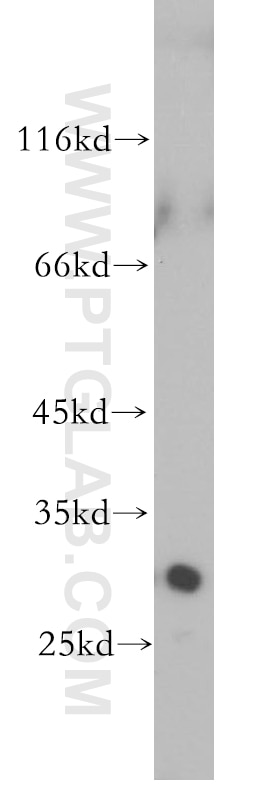
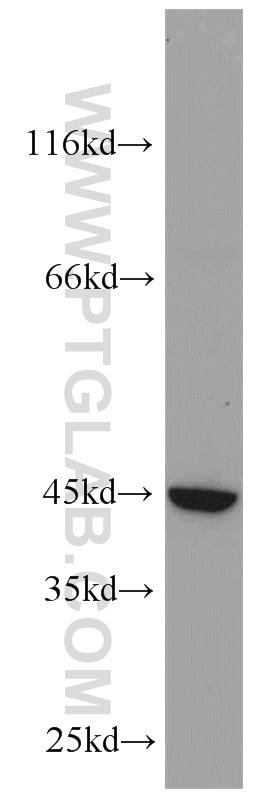
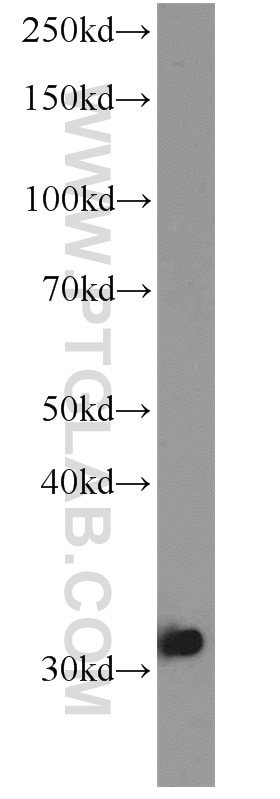
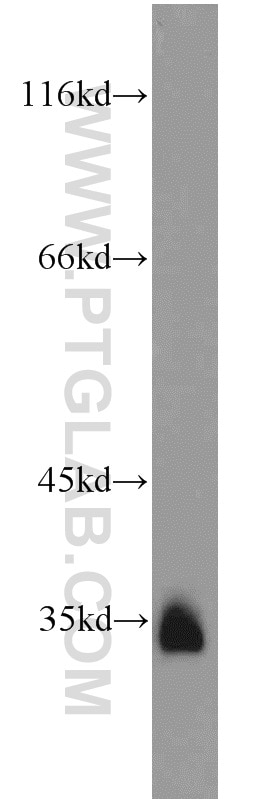
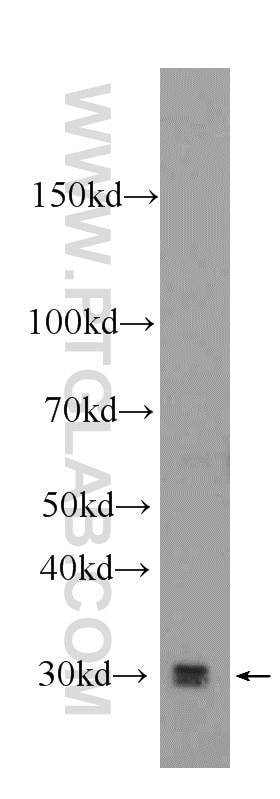
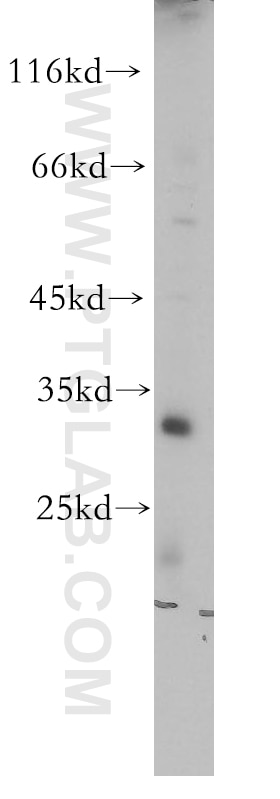
| Positive WB detected in | Jurkat cells, MKN-45 cells, SGC-7901 cells, NIH/3T3 cells, mouse skeletal muscle tissue, A375 cells |
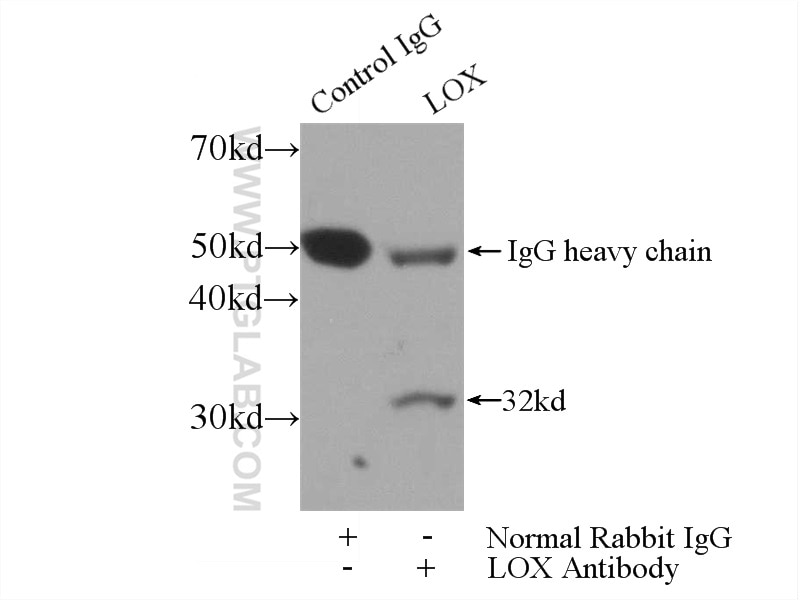
| Positive IP detected in | mouse skeletal muscle tissue |
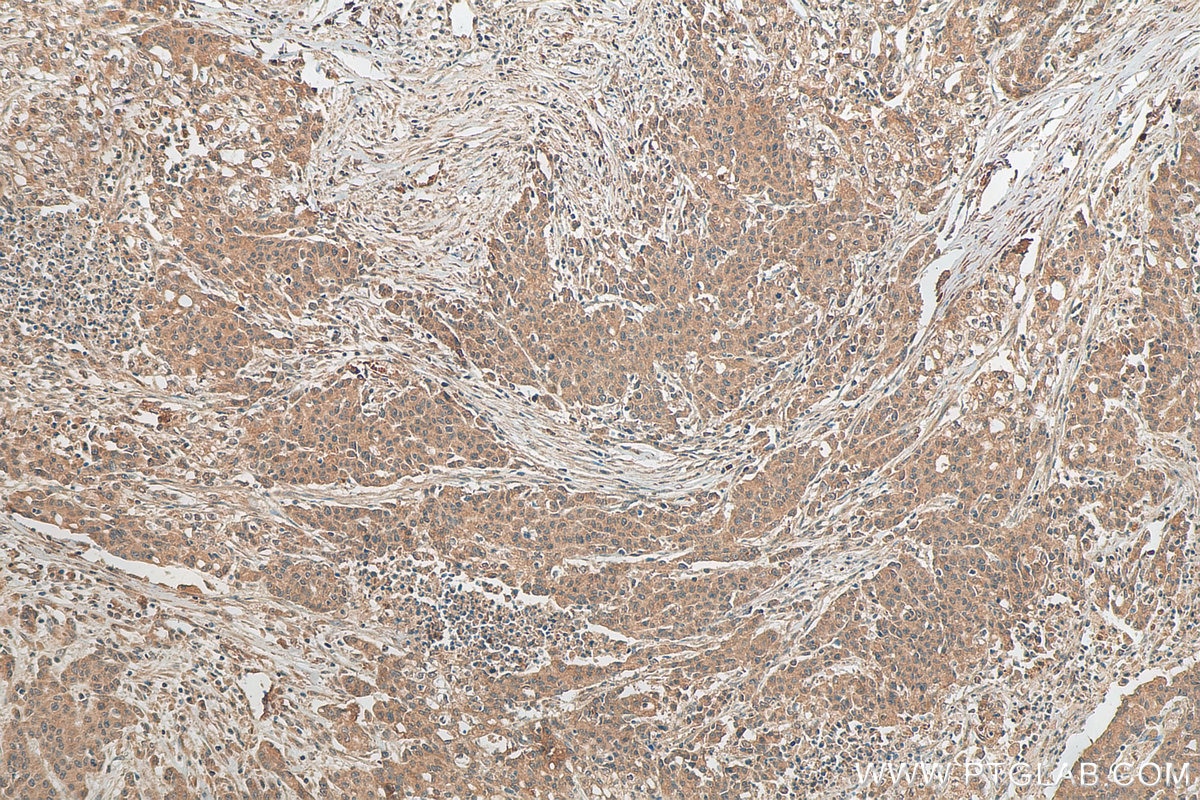
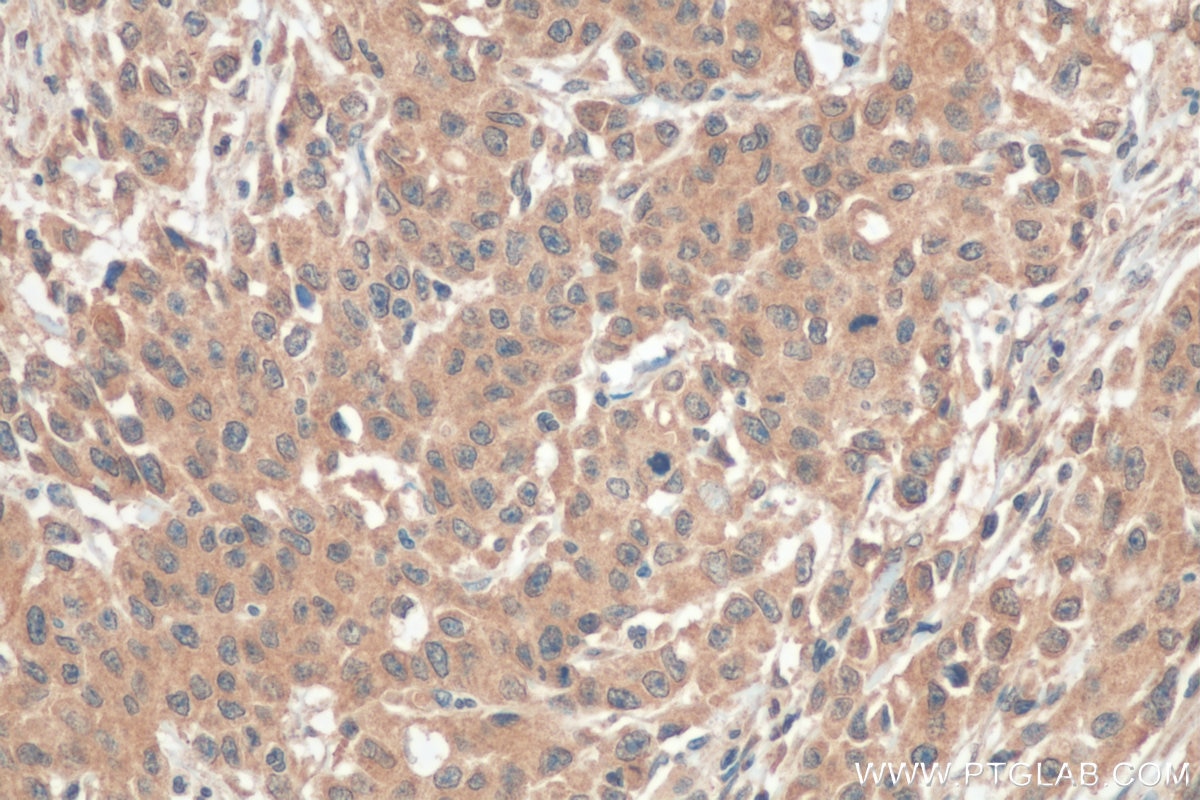
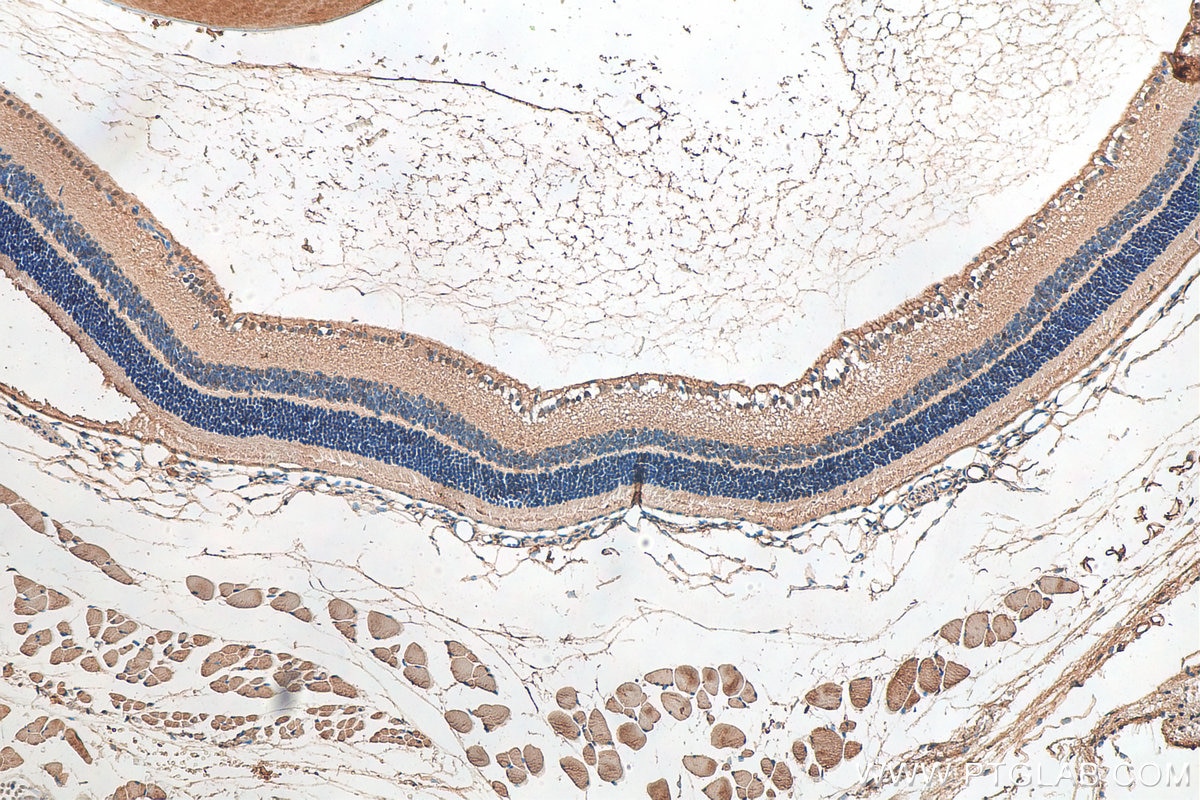
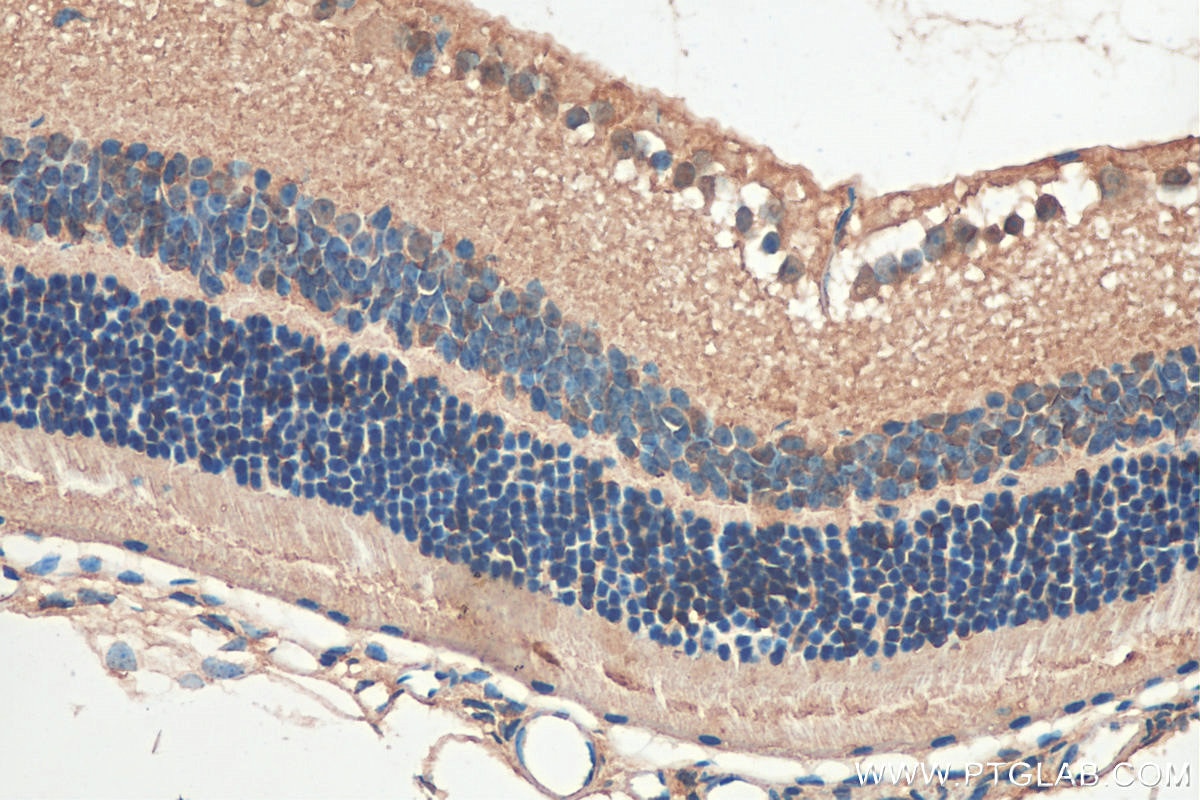
| Positive IHC detected in | human stomach cancer tissue, mouse eye tissue Note: suggested antigen retrieval with TE buffer pH 9.0; (*) Alternatively, antigen retrieval may be performed with citrate buffer pH 6.0 |
Recommended dilution
| Application | Dilution |
|---|---|
| Western Blot (WB) | WB : 1:500-1:1000 |
| Immunoprecipitation (IP) | IP : 0.5-4.0 ug for 1.0-3.0 mg of total protein lysate |
| Immunohistochemistry (IHC) | IHC : 1:50-1:500 |
| It is recommended that this reagent should be titrated in each testing system to obtain optimal results. | |
| Sample-dependent, Check data in validation data gallery. | |
Product Information
17958-1-AP targets LOX in WB, IHC, IF, IP, ELISA applications and shows reactivity with human, mouse samples.
| Tested Reactivity | human, mouse |
| Cited Reactivity | human, mouse, rat, rabbit |
| Host / Isotype | Rabbit / IgG |
| Class | Polyclonal |
| Type | Antibody |
| Immunogen |
CatNo: Ag12479 Product name: Recombinant human LOX protein Source: e coli.-derived, PGEX-4T Tag: GST Domain: 1-417 aa of BC074872 Sequence: MRFAWTVLLLGPLQLCALVHCAPPAAGQQQPPREPPAAPGAWRQQIQWENNGQVFSLLSLGSQYQPQRRRDPGAAVPGAANASAQQPRTPILLIRDNRTAAARTRTAGSSGVTAGRPRPTARHWFQAGYSTSRAREAGASRAENQTAPGEVPALSNLRPPSRVDGMVGDDPYNPYKYSDDNPYYNYYDTYERPRPGGRYRPGYGTGYFQYGLPDLVADPYYIQASTYVQKMSMYNLRCAAEENCLASTAYRADVRDYDHRVLLRFPQRVKNQGTSDFLPSRPRYSWEWHSCHQHYHSMDEFSHYDLLDANTQRRVAEGHKASFCLEDTSCDYGYHRRFACTAHTQGLSPGCYDTYGADIDCQWIDITDVKPGNYILKVSVNPSYLVPESDYTNNVVRCDIRYTGHHAYASGCTISPY Predict reactive species |
| Full Name | lysyl oxidase |
| Calculated Molecular Weight | 417 aa, 47 kDa |
| Observed Molecular Weight | 32 kDa, 45-47 kDa |
| GenBank Accession Number | BC074872 |
| Gene Symbol | LOX |
| Gene ID (NCBI) | 4015 |
| RRID | AB_2234541 |
| Conjugate | Unconjugated |
| Form | Liquid |
| Purification Method | Antigen affinity purification |
| UNIPROT ID | P28300 |
| Storage Buffer | PBS with 0.02% sodium azide and 50% glycerol, pH 7.3. |
| Storage Conditions | Store at -20°C. Stable for one year after shipment. Aliquoting is unnecessary for -20oC storage. 20ul sizes contain 0.1% BSA. |
Background Information
LOX is a member of a multigene family (LOX, LOXL, LOXL2, LOXL3, and LOXL4). Lysyl oxidase (LOX), a copper-dependent enzyme, plays a critical role in the formation and repair of the extracellularmatrix (ECM) by catalyzing the crosslinking of elastin and collagen. LOX expression appears to be upregulated in malignancies and has recently been suggested to play a role in regulating tumor metastasis. It is synthesized as a 50 kDa proenzyme, secreted, and processed into an 32 kDa mature, active enzyme and an 18-kDa propeptide.
Protocols
| Product Specific Protocols | |
|---|---|
| IHC protocol for LOX antibody 17958-1-AP | Download protocol |
| IP protocol for LOX antibody 17958-1-AP | Download protocol |
| WB protocol for LOX antibody 17958-1-AP | Download protocol |
| Standard Protocols | |
|---|---|
| Click here to view our Standard Protocols |
Publications
What published studies show
The LOX Polyclonal antibody (Cat# 17958-1-AP) has accumulated 56 citations across journals such as Signal Transduction and Targeted Therapy, Oncogene, Redox Biology, Advanced Healthcare Materials, BMC Medicine, International Journal of Nanomedicine, Drug Delivery, Biomedical Pharmacotherapy, Cell Systems, Frontiers in Immunology, Journal of Dental Research, Investigative Ophthalmology & Visual Science, Journal of Molecular and Cellular Cardiology, Scientific Reports, and Cancer Research. Associated research fields include myocardial fibrosis, cancer metastasis, ferroptosis, extracellular matrix remodeling, pulmonary and liver fibrosis, drug resistance, and inflammatory diseases.
| Species | Application | Title |
|---|---|---|
Signal Transduct Target Ther 2-APQC, a small-molecule activator of Sirtuin-3 (SIRT3), alleviates myocardial hypertrophy and fibrosis by regulating mitochondrial homeostasis | ||
Bioact Mater Reconstructing protein conformations to activate follicular enzyme-nutrient reservoirs for reversing follicle aging. | ||
Redox Biol Multi-omics profiling reveals Chitinase-3-like protein 1 as a key mediator in the crosstalk between sarcopenia and liver cancer | ||
Adv Healthc Mater Enhanced Vascular Smooth Muscle Cell and Extracellular Matrix Repair Using a Metal-Organic Framework-Based Co-Delivery System for Abdominal Aortic Aneurysm Therapy | ||
J Orthop Translat Hydrogen sulfide generated by cystathionine gamma lyase inhibits lysyl oxidase and protects against calcific tendinopathy. | ||
Oncogene Cell-to-cell heterogeneity of EWSR1-FLI1 activity determines proliferation/migration choices in Ewing sarcoma cells. |
Reviews
What customers say
Able is busy answering your previous question. Please try again later.
The reviews below have been submitted by verified Proteintech customers who received an incentive for providing their feedback.
MALLIKARJUNA (Verified Customer) (11-07-2025) | BEST FOR WESTERN
|
MALLIKARJUNA (Verified Customer) (11-07-2025) | BEST FOR WESTREN BLOT
|

