

Tested Applications
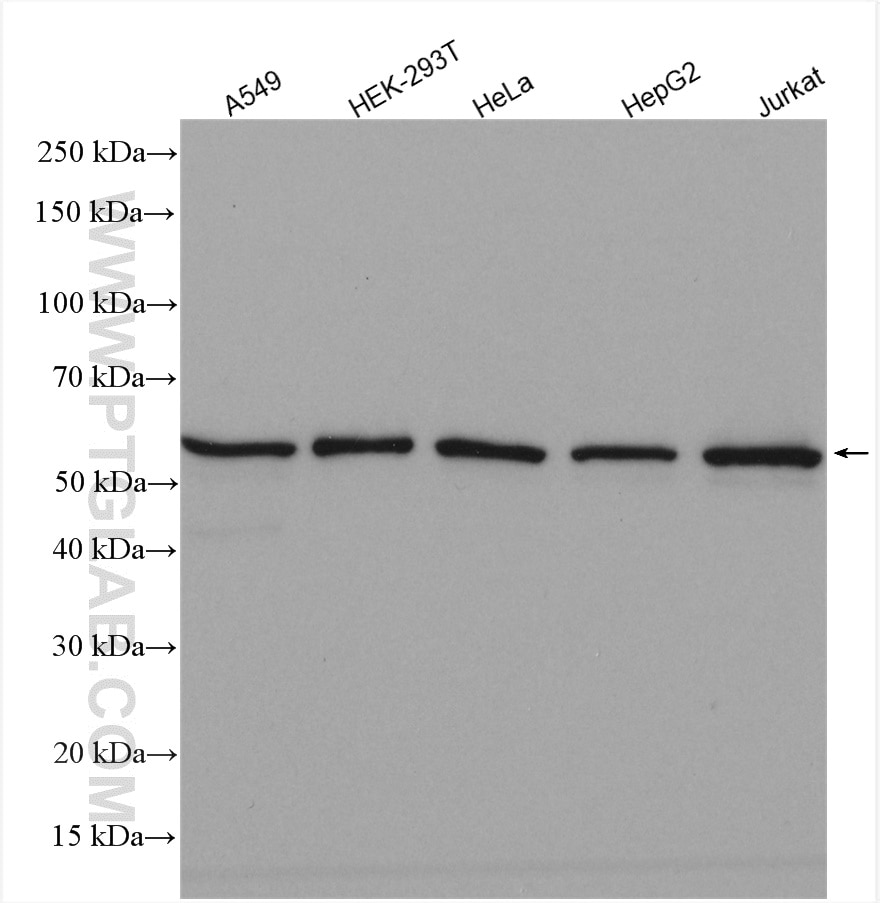
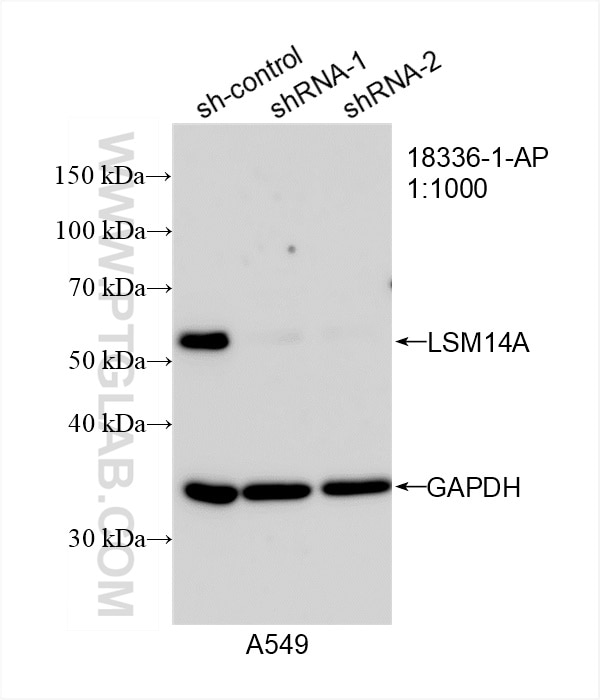
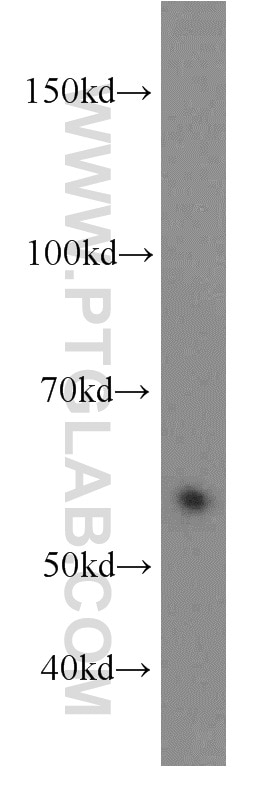
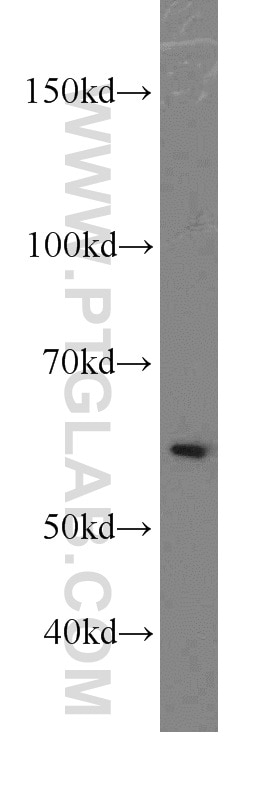
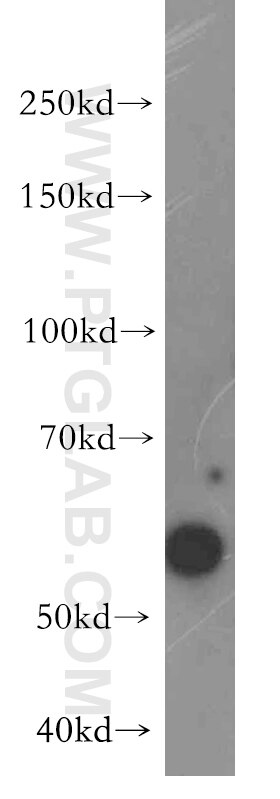
| Positive WB detected in | A549 cells, HeLa cells, PC-3 cells, HEK-293T cells, HepG2 cells, Jurkat cells |
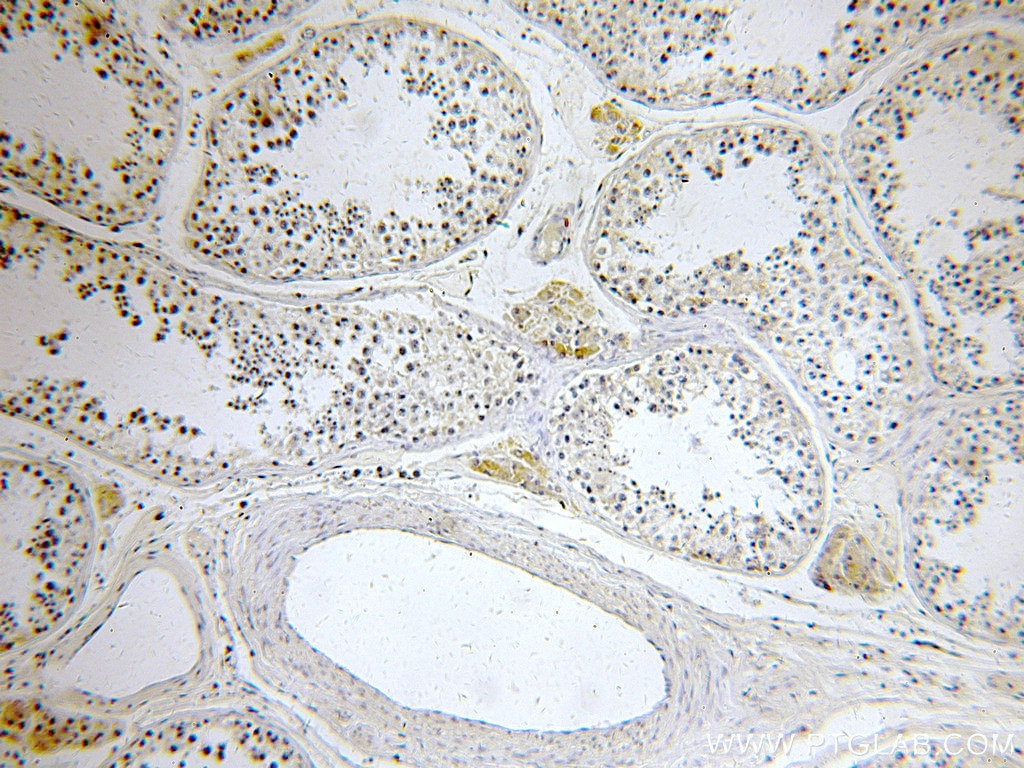
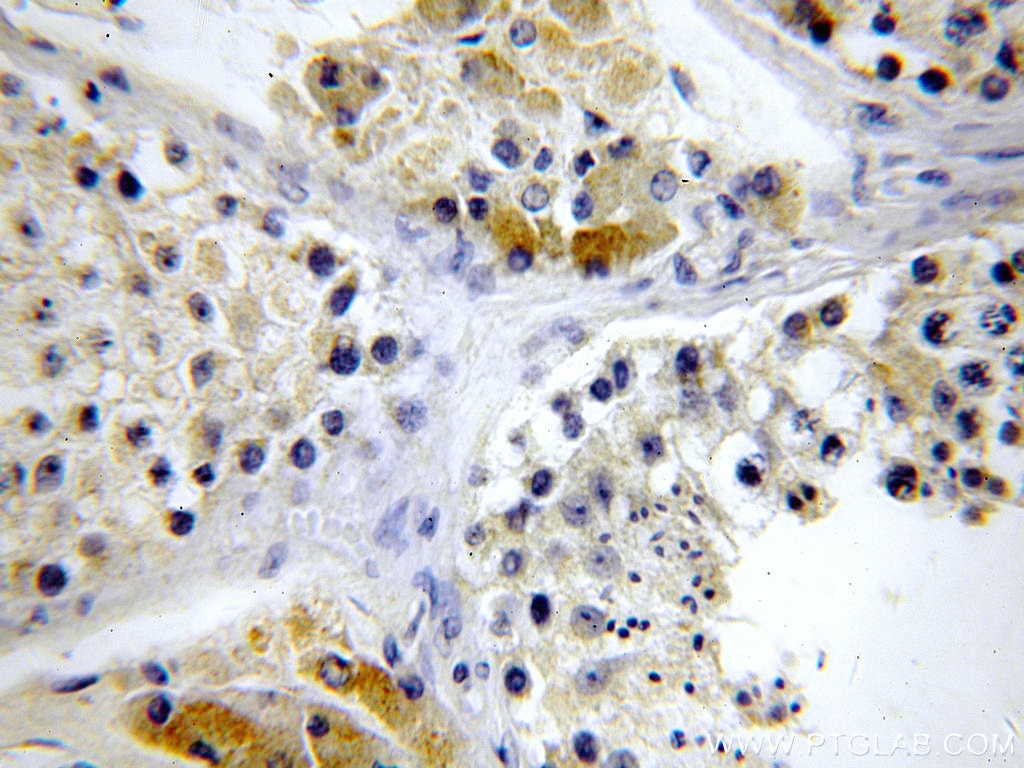
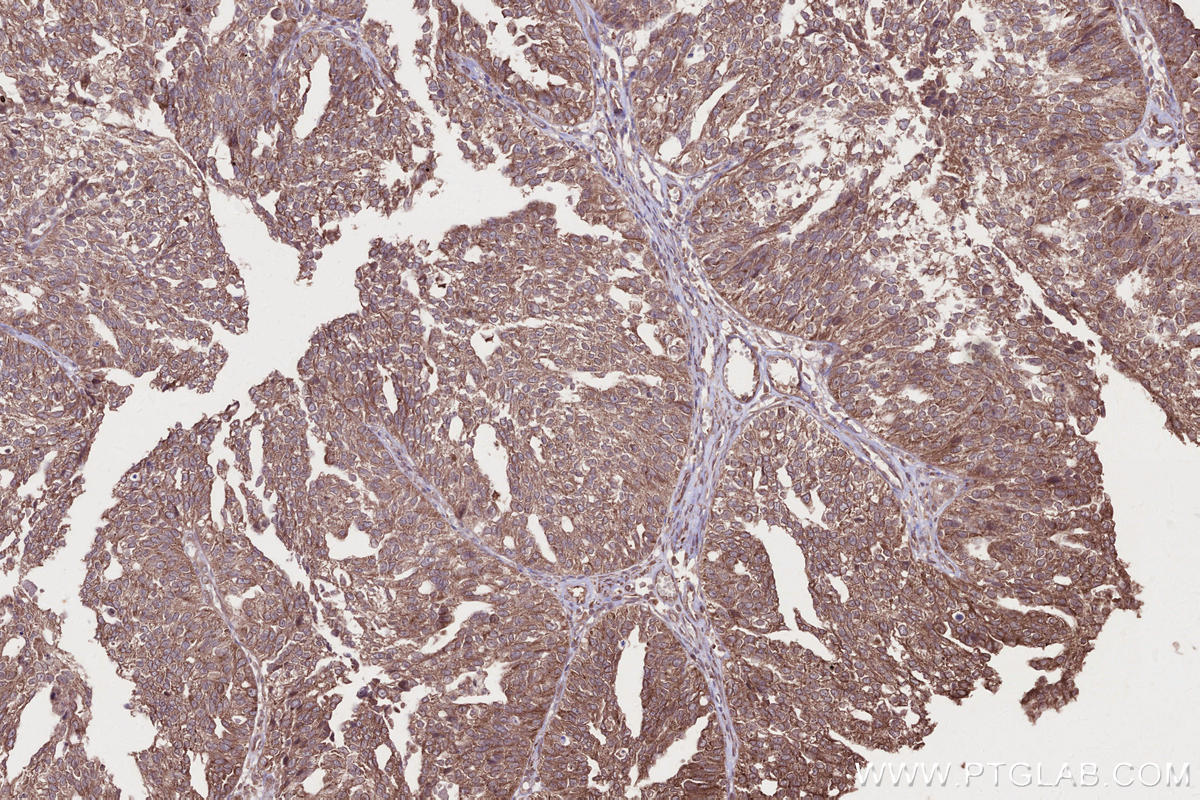
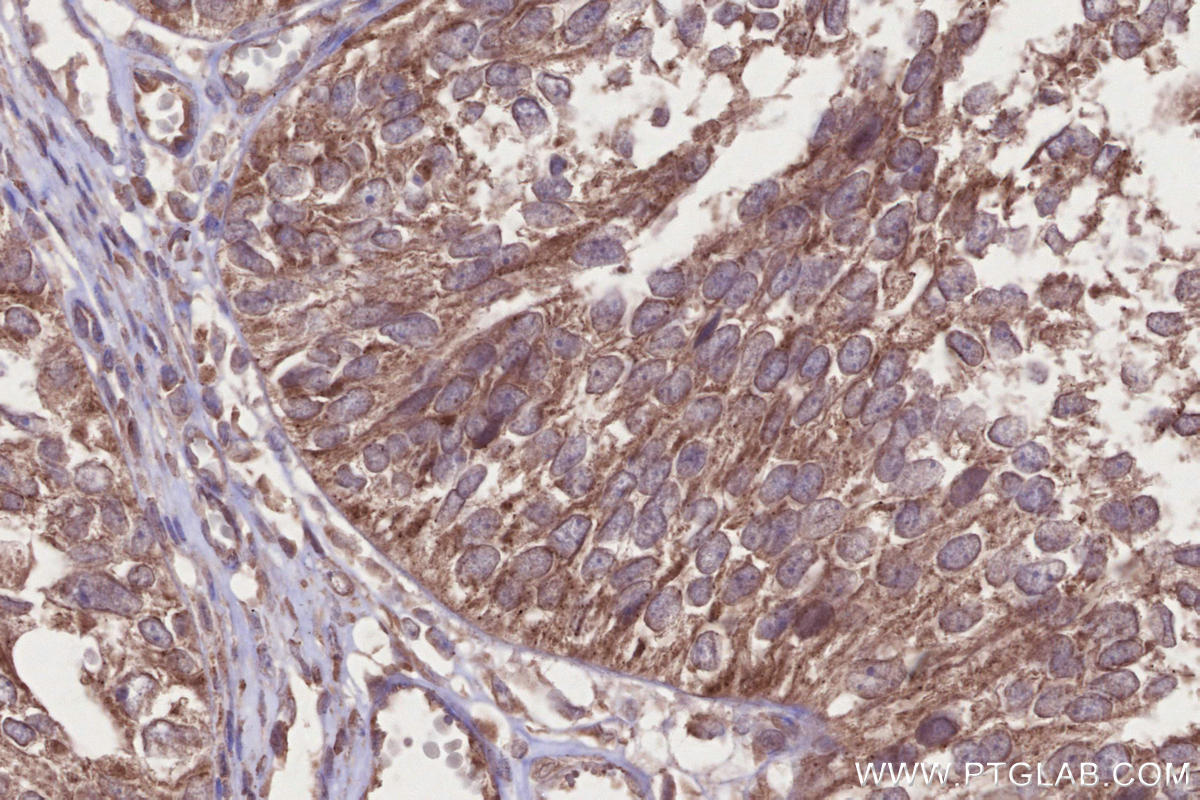
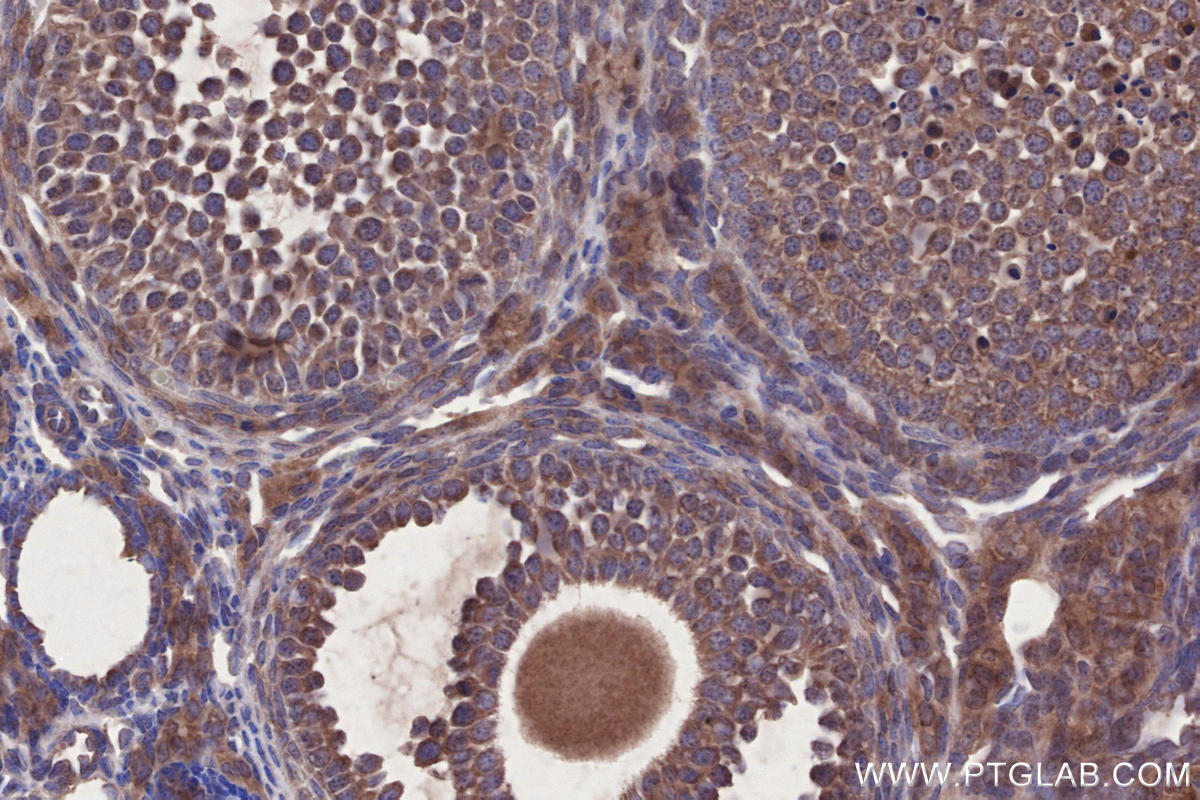
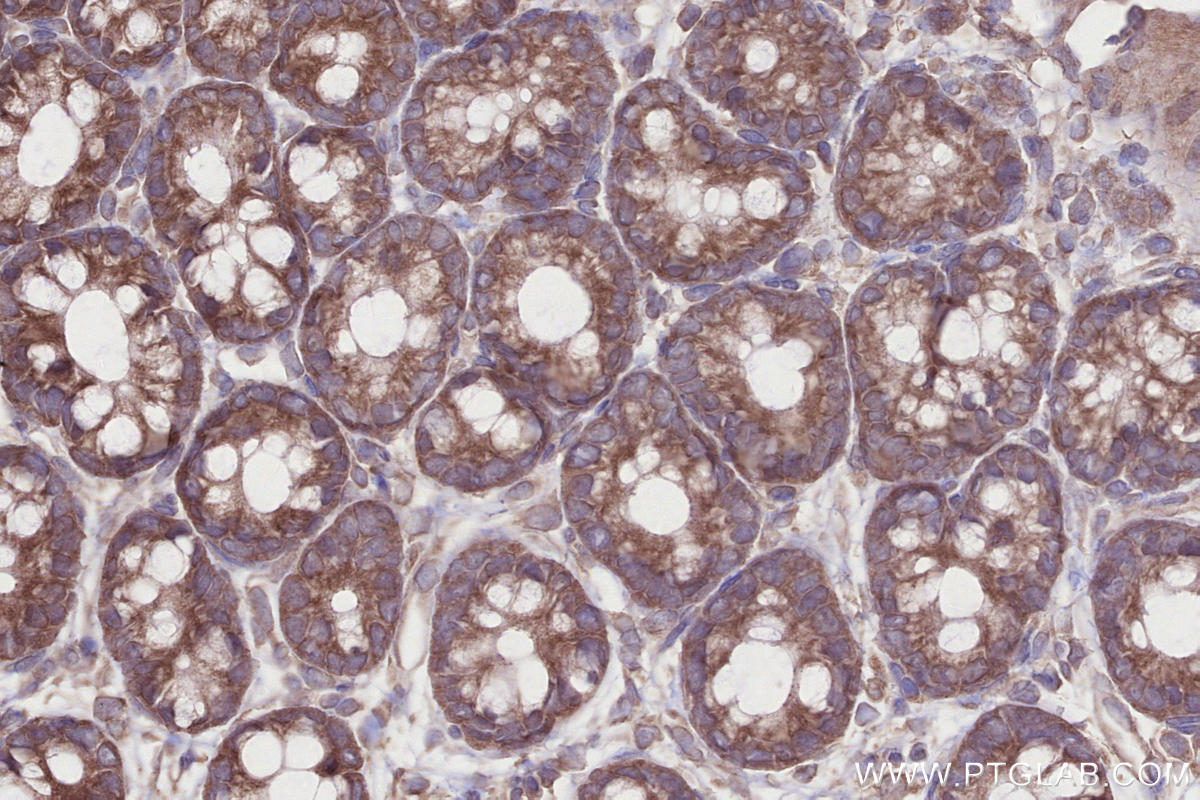
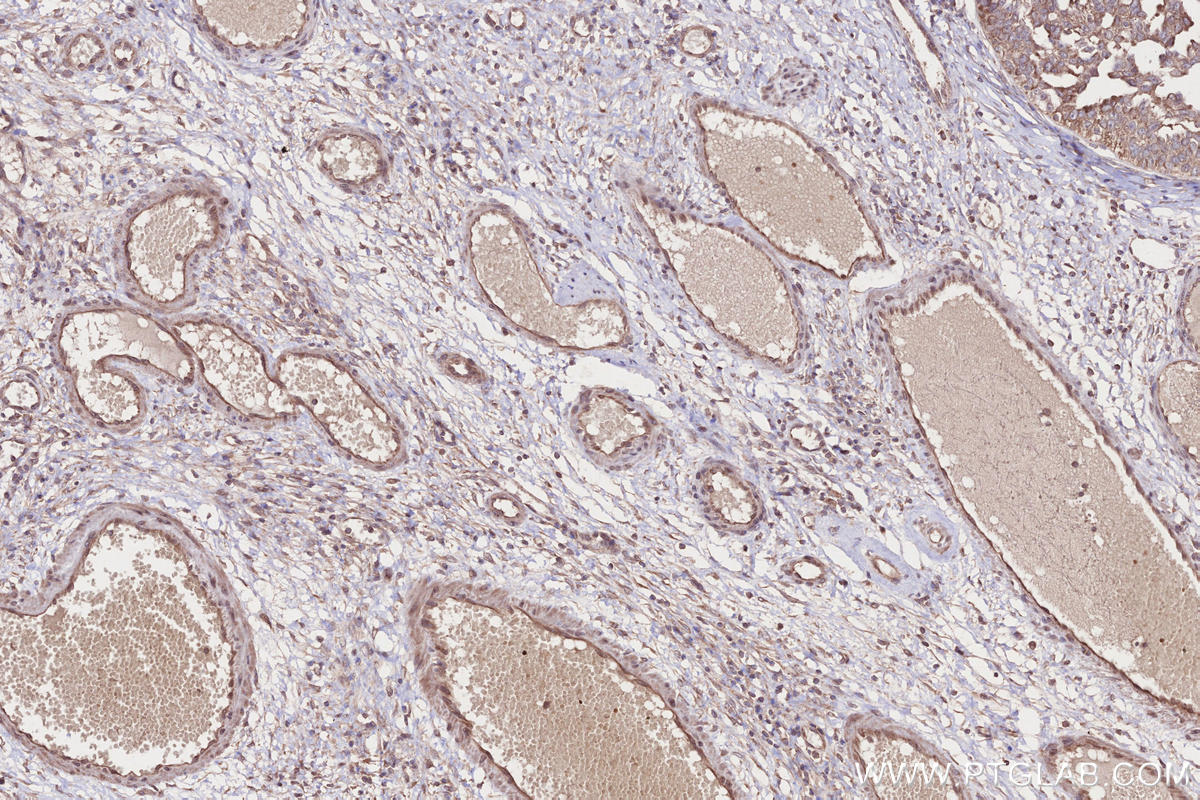
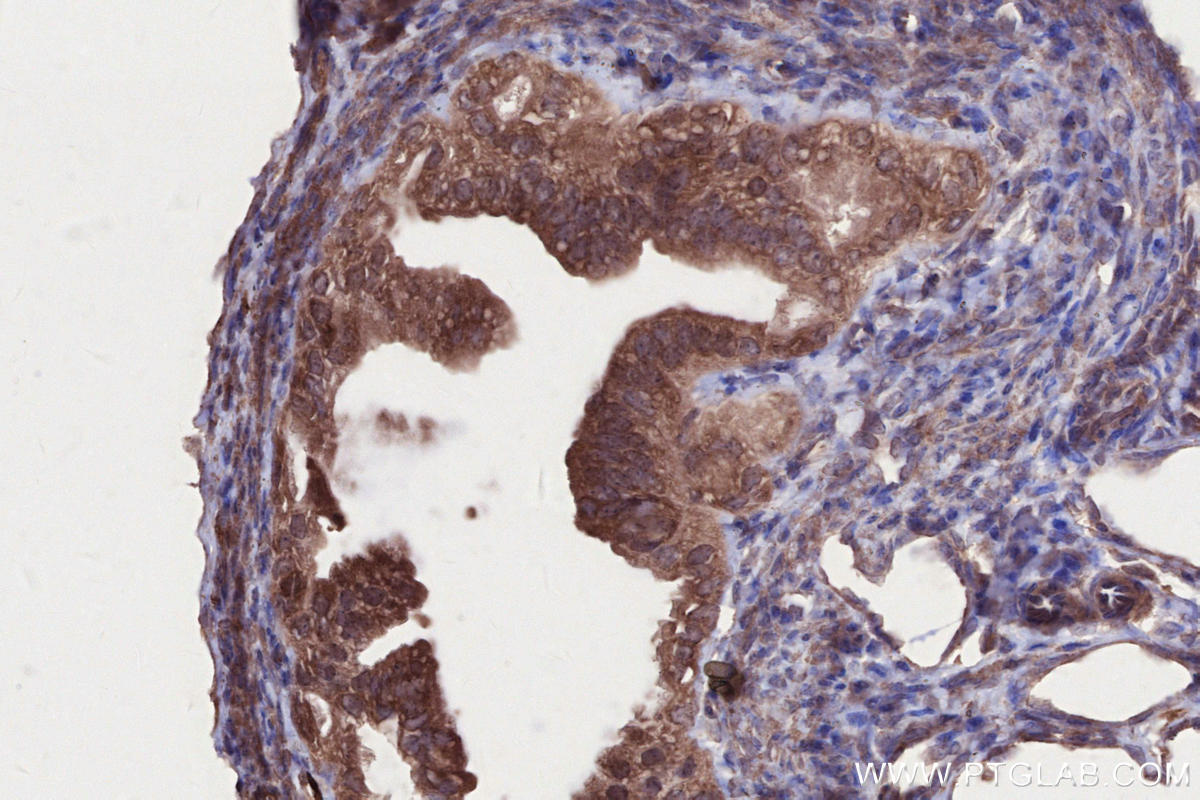
| Positive IHC detected in | human testis tissue, rat colon tissue, mouse ovary tissue, human ovary cancer tissue Note: suggested antigen retrieval with TE buffer pH 9.0; (*) Alternatively, antigen retrieval may be performed with citrate buffer pH 6.0 |
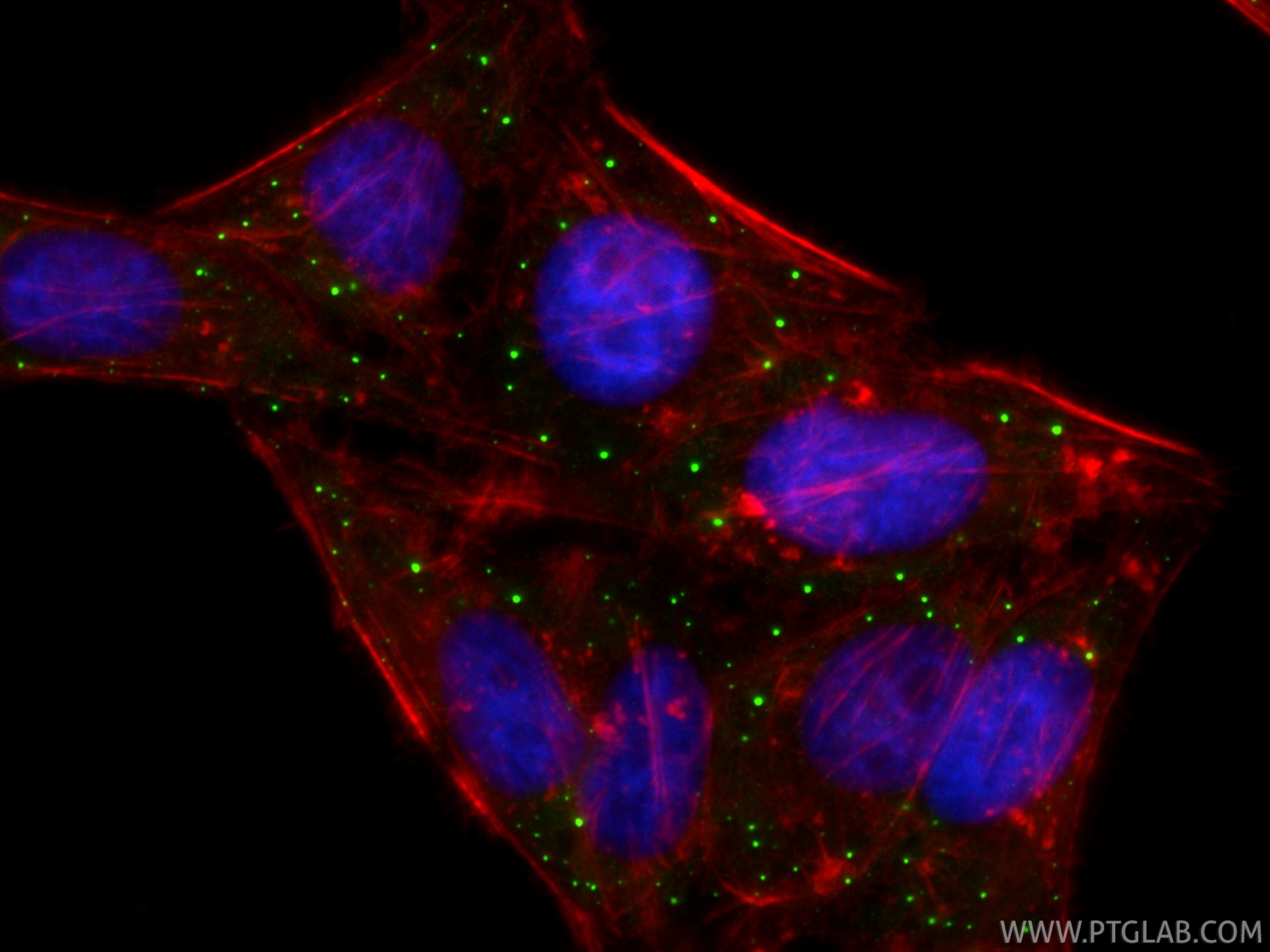
| Positive IF/ICC detected in | HepG2 cells |
Recommended dilution
| Application | Dilution |
|---|---|
| Western Blot (WB) | WB : 1:500-1:2000 |
| Immunohistochemistry (IHC) | IHC : 1:20-1:200 |
| Immunofluorescence (IF)/ICC | IF/ICC : 1:50-1:500 |
| It is recommended that this reagent should be titrated in each testing system to obtain optimal results. | |
| Sample-dependent, Check data in validation data gallery. | |
Product Information
18336-1-AP targets LSM14A in WB, IHC, IF/ICC, CoIP, ELISA applications and shows reactivity with human, mouse, rat samples.
| Tested Reactivity | human, mouse, rat |
| Cited Reactivity | human, mouse |
| Host / Isotype | Rabbit / IgG |
| Class | Polyclonal |
| Type | Antibody |
| Immunogen |
CatNo: Ag12997 Product name: Recombinant human LSM14A protein Source: e coli.-derived, PET28a Tag: 6*His Domain: 100-463 aa of BC016842 Sequence: SSTSSFQSMGSYGPFGRMPTYSQFSPSSLVGQQFGAVGVAGSSLTSFGTETSNSGTLPQSSAVGSAFTQDTRSLKTQLSQGRSSPQLDPLRKSPTMEQAVQTASAHLPAPAAVGRRSPVSTRPLPSASQKAGENQEHRRAEVHKVSRPENEQLRNDNKRQVAPGAPSAPRRGRGGHRGGRGRFGIRRDGPMKFEKDFDFESANAQFNKEEIDREFHNKLKLKEDKLEKQEKPVNGEDKGDSGVDTQNSEGNADEEDPLGPNCYYDKTKSFFDNISCDDNRERRPTWAEERRLNAETFGIPLRPNRGRGGYRGRGGLGFRGGRGRGGGRGGTFTAPRGFRGGFRGGRGGREFADFEYRKDNKVAA Predict reactive species |
| Full Name | LSM14A, SCD6 homolog A (S. cerevisiae) |
| Calculated Molecular Weight | 463 aa, 51 kDa |
| Observed Molecular Weight | 55-60 kDa |
| GenBank Accession Number | BC016842 |
| Gene Symbol | LSM14A |
| Gene ID (NCBI) | 26065 |
| RRID | AB_10644339 |
| Conjugate | Unconjugated |
| Form | Liquid |
| Purification Method | Antigen affinity purification |
| UNIPROT ID | Q8ND56 |
| Storage Buffer | PBS with 0.02% sodium azide and 50% glycerol, pH 7.3. |
| Storage Conditions | Store at -20°C. Stable for one year after shipment. Aliquoting is unnecessary for -20oC storage. 20ul sizes contain 0.1% BSA. |
Background Information
LSm14A was originally discovered to be a component of the P-bodies, it is a member of the LSm family of proteins, which have been shown to be involved in RNA processing events. The N terminus of LSm14A is a conserved LSm domain, whereas the C terminus contains two domains called "DFDF box" and "FDF_TFG box", respectively.
Protocols
| Product Specific Protocols | |
|---|---|
| IF protocol for LSM14A antibody 18336-1-AP | Download protocol |
| IHC protocol for LSM14A antibody 18336-1-AP | Download protocol |
| WB protocol for LSM14A antibody 18336-1-AP | Download protocol |
| Standard Protocols | |
|---|---|
| Click here to view our Standard Protocols |
Publications
What published studies show
LSM14A Polyclonal antibody (Cat# 18336-1-AP) has 21 citations published in journals including Nature Cell Biology, Cancer Research, Nucleic Acids Research, EMBO Journal, Oncogene, Cell Reports, and eLife. Research fields span P-body biology, stress granule assembly, RNA processing, phase separation, cancer (leukemia, EMT, glioblastoma, lung cancer, RCC metastasis), ciliogenesis, immune surveillance, viral infection, and lysosomal quality control. Applications cited include WB, IF, and CoIP.
| Species | Application | Title |
|---|---|---|
Cancer Res Pooled CRISPR Screening Identifies P-Bodies as Repressors of Cancer Epithelial-Mesenchymal Transition | ||
Nucleic Acids Res TIRR regulates mRNA export and association with P-bodies in response to DNA damage | ||
Nucleic Acids Res RNA helicase DDX6 and scaffold protein GW182 in P-bodies promote biogenesis of stress granules | ||
Adv Sci (Weinh) Oleic Acid Dissolves cGAS-DNA Phase Separation to Inhibit Immune Surveillance | ||
MedComm (2020) FBXW7 Targets the SPT6-ΔNp63 Axis for Degradation to Inhibit Esophageal Tumorigenesis Induced by 4-Nitroquinoline N-Oxide. |

