

Tested Applications
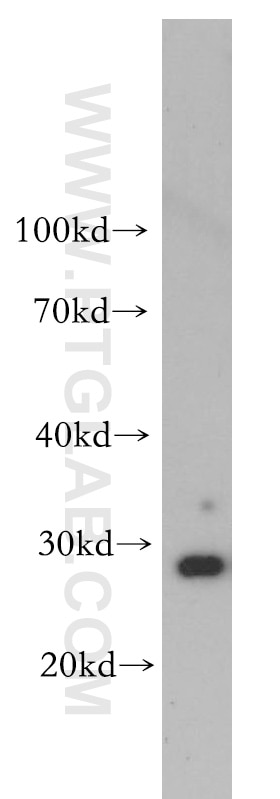
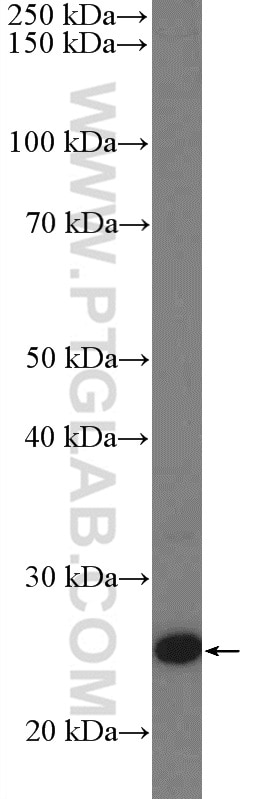
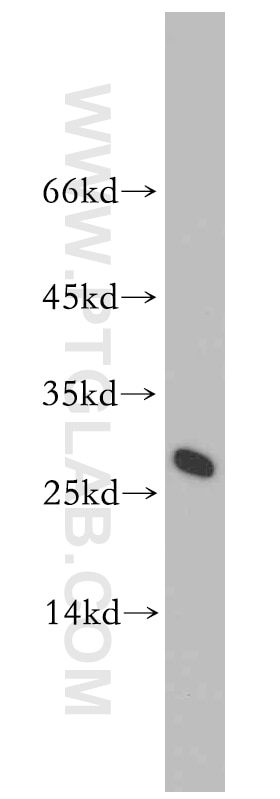
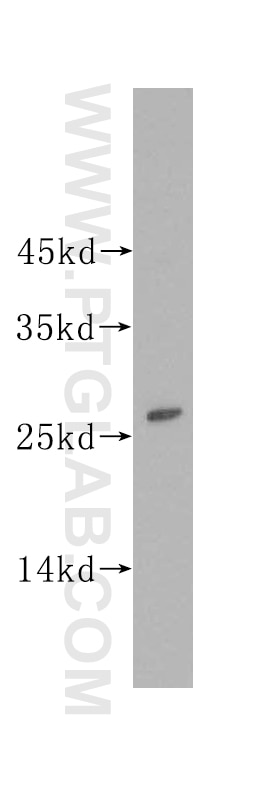
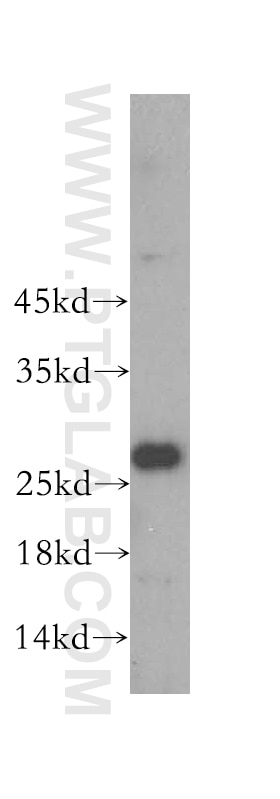
| Positive WB detected in | hESC cells, human brain tissue, human heart tissue, NCCIT cell, mouse liver tissue |
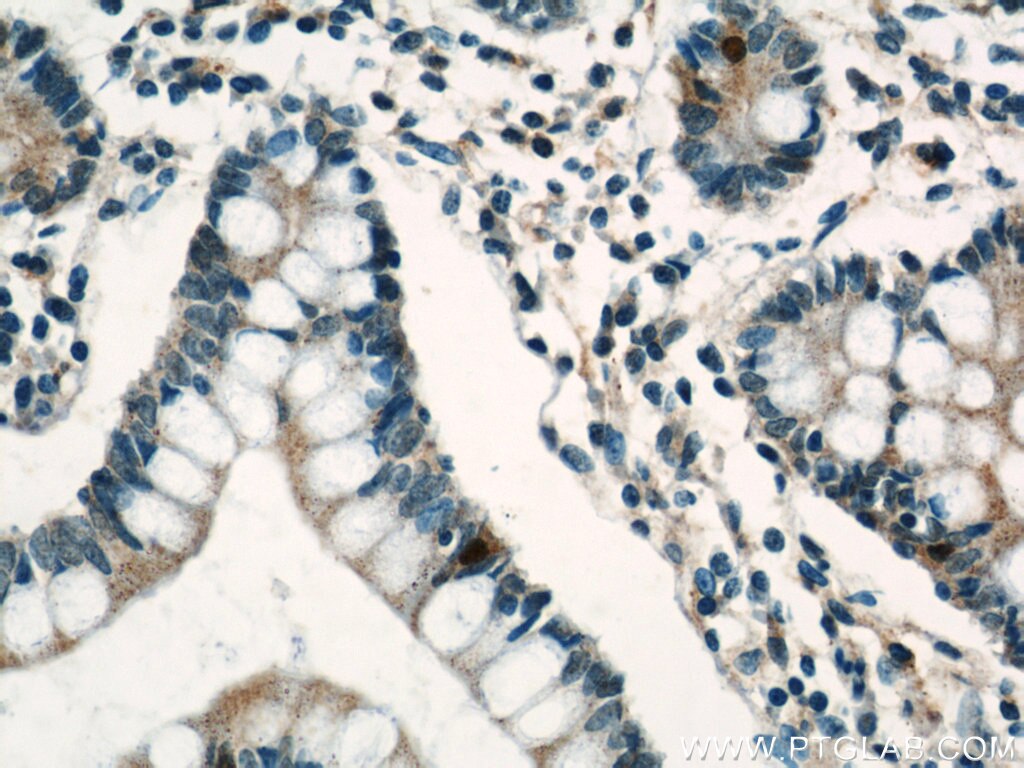
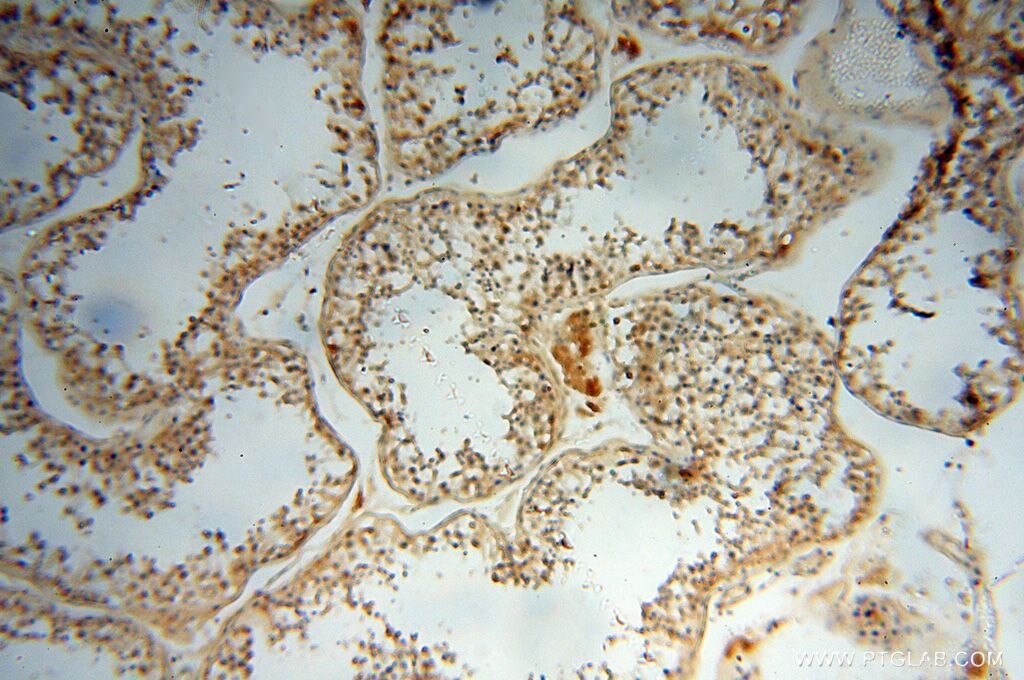
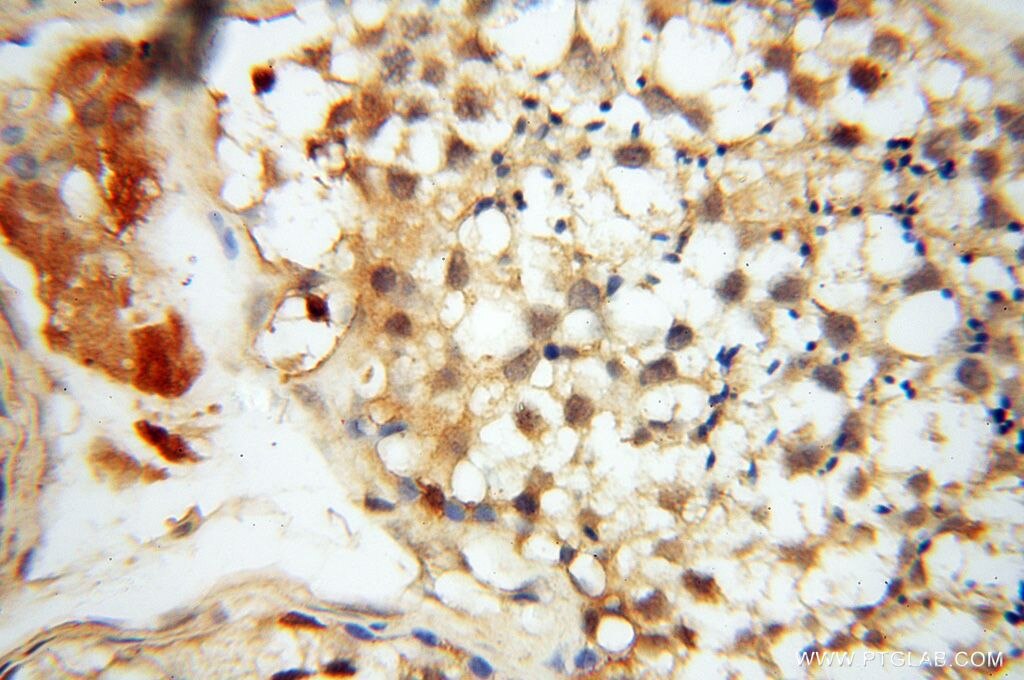
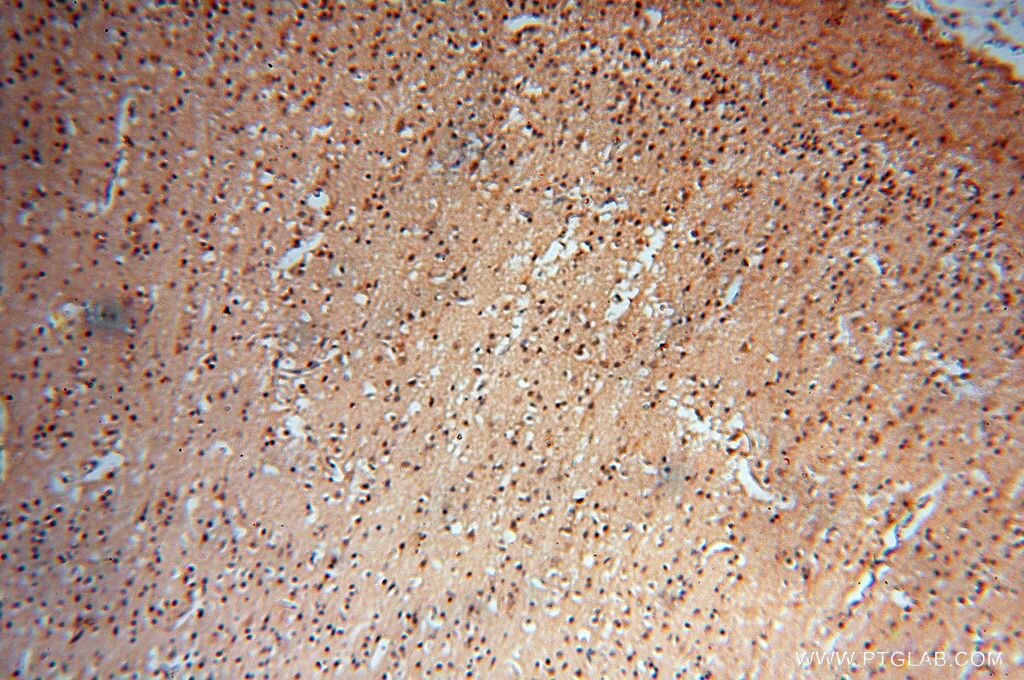
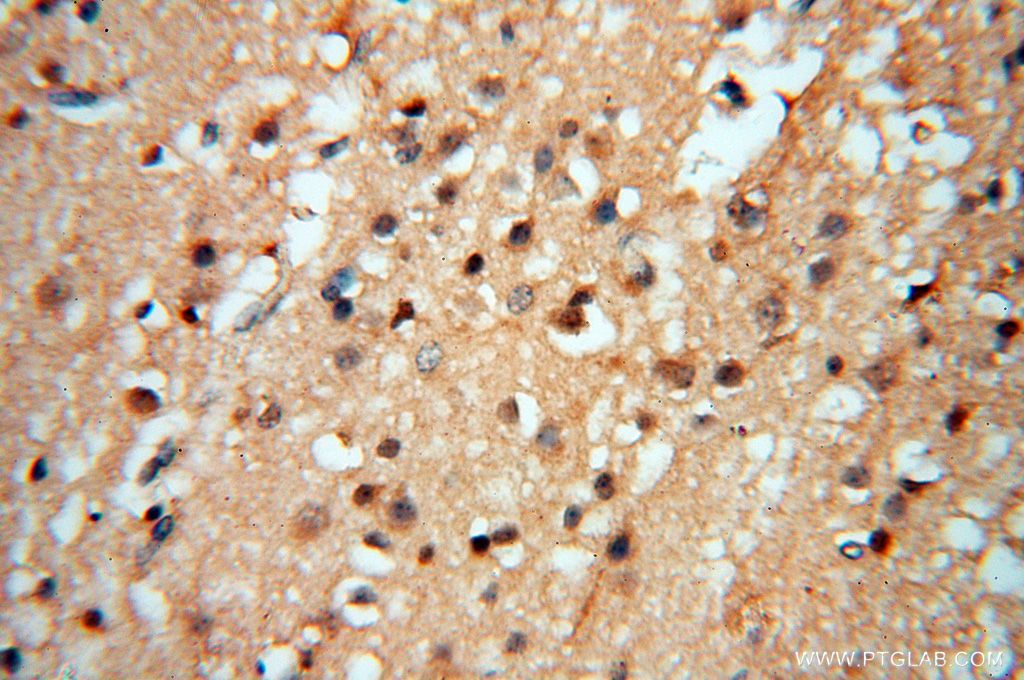
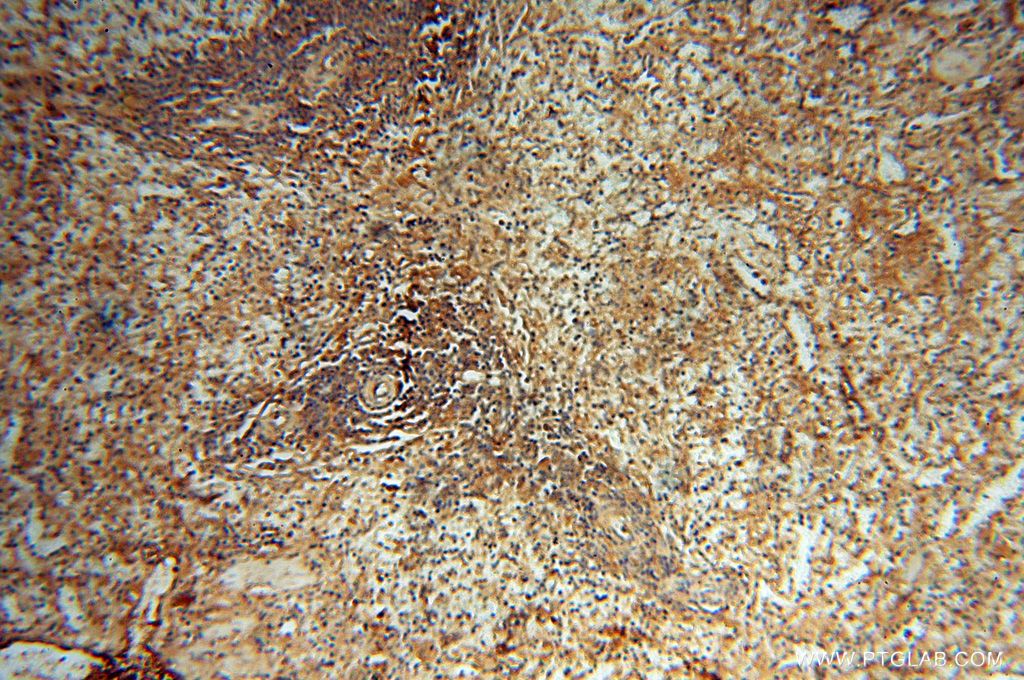
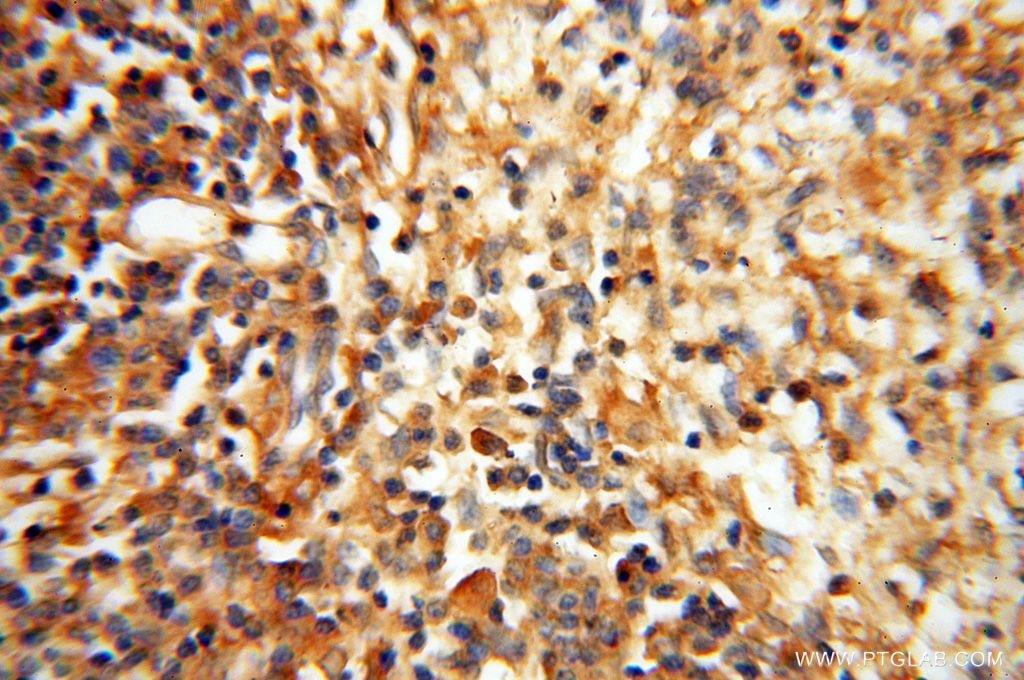
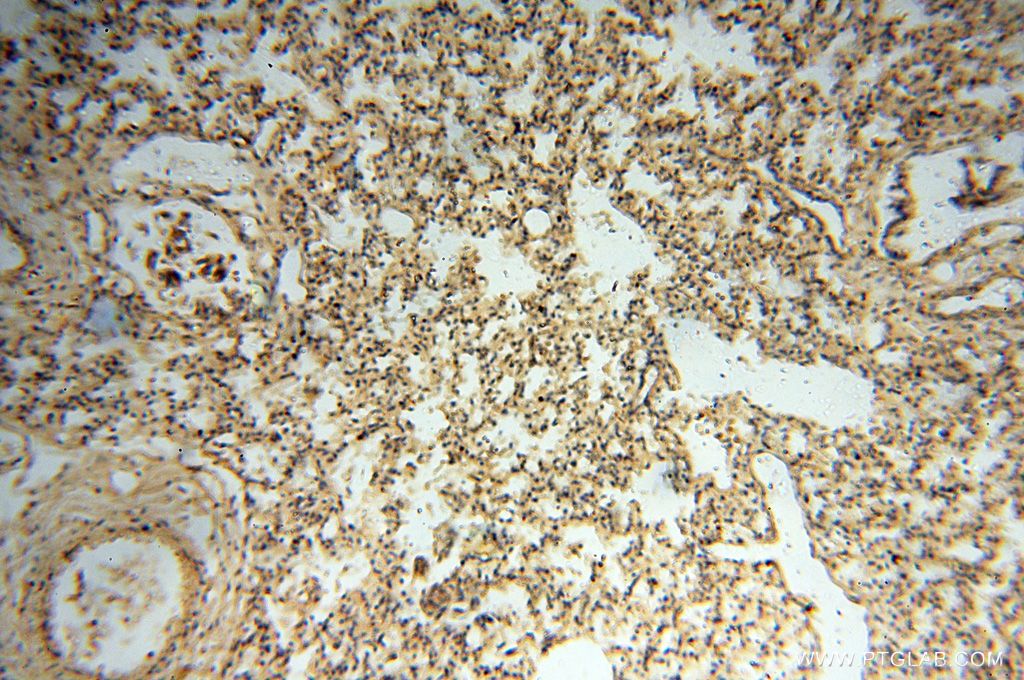
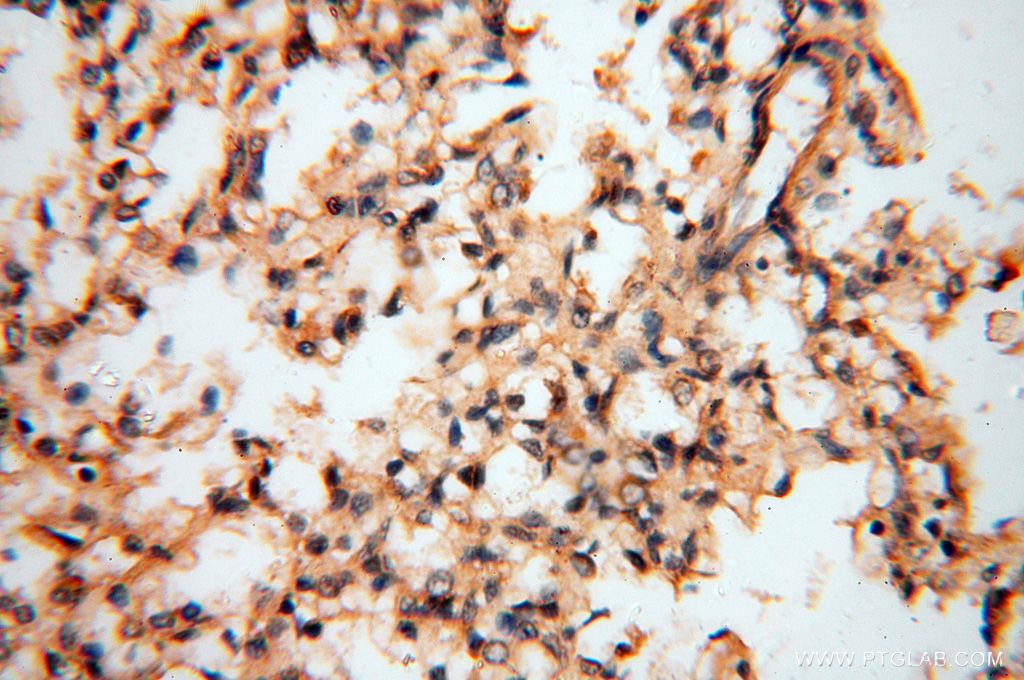
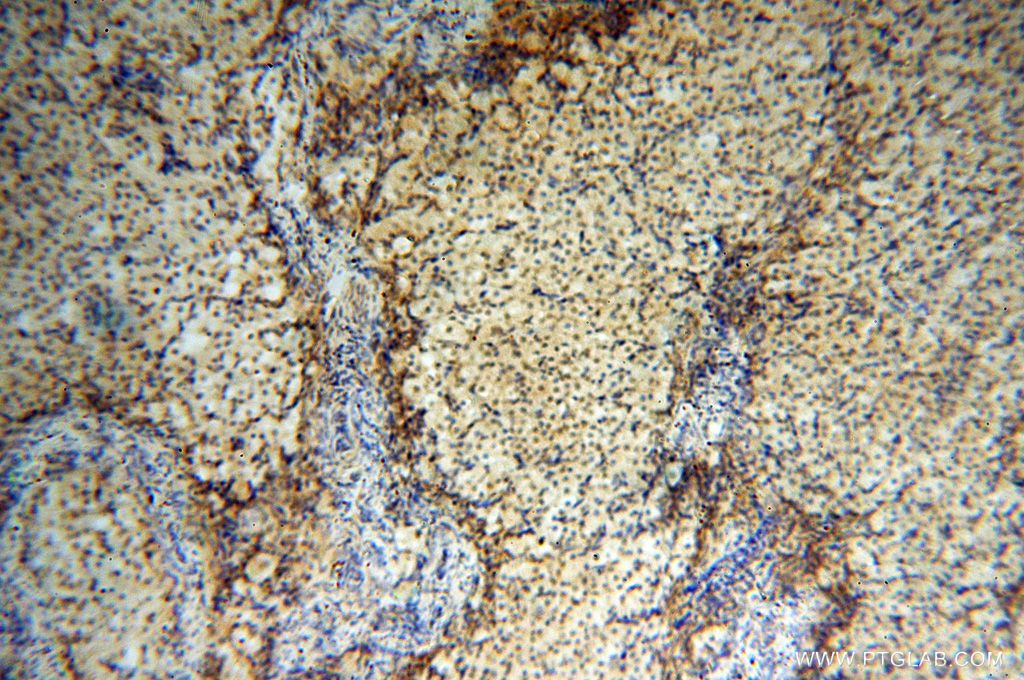
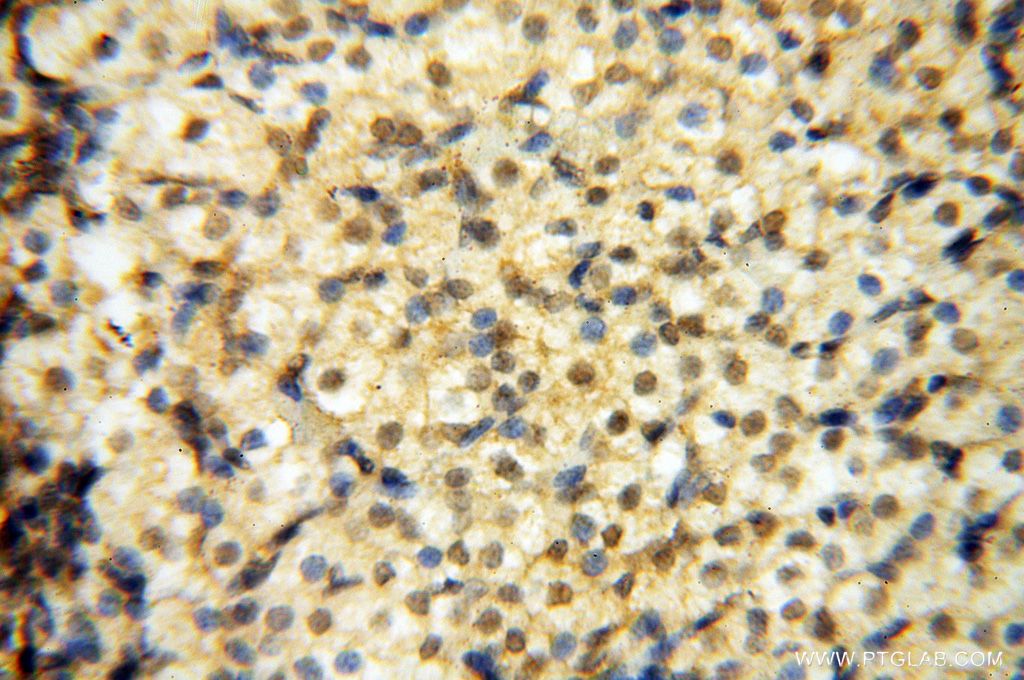
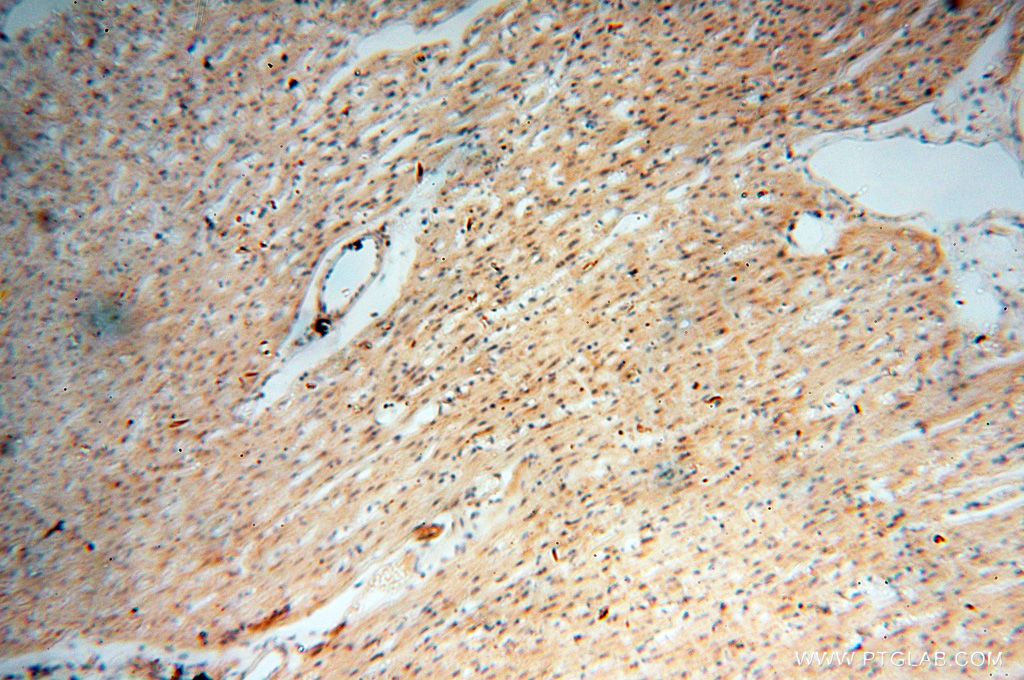
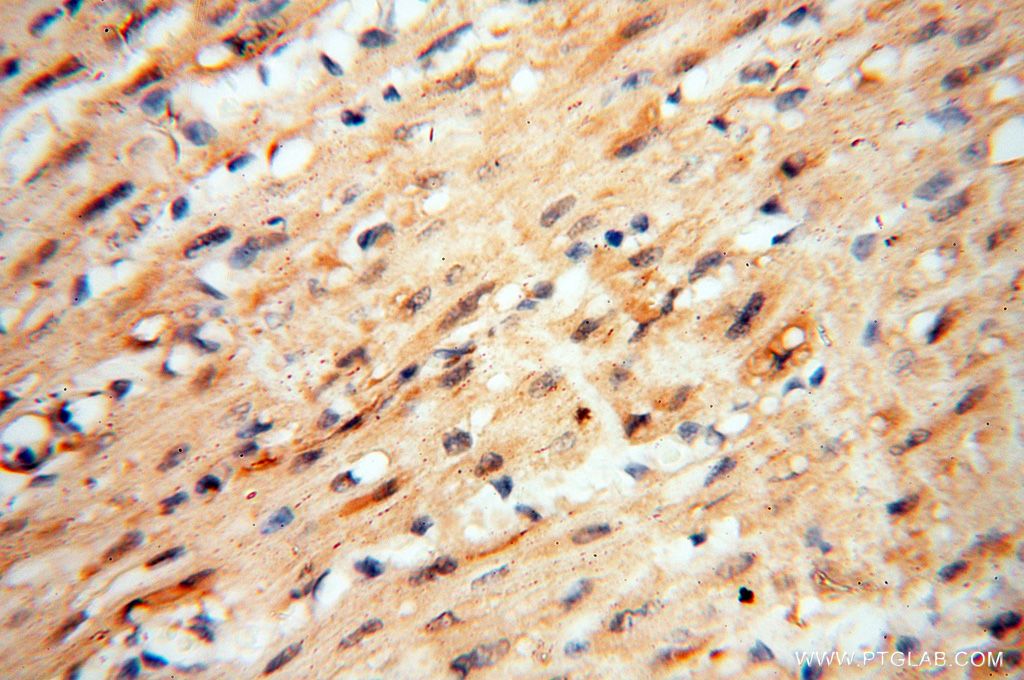
| Positive IHC detected in | human small intestine tissue, human ovary tissue, human heart tissue, human testis tissue, human spleen tissue, human lung tissue, human brain tissue Note: suggested antigen retrieval with TE buffer pH 9.0; (*) Alternatively, antigen retrieval may be performed with citrate buffer pH 6.0 |
Recommended dilution
| Application | Dilution |
|---|---|
| Western Blot (WB) | WB : 1:200-1:1000 |
| Immunohistochemistry (IHC) | IHC : 1:20-1:200 |
| It is recommended that this reagent should be titrated in each testing system to obtain optimal results. | |
| Sample-dependent, Check data in validation data gallery. | |
Product Information
16177-1-AP targets Lin28A-specific in WB, IHC, IF, ELISA applications and shows reactivity with human, mouse, rat samples.
| Tested Reactivity | human, mouse, rat |
| Cited Reactivity | human, mouse, rat |
| Host / Isotype | Rabbit / IgG |
| Class | Polyclonal |
| Type | Antibody |
| Immunogen |
Peptide Predict reactive species |
| Full Name | lin-28 homolog (C. elegans) |
| Calculated Molecular Weight | 23 kDa |
| Observed Molecular Weight | 28 kDa |
| GenBank Accession Number | NM_024674 |
| Gene Symbol | LIN28 |
| Gene ID (NCBI) | 79727 |
| RRID | AB_2135038 |
| Conjugate | Unconjugated |
| Form | Liquid |
| Purification Method | Antigen affinity purification |
| UNIPROT ID | Q9H9Z2 |
| Storage Buffer | PBS with 0.02% sodium azide and 50% glycerol, pH 7.3. |
| Storage Conditions | Store at -20°C. Stable for one year after shipment. Aliquoting is unnecessary for -20oC storage. 20ul sizes contain 0.1% BSA. |
Background Information
LIN28 is one of the four key human factors (OCT4, SOX2, NANOG and LIN28) used to reprogram human fibroblasts to an embryonic stem (ES) cell-like state known as the induced pluripotent stem (Ips) cell. LIN28 is a marker of undifferentiated human embryonic stem cells and a cytoplasmic mRNA-binding protein that binds to and enhances the translation of the IGF2 mRNA. LIN28 has also been shown to bind to the let-7 pre-miRNA and block production of the mature let-7 microRNA in mouse embryonic stem cells. Affinity purified rabbit anti-LIN28 can be used to demonstrate pluripotency of ES and Ips cells, and to detect LIN28 transgene expression in the process of reprogramming. This antibody is a rabbit polyclonal antibody raised against a peptide mapping within human LIN28.This antibody recognize Lin28A specifically.
Protocols
| Product Specific Protocols | |
|---|---|
| IHC protocol for Lin28A-specific antibody 16177-1-AP | Download protocol |
| WB protocol for Lin28A-specific antibody 16177-1-AP | Download protocol |
| Standard Protocols | |
|---|---|
| Click here to view our Standard Protocols |
Publications
What published studies show
The Lin28A-specific Polyclonal antibody (Cat# 16177-1-AP) has 14 citations across 12 journals, including Cancer Research, Cell Death & Differentiation, Cell Death & Disease, EMBO Reports, FASEB Journal, Oncotarget, J Virol, and Scientific Reports. Research fields span prostate and breast cancer, glioma, stem cell biology, metabolic reprogramming, vascular restenosis, retinal ischemia, myocardial injury, intestinal barrier function, cleft palate, hepatitis C, and pyroptosis. Applications include WB, IF, and IHC in human, mouse, and rat models.
| Species | Application | Title |
|---|---|---|
Cancer Res Activation of the Lin28/let-7 Axis by Loss of ESE3/EHF Promotes a Tumorigenic and Stem-like Phenotype in Prostate Cancer. | ||
Cell Death Differ LIN28A enhances regenerative capacity of human somatic tissue stem cells via metabolic and mitochondrial reprogramming. | ||
Cell Death Dis Lin28A promotes IRF6-regulated aerobic glycolysis in glioma cells by stabilizing SNHG14. | ||
Cell Death Dis Long noncoding RNA TUG1 facilitates osteogenic differentiation of periodontal ligament stem cells via interacting with Lin28A. | ||
Chin Med J (Engl) C/EBPβ-Lin28a positive feedback loop triggered by C/EBPβ hypomethylation enhances the proliferation and migration of vascular smooth muscle cells in restenosis.
| ||
EMBO Rep The human FOXM1 homolog promotes basal progenitor cell proliferation and cortical folding in mouse. |
Reviews
What customers say
Able is busy answering your previous question. Please try again later.
The reviews below have been submitted by verified Proteintech customers who received an incentive for providing their feedback.
Carolina (Verified Customer) (09-26-2019) | Antibody was more specific than the previous Lin28A antibody.
|
KUNHUA (Verified Customer) (02-01-2019) | Got a very strong band at 25-37kd with 1:1000 concentration.
|

