


Tested Applications
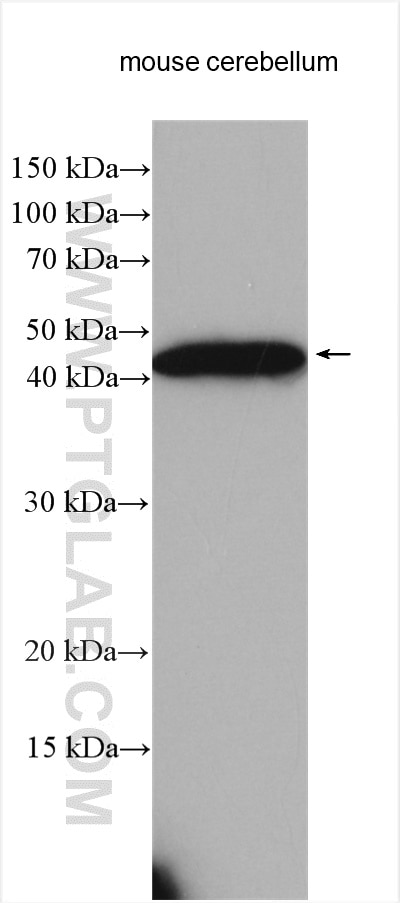
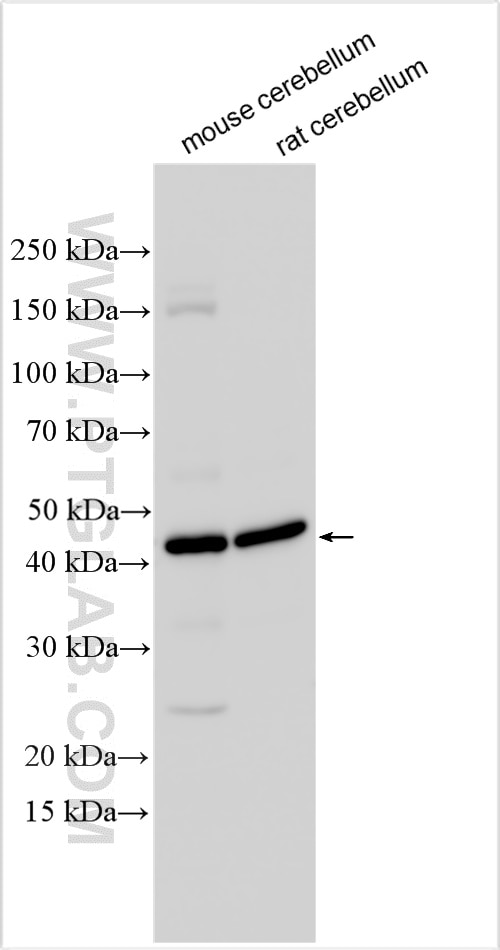
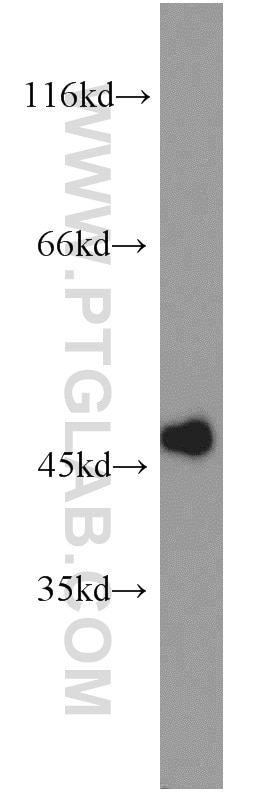
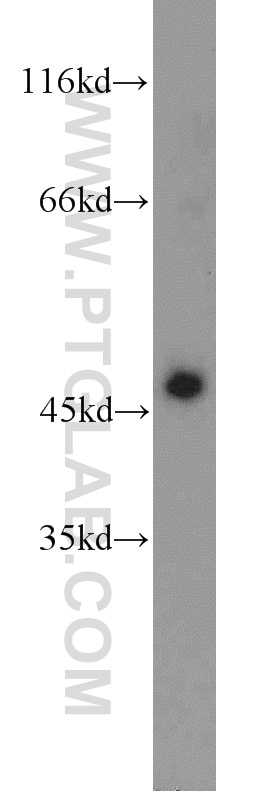
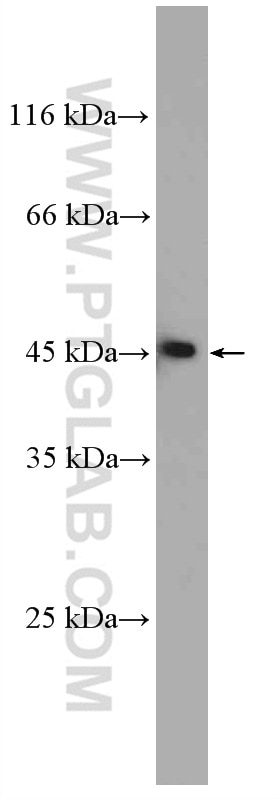
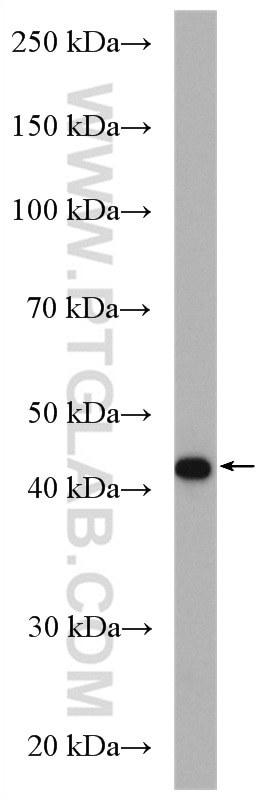
| Positive WB detected in | mouse cerebellum tissue, COLO 320 cells, HEK-293 cells, mouse colon tissue, mouse heart tissue, rat cerebellum tissue |
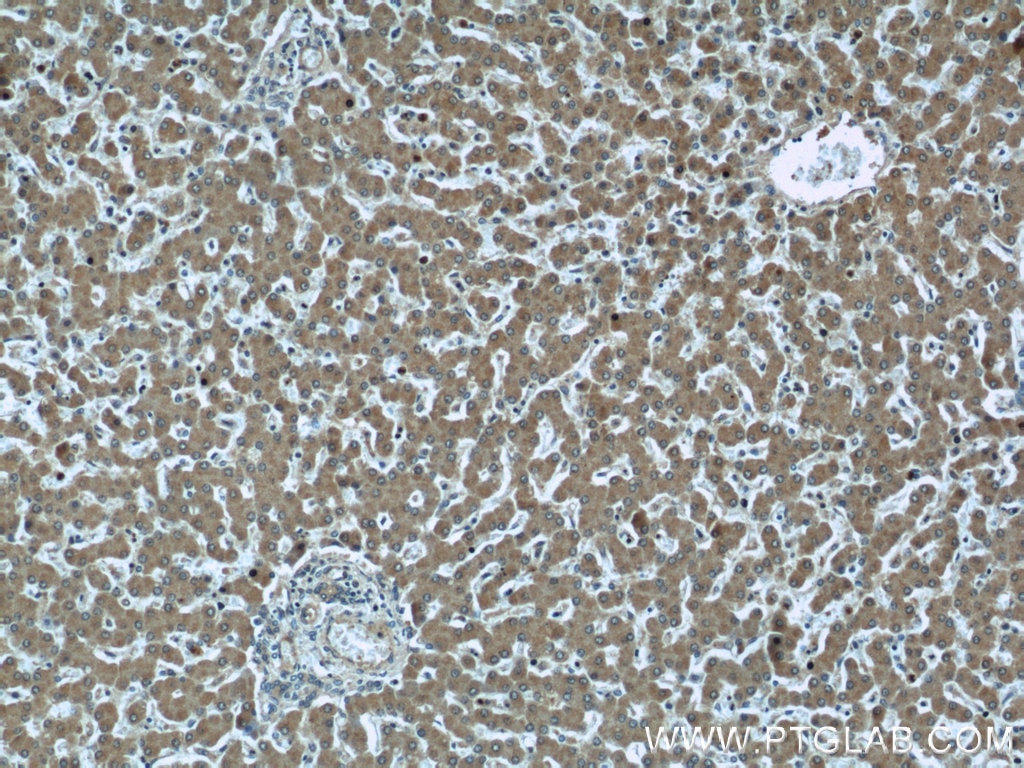
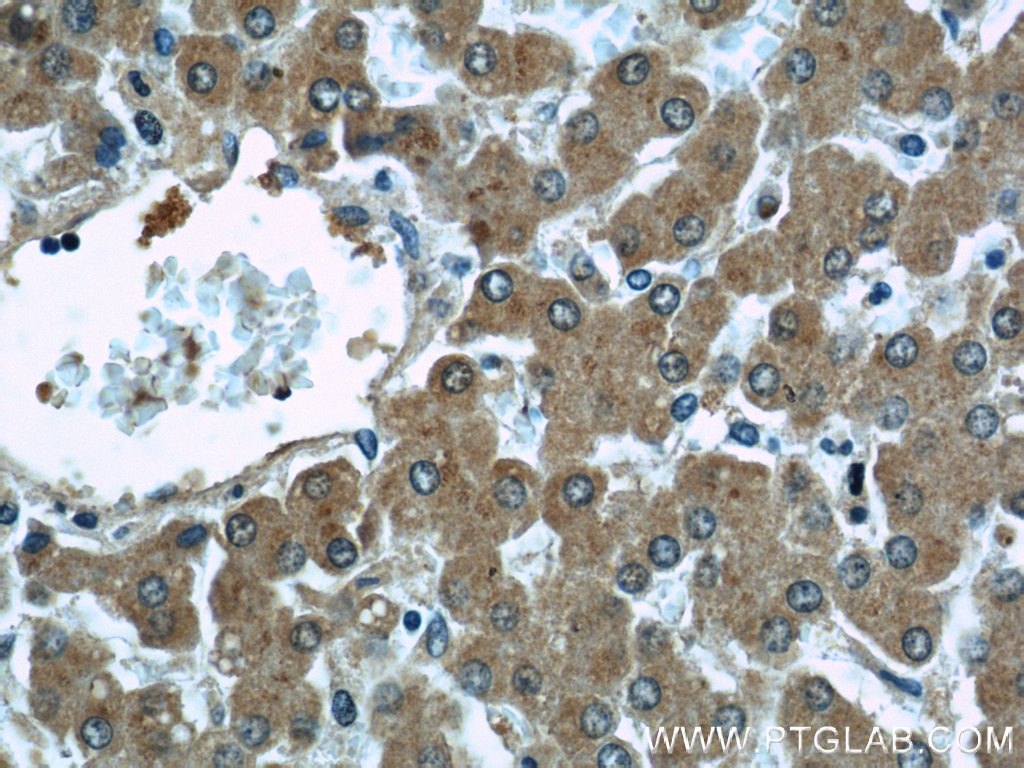
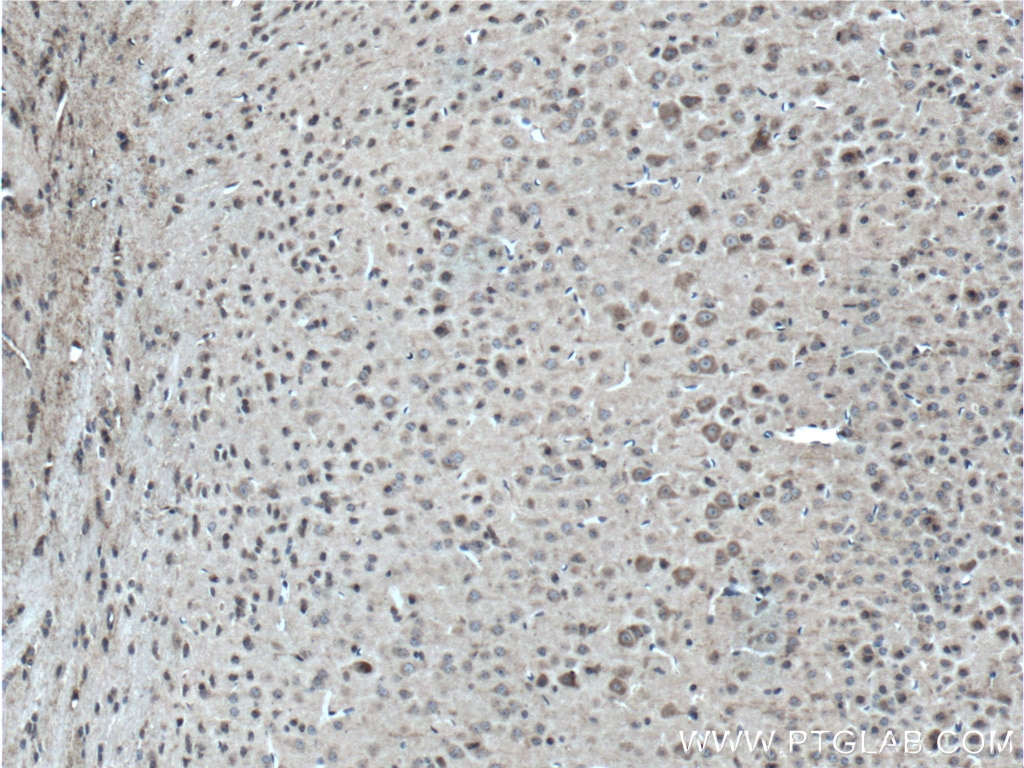
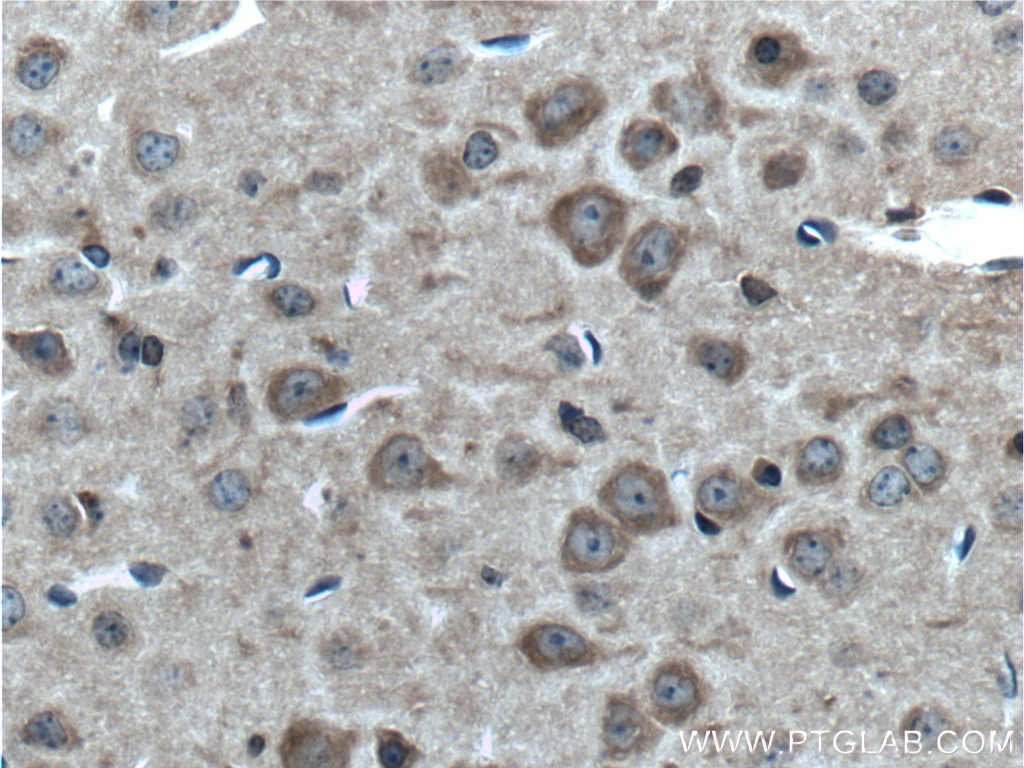
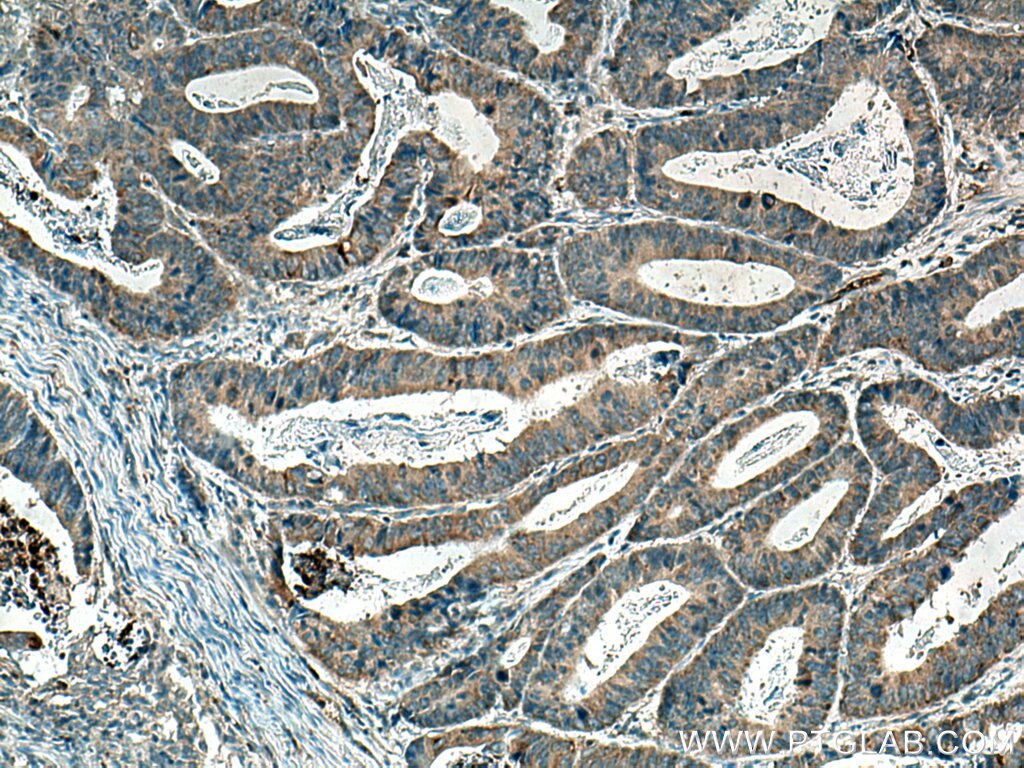
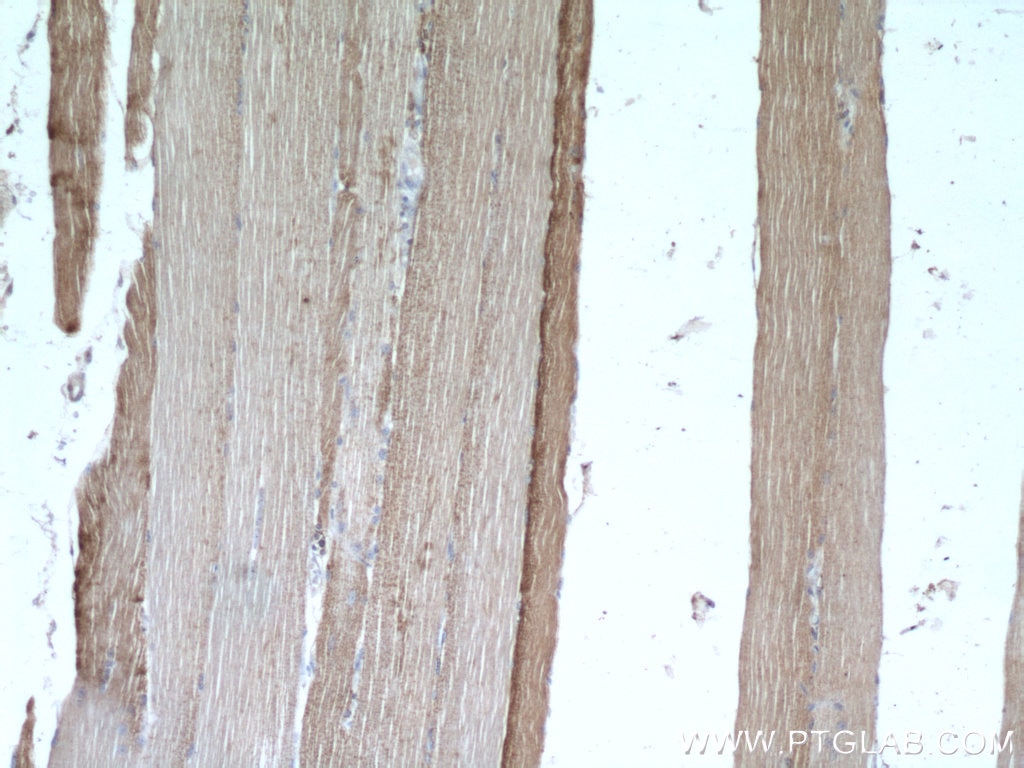
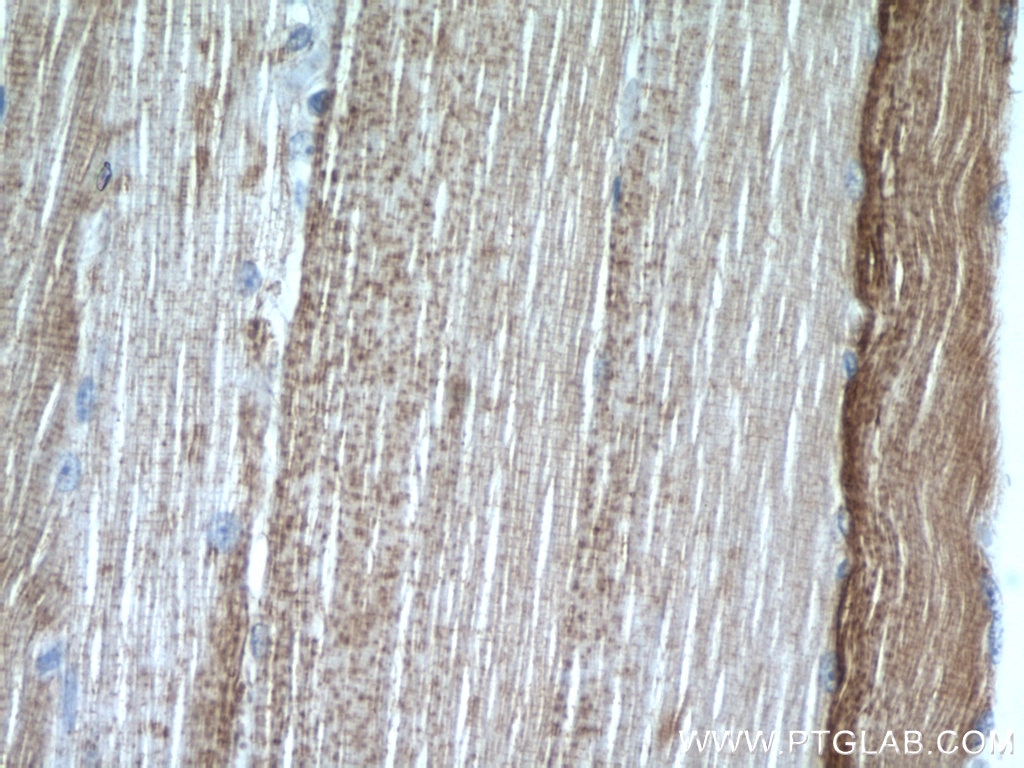
| Positive IHC detected in | human colon cancer tissue, human liver tissue, human skeletal muscle tissue, mouse brain tissue Note: suggested antigen retrieval with TE buffer pH 9.0; (*) Alternatively, antigen retrieval may be performed with citrate buffer pH 6.0 |
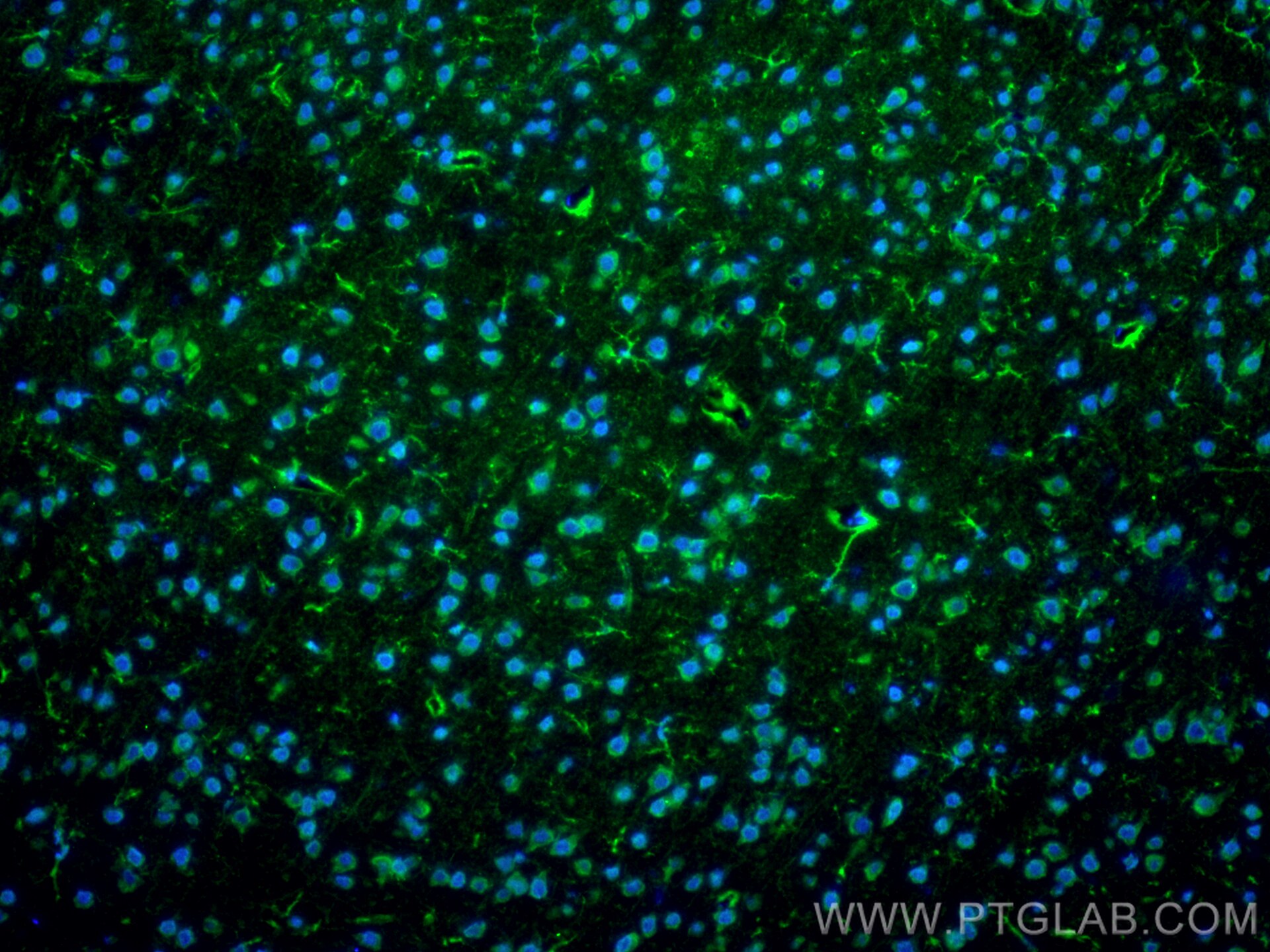
| Positive IF-P detected in | mouse brain tissue |
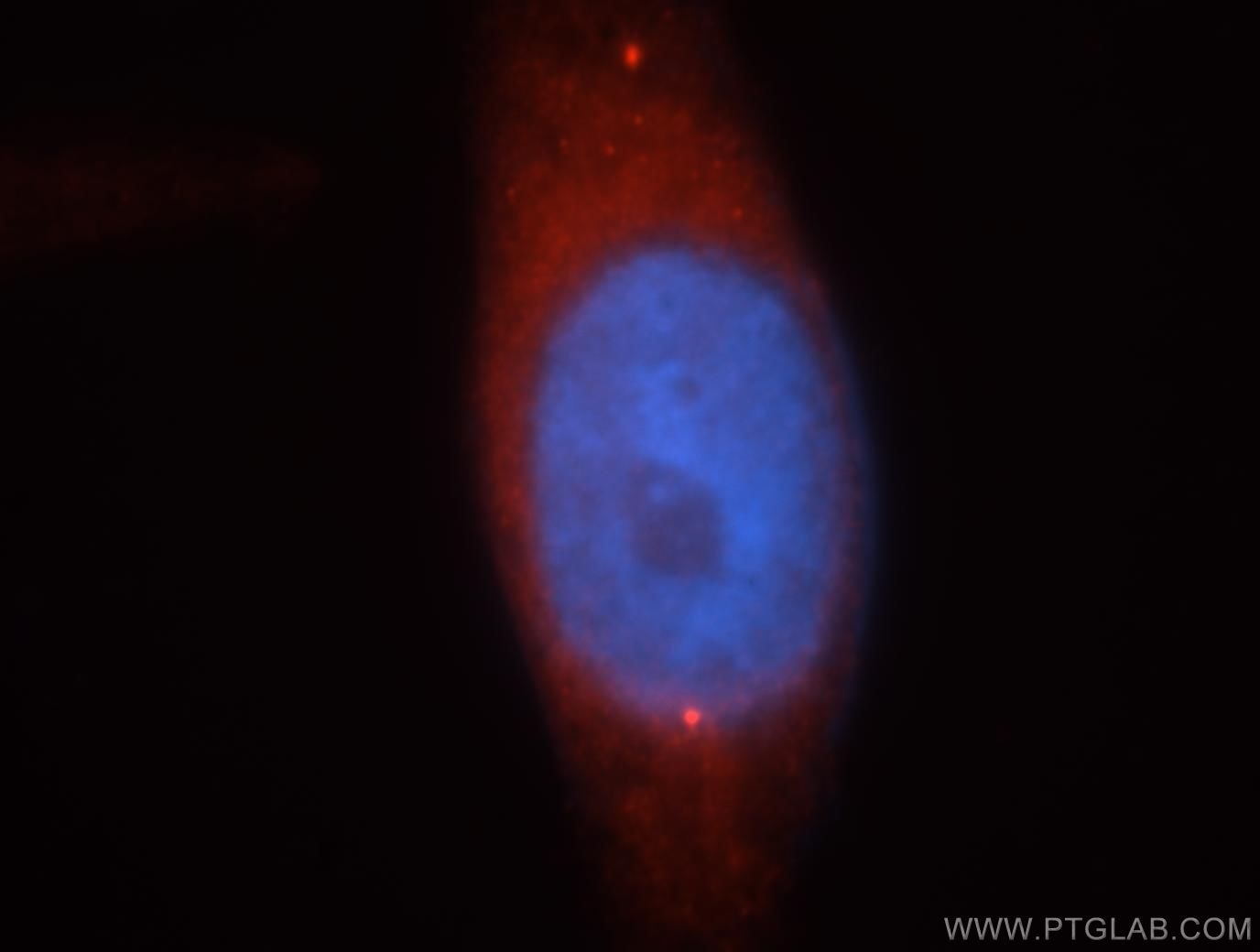
| Positive IF/ICC detected in | C2C12 cells, HepG2 cells |
Recommended dilution
| Application | Dilution |
|---|---|
| Western Blot (WB) | WB : 1:500-1:1000 |
| Immunohistochemistry (IHC) | IHC : 1:50-1:500 |
| Immunofluorescence (IF)-P | IF-P : 1:200-1:800 |
| Immunofluorescence (IF)/ICC | IF/ICC : 1:50-1:500 |
| It is recommended that this reagent should be titrated in each testing system to obtain optimal results. | |
| Sample-dependent, Check data in validation data gallery. | |
Product Information
17430-1-AP targets MAGT1 in WB, IHC, IF/ICC, IF-P, ELISA applications and shows reactivity with human, mouse, rat samples.
| Tested Reactivity | human, mouse, rat |
| Cited Reactivity | human, mouse, rat |
| Host / Isotype | Rabbit / IgG |
| Class | Polyclonal |
| Type | Antibody |
| Immunogen |
CatNo: Ag11496 Product name: Recombinant human MAGT1 protein Source: e coli.-derived, PGEX-4T Tag: GST Domain: 32-182 aa of BC060842 Sequence: KKEMVLSEKVSQLMEWTNKRPVIRMNGDKFRRLVKAPPRNYSVIVMFTALQLHRQCVVCKQADEEFQILANSWRYSSAFTNRIFFAMVDFDEGSDVFQMLNMNSAPTFINFPAKGKPKRGDTYELQVRGFSAEQIARWIADRTDVNIRVIR Predict reactive species |
| Full Name | magnesium transporter 1 |
| Calculated Molecular Weight | 335 aa, 38 kDa |
| Observed Molecular Weight | 45-47 kDa |
| GenBank Accession Number | BC060842 |
| Gene Symbol | MAGT1 |
| Gene ID (NCBI) | 84061 |
| RRID | AB_2138982 |
| Conjugate | Unconjugated |
| Form | Liquid |
| Purification Method | Antigen affinity purification |
| UNIPROT ID | Q9H0U3 |
| Storage Buffer | PBS with 0.02% sodium azide and 50% glycerol, pH 7.3. |
| Storage Conditions | Store at -20°C. Stable for one year after shipment. Aliquoting is unnecessary for -20oC storage. 20ul sizes contain 0.1% BSA. |
Background Information
MAGT1 is a mammalian Mg2+-selective transporter being required for cellular magnesium uptake and vertebrate embryonic development. It possesses five putative transmembrane (TM) regions with a cleavage site, a N-glycosylation site, and a number of phosphorylation sites. Recently mutations in MAGT1 has been found to be asscociated with a novel X-linked human immunodeficiency. The MAGT1 protein was undetectable in the patients'cells by western blot or immunofluorescent cell surface staining. MAGT1 had been detected as 38 kDa (PMID: 18705540) or 45-47 kDa (PMID: 27383987) by western blot.
Protocols
| Product Specific Protocols | |
|---|---|
| IF protocol for MAGT1 antibody 17430-1-AP | Download protocol |
| IHC protocol for MAGT1 antibody 17430-1-AP | Download protocol |
| WB protocol for MAGT1 antibody 17430-1-AP | Download protocol |
| Standard Protocols | |
|---|---|
| Click here to view our Standard Protocols |
Publications
What published studies show
The anti-MagT1 antibody (Cat# 17430-1-AP) has 23 citations spanning journals including Nature, PNAS, EMBO Journal, Advanced Science, Cell Death & Disease, Small, and others. Research fields cover magnesium homeostasis, N-glycosylation, XMEN immunodeficiency disease, bone regeneration, cancer biology (thyroid, breast, lung, colon), virology (dengue, Lassa, flaviviruses), and platelet dysfunction. Applications are predominantly WB and IF in human and rodent samples.
| Species | Application | Title |
|---|---|---|
Nature Genetic dissection of Flaviviridae host factors through genome-scale CRISPR screens.
| ||
Adv Sci (Weinh) A Magnesium-Enriched 3D Culture System that Mimics the Bone Development Microenvironment for Vascularized Bone Regeneration. | ||
Cell Death Dis Maintenance of magnesium homeostasis by NUF2 promotes protein synthesis and anaplastic thyroid cancer progression
| ||
Small Magnetic Field Boosts the Transmembrane Transport Efficiency of Magnesium Ions from PLLA Bone Scaffold | ||
J Allergy Clin Immunol Epigenetic activation of the TUSC3 gene as a potential therapy for XMEN disease |
Reviews
What customers say
One reviewer rated this antibody 5 stars, noting it is the only commercially available antibody that works well for Western Blot detection of MagT1. She also mentioned minor cross-reactivity with TUSC3, which she attributed to the high homology between these two proteins. Overall, the feedback is positive, highlighting its reliability and specificity for MagT1 in WB applications.
The reviews below have been submitted by verified Proteintech customers who received an incentive for providing their feedback.
Natalia (Verified Customer) (09-26-2019) | To my knowledge, this one is the only one commercially available antibody that works well for WB application to detect MagT1. It cross-reacts with TUSC3 a little, only because these are highly homological proteins.
|


