

Tested Applications
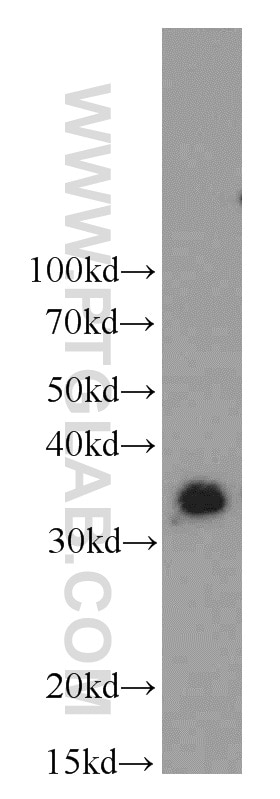
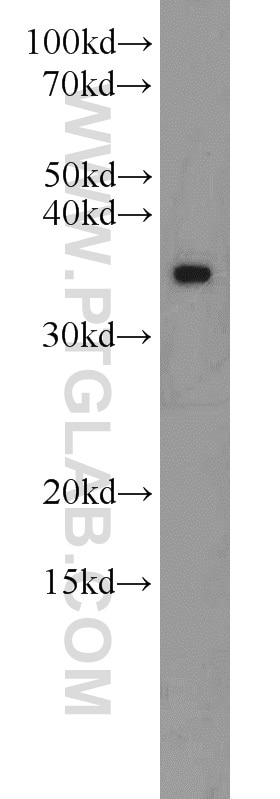
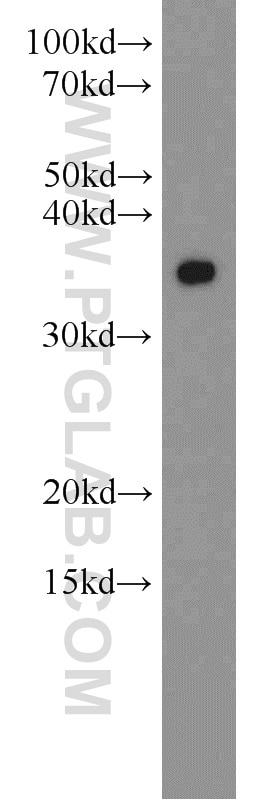
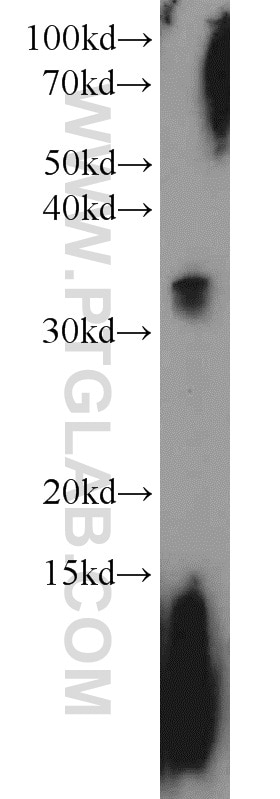
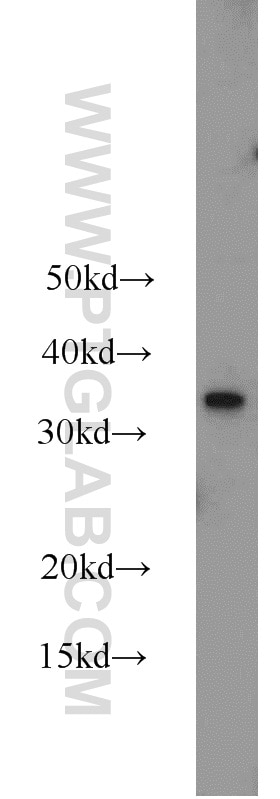
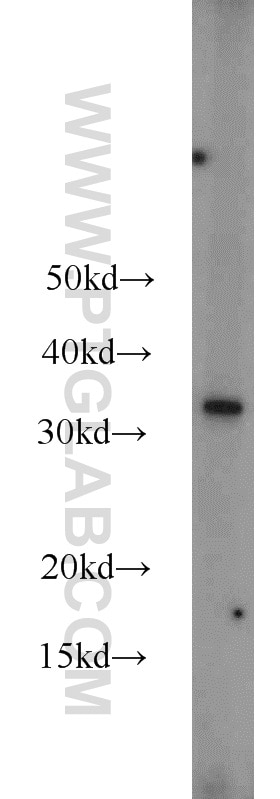
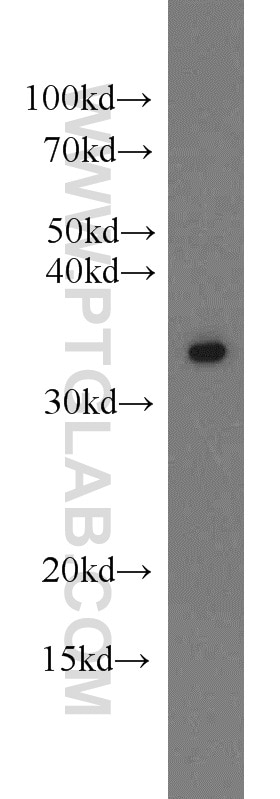
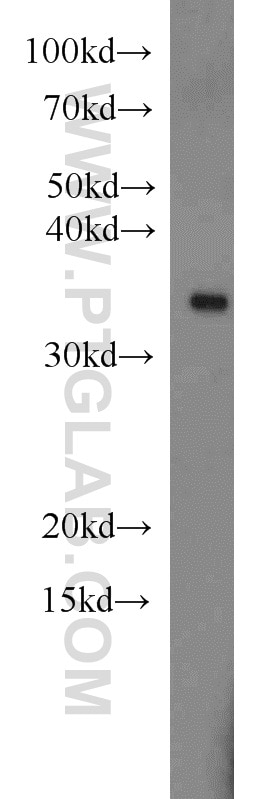
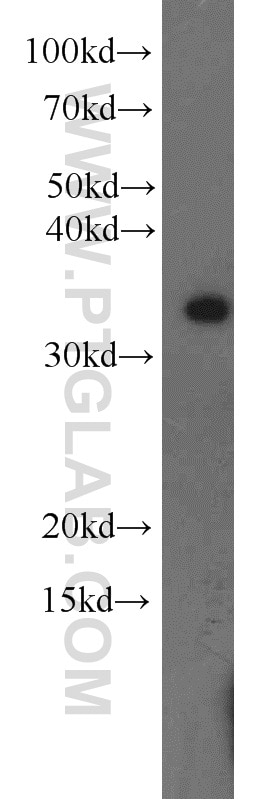
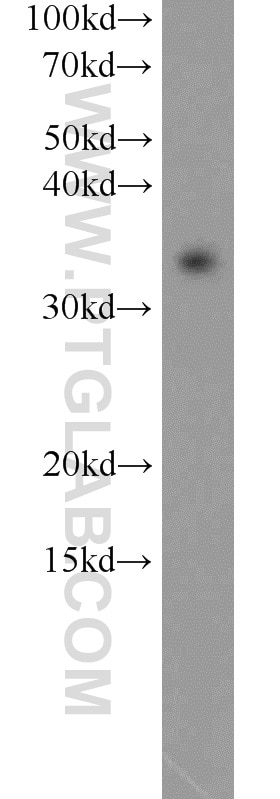
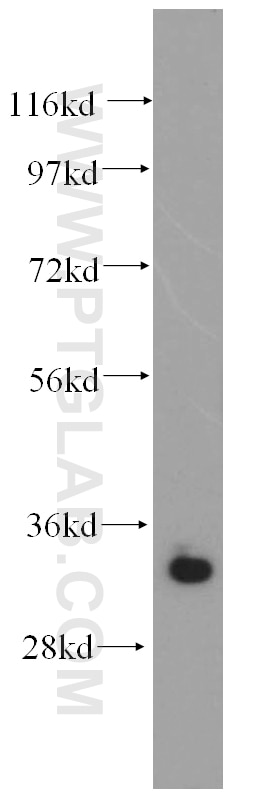
| Positive WB detected in | Y79 cells, COLO 320 cells, HeLa cells, Jurkat cells, MCF-7 cells, mouse testis tissue |
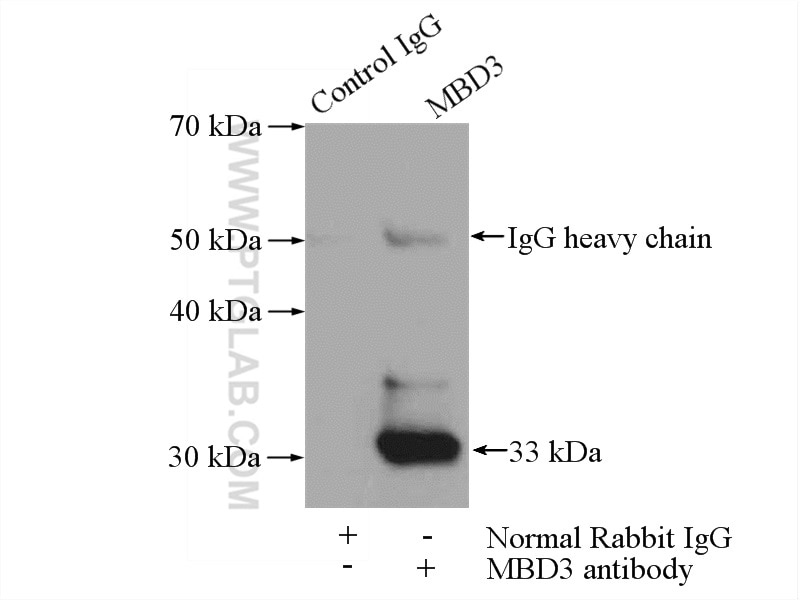
| Positive IP detected in | mouse testis tissue |
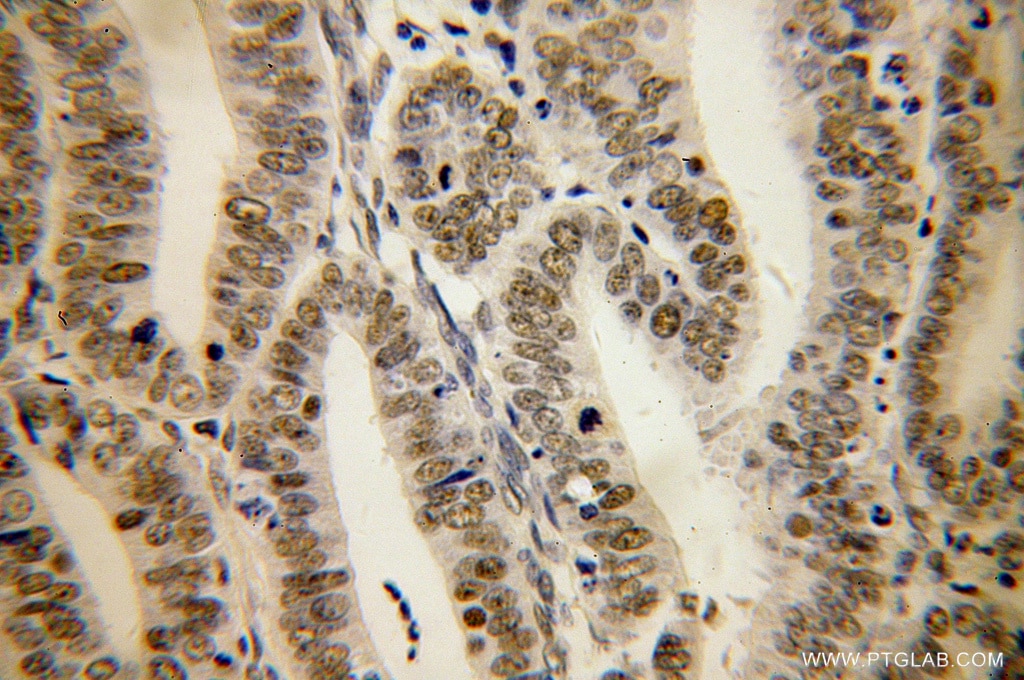
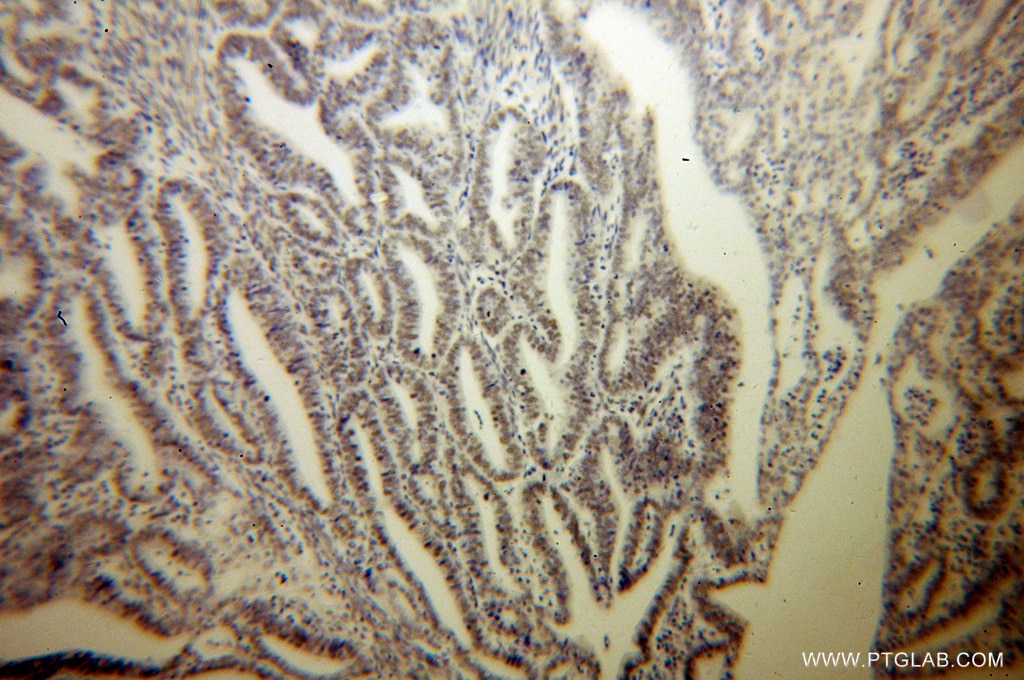
| Positive IHC detected in | human endometrial cancer tissue Note: suggested antigen retrieval with TE buffer pH 9.0; (*) Alternatively, antigen retrieval may be performed with citrate buffer pH 6.0 |
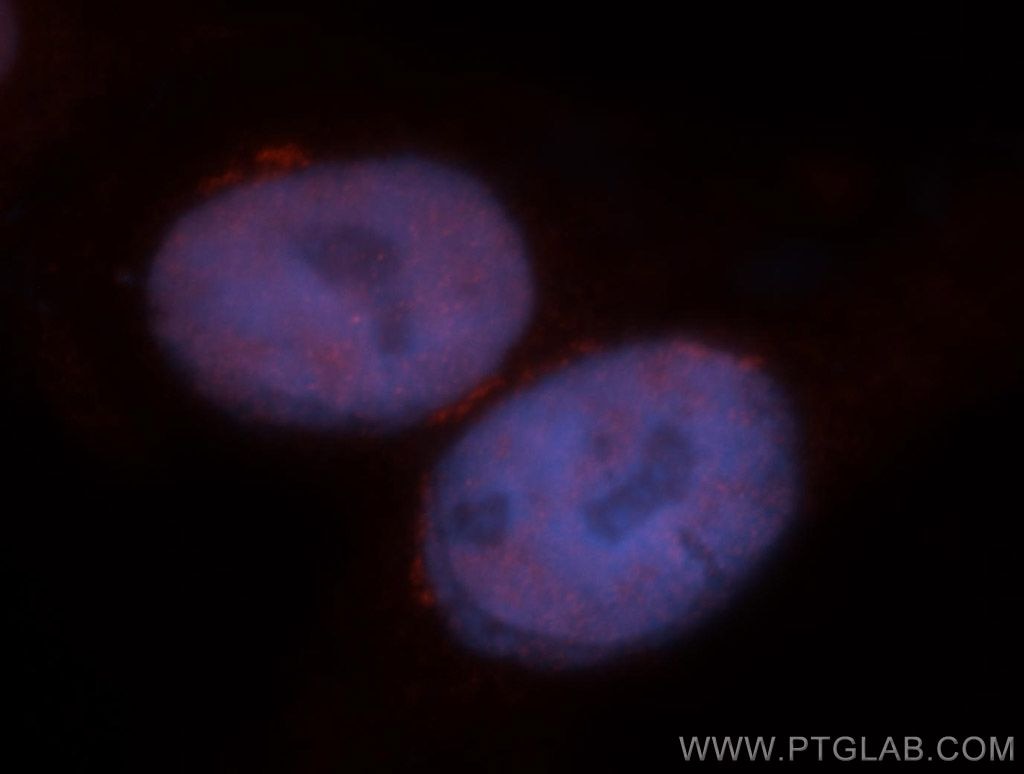
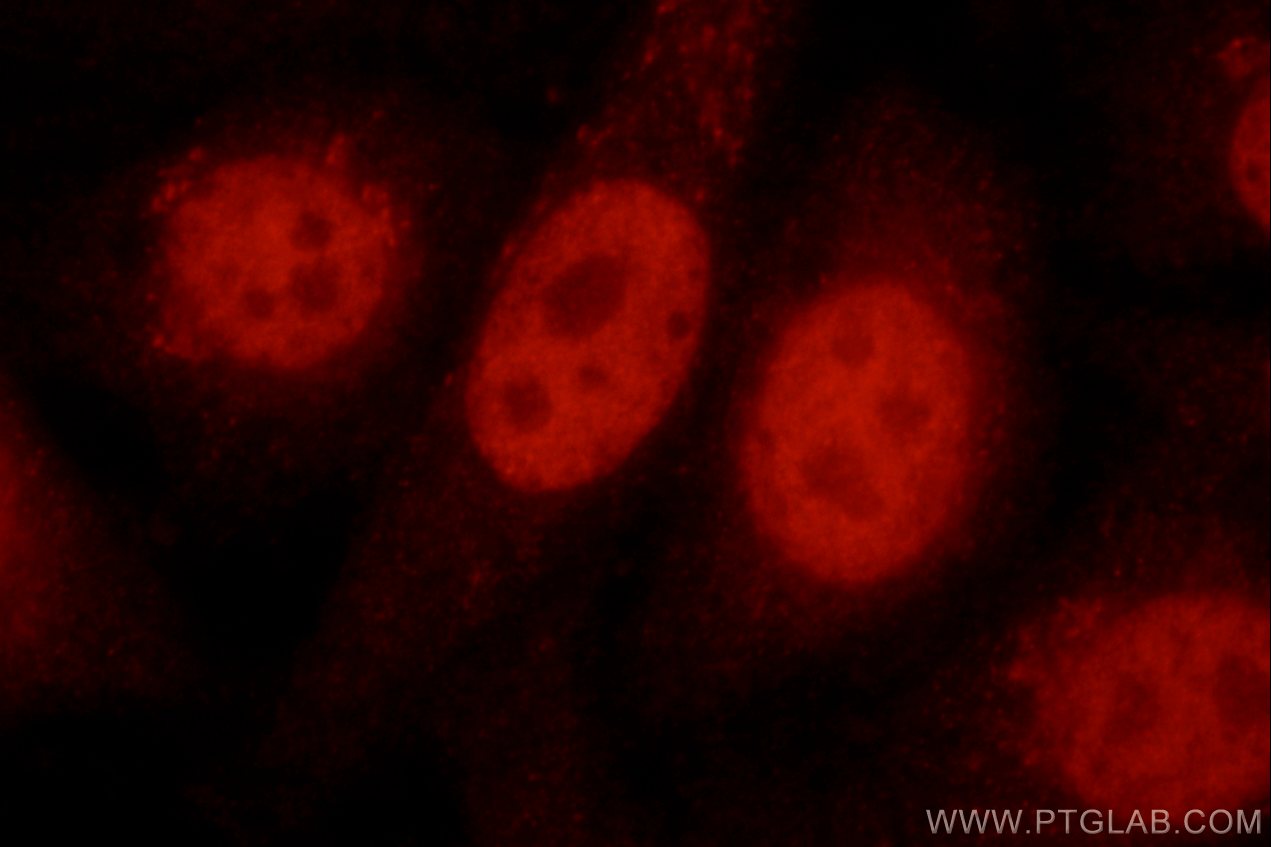
| Positive IF/ICC detected in | HepG2 cells |
Recommended dilution
| Application | Dilution |
|---|---|
| Western Blot (WB) | WB : 1:500-1:1000 |
| Immunoprecipitation (IP) | IP : 0.5-4.0 ug for 1.0-3.0 mg of total protein lysate |
| Immunohistochemistry (IHC) | IHC : 1:20-1:200 |
| Immunofluorescence (IF)/ICC | IF/ICC : 1:20-1:200 |
| It is recommended that this reagent should be titrated in each testing system to obtain optimal results. | |
| Sample-dependent, Check data in validation data gallery. | |
Product Information
14258-1-AP targets MBD3 in WB, IHC, IF/ICC, IP, CoIP, ChIP, ELISA applications and shows reactivity with human, mouse, rat samples.
| Tested Reactivity | human, mouse, rat |
| Cited Reactivity | human |
| Host / Isotype | Rabbit / IgG |
| Class | Polyclonal |
| Type | Antibody |
| Immunogen |
CatNo: Ag5531 Product name: Recombinant human MBD3 protein Source: e coli.-derived, PGEX-4T Tag: GST Domain: 1-259 aa of BC043619 Sequence: MERKSPSGKKFRSKPQLARYLGGSMDLSTFDFRTGKMLMSKMNKSRQRVRYDSSNQVKGKPDLNTALPVRQTASIFKQPVTKITNHPSNKVKSDPQKAVDQPRQLFWEKKLSGLNAFDIAEELVKTMDLPKGLQGVGPGCTDETLLSAIASALHTSTMPITGQLSAAVEKNPGVWLNTTQPLCKAFMVTDEDIRKQEELVQQVRKRLEEALMADMLAHVEELARDGEAPLDKACAEDDDEEDEEEEEEEPDPDPEMEHV Predict reactive species |
| Full Name | methyl-CpG binding domain protein 3 |
| Calculated Molecular Weight | 33 kDa |
| Observed Molecular Weight | 33 kDa |
| GenBank Accession Number | BC043619 |
| Gene Symbol | MBD3 |
| Gene ID (NCBI) | 53615 |
| RRID | AB_2139745 |
| Conjugate | Unconjugated |
| Form | Liquid |
| Purification Method | Antigen affinity purification |
| UNIPROT ID | O95983 |
| Storage Buffer | PBS with 0.02% sodium azide and 50% glycerol, pH 7.3. |
| Storage Conditions | Store at -20°C. Stable for one year after shipment. Aliquoting is unnecessary for -20oC storage. 20ul sizes contain 0.1% BSA. |
Background Information
MBD3 does not bind DNA by itself. It recruits histone deacetylases and DNA methyltransferases. MBD3 acts as transcriptional repressor and plays a role in gene silencing.(PMID:9774669) .
Protocols
| Product Specific Protocols | |
|---|---|
| IF protocol for MBD3 antibody 14258-1-AP | Download protocol |
| IHC protocol for MBD3 antibody 14258-1-AP | Download protocol |
| IP protocol for MBD3 antibody 14258-1-AP | Download protocol |
| WB protocol for MBD3 antibody 14258-1-AP | Download protocol |
| Standard Protocols | |
|---|---|
| Click here to view our Standard Protocols |
Publications
What published studies show
MBD3 Polyclonal antibody (Cat# 14258-1-AP) has 15 citations published in journals including Nature Communications, PNAS, Journal of Experimental Medicine, Developmental Cell, Nucleic Acids Research, Molecular Cancer, Medicine, Cancer Letters, and Journal of Hematology & Oncology. Research fields span hematological cancers, breast cancer, gastric cancer, colon cancer, glioma, osteosarcoma, hepatocellular carcinoma, spontaneous abortion, oocyte development, neocortical development, and autophagy, with applications in WB, IHC, IP, CoIP, IF, and ChIP.
| Species | Application | Title |
|---|---|---|
J Hematol Oncol Novel potent molecular glue degraders against broad range of hematological cancer cell lines via multiple neosubstrates degradation | ||
Mol Cancer Loss of TACC2 impairs chemokine CCL3 and CCL4 expression and reduces response to anti-PD-1 therapy in soft tissue sarcoma | ||
Nat Commun Low chorionic villous succinate accumulation associates with recurrent spontaneous abortion risk.
| ||
Nucleic Acids Res CARM1 hypermethylates the NuRD chromatin remodeling complex to promote cell cycle gene expression and breast cancer development | ||
Adv Sci (Weinh) Nuclear Translocation of S100A9 Triggers Senescence of Human Amnion Fibroblasts by De-Repressing LINE1 Via Heterochromatin Erosion at Parturition | ||
Med Inactivation of TACC2 epigenetically represses CDKN1A and confers sensitivity to CDK inhibitors |

