
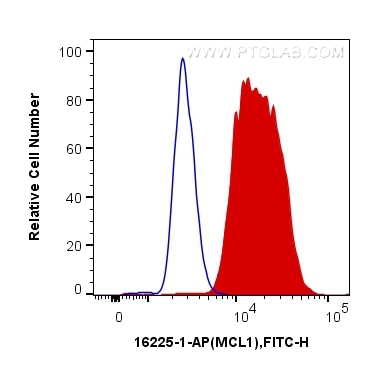

Tested Applications
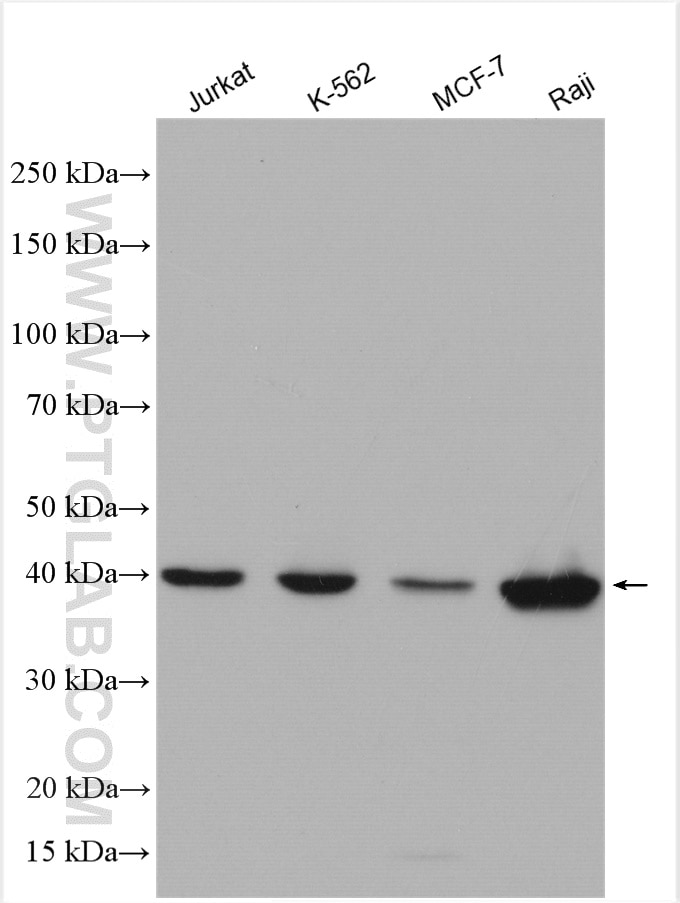
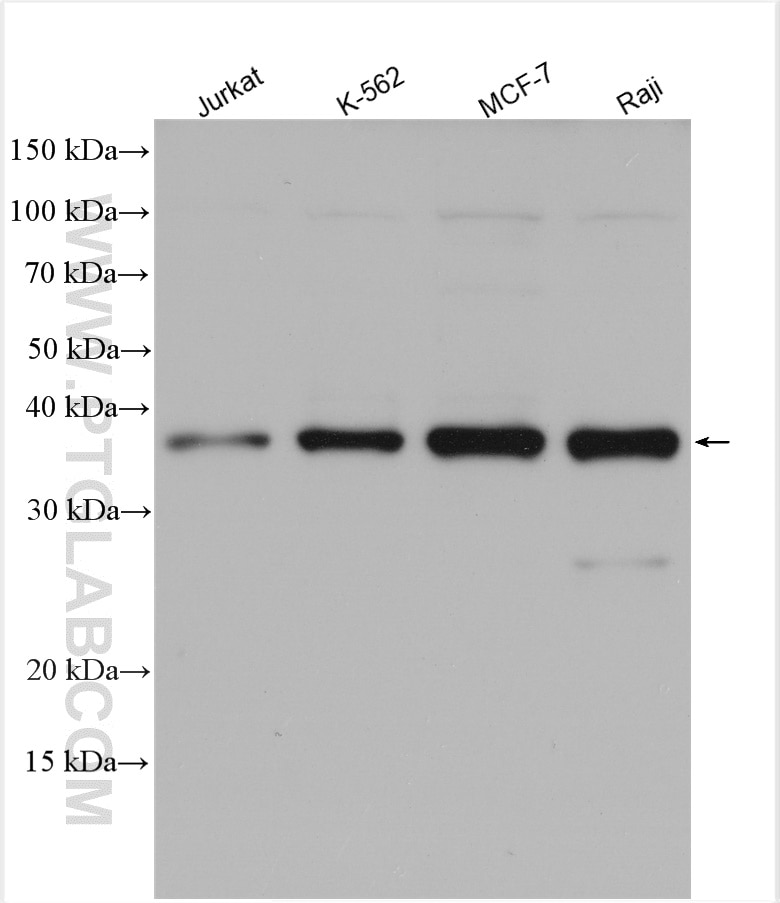
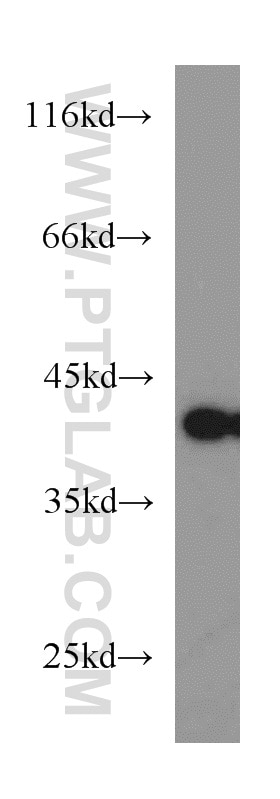
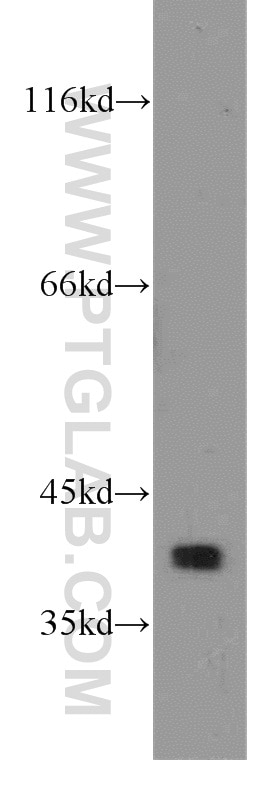
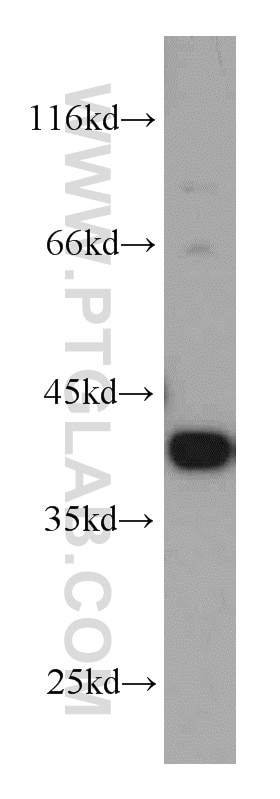
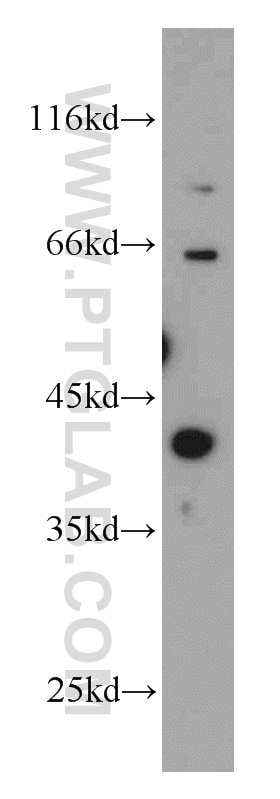
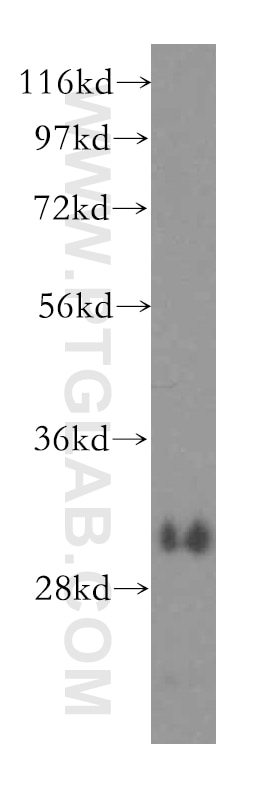
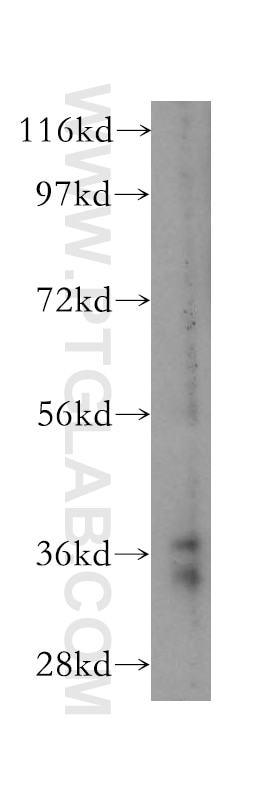
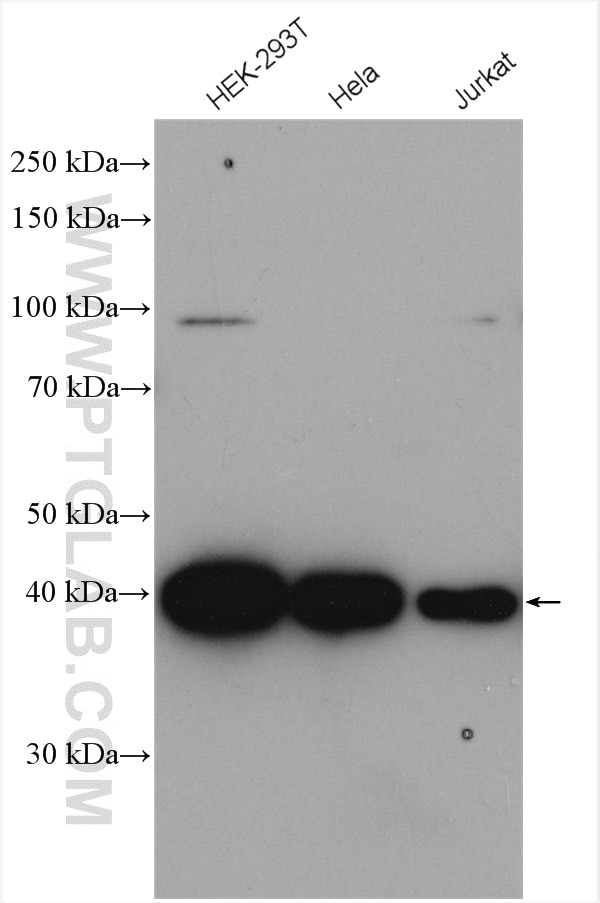
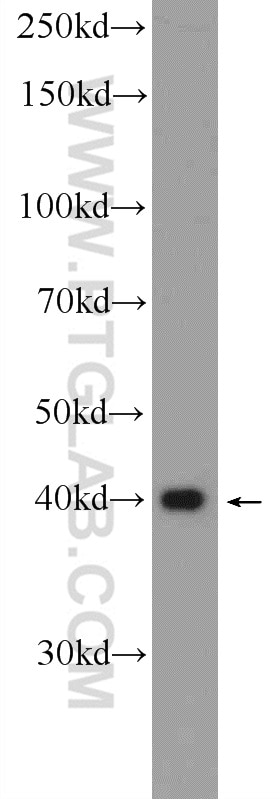
| Positive WB detected in | Jurkat cells, mouse spleen tissue, Raji cells, HL-60 cells, A431 cells, human liver tissue, HEK-293T cells, human brain tissue, K-562 cells, MCF-7 cells, HeLa cells |
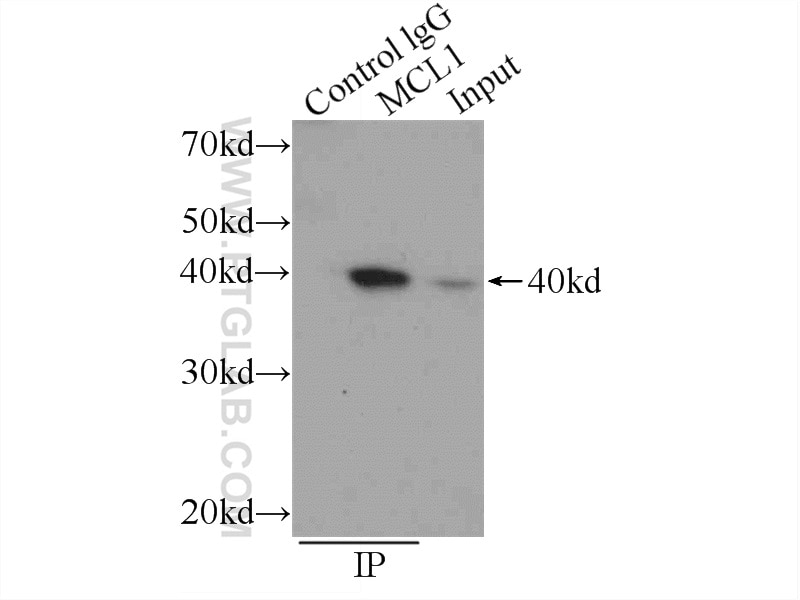
| Positive IP detected in | Raji cells |
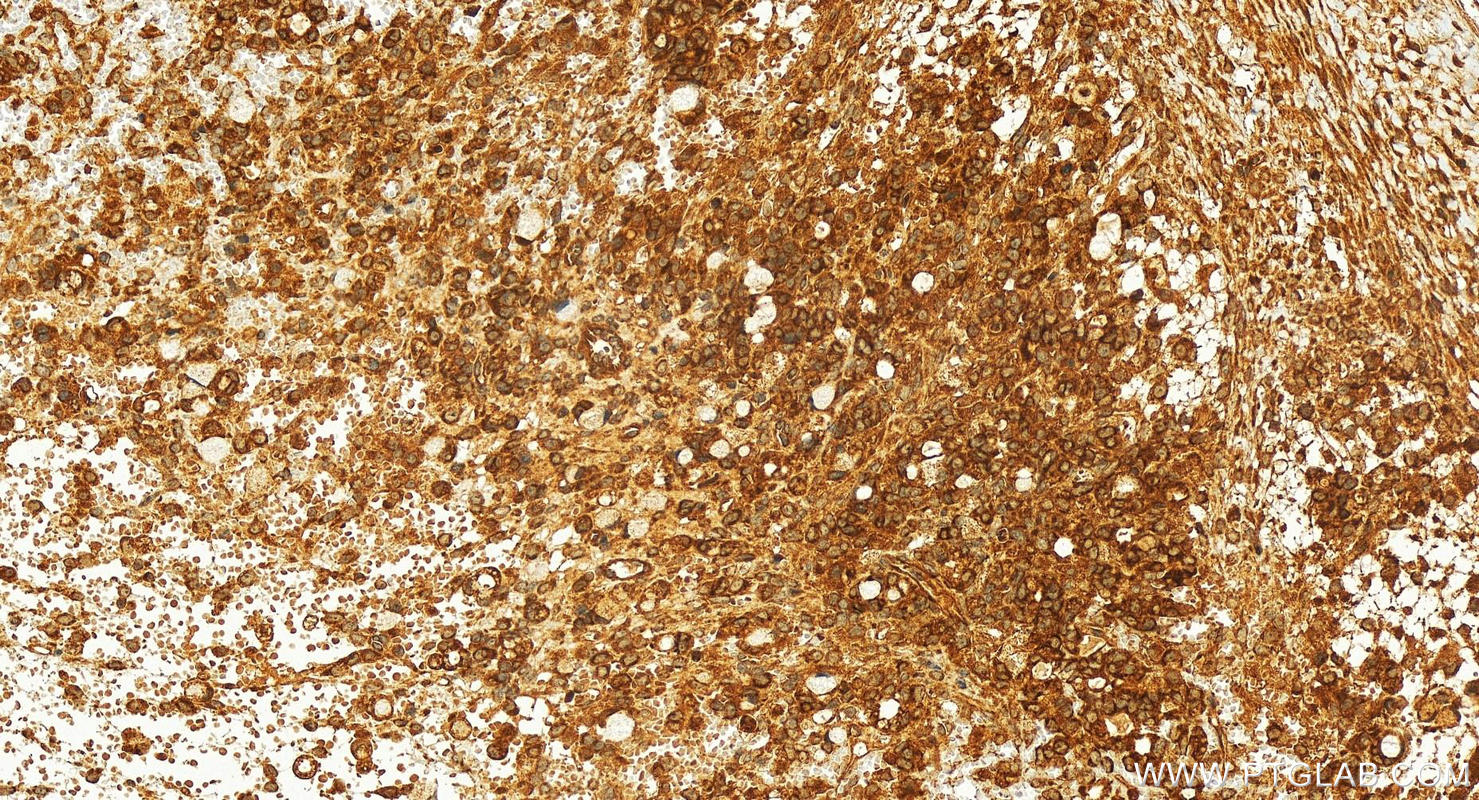
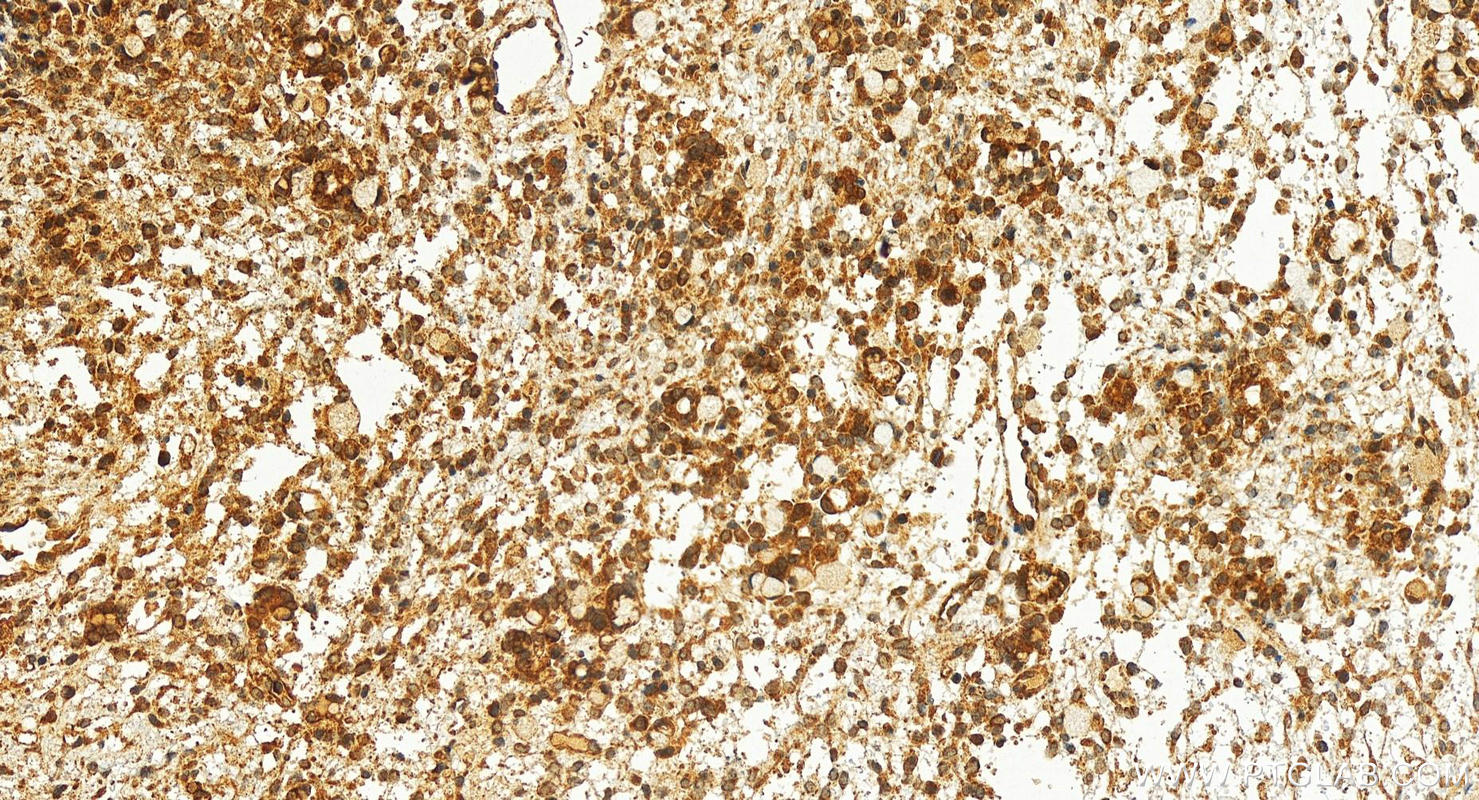
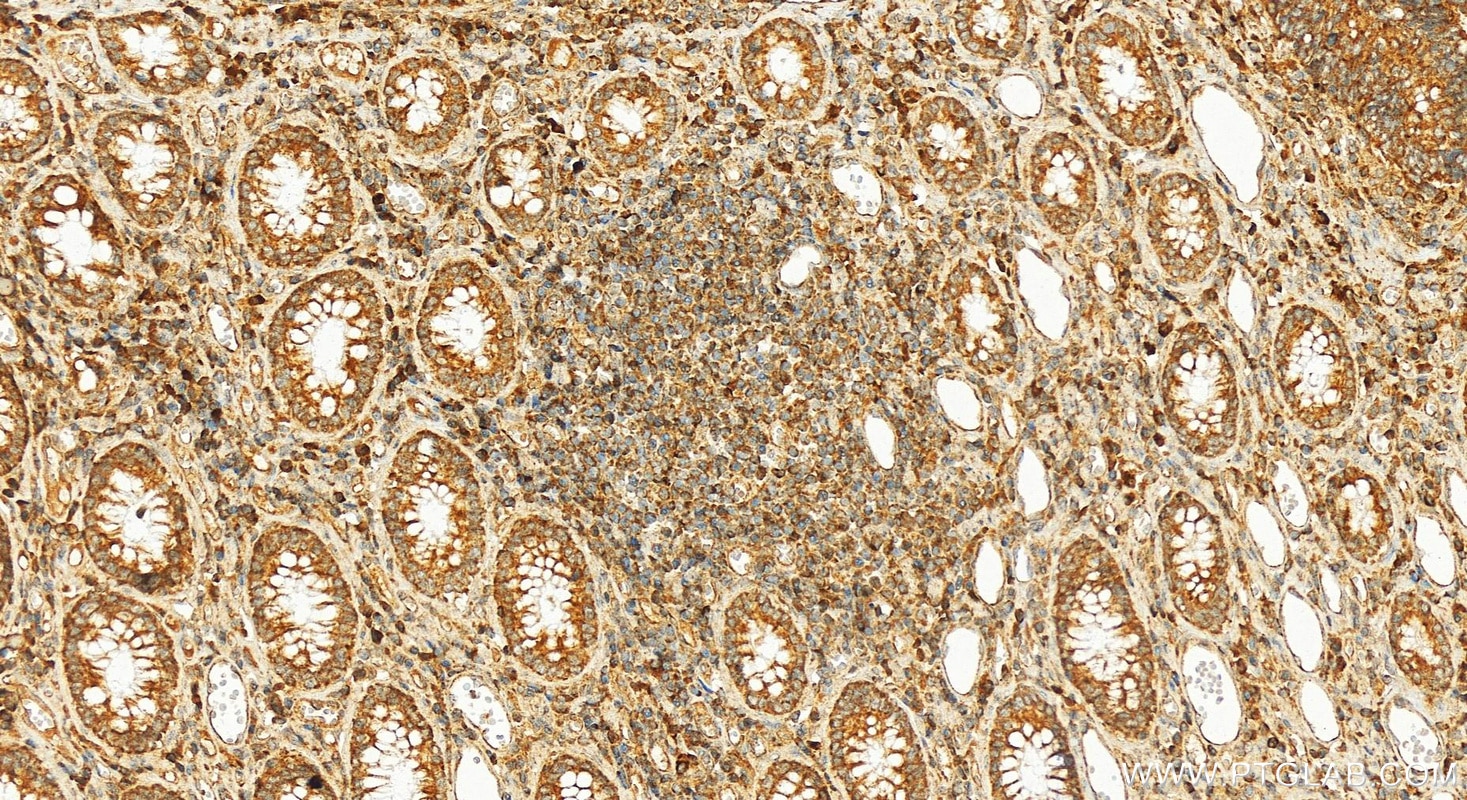
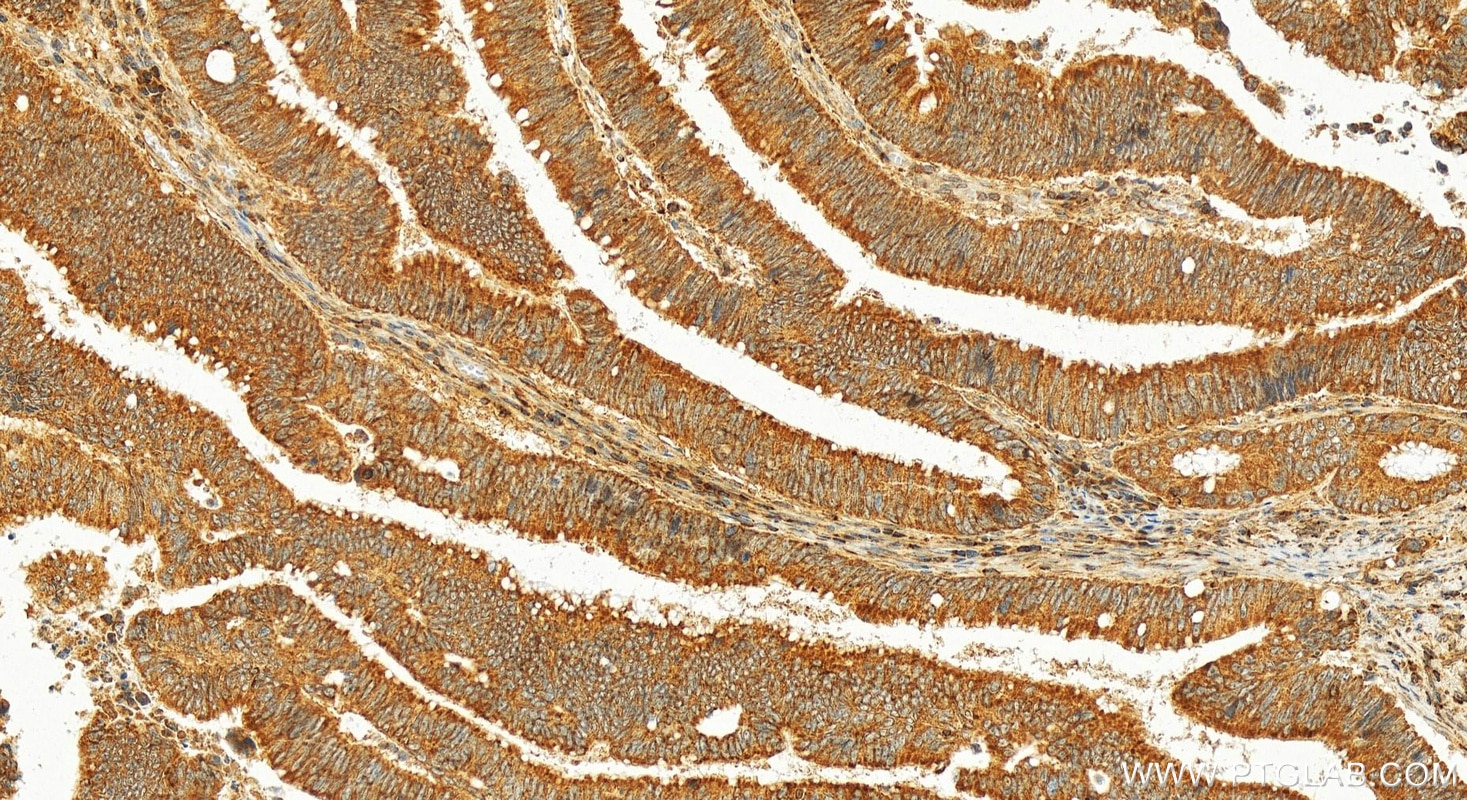
| Positive IHC detected in | human ovary cancer tissue, human colon cancer Note: suggested antigen retrieval with TE buffer pH 9.0; (*) Alternatively, antigen retrieval may be performed with citrate buffer pH 6.0 |
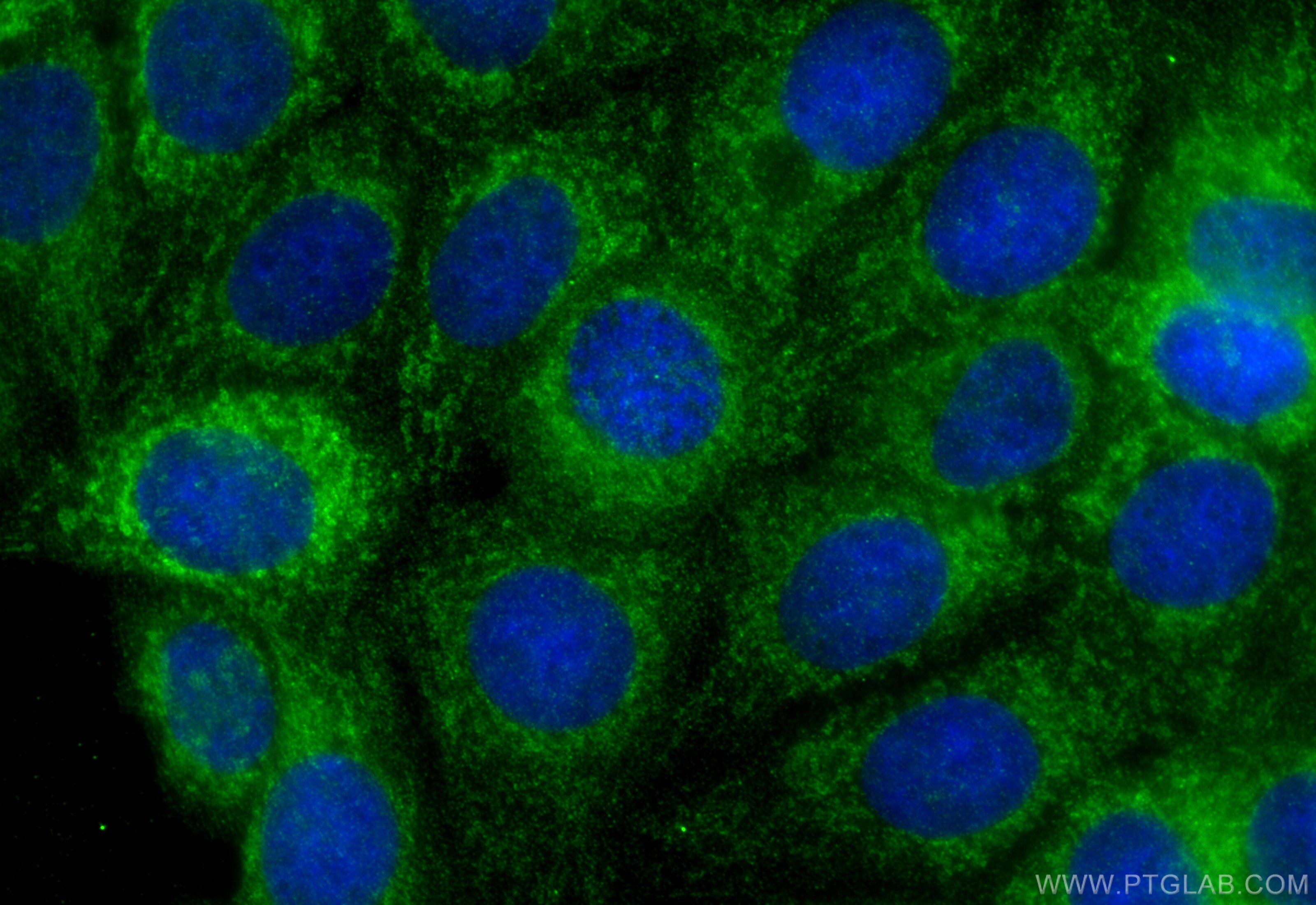
| Positive IF/ICC detected in | MCF-7 cells |
| Positive FC (Intra) detected in | Ramos cells |
Recommended dilution
| Application | Dilution |
|---|---|
| Western Blot (WB) | WB : 1:1000-1:8000 |
| Immunoprecipitation (IP) | IP : 0.5-4.0 ug for 1.0-3.0 mg of total protein lysate |
| Immunohistochemistry (IHC) | IHC : 1:50-1:500 |
| Immunofluorescence (IF)/ICC | IF/ICC : 1:50-1:500 |
| Flow Cytometry (FC) (INTRA) | FC (INTRA) : 0.50 ug per 10^6 cells in a 100 ul suspension |
| It is recommended that this reagent should be titrated in each testing system to obtain optimal results. | |
| Sample-dependent, Check data in validation data gallery. | |
Product Information
16225-1-AP targets MCL1 in WB, IHC, IF/ICC, FC (Intra), IP, CoIP, ELISA, PLA applications and shows reactivity with human, mouse, rat samples.
| Tested Reactivity | human, mouse, rat |
| Cited Reactivity | human, mouse, rat, pig |
| Host / Isotype | Rabbit / IgG |
| Class | Polyclonal |
| Type | Antibody |
| Immunogen |
CatNo: Ag10397 Product name: Recombinant human MCL1 protein Source: e coli.-derived, PGEX-4T Tag: GST Domain: 1-327 aa of BC107735 Sequence: MFGLKRNAVIGLNLYCGGAGLGAGSGGATRPGGRLLATEKEASARREIGGGEAGAVIGGSAGASPPSTLTPDSRRVARPPPIGAEVPDVTATPARLLFFAPTRRAAPLEEMEAPAADAIMSPEEELDGYEPEPLGKRPAVLPLLELVGESGNNTSTDGSLPSTPPPAEEEEDELYRQSLEIISRYLREQATGAKDTKPMGRSGATSRKALETLRRVGDGVQRNHETAFQGMLRKLDIKNEDDVKSLSRVMIHVFSDGVTNWGRIVTLISFGAFVAKHLKTINQESCIEPLAESITDVLVRTKRDWLVKQRGWDGFVEFFHVEDLEGG Predict reactive species |
| Full Name | myeloid cell leukemia sequence 1 (BCL2-related) |
| Calculated Molecular Weight | 350 aa, 37 kDa |
| Observed Molecular Weight | 35-40 kDa |
| GenBank Accession Number | BC107735 |
| Gene Symbol | MCL1 |
| Gene ID (NCBI) | 4170 |
| RRID | AB_2143977 |
| Conjugate | Unconjugated |
| Form | Liquid |
| Purification Method | Antigen affinity purification |
| UNIPROT ID | Q07820 |
| Storage Buffer | PBS with 0.02% sodium azide and 50% glycerol, pH 7.3. |
| Storage Conditions | Store at -20°C. Stable for one year after shipment. Aliquoting is unnecessary for -20oC storage. 20ul sizes contain 0.1% BSA. |
Background Information
MCL-1 is an anti-apoptotic member of the Bcl-2 family originally isolated from the ML-1 human myeloid leukemia cell line. Similar to BCL2 and BCL2L1, MCL1 can interact with BAX and/or BAK1 to inhibit mitochondria-mediated apoptosis. Mcl-1 is critical for the proliferation and survival of myeloma cells in vitro, and overexpression of Mcl-1 protein in myeloma cells is associated with relapse and short event-free survival in multiple myeloma patients. Recent studies show that MCL-1 is upregulated in numerous haematological and solid tumour malignancies. Therefore, MCL-1 has been suggested as a potential new therapeutic target. MCL-1 can be alternatively spliced into a long form (MCL-1L, 40 kDa) or a short form (MCL-1S, 30 kDa). (PMID: 15467463, PMID: 15147382)
Protocols
| Product Specific Protocols | |
|---|---|
| FC protocol for MCL1 antibody 16225-1-AP | Download protocol |
| IF protocol for MCL1 antibody 16225-1-AP | Download protocol |
| IHC protocol for MCL1 antibody 16225-1-AP | Download protocol |
| IP protocol for MCL1 antibody 16225-1-AP | Download protocol |
| WB protocol for MCL1 antibody 16225-1-AP | Download protocol |
| Standard Protocols | |
|---|---|
| Click here to view our Standard Protocols |
Publications
What published studies show
The MCL1 Polyclonal Antibody (16225-1-AP) is cited in 191 publications across diverse venues, including Cell Metabolism, Cancer Research, Nature Communications, Neuron, Molecular Cell, Journal of Experimental & Clinical Cancer Research, Cell Death & Disease, Oncogene, Leukemia, Haematologica, Theranostics, Molecular Cancer Therapeutics, and many more high- and mid-impact journals. Research fields center on oncology—leukemia/lymphoma, breast, prostate, colorectal, liver, gastric, pancreatic, and lung cancers—emphasizing apoptosis and BCL-2 family biology, BH3 mimetic and venetoclax resistance, mitochondrial stress, and PI3K/AKT and STAT3 signaling pathways. Applications span WB, IHC, IF, IP, and CoIP across human, mouse, and rat samples.
| Species | Application | Title |
|---|---|---|
Cell Metab Muscle-derived small extracellular vesicles induce liver fibrosis during overtraining | ||
Cancer Res Bcl-xL enforces a slow-cycling state necessary for survival in the nutrient-deprived microenvironment of pancreatic cancer. | ||
Nat Commun IFN-β is a macrophage-derived effector cytokine facilitating the resolution of bacterial inflammation. | ||
Nat Commun MCL-1 gains occur with high frequency in lung adenocarcinoma and can be targeted therapeutically. | ||
Nat Commun Small-molecule suppression of calpastatin degradation reduces neuropathology in models of Huntington's disease. | ||
Nat Commun Elucidating molecularly stratified single agent, and combination, therapeutic strategies targeting MCL1 for lethal prostate cancer |
Reviews
What customers say
Able is busy answering your previous question. Please try again later.
The reviews below have been submitted by verified Proteintech customers who received an incentive for providing their feedback.
Eya (Verified Customer) (07-06-2021) | the bands appear very clear
|

