
Tested Applications
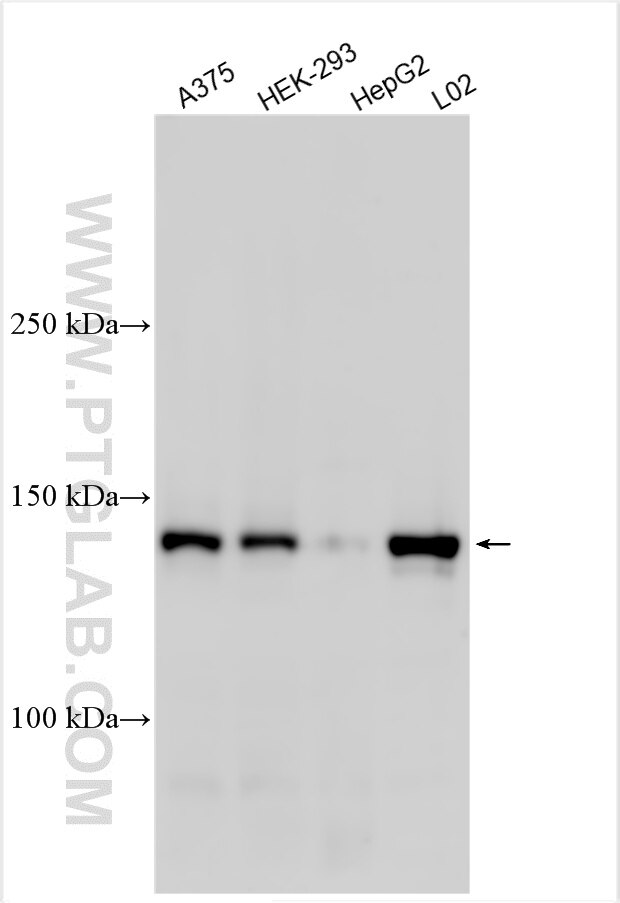
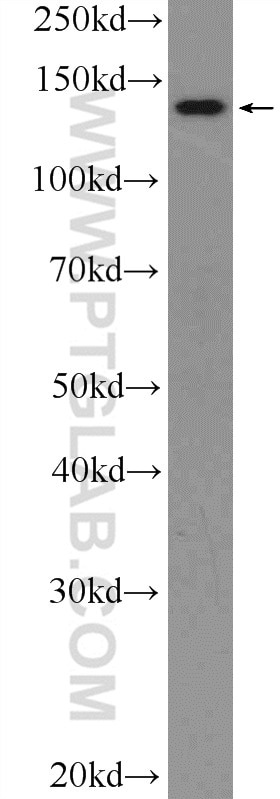
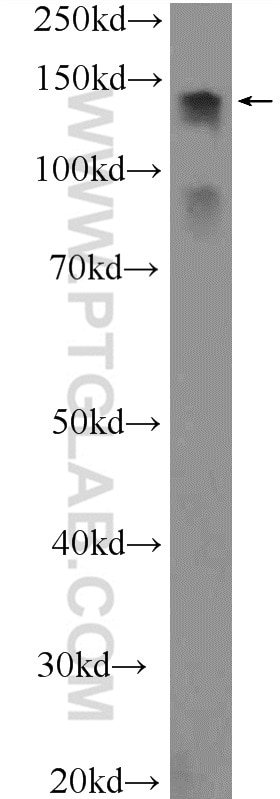
| Positive WB detected in | A375 cells, mouse pancreas tissue, HEK-293 cells, HepG2 cells, L02 cells |
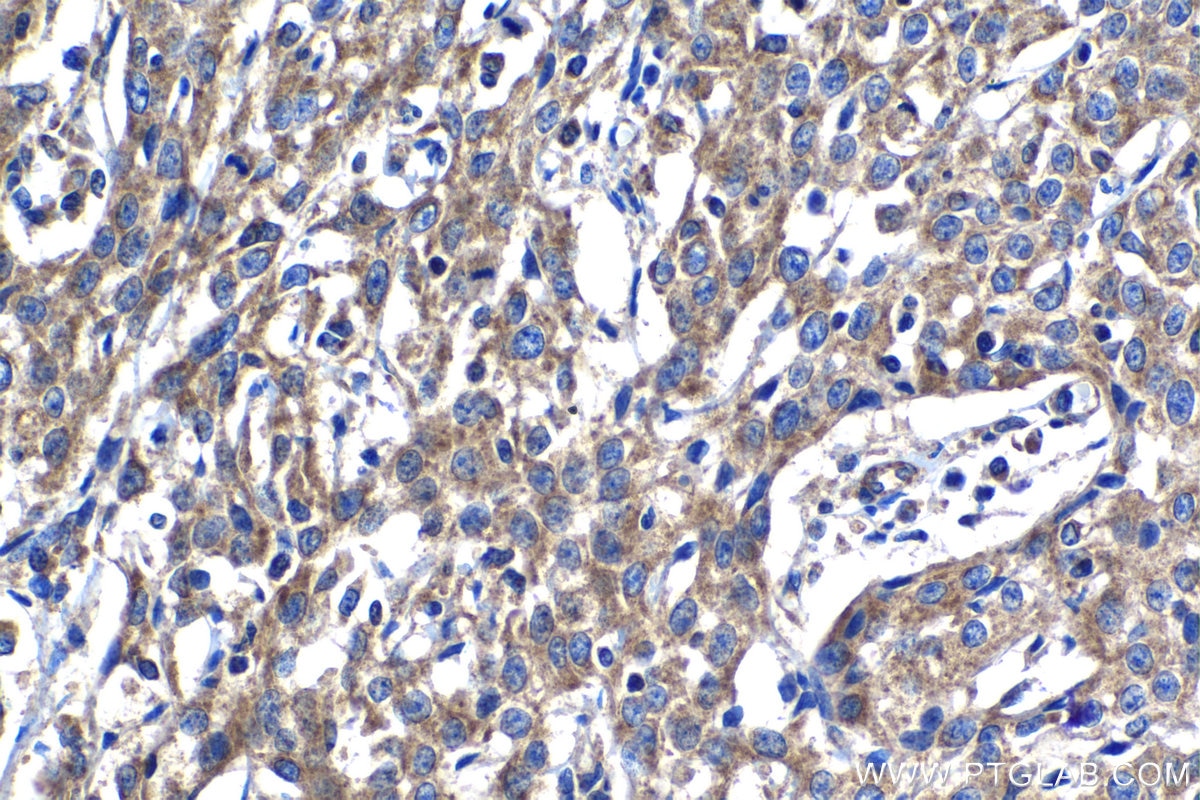
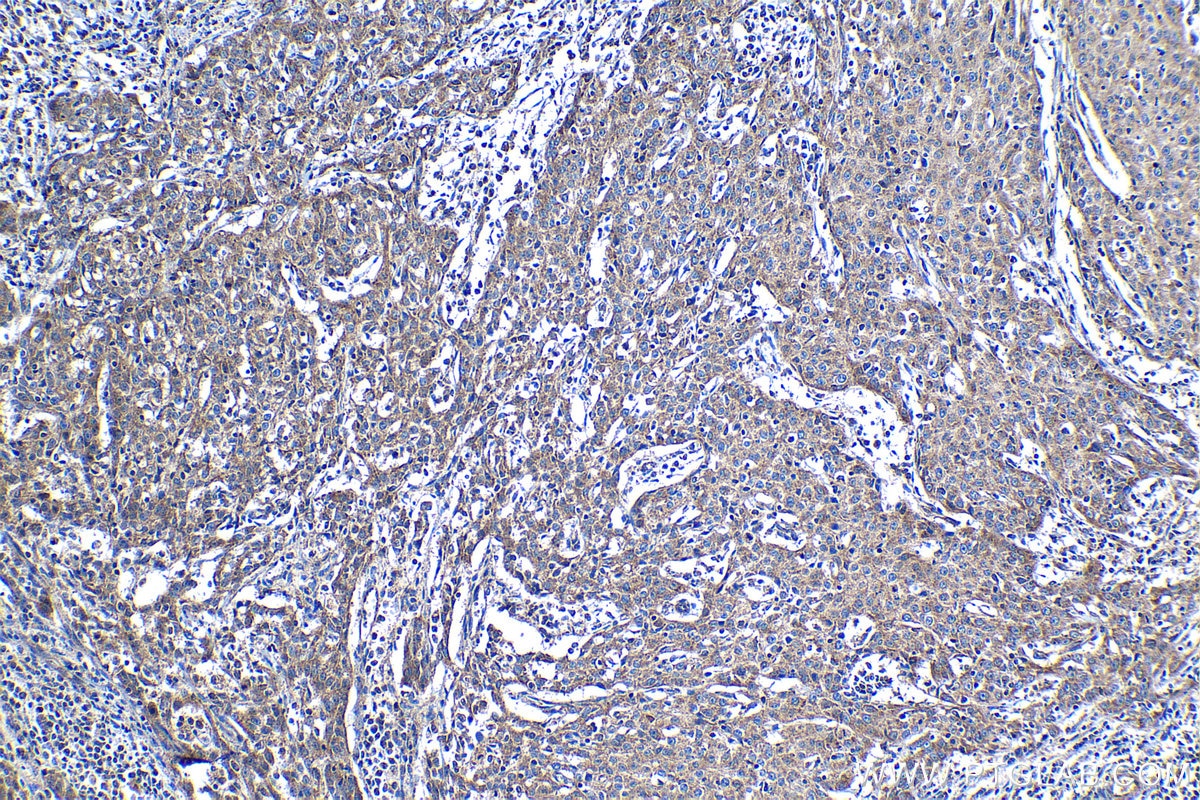
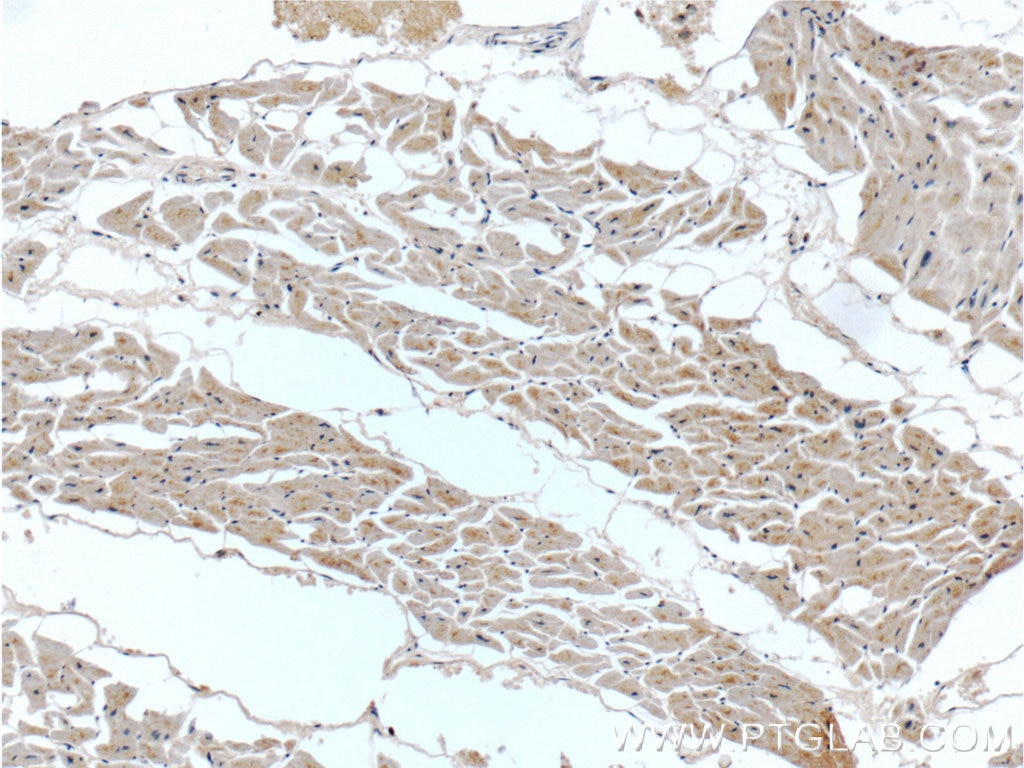
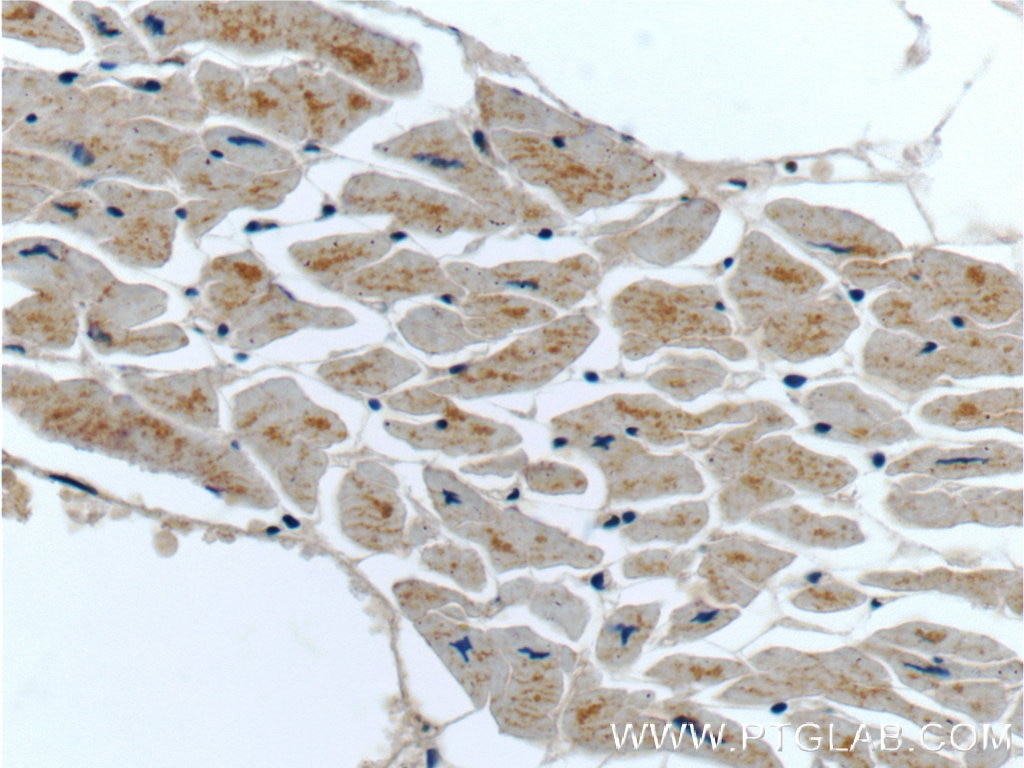
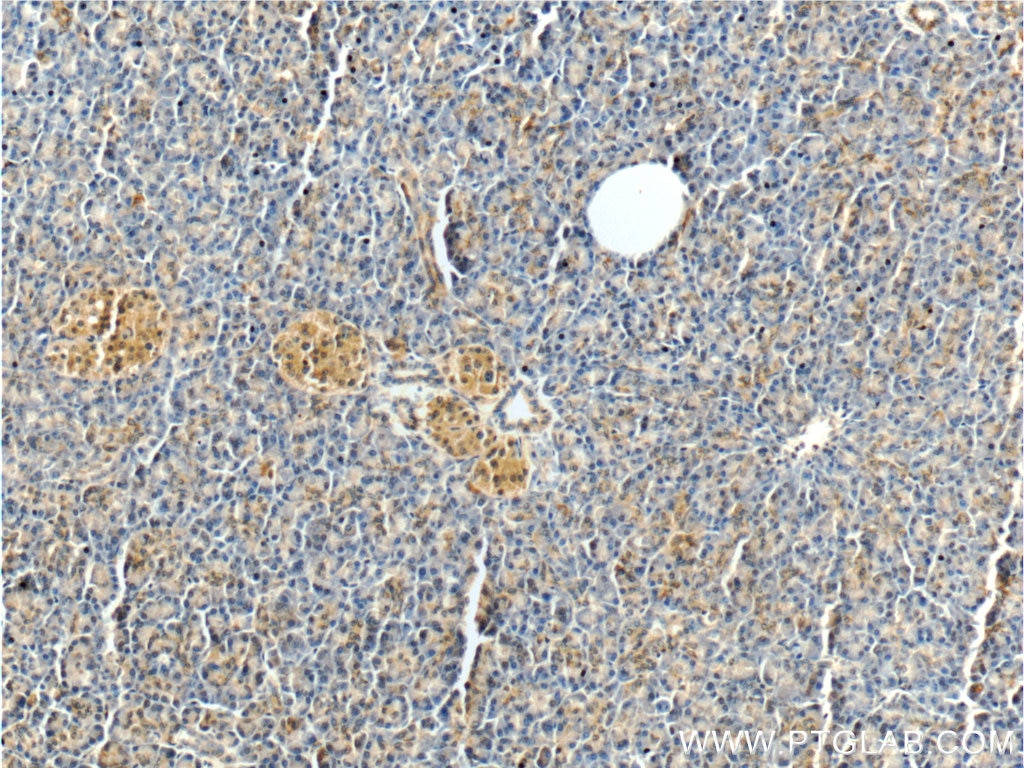
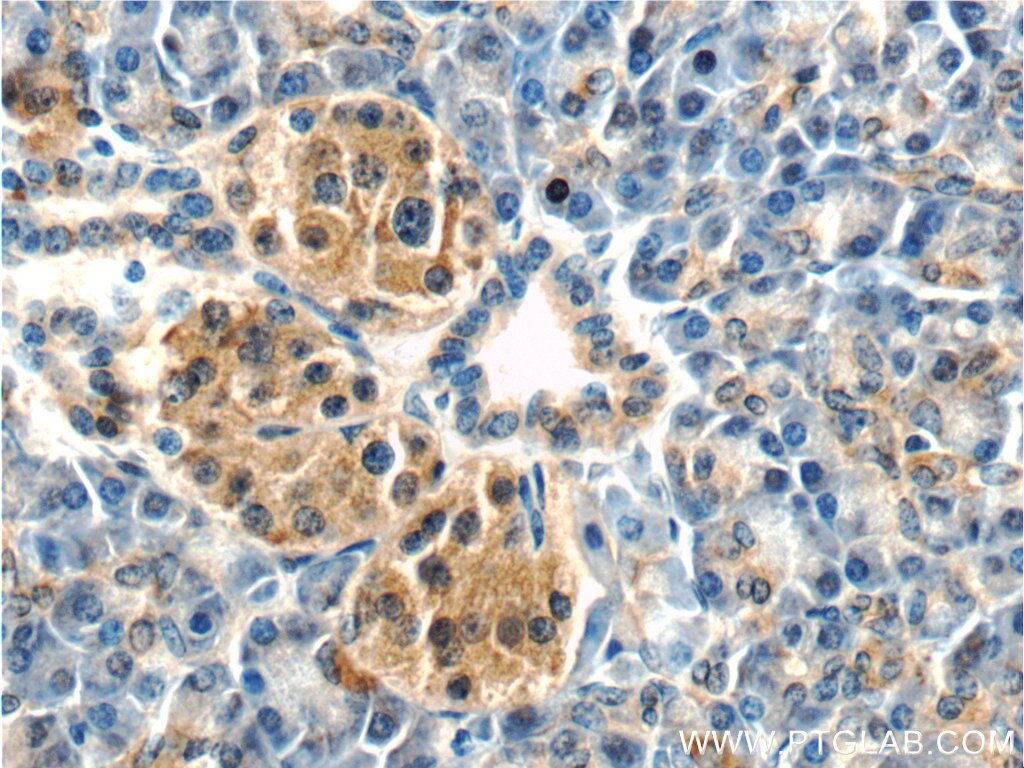
| Positive IHC detected in | human cervical cancer tissue, human heart tissue, human pancreas tissue Note: suggested antigen retrieval with TE buffer pH 9.0; (*) Alternatively, antigen retrieval may be performed with citrate buffer pH 6.0 |
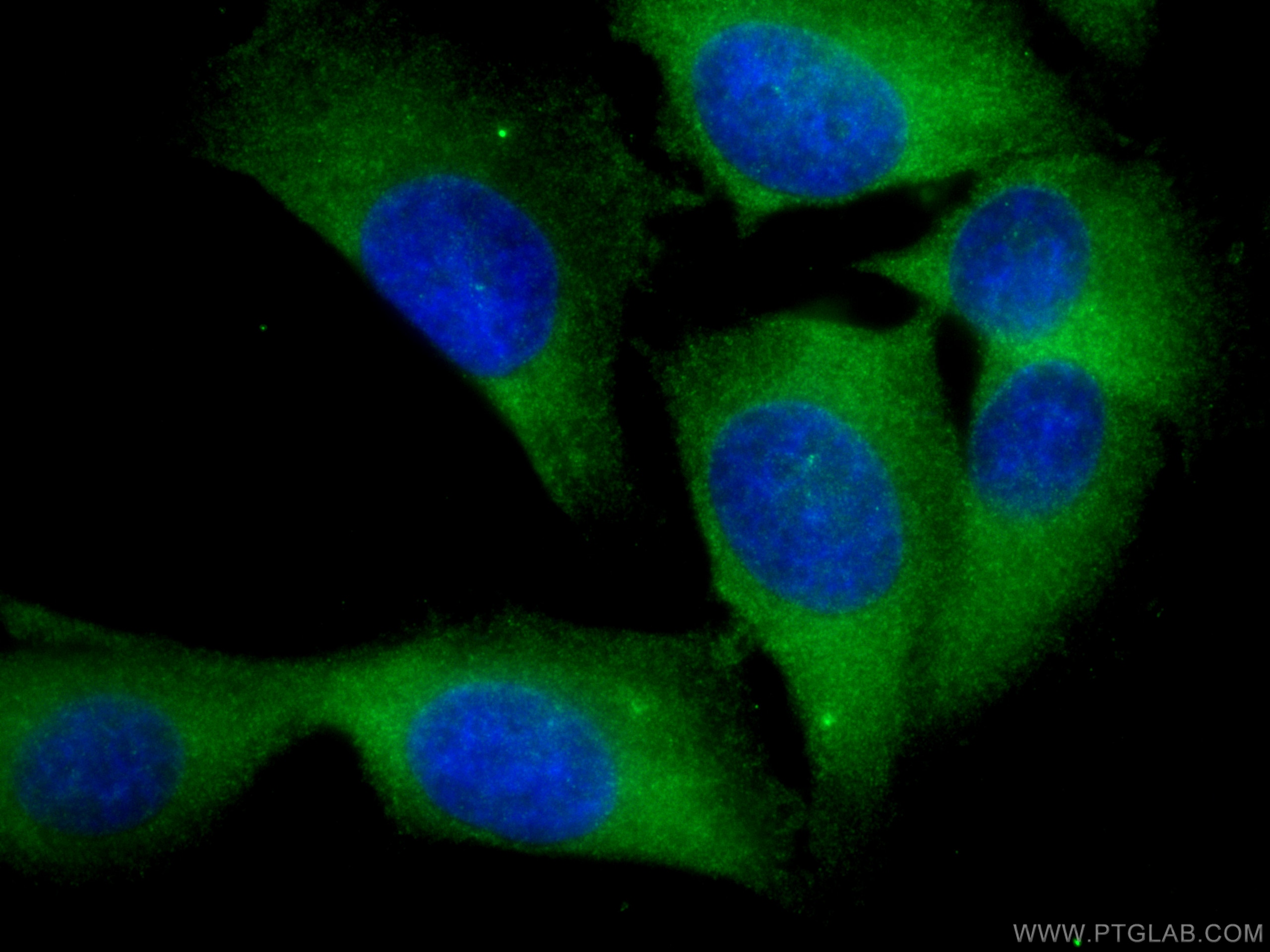
| Positive IF/ICC detected in | A375 cells |
Recommended dilution
| Application | Dilution |
|---|---|
| Western Blot (WB) | WB : 1:1000-1:8000 |
| Immunohistochemistry (IHC) | IHC : 1:250-1:1000 |
| Immunofluorescence (IF)/ICC | IF/ICC : 1:50-1:500 |
| It is recommended that this reagent should be titrated in each testing system to obtain optimal results. | |
| Sample-dependent, Check data in validation data gallery. | |
Product Information
25896-1-AP targets MTR in WB, IHC, IF/ICC, IP, ELISA applications and shows reactivity with human, mouse samples.
| Tested Reactivity | human, mouse |
| Cited Reactivity | human, mouse |
| Host / Isotype | Rabbit / IgG |
| Class | Polyclonal |
| Type | Antibody |
| Immunogen |
CatNo: Ag23156 Product name: Recombinant human MTR protein Source: e coli.-derived, PGEX-4T Tag: GST Domain: 917-1265 aa of BC130616 Sequence: RQGHYESLKERRYLPLSQARKSGFQMDWLSEPHPVKPTFIGTQVFEDYDLQKLVDYIDWKPFFDVWQLRGKYPNRGFPKIFNDKTVGGEARKVYDDAHNMLNTLISQKKLRARGVVGFWPAQSIQDDIHLYAEAAVPQAAEPIATFYGLRQQAEKDSASTEPYYCLSDFIAPLHSGIRDYLGLFAVACFGVEELSKAYEDDGDDYSSIMVKALGDRLAEAFAEELHERVRRELWAYCGSEQLDVADLRRLRYKGIRPAPGYPSQPDHTEKLTMWRLADIEQSTGIRLTESLAMAPASAVSGLYFSNLKSKYFAVGKISKDQVEDYALRKNISVAEVEKWLGPILGYDTD Predict reactive species |
| Full Name | 5-methyltetrahydrofolate-homocysteine methyltransferase |
| Observed Molecular Weight | 140 kDa |
| GenBank Accession Number | BC130616 |
| Gene Symbol | MTR |
| Gene ID (NCBI) | 4548 |
| RRID | AB_2880287 |
| Conjugate | Unconjugated |
| Form | Liquid |
| Purification Method | Antigen affinity purification |
| UNIPROT ID | Q99707 |
| Storage Buffer | PBS with 0.02% sodium azide and 50% glycerol, pH 7.3. |
| Storage Conditions | Store at -20°C. Stable for one year after shipment. Aliquoting is unnecessary for -20oC storage. 20ul sizes contain 0.1% BSA. |
Background Information
MTR (Methionine synthase), one of two B12-dependent mammalian enzymes, catalyzes a methyl transfer from methyltetrahydrofolate to homocysteine, generating methionine and tetrahydrofolate (PMID: 9587027, 9013615). Methionine synthase levels in mammalian cells are influenced by folate status, and the ability of cells to grow in the absence of methionine is partly rate-limited by synthase activity levels. MTR loss depletes cells and tumors of reduced folate species (PMID: 34799699)
Protocols
| Product Specific Protocols | |
|---|---|
| IF protocol for MTR antibody 25896-1-AP | Download protocol |
| IHC protocol for MTR antibody 25896-1-AP | Download protocol |
| WB protocol for MTR antibody 25896-1-AP | Download protocol |
| Standard Protocols | |
|---|---|
| Click here to view our Standard Protocols |
Publications
What published studies show
| Species | Application | Title |
|---|---|---|
Cell Metab Transsulfuration Activity Can Support Cell Growth upon Extracellular Cysteine Limitation. | ||
Mol Cell mTORC1 stimulates cell growth through SAM synthesis and m6A mRNA-dependent control of protein synthesis. | ||
J Pineal Res Melatonin modulates metabolic remodeling in HNSCC by suppressing MTHFD1L-formate axis. | ||
Clin Epigenetics A transgenic mice model of retinopathy of cblG-type inherited disorder of one-carbon metabolism highlights epigenome-wide alterations related to cone photoreceptor cells development and retinal metabolism | ||
Nutrients Mild Choline Deficiency and MTHFD1 Synthetase Deficiency Interact to Increase Incidence of Developmental Delays and Defects in Mice. | ||
iScience Linkage of methionine addiction, histone lysine hypermethylation, and malignancy. |

