

Tested Applications
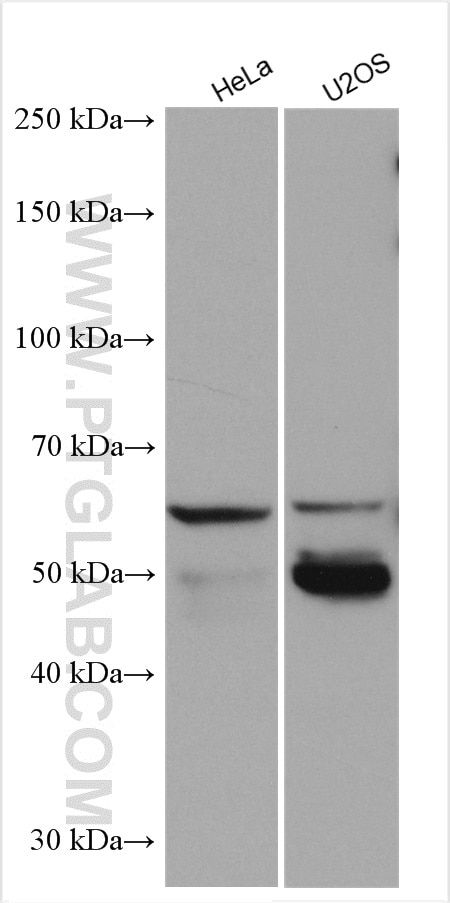
| Positive WB detected in | HeLa cells, U2OS cells |
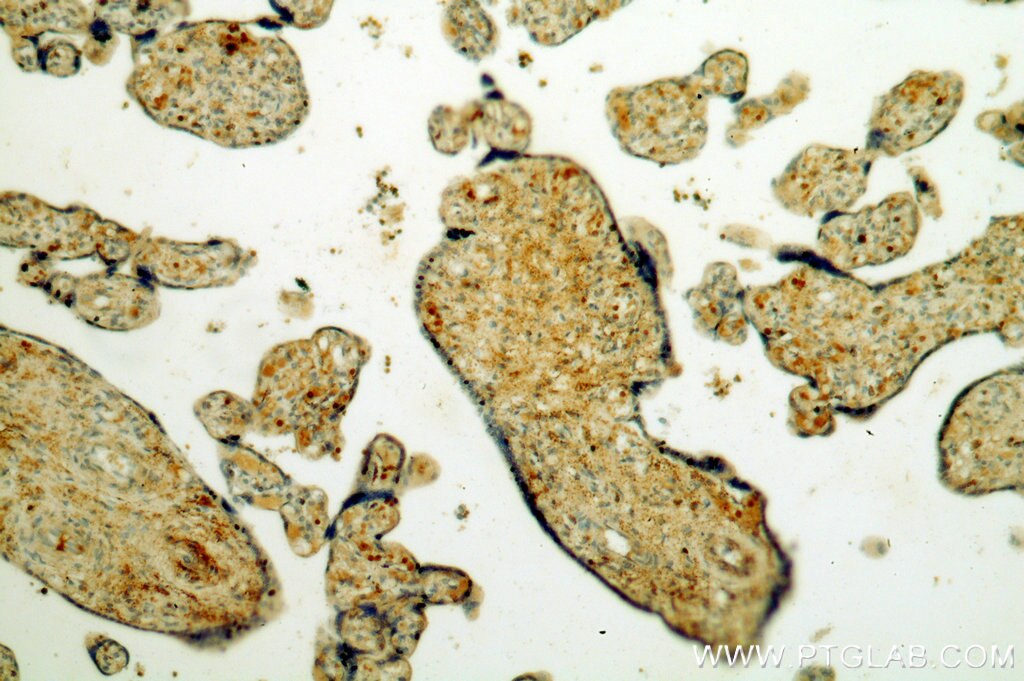
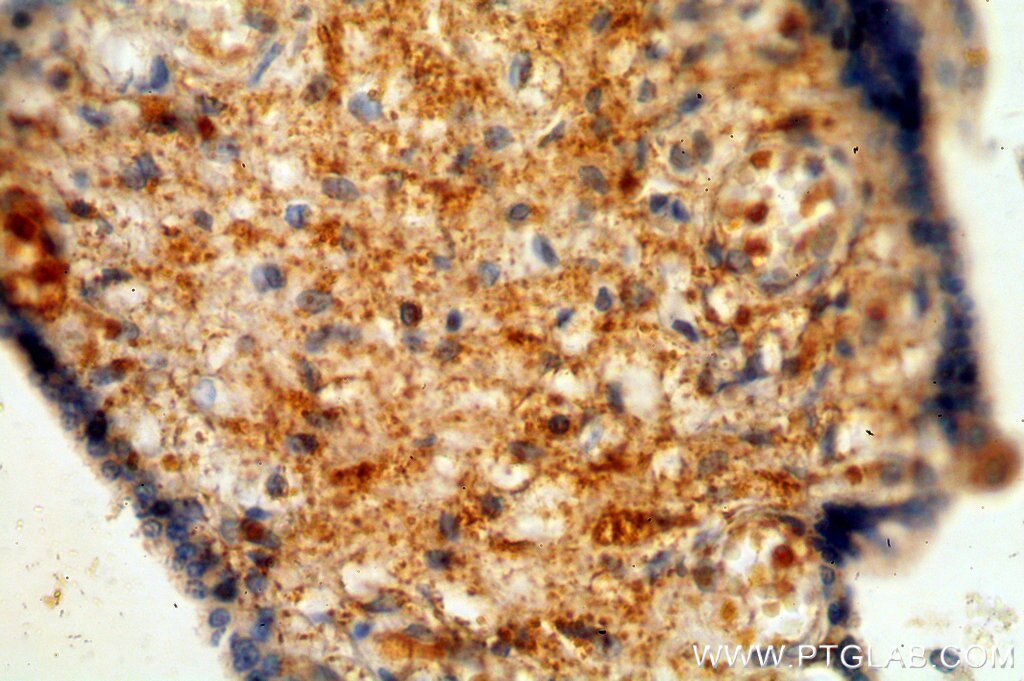
| Positive IHC detected in | human placenta tissue Note: suggested antigen retrieval with TE buffer pH 9.0; (*) Alternatively, antigen retrieval may be performed with citrate buffer pH 6.0 |
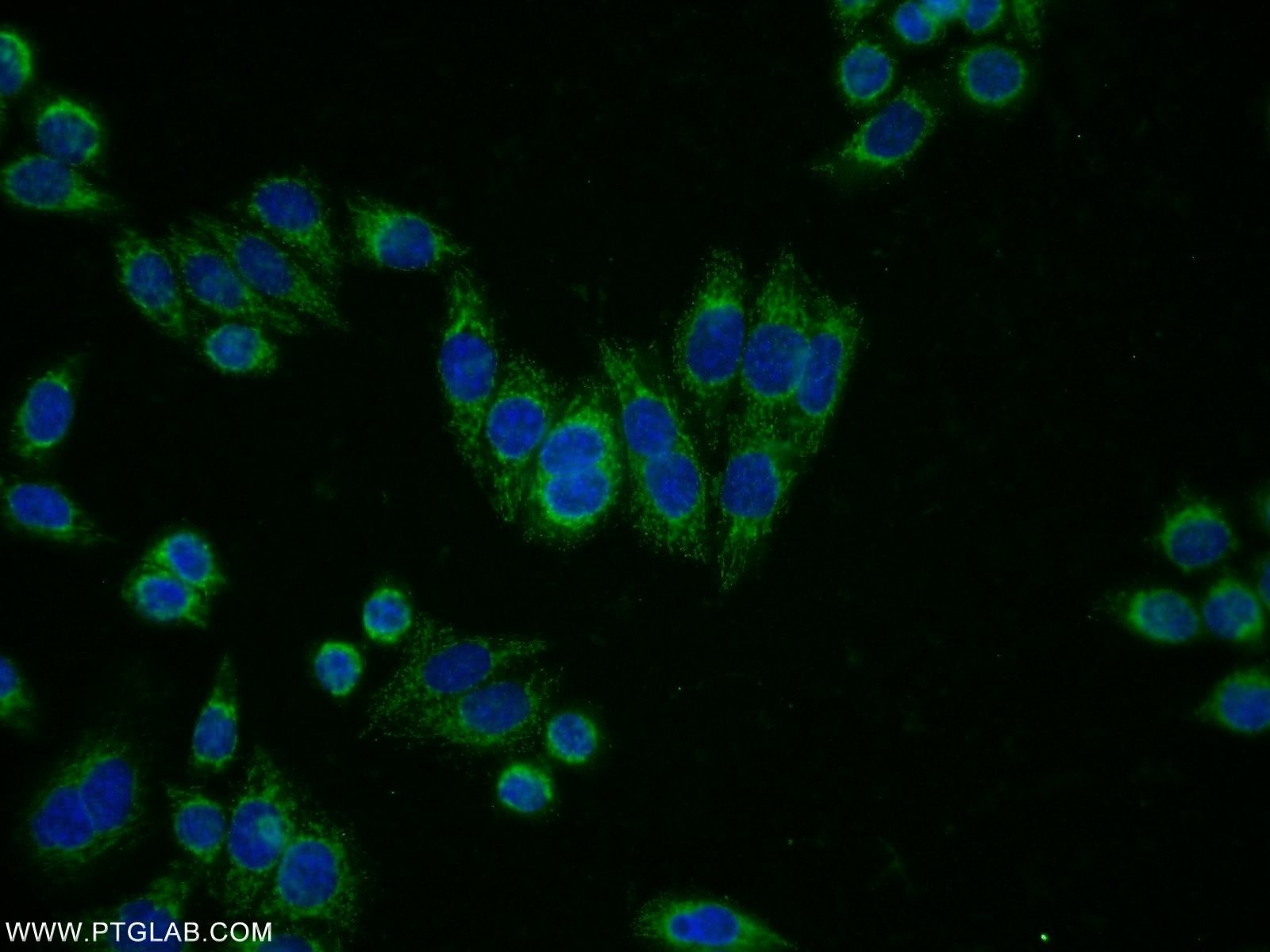
| Positive IF/ICC detected in | HeLa cells |
Recommended dilution
| Application | Dilution |
|---|---|
| Western Blot (WB) | WB : 1:1000-1:4000 |
| Immunohistochemistry (IHC) | IHC : 1:20-1:200 |
| Immunofluorescence (IF)/ICC | IF/ICC : 1:20-1:200 |
| It is recommended that this reagent should be titrated in each testing system to obtain optimal results. | |
| Sample-dependent, Check data in validation data gallery. | |
Product Information
15096-1-AP targets NAGA in WB, IHC, IF/ICC, ELISA applications and shows reactivity with human, mouse, rat samples.
| Tested Reactivity | human, mouse, rat |
| Cited Reactivity | human |
| Host / Isotype | Rabbit / IgG |
| Class | Polyclonal |
| Type | Antibody |
| Immunogen |
CatNo: Ag7172 Product name: Recombinant human NAGA protein Source: e coli.-derived, PGEX-4T Tag: GST Domain: 22-411 aa of BC000095 Sequence: LLQTPPMGWLAWERFRCNINCDEDPKNCISEQLFMEMADRMAQDGWRDMGYTYLNIDDCWIGGRDASGRLMPDPKRFPHGIPFLADYVHSLGLKLGIYADMGNFTCMGYPGTTLDKVVQDAQTFAEWKVDMLKLDGCFSTPEERAQGYPKMAAALNATGRPIAFSCSWPAYEGGLPPRVNYSLLADICNLWRNYDDIQDSWWSVLSILNWFVEHQDILQPVAGPGHWNDPDMLLIGNFGLSLEQSRAQMALWTVLAAPLLMSTDLRTISAQNMDILQNPLMIKINQDPLGIQGRRIHKEKSLIEVYMRPLSNKASALVFFSCRTDMPYRYHSSLGQLNFTGSVIYEAQDVYSGDIISGLRDETNFTVIINPSGVVMWYLYPIKNLEMSQQ Predict reactive species |
| Full Name | N-acetylgalactosaminidase, alpha- |
| Calculated Molecular Weight | 47 kDa |
| Observed Molecular Weight | 48 kDa, 60-70 kDa |
| GenBank Accession Number | BC000095 |
| Gene Symbol | NAGA |
| Gene ID (NCBI) | 4668 |
| RRID | AB_2282779 |
| Conjugate | Unconjugated |
| Form | Liquid |
| Purification Method | Antigen affinity purification |
| UNIPROT ID | P17050 |
| Storage Buffer | PBS with 0.02% sodium azide and 50% glycerol, pH 7.3. |
| Storage Conditions | Store at -20°C. Stable for one year after shipment. Aliquoting is unnecessary for -20oC storage. 20ul sizes contain 0.1% BSA. |
Background Information
NAGA belongs to the glycosyl hydrolase 27 family. It removes terminal alpha-N-acetylgalactosamine residues from glycolipids and glycopeptides. It is required for the breakdown of glycolipids. Biosynthetic studies performed with cultured fibroblasts indicated that the human enzyme was synthesized as a 65 kDa glycosylated precursor which was processed to a mature 48-kDa lysosomal form; both the precursor and mature forms had high mannose type oligosaccharide chains, but only the precursor's mannose residues were phosphorylated. 90-117 kDa is a homodimer of NAGA.
Protocols
| Product Specific Protocols | |
|---|---|
| IF protocol for NAGA antibody 15096-1-AP | Download protocol |
| IHC protocol for NAGA antibody 15096-1-AP | Download protocol |
| WB protocol for NAGA antibody 15096-1-AP | Download protocol |
| Standard Protocols | |
|---|---|
| Click here to view our Standard Protocols |
Publications
What published studies show
The NAGA Polyclonal antibody (catalog number 15096-1-AP) has a total of 1 citation. It appears in the journal American Journal of Physiology - Cell Physiology (Am J Physiol Cell Physiol), in a study titled "Hydrogen Sulfide Accumulates LDL Receptor Precursor via Downregulating PCSK9 in HepG2 Cells" (2020, Impact Factor 5.4). The research field is lipid metabolism and liver cell biology, specifically examining PCSK9 downregulation and LDL receptor precursor accumulation in human HepG2 cells. The antibody was applied in Western Blot (WB) for human samples.
| Species | Application | Title |
|---|---|---|
Am J Physiol Cell Physiol Hydrogen Sulfide Accumulates LDL Receptor Precursor via Downregulating PCSK9 in HepG2 Cells. |

