

Tested Applications
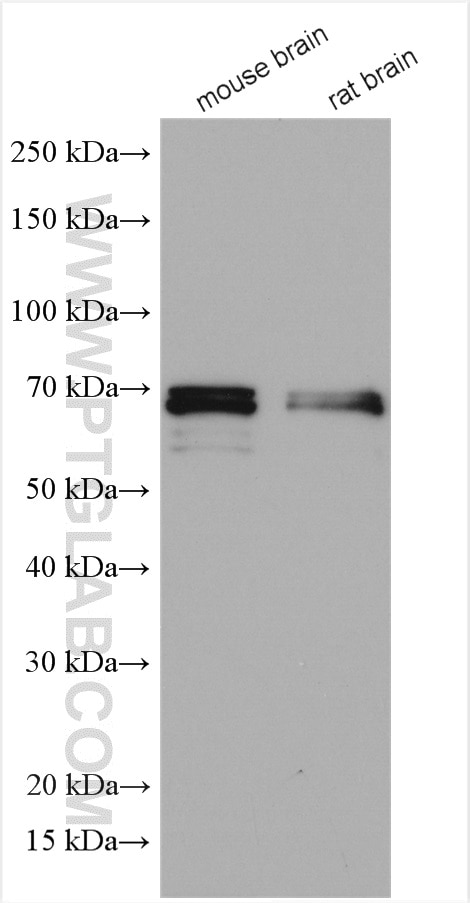
| Positive WB detected in | mouse brain tissue, rat brain tissue |
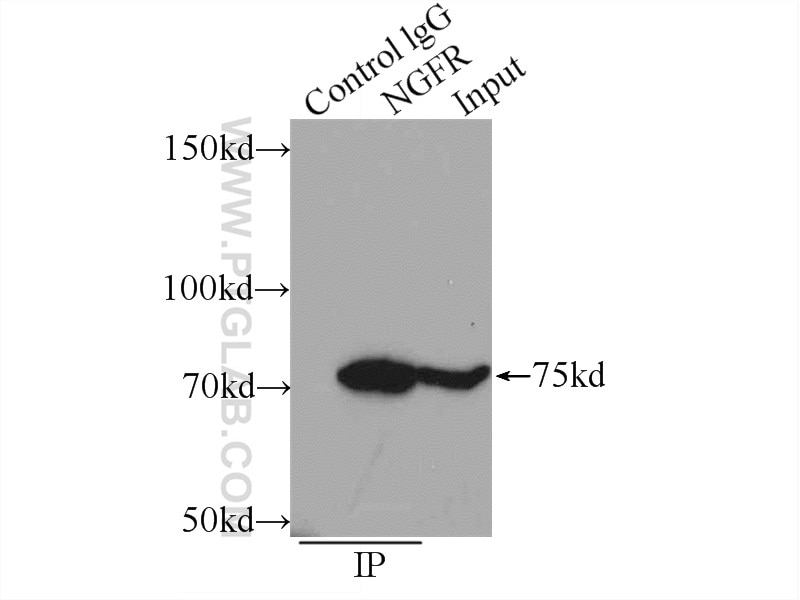
| Positive IP detected in | mouse brain tissue |
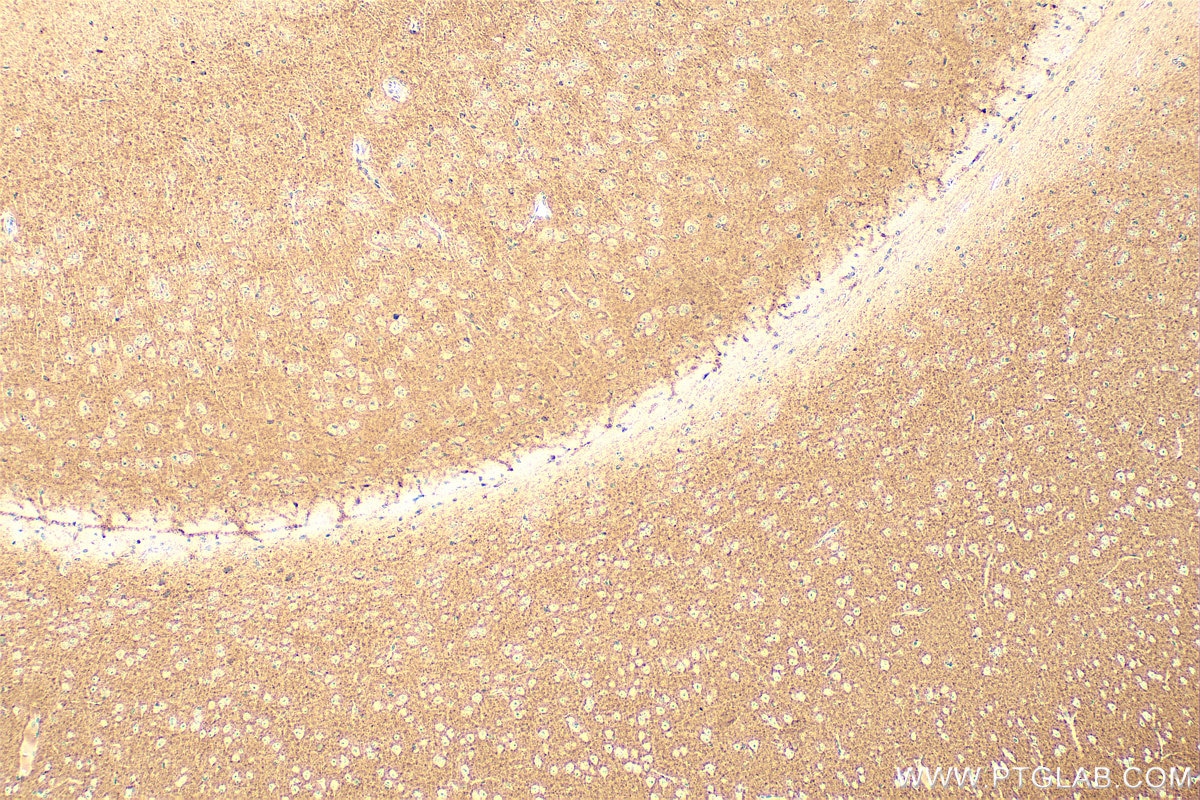
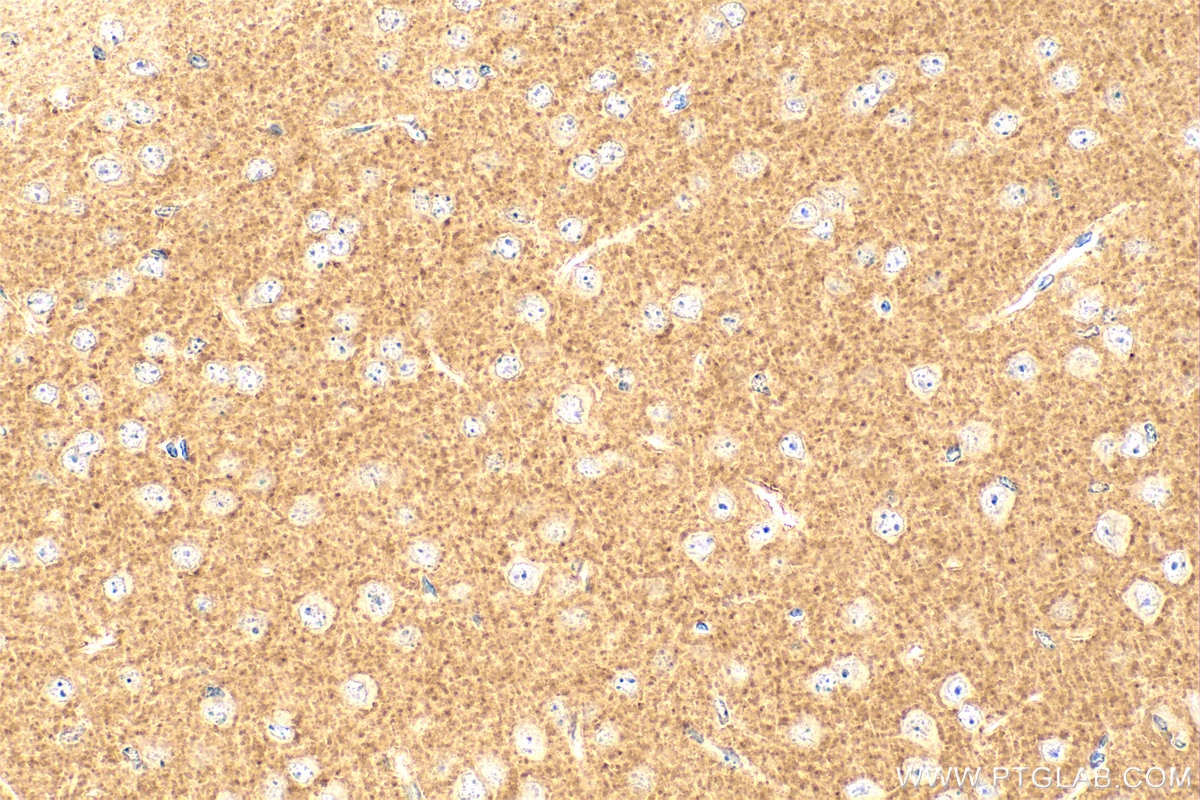
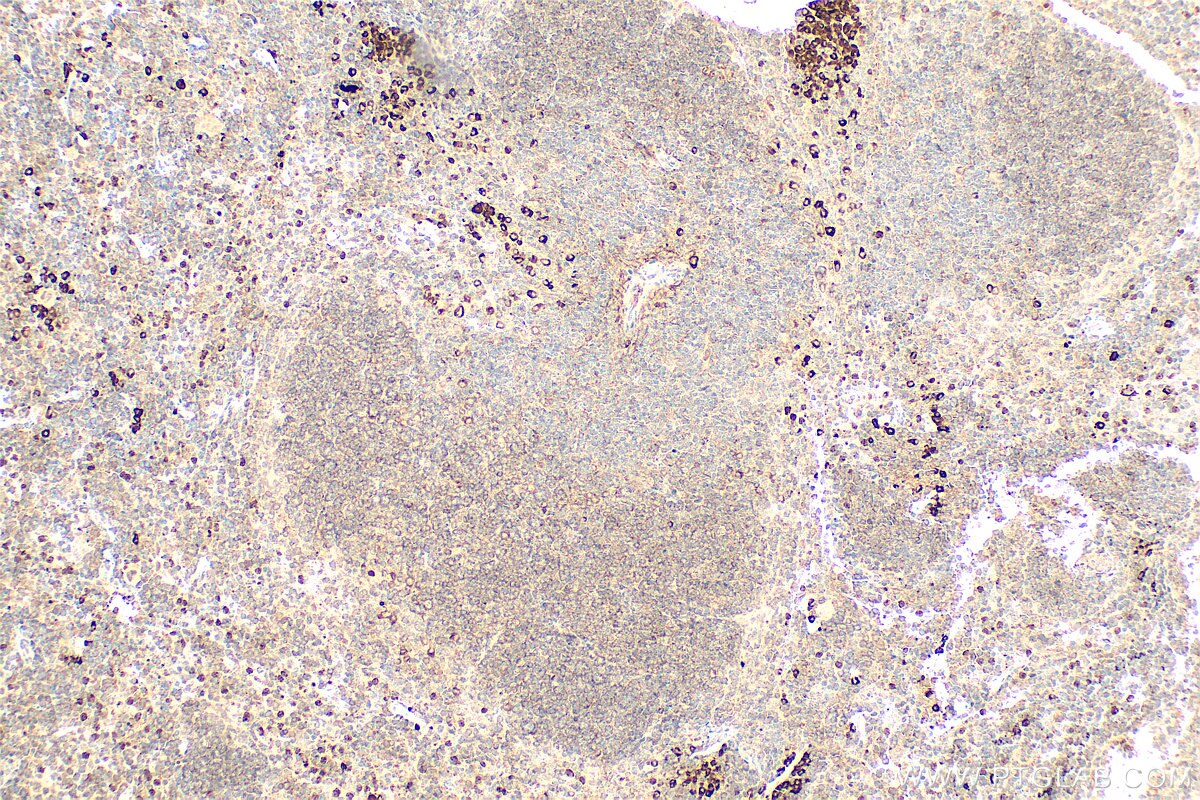
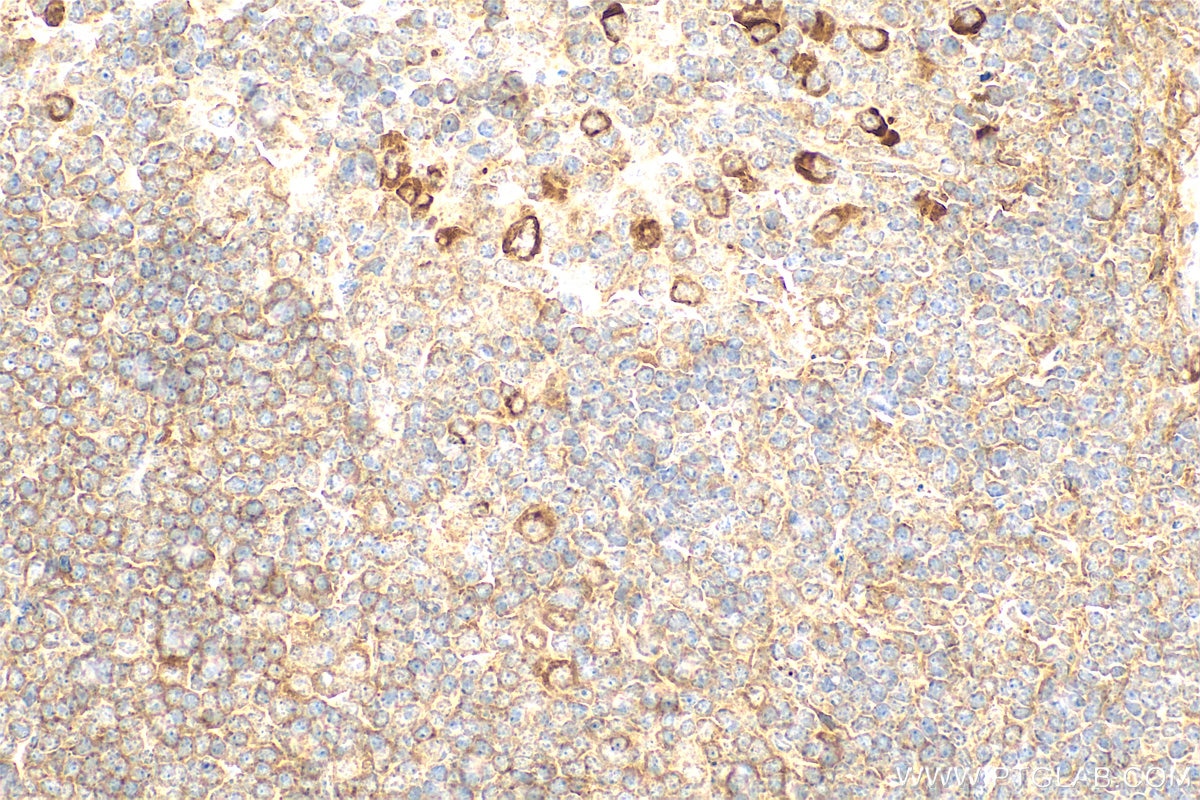
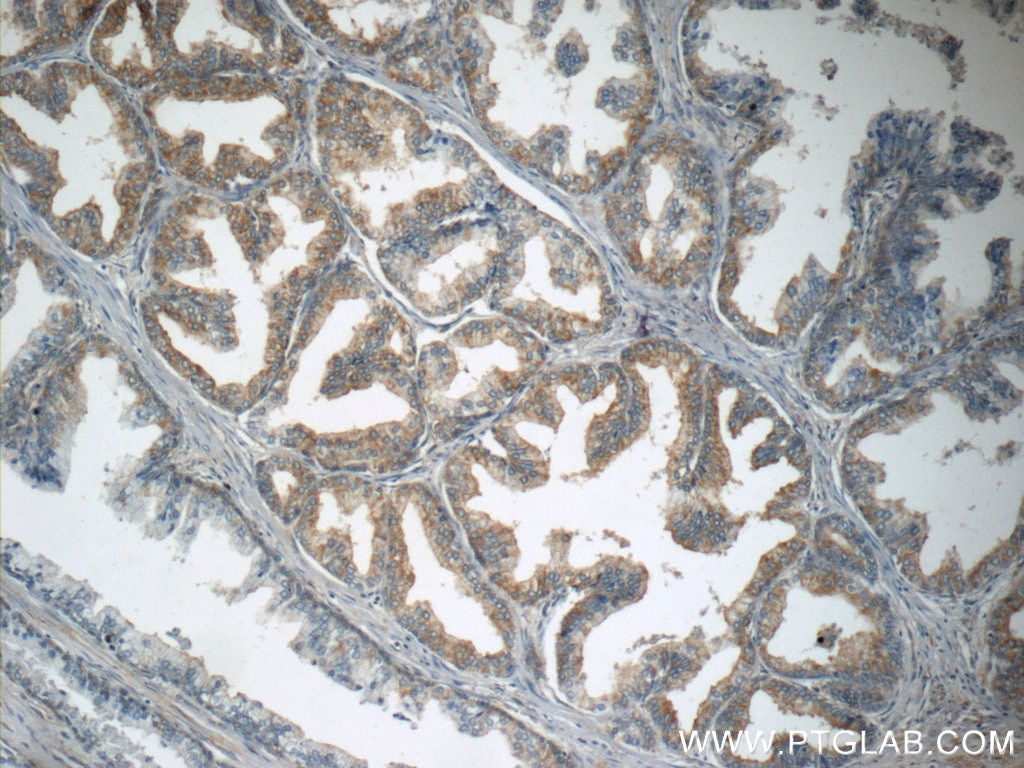
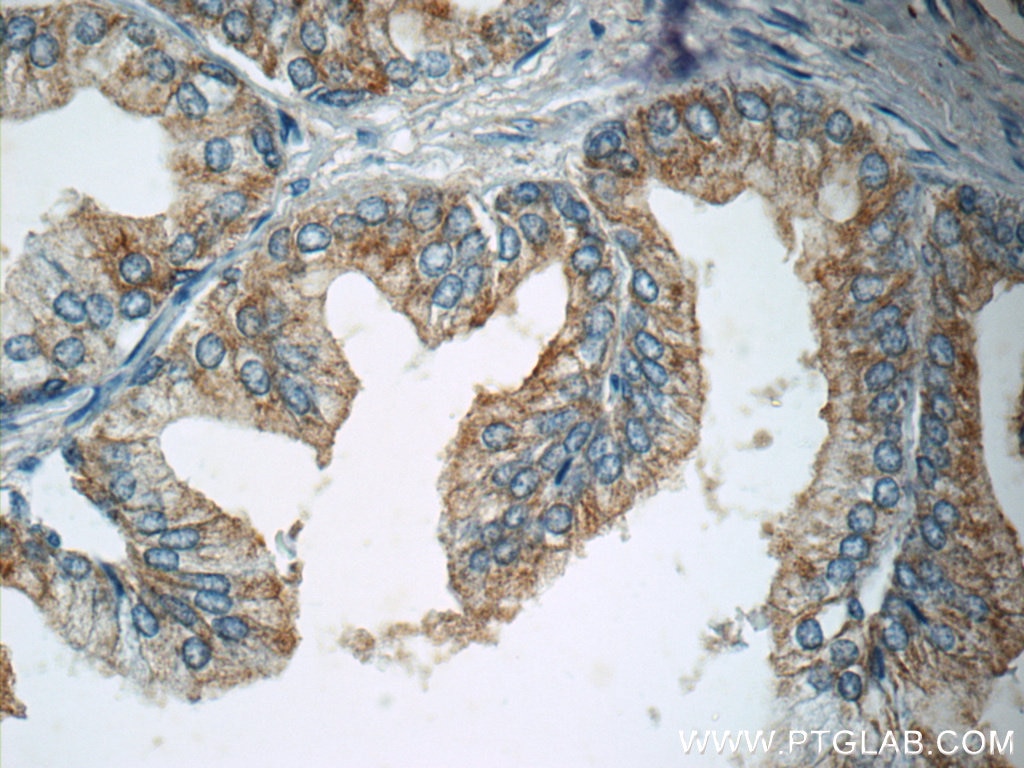
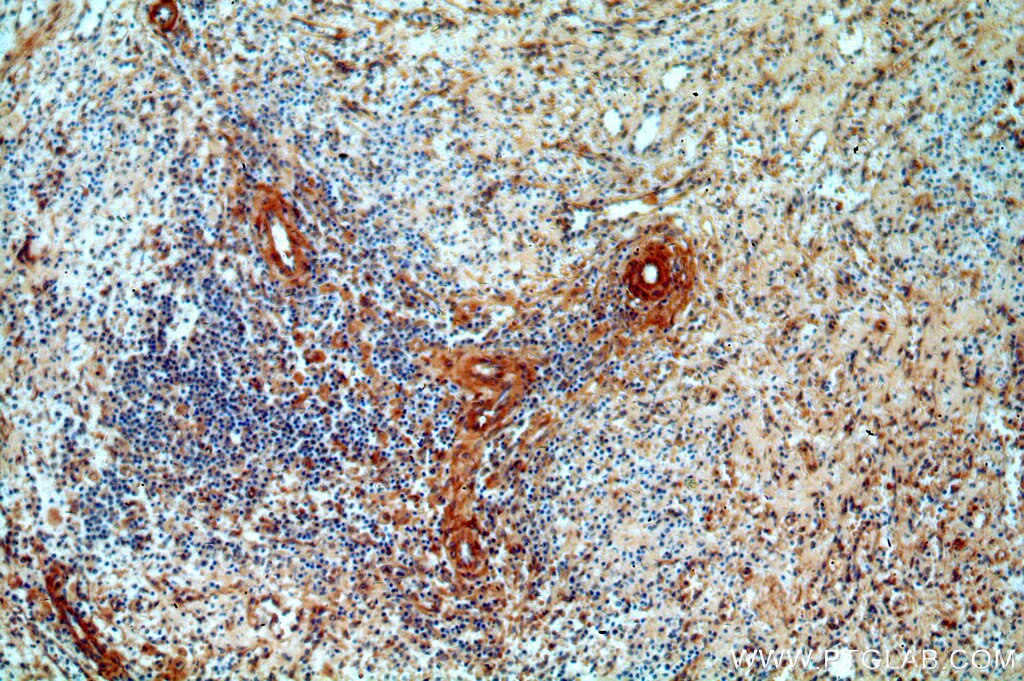
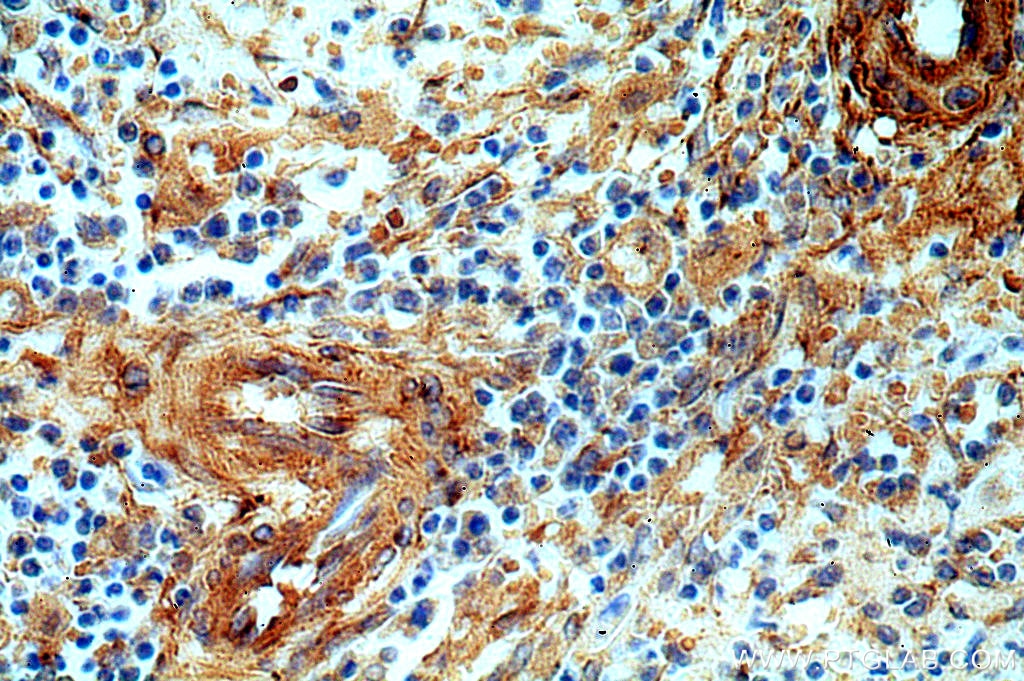
| Positive IHC detected in | mouse brain tissue, human prostate hyperplasia tissue, human spleen tissue, mouse spleen tissue Note: suggested antigen retrieval with TE buffer pH 9.0; (*) Alternatively, antigen retrieval may be performed with citrate buffer pH 6.0 |
Recommended dilution
| Application | Dilution |
|---|---|
| Western Blot (WB) | WB : 1:1000-1:4000 |
| Immunoprecipitation (IP) | IP : 0.5-4.0 ug for 1.0-3.0 mg of total protein lysate |
| Immunohistochemistry (IHC) | IHC : 1:200-1:800 |
| It is recommended that this reagent should be titrated in each testing system to obtain optimal results. | |
| Sample-dependent, Check data in validation data gallery. | |
Product Information
55014-1-AP targets NGFR/TNFRSF16 in WB, IHC, IP, CoIP, ELISA applications and shows reactivity with human, mouse, rat samples.
| Tested Reactivity | human, mouse, rat |
| Cited Reactivity | human, mouse, rat |
| Host / Isotype | Rabbit / IgG |
| Class | Polyclonal |
| Type | Antibody |
| Immunogen |
Peptide Predict reactive species |
| Full Name | nerve growth factor receptor (TNFR superfamily, member 16) |
| Calculated Molecular Weight | 45 kDa |
| Observed Molecular Weight | 70-75 kDa |
| GenBank Accession Number | NM_002507 |
| Gene Symbol | p75NTR |
| Gene ID (NCBI) | 4804 |
| RRID | AB_10858484 |
| Conjugate | Unconjugated |
| Form | Liquid |
| Purification Method | Antigen affinity purification |
| UNIPROT ID | P08138 |
| Storage Buffer | PBS with 0.02% sodium azide and 50% glycerol, pH 7.3. |
| Storage Conditions | Store at -20°C. Stable for one year after shipment. Aliquoting is unnecessary for -20oC storage. 20ul sizes contain 0.1% BSA. |
Background Information
NGFR, also named as TNFRSF16, Gp80-LNGFR, p75 ICD and CD271, is a low affinity receptor which can bind to NGF, BDNF, NT-3, and NT-4. It mediates cell survival as well as cell death of neural cells. The antibody is specific to NGFR.
Protocols
| Product Specific Protocols | |
|---|---|
| IHC protocol for NGFR/TNFRSF16 antibody 55014-1-AP | Download protocol |
| IP protocol for NGFR/TNFRSF16 antibody 55014-1-AP | Download protocol |
| WB protocol for NGFR/TNFRSF16 antibody 55014-1-AP | Download protocol |
| Standard Protocols | |
|---|---|
| Click here to view our Standard Protocols |
Publications
What published studies show
The NGFR/TNFRSF16 Polyclonal antibody (catalog #55014-1-AP) has 45 citations.
Notable journals include Signal Transduction & Targeted Therapy, Nature Communications, Experimental Hematology & Oncology, Advanced Science, Journal of Experimental Medicine, Materials Today Bio, Burns & Trauma, Neural Regeneration Research, Cellular and Molecular Gastroenterology and Hepatology, Stem Cell Research & Therapy, Chinese Medicine, and International Journal of Molecular Sciences, among others.
Research fields span nerve injury and regeneration, Schwann cell biology, pain (cancer/paclitaxel-induced), cancers (hepatocellular carcinoma, gliomas, esophageal squamous cell carcinoma, leukemia), hepatic and renal fibrosis, neuroinflammation/neuroprotection, and stem cell therapies.
| Species | Application | Title |
|---|---|---|
Signal Transduct Target Ther Activation of Nerve Growth Factor signaling limits the response to lenvatinib in hepatocellular carcinoma | ||
Nat Commun Tumor-derived GDF15 induces CCN3⁺ Schwann cells to promote cancer pain in pancreatic cancer. | ||
Exp Hematol Oncol MMP14 from BM-MSCs facilitates progression and Ara-C resistance in acute myeloid leukemia via the JAK/STAT pathway | ||
Adv Sci (Weinh) Bioactive Silk Sericin/Bioceramic Nerve Guidance Conduit for Effective Repair of Long-Gap Transected Peripheral Nerve Injury through Regulating Schwann Cells | ||
Mater Today Bio Fabrication of GDNF-Gel/HA-Mg nerve conduit and its role in repairing peripheral nerve defects |
Reviews
What customers say
Able is busy answering your previous question. Please try again later.
The reviews below have been submitted by verified Proteintech customers who received an incentive for providing their feedback.
George (Verified Customer) (11-25-2025) | Very good service but have not been able to get good results from tissue staining. However this may be because of high ubqiuitous expression leading to a poor signal/noise ratio.
|
jelan (Verified Customer) (10-17-2025) | We use the p75NTR Rabbit PolyAb for recognizing endogenous levels of total p75NTR protein in westernblots, for cells that we have lysed according to our design experiment.
|
Renato (Verified Customer) (02-27-2019) | Produces 3 perfectly discerning bands, but one of which clearly identifiable as p75NTR as it shows at the expected molecular weight. Used as diluent 5% BSA.
|

