


Tested Applications
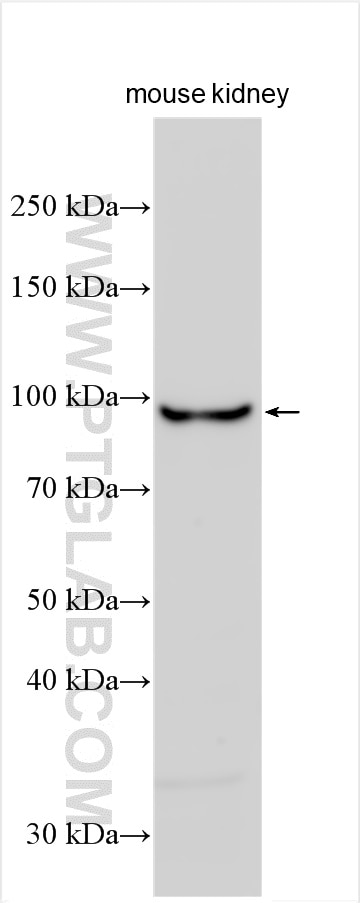
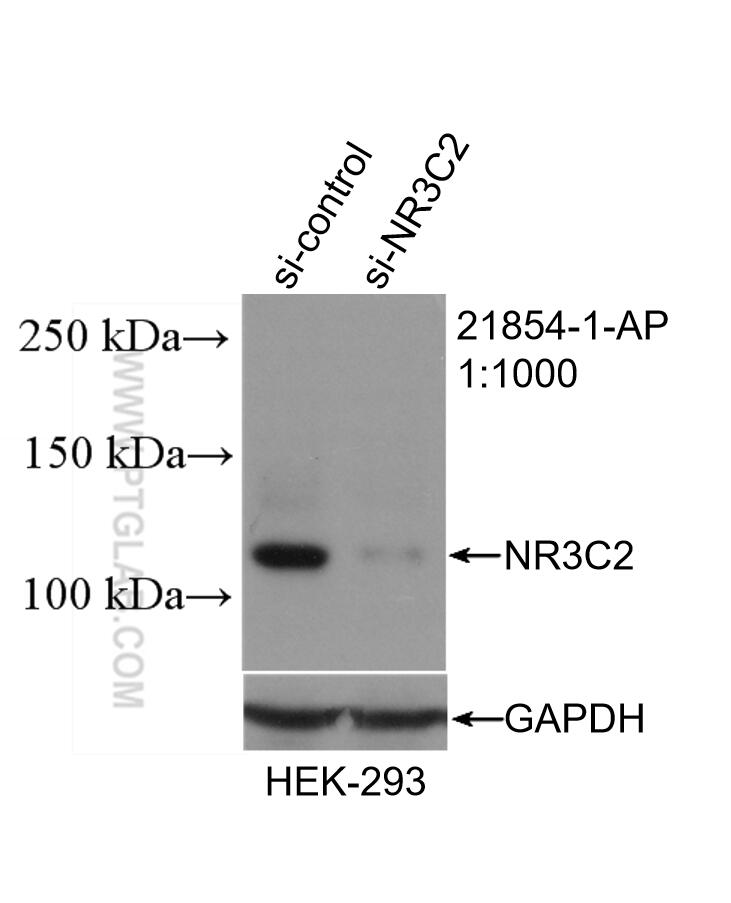
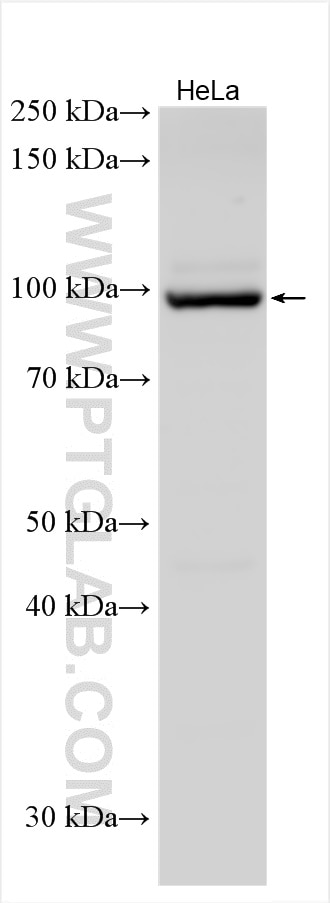
| Positive WB detected in | mouse kidney tissue, HEK-293 cells, HeLa cells |
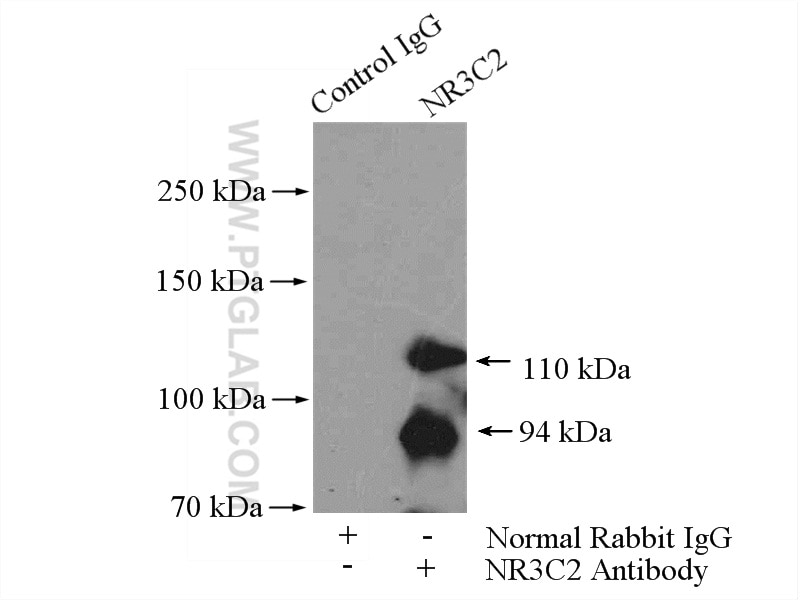
| Positive IP detected in | HEK-293 cells |
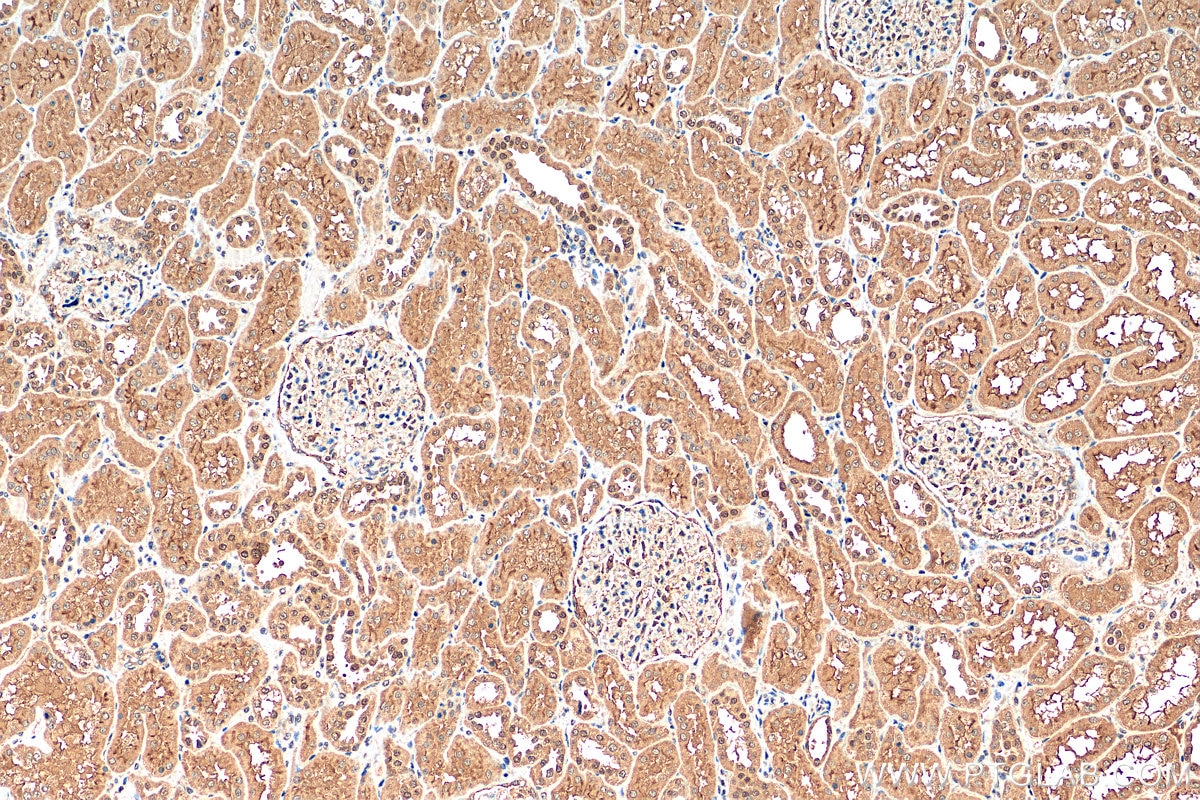
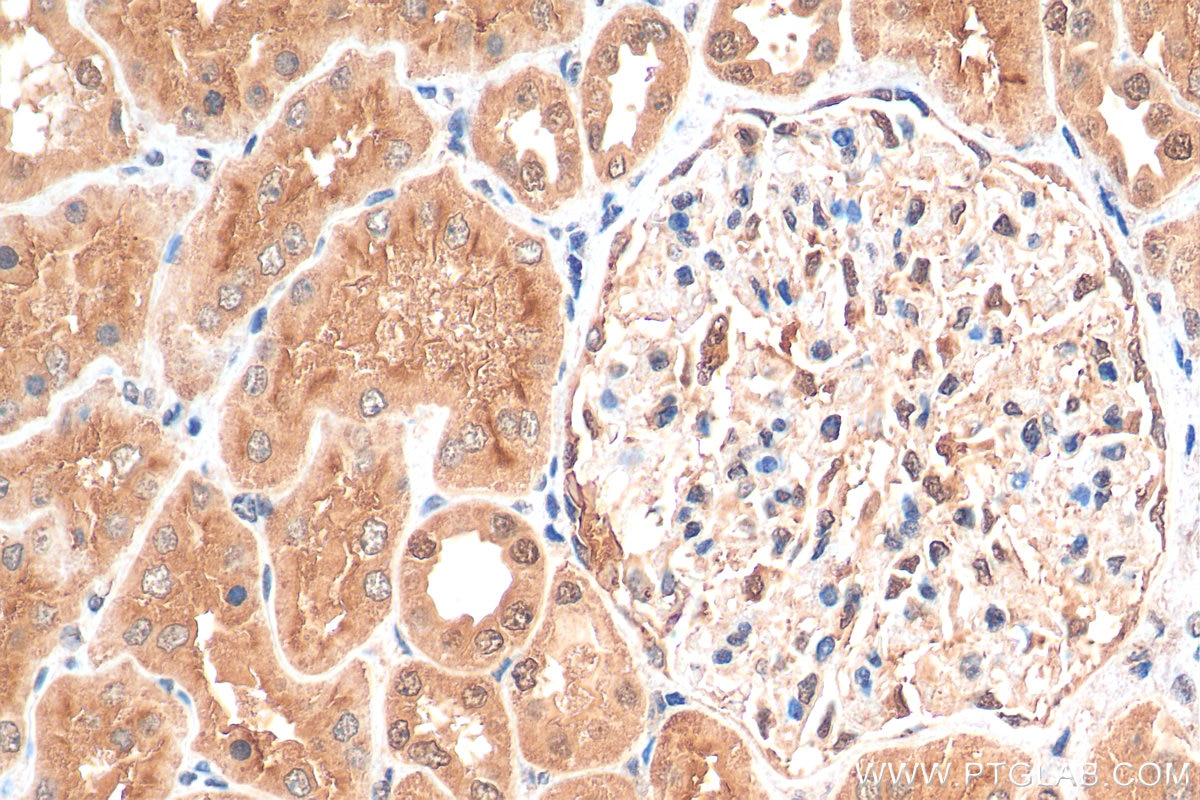
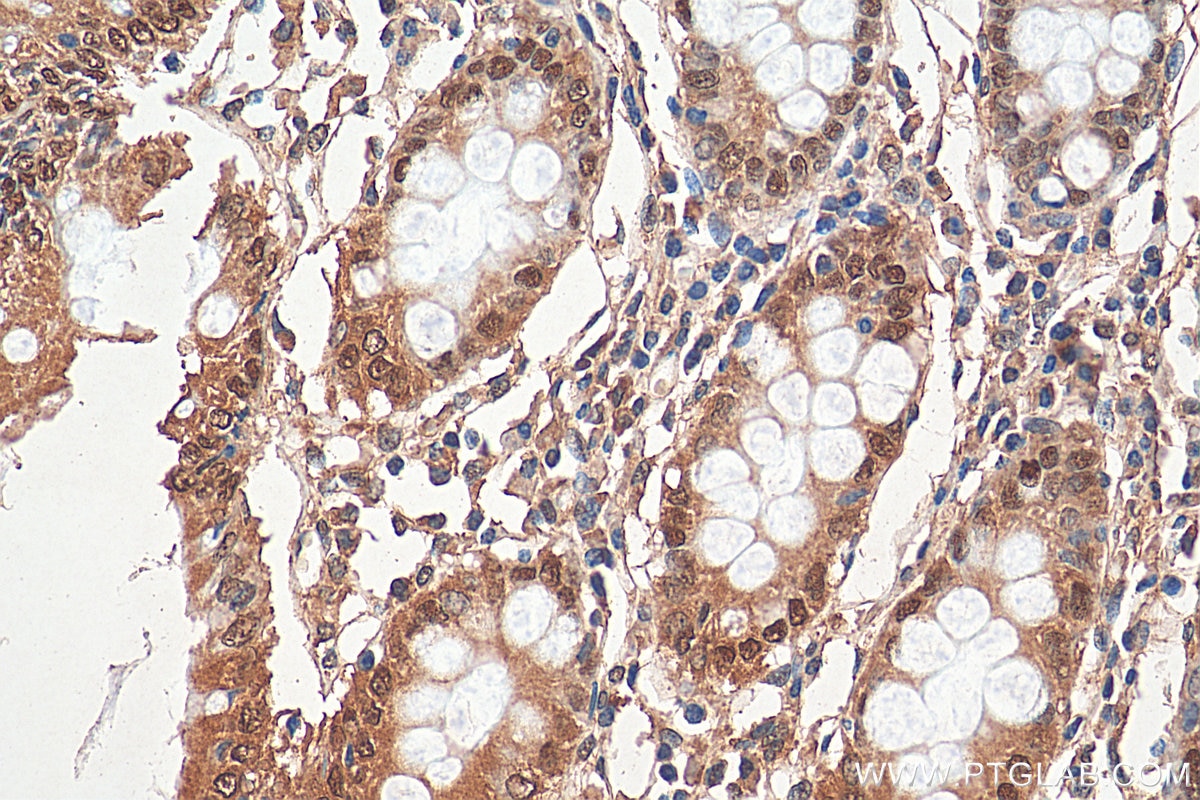
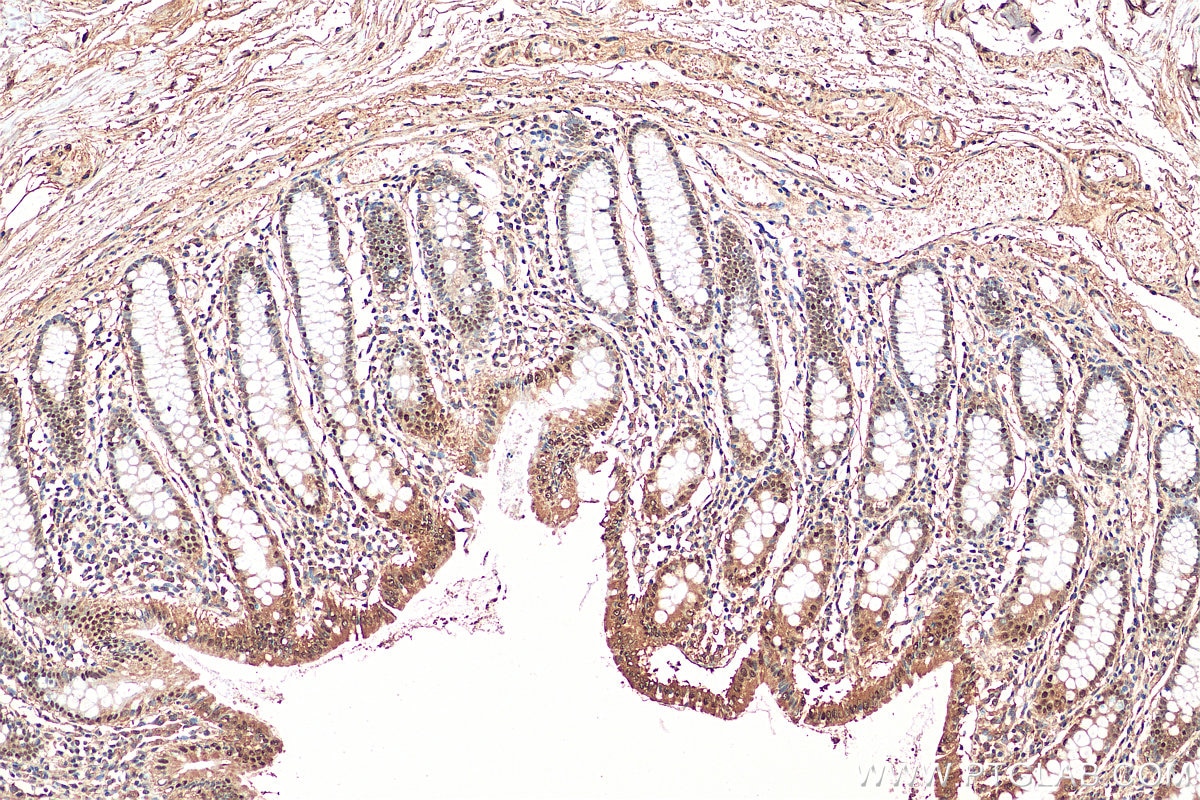
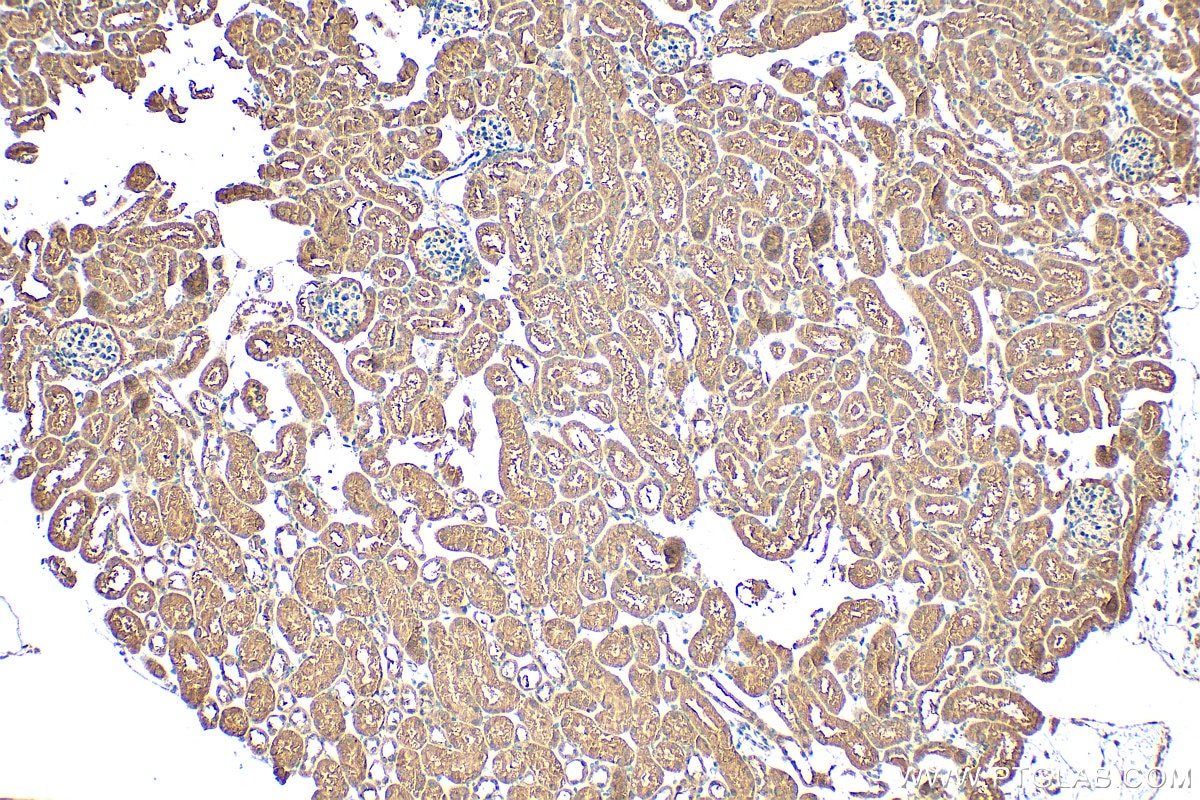
| Positive IHC detected in | human kidney tissue, human colon tissue, mouse kidney tissue Note: suggested antigen retrieval with TE buffer pH 9.0; (*) Alternatively, antigen retrieval may be performed with citrate buffer pH 6.0 |
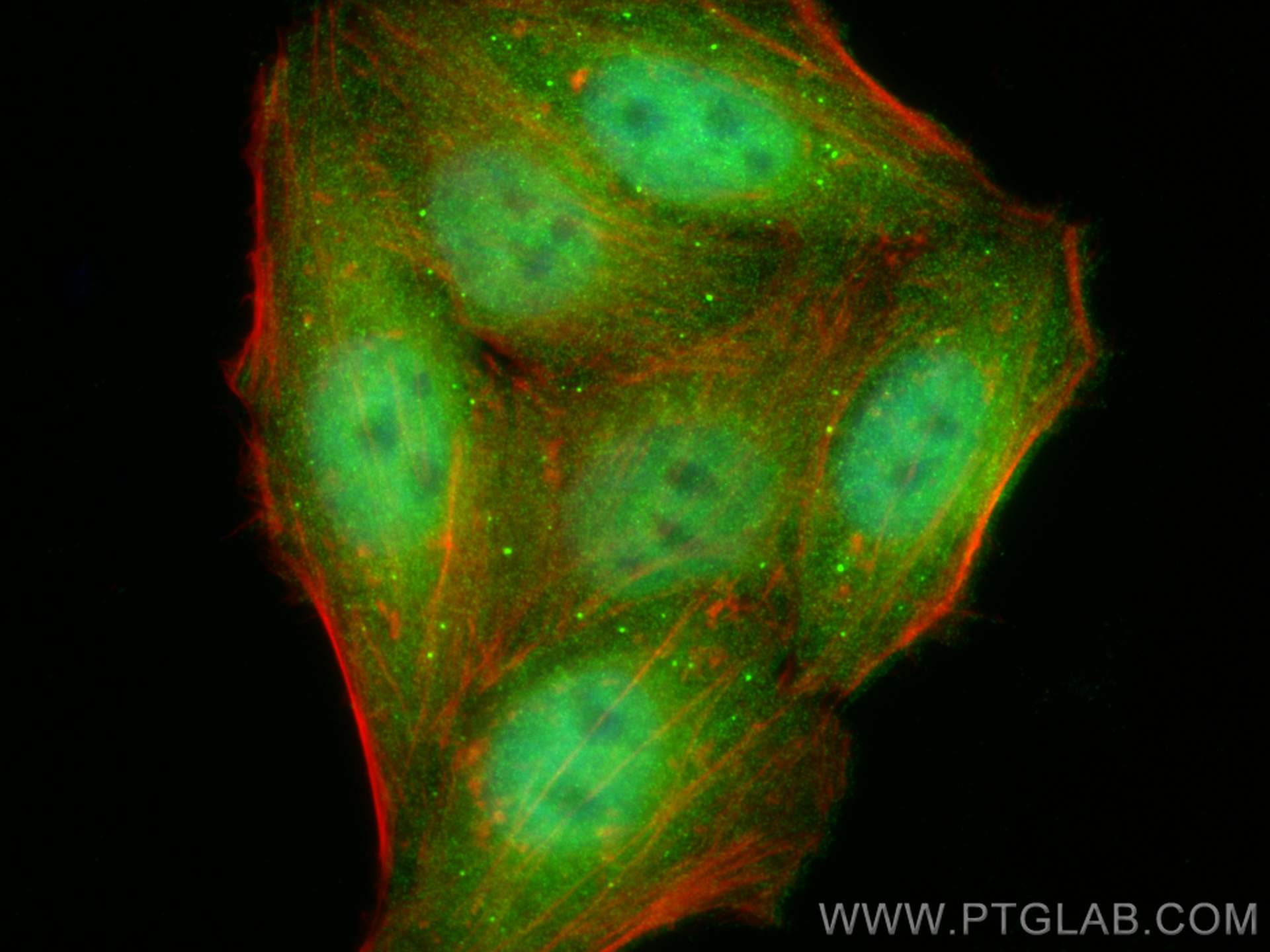
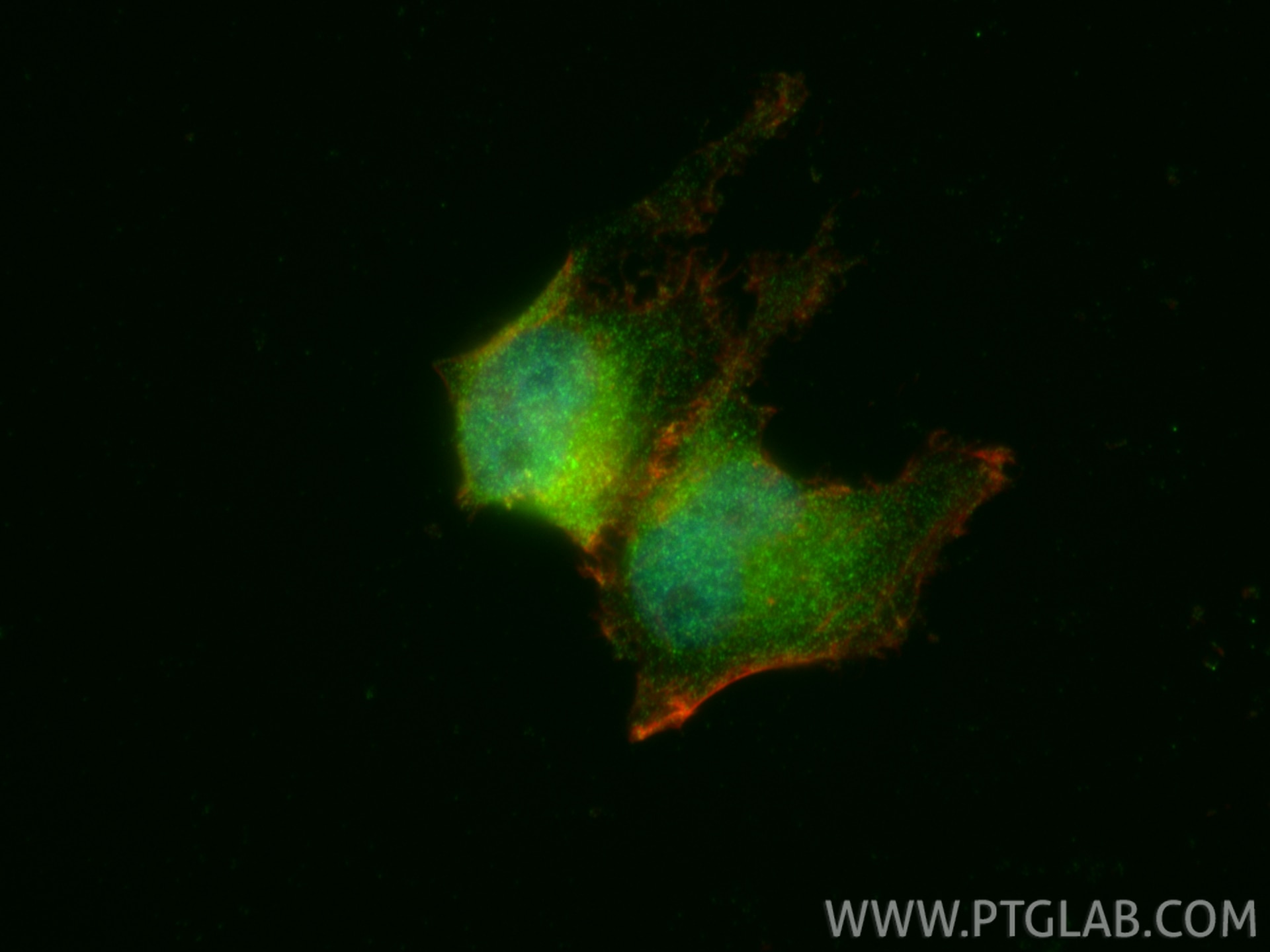
| Positive IF/ICC detected in | HepG2 cells, HEK-293 cells |
Recommended dilution
| Application | Dilution |
|---|---|
| Western Blot (WB) | WB : 1:1000-1:8000 |
| Immunoprecipitation (IP) | IP : 0.5-4.0 ug for 1.0-3.0 mg of total protein lysate |
| Immunohistochemistry (IHC) | IHC : 1:50-1:500 |
| Immunofluorescence (IF)/ICC | IF/ICC : 1:200-1:800 |
| It is recommended that this reagent should be titrated in each testing system to obtain optimal results. | |
| Sample-dependent, Check data in validation data gallery. | |
Product Information
21854-1-AP targets NR3C2 in WB, IHC, IF/ICC, IP, chIP, ELISA applications and shows reactivity with human, mouse samples.
| Tested Reactivity | human, mouse |
| Cited Reactivity | human, mouse, rat, monkey |
| Host / Isotype | Rabbit / IgG |
| Class | Polyclonal |
| Type | Antibody |
| Immunogen |
CatNo: Ag16410 Product name: Recombinant human NR3C2 protein Source: e coli.-derived, PGEX-4T Tag: GST Domain: 1-350 aa of BC111758 Sequence: METKGYHSLPEGLDMERRWGQVSQAVERSSLGPTERTDENNYMEIVNVSCVSGAIPNNSTQGSSKEKQELLPCLQQDNNRPGILTSDIKTELESKELSATVAESMGLYMDSVRDADYSYEQQNQQGSMSPAKIYQNVEQLVKFYKGNGHRPSTLSCVNTPLRSFMSDSGSSVNGGVMRAIVKSPIMCHEKSPSVCSPLNMTSSVCSPAGINSVSSTTASFGSFPVHSPITQGTPLTCSPNVENRGSRSHSPAHASNVGSPLSSPLSSMKSSISSPPSHCSVKSPVSSPNNVTLRSSVSSPANINNSRCSVSSPSNTNNRSTLSSPAASTVGSICSPVNNAFSYTASGTSA Predict reactive species |
| Full Name | nuclear receptor subfamily 3, group C, member 2 |
| Calculated Molecular Weight | 984 aa, 107 kDa |
| Observed Molecular Weight | 94-110 kDa |
| GenBank Accession Number | BC111758 |
| Gene Symbol | NR3C2 |
| Gene ID (NCBI) | 4306 |
| RRID | AB_10858785 |
| Conjugate | Unconjugated |
| Form | Liquid |
| Purification Method | Antigen affinity purification |
| UNIPROT ID | P08235 |
| Storage Buffer | PBS with 0.02% sodium azide and 50% glycerol, pH 7.3. |
| Storage Conditions | Store at -20°C. Stable for one year after shipment. Aliquoting is unnecessary for -20oC storage. 20ul sizes contain 0.1% BSA. |
Background Information
Nuclear receptor subfamily 3 group C member 2 (NR3C2), also known as Mineralocorticoid receptor (MCR or MR), is a member of the steroid/thyroid /retinoic nuclear hormone receptor superfamily that has been shown to activate gene transcription in response to aldosterone binding. Regulation of the mineralocorticoid receptors occurs through either receptor down-regulation (negative autoregulation) or hormone-mediated upregulation (positive autoregulation). MCR association with HSP 90 appears to be required for hormone binding to MCR and subsequent MCR activation.
Protocols
| Product Specific Protocols | |
|---|---|
| IF protocol for NR3C2 antibody 21854-1-AP | Download protocol |
| IHC protocol for NR3C2 antibody 21854-1-AP | Download protocol |
| IP protocol for NR3C2 antibody 21854-1-AP | Download protocol |
| WB protocol for NR3C2 antibody 21854-1-AP | Download protocol |
| Standard Protocols | |
|---|---|
| Click here to view our Standard Protocols |
Publications
What published studies show
Able is busy answering your previous question. Please try again later.
| Species | Application | Title |
|---|---|---|
Metabolism Increased adrenal steroidogenesis and suppressed corticosteroid responsiveness in critical COVID-19 | ||
J Renin Angiotensin Aldosterone Syst Eplerenone Prevents Cardiac Fibrosis by Inhibiting Angiogenesis in Unilateral Urinary Obstruction Rats | ||
Biomed Pharmacother Mineralocorticoid receptor antagonism improves corneal integrity in a rat model of limbal stem cell deficiency | ||
Front Immunol Esaxerenone inhibits the macrophage-to-myofibroblast transition through mineralocorticoid receptor/TGF-β1 pathway in mice induced with aldosterone |
Reviews
What customers say
The single review for this product rates it 4 out of 5 stars. The reviewer used the antibody for ChIP on immortalized keratinocytes and reported good performance in the application. Overall, the feedback is positive, with the antibody performing well in its intended use.
The reviews below have been submitted by verified Proteintech customers who received an incentive for providing their feedback.
Paloma (Verified Customer) (06-01-2022) | Good performance in ChIP
|


