

Tested Applications
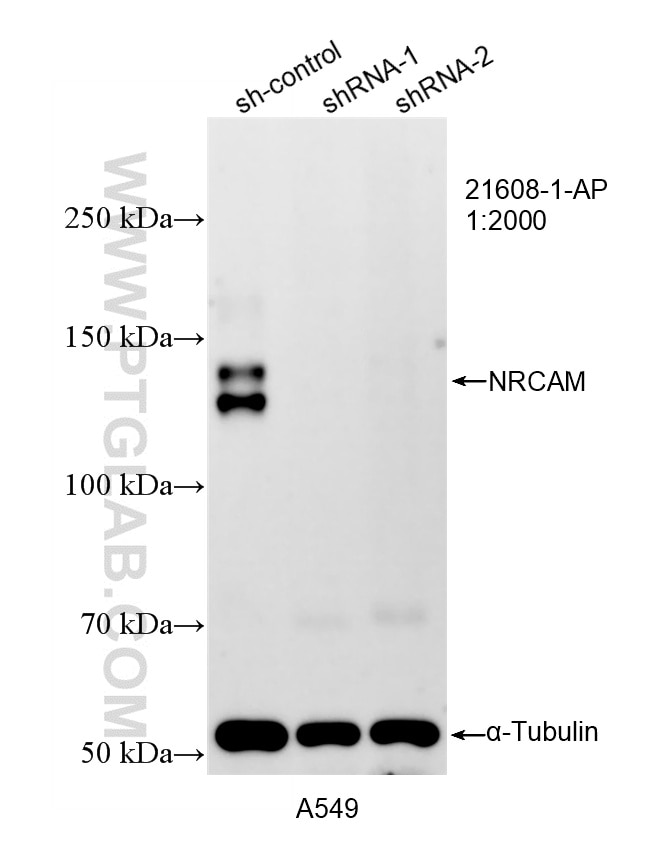
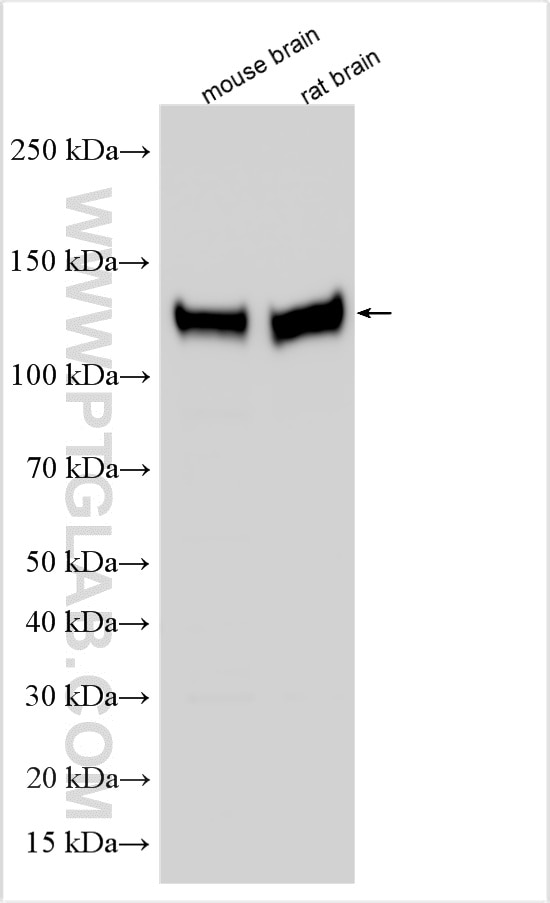
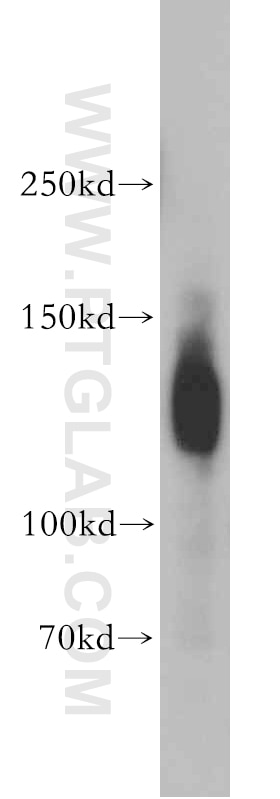
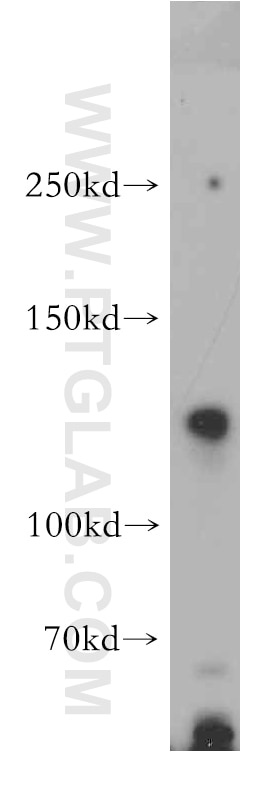
| Positive WB detected in | mouse brain tissue, A549 cells, HEK-293 cells, human brain tissue, rat brain tissue |
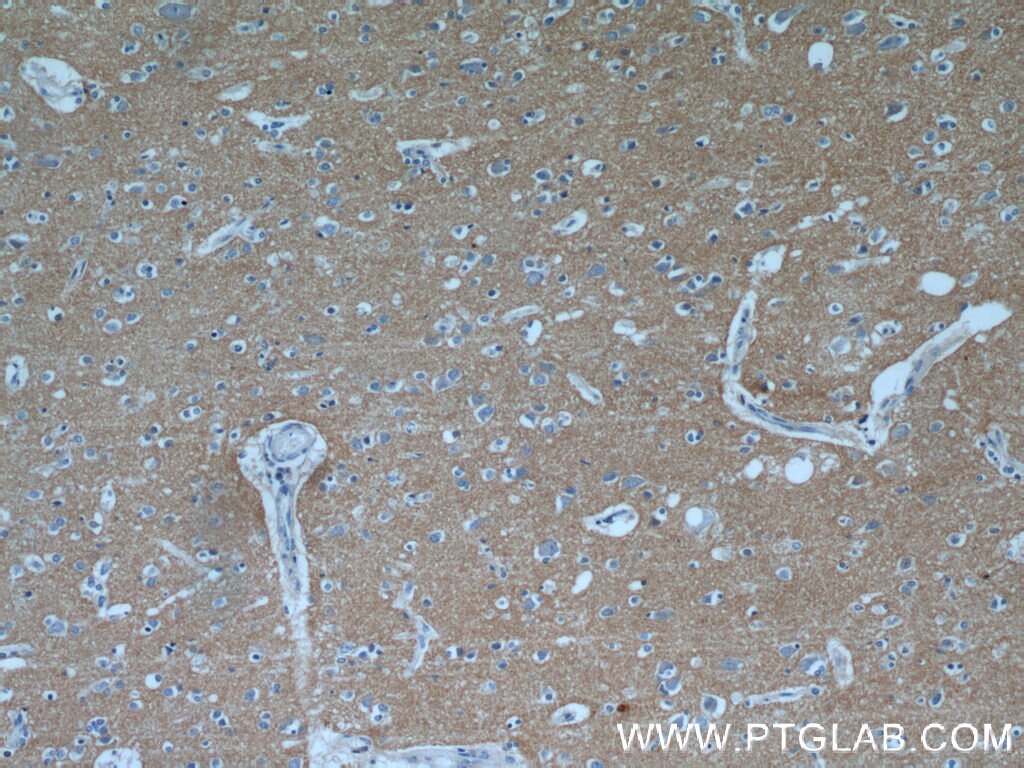
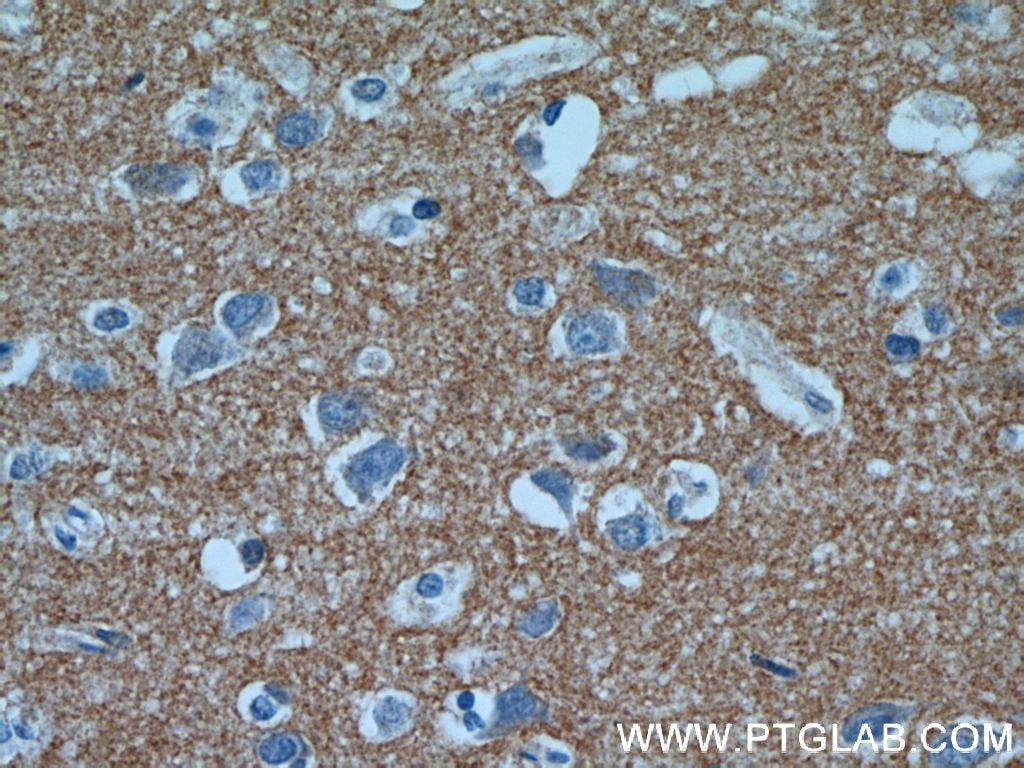
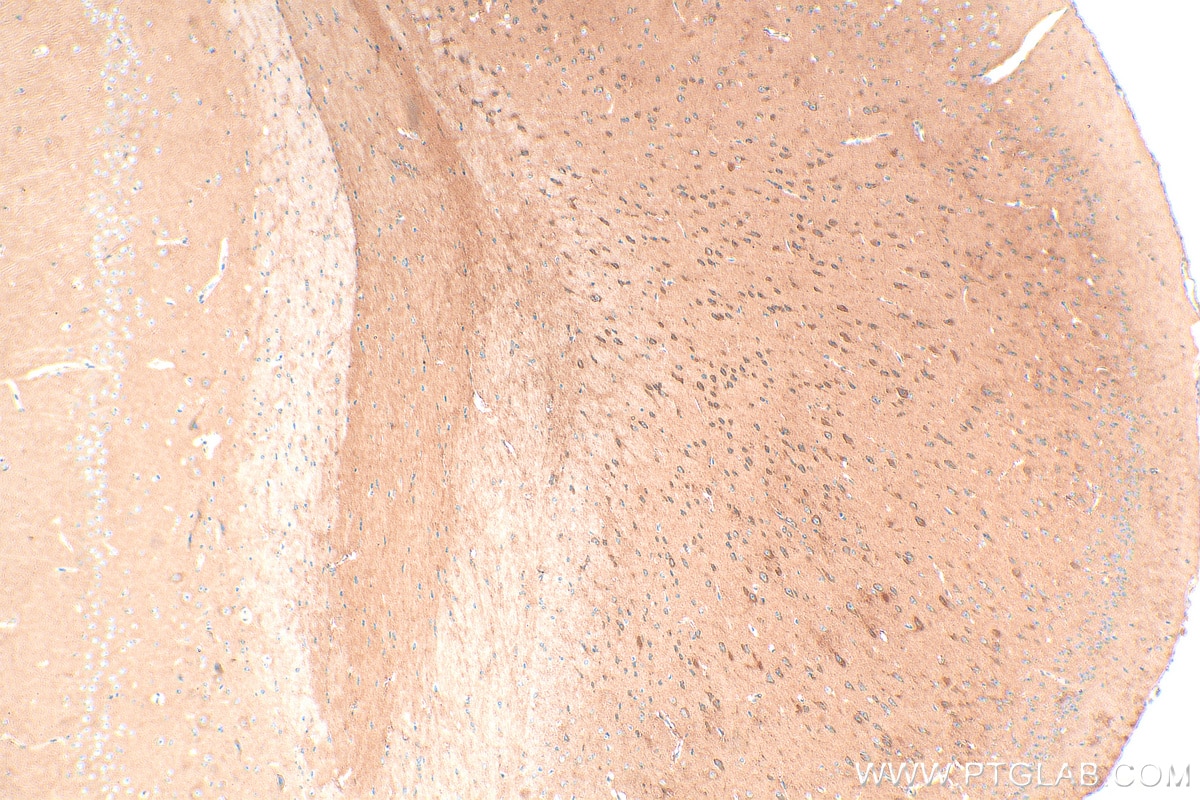
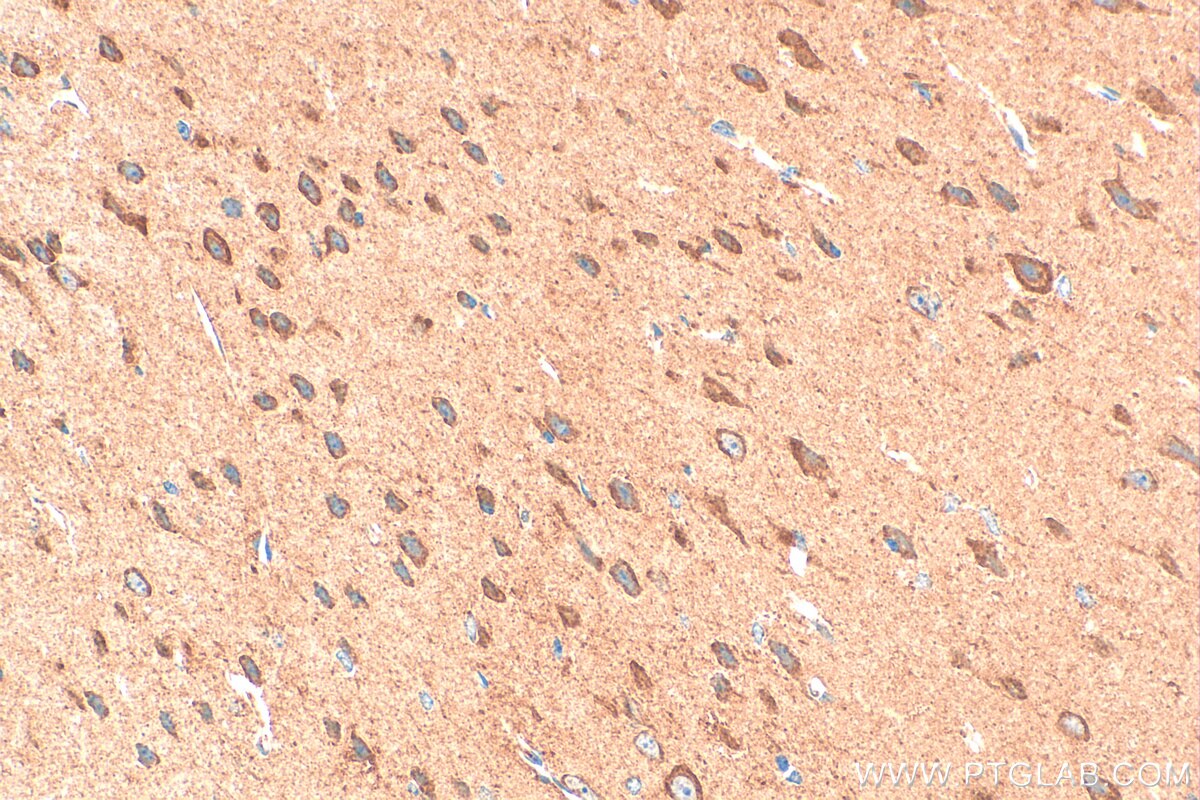
| Positive IHC detected in | mouse brain tissue, human brain tissue Note: suggested antigen retrieval with TE buffer pH 9.0; (*) Alternatively, antigen retrieval may be performed with citrate buffer pH 6.0 |
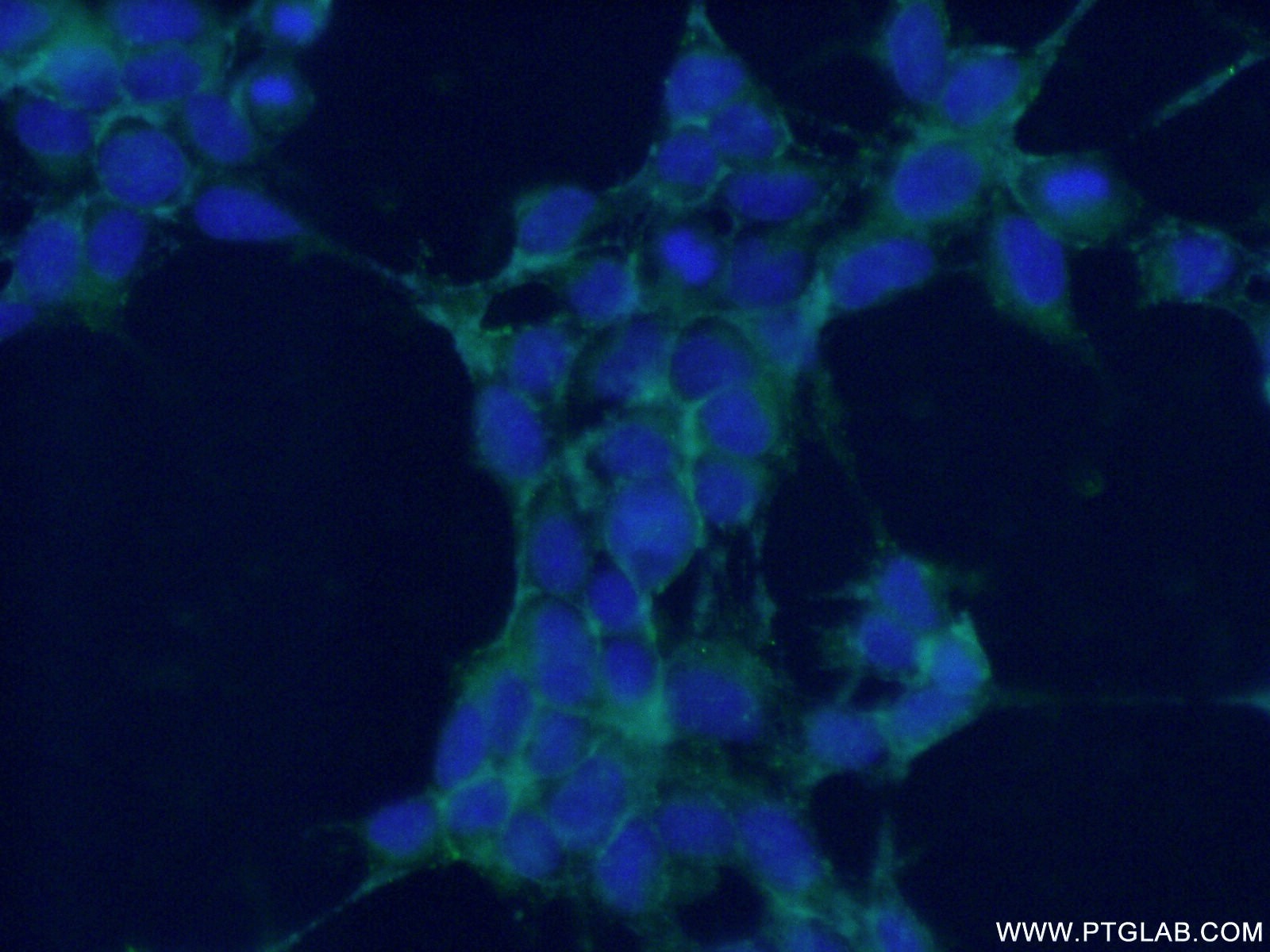
| Positive IF/ICC detected in | HEK-293 cells |
Recommended dilution
| Application | Dilution |
|---|---|
| Western Blot (WB) | WB : 1:1000-1:8000 |
| Immunohistochemistry (IHC) | IHC : 1:200-1:800 |
| Immunofluorescence (IF)/ICC | IF/ICC : 1:50-1:500 |
| It is recommended that this reagent should be titrated in each testing system to obtain optimal results. | |
| Sample-dependent, Check data in validation data gallery. | |
Product Information
21608-1-AP targets NRCAM in WB, IHC, IF/ICC, ELISA applications and shows reactivity with human, mouse, rat samples.
| Tested Reactivity | human, mouse, rat |
| Cited Reactivity | human, mouse |
| Host / Isotype | Rabbit / IgG |
| Class | Polyclonal |
| Type | Antibody |
| Immunogen |
CatNo: Ag16237 Product name: Recombinant human NRCAM protein Source: e coli.-derived, PGEX-4T Tag: GST Domain: 440-628 aa of BC098401 Sequence: FVNVLAEPPRILTPANTLYQVIANRPALLDCAFFGSPLPTIEWFKGAKGSALHEDIYVLHENGTLEIPVAQKDSTGTYTCVARNKLGMAKNEVHLEIKDATWIVKQPEYAVVQRGSMVSFECKVKHDHTLSLTVLWLKDNRELPSDERFTVDKDHLVVADVSDDDSGTYTCVANTTLDSVSASAVLSVV Predict reactive species |
| Full Name | neuronal cell adhesion molecule |
| Calculated Molecular Weight | 1304 aa, 144 kDa |
| Observed Molecular Weight | 130-136 kDa |
| GenBank Accession Number | BC098401 |
| Gene Symbol | NRCAM |
| Gene ID (NCBI) | 4897 |
| RRID | AB_10859786 |
| Conjugate | Unconjugated |
| Form | Liquid |
| Purification Method | Antigen affinity purification |
| UNIPROT ID | Q92823 |
| Storage Buffer | PBS with 0.02% sodium azide and 50% glycerol, pH 7.3. |
| Storage Conditions | Store at -20°C. Stable for one year after shipment. Aliquoting is unnecessary for -20oC storage. 20ul sizes contain 0.1% BSA. |
Background Information
Neuronal cell adhesion molecule (NRCAM) is a member of the L1 subfamily of cell adhesion molecules (CAMs) that belong to the immunoglobulin superfamily (PMID: 11329126). NRCAM is a transmembrane protein composed of six Ig-like domains and five fibronectin type-III repeats in the extracellular region, with a highly conserved cytoplasmic tail. It is mainly expressed in the nervous system and is involved in neuron-neuron adhesion and promotes directional signaling during axonal cone growth. NRCAM is also expressed outside the nervous system. Altered expression of NRCAM has been associated with tumor progression in diverse organs (PMID: 22182708).
Protocols
| Product Specific Protocols | |
|---|---|
| IF protocol for NRCAM antibody 21608-1-AP | Download protocol |
| IHC protocol for NRCAM antibody 21608-1-AP | Download protocol |
| WB protocol for NRCAM antibody 21608-1-AP | Download protocol |
| Standard Protocols | |
|---|---|
| Click here to view our Standard Protocols |
Publications
What published studies show
The NRCAM Polyclonal antibody (Cat# 21608-1-AP) has 8 citations published in journals including Cell, Cancer Gene Ther, Mol Cell Proteomics, Neurobiol Dis, Stem Cell Reports, mBio, Front Oncol, and Mol Cell Neurosci. Research fields span spatial proteomics of primary cilia, endometrial cancer epigenetics, global protein synthesis inhibition, ER-endosome trafficking, ovarian cancer stemness and EMT, S. aureus interactome mapping, gastric cancer angiogenesis, and olfactory stem cell activation.
| Species | Application | Title |
|---|---|---|
Cancer Gene Ther NrCAM secreted by endometrial stromal cells enhances the progestin sensitivity of endometrial cancer cells through epigenetic modulation of PRB.
| ||
Mol Cell Proteomics Application of mass spectrometry profiling to establish brusatol as an inhibitor of global protein synthesis. | ||
Neurobiol Dis Protrudin acts at ER-endosome contacts to promote KIF5-mediated endosomal tubule fission. | ||
Stem Cell Reports CD73 Regulates Stemness and Epithelial-Mesenchymal Transition in Ovarian Cancer-Initiating Cells. | ||
mBio Identification of the Staphylococcus aureus endothelial cell surface interactome by proximity labeling |

