

Tested Applications
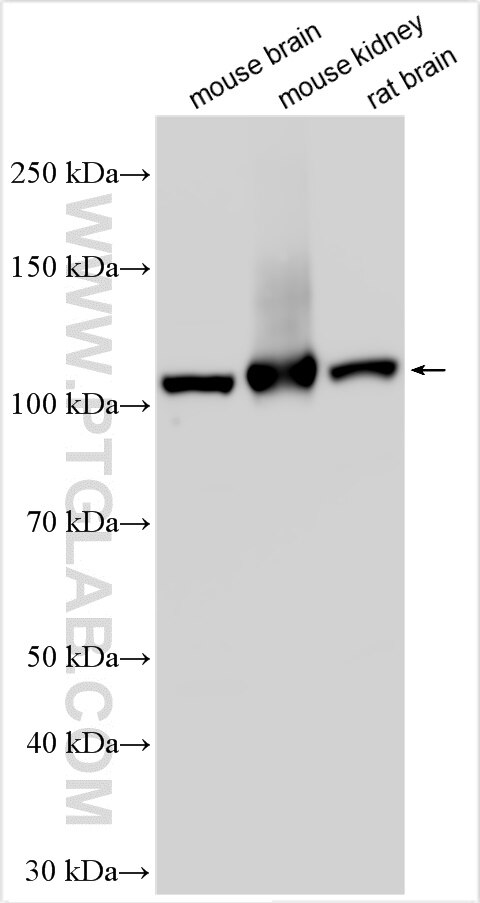
| Positive WB detected in | mouse brain tissue, mouse kidney tissue, rat brain tissue |
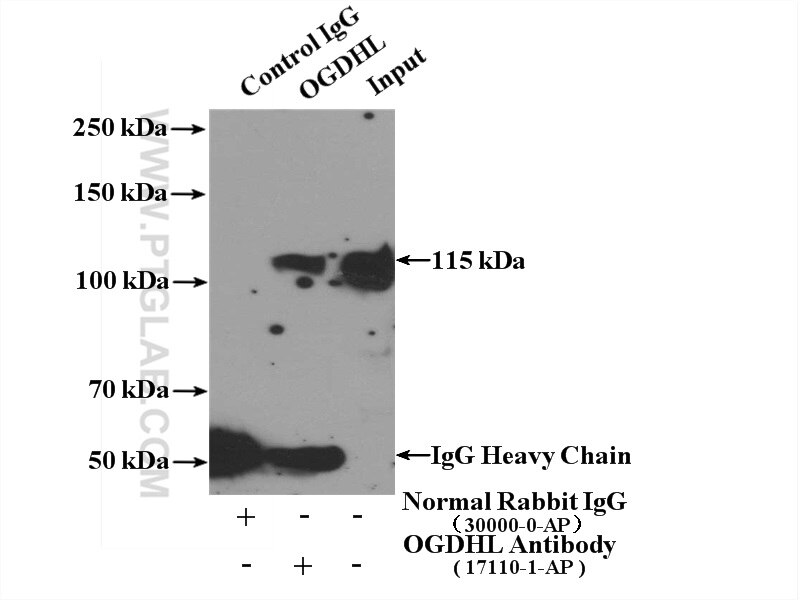
| Positive IP detected in | mouse brain tissue |
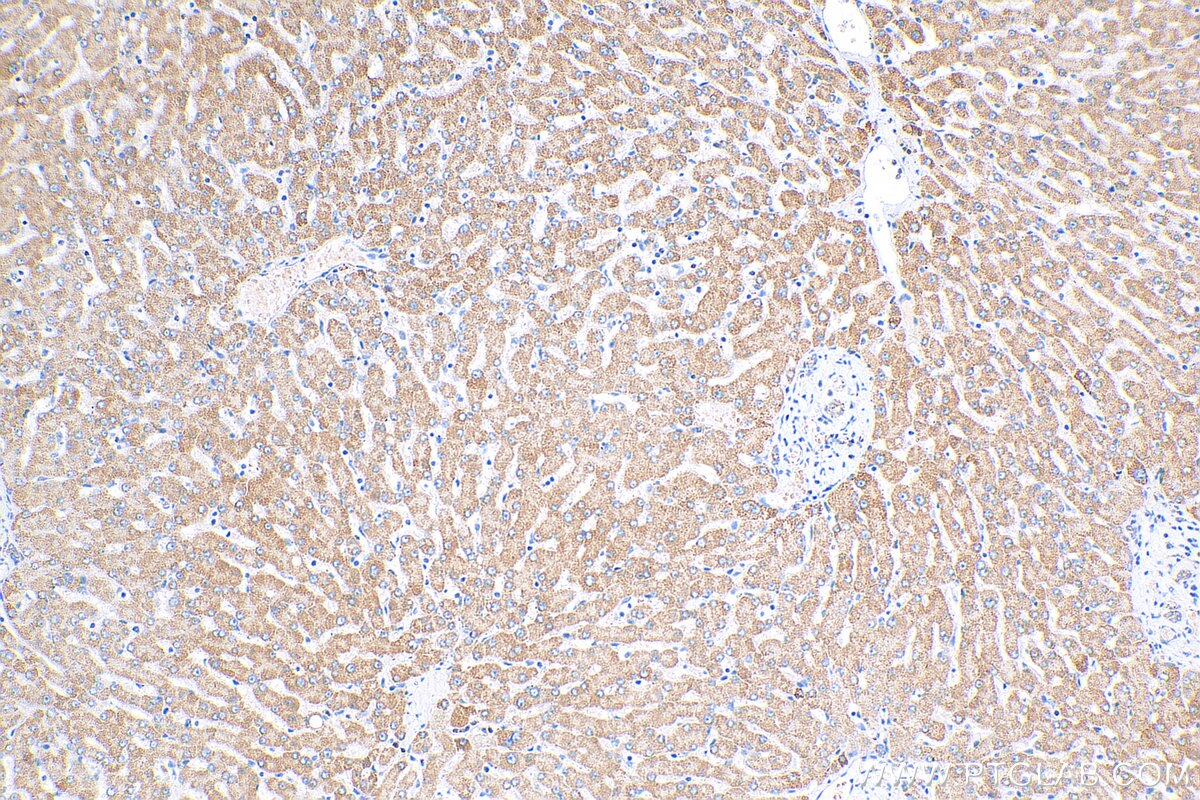
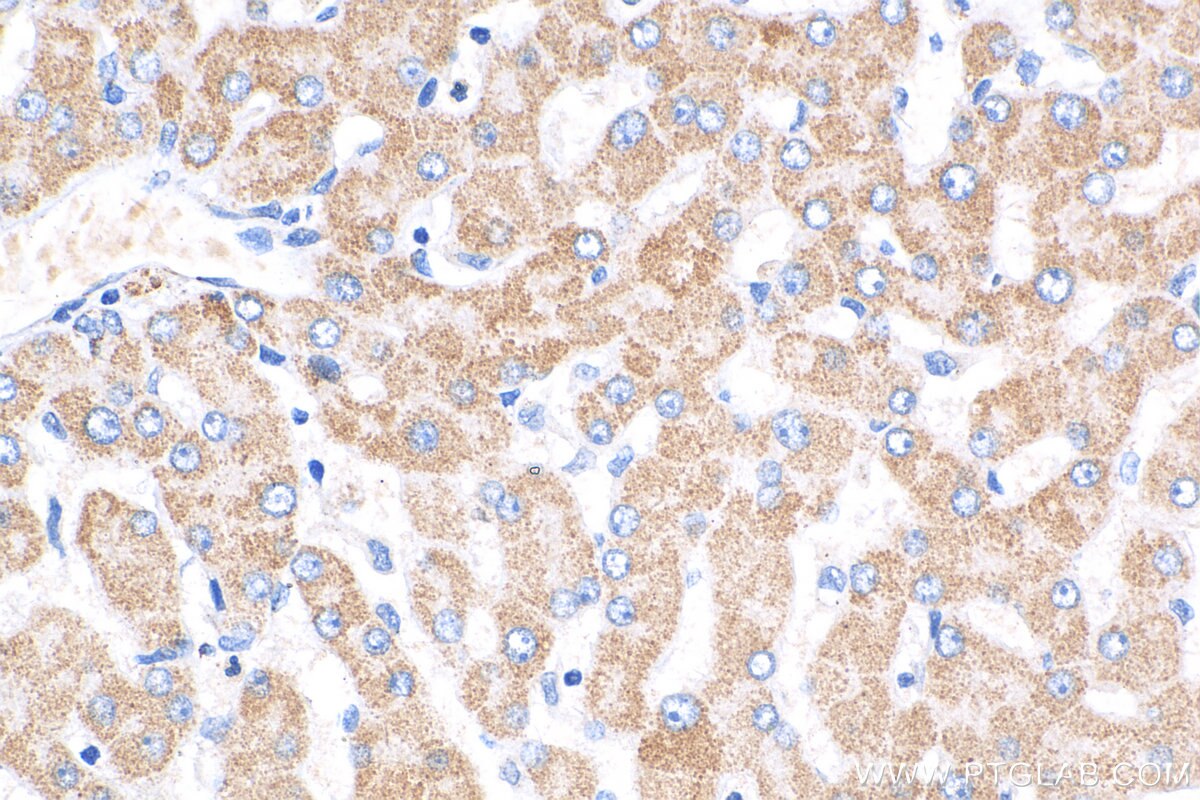
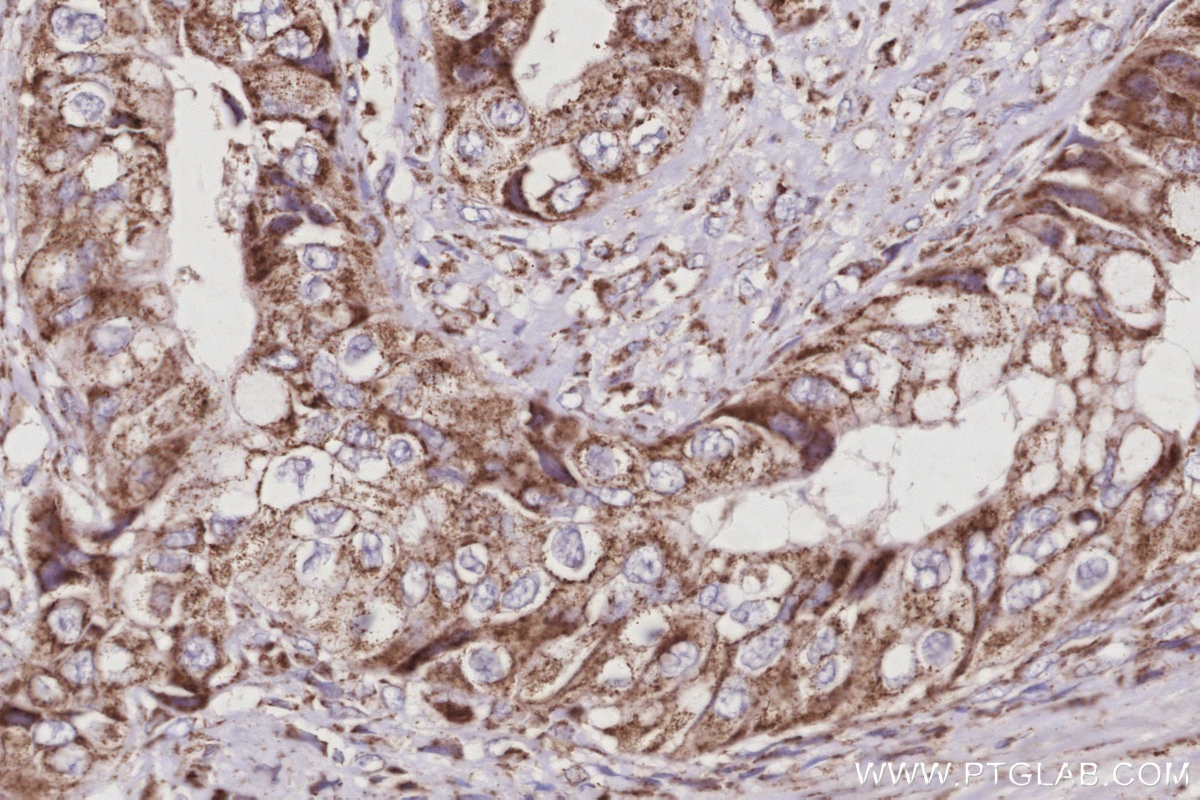
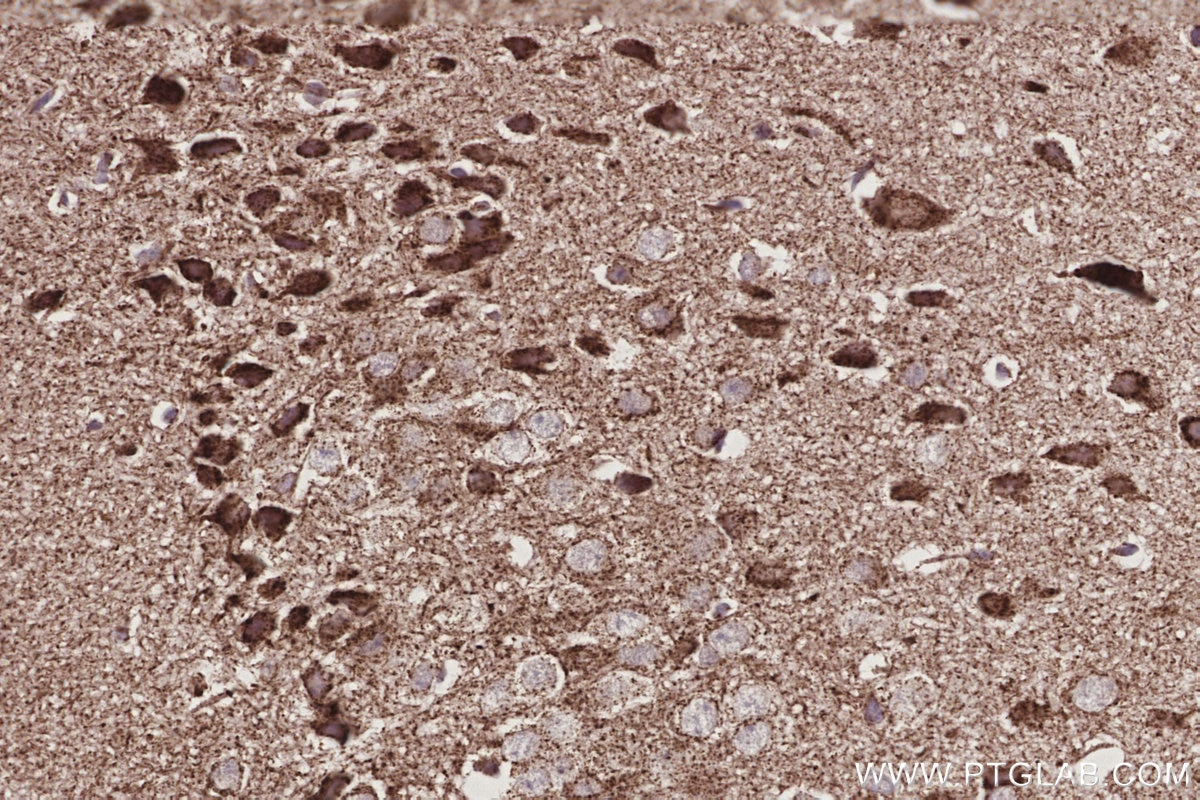
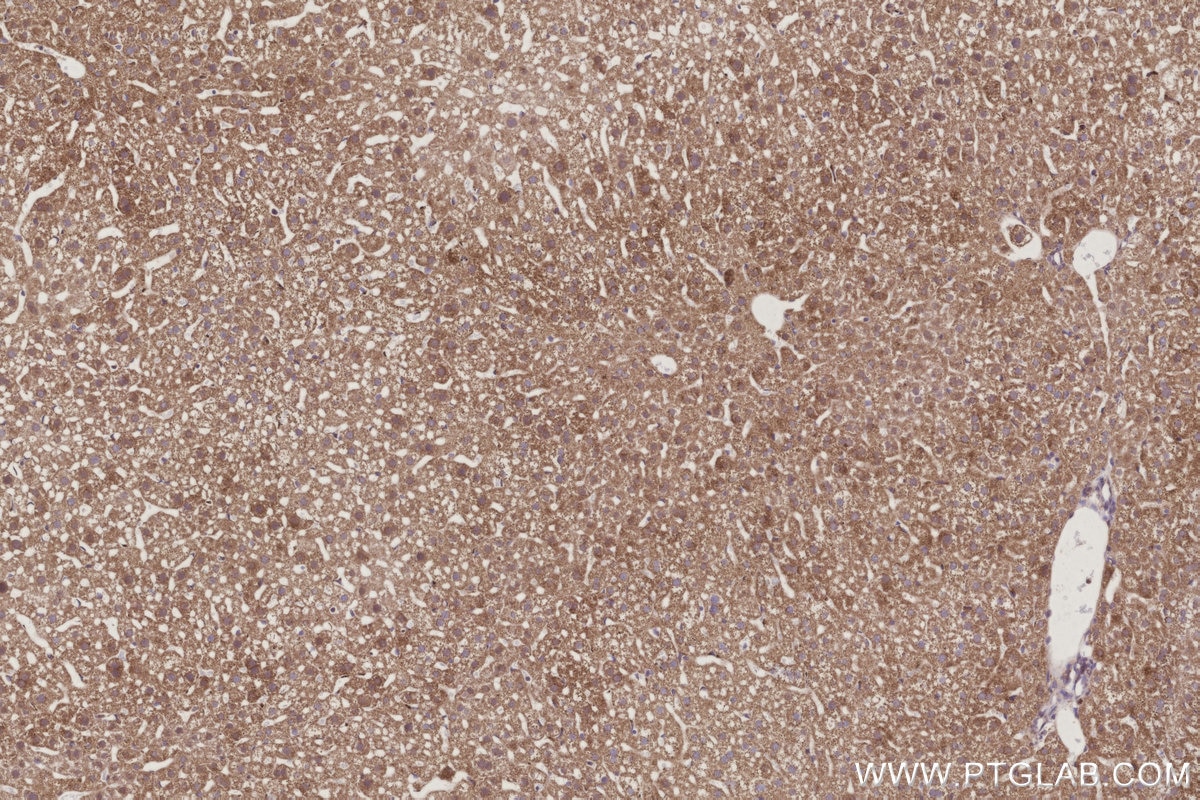
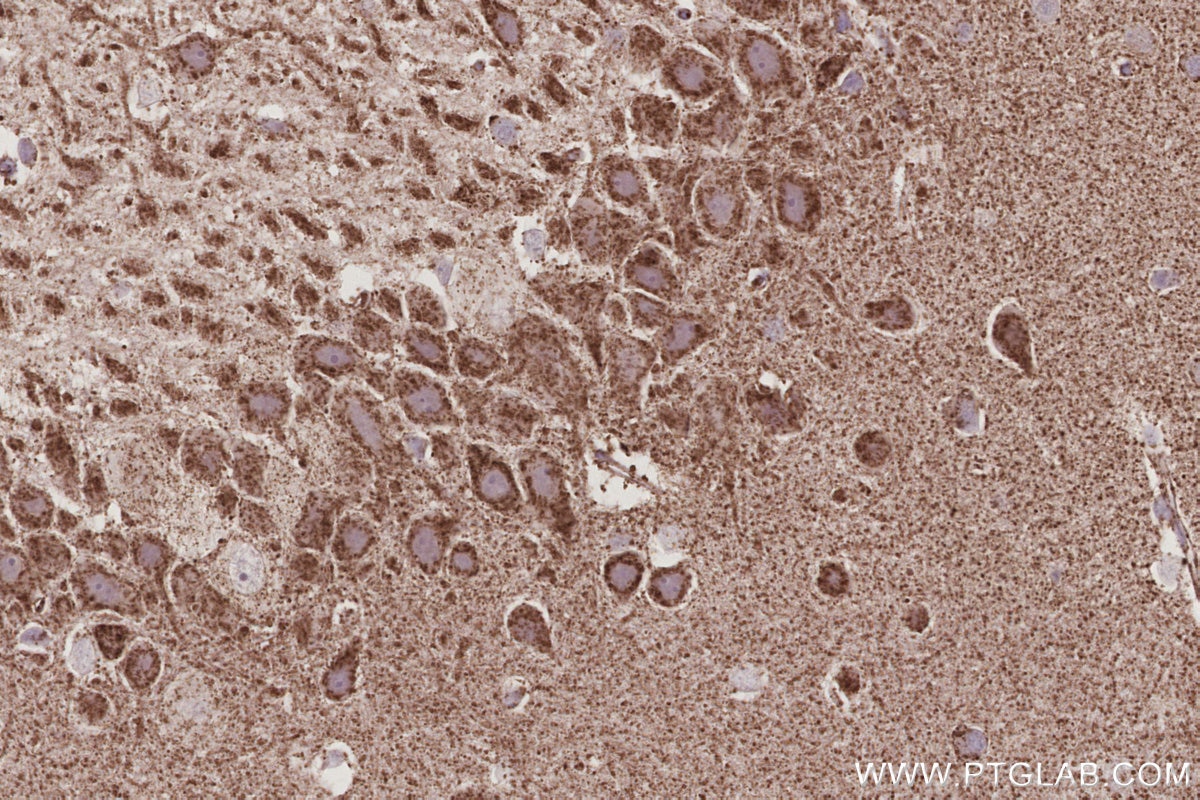
| Positive IHC detected in | human liver tissue, human pancreas cancer tissue, rat brain tissue, mouse liver tissue, mouse brain tissue Note: suggested antigen retrieval with TE buffer pH 9.0; (*) Alternatively, antigen retrieval may be performed with citrate buffer pH 6.0 |
Recommended dilution
| Application | Dilution |
|---|---|
| Western Blot (WB) | WB : 1:2000-1:10000 |
| Immunoprecipitation (IP) | IP : 0.5-4.0 ug for 1.0-3.0 mg of total protein lysate |
| Immunohistochemistry (IHC) | IHC : 1:200-1:800 |
| It is recommended that this reagent should be titrated in each testing system to obtain optimal results. | |
| Sample-dependent, Check data in validation data gallery. | |
Product Information
17110-1-AP targets OGDHL in WB, IHC, IF, IP, ELISA applications and shows reactivity with human, mouse, rat samples.
| Tested Reactivity | human, mouse, rat |
| Cited Reactivity | human, mouse, rat |
| Host / Isotype | Rabbit / IgG |
| Class | Polyclonal |
| Type | Antibody |
| Immunogen |
CatNo: Ag10794 Product name: Recombinant human OGDHL protein Source: e coli.-derived, PGEX-4T Tag: GST Domain: 661-1010 aa of BC026320 Sequence: SGQDVERGTFSHRHHVLHDQEVDRRTCVPMNHLWPDQAPYTVCNSSLSEYGVLGFELGYAMASPNALVLWEAQFGDFHNTAQCIIDQFISTGQAKWVRHNGIVLLLPHGMEGMGPEHSSARPERFLQMSNDDSDAYPAFTKDFEVSQLYDCNWIVVNCSTPANYFHVLRRQILLPFRKPLIIFTPKSLLRHPEAKSSFDQMVSGTSFQRVIPEDGAAARAPEQVQRLIFCTGKVYYDLVKERSSQDLEEKVAITRLEQISPFPFDLIKQEAEKYPGAELAWCQEEHKNMGYYDYISPRFMTILRRARPIWYVGRDPAAAPATGNRNTHLVSLKKFLDTAFNLQAFEGKTF Predict reactive species |
| Full Name | oxoglutarate dehydrogenase-like |
| Calculated Molecular Weight | 1010 aa, 115 kDa |
| Observed Molecular Weight | 115 kDa |
| GenBank Accession Number | BC026320 |
| Gene Symbol | OGDHL |
| Gene ID (NCBI) | 55753 |
| RRID | AB_2156767 |
| Conjugate | Unconjugated |
| Form | Liquid |
| Purification Method | Antigen affinity purification |
| UNIPROT ID | Q9ULD0 |
| Storage Buffer | PBS with 0.02% sodium azide and 50% glycerol, pH 7.3. |
| Storage Conditions | Store at -20°C. Stable for one year after shipment. Aliquoting is unnecessary for -20oC storage. 20ul sizes contain 0.1% BSA. |
Background Information
OGDHL(oxoglutarate dehydrogenase-like) is also named as KGDE1KL, FLJ10851, KIAA1290 and belongs to the alpha-ketoglutarate dehydrogenase family. OGDHL is one of the rate-limiting component of the multienzyme OGDH complex (OGDHC) whose malfunction is associated with neuro-degeneration and it is localized only in the mitochondrial fraction and not in the cytosolic or nuclear fractions(PMID:23152800). OGDHL negatively regulates cell proliferation by inducing apoptosis in cervical cancer cells. It may thus participate in brain-specific control of 2-oxoglutarate distribution between energy production and synthesis of the neurotransmitter glutamate(PMID:18783430). It has 3 isoforms(114 kDa, 108 kDa, 91 kDa) produced by alternative splicing.
Protocols
| Product Specific Protocols | |
|---|---|
| IHC protocol for OGDHL antibody 17110-1-AP | Download protocol |
| IP protocol for OGDHL antibody 17110-1-AP | Download protocol |
| WB protocol for OGDHL antibody 17110-1-AP | Download protocol |
| Standard Protocols | |
|---|---|
| Click here to view our Standard Protocols |
Publications
What published studies show
The OGDHL Polyclonal antibody (Cat# 17110-1-AP) has 19 citations across journals including Nature Communications, Cell Death & Differentiation, Journal of Hepatology, American Journal of Human Genetics, Journal of Experimental Medicine, Metabolism, and Translational Psychiatry. Research fields span hepatocellular carcinoma, Parkinson's disease, mitochondrial metabolism, renal fibrosis, neurodevelopmental disorders, Alzheimer's disease, gastric cancer, glioblastoma, cardiac protection, T cell biology, and stem cell differentiation.
| Species | Application | Title |
|---|---|---|
J Hepatol OGDHL silencing promotes hepatocellular carcinoma by reprogramming glutamine metabolism.
| ||
Nat Commun Dysregulation of mitochondrial α-ketoglutarate dehydrogenase leads to elevated lipid peroxidation in CHCHD2-linked Parkinson's disease models | ||
Nat Commun A reversible state of hypometabolism in a human cellular model of sporadic Parkinson's disease | ||
Metabolism Glutamine synthetase deficiency triggers mitochondrial oxidative stress and a ribotoxic stress response during acute hepatic metabolic crisis. | ||
Cell Death Differ Oxoglutarate dehydrogenase-like inhibits the progression of hepatocellular carcinoma by inducing DNA damage through non-canonical function | ||
J Exp Med CTLA4 depletes T cell endogenous and trogocytosed B7 ligands via cis-endocytosis |

