

Tested Applications
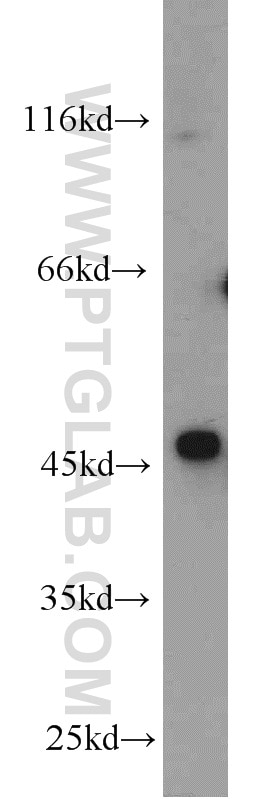
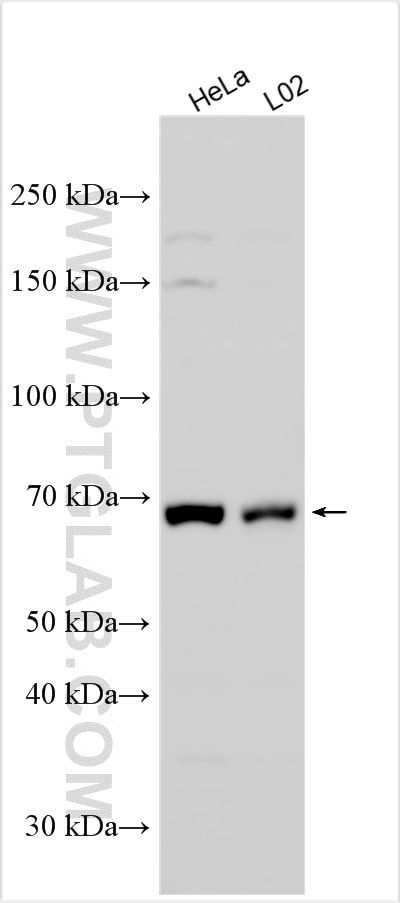
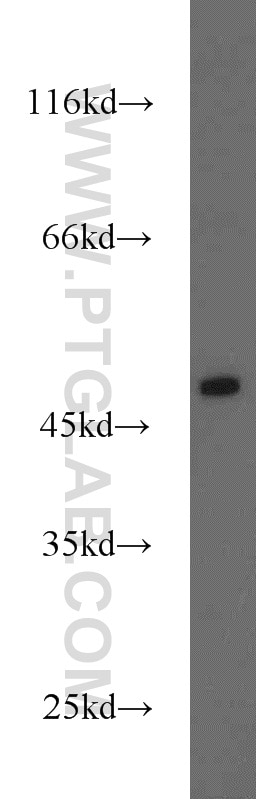
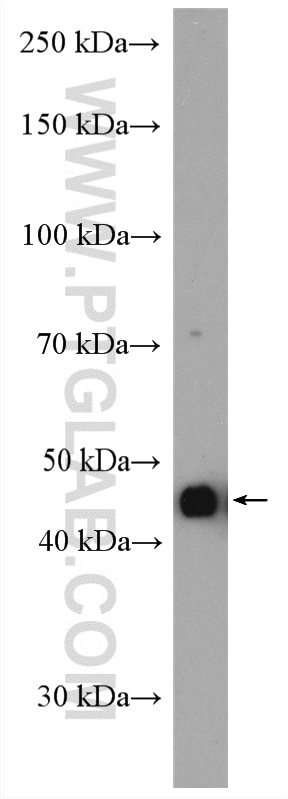
| Positive WB detected in | Jurkat cells, HeLa cells, L02 cells |
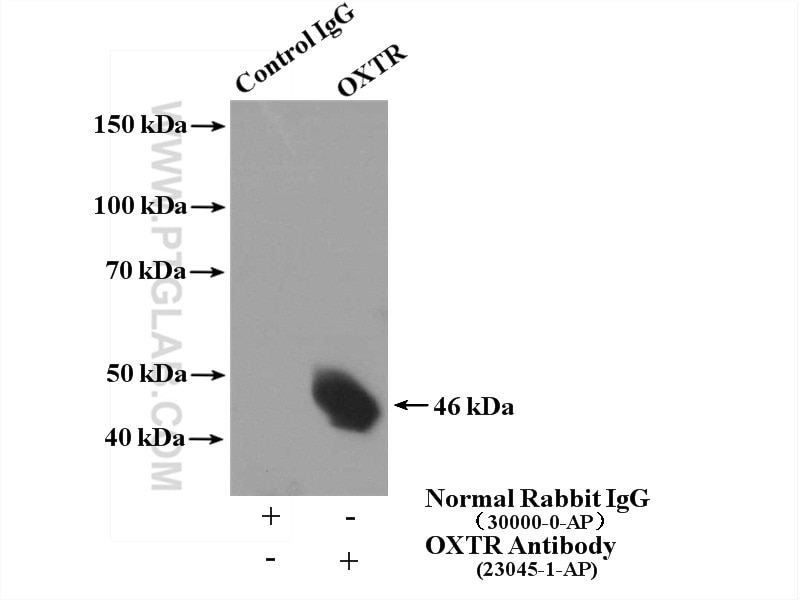
| Positive IP detected in | L02 cells |
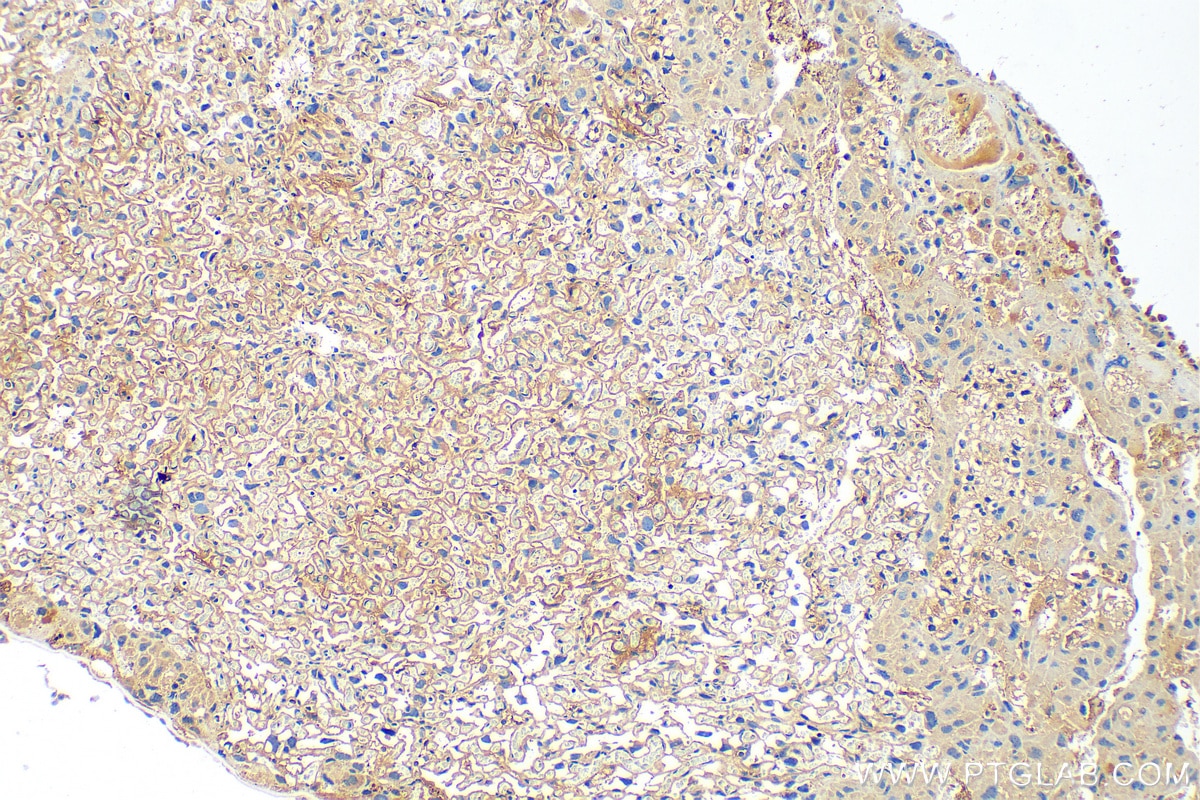
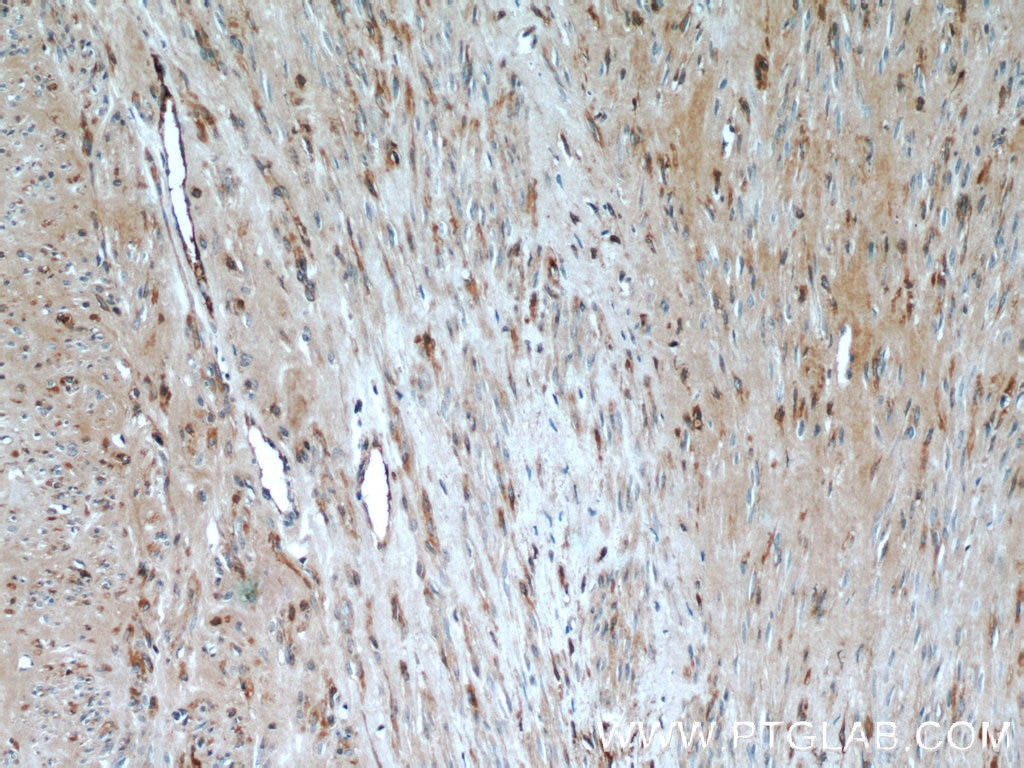
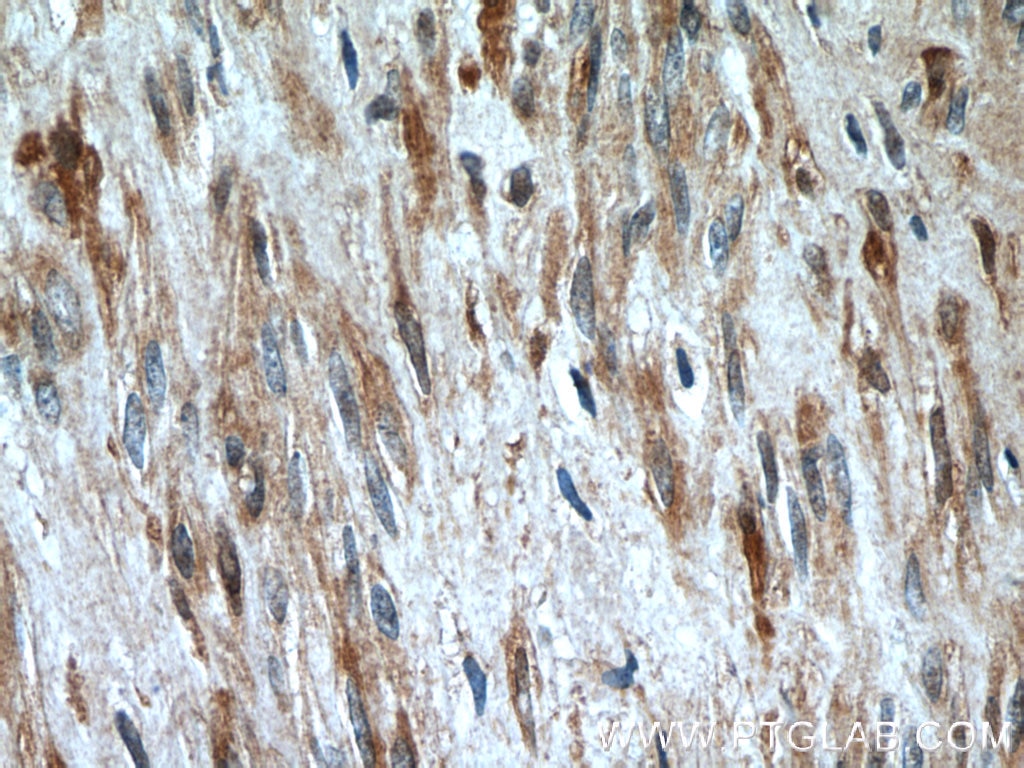
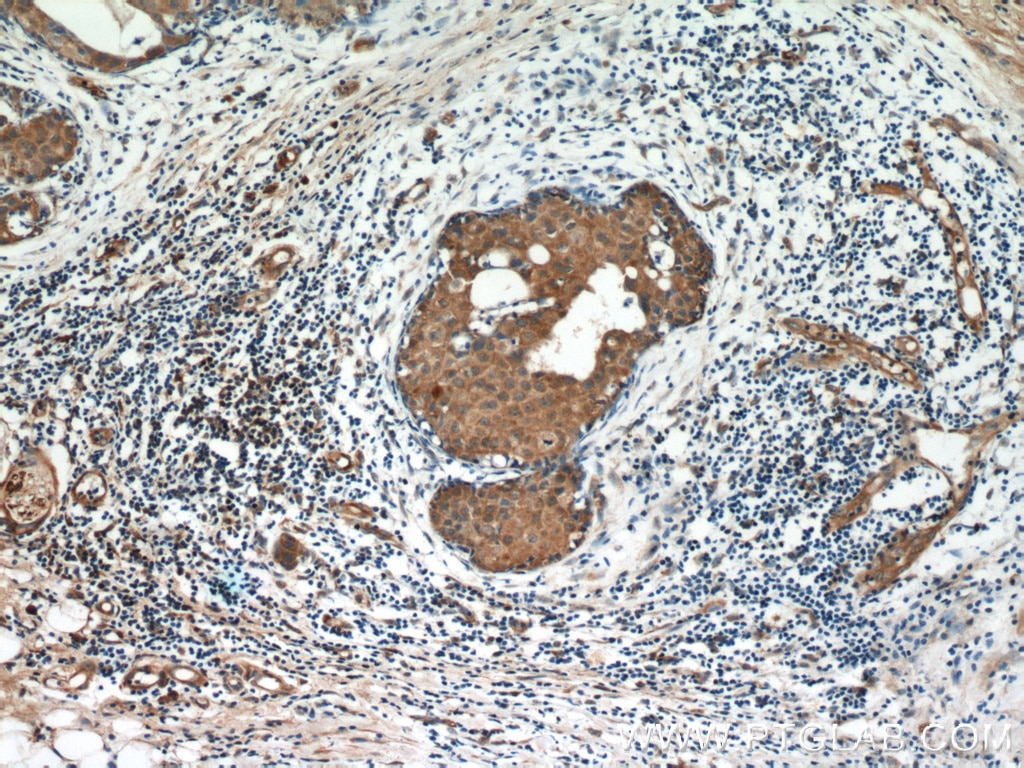
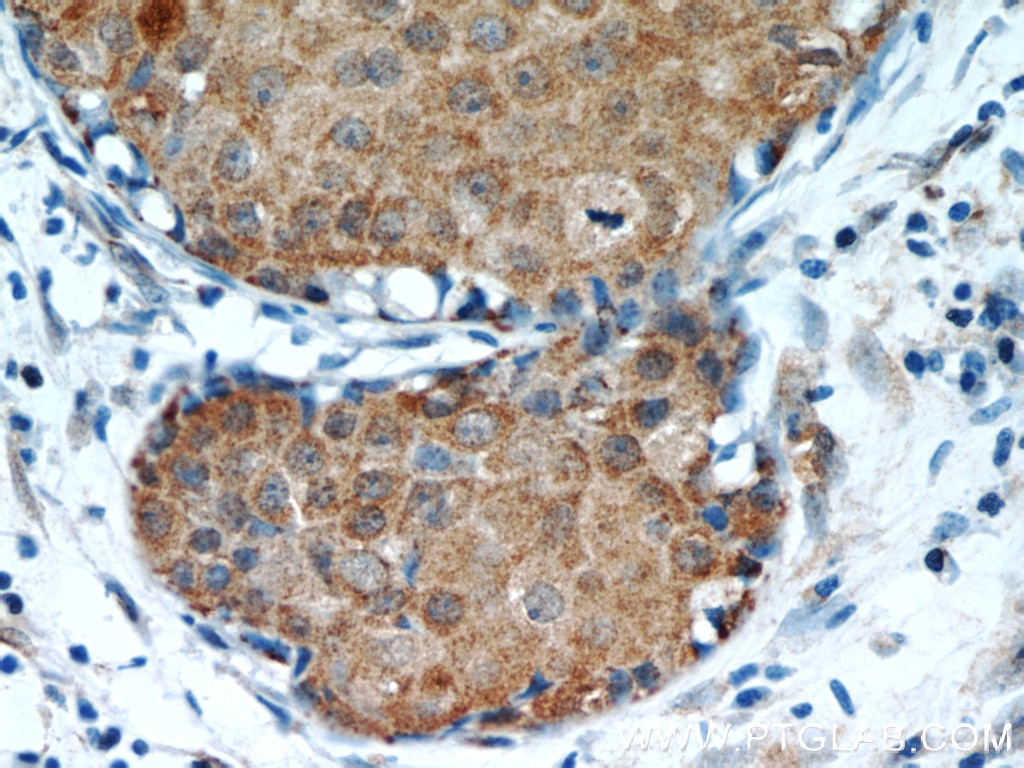
| Positive IHC detected in | mouse placenta tissue, human breast cancer tissue, human hysteromyoma tissue Note: suggested antigen retrieval with TE buffer pH 9.0; (*) Alternatively, antigen retrieval may be performed with citrate buffer pH 6.0 |
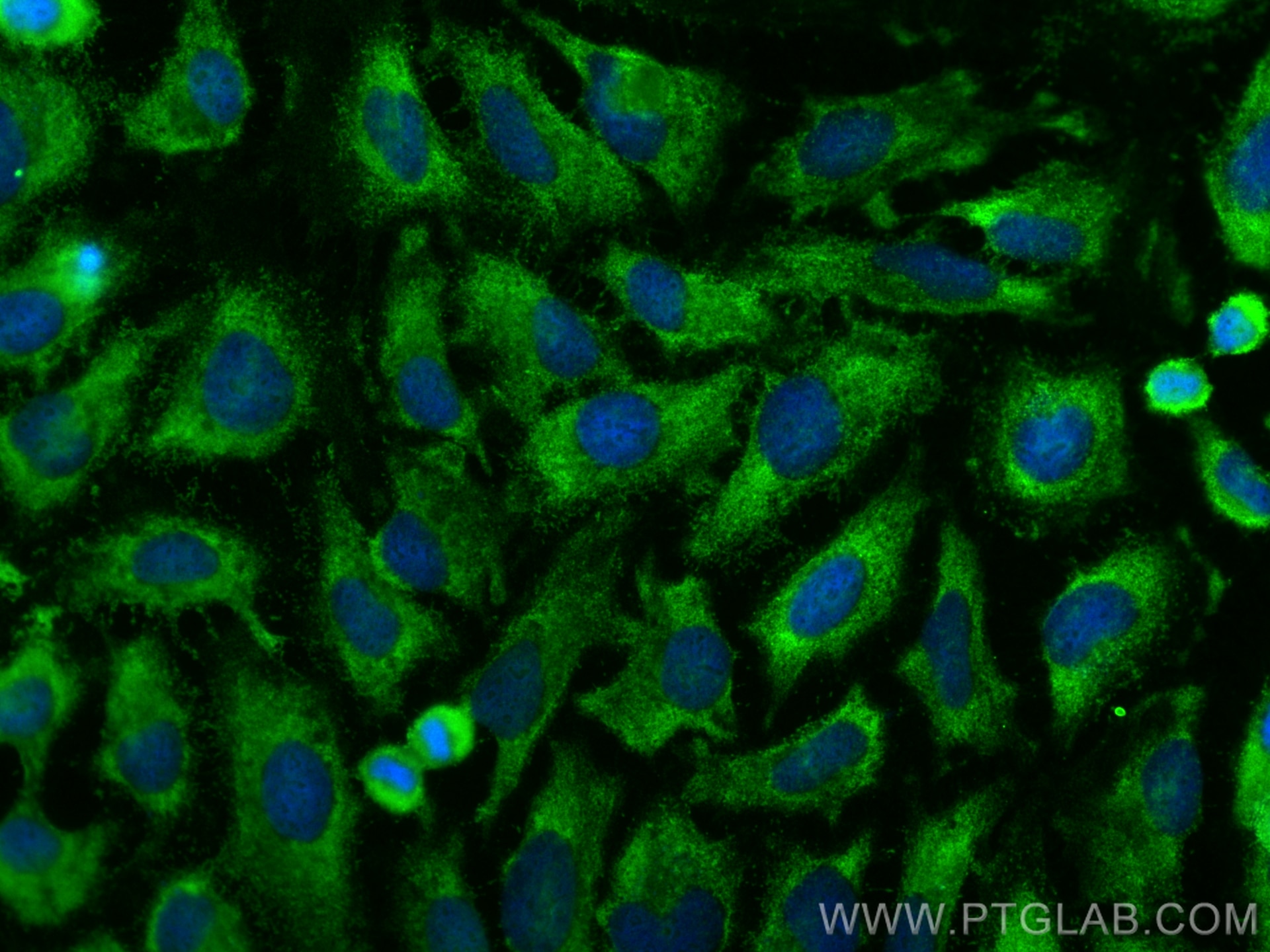
| Positive IF/ICC detected in | HeLa cells |
Recommended dilution
| Application | Dilution |
|---|---|
| Western Blot (WB) | WB : 1:500-1:2000 |
| Immunoprecipitation (IP) | IP : 0.5-4.0 ug for 1.0-3.0 mg of total protein lysate |
| Immunohistochemistry (IHC) | IHC : 1:200-1:800 |
| Immunofluorescence (IF)/ICC | IF/ICC : 1:200-1:800 |
| It is recommended that this reagent should be titrated in each testing system to obtain optimal results. | |
| Sample-dependent, Check data in validation data gallery. | |
Product Information
23045-1-AP targets OXTR in WB, IHC, IF/ICC, IP, ELISA applications and shows reactivity with human samples.
| Tested Reactivity | human |
| Cited Reactivity | human, mouse, rat, pig |
| Host / Isotype | Rabbit / IgG |
| Class | Polyclonal |
| Type | Antibody |
| Immunogen |
CatNo: Ag19074 Product name: Recombinant human OXTR protein Source: e coli.-derived, PET28a Tag: 6*His Domain: 327-389 aa of BC137443 Sequence: WIYMLFTGHLFHELVQRFLCCSASYLKGRRLGETSASKKSNSSSFVLSHRSSSQRSCSQPSTA Predict reactive species |
| Full Name | OXTR |
| Calculated Molecular Weight | 389 aa, 43 kDa |
| Observed Molecular Weight | 46 kDa, 67 kDa |
| GenBank Accession Number | BC137443 |
| Gene Symbol | OXTR |
| Gene ID (NCBI) | 5021 |
| RRID | AB_2827425 |
| Conjugate | Unconjugated |
| Form | Liquid |
| Purification Method | Antigen affinity purification |
| UNIPROT ID | P30559 |
| Storage Buffer | PBS with 0.02% sodium azide and 50% glycerol, pH 7.3. |
| Storage Conditions | Store at -20°C. Stable for one year after shipment. Aliquoting is unnecessary for -20oC storage. 20ul sizes contain 0.1% BSA. |
Background Information
Oxytocin (OXT) is a neurohypophysial hormone that plays a role in lactation and parturition and in the central nervous system as a neurotransmitter involved in sex and maternal behavior (PMID: 1852313; 10811917). OXT acts through its receptor, OXTR, which belongs to the G protein-coupled 7-transmembrane receptor family. OXTR is expressed in the endometrium, myometrium, and mammary gland (PMID: 1313946). This antibody is raised against the C-terminal region of human OXTR. Two immunoreactive OXTR bands were found in the fat tissue, an unglycosylated 43 kDa form and a mature glycosylated 67 kDa form (PMID:32819381).
Protocols
| Product Specific Protocols | |
|---|---|
| IF protocol for OXTR antibody 23045-1-AP | Download protocol |
| IHC protocol for OXTR antibody 23045-1-AP | Download protocol |
| IP protocol for OXTR antibody 23045-1-AP | Download protocol |
| WB protocol for OXTR antibody 23045-1-AP | Download protocol |
| Standard Protocols | |
|---|---|
| Click here to view our Standard Protocols |
Publications
What published studies show
Able is busy answering your previous question. Please try again later.
| Species | Application | Title |
|---|---|---|
Nat Commun AI-guided CRISPR screening reveals therapeutic targets in psoriasis.
| ||
Neuron Dual anterior insula-prefrontal cortex circuits mediate chronic stress-induced social interaction deficits. | ||
J Nanobiotechnology Atosiban-conjugated 3WJ-pRNA nanoparticles delivering GAS1-enhanced extracellular vesicles: targeting the decidua to combat recurrent miscarriage. | ||
Cell Rep Med Hepato-cardiac interorgan communication controls cardiac hypertrophy via combined endocrine-autocrine FGF21 signaling | ||
Antioxidants (Basel) ΔMST and the Regulation of Cardiac CSE and OTR Expression in Trauma and Hemorrhage. |
Reviews
What customers say
The single review for this antibody (used on rat brain tissue for Western Blot, IHC, and IF) was rated 3 out of 5. The user reported that in Western Blot, the antibody produced a weak peak with significant background noise, preventing proper optimization and sample runs. In immunofluorescence, they observed considerable background staining. Overall, the feedback highlights issues with signal strength and background, suggesting the antibody may require further optimization for these applications.
The reviews below have been submitted by verified Proteintech customers who received an incentive for providing their feedback.
Rachael (Verified Customer) (08-29-2025) | Ran it through the protein simple abby machine and the results was a weak peak with lots of background noise, which meant we couldn't optimise and run our samples. when using it in immunofluorescence there was a lot of background staining
|

