

Tested Applications
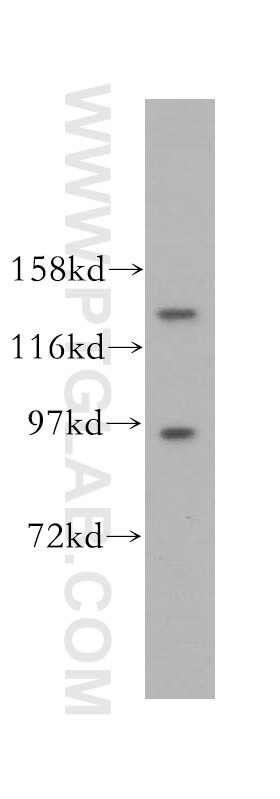
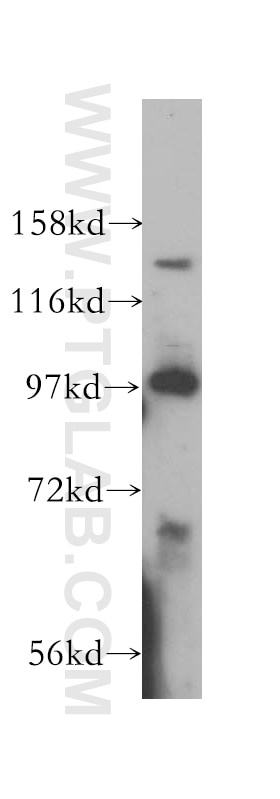
| Positive WB detected in | NIH/3T3 cells, HepG2 cells |
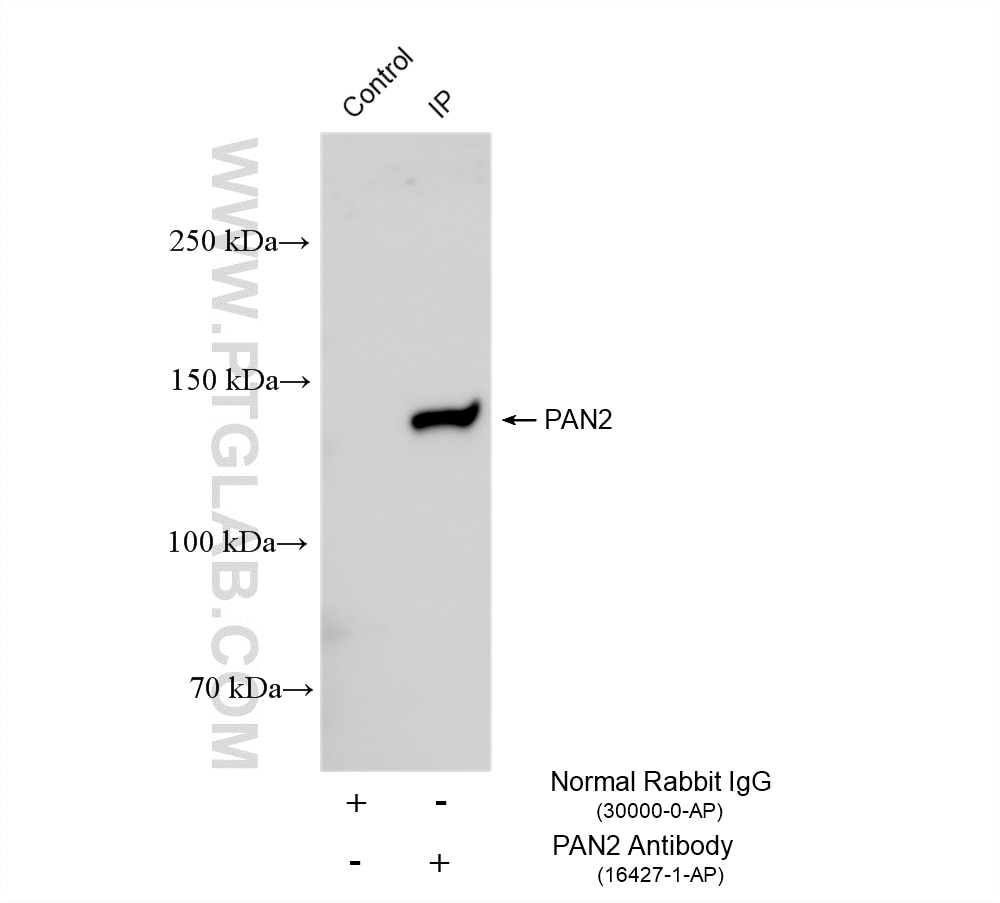
| Positive IP detected in | NIH/3T3 cells |
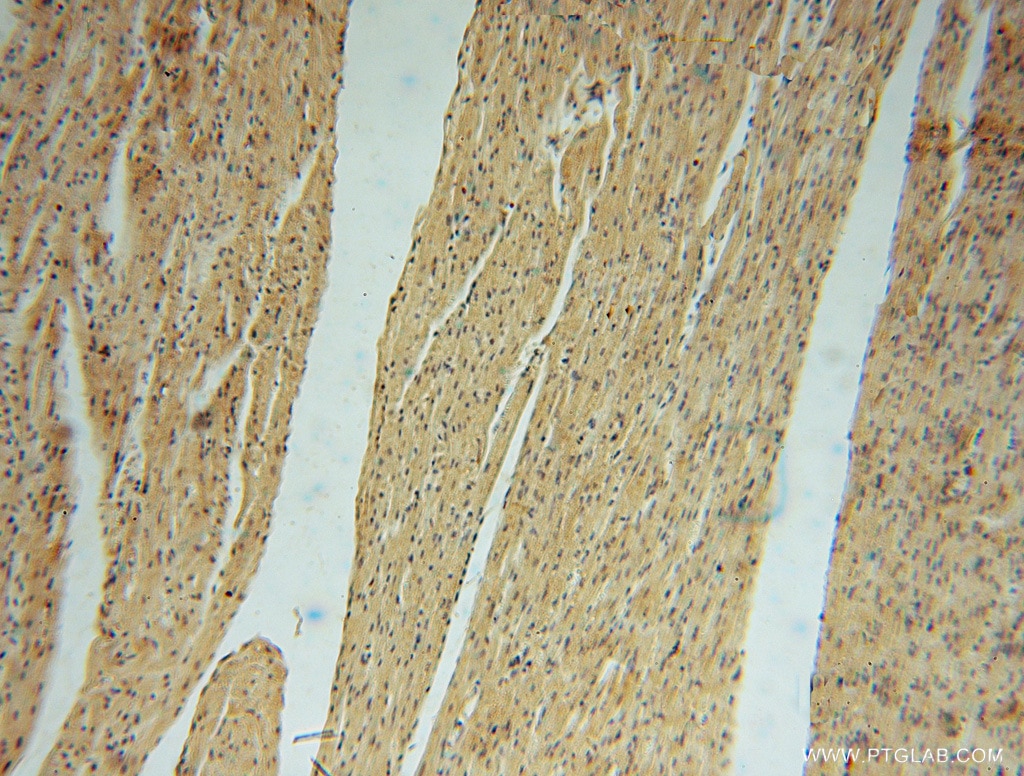
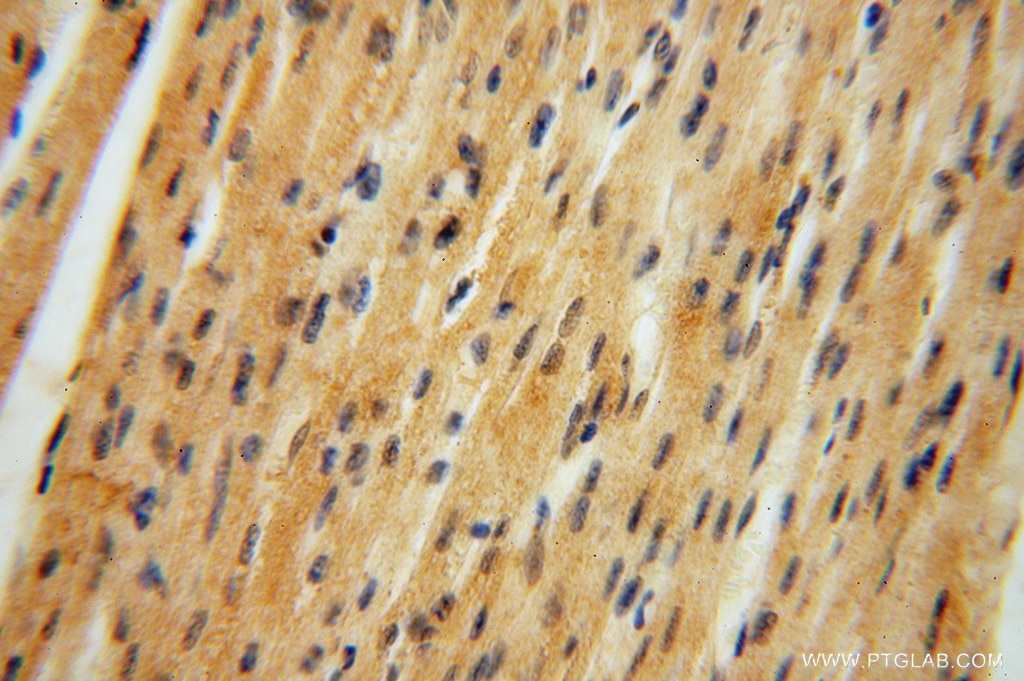
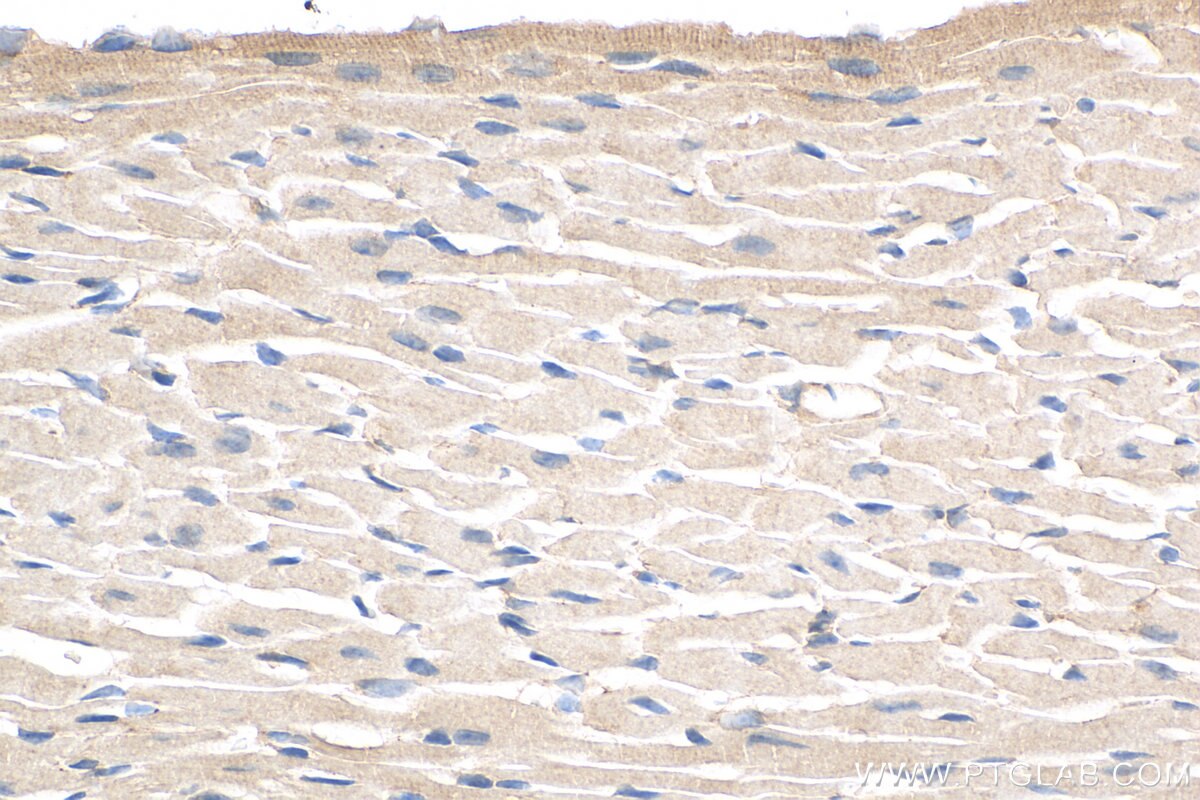
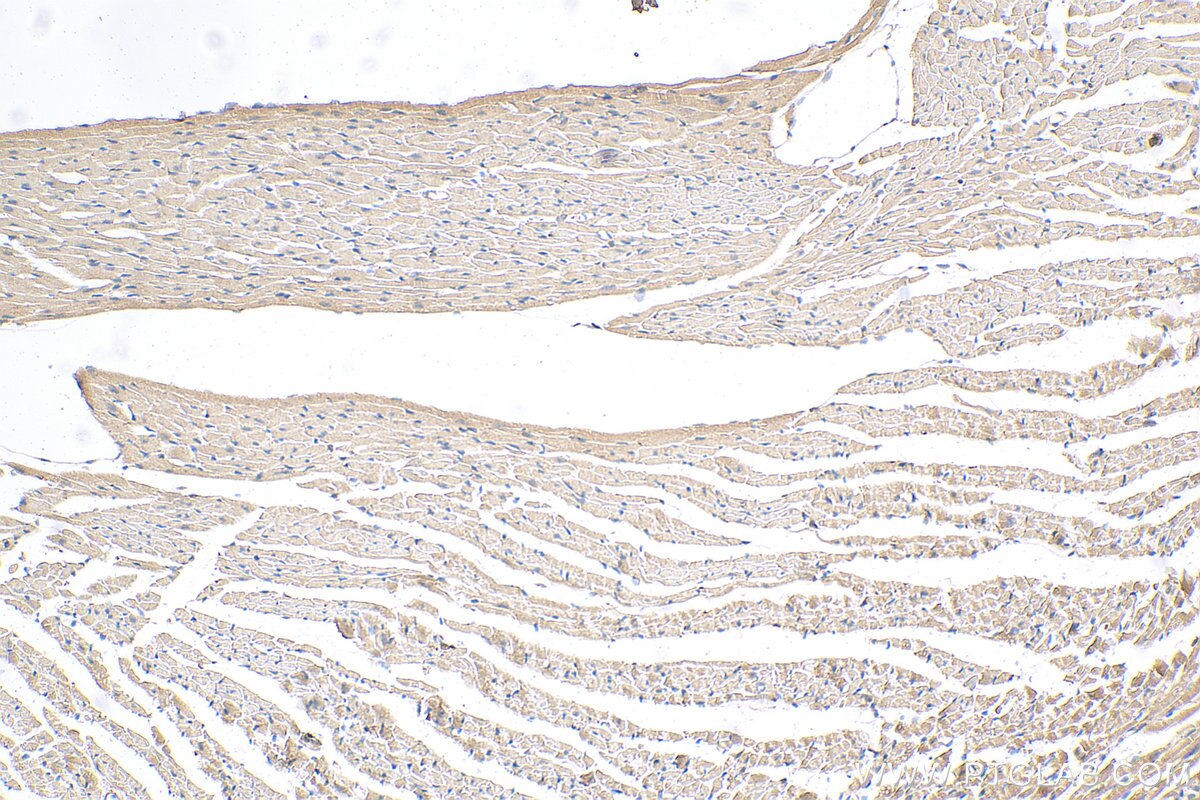
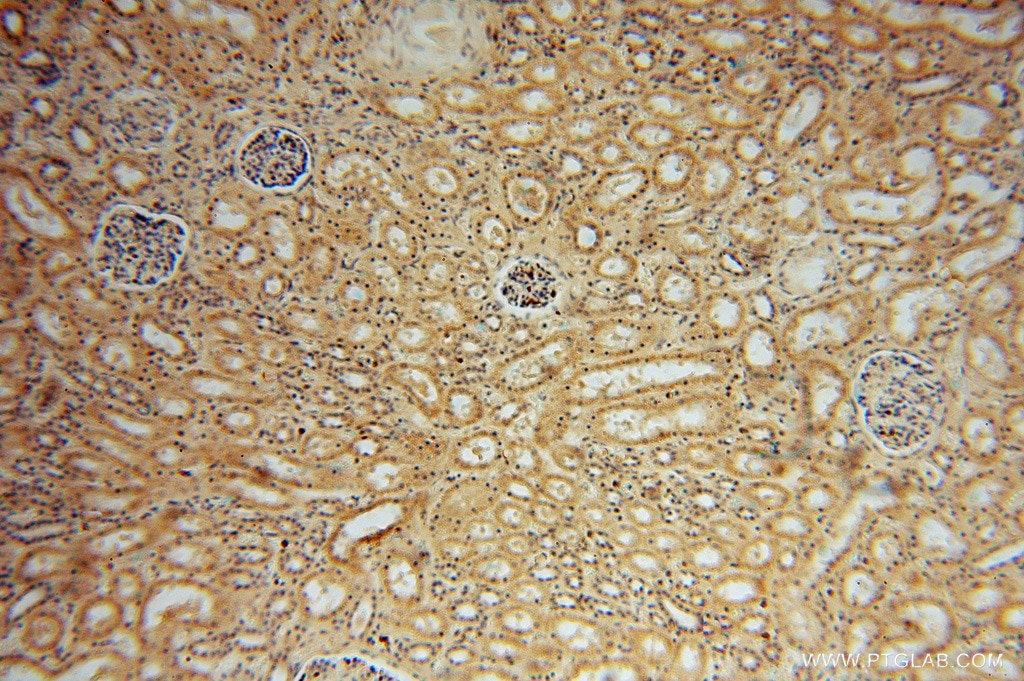
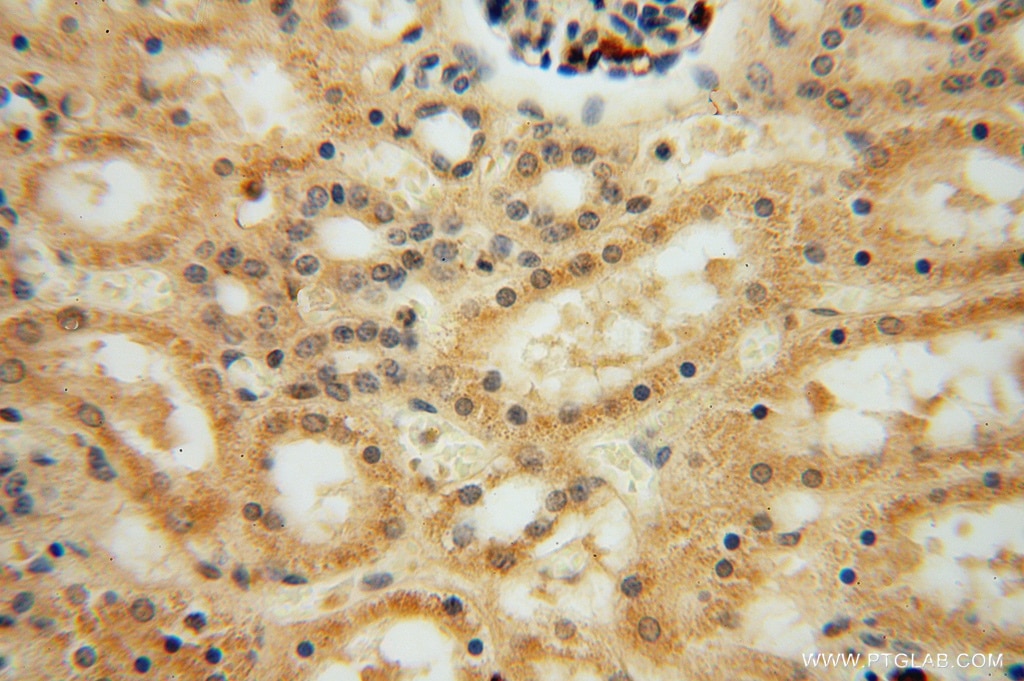
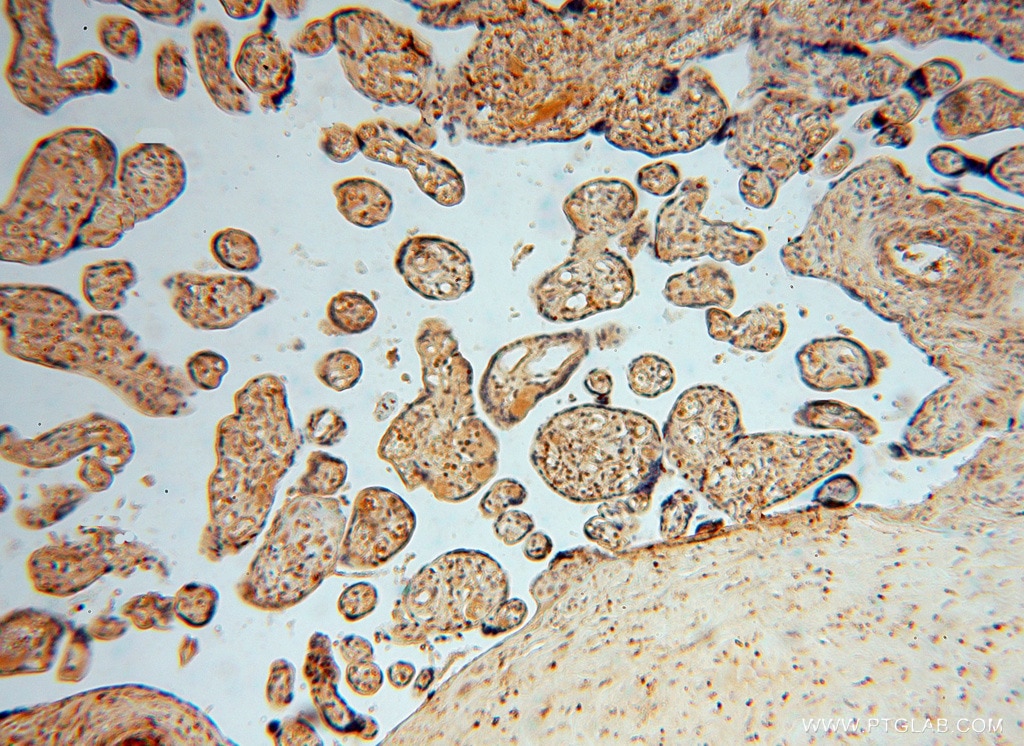
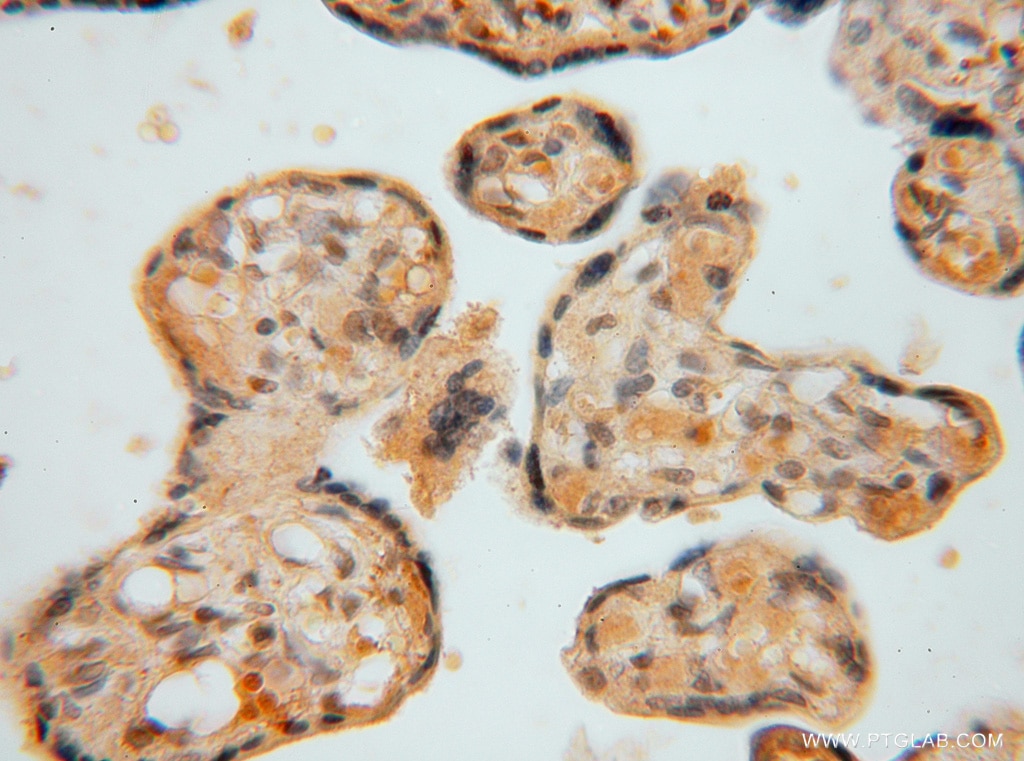
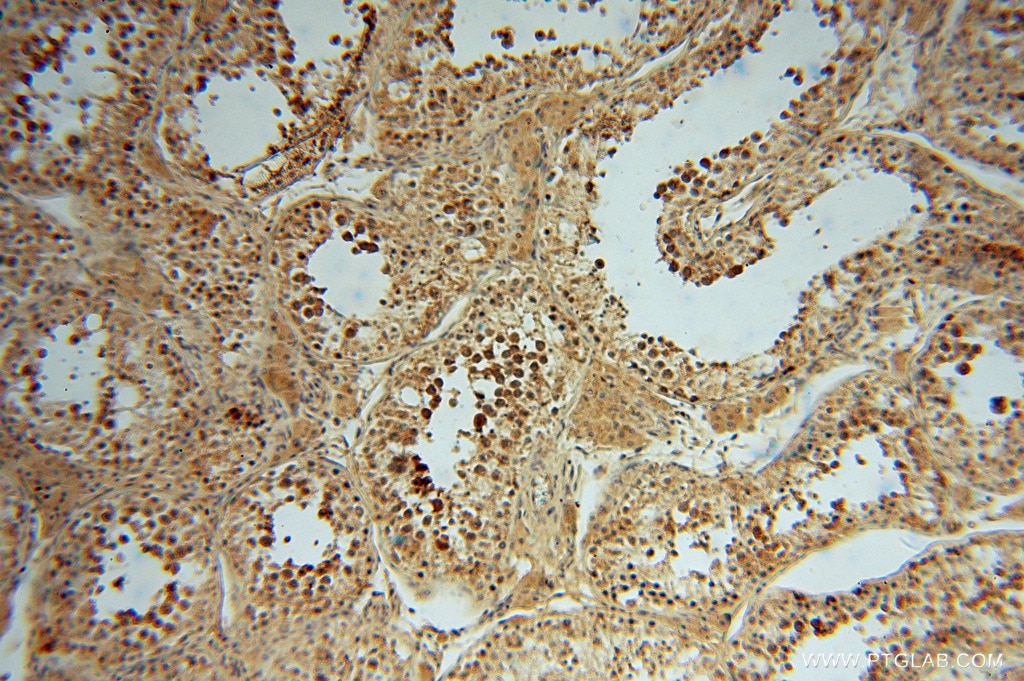
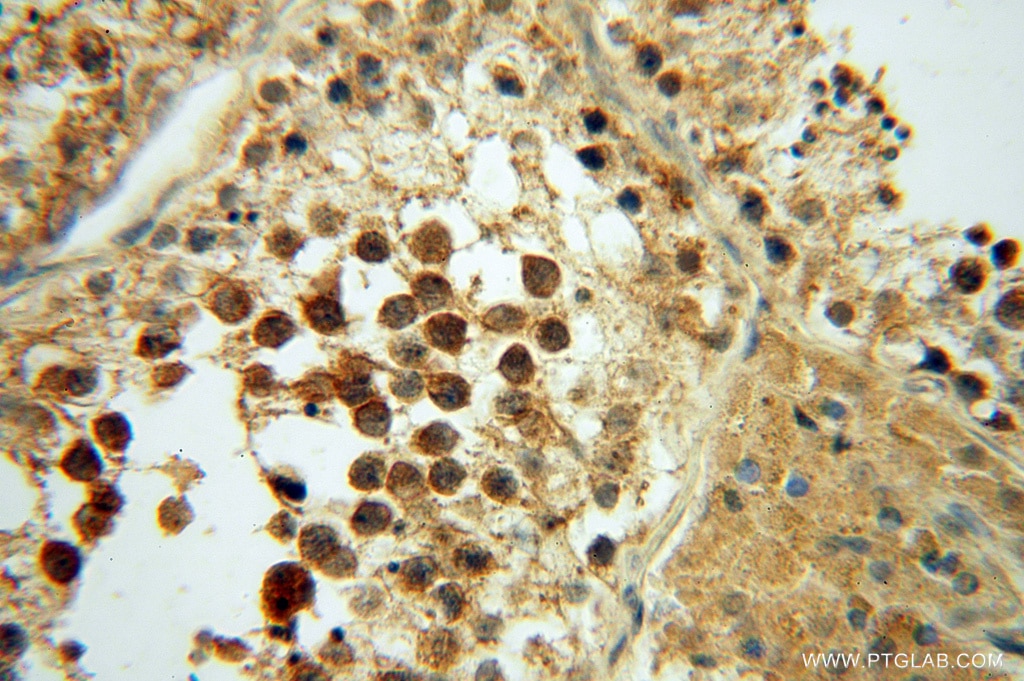
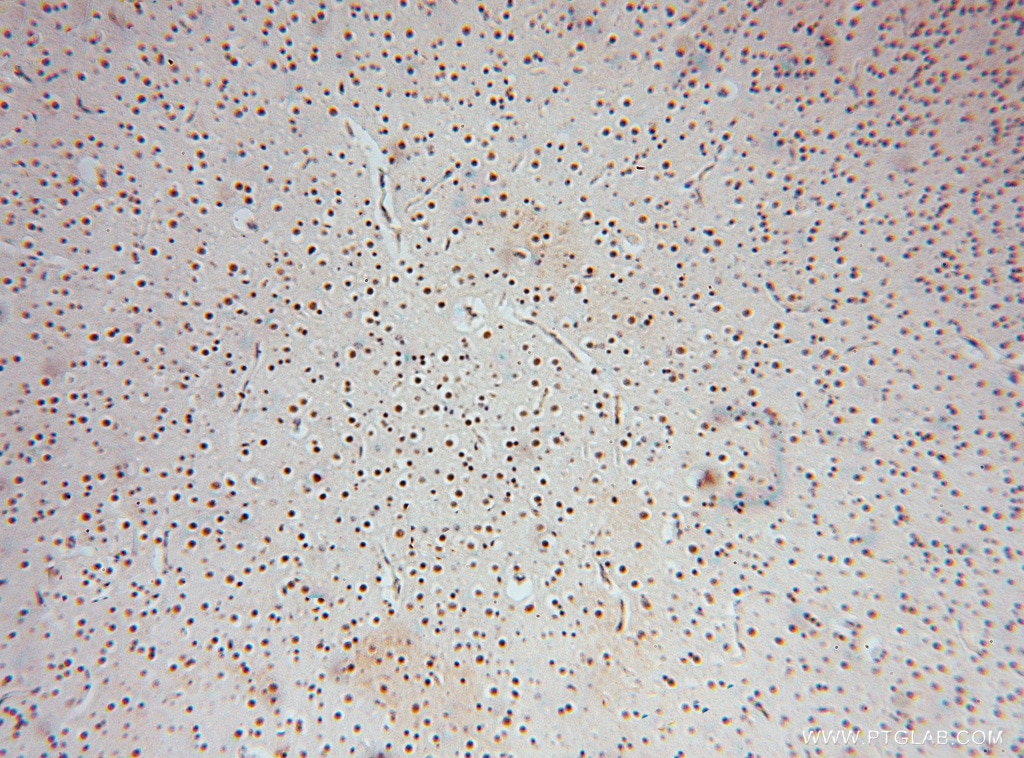
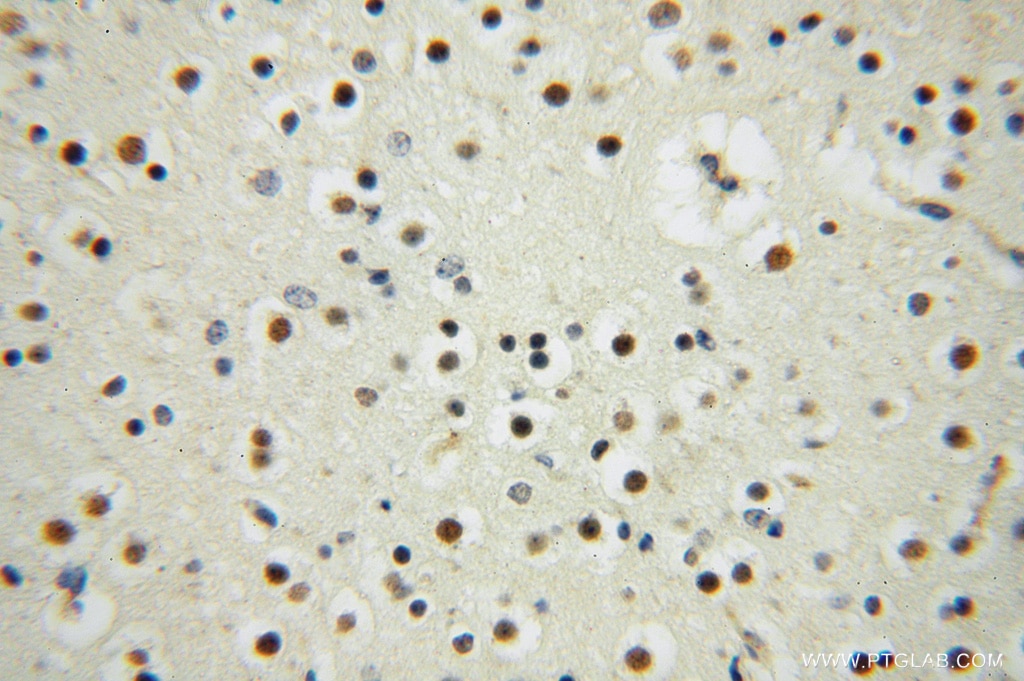
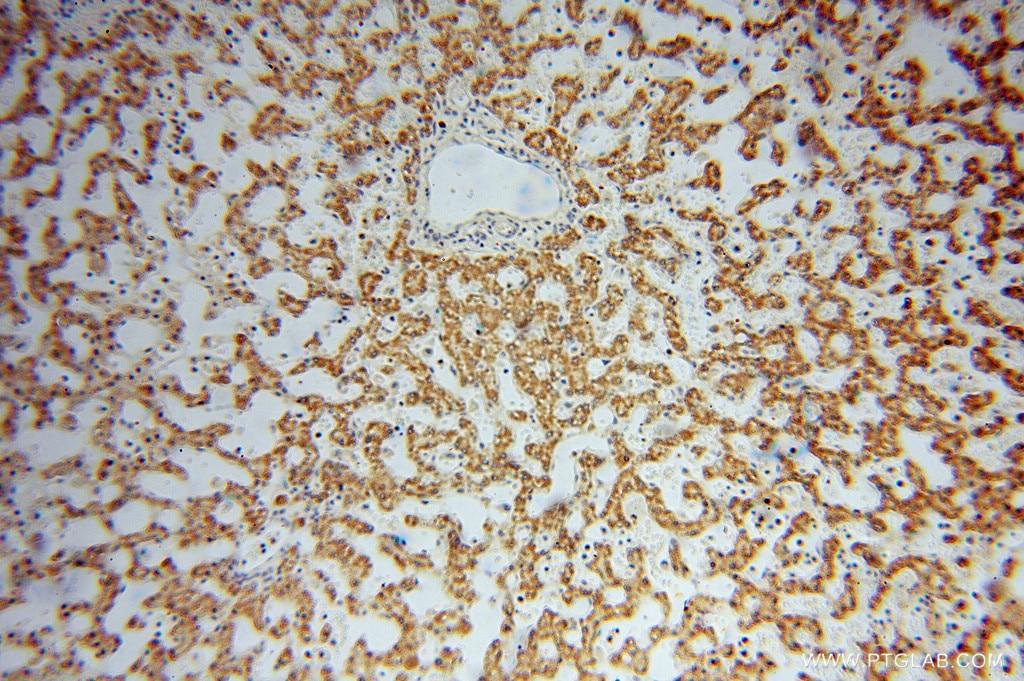
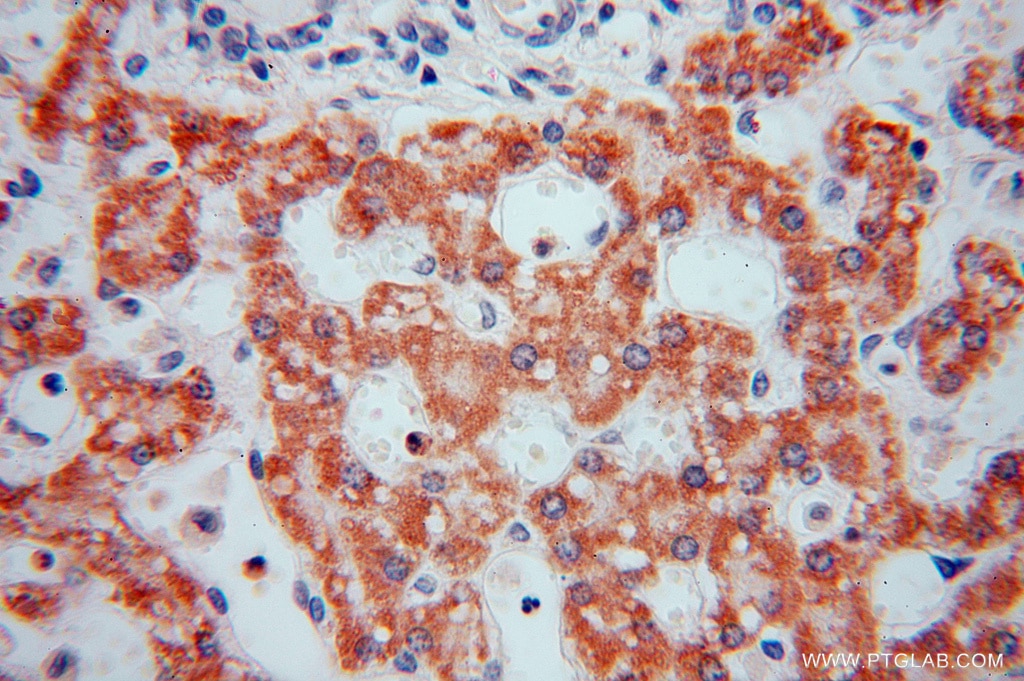
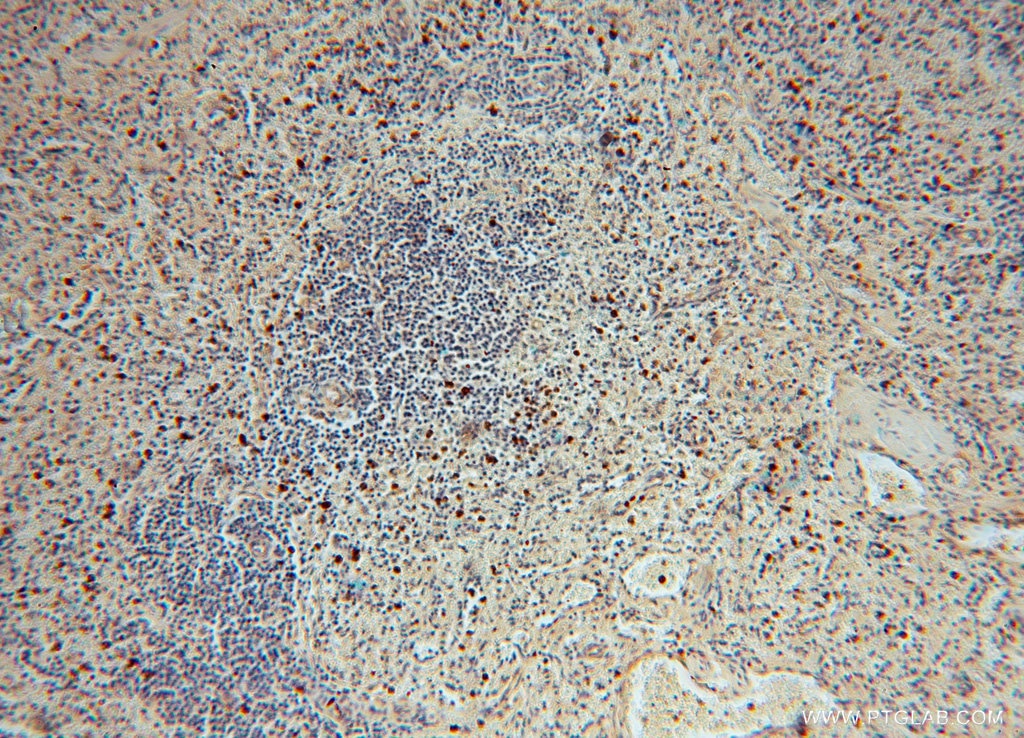
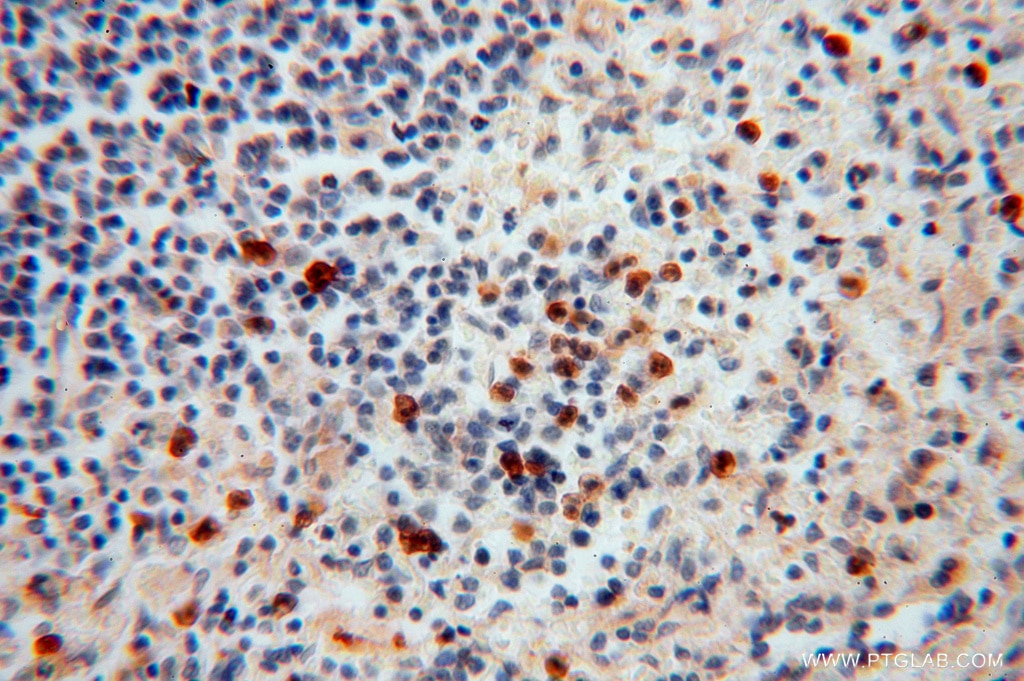
| Positive IHC detected in | mouse heart tissue, human heart tissue, human kidney tissue, human placenta tissue, human testis tissue, human brain tissue, human liver tissue, human spleen tissue Note: suggested antigen retrieval with TE buffer pH 9.0; (*) Alternatively, antigen retrieval may be performed with citrate buffer pH 6.0 |
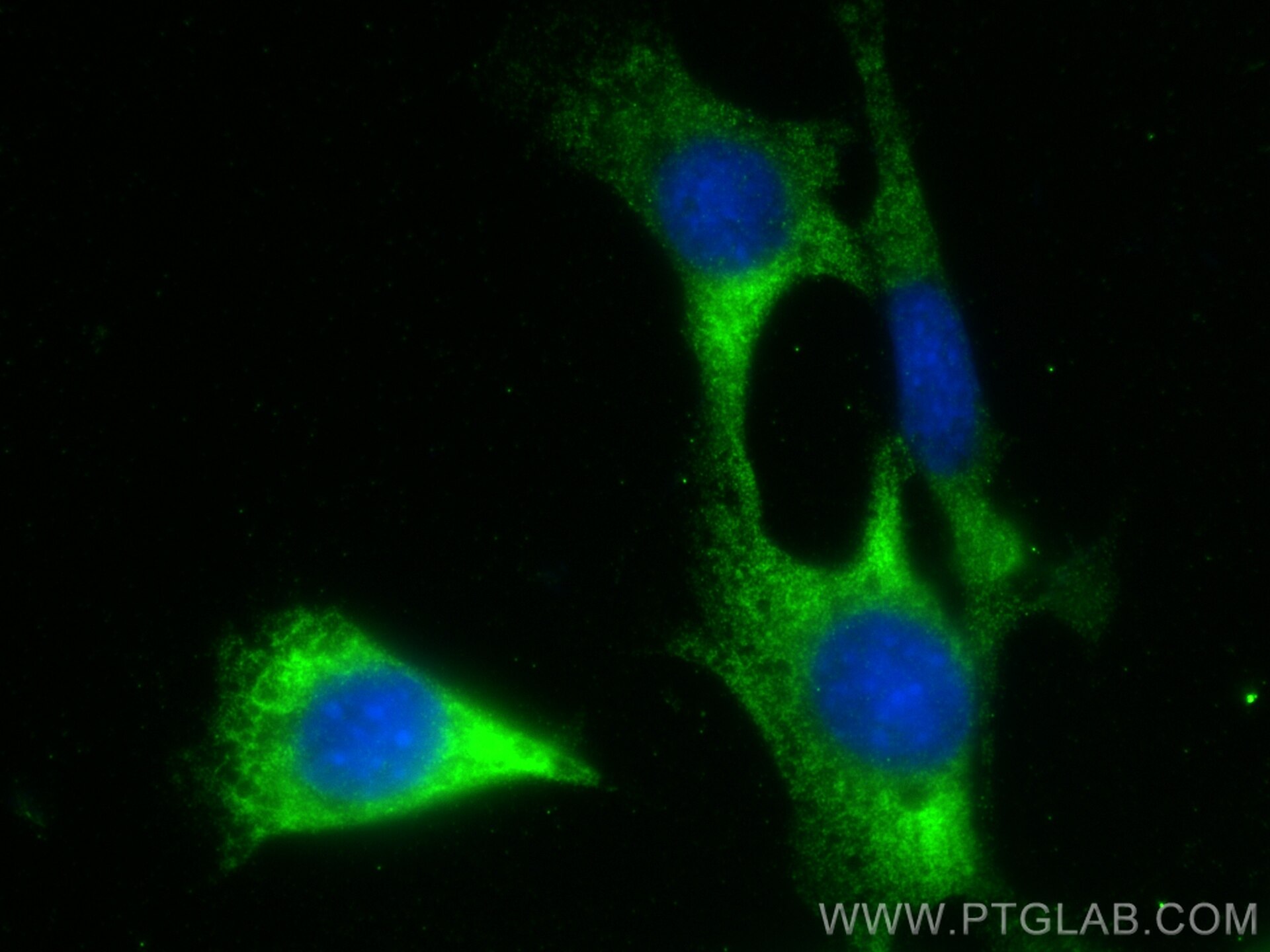
| Positive IF/ICC detected in | NIH/3T3 cells |
Recommended dilution
| Application | Dilution |
|---|---|
| Western Blot (WB) | WB : 1:500-1:1000 |
| Immunoprecipitation (IP) | IP : 0.5-4.0 ug for 1.0-3.0 mg of total protein lysate |
| Immunohistochemistry (IHC) | IHC : 1:200-1:800 |
| Immunofluorescence (IF)/ICC | IF/ICC : 1:200-1:800 |
| It is recommended that this reagent should be titrated in each testing system to obtain optimal results. | |
| Sample-dependent, Check data in validation data gallery. | |
Product Information
16427-1-AP targets PAN2 in WB, IHC, IF/ICC, IP, ELISA applications and shows reactivity with human, mouse, rat samples.
| Tested Reactivity | human, mouse, rat |
| Cited Reactivity | human, mouse |
| Host / Isotype | Rabbit / IgG |
| Class | Polyclonal |
| Type | Antibody |
| Immunogen |
CatNo: Ag9670 Product name: Recombinant human PAN2 protein Source: e coli.-derived, PGEX-4T Tag: GST Domain: 850-1198 aa of BC024043 Sequence: ATVVHILDSRTGGSLVAHIKVGETYHQRKEGVTHQQWYLFNDFLIEPIDKHEAVQFDMNWKVPAILYYVKRNLNSRYNLNIKNPIEASVLLAEASLARKQRKTHTTFIPLMLNEMPQIGDLVGLDAEFVTLNEEEAELRSDGTKSTIKPSQMSVARITCVRGQGPNEGIPFIDDYISTQEQVVDYLTQYSGIKPGDLDAKISSKHLTTLKSTYLKLRFLIDIGVKFVGHGLQKDFRVINLMVPKDQVLDTVYLFHMPRKRMISLRFLAWYFLDLKIQGETHDSIEDARTALQLYRKYLELSKNGTEPESFHKVLKGLYEKGRKMDWKVPEPEGQTSPKNAAVFSSVLAL Predict reactive species |
| Full Name | PAN2 poly(A) specific ribonuclease subunit homolog (S. cerevisiae) |
| Calculated Molecular Weight | 1198 aa, 135 kDa |
| Observed Molecular Weight | 135 kDa |
| GenBank Accession Number | BC024043 |
| Gene Symbol | PAN2 |
| Gene ID (NCBI) | 9924 |
| RRID | AB_1851434 |
| Conjugate | Unconjugated |
| Form | Liquid |
| Purification Method | Antigen affinity purification |
| UNIPROT ID | Q504Q3 |
| Storage Buffer | PBS with 0.02% sodium azide and 50% glycerol, pH 7.3. |
| Storage Conditions | Store at -20°C. Stable for one year after shipment. Aliquoting is unnecessary for -20oC storage. 20ul sizes contain 0.1% BSA. |
Protocols
| Product Specific Protocols | |
|---|---|
| IF protocol for PAN2 antibody 16427-1-AP | Download protocol |
| IHC protocol for PAN2 antibody 16427-1-AP | Download protocol |
| IP protocol for PAN2 antibody 16427-1-AP | Download protocol |
| WB protocol for PAN2 antibody 16427-1-AP | Download protocol |
| Standard Protocols | |
|---|---|
| Click here to view our Standard Protocols |
Publications
What published studies show
PABPC1 Antibody (Cat# 16427-1-AP) has 9 total citations published in journals including Nature Communications, Nature Structural & Molecular Biology, Cell Reports, Cells, Neurobiology of Disease, Translational Oncology, Biology of Reproduction, and PLoS ONE. Research fields span RNA deadenylation and mRNA decay, USP52-mediated deubiquitination, ferroptosis in head and neck carcinoma, tauopathy, oocyte maturation, and clear cell renal carcinoma progression. Applications include WB, IHC, IF, and IP in human and mouse models.
| Species | Application | Title |
|---|---|---|
Nat Commun USP52 acts as a deubiquitinase and promotes histone chaperone ASF1A stabilization.
| ||
Nat Struct Mol Biol An asymmetric PAN3 dimer recruits a single PAN2 exonuclease to mediate mRNA deadenylation and decay. | ||
Cell Rep YTHDF2/3 Are Required for Somatic Reprogramming through Different RNA Deadenylation Pathways. | ||
Cell Rep USP52-RAB11FIP5 axis suppresses ferroptosis by repressing transferrin receptor recycling in head and neck squamous cell carcinoma | ||
Cells Translation Efficiency and Degradation of ER-Associated mRNAs Modulated by ER-Anchored poly(A)-Specific Ribonuclease (PARN). | ||
Neurobiol Dis Distinct Poly(A) nucleases have differential impact on sut-2 dependent tauopathy phenotypes. |

