

Tested Applications
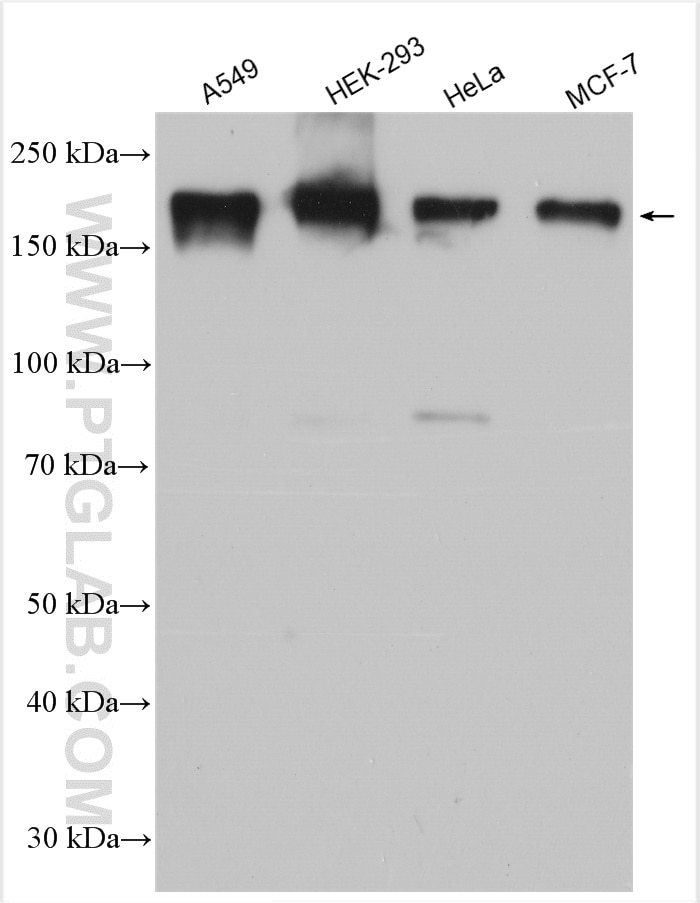
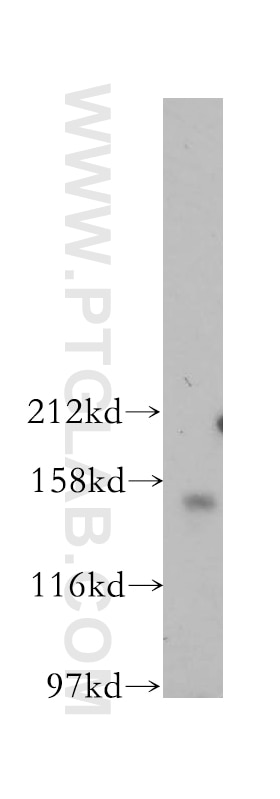
| Positive WB detected in | A549 cells, MCF-7 cells, HEK-293 cells, HeLa cells |
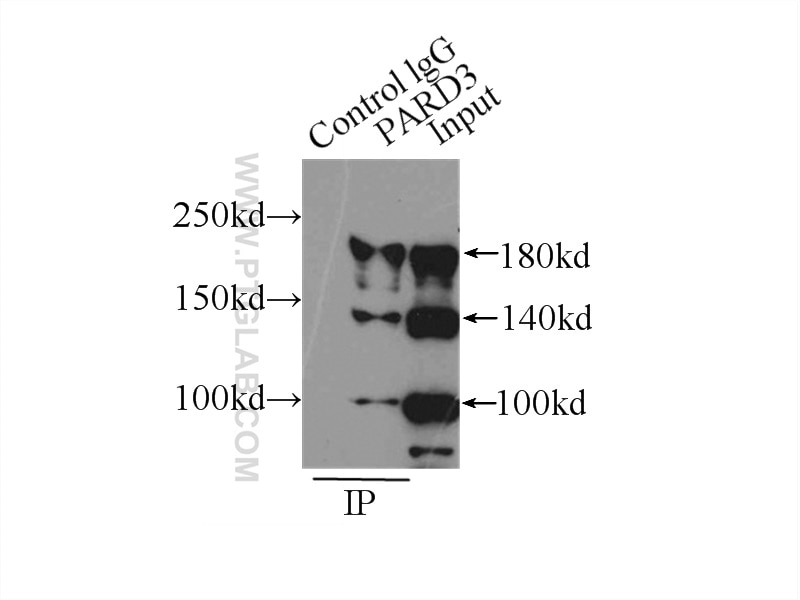
| Positive IP detected in | MCF-7 cells |
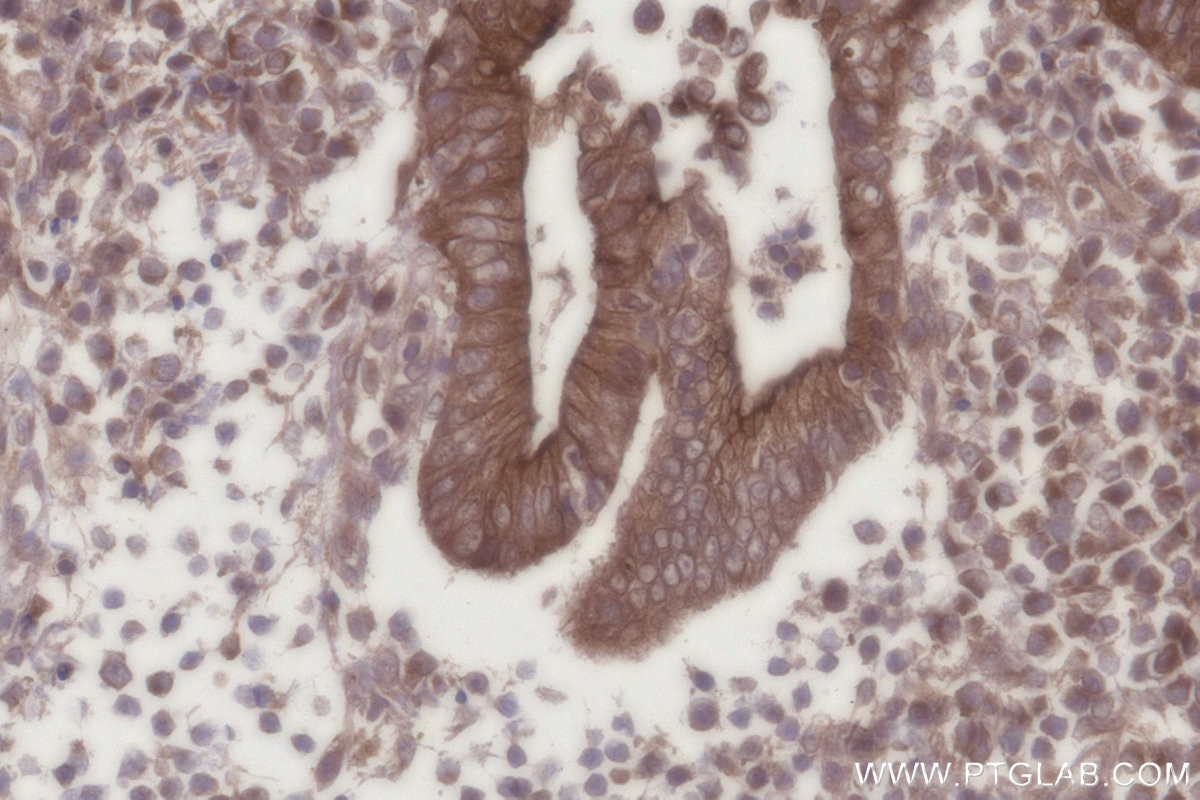
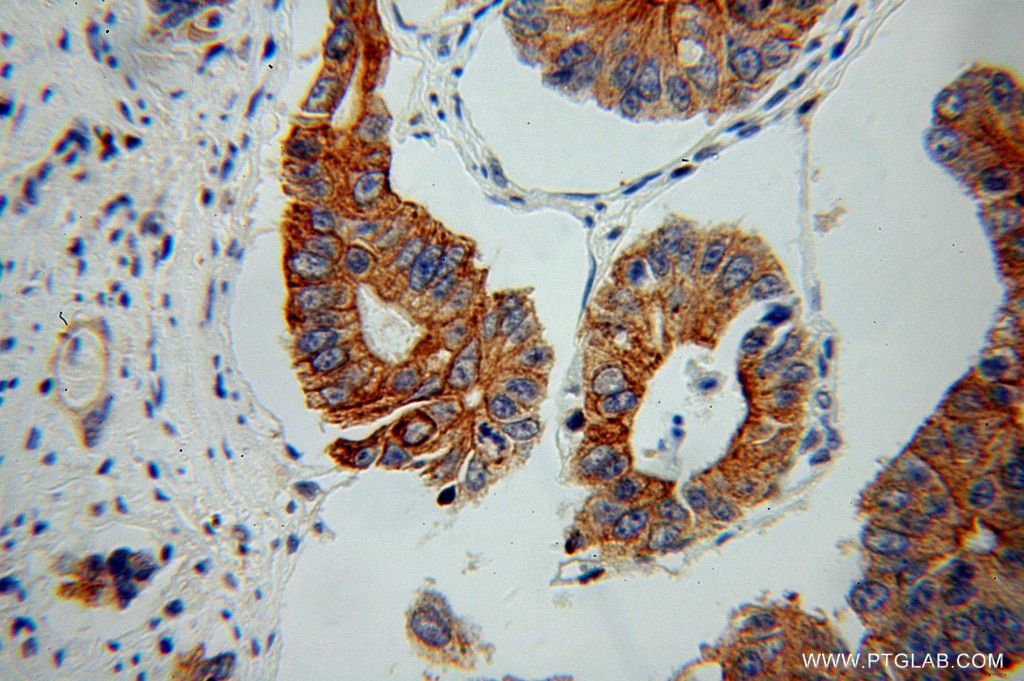
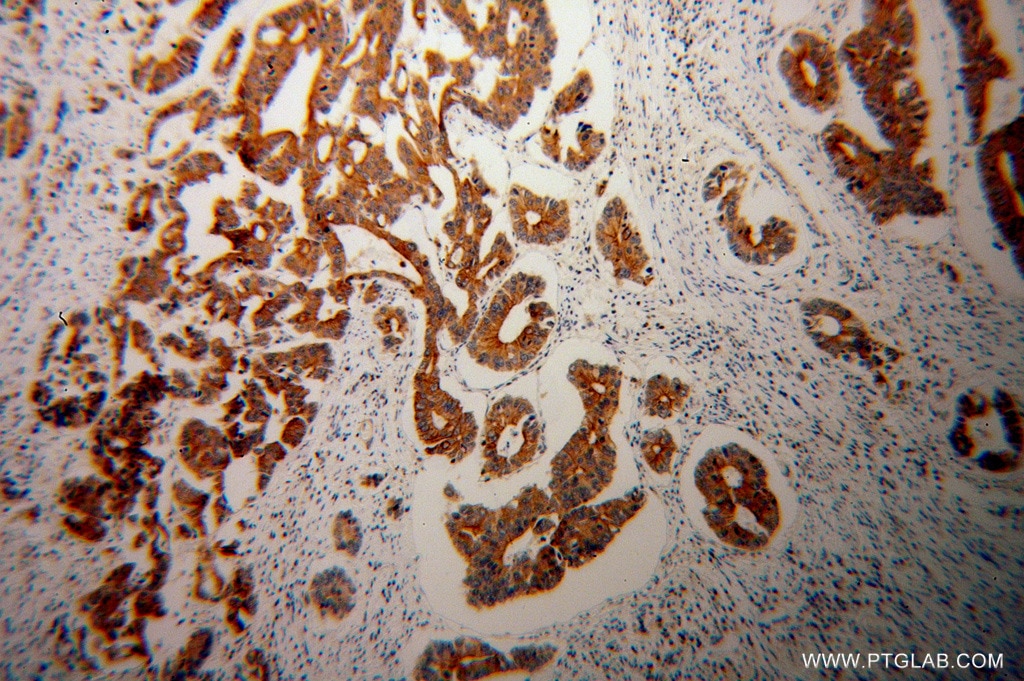
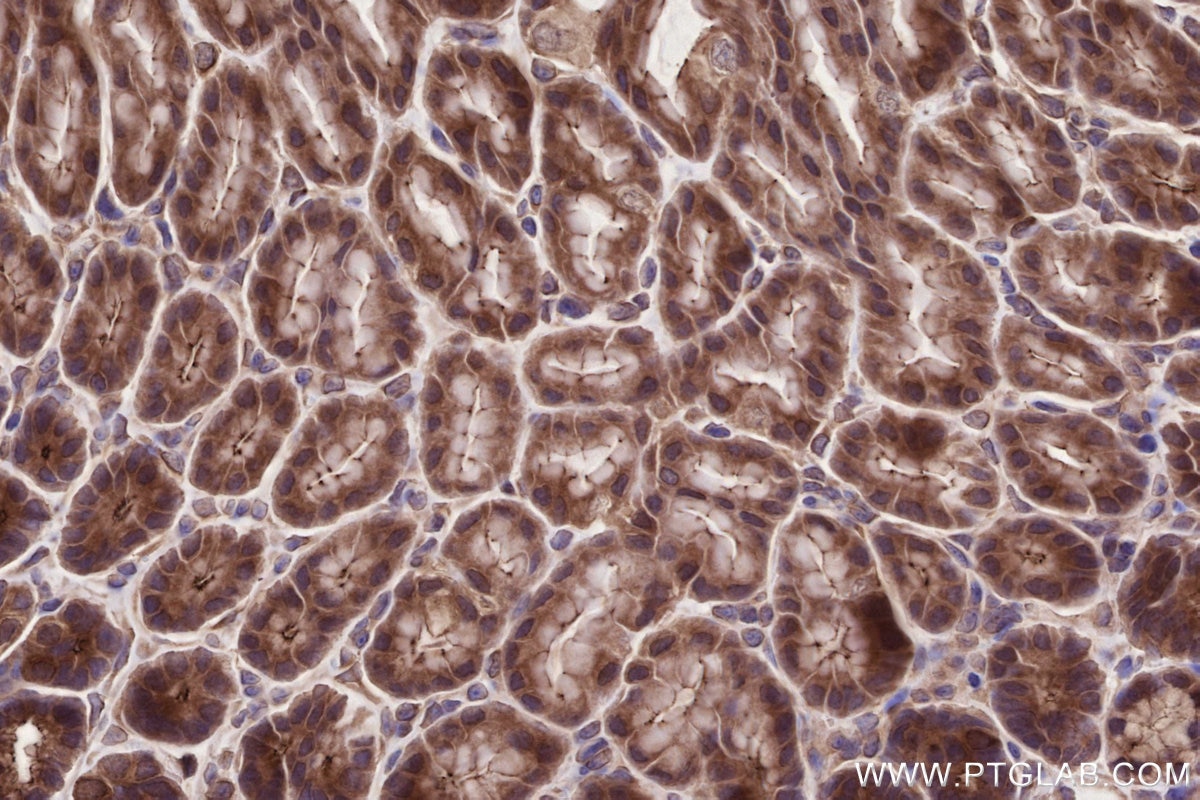
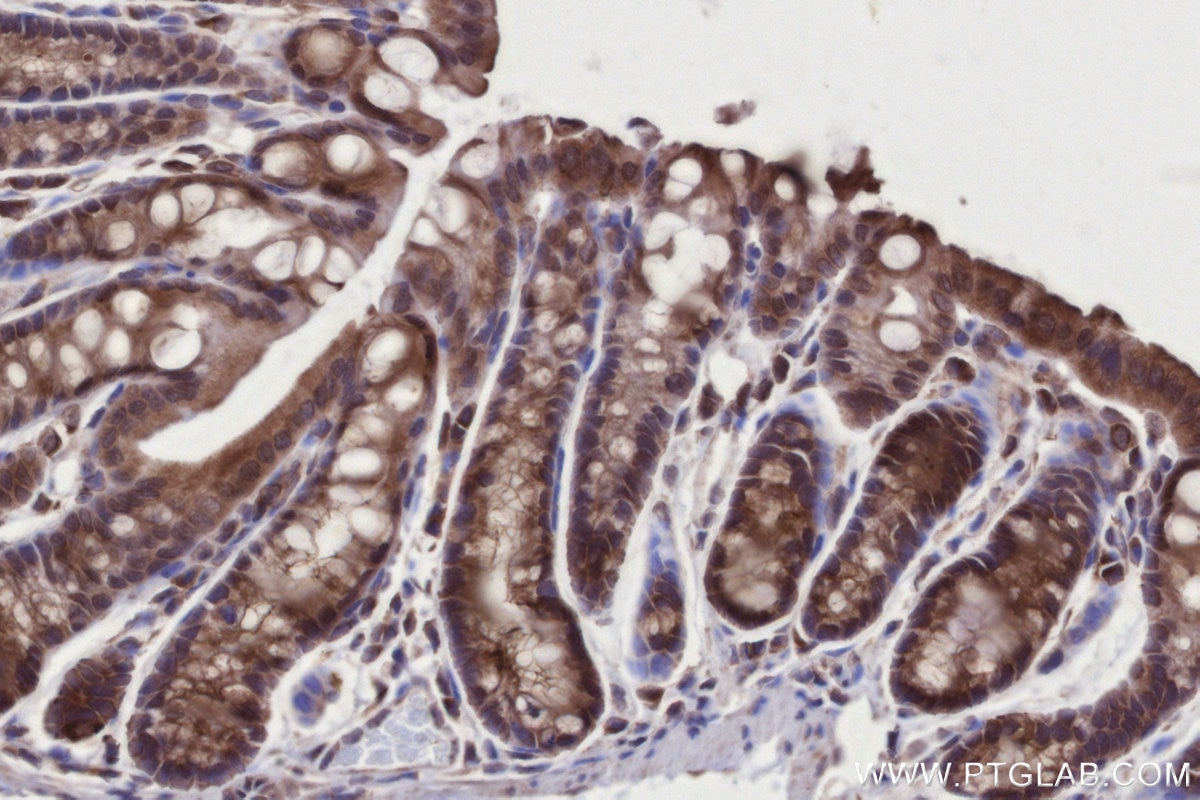
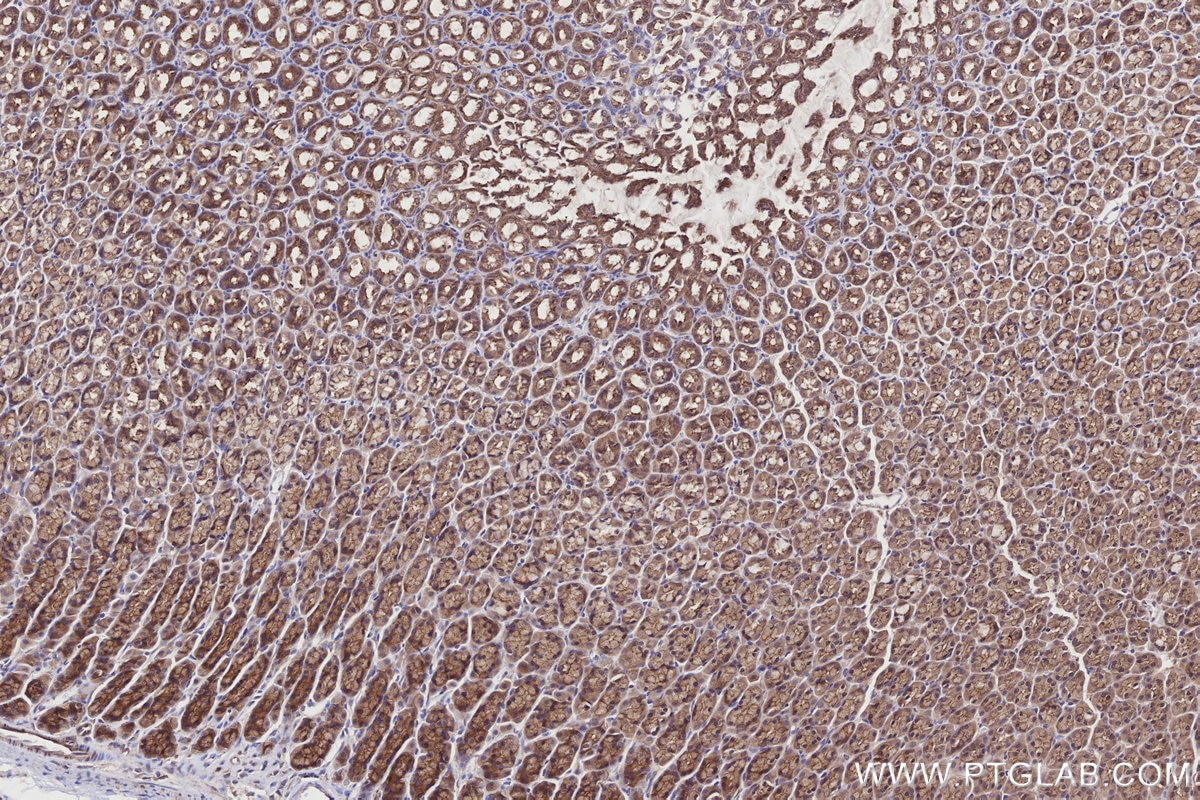
| Positive IHC detected in | human appendicitis tissue, human colon cancer tissue, mouse colon tissue, rat stomach tissue, mouse stomach tissue Note: suggested antigen retrieval with TE buffer pH 9.0; (*) Alternatively, antigen retrieval may be performed with citrate buffer pH 6.0 |
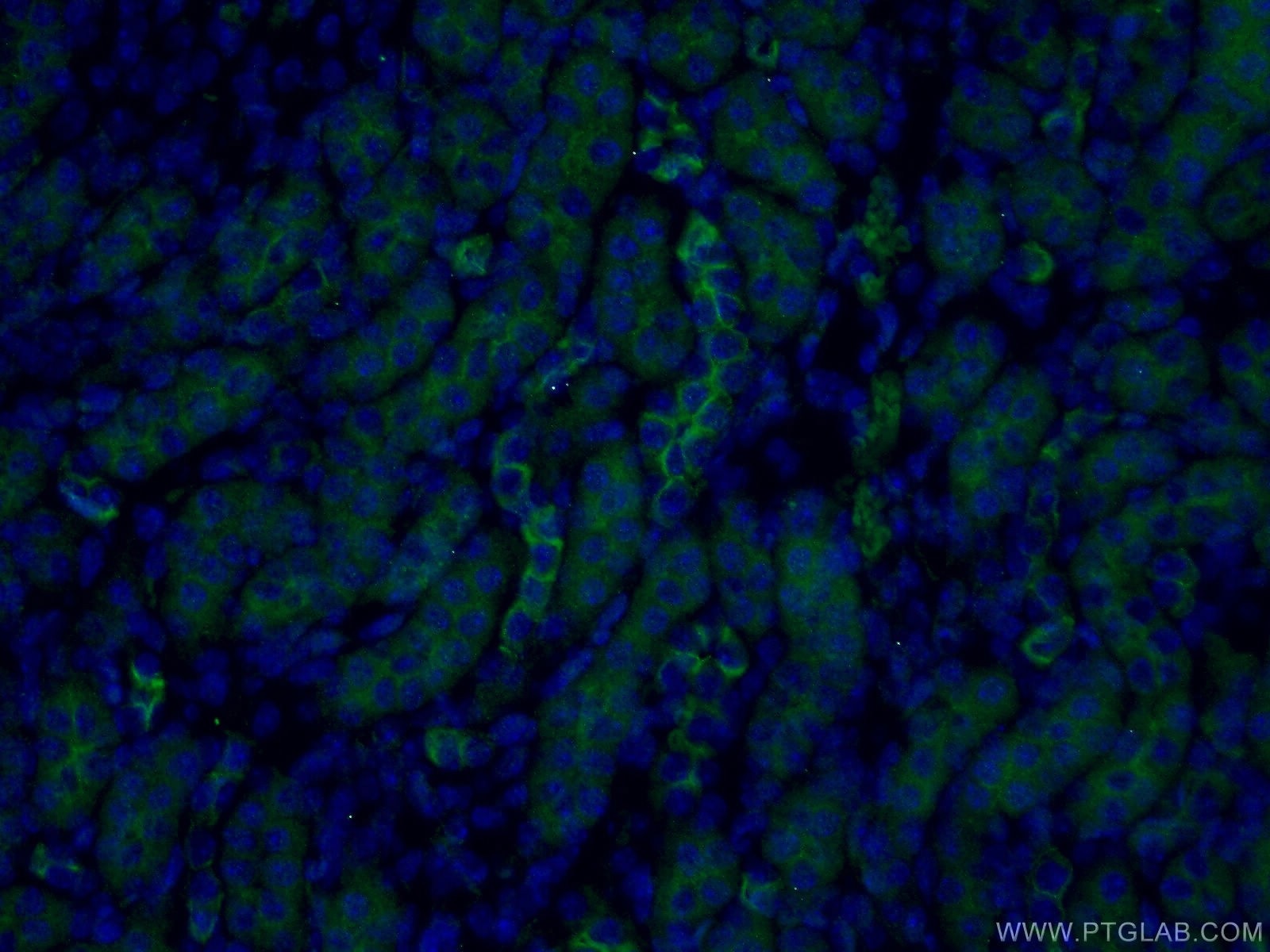
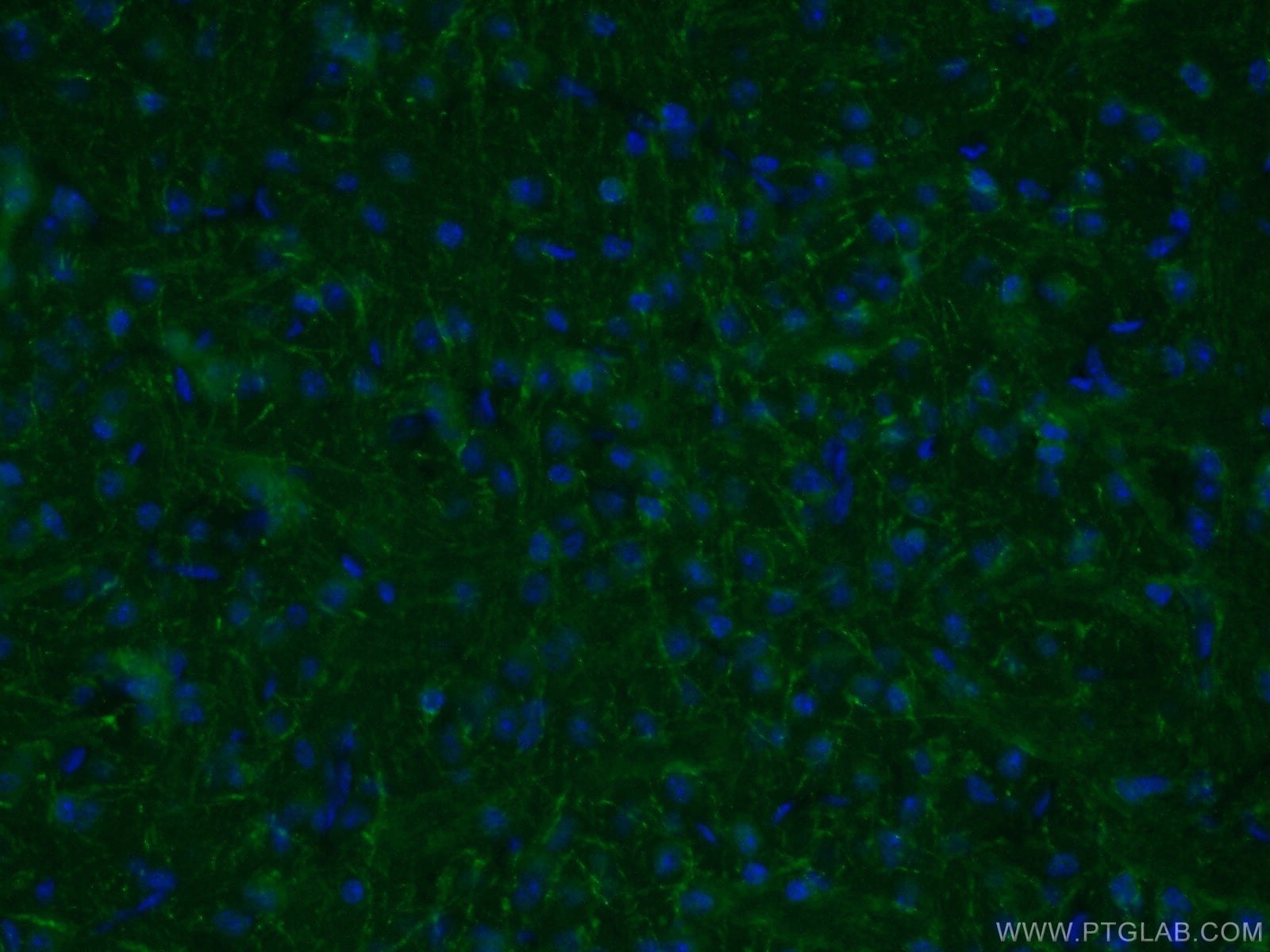
| Positive IF-P detected in | mouse kidney tissue, mouse brain tissue |
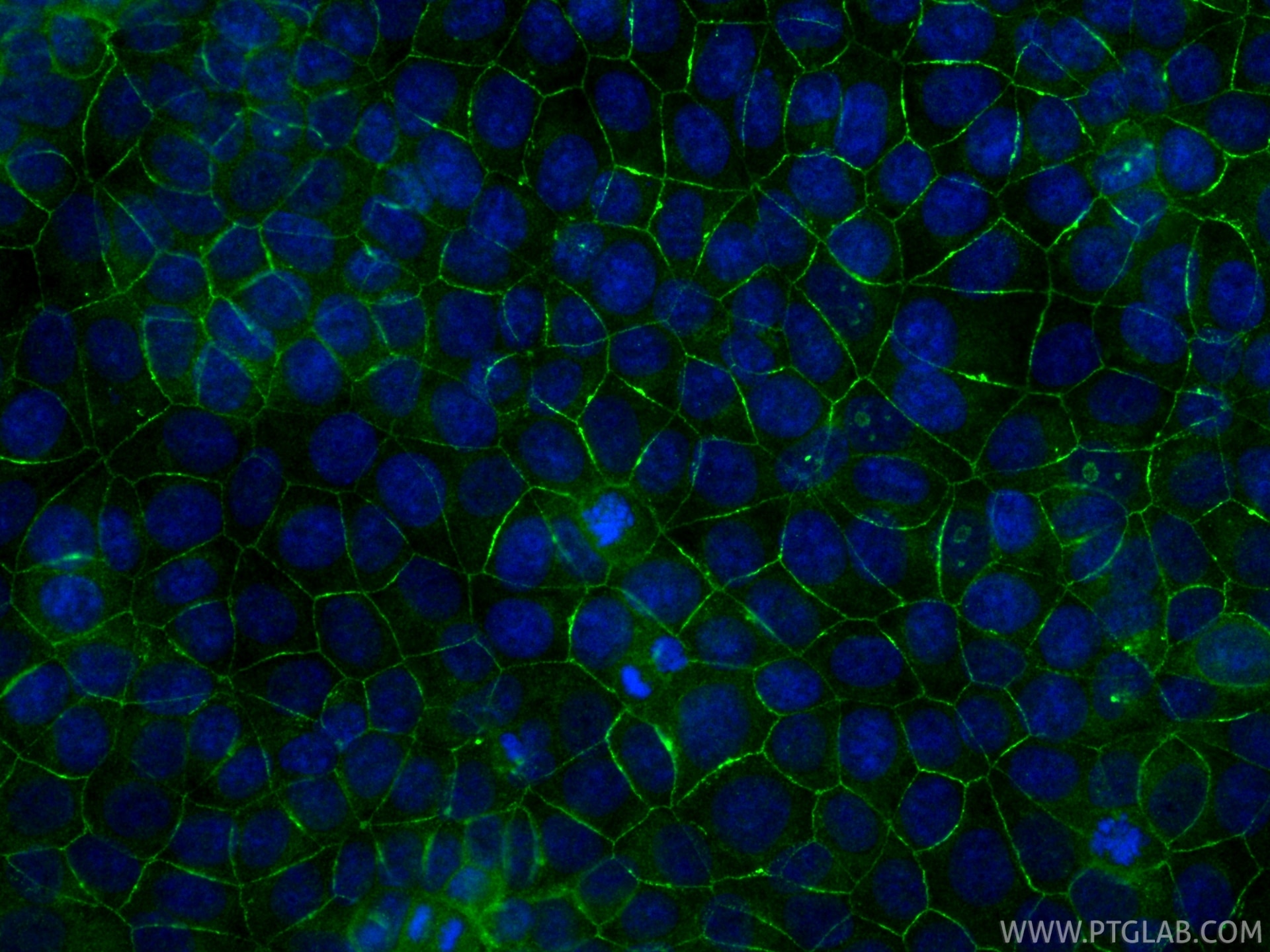
| Positive IF/ICC detected in | MCF-7 cells |
Recommended dilution
| Application | Dilution |
|---|---|
| Western Blot (WB) | WB : 1:2000-1:10000 |
| Immunoprecipitation (IP) | IP : 0.5-4.0 ug for 1.0-3.0 mg of total protein lysate |
| Immunohistochemistry (IHC) | IHC : 1:500-1:2000 |
| Immunofluorescence (IF)-P | IF-P : 1:50-1:500 |
| Immunofluorescence (IF)/ICC | IF/ICC : 1:50-1:500 |
| It is recommended that this reagent should be titrated in each testing system to obtain optimal results. | |
| Sample-dependent, Check data in validation data gallery. | |
Product Information
11085-1-AP targets PARD3 in WB, IHC, IF/ICC, IF-P, IP, CoIP, ELISA applications and shows reactivity with human, mouse, rat samples.
| Tested Reactivity | human, mouse, rat |
| Cited Reactivity | human, mouse, rat, chicken |
| Host / Isotype | Rabbit / IgG |
| Class | Polyclonal |
| Type | Antibody |
| Immunogen |
CatNo: Ag1565 Product name: Recombinant human PARD3 protein Source: e coli.-derived, PGEX-4T Tag: GST Domain: 217-497 aa of BC011711 Sequence: RERDYAEIQDFHRTFGCDDELMYGGVSSYEGSMALNARPQSPREGHMMDALYAQVKKPRNSKPSPVDSNRSTPSNHDRIQRLRQEFQQAKQDEDVEDRRRTYSFEQPWPNARPATQSGRHSVSVEVQMQRQRQEERESSQQAQRQYSSLPRQSRKNASSVSQDSWEQNYSPGEGFQSAKENPRYSSYQGSRNGYLGGHGFNARVMLETQELLRQEQRRKEQQMKKQPPSEGPSNYDSYKKVQDPSYAPPKGPFRQDVPPSPSQVARLNRLQTPEKGRPFYS Predict reactive species |
| Full Name | par-3 partitioning defective 3 homolog (C. elegans) |
| Calculated Molecular Weight | 151 kDa |
| Observed Molecular Weight | 180 kDa, 140-150 kDa, 100 kDa |
| GenBank Accession Number | BC011711 |
| Gene Symbol | PARD3 |
| Gene ID (NCBI) | 56288 |
| RRID | AB_2159649 |
| Conjugate | Unconjugated |
| Form | Liquid |
| Purification Method | Antigen affinity purification |
| UNIPROT ID | Q8TEW0 |
| Storage Buffer | PBS with 0.02% sodium azide and 50% glycerol, pH 7.3. |
| Storage Conditions | Store at -20°C. Stable for one year after shipment. Aliquoting is unnecessary for -20oC storage. 20ul sizes contain 0.1% BSA. |
Background Information
PARD3 (also known as ASIP, Par3, or Bazooka) is one of PARD proteins which are essential for asymmetric cell division and polarized growth. PARD3 is involved in the establishment of cell polarity and in the asymmetric cytokinesis. It plays a role in tight junctions at epithelial cell-cell contacts. PARD3 has three splice isoforms at 100 kDa, 150 kDa, and 180 kDa. This polyclonal antibody raised against C-terminal 281 amino acids of human PARD3 recognizes these three isoforms.
Protocols
| Product Specific Protocols | |
|---|---|
| IF protocol for PARD3 antibody 11085-1-AP | Download protocol |
| IHC protocol for PARD3 antibody 11085-1-AP | Download protocol |
| IP protocol for PARD3 antibody 11085-1-AP | Download protocol |
| WB protocol for PARD3 antibody 11085-1-AP | Download protocol |
| Standard Protocols | |
|---|---|
| Click here to view our Standard Protocols |
Publications
What published studies show
Able is busy answering your previous question. Please try again later.
| Species | Application | Title |
|---|---|---|
Adv Mater m6 A Reader YTHDF1-Targeting Engineered Small Extracellular Vesicles for Gastric Cancer Therapy via Epigenetic and Immune Regulation | ||
J Exp Clin Cancer Res PARD3 drives tumorigenesis through activating Sonic Hedgehog signalling in tumour-initiating cells in liver cancer | ||
Cell Rep Med Patient-derived kidney organoids recapitulate ADPKD and facilitate the identification of Rho pathway inhibitors as candidate therapeutics. | ||
Cell Rep Med Decoding the pathogenesis of spermatogenic failure in cryptorchidism through single-cell transcriptomic profiling | ||
Cell Commun Signal Syndecan-4/PAR-3 signaling regulates focal adhesion dynamics in mesenchymal cells. |
Reviews
What customers say
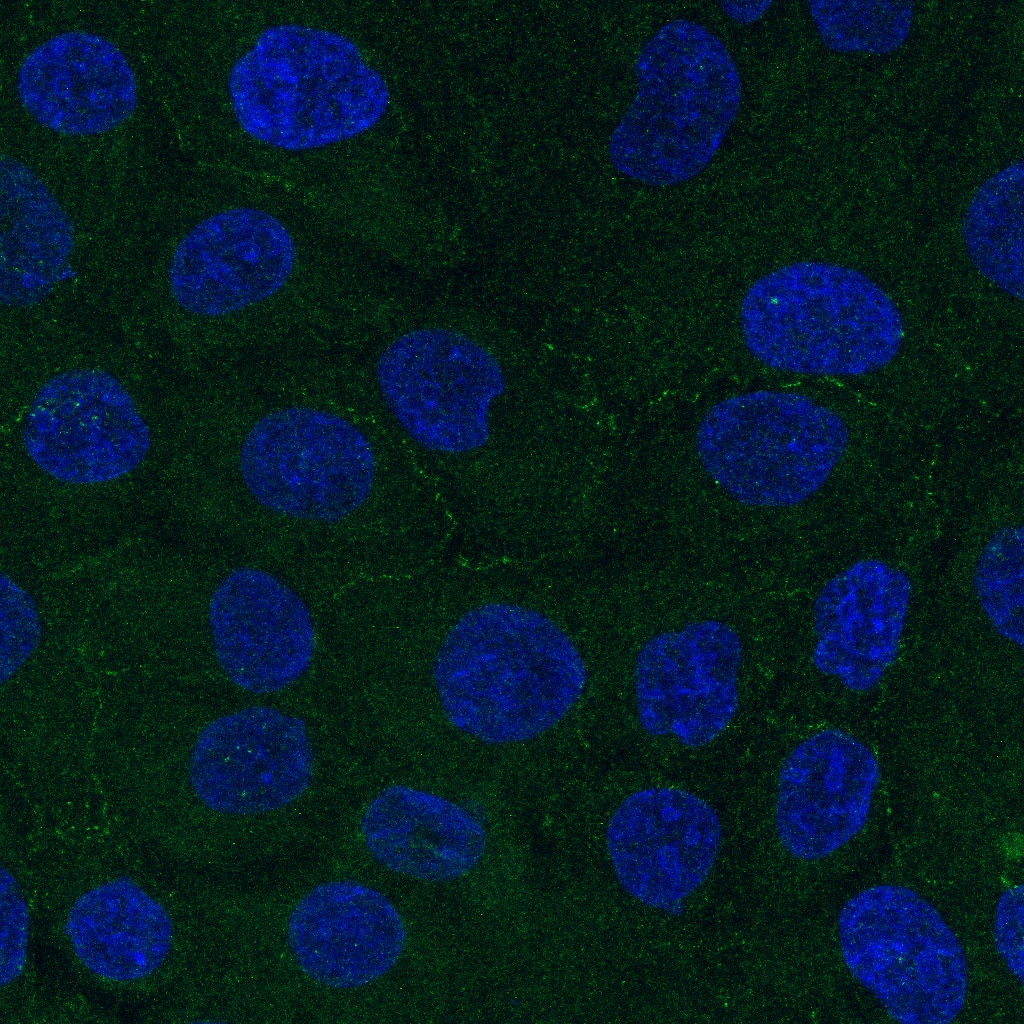
Customers report mixed results. One user (3/5) found the antibody effective for Western blot at 1:500 on HCT116 cells but unsuccessful for immunofluorescence. Another user (4/5) achieved good WB results at 1:1000 on MCF10A cells, though IF staining at 1:200 was notably weak. Overall, the antibody performs reliably for Western blot but shows limited sensitivity in immunofluorescence applications.
The reviews below have been submitted by verified Proteintech customers who received an incentive for providing their feedback.
Gabrielle (Verified Customer) (10-08-2026) | Worked well for WB but not for IF
|
Sarah (Verified Customer) (06-26-2019) | Western blot: Total cell lysate (15 ug) was resolved on a 4-12% Bis-Tris gel and transferred to nitrocellulose membrane. Membrane was incubated in blocking buffer (5% milk/0.1% Tween-20) for 1h. Membrane was incubated with anti-PARD-3 in blocking buffer (1:1000) at 4C overnight. After washing, membrane was incubated in anti-rabbit-HRP in blocking bufffer (1:3000) for 1h at room temperature. Protein was detected using ECL reagent and imaged on a chemiluminescence detection system.Immunofluorescence: Cells fixed in MeOH at -20 degrees were stained with 1:200 primary antibody. After washing, coverslips were incubated in 1:500 AF488 secondary antibody. Following mounting, images were acquired using a confocal microscope. Staining was very weak, as is seen by the image (Green = PARD3, Blue = Hoescht)
 |

