


Tested Applications
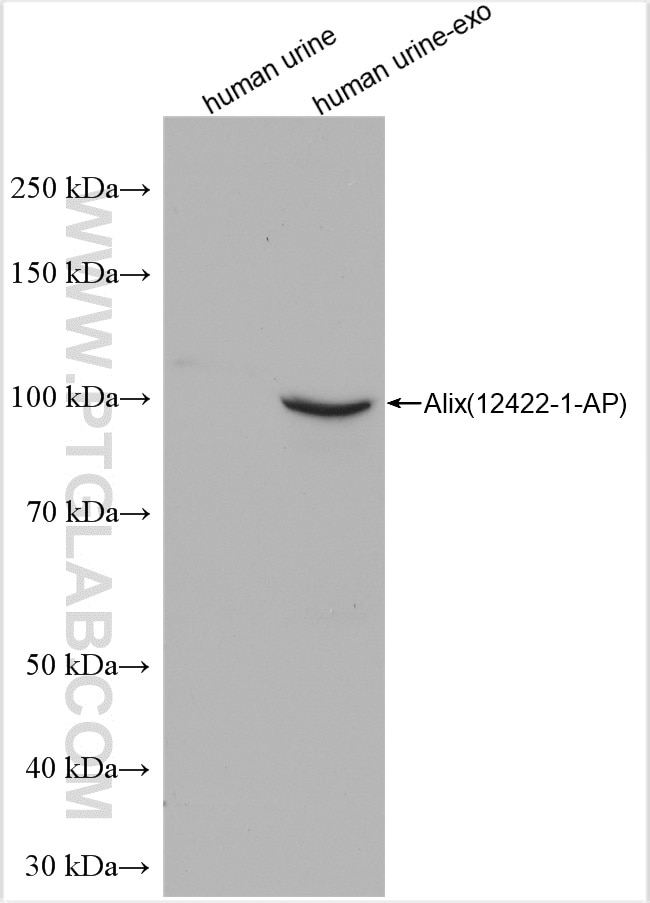
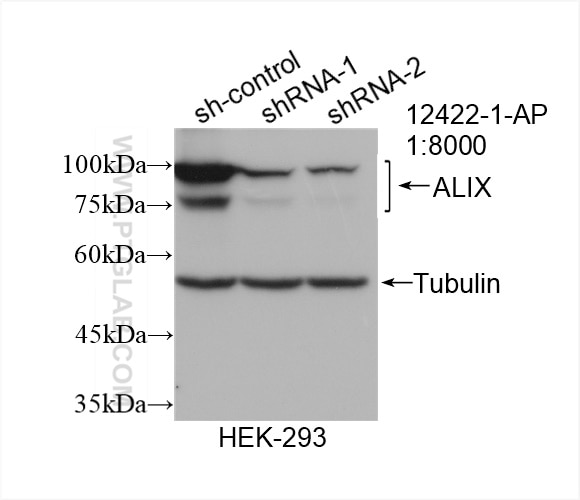
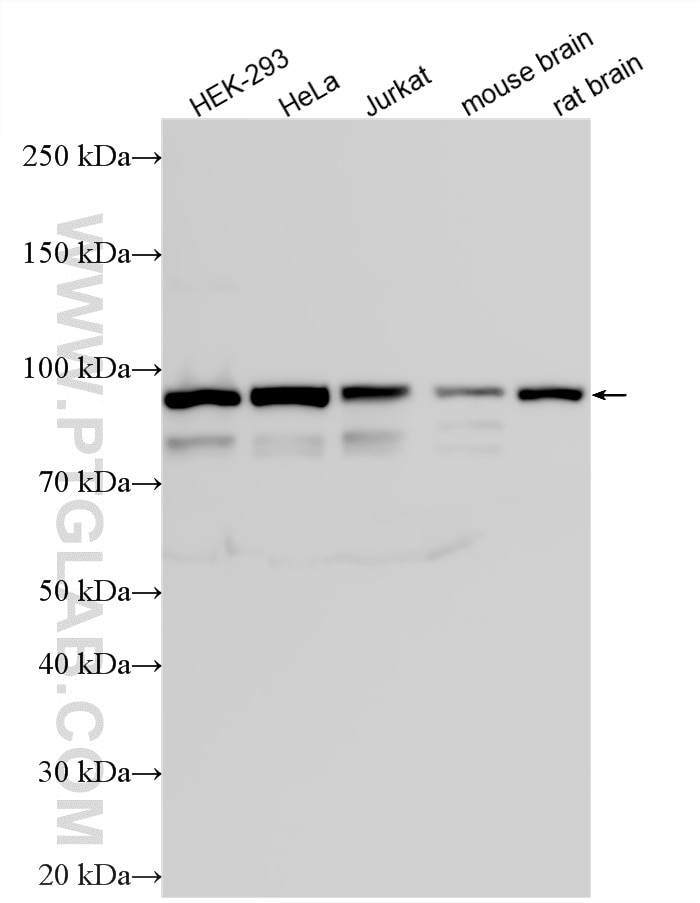
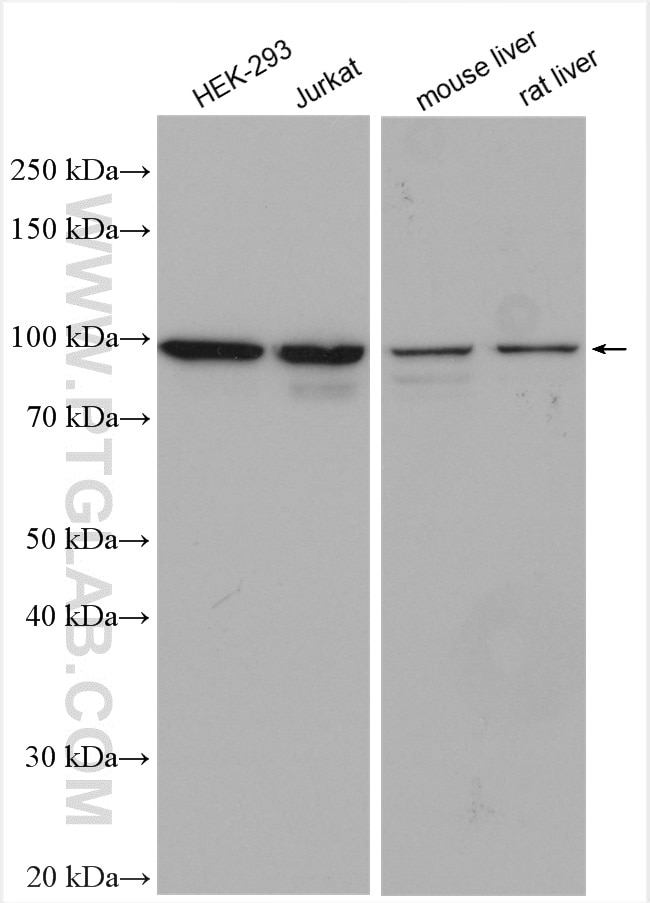
| Positive WB detected in | HEK-293 cells, human urine exosomes tissue, Jurkat cells, mouse liver tissue, rat liver tissue, HeLa cells, mouse brain tissue, rat brain tissue |
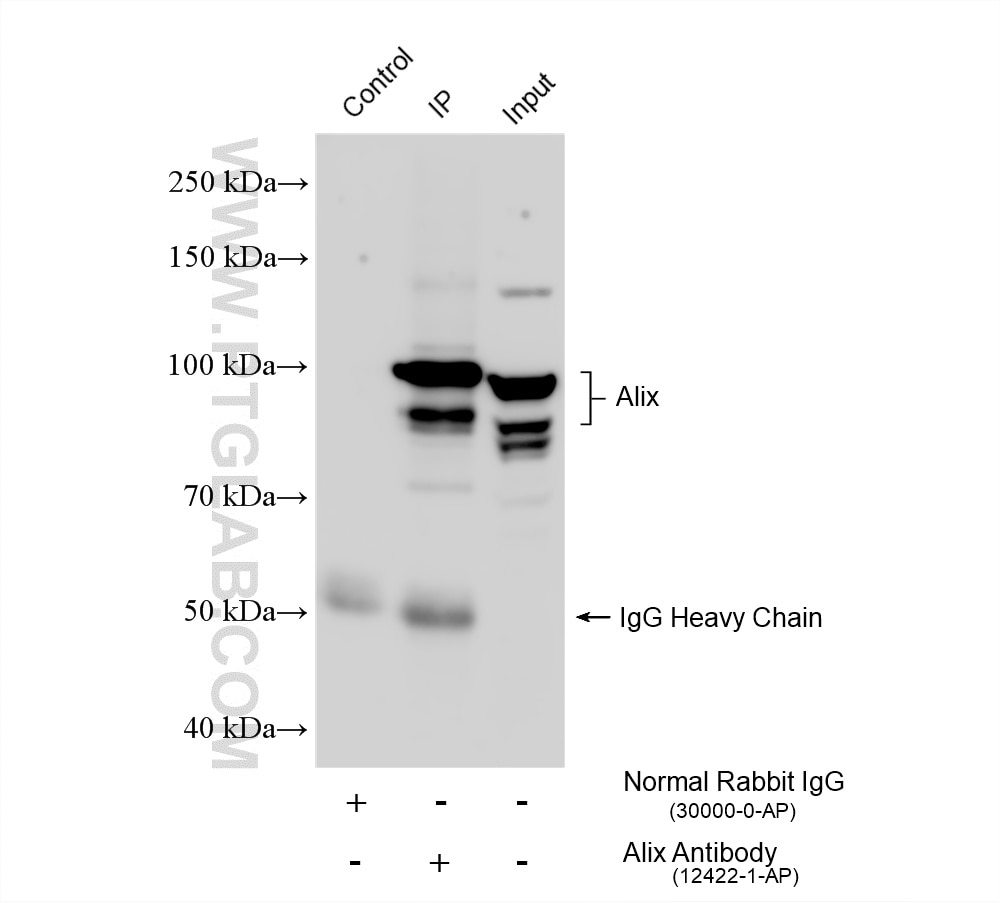
| Positive IP detected in | HeLa cells |
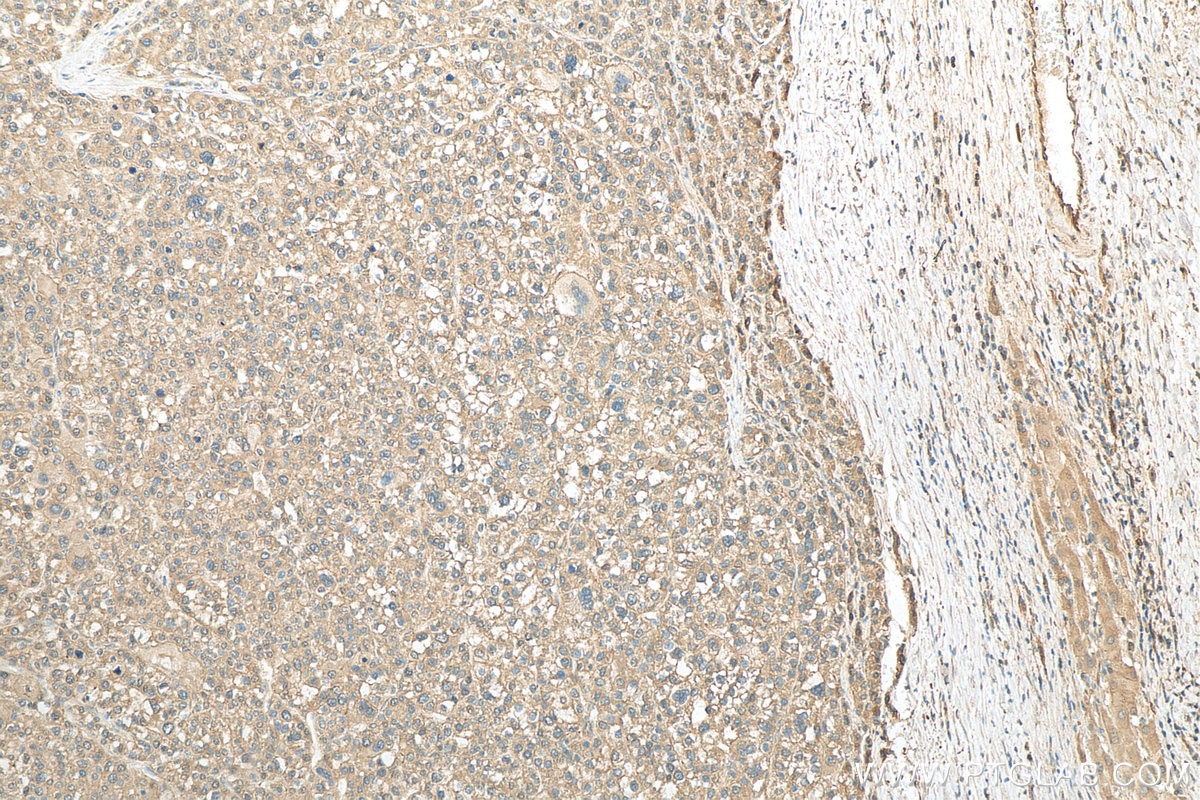
| Positive IHC detected in | human liver cancer tissue, human colon tissue Note: suggested antigen retrieval with TE buffer pH 9.0; (*) Alternatively, antigen retrieval may be performed with citrate buffer pH 6.0 |
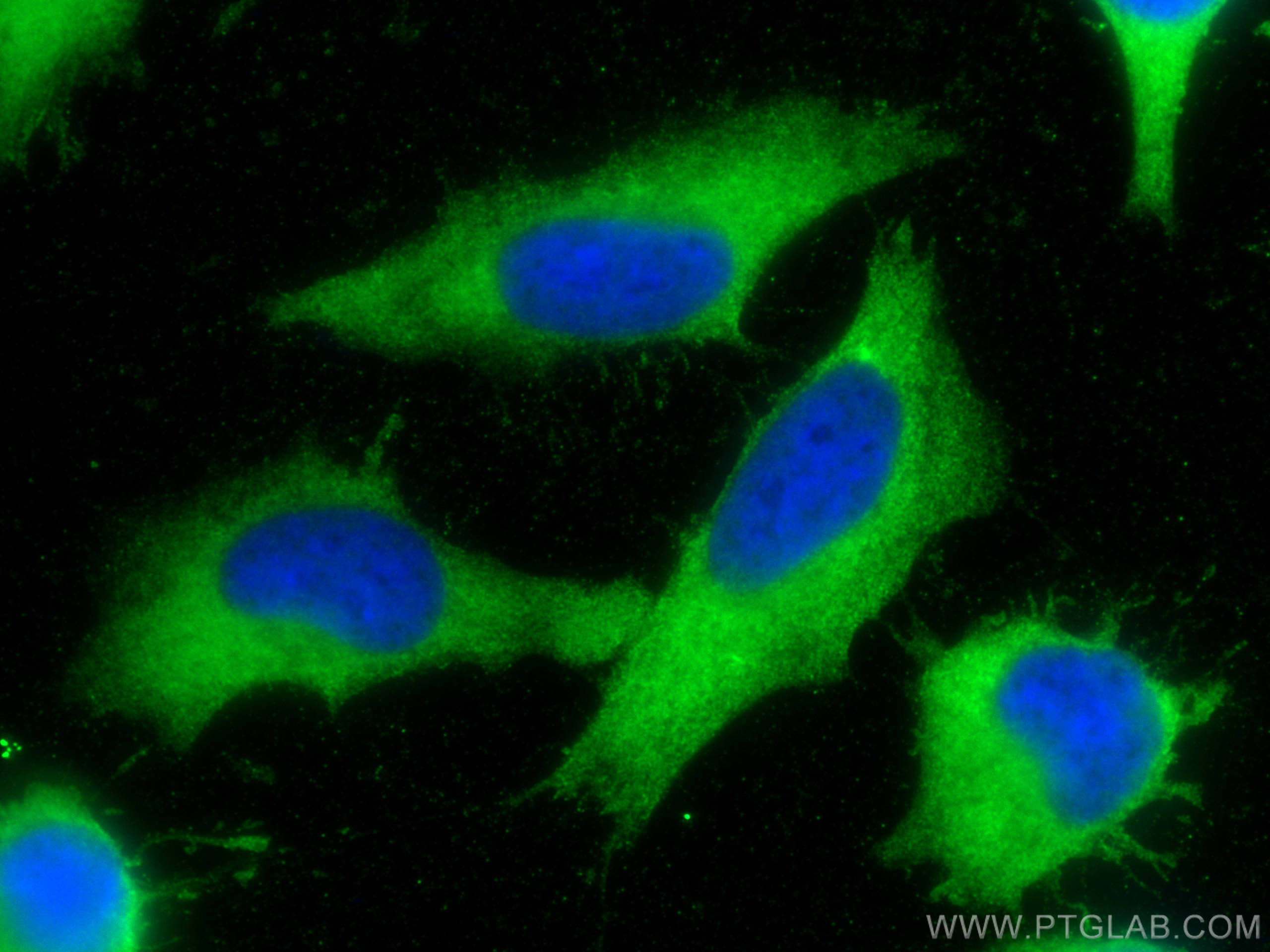
| Positive IF/ICC detected in | HeLa cells |
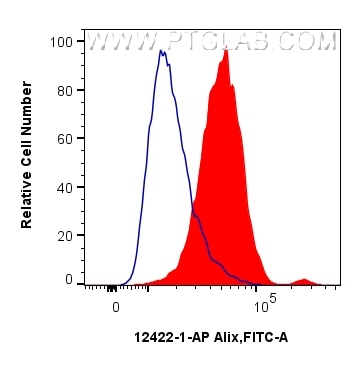
| Positive FC (Intra) detected in | HeLa cells |
Recommended dilution
| Application | Dilution |
|---|---|
| Western Blot (WB) | WB : 1:5000-1:60000 |
| Immunoprecipitation (IP) | IP : 0.5-4.0 ug for 1.0-3.0 mg of total protein lysate |
| Immunohistochemistry (IHC) | IHC : 1:50-1:500 |
| Immunofluorescence (IF)/ICC | IF/ICC : 1:200-1:800 |
| Flow Cytometry (FC) (INTRA) | FC (INTRA) : 0.25 ug per 10^6 cells in a 100 ul suspension |
| It is recommended that this reagent should be titrated in each testing system to obtain optimal results. | |
| Sample-dependent, Check data in validation data gallery. | |
Product Information
12422-1-AP targets Alix in WB, IHC, IF/ICC, IP, CoIP, ELISA applications and shows reactivity with human, mouse, rat samples.
| Tested Reactivity | human, mouse, rat |
| Cited Reactivity | human, mouse, rat, pig, rabbit, canine, monkey, hamster |
| Host / Isotype | Rabbit / IgG |
| Class | Polyclonal |
| Type | Antibody |
| Immunogen |
CatNo: Ag3074 Product name: Recombinant human ALIX; AIP1 protein Source: e coli.-derived, PGEX-4T Tag: GST Domain: 515-868 aa of BC020066 Sequence: SHRDTIVLLCKPEPELNAAIPSANPAKTMQGSEVVNVLKSLLSNLDEVKKEREGLENDLKSVNFDMTSKFLTALAQDGVINEEALSVTELDRVYGGLTTKVQESLKKQEGLLKNIQVSHQEFSKMKQSNNEANLREEVLKNLATAYDNFVELVANLKEGTKFYNELTEILVRFQNKCSDIVFARKTERDELLKDLQQSIAREPSAPSIPTPAYQSSPAGGHAPTPPTPAPRTMPPTKPQPPARPPPPVLPANRAPSATAPSPVGAGTAAPAPSQTPGSAPPPQAQGPPYPTYPGYPGYCQMPMPMGYNPYAYGQYNMPYPPVYHQSPGQAPYPGPQQPSYPFPQPPQQSYYPQQ Predict reactive species |
| Full Name | programmed cell death 6 interacting protein |
| Calculated Molecular Weight | 868 aa, 96 kDa |
| Observed Molecular Weight | 75-100 kDa |
| GenBank Accession Number | BC020066 |
| Gene Symbol | Alix |
| Gene ID (NCBI) | 10015 |
| RRID | AB_2162467 |
| Conjugate | Unconjugated |
| Form | Liquid |
| Purification Method | Antigen affinity purification |
| UNIPROT ID | Q8WUM4 |
| Storage Buffer | PBS with 0.02% sodium azide and 50% glycerol, pH 7.3. |
| Storage Conditions | Store at -20°C. Stable for one year after shipment. Aliquoting is unnecessary for -20oC storage. 20ul sizes contain 0.1% BSA. |
Background Information
ALG-2-interacting protein 1 (ALIX), also known as AIP1 or Hp95, is encoded by PDCD6IP gene and is involved in cell death through mechanisms involving its binding partner ALG-2 (apoptosis-linked gene-2). ALG-2 is a 22-kDa protein containing five serially repetitive EF-hand structures and is defined as a regulator of calcium-induced apoptosis following endoplasmic reticulum (ER) stress. ALIX interacts with ALG-2 through its C-terminal proline-rich region and participates in formation of multivesicular bodies. Recent finding suggest that ALIX is a critical component of caspase 9 activation and apoptosis triggered by calcium. The alix antibody recognizes an additional band of 75-80 kDa which has also been observed in cells and exosomes.
Protocols
| Product Specific Protocols | |
|---|---|
| FC protocol for Alix antibody 12422-1-AP | Download protocol |
| IF protocol for Alix antibody 12422-1-AP | Download protocol |
| IHC protocol for Alix antibody 12422-1-AP | Download protocol |
| IP protocol for Alix antibody 12422-1-AP | Download protocol |
| WB protocol for Alix antibody 12422-1-AP | Download protocol |
| Standard Protocols | |
|---|---|
| Click here to view our Standard Protocols |
Publications
What published studies show
The Alix Polyclonal Antibody (12422-1-AP) has 398 total citations. It appears in over 100 journals, including high-impact titles such as Nature, Science, Cell Metabolism, Nature Communications, Cell Research, Immunity, Signal Transduction & Targeted Therapy, Autophagy, Cancer Research, and many others. The research spans extracellular vesicles/exosomes biogenesis and function, cancer biology and metastasis, autophagy and endosomal trafficking, immunology and inflammation, as well as regenerative medicine, wound healing, neuroscience and neurological disorders.
| Species | Application | Title |
|---|---|---|
Signal Transduct Target Ther Elaiophylin triggers paraptosis and preferentially kills ovarian cancer drug-resistant cells by inducing MAPK hyperactivation | ||
Signal Transduct Target Ther GRP75 triggers white adipose tissue browning to promote cancer-associated cachexia | ||
Science Multiscale photocatalytic proximity labeling reveals cell surface neighbors on and between cells | ||
Cell Metab Extracellular vesicles from obese visceral adipose promote pancreatic cancer development and resistance to immune checkpoint blockade therapy. | ||
Cell Metab Arachidonic acid triggers spermidine synthase secretion from primary tumor to induce skeletal muscle weakness upon irradiation |
Reviews
What customers say
Able is busy answering your previous question. Please try again later.
The reviews below have been submitted by verified Proteintech customers who received an incentive for providing their feedback.
Sai Sindhura (Verified Customer) (01-08-2026) | Alix antibody works good
|
Sonam (Verified Customer) (12-09-2025) | Highly recommend. Even works at higher dilution ( 1:3000). Proteintech antibodies are good.
|
Kamal (Verified Customer) (02-15-2024) | Strong bands appeared between 70 and 100 kDa.
|
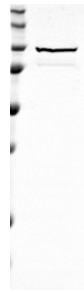
Guorong (Verified Customer) (03-22-2022) | Excellent performance with a specific band of expected size
 |
Susmita (Verified Customer) (02-11-2022) | all antibodies from Proteintech works great for me
|
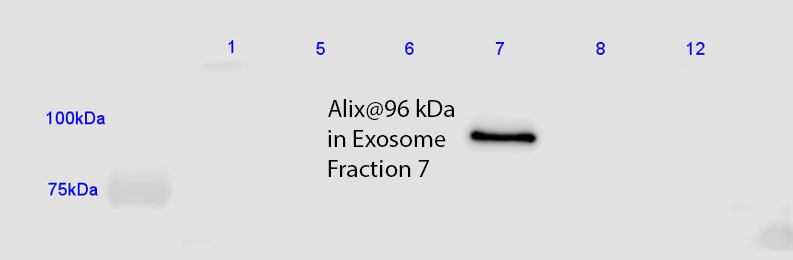
Jorge (Verified Customer) (05-15-2019) | Gave a very strong signal using the lowest recommended antibody dilution for Western Blot, diluted it to 1:2000 and worked just as well with a low protein detection substrate. Detected exosomes in fraction 7 of a sucrose gradient as expected.
 |


