

Tested Applications
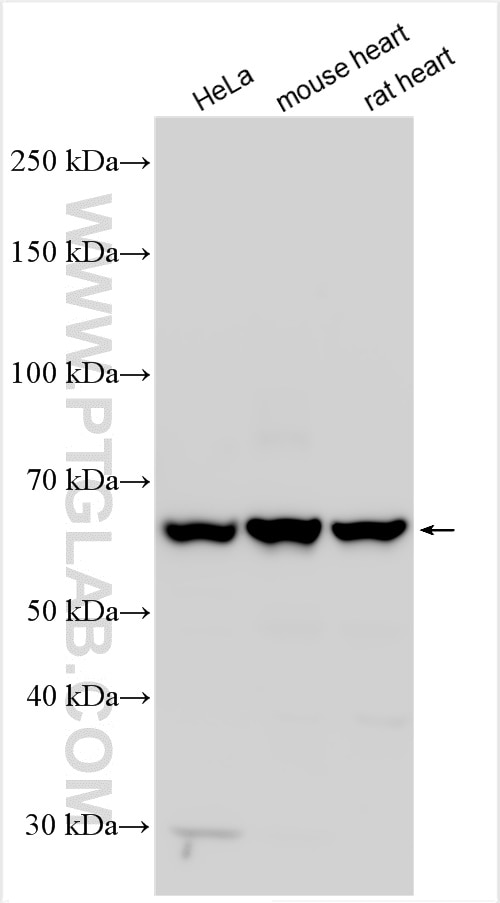
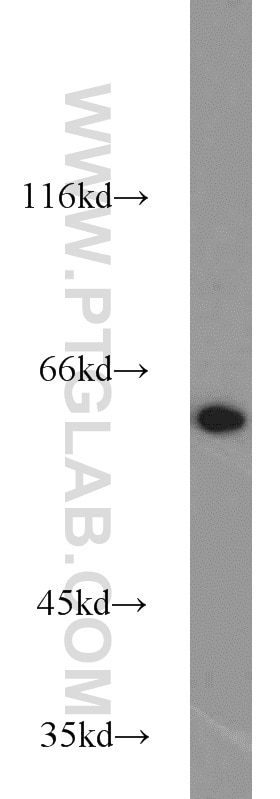
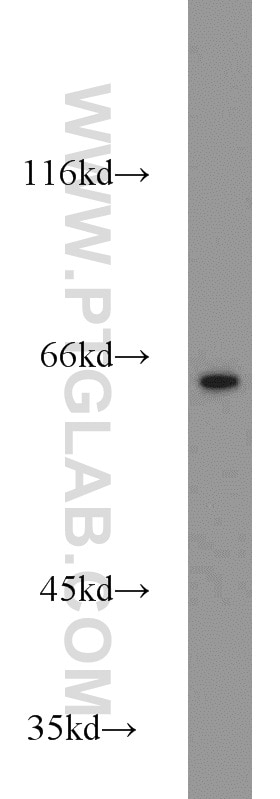
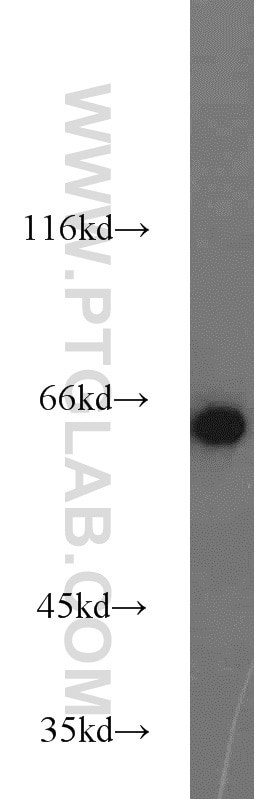
| Positive WB detected in | HeLa cells, mouse skin tissue, HEK-293 cells, Jurkat cells, mouse heart tissue, rat heart tissue |
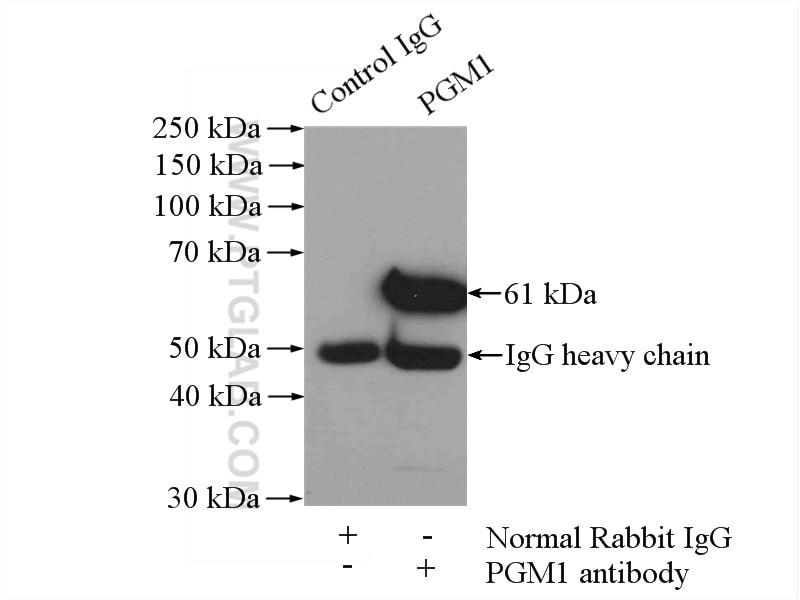
| Positive IP detected in | mouse skin tissue |
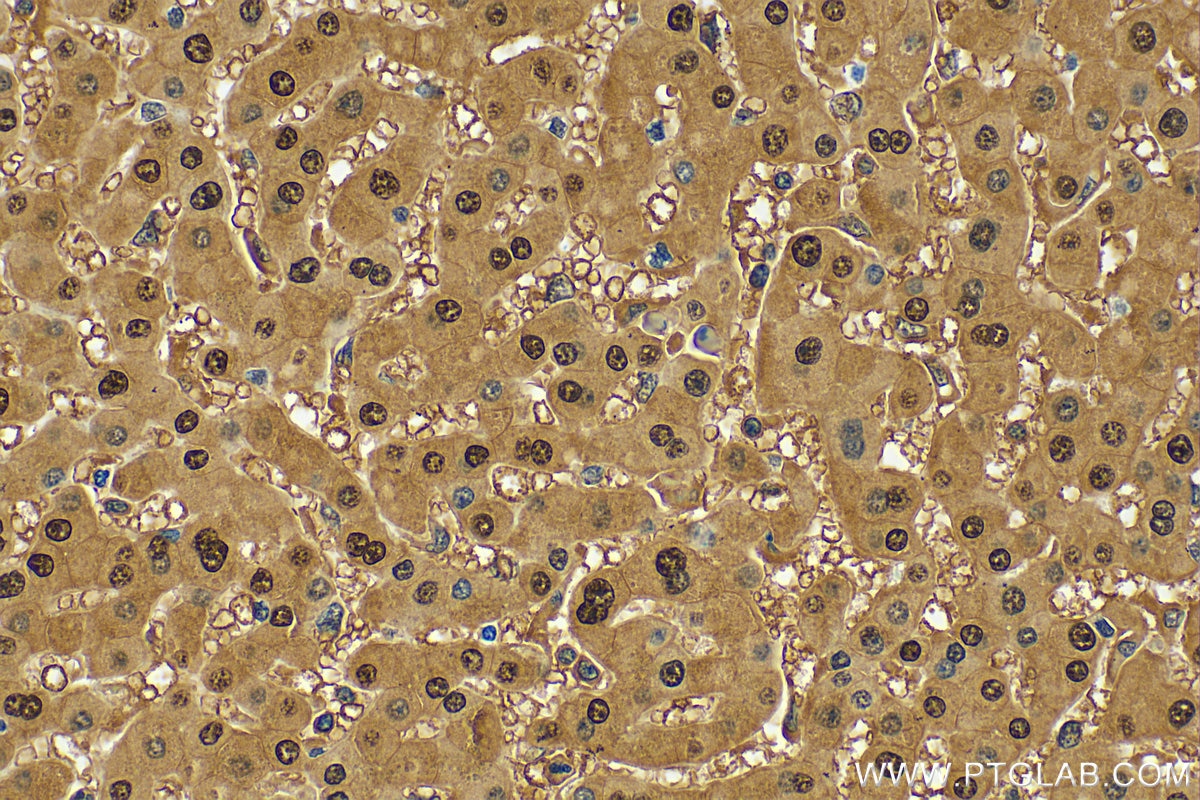
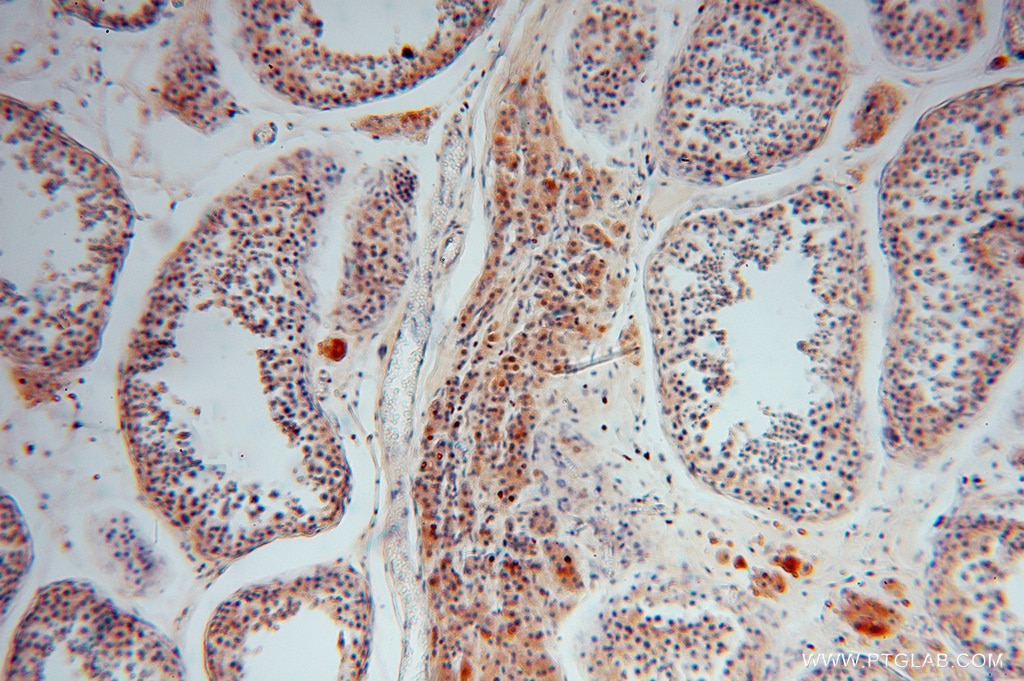
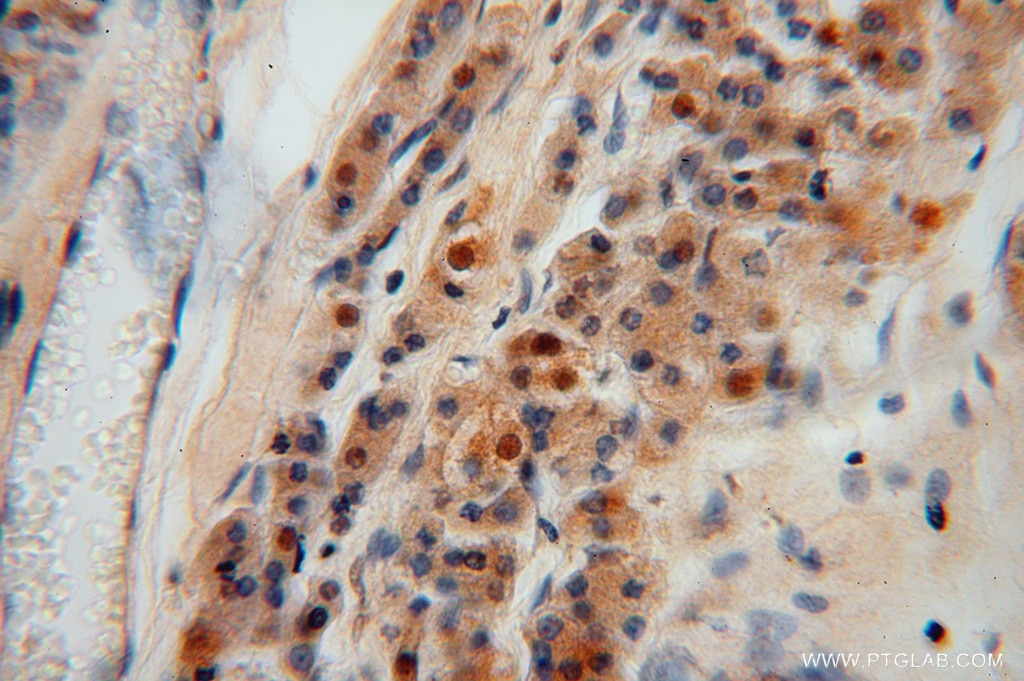
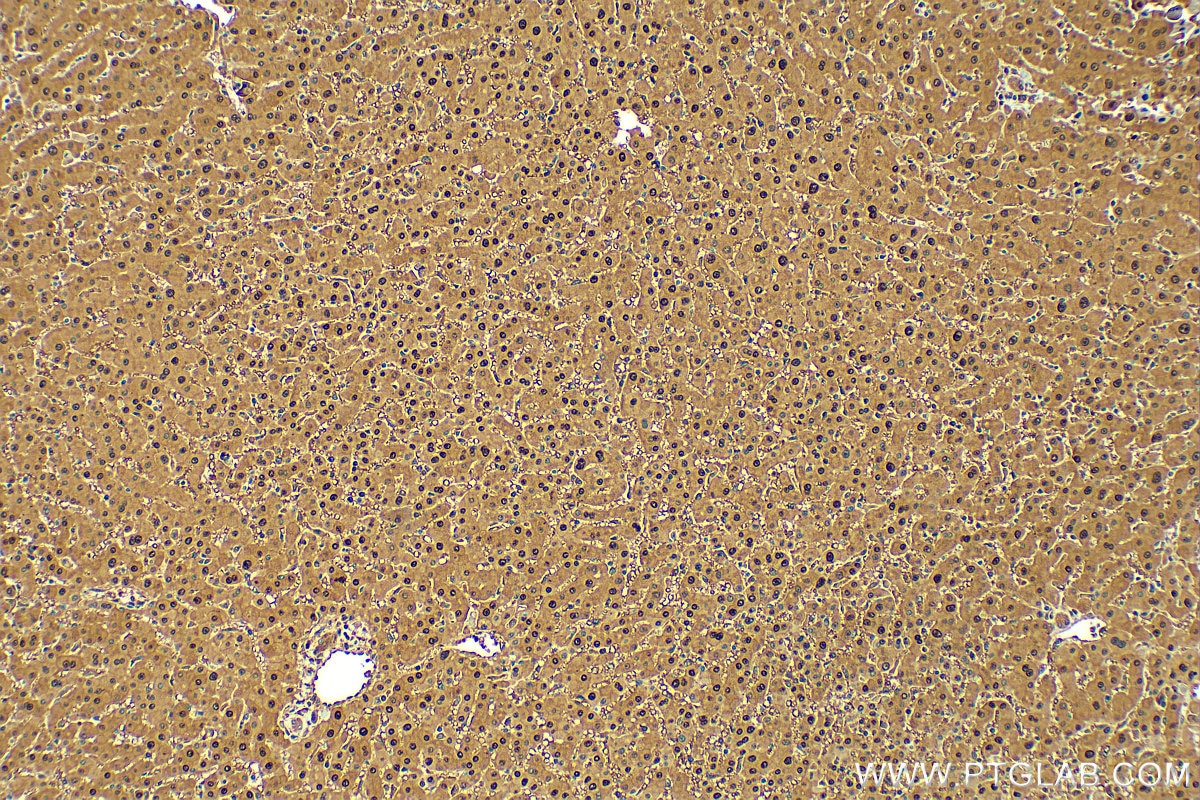
| Positive IHC detected in | human hepatocirrhosis tissue, human testis tissue Note: suggested antigen retrieval with TE buffer pH 9.0; (*) Alternatively, antigen retrieval may be performed with citrate buffer pH 6.0 |
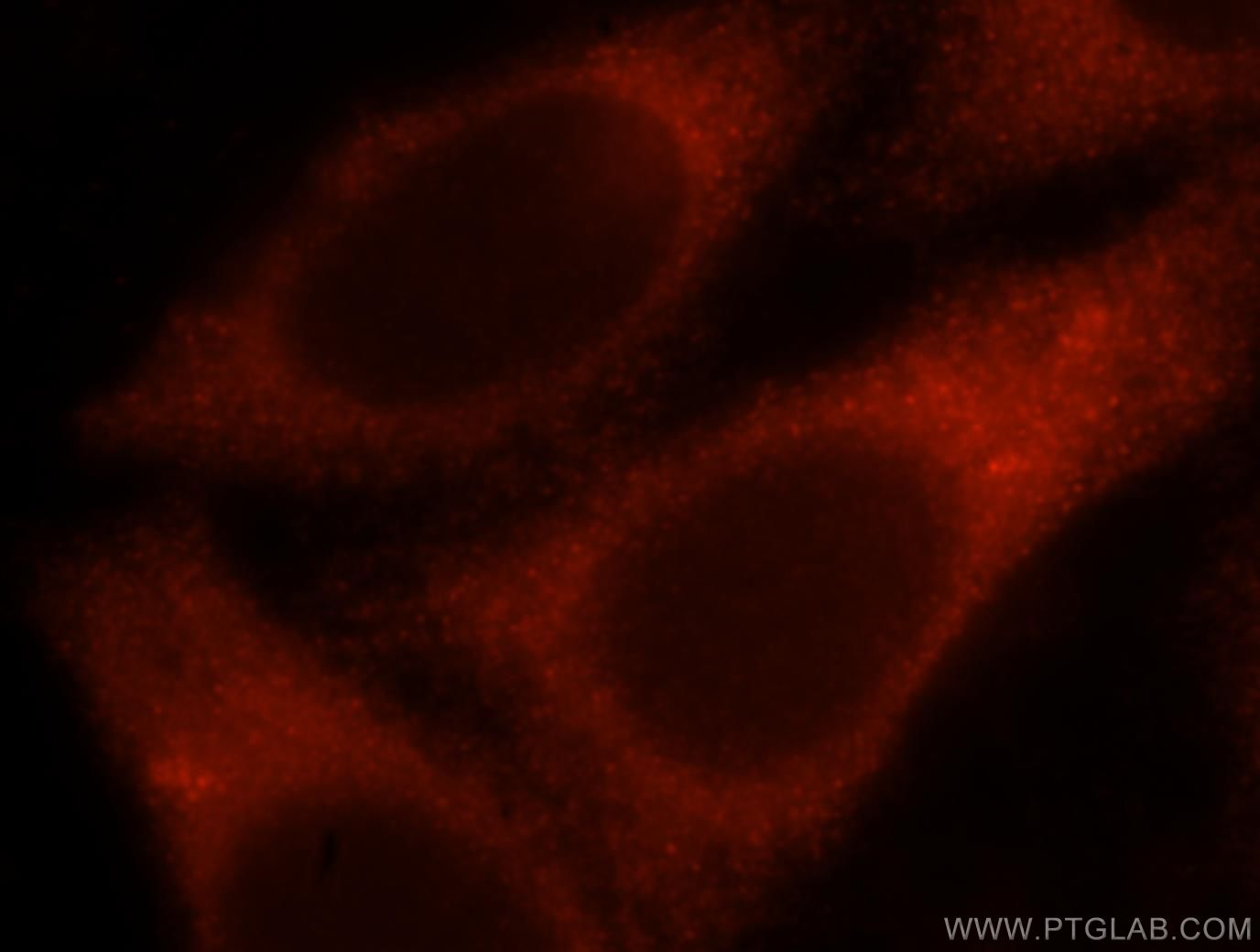
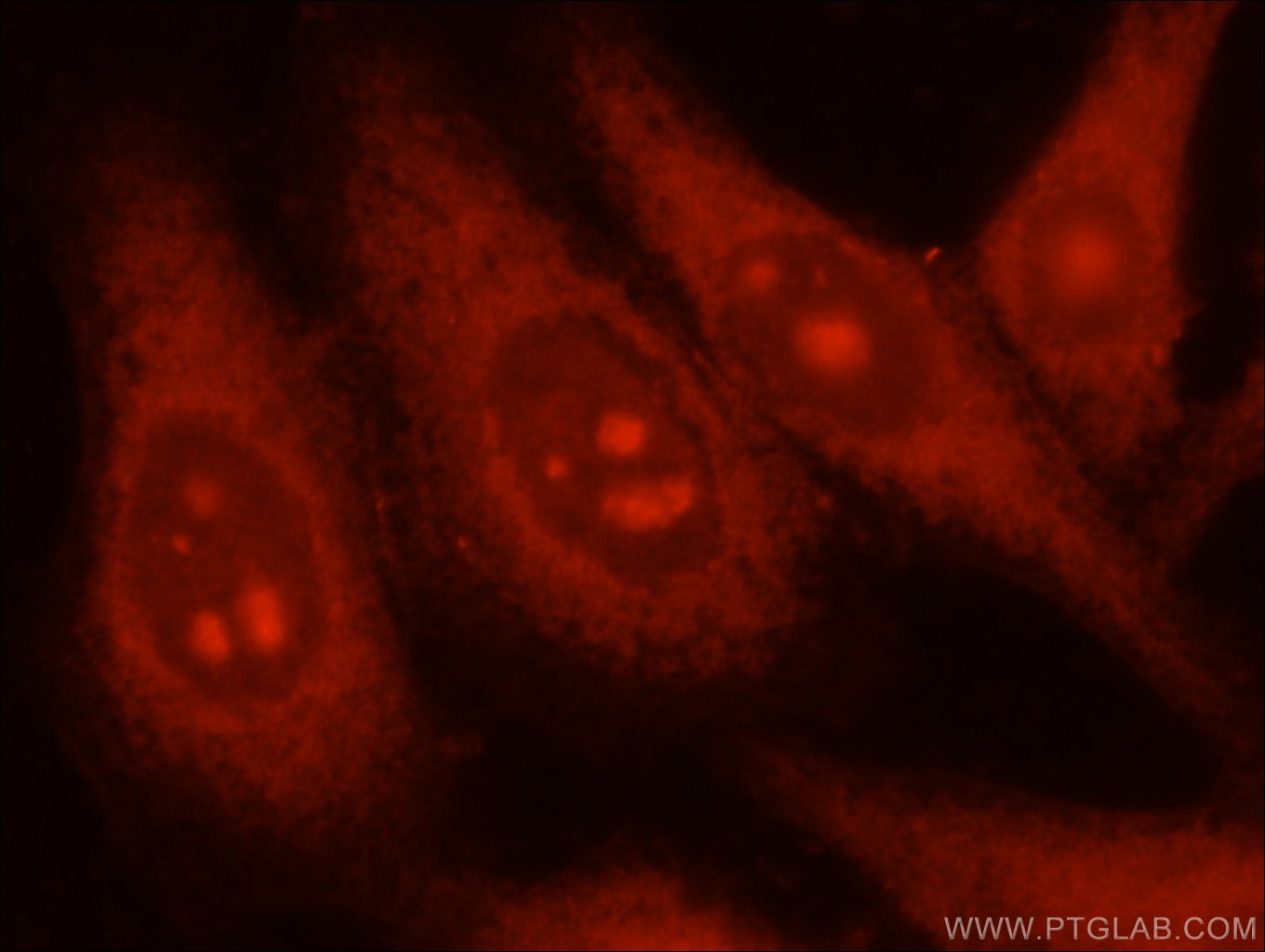
| Positive IF/ICC detected in | HepG2 cells |
Recommended dilution
| Application | Dilution |
|---|---|
| Western Blot (WB) | WB : 1:2000-1:16000 |
| Immunoprecipitation (IP) | IP : 0.5-4.0 ug for 1.0-3.0 mg of total protein lysate |
| Immunohistochemistry (IHC) | IHC : 1:400-1:1600 |
| Immunofluorescence (IF)/ICC | IF/ICC : 1:20-1:200 |
| It is recommended that this reagent should be titrated in each testing system to obtain optimal results. | |
| Sample-dependent, Check data in validation data gallery. | |
Product Information
15161-1-AP targets PGM1 in WB, IHC, IF/ICC, IP, ELISA applications and shows reactivity with human, mouse, rat samples.
| Tested Reactivity | human, mouse, rat |
| Cited Reactivity | human, mouse, rat |
| Host / Isotype | Rabbit / IgG |
| Class | Polyclonal |
| Type | Antibody |
| Immunogen |
CatNo: Ag7269 Product name: Recombinant human PGM1 protein Source: e coli.-derived, PGEX-4T Tag: GST Domain: 213-562 aa of BC001756 Sequence: SGPNRLKICIDAMHGVVGPYVKKILCEELGAPANSAVNCVPLEDFGGHHPDPNLTYAADLVETMKSGEHDFGAAFDGDGDRNMILGKHGFFVNPSDSVAVIAANIFSIPYFQQTGVRGFARSMPTSGALDRVASATKIALYETPTGWKFFGNLMDASKLSLCGEESFGTGSDHIREKDGLWAVLAWLSILATRKQSVEDILKDHWQKHGRNFFTRYDYEEVEAEGANKMMKDLEALMFDRSFVGKQFSANDKVYTVEKADNFEYSDPVDGSISRNQGLRLIFTDGSRIVFRLSGTGSAGATIRLYIDSYEKDVAKINQDPQVMLAPLISIALKVSQLQERTGRTAPTVIT Predict reactive species |
| Full Name | phosphoglucomutase 1 |
| Calculated Molecular Weight | 61 kDa |
| Observed Molecular Weight | 61 kDa |
| GenBank Accession Number | BC001756 |
| Gene Symbol | PGM1 |
| Gene ID (NCBI) | 5236 |
| RRID | AB_2161415 |
| Conjugate | Unconjugated |
| Form | Liquid |
| Purification Method | Antigen affinity purification |
| UNIPROT ID | P36871 |
| Storage Buffer | PBS with 0.02% sodium azide and 50% glycerol, pH 7.3. |
| Storage Conditions | Store at -20°C. Stable for one year after shipment. Aliquoting is unnecessary for -20oC storage. 20ul sizes contain 0.1% BSA. |
Background Information
PGM1(Phosphoglucomutase-1) is also named as glucose phosphomutase 1 and belongs to the phosphohexose mutase family. It catalyzes the transfer of phosphate between the 1 and 6 positions of glucose. In most cell types, PGM1 isozymes predominate, representing about 90% of total PGM activity. One exception is red cells, where PGM2 is a major isozyme(PMID:8257433). Defects in PGM1 are the cause of glycogen storage disease type 14 (GSD14)(PMID:19625727). It has 2 isoforms produced by alternative splicing.
Protocols
| Product Specific Protocols | |
|---|---|
| IF protocol for PGM1 antibody 15161-1-AP | Download protocol |
| IHC protocol for PGM1 antibody 15161-1-AP | Download protocol |
| IP protocol for PGM1 antibody 15161-1-AP | Download protocol |
| WB protocol for PGM1 antibody 15161-1-AP | Download protocol |
| Standard Protocols | |
|---|---|
| Click here to view our Standard Protocols |
Publications
What published studies show
Able is busy answering your previous question. Please try again later.
| Species | Application | Title |
|---|---|---|
Cell Metab Fibroblasts Mobilize Tumor Cell Glycogen to Promote Proliferation and Metastasis.
| ||
Brain C9orf72 expansion within astrocytes reduces metabolic flexibility in amyotrophic lateral sclerosis. | ||
Cancer Lett Trim21-mediated HIF-1α degradation attenuates aerobic glycolysis to inhibit renal cancer tumorigenesis and metastasis. | ||
J Hazard Mater Integrative proteomics and metabolomics approach to elucidate metabolic dysfunction induced by silica nanoparticles in hepatocytes. | ||
Food Chem Integrative transcriptomic, proteomic and metabolomic analyses yields insights into muscle fiber type in cattle |
Reviews
What customers say
The product received a 5-star rating from a researcher who used it for Western Blot at a 1:1000 dilution on ovarian cancer tissue. The reviewer reported that it "works very well," indicating strong performance and reliability in their application. Overall, the feedback is positive, suggesting the antibody delivers effective results for WB experiments.
The reviews below have been submitted by verified Proteintech customers who received an incentive for providing their feedback.
Patricia (Verified Customer) (02-25-2020) | Works very well.
|

