

Tested Applications
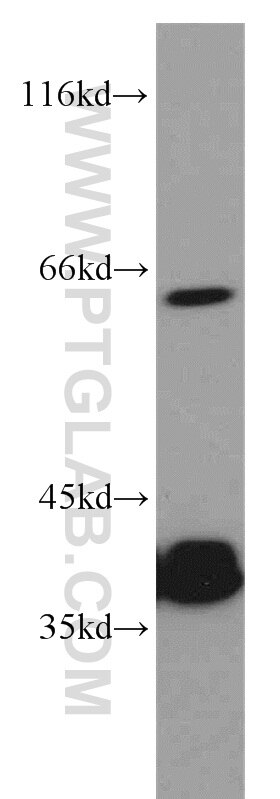
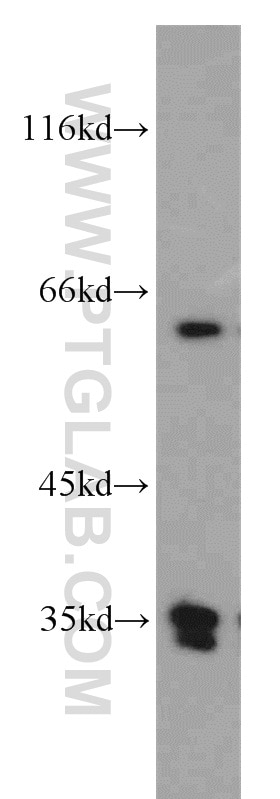
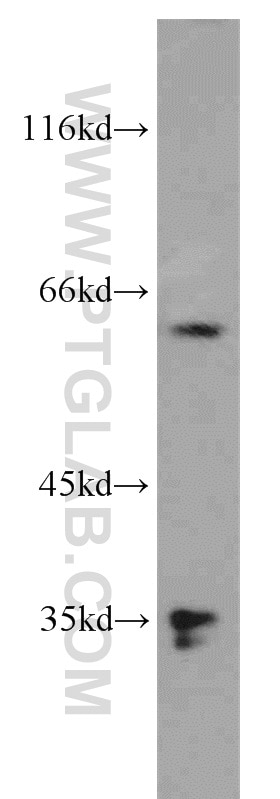
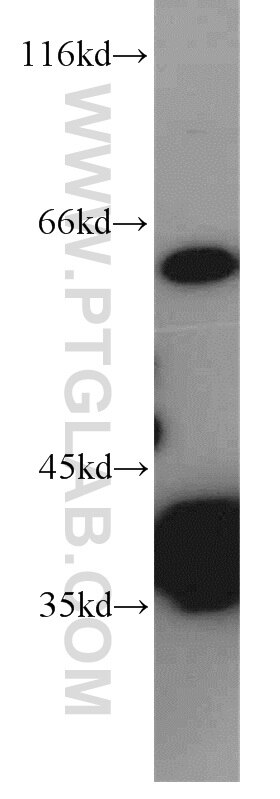
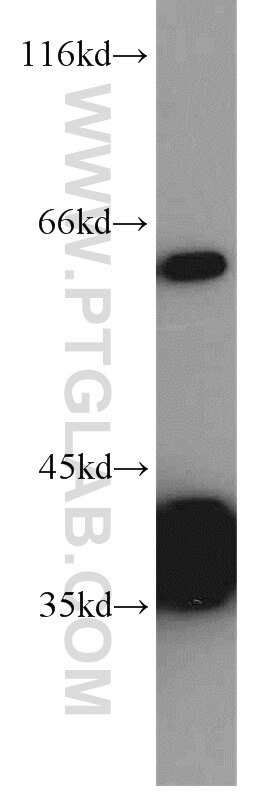
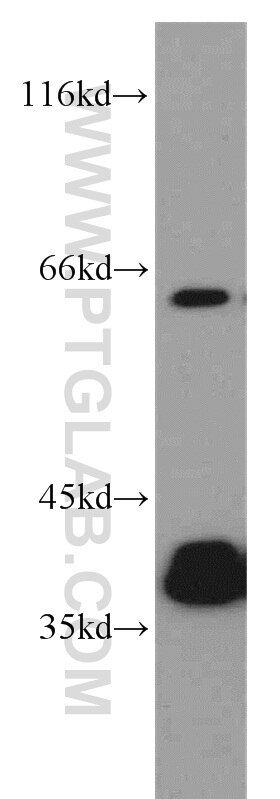
| Positive WB detected in | HepG2 cells, COLO 320 cells, HeLa cells |
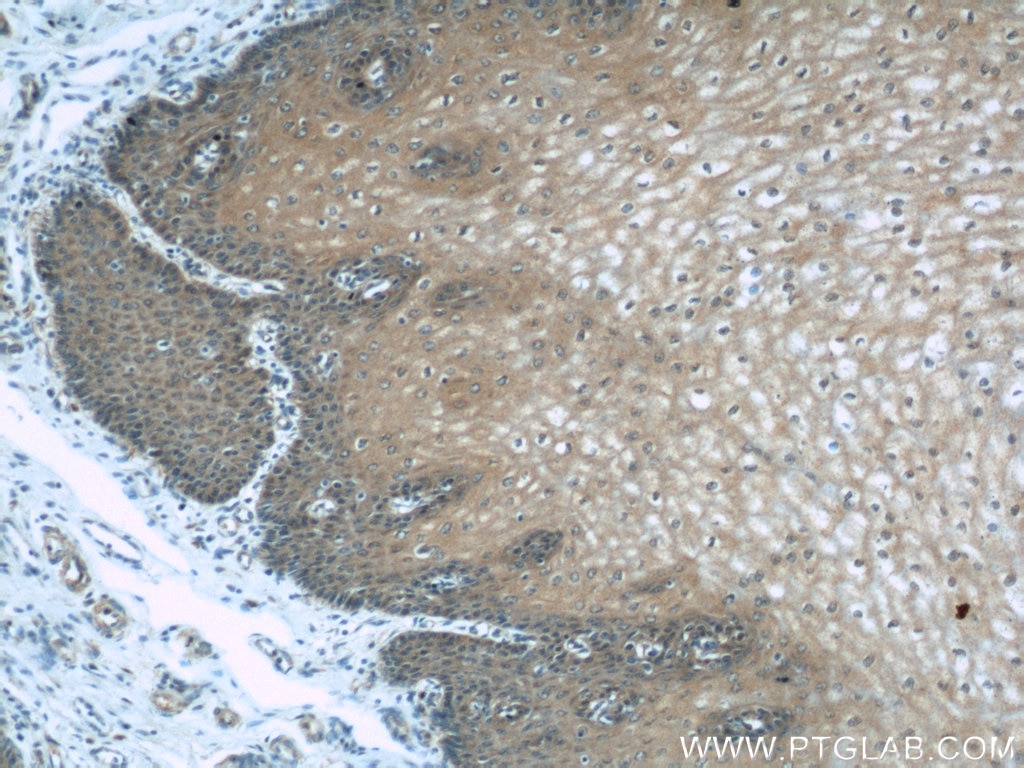
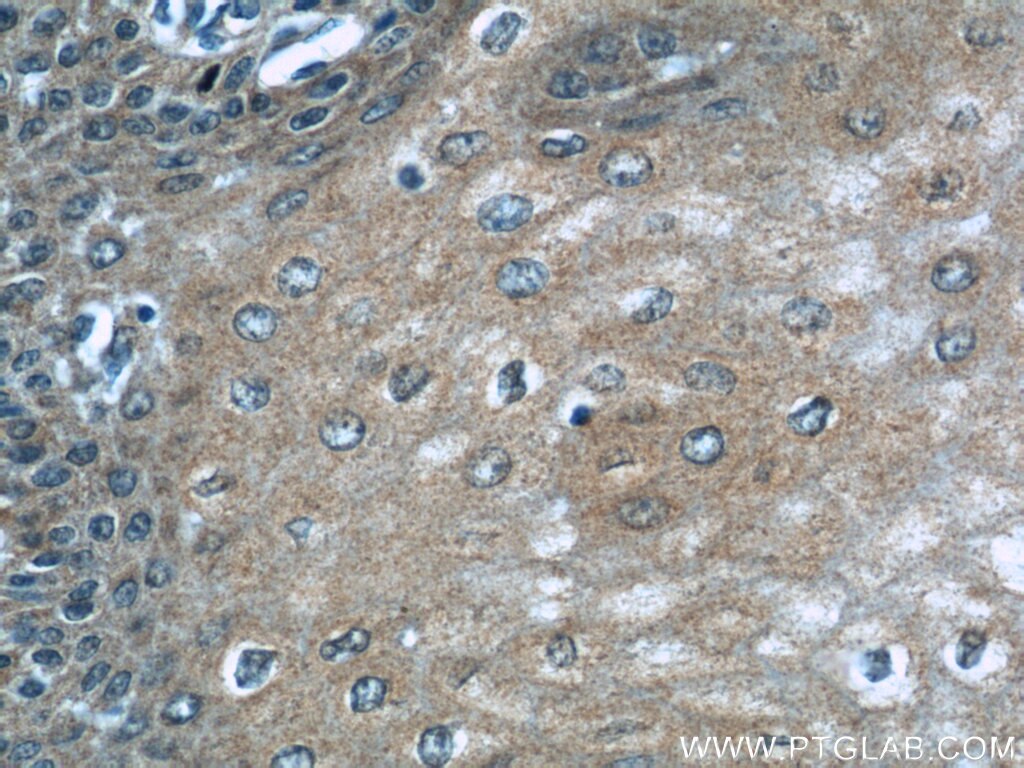
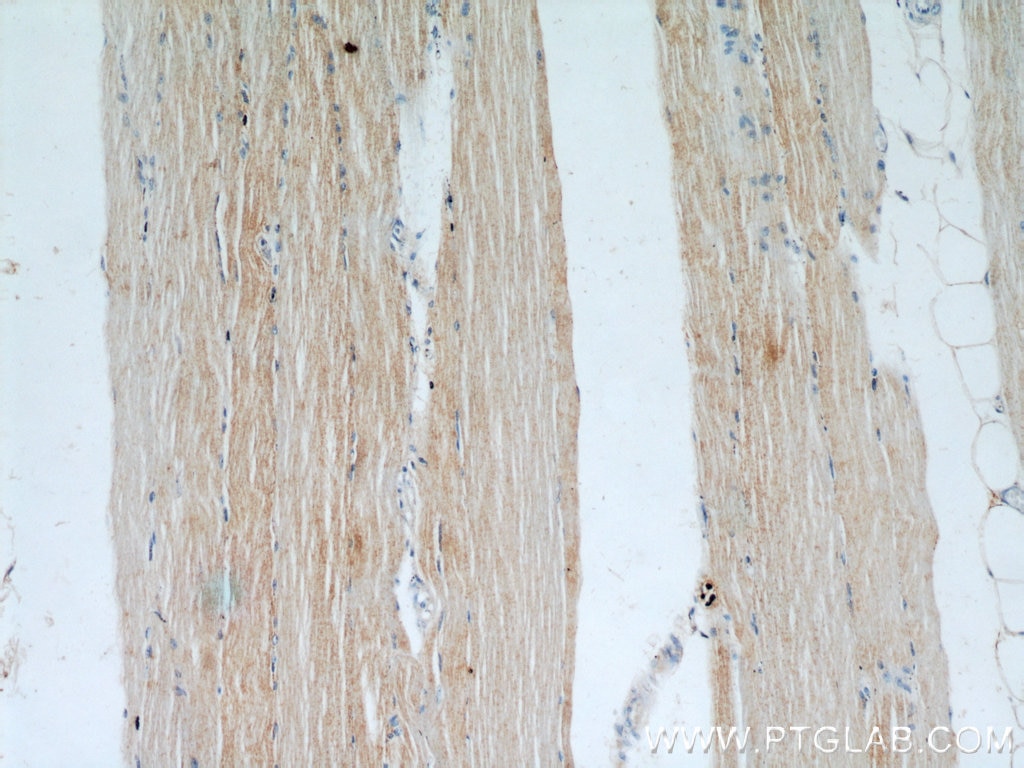
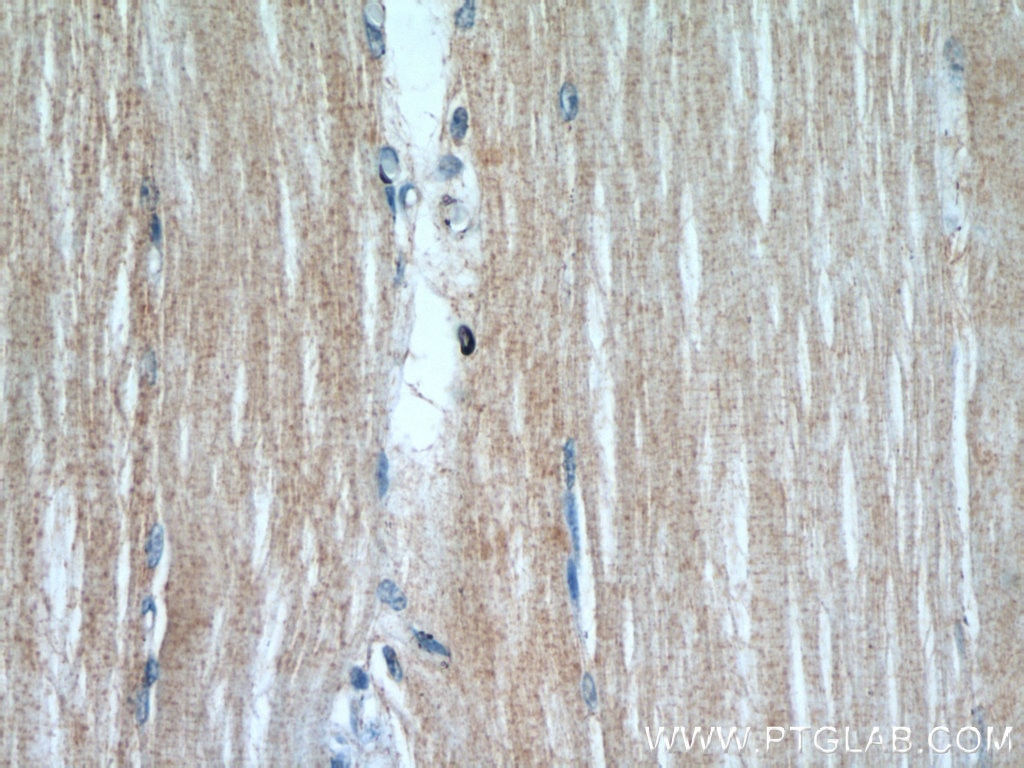
| Positive IHC detected in | human oesophagus tissue, human skeletal muscle tissue Note: suggested antigen retrieval with TE buffer pH 9.0; (*) Alternatively, antigen retrieval may be performed with citrate buffer pH 6.0 |
Recommended dilution
| Application | Dilution |
|---|---|
| Western Blot (WB) | WB : 1:500-1:1000 |
| Immunohistochemistry (IHC) | IHC : 1:20-1:200 |
| It is recommended that this reagent should be titrated in each testing system to obtain optimal results. | |
| Sample-dependent, Check data in validation data gallery. | |
Product Information
55216-1-AP targets PLS3 in WB, IHC, ELISA applications and shows reactivity with human, mouse, rat samples.
| Tested Reactivity | human, mouse, rat |
| Cited Reactivity | human, mouse |
| Host / Isotype | Rabbit / IgG |
| Class | Polyclonal |
| Type | Antibody |
| Immunogen |
Peptide Predict reactive species |
| Full Name | plastin 3 (T isoform) |
| Calculated Molecular Weight | 71 kDa |
| Observed Molecular Weight | 63 kDa, 38 kDa |
| GenBank Accession Number | NM_005032 |
| Gene Symbol | PLS3 |
| Gene ID (NCBI) | 5358 |
| RRID | AB_10858397 |
| Conjugate | Unconjugated |
| Form | Liquid |
| Purification Method | Antigen affinity purification |
| UNIPROT ID | P13797 |
| Storage Buffer | PBS with 0.02% sodium azide and 50% glycerol, pH 7.3. |
| Storage Conditions | Store at -20°C. Stable for one year after shipment. Aliquoting is unnecessary for -20oC storage. 20ul sizes contain 0.1% BSA. |
Background Information
PLS3, also named as T-plastin and Plastin-3, is an actin-bundling protein found in intestinal microvilli, hair cell stereocilia, and fibroblast filopodia. It plays an important role in leukocyte function. Both T- and L-plastin are implicated in several diseases, L-plastin is considered to be a valuable marker for cancer. (PMID: 15960882) This antibody is specific to PLS3
Publications
What published studies show
PLS3 Polyclonal antibody (55216-1-AP) has 4 citations. It appears in Environmental Toxicology (papillary thyroid carcinoma progression via Notch signaling), Journal of Cellular Physiology (pancreatic cancer and PI3K/AKT signaling), Journal of Cellular Biochemistry (mitochondrial phospholipid scramblase 3 phosphorylation), and Biochimica et Biophysica Acta (cardiac hypertrophy proteomics). Research fields span cancer biology (thyroid and pancreatic carcinoma), cell signaling, and cardiovascular pathology. Applications cited include WB and IHC in human and mouse models.
| Species | Application | Title |
|---|---|---|
Environ Toxicol PLS3 promotes papillary thyroid carcinoma progression by activating the Notch signaling pathway
| ||
J Cell Physiol PLS3 predicts poor prognosis in pancreatic cancer and promotes cancer cell proliferation via PI3K/AKT signaling.
| ||
J Cell Biochem Phosphorylation of mitochondrial phospholipid scramblase 3 by protein kinase C-delta induces its activation and facilitates mitochondrial targeting of tBid.
| ||
Biochim Biophys Acta Comparative proteomic analysis of mouse models of pathological and physiological cardiac hypertrophy, with selection of biomarkers of pathological hypertrophy by integrative Proteogenomics. |

