

Tested Applications
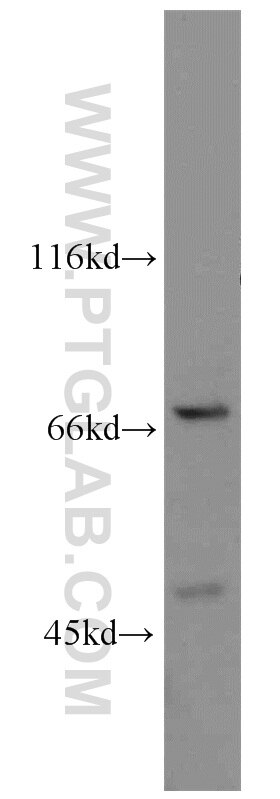
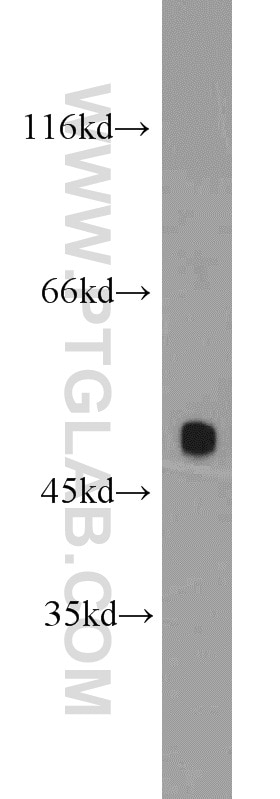
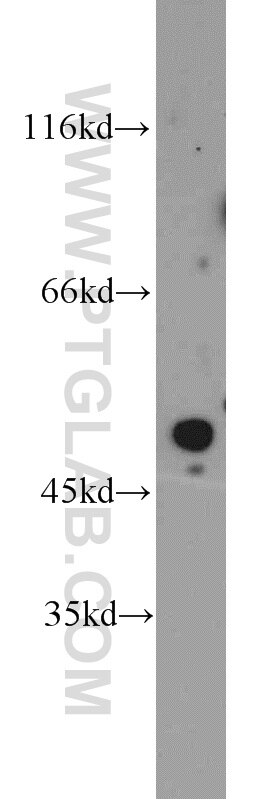
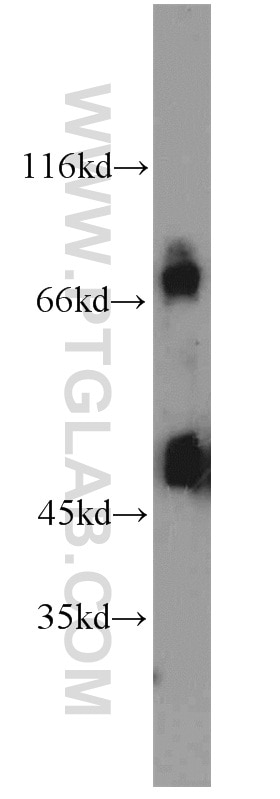
| Positive WB detected in | HeLa cells, PC-3 cells |
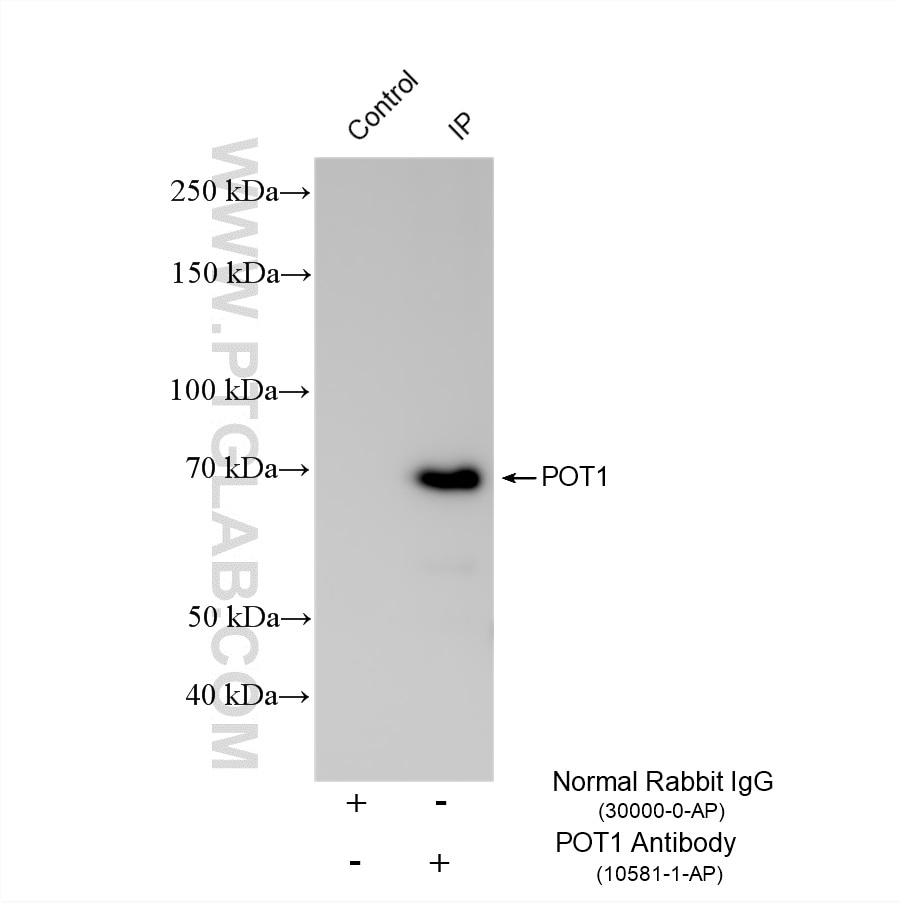
| Positive IP detected in | HeLa cells |
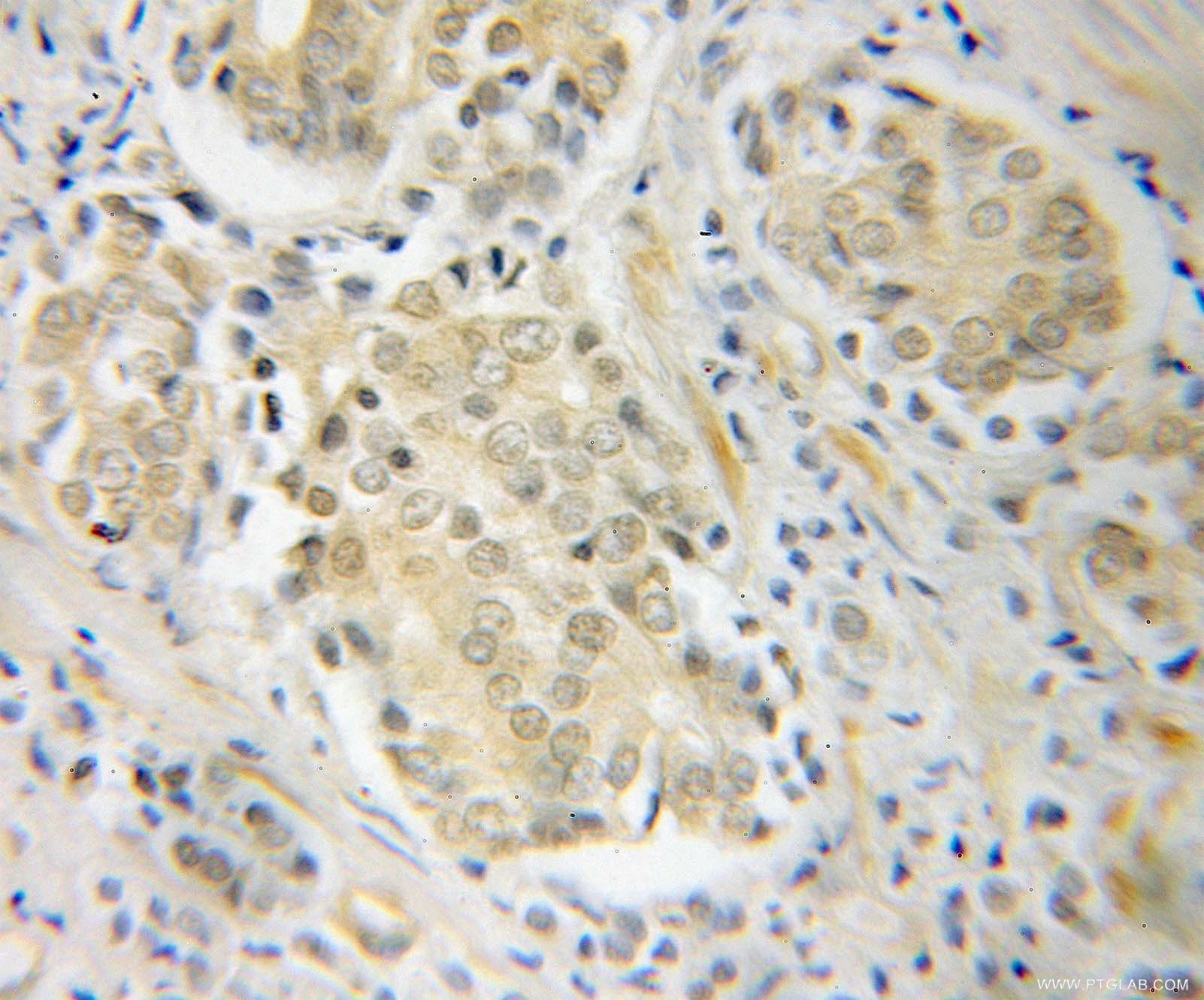
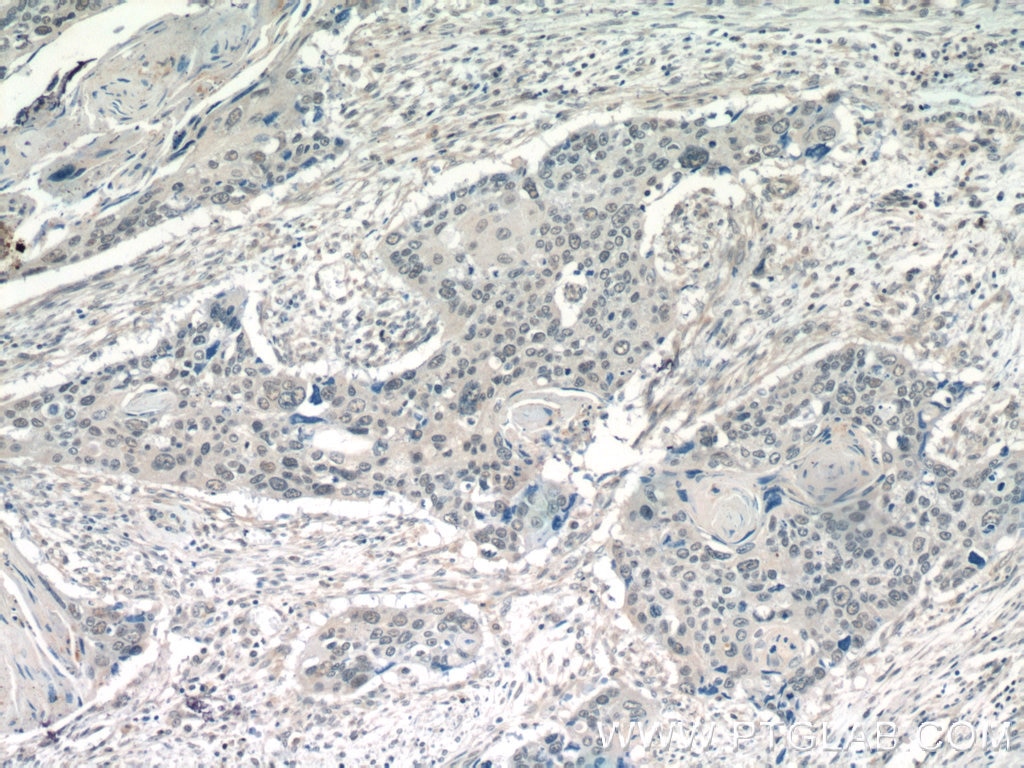
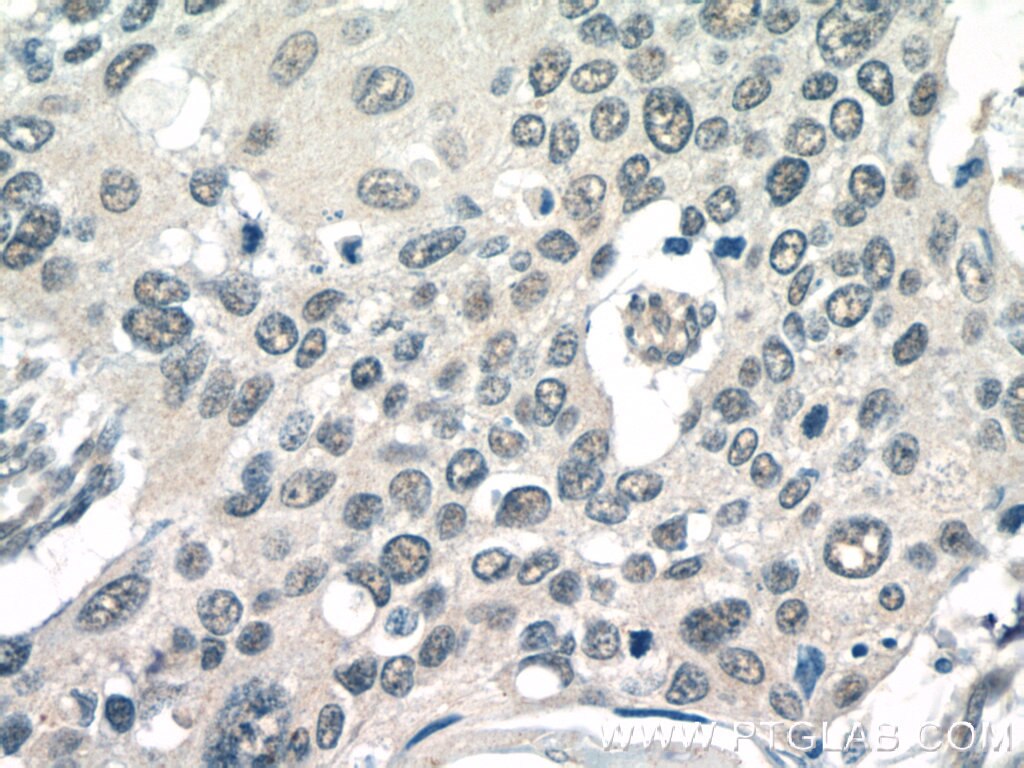
| Positive IHC detected in | human prostate cancer tissue, human cervical cancer tissue Note: suggested antigen retrieval with TE buffer pH 9.0; (*) Alternatively, antigen retrieval may be performed with citrate buffer pH 6.0 |
Recommended dilution
| Application | Dilution |
|---|---|
| Western Blot (WB) | WB : 1:500-1:1000 |
| Immunoprecipitation (IP) | IP : 0.5-4.0 ug for 1.0-3.0 mg of total protein lysate |
| Immunohistochemistry (IHC) | IHC : 1:20-1:200 |
| It is recommended that this reagent should be titrated in each testing system to obtain optimal results. | |
| Sample-dependent, Check data in validation data gallery. | |
Product Information
10581-1-AP targets POT1 in WB, IHC, IP, ELISA applications and shows reactivity with human, mouse samples.
| Tested Reactivity | human, mouse |
| Cited Reactivity | human, mouse |
| Host / Isotype | Rabbit / IgG |
| Class | Polyclonal |
| Type | Antibody |
| Immunogen |
CatNo: Ag0875 Product name: Recombinant human POT1 protein Source: e coli.-derived, PGEX-4T Tag: GST Domain: 336-634 aa of BC002923 Sequence: ILTDHQYLERTPLCAILKQKAPQQYRIRAKLRSYKPRRLFQSVKLHCPKCHLLQEVPHEGDLDIIFQDGATKTPDVKLQNTSLYDSKIWTTKNQKGRKVAVHFVKNNGILPLSNECLLLIEGGTLSEICKLSNKFNSVIPVRSGHEDLELLDLSAPFLIQGTIHHYGCKQCSSLRSIQNLNSLVDKTSWIPSSVAEALGIVPLQYVFVMTFTLDDGTGVLEAYLMDSDKFFQIPASEVLMDDDLQKSVDMIMDMFCPPGIKIDAYPWLECFIKSYNVTNGTDNQICYQIFDTTVAEDVI Predict reactive species |
| Full Name | POT1 protection of telomeres 1 homolog (S. pombe) |
| Calculated Molecular Weight | 71 kDa |
| Observed Molecular Weight | 45 kDa, 71 kDa |
| GenBank Accession Number | BC002923 |
| Gene Symbol | POT1 |
| Gene ID (NCBI) | 25913 |
| RRID | AB_2284057 |
| Conjugate | Unconjugated |
| Form | Liquid |
| Purification Method | Antigen affinity purification |
| UNIPROT ID | Q9NUX5 |
| Storage Buffer | PBS with 0.02% sodium azide and 50% glycerol, pH 7.3. |
| Storage Conditions | Store at -20°C. Stable for one year after shipment. Aliquoting is unnecessary for -20oC storage. 20ul sizes contain 0.1% BSA. |
Background Information
Protection of telomeres 1(POT1) is a conserved protein that binds the G-rich stand of its own telomeric repeat sequence, with a role in protecting chromosome ends. It's housekeeping gene that is required to ensure the integrity of chromosome ends in all cells. It's a component of the telomerase ribonucleoprotein(RNP) complex that is esential for the replication of chromosome termini. It consists the TRF1 compex that is involved in the regulation of telomere length by cis-inhibition of telomerase. We have discovered that POT1 exists in at least three consistently occurring forms; 90, 70 and 45kDa. The unexpected molecular weights of POT1 seem to be associated with SUMO1 and ubiquitin conjugation; the latter occurring at a double lysine residue at 289-KK-290 (.PMID: 24054699)
Protocols
| Product Specific Protocols | |
|---|---|
| IHC protocol for POT1 antibody 10581-1-AP | Download protocol |
| IP protocol for POT1 antibody 10581-1-AP | Download protocol |
| WB protocol for POT1 antibody 10581-1-AP | Download protocol |
| Standard Protocols | |
|---|---|
| Click here to view our Standard Protocols |
Publications
What published studies show
The POT1 Polyclonal antibody (Cat# 10581-1-AP) has 19 citations spanning journals including Molecular Cell, EMBO Molecular Medicine, Cell Reports, Aging Cell, Science Reports, Experimental Gerontology, and others. Research fields covered include telomere biology, cellular senescence, cancer (cervical, esophageal, breast), aging, DNA damage response, mitochondrial homeostasis, and reproductive biology. Applications cited are primarily WB, IHC, and IP in human and mouse samples.
| Species | Application | Title |
|---|---|---|
Mol Cell Attenuation of ATM signaling by ROS delays replicative senescence at physiological oxygen. | ||
EMBO Mol Med The evolving genetic landscape of telomere biology disorder dyskeratosis congenita | ||
Aging Cell PRKN-Mediated Ubiquitin-Proteasome Degradation of METTL3 Promotes Cellular Senescence. | ||
Aging (Albany NY) SIRT6 enhances telomerase activity to protect against DNA damage and senescence in hypertrophic ligamentum flavum cells from lumbar spinal stenosis patients. | ||
Int Immunopharmacol Investigating the mechanism by which telomere dysfunction affects mitochondrial homeostasis in anthracosilicosis using a Terc knockout model. |

