

Tested Applications
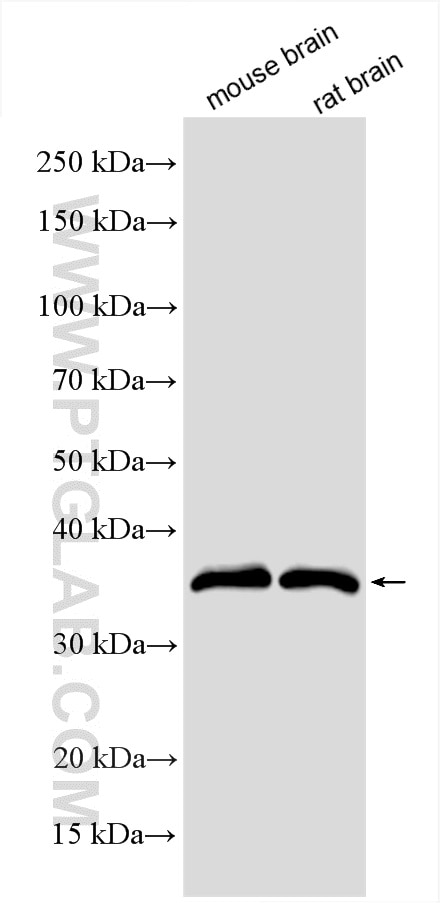
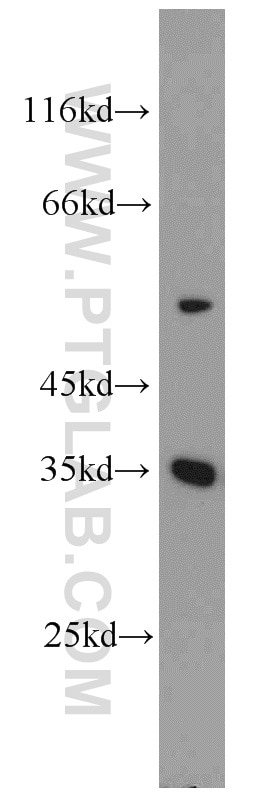
| Positive WB detected in | mouse brain tissue, L02 cells, rat brain tissue |
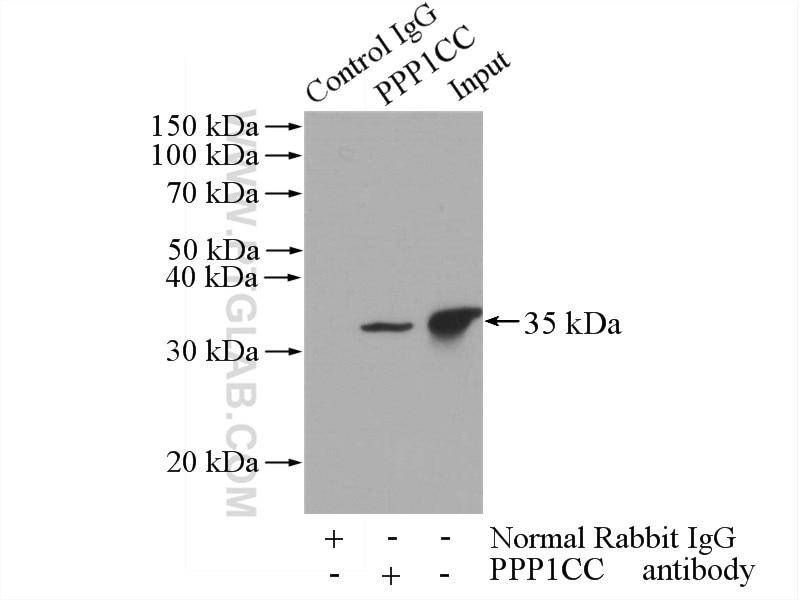
| Positive IP detected in | mouse brain tissue |
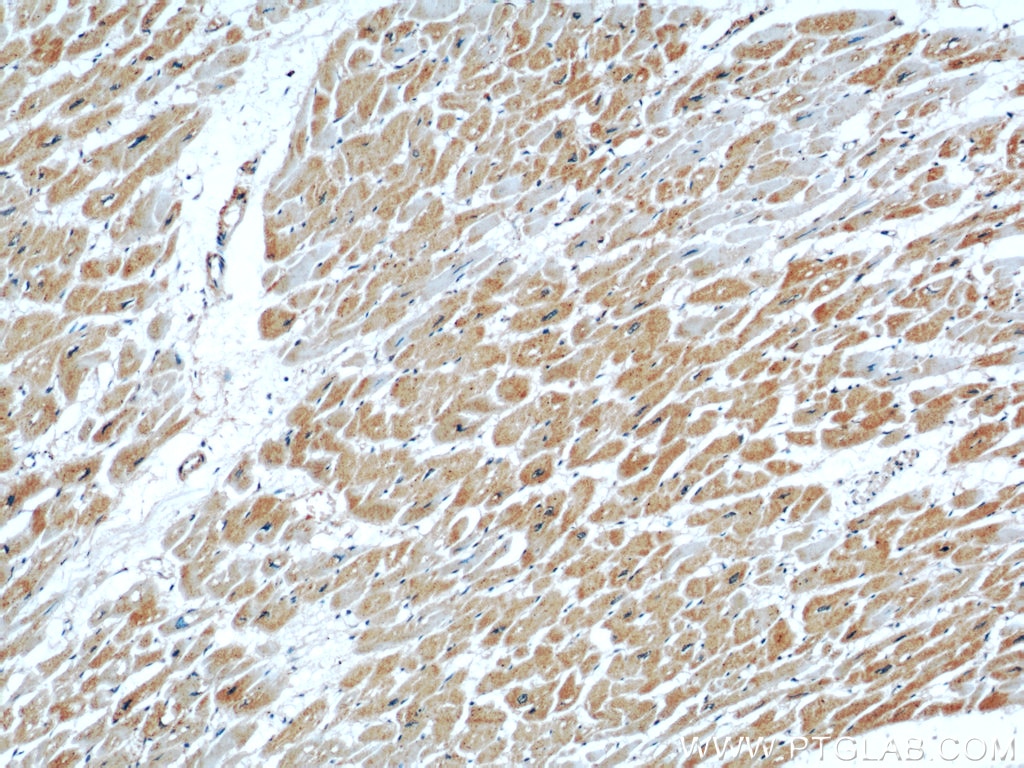
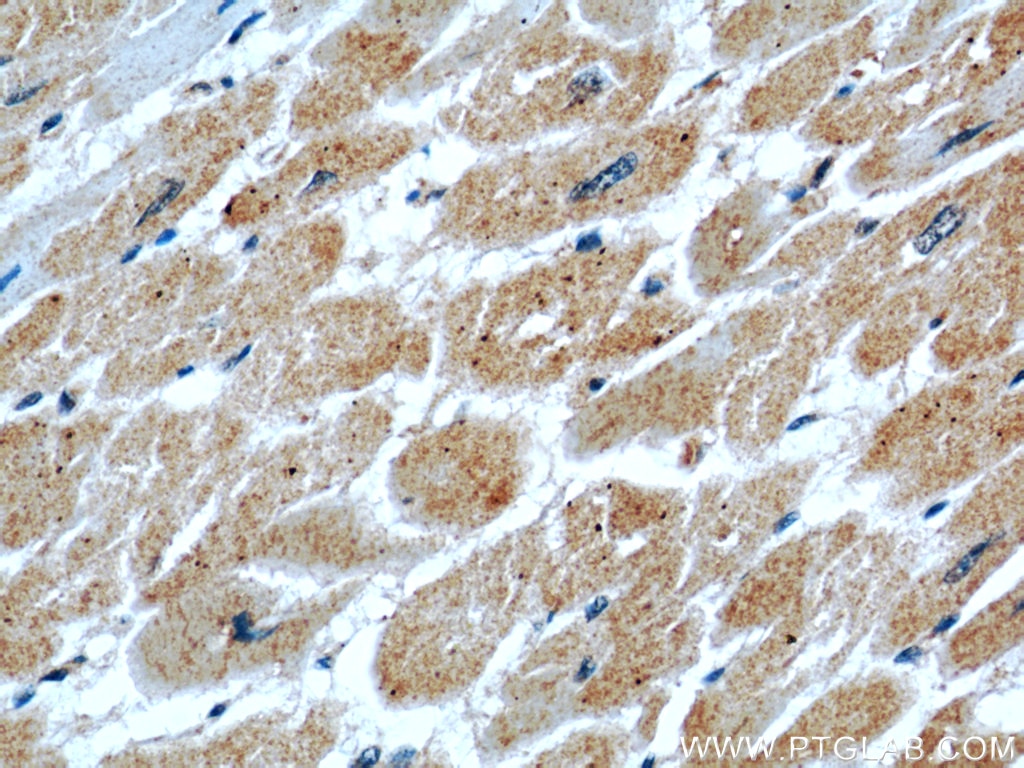
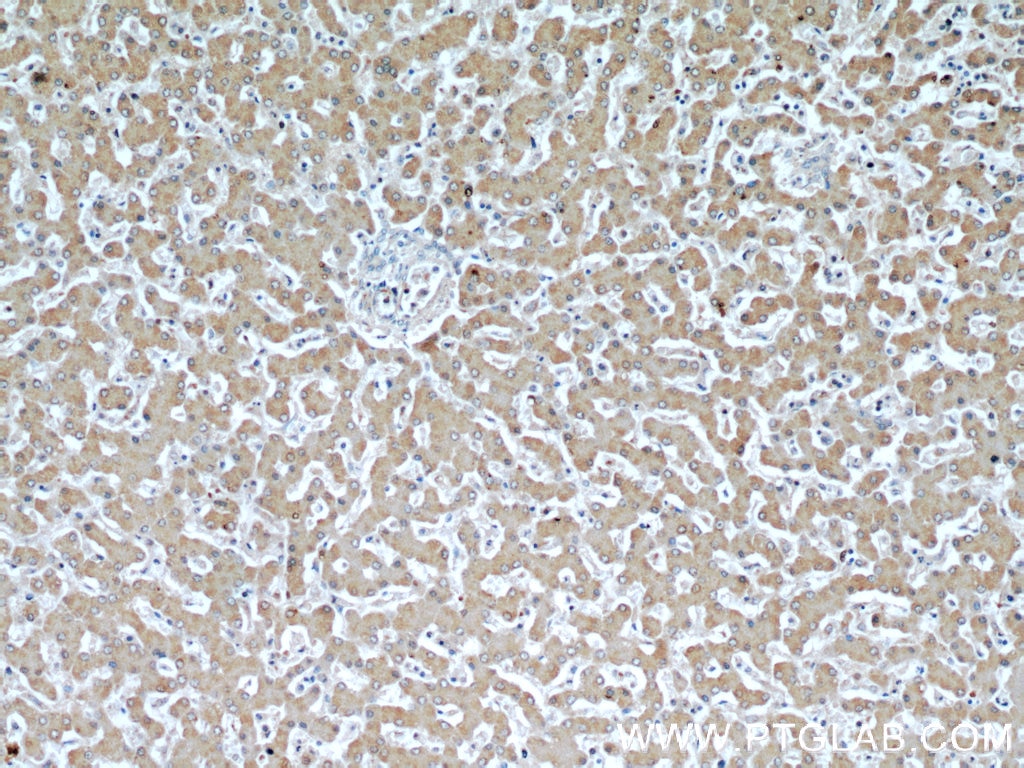
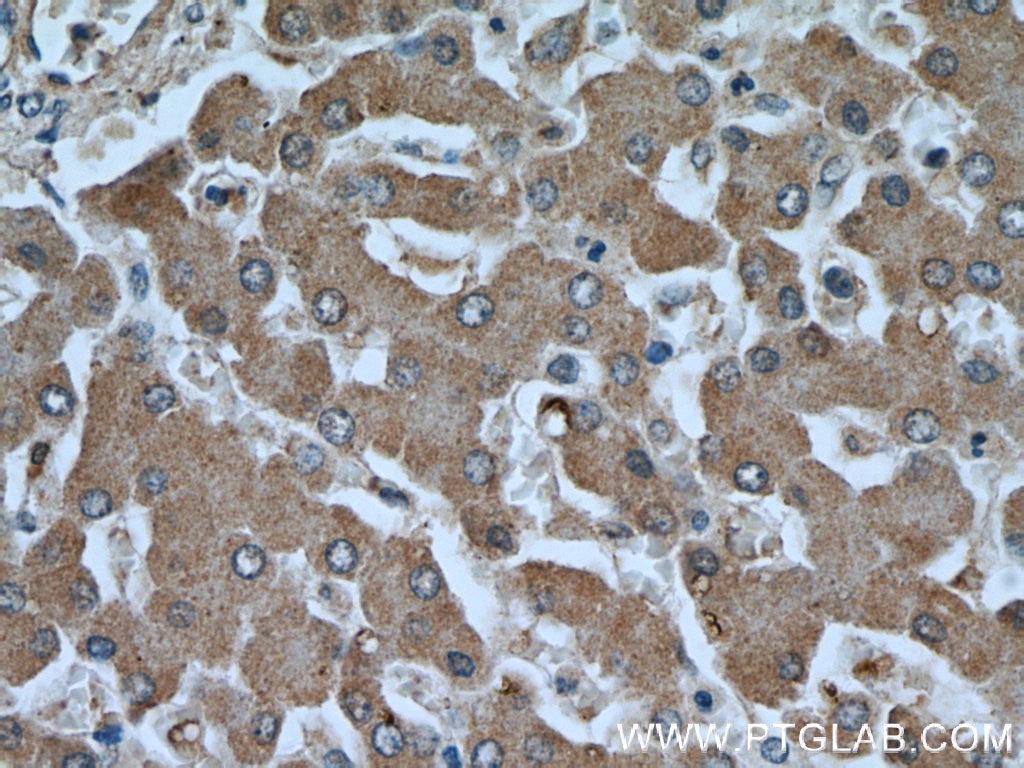
| Positive IHC detected in | human heart tissue, human liver tissue Note: suggested antigen retrieval with TE buffer pH 9.0; (*) Alternatively, antigen retrieval may be performed with citrate buffer pH 6.0 |
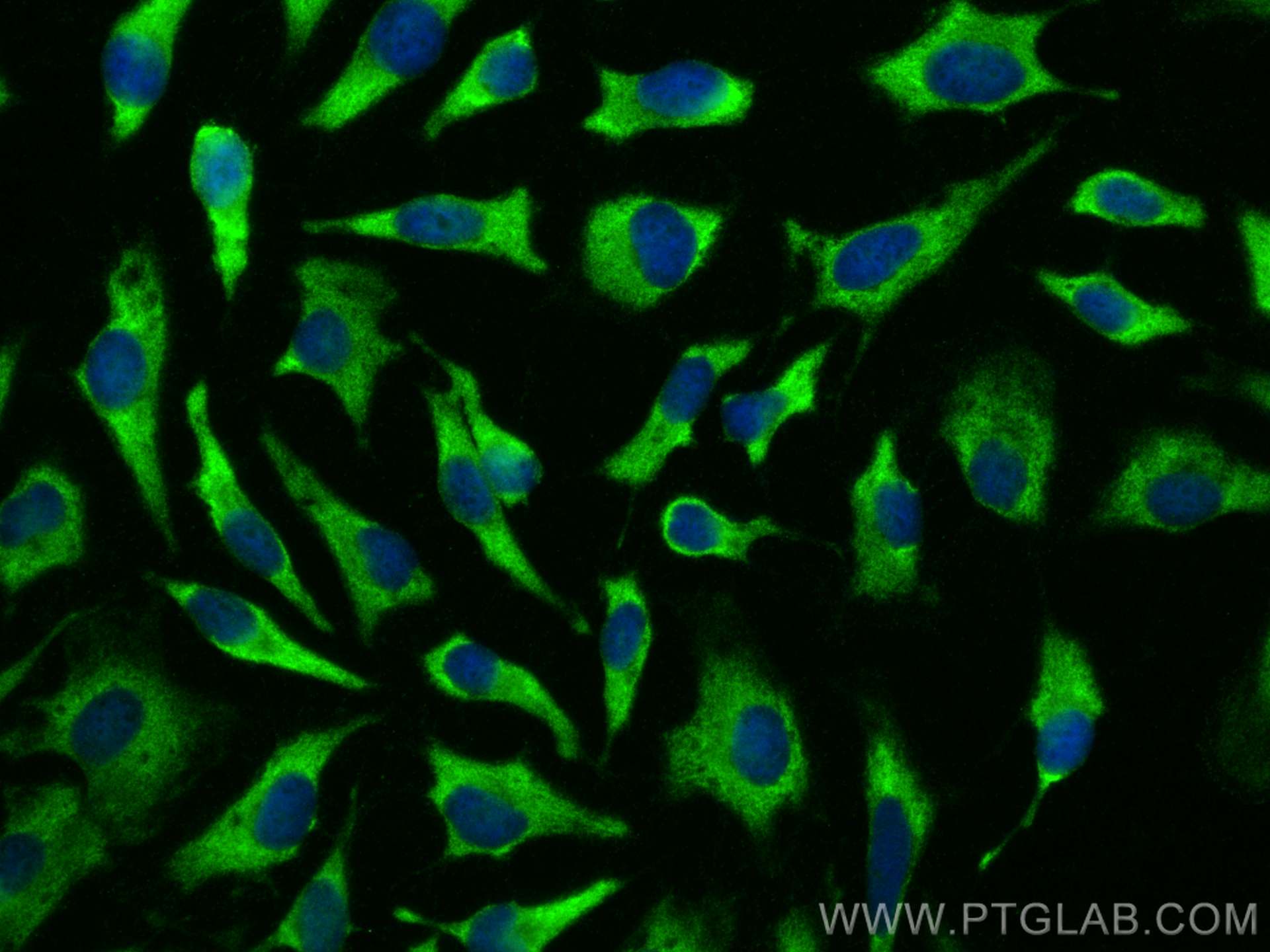
| Positive IF/ICC detected in | HeLa cells |
Recommended dilution
| Application | Dilution |
|---|---|
| Western Blot (WB) | WB : 1:500-1:1000 |
| Immunoprecipitation (IP) | IP : 0.5-4.0 ug for 1.0-3.0 mg of total protein lysate |
| Immunohistochemistry (IHC) | IHC : 1:20-1:200 |
| Immunofluorescence (IF)/ICC | IF/ICC : 1:50-1:500 |
| It is recommended that this reagent should be titrated in each testing system to obtain optimal results. | |
| Sample-dependent, Check data in validation data gallery. | |
Product Information
55150-1-AP targets PPP1CC in WB, IHC, IF/ICC, IP, ELISA applications and shows reactivity with human, mouse, rat samples.
| Tested Reactivity | human, mouse, rat |
| Cited Reactivity | human, mouse |
| Host / Isotype | Rabbit / IgG |
| Class | Polyclonal |
| Type | Antibody |
| Immunogen |
Peptide Predict reactive species |
| Full Name | protein phosphatase 1, catalytic subunit, gamma isoform |
| Calculated Molecular Weight | 38 kDa |
| Observed Molecular Weight | 35 kDa |
| GenBank Accession Number | NM_002710 |
| Gene Symbol | PPP1CC |
| Gene ID (NCBI) | 5501 |
| RRID | AB_10792814 |
| Conjugate | Unconjugated |
| Form | Liquid |
| Purification Method | Antigen affinity purification |
| UNIPROT ID | P36873 |
| Storage Buffer | PBS with 0.02% sodium azide and 50% glycerol, pH 7.3. |
| Storage Conditions | Store at -20°C. Stable for one year after shipment. Aliquoting is unnecessary for -20oC storage. 20ul sizes contain 0.1% BSA. |
Background Information
PPP1CC, also named as PP-1G, belongs to the PPP phosphatase family and PP-1 subfamily. Protein phosphatase 1 (PP1) is essential for cell division, and participates in the regulation of glycogen metabolism, muscle contractility and protein synthesis. It is involved in regulation of ionic conductances and long-term synaptic plasticity. PPP1CC may play an important role in dephosphorylating substrates such as the postsynaptic density-associated Ca2+/calmodulin dependent protein kinase II. The antibody is specific to PPP1CC.
Protocols
| Product Specific Protocols | |
|---|---|
| IF protocol for PPP1CC antibody 55150-1-AP | Download protocol |
| IHC protocol for PPP1CC antibody 55150-1-AP | Download protocol |
| IP protocol for PPP1CC antibody 55150-1-AP | Download protocol |
| WB protocol for PPP1CC antibody 55150-1-AP | Download protocol |
| Standard Protocols | |
|---|---|
| Click here to view our Standard Protocols |
Publications
What published studies show
PPP1CC Polyclonal antibody (55150-1-AP) has 3 citations, all using Western blot. The journals are Cell Death & Disease (miR-122 and Hippo pathway during liver development, human), Frontiers in Cell and Developmental Biology (PERK signaling and myoblast differentiation via microRNA networks, mouse), and Journal of Biological Chemistry (hydrogen sulfide and eIF2α phosphorylation in the integrated stress response, mouse). Research fields span liver development, myogenesis, and cellular stress signaling.
| Species | Application | Title |
|---|---|---|
Cell Death Dis Genome-wide identification of microRNA targets reveals positive regulation of the Hippo pathway by miR-122 during liver development. | ||
Front Cell Dev Biol PERK Signaling Controls Myoblast Differentiation by Regulating MicroRNA Networks. | ||
J Biol Chem Hydrogen sulfide modulates eukaryotic translation initiation factor 2α (eIF2α) phosphorylation status in the integrated stress response pathway. |
Reviews
What customers say
Able is busy answering your previous question. Please try again later.
The reviews below have been submitted by verified Proteintech customers who received an incentive for providing their feedback.
Vinita (Verified Customer) (12-04-2018) |
|

