

Tested Applications
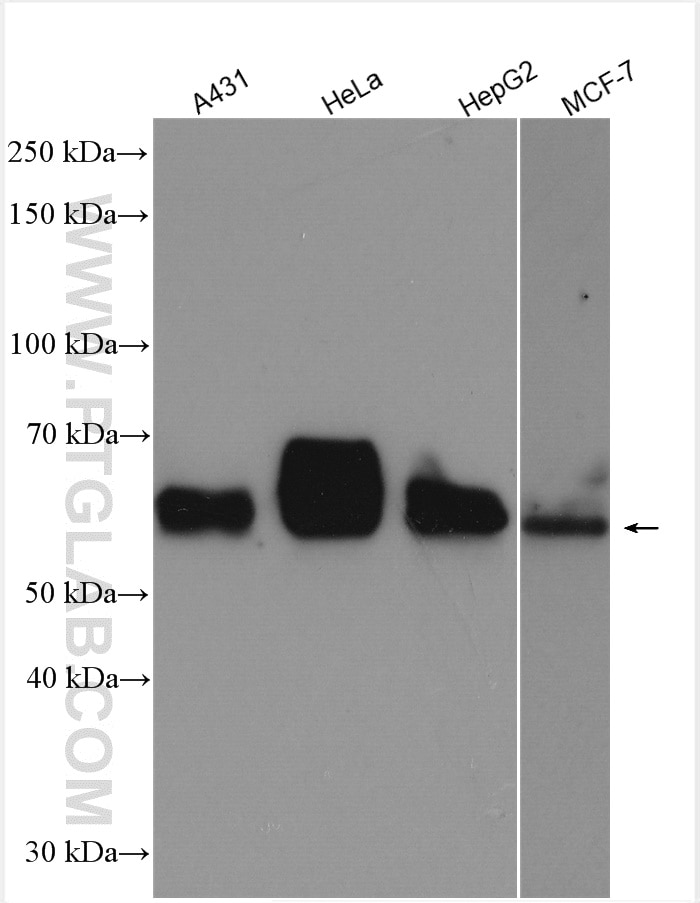
| Positive WB detected in | A431 cells, HepG2 cells, HeLa cells, MCF-7 cells |
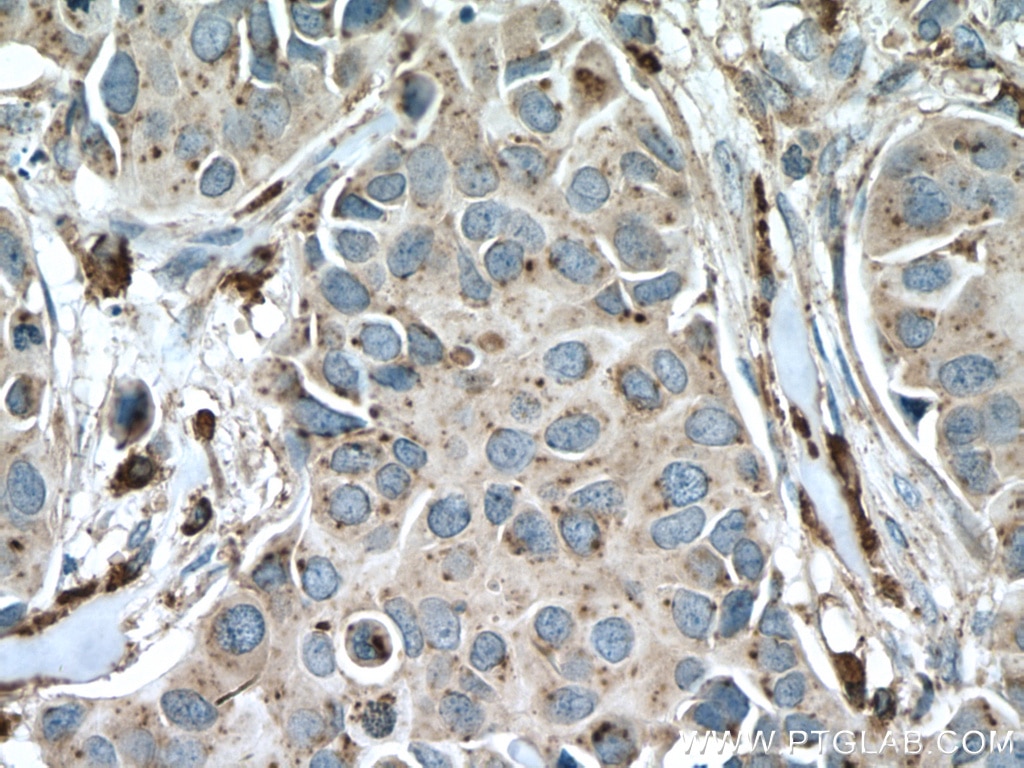
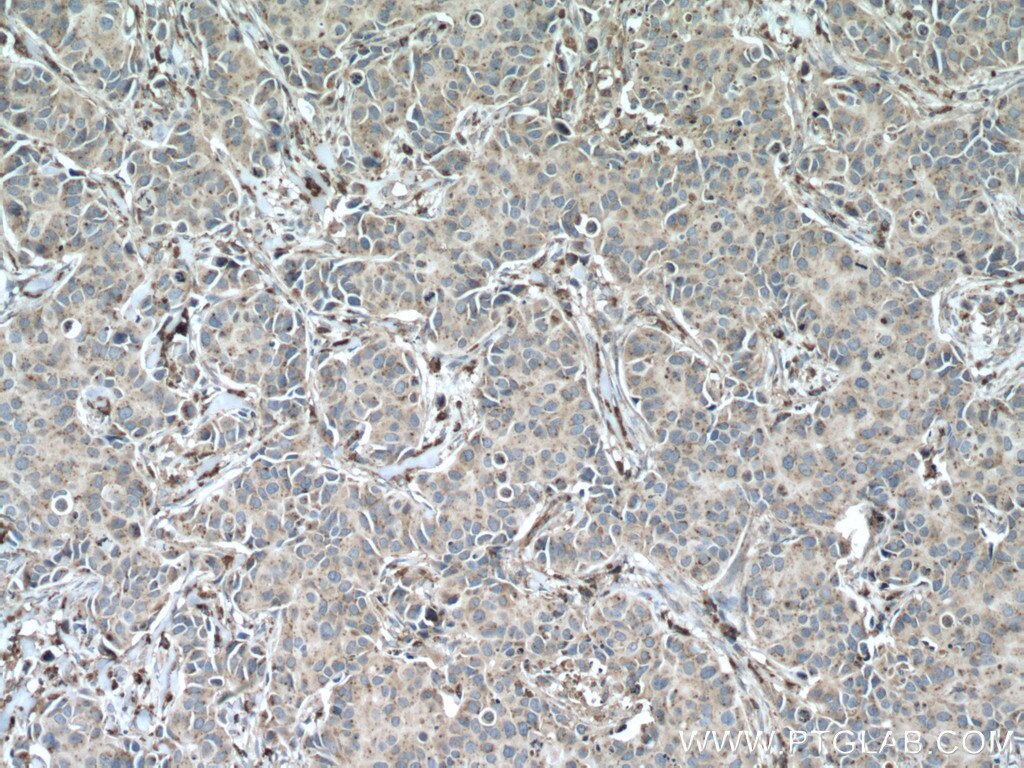
| Positive IHC detected in | human breast cancer tissue Note: suggested antigen retrieval with TE buffer pH 9.0; (*) Alternatively, antigen retrieval may be performed with citrate buffer pH 6.0 |
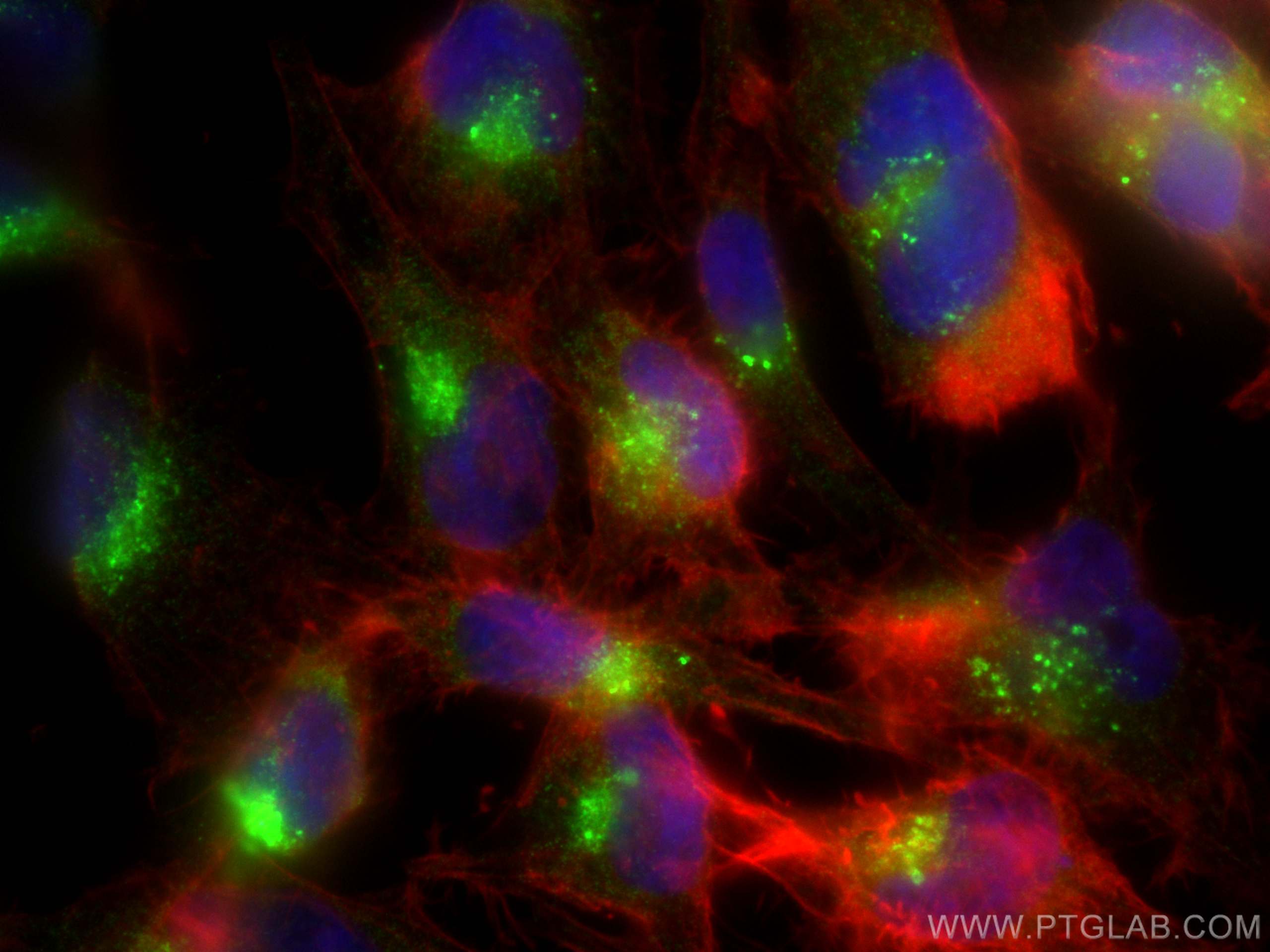
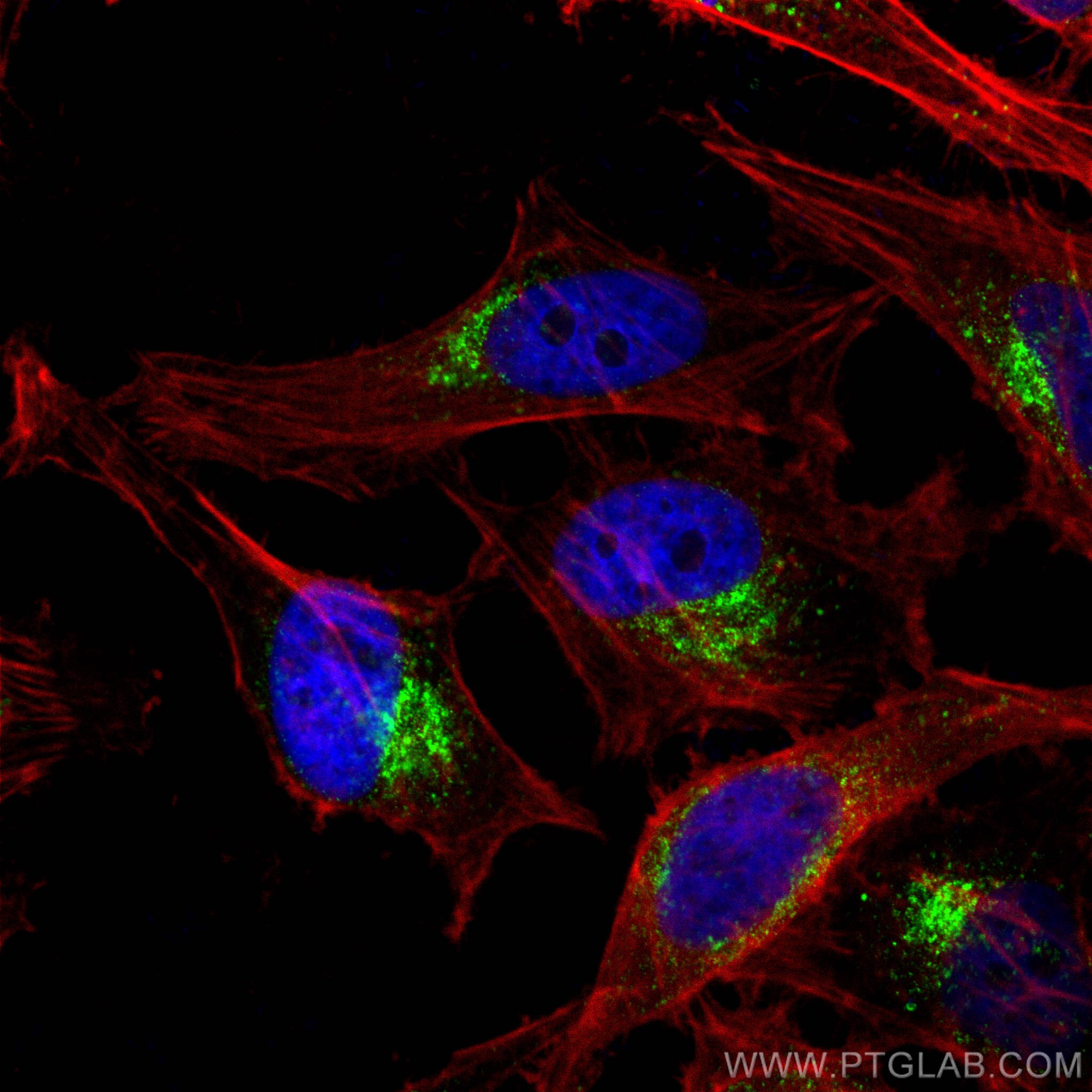
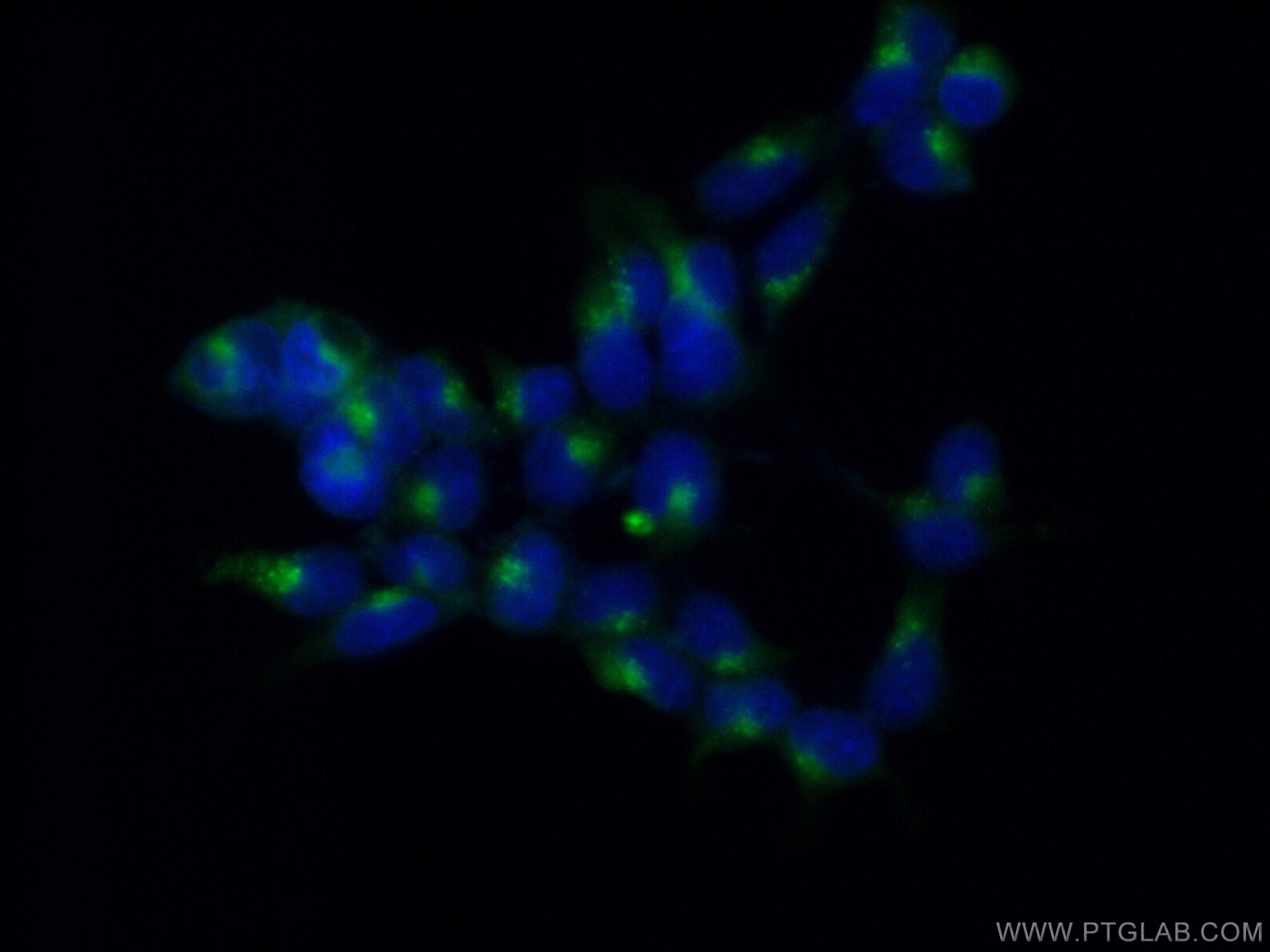
| Positive IF/ICC detected in | HeLa cells, HEK-293 cells, U-251 cells |
Recommended dilution
| Application | Dilution |
|---|---|
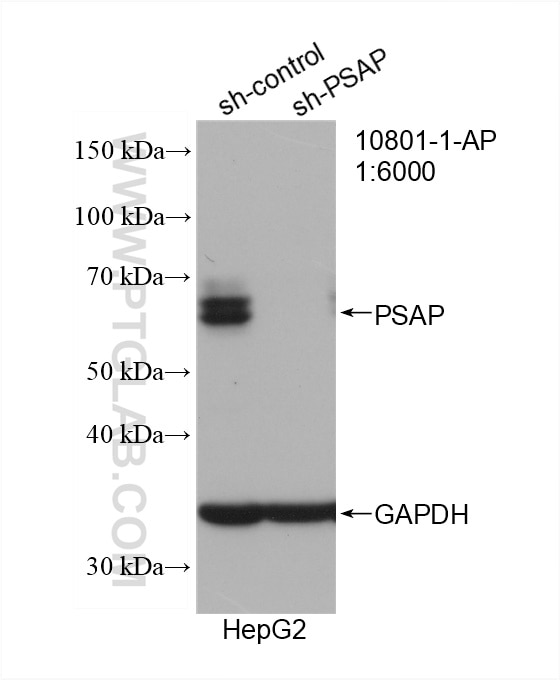
| Western Blot (WB) | WB : 1:1000-1:8000 |
| Immunohistochemistry (IHC) | IHC : 1:50-1:500 |
| Immunofluorescence (IF)/ICC | IF/ICC : 1:50-1:500 |
| It is recommended that this reagent should be titrated in each testing system to obtain optimal results. | |
| Sample-dependent, Check data in validation data gallery. | |
Product Information
10801-1-AP targets PSAP in WB, IHC, IF/ICC, CoIP, ELISA applications and shows reactivity with human samples.
| Tested Reactivity | human |
| Cited Reactivity | human, chicken, goat |
| Host / Isotype | Rabbit / IgG |
| Class | Polyclonal |
| Type | Antibody |
| Immunogen |
CatNo: Ag1194 Product name: Recombinant human PSAP protein Source: e coli.-derived, PGEX-4T Tag: GST Domain: 1-320 aa of BC001503 Sequence: MYALFLLASLLGAALAGPVLGLKECTRGSAVWCQNVKTASDCGAVKHCLQTVWNKPTVKSLPCDICKDVVTAAGDMLKDNATEEEILVYLEKTCDWLPKPNMSASCKEIVDSYLPVILDIIKGEMSRPGEVCSALNLCESLQKHLAELNHQKQLESNKIPELDMTEVVAPFMANIPLLLYPQDGPRSKPQPKDNGDVCQDCIQMVTDIQTAVRTNSTFVQALVEHVKEECDRLGPGMADICKNYISQYSEIAIQMMMHMQPKEICALVGFCDEVKEMPMQTLVPAKVASKNVIPALELVEPIKKHEVPAKSDVYCEVCEF Predict reactive species |
| Full Name | prosaposin |
| Calculated Molecular Weight | 58 kDa |
| Observed Molecular Weight | 60-70 kDa |
| GenBank Accession Number | BC001503 |
| Gene Symbol | PSAP |
| Gene ID (NCBI) | 5660 |
| RRID | AB_2172462 |
| Conjugate | Unconjugated |
| Form | Liquid |
| Purification Method | Antigen affinity purification |
| UNIPROT ID | P07602 |
| Storage Buffer | PBS with 0.02% sodium azide and 50% glycerol, pH 7.3. |
| Storage Conditions | Store at -20°C. Stable for one year after shipment. Aliquoting is unnecessary for -20oC storage. 20ul sizes contain 0.1% BSA. |
Background Information
The PSAP gene encodes prosaposin, a precursor of four small nonenzymatic glycoproteins termed 'sphingolipid activator proteins' (SAPs) that assist in the lysosomal hydrolysis of sphingolipids. After proteolytic processing of the presaposin protein, these 4 released polypeptides are functional activators. Saposin A is encoded by residues 60 to 143 of PSAP, saposin B by 195 to 275, saposin C by 311 to 390, and saposin D by 405 to 487. There are four 12-14 kDa heatstable glycoproteins. Saposins A-D localize primarily to the lysosomal compartment where they facilitate the catabolism of glycosphingolipids with short oligosaccharide groups. Saposins A-D are required for the hydrolysis of certain sphingolipids by specific lysosomal hydrolases. (PMID: 2001789) Defects in PSAP are the cause of Gaucher disease, Tay-Sachs disease, and metachromatic leukodystrophy (PubMed: 2060627, PMID: 15773042). This PSAP antibody (10801-1-AP) is expected to recognize both saposin A and B.
Protocols
| Product Specific Protocols | |
|---|---|
| IF protocol for PSAP antibody 10801-1-AP | Download protocol |
| IHC protocol for PSAP antibody 10801-1-AP | Download protocol |
| WB protocol for PSAP antibody 10801-1-AP | Download protocol |
| Standard Protocols | |
|---|---|
| Click here to view our Standard Protocols |
Publications
What published studies show
The anti-PSAP (Prosaposin) antibody (Cat# 10801-1-AP) has 33 citations published in journals including Nature Communications, Nature Neuroscience, Nature Methods, PNAS, Science Advances, mBio, and Cell Reports. Research fields span neurodegenerative diseases (Alzheimer's, Parkinson's, frontotemporal dementia), lysosomal biology, lipid metabolism, oncology (hepatocellular carcinoma, breast/prostate cancer), viral infections (SARS-CoV-2, dengue), and neuroinflammation. Applications include WB, IF, IHC, and ELISA.
| Species | Application | Title |
|---|---|---|
Signal Transduct Target Ther Fructose 1-phosphate inhibits mannose phosphate isomerase to suppress hepatocellular carcinogenesis | ||
Nat Methods Spatial 5mC-seq profiling of embryos and decidua after implantation in mammals. | ||
Bioact Mater Countering postoperative immune suppression with a self-assembling dendritic cell nanovaccine. | ||
Nat Neurosci Genome-wide CRISPRi/a screens in human neurons link lysosomal failure to ferroptosis. | ||
Mol Neurodegener Accumulation of saposin in dystrophic neurites is linked to impaired lysosomal functions in Alzheimer's disease brains. | ||
Reviews
What customers say
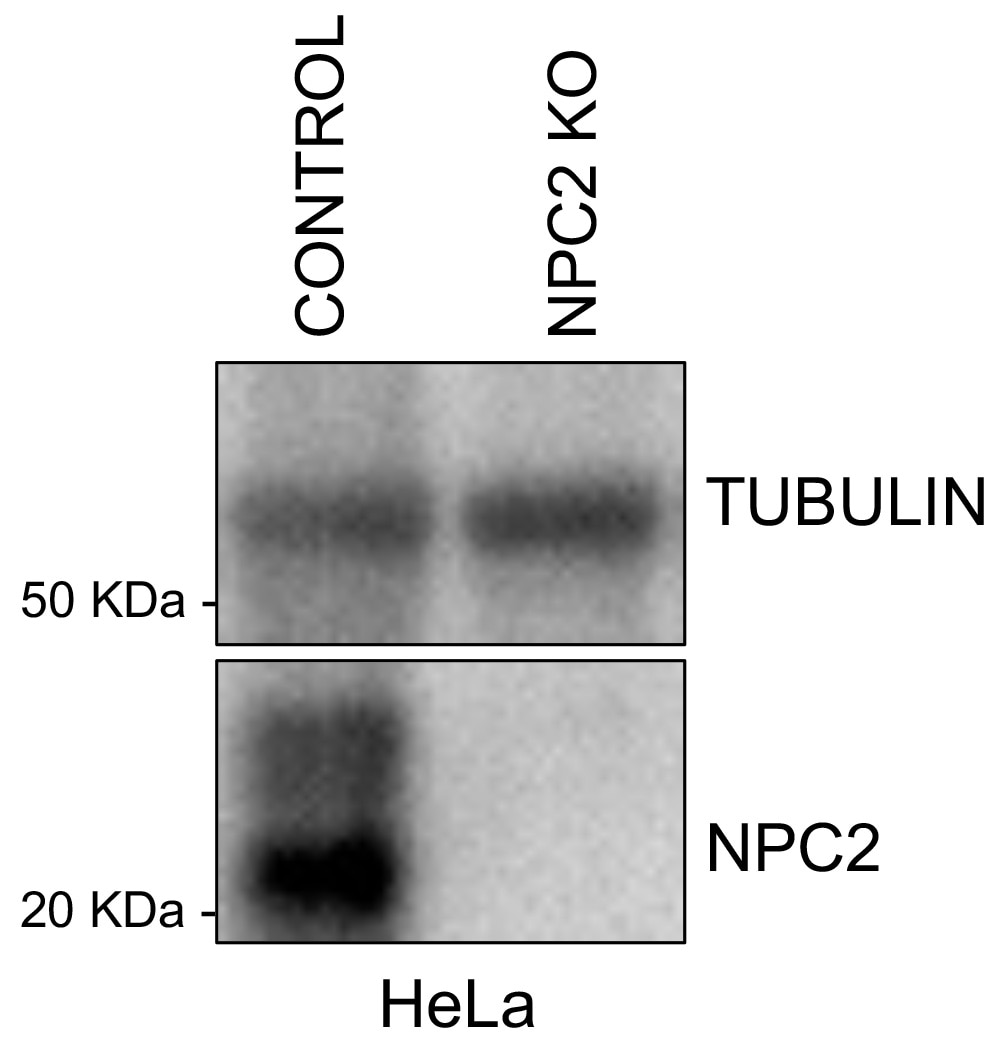
Both reviewers report strong performance of this antibody. One user (4/5) confirmed it works well in Western Blot with minimal cross-reactivity. Another user (5/5) validated it across three applications—Western Blot (1:2000), Immunoprecipitation (1:100), and Immunofluorescence (1:250)—in HEK293T and MCF7 cells, noting high specificity for AIMP3. Overall, customers find this antibody reliable, specific, and versatile across multiple assays.
The reviews below have been submitted by verified Proteintech customers who received an incentive for providing their feedback.
Sharan (Verified Customer) (05-28-2020) | The antibody works well in western blot assays with minimum cross-reactivity
 |
Krishnendu (Verified Customer) (02-27-2020) | Very specific for AIMP3
|

