

Tested Applications
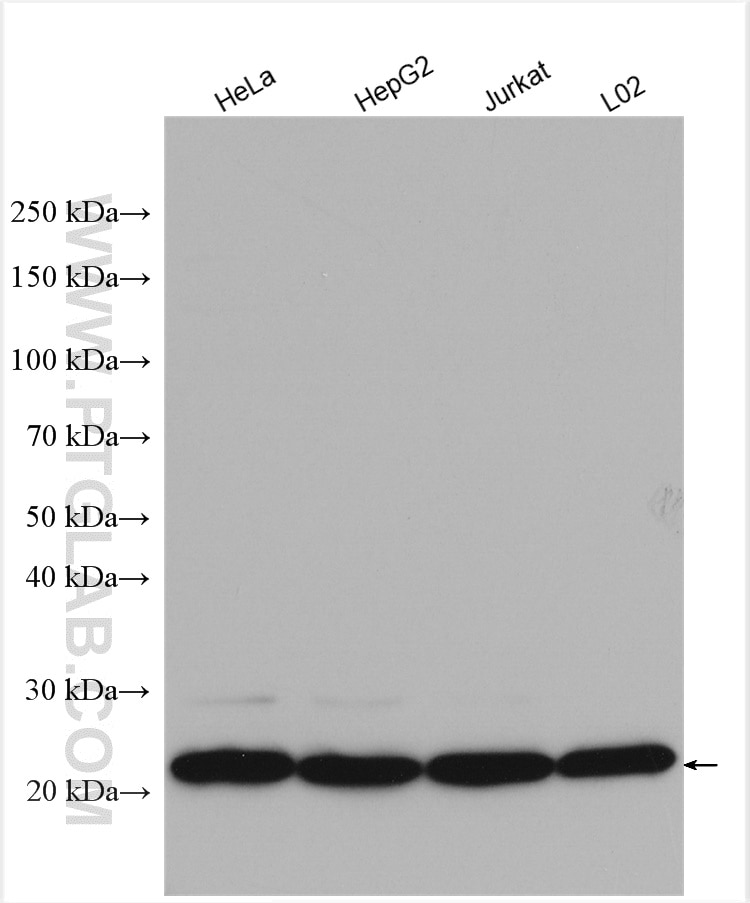
| Positive WB detected in | HeLa cells, HepG2 cells, Jurkat cells, L02 cells |
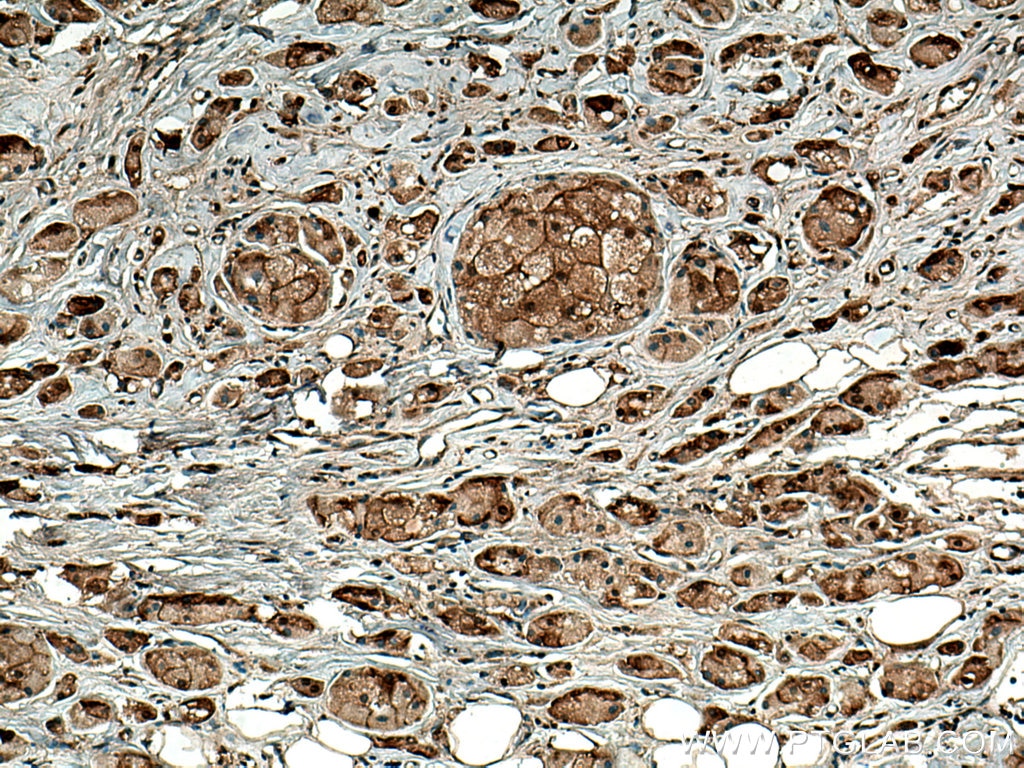
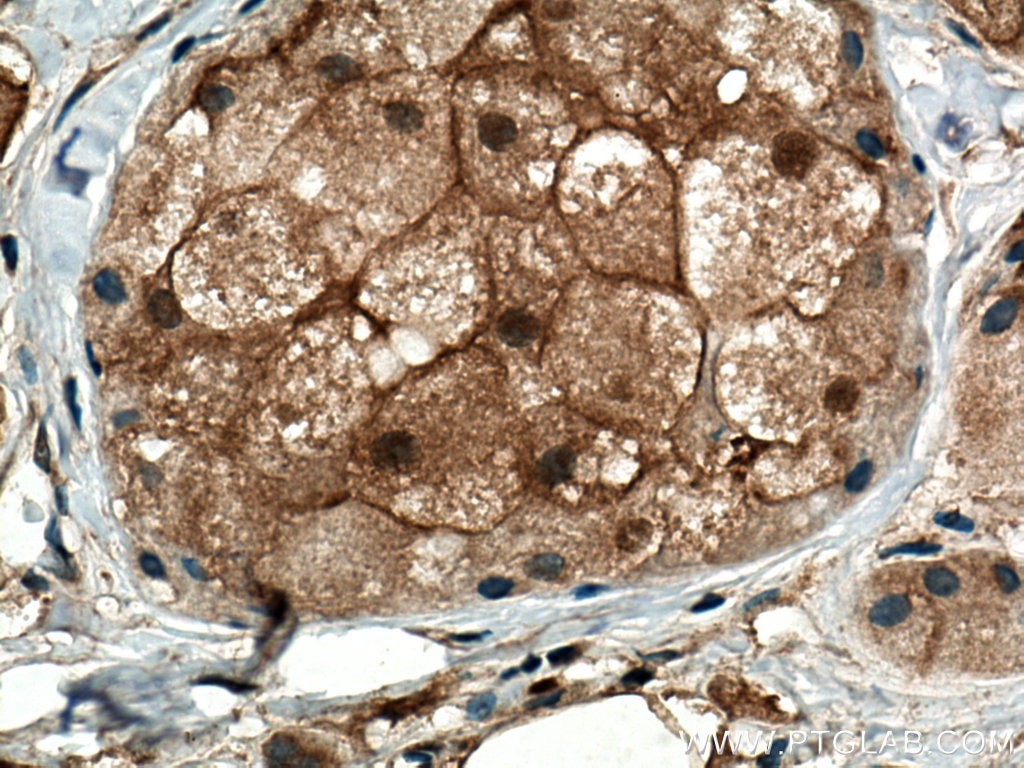
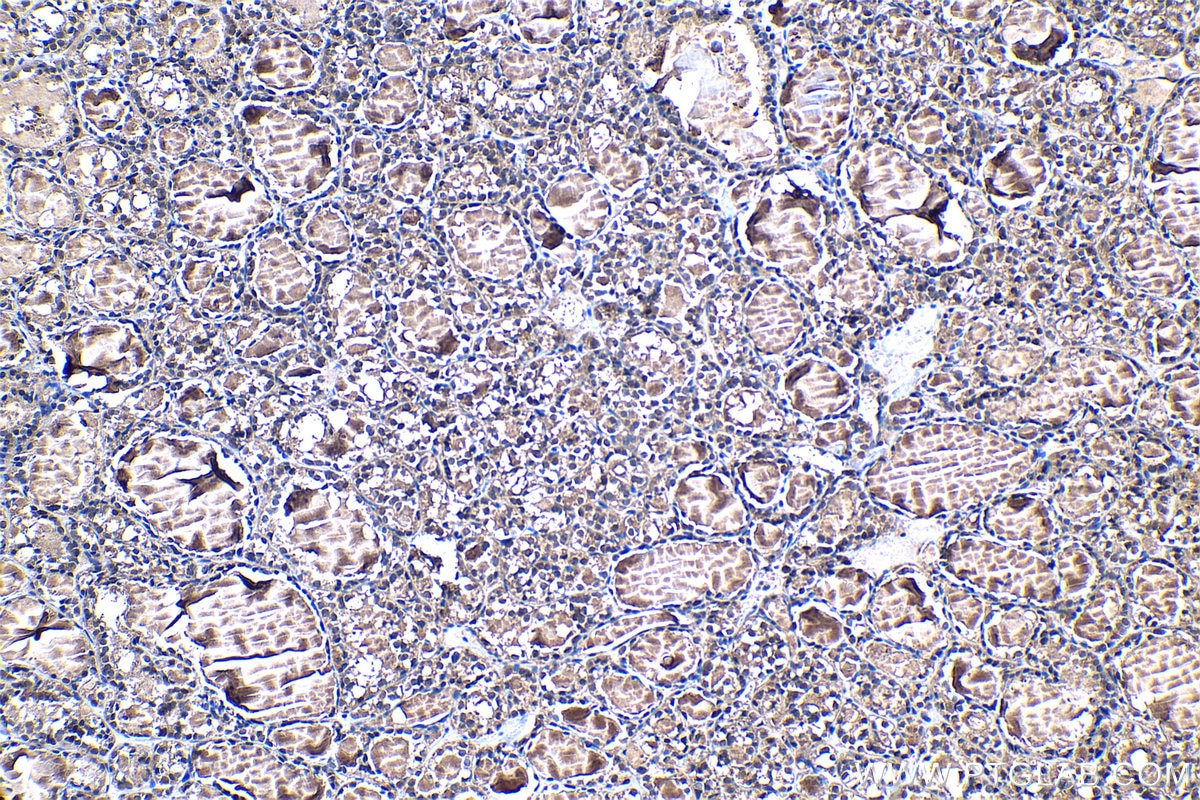
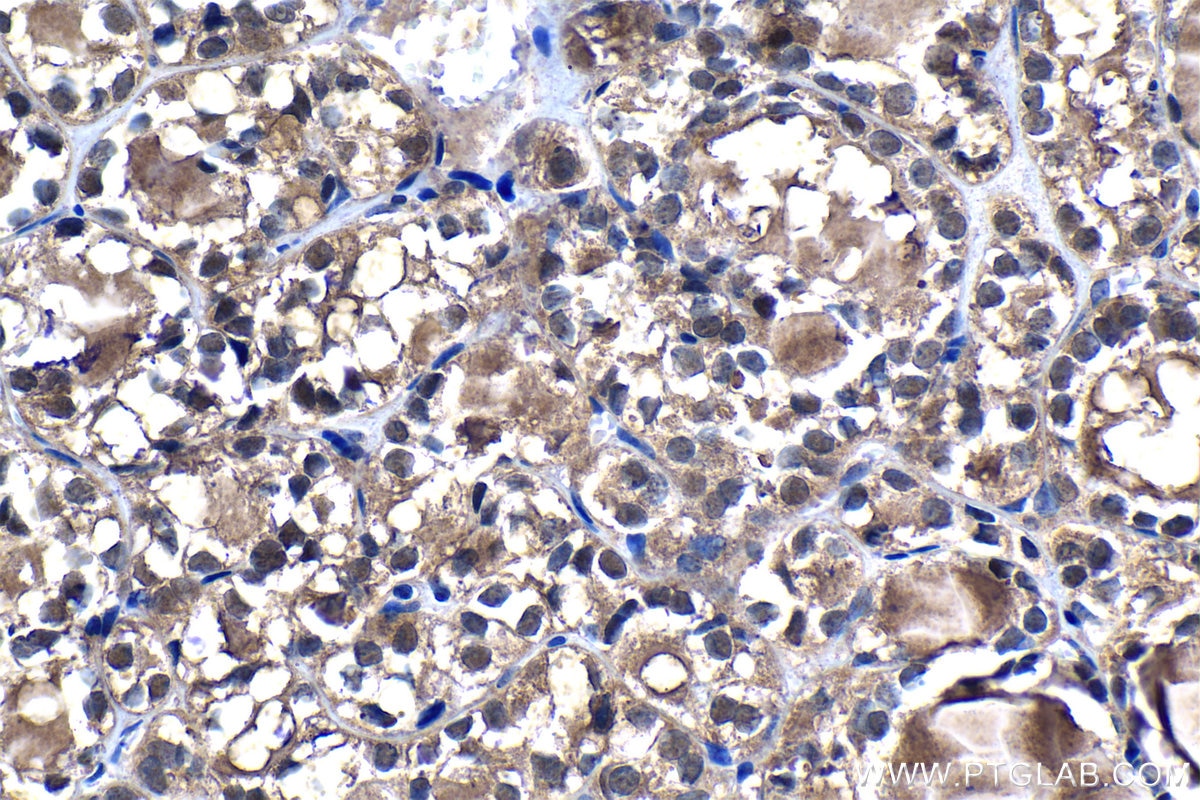
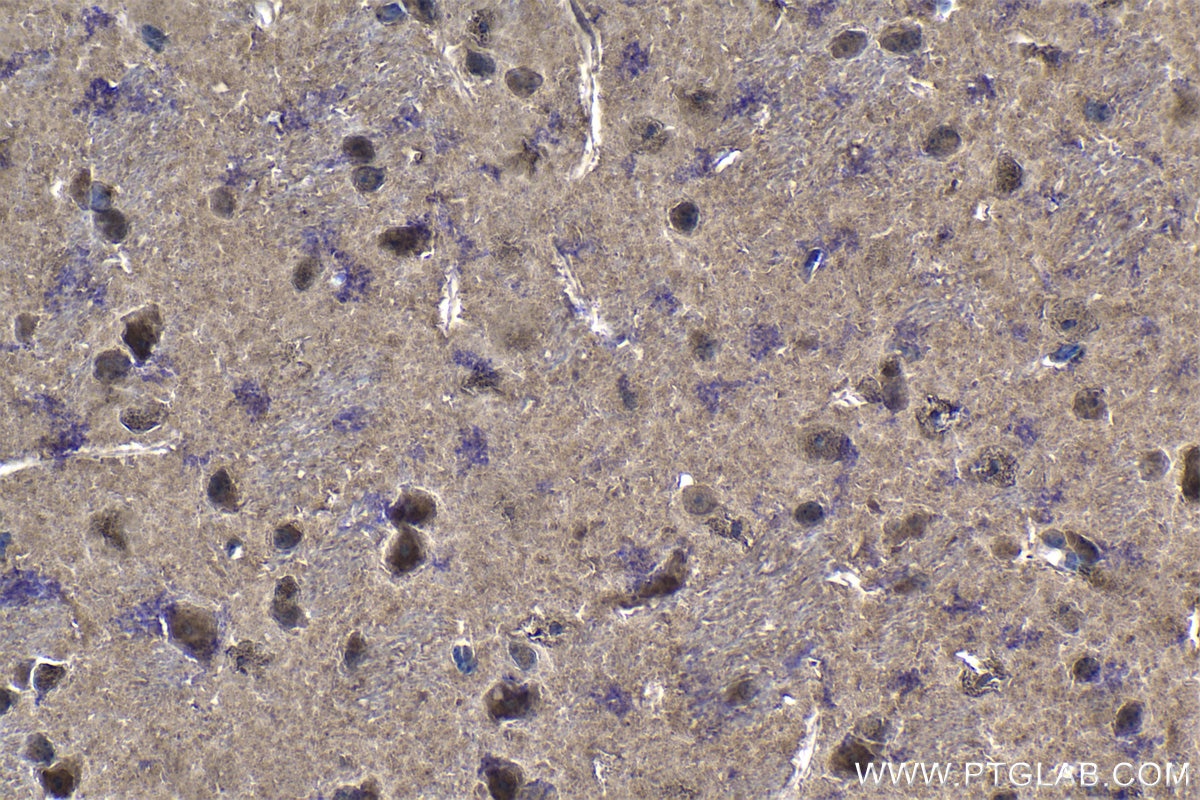
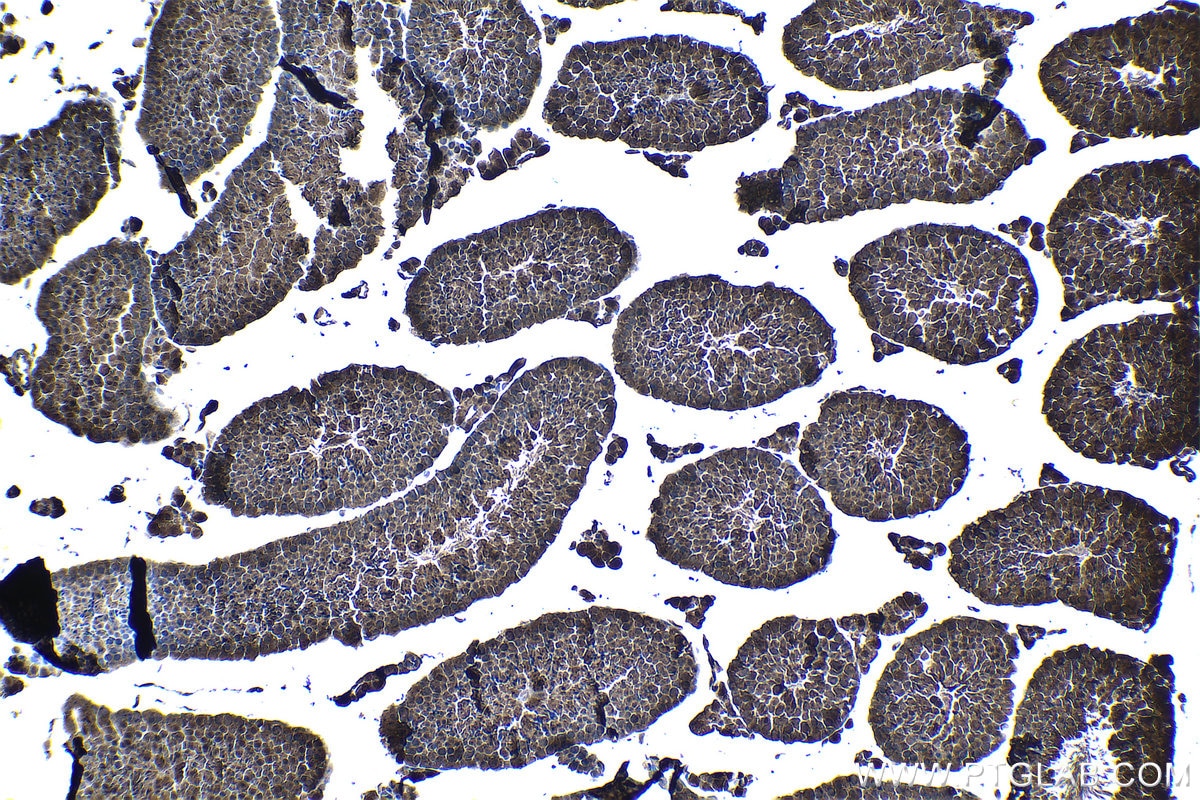
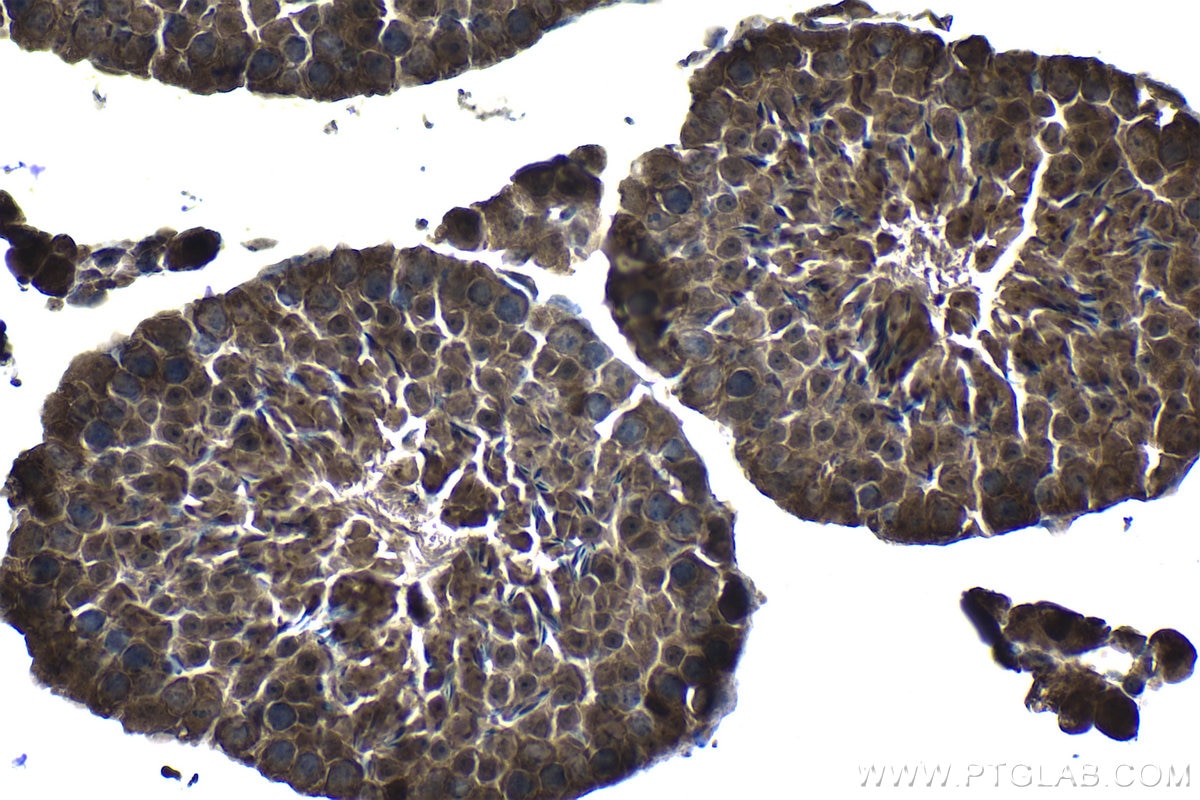
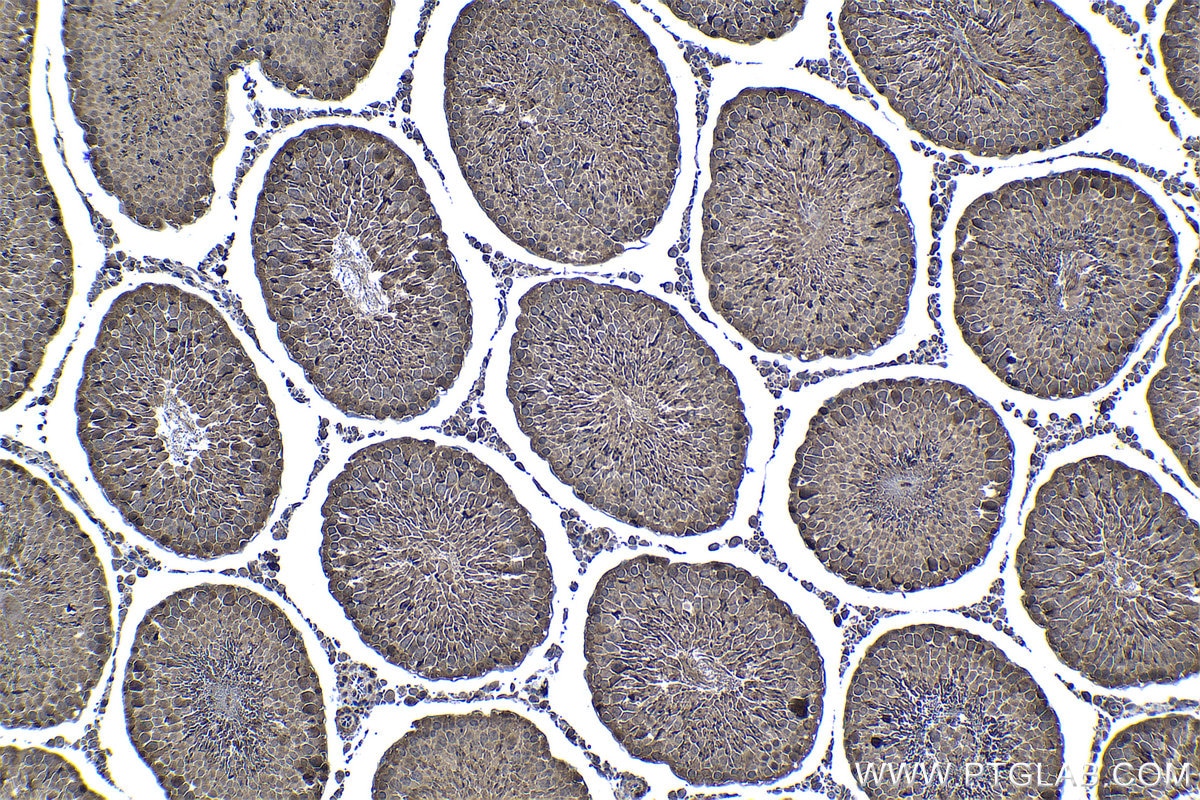
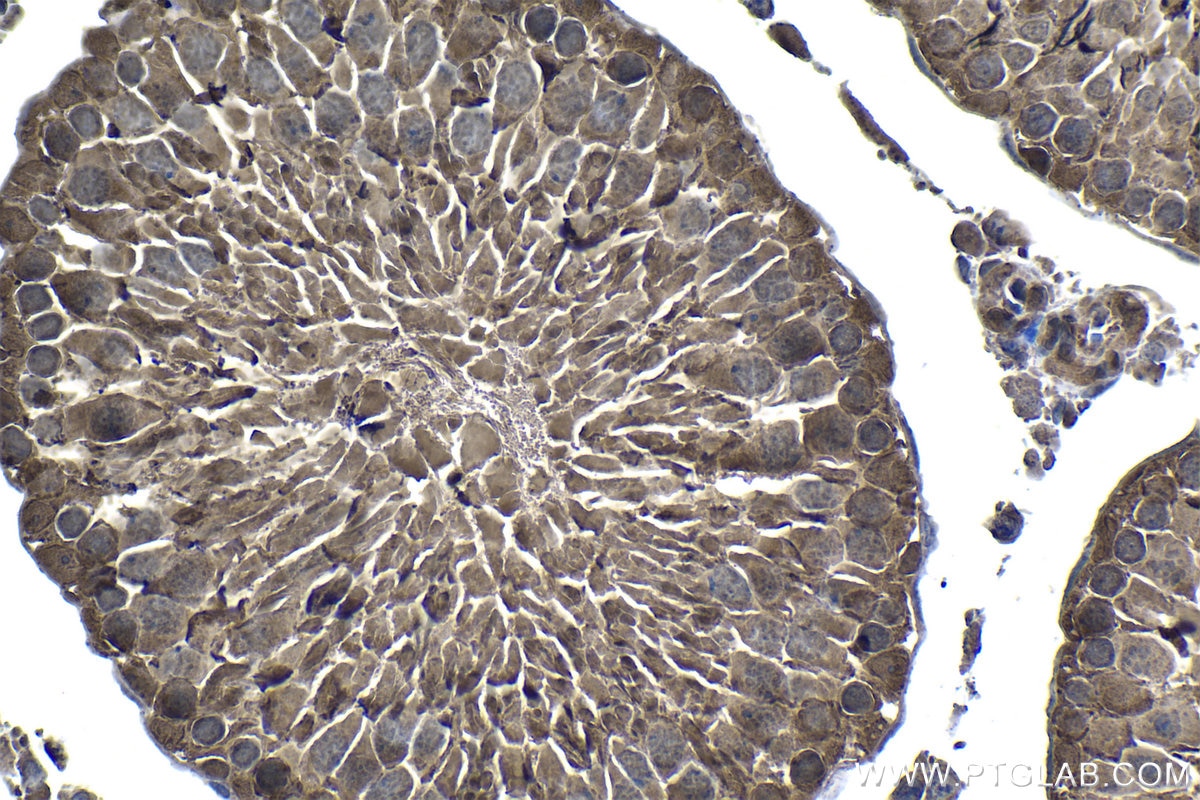
| Positive IHC detected in | human thyroid cancer tissue, human breast cancer tissue, mouse brain tissue, mouse testis tissue, rat testis tissue Note: suggested antigen retrieval with TE buffer pH 9.0; (*) Alternatively, antigen retrieval may be performed with citrate buffer pH 6.0 |
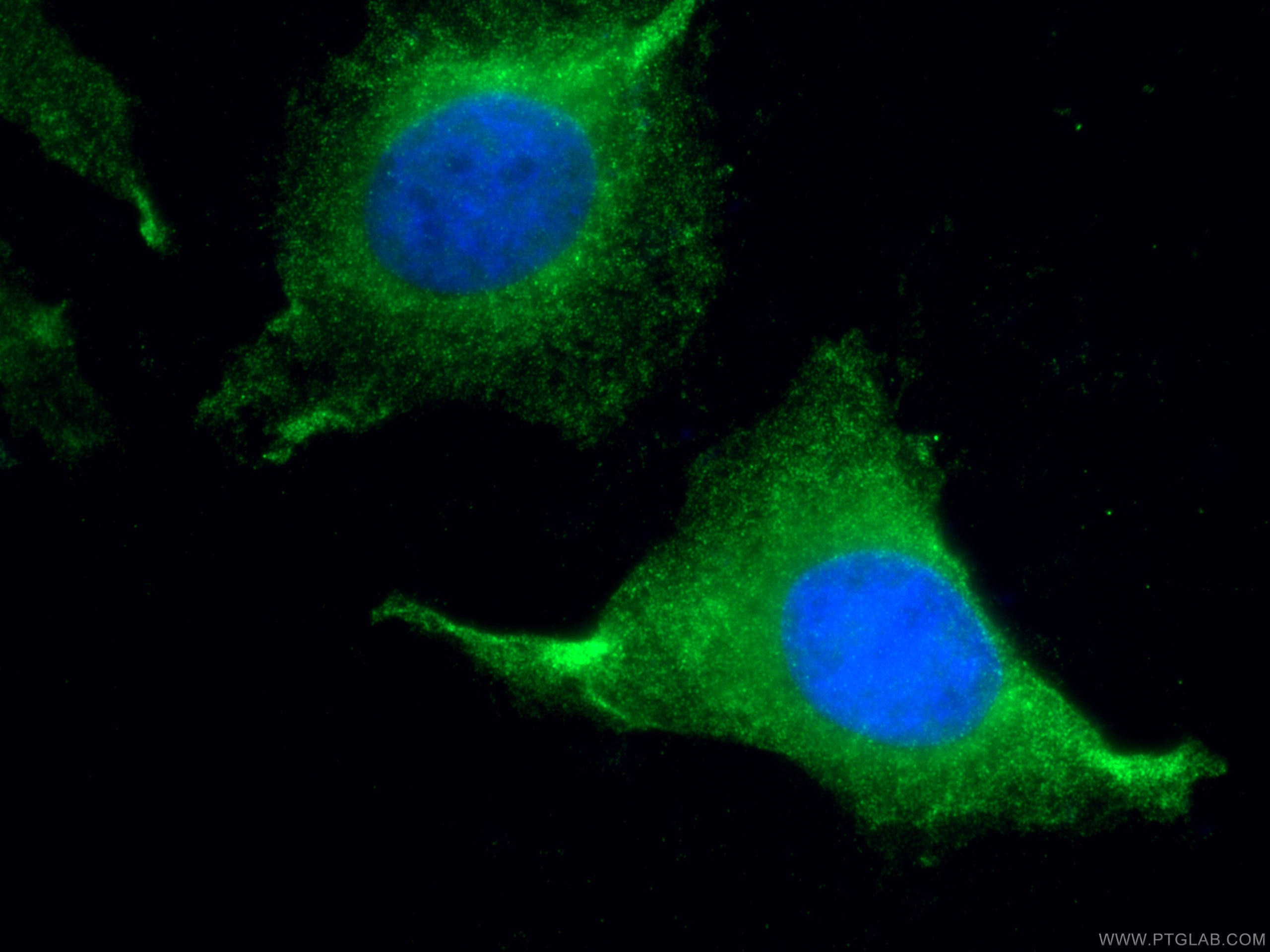
| Positive IF/ICC detected in | HeLa cells |
Recommended dilution
| Application | Dilution |
|---|---|
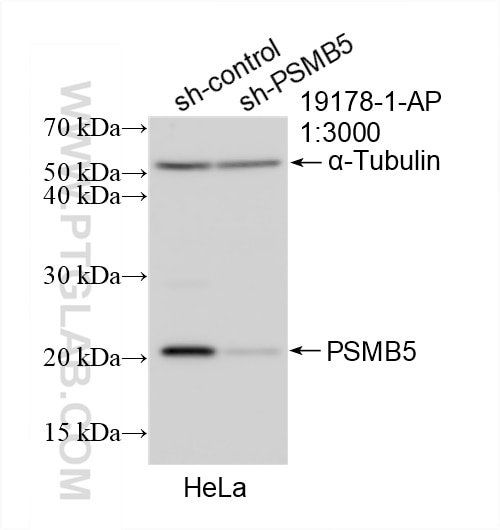
| Western Blot (WB) | WB : 1:500-1:2000 |
| Immunohistochemistry (IHC) | IHC : 1:500-1:2000 |
| Immunofluorescence (IF)/ICC | IF/ICC : 1:50-1:500 |
| It is recommended that this reagent should be titrated in each testing system to obtain optimal results. | |
| Sample-dependent, Check data in validation data gallery. | |
Product Information
19178-1-AP targets PSMB5 in WB, IHC, IF/ICC, IP, ELISA applications and shows reactivity with human, mouse, rat samples.
| Tested Reactivity | human, mouse, rat |
| Cited Reactivity | human, mouse |
| Host / Isotype | Rabbit / IgG |
| Class | Polyclonal |
| Type | Antibody |
| Immunogen |
CatNo: Ag5828 Product name: Recombinant human PSMB5 protein Source: e coli.-derived, PET28a Tag: 6*His Domain: 1-263 aa of BC057840 Sequence: MALASVLERPLPVNQRGFFGLGGRADLLDLGPGSLSDGLSLAAPGWGVPEEPGIEMLHGTTTLAFKFRHGVIVAADSRATAGAYIASQTVKKVIEINPYLLGTMAGGAADCSFWERLLARQCRIYELRNKERISVAAASKLLANMVYQYKGMGLSMGTMICGWDKRGPGLYYVDSEGNRISGATFSVGSGSVYAYGVMDRGYSYDLEVEQAYDLARRAIYQATYRDAYSGGAVNLYHVREDGWIRVSSDNVADLHEKYSGSTP Predict reactive species |
| Full Name | proteasome (prosome, macropain) subunit, beta type, 5 |
| Calculated Molecular Weight | 263 aa, 28 kDa |
| Observed Molecular Weight | 22 kDa |
| GenBank Accession Number | BC057840 |
| Gene Symbol | PSMB5 |
| Gene ID (NCBI) | 5693 |
| RRID | AB_10926385 |
| Conjugate | Unconjugated |
| Form | Liquid |
| Purification Method | Antigen affinity purification |
| UNIPROT ID | P28074 |
| Storage Buffer | PBS with 0.02% sodium azide and 50% glycerol, pH 7.3. |
| Storage Conditions | Store at -20°C. Stable for one year after shipment. Aliquoting is unnecessary for -20oC storage. 20ul sizes contain 0.1% BSA. |
Background Information
PSMB5(Proteasome subunit beta type-5) is also named as LMPX, MB1, X and belongs to the peptidase T1B family.The proteasome is a multicatalytic proteinase complex which is characterized by its ability to cleave peptides with Arg, Phe, Tyr, Leu, and Glu adjacent to the leaving group at neutral or slightly basic pH.RNAi-mediated silencing of.It has 2 isoforms produced by alternative splicing.
Protocols
| Product Specific Protocols | |
|---|---|
| IF protocol for PSMB5 antibody 19178-1-AP | Download protocol |
| IHC protocol for PSMB5 antibody 19178-1-AP | Download protocol |
| WB protocol for PSMB5 antibody 19178-1-AP | Download protocol |
| Standard Protocols | |
|---|---|
| Click here to view our Standard Protocols |
Publications
What published studies show
PSMB5 antibody (Cat# 19178-1-AP) has 22 citations across journals including Cell, Nature Communications, Oncogene, Cancer Letters, Free Radical Biology and Medicine, Analytical Chemistry, Journal of Biological Chemistry, Acta Pharmacologica Sinica, and others. Research fields span proteasome biology, multiple myeloma, breast cancer, lung cancer, bladder cancer, hepatocellular carcinoma, autophagy, cardiac hypertrophy, epilepsy, Alzheimer's disease, and eye disorders. Applications are predominantly Western blot, with some IF, IHC, and IP.
| Species | Application | Title |
|---|---|---|
Nat Commun The deubiquitinase OTUD1 regulates immunoglobulin production and proteasome inhibitor sensitivity in multiple myeloma | ||
Cell Death Dis EphB4 inhibition defines a druggable synthetic-lethal vulnerability in MYC-driven triple-negative breast cancer. | ||
Cancer Lett Combinations of ivermectin with proteasome inhibitors induce synergistic lethality in multiple myeloma | ||
Cancer Lett Ixazomib triggers autophagic degradation of MUC5AC/integrin-β4 and inhibits non-small cell lung cancer progression. | ||
Phytomedicine PTEN status determines therapeutic vulnerability to celastrol in cholangiocarcinoma |

