


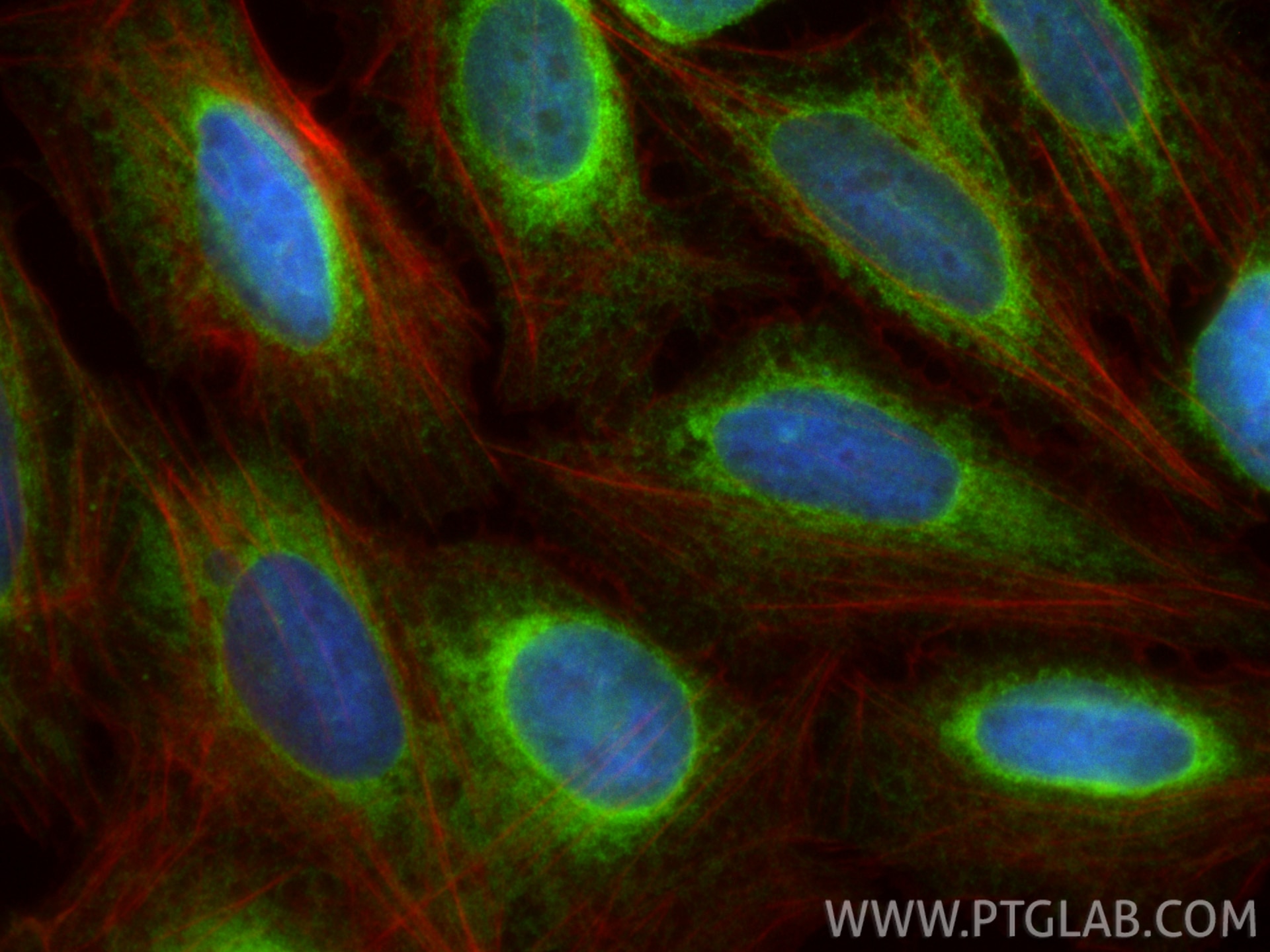

Tested Applications
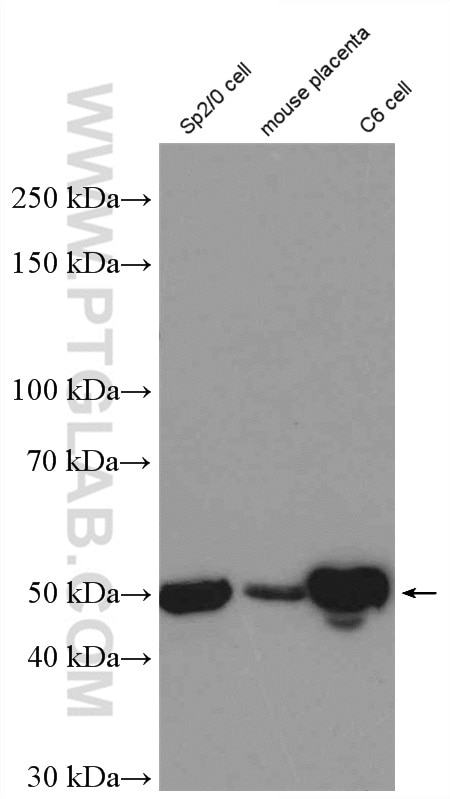
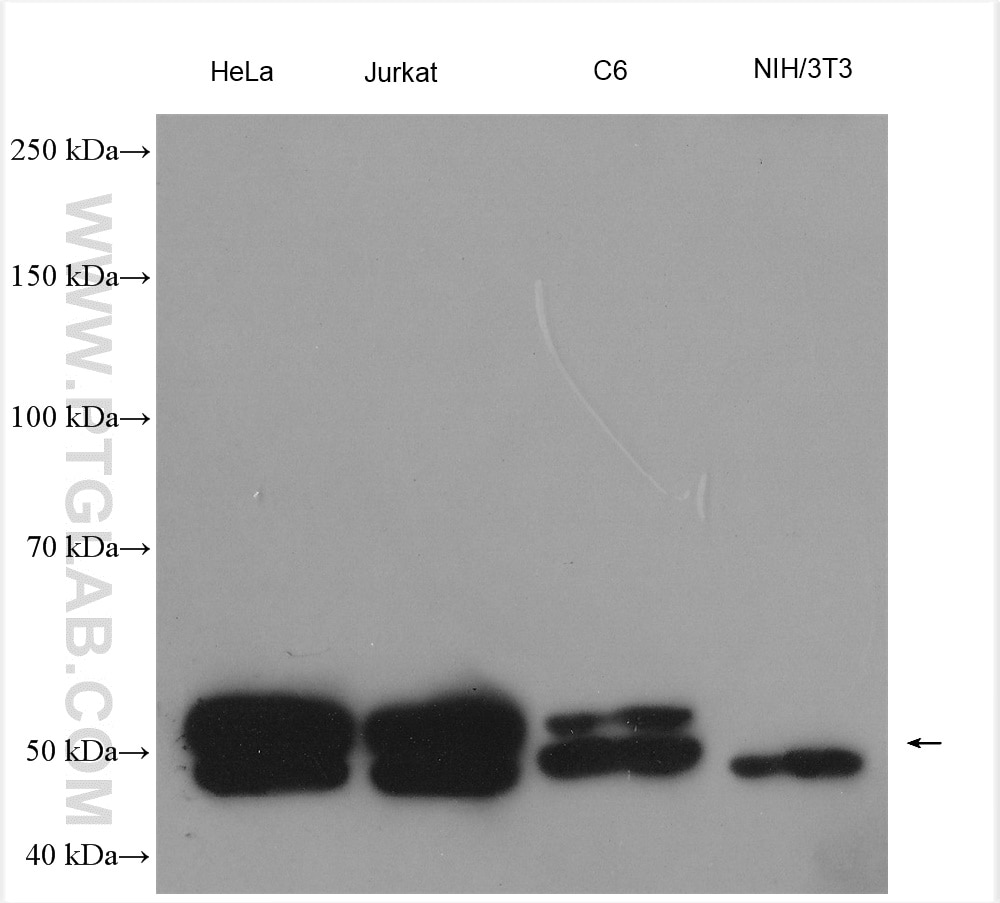
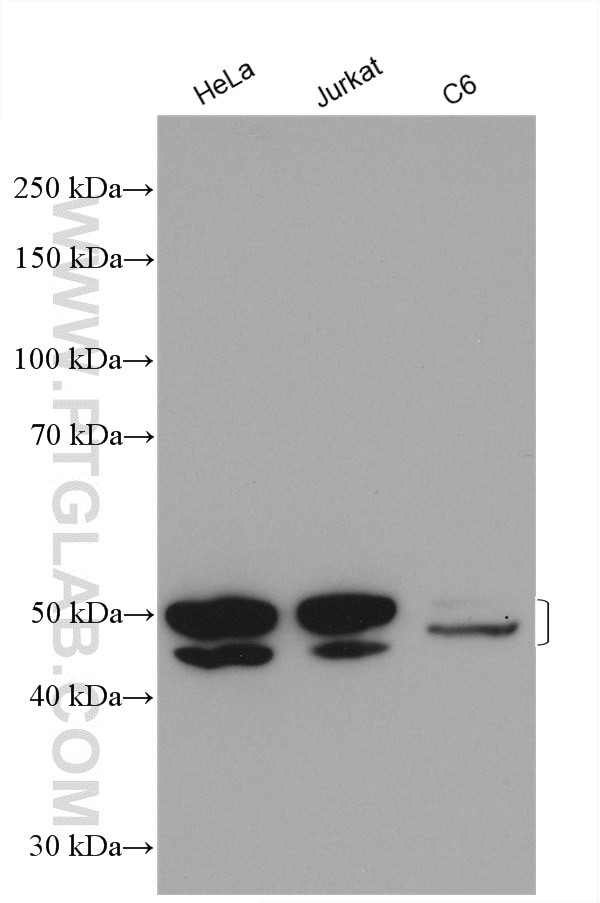
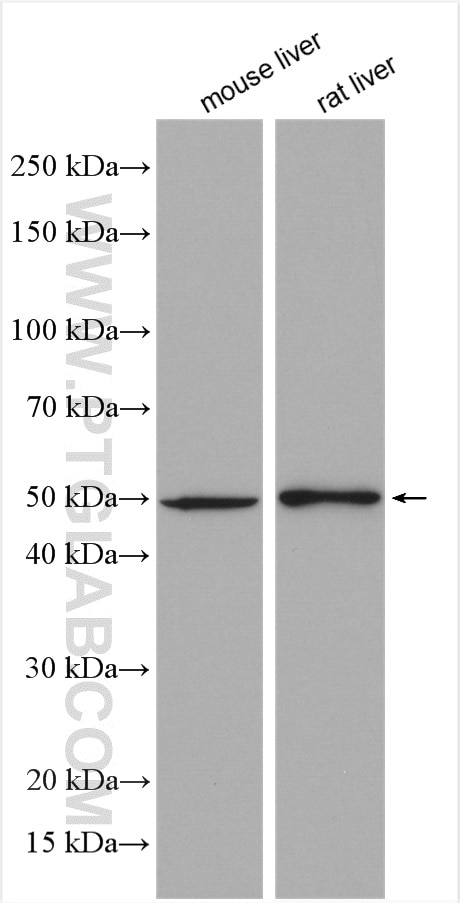
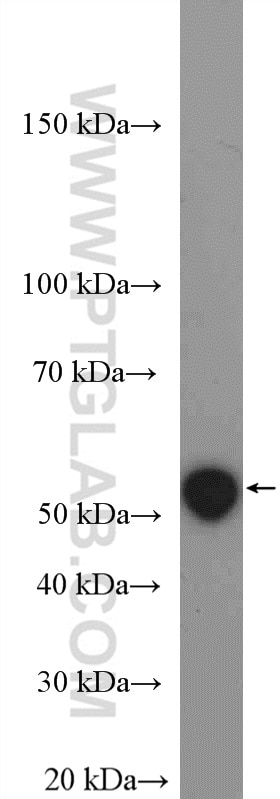
| Positive WB detected in | Sp2/0 cells, HeLa cells, mouse liver tissue, THP-1 cells, Jurkat cells, C6 cells, NIH/3T3 cells, rat liver tissue, mouse placenta tissue |
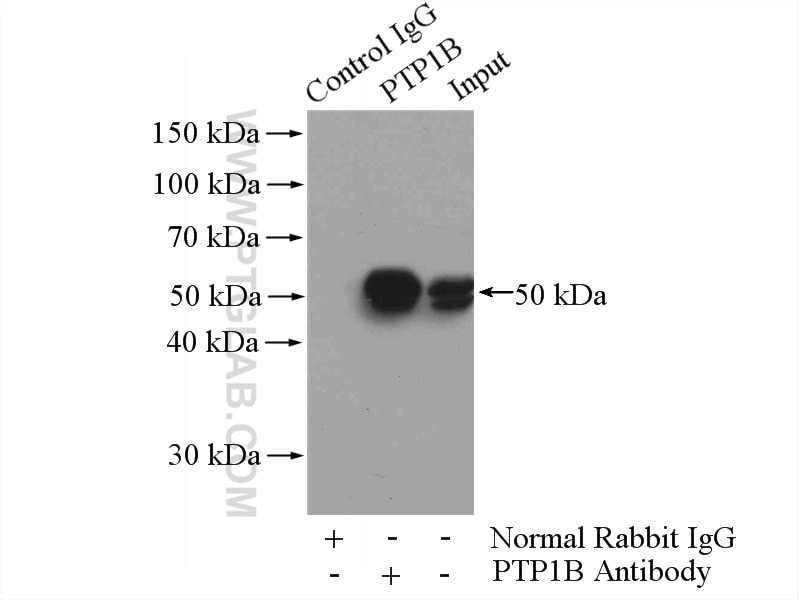
| Positive IP detected in | A431 cells |
| Positive IHC detected in | mouse placenta tissue Note: suggested antigen retrieval with TE buffer pH 9.0; (*) Alternatively, antigen retrieval may be performed with citrate buffer pH 6.0 |
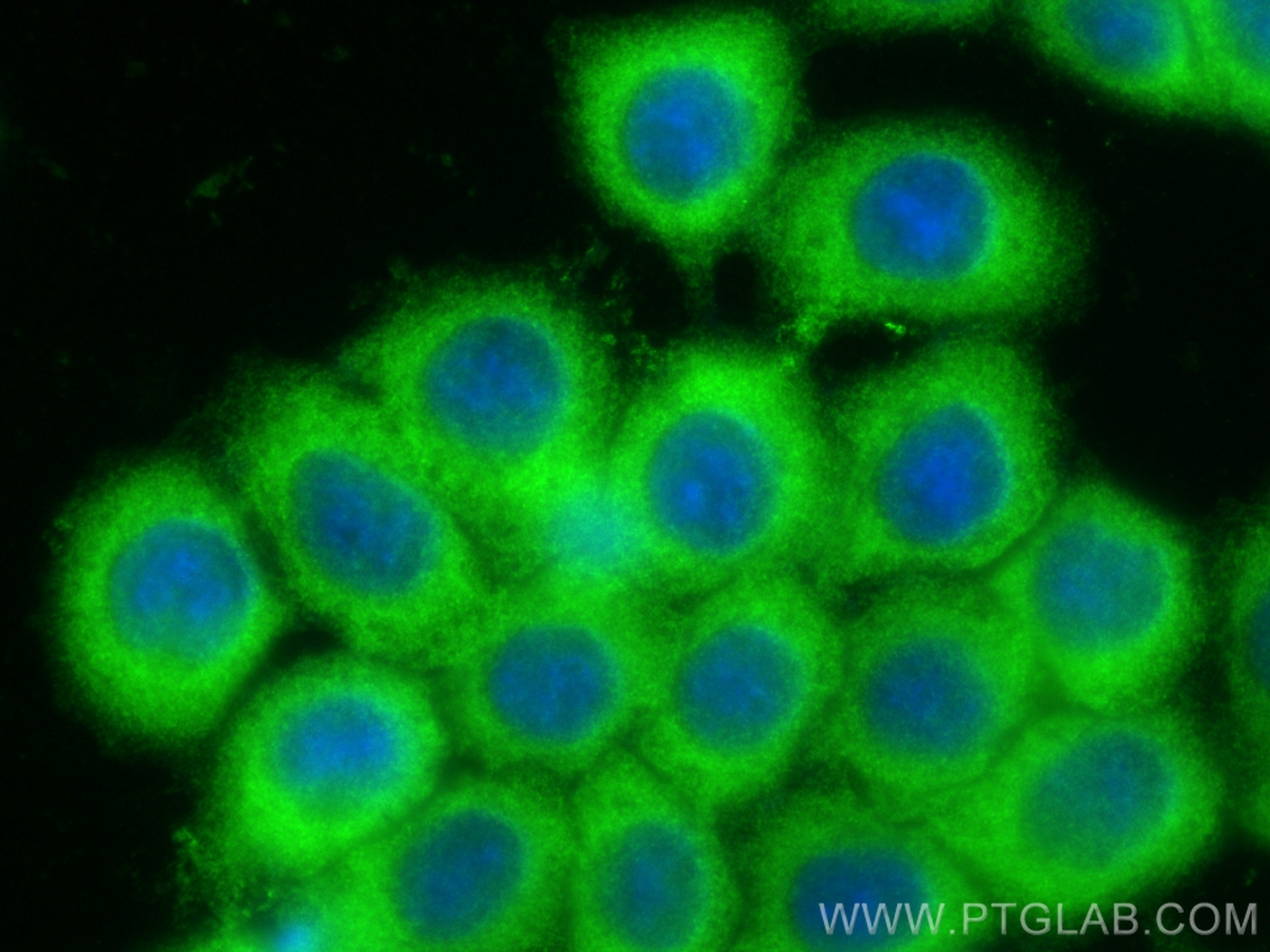
| Positive IF/ICC detected in | BxPC-3 cells, U2OS cells |
Recommended dilution
| Application | Dilution |
|---|---|
| Western Blot (WB) | WB : 1:2000-1:10000 |
| Immunoprecipitation (IP) | IP : 0.5-4.0 ug for 1.0-3.0 mg of total protein lysate |
| Immunohistochemistry (IHC) | IHC : 1:50-1:500 |
| Immunofluorescence (IF)/ICC | IF/ICC : 1:50-1:500 |
| It is recommended that this reagent should be titrated in each testing system to obtain optimal results. | |
| Sample-dependent, Check data in validation data gallery. | |
Product Information
11334-1-AP targets PTPN1/PTP1B in WB, IHC, IF/ICC, IP, CoIP, ELISA applications and shows reactivity with human, mouse, rat samples.
| Tested Reactivity | human, mouse, rat |
| Cited Reactivity | human, mouse, rat, monkey |
| Host / Isotype | Rabbit / IgG |
| Class | Polyclonal |
| Type | Antibody |
| Immunogen |
CatNo: Ag1878 Product name: Recombinant human PTPN1 protein Source: e coli.-derived, PGEX-4T Tag: GST Domain: 1-435 aa of BC015660 Sequence: MEMEKEFEQIDKSGSWAAIYQDIRHEASDFPCRVAKLPKNKNRNRYRDVSPFDHSRIKLHQEDNDYINASLIKMEEAQRSYILTQGPLPNTCGHFWEMVWEQKSRGVVMLNRVMEKGSLKCAQYWPQKEEKEMIFEDTNLKLTLISEDIKSYYTVRQLELENLTTQETREILHFHYTTWPDFGVPESPASFLNFLFKVRESGSLSPEHGPVVVHCSAGIGRSGTFCLADTCLLLMDKRKDPSSVDIKKVLLEMRKFRMGLIQTADQLRFSYLAVIEGAKFIMGDSSVQDQWKELSHEDLEPPPEHIPPPPRPPKRILEPHNGKCREFFPNHQWVKEETQEDKDCPIKEEKGSPLNAAPYGIESMSQDTEVRSRVVGGSLRGAQAASPAKGEPSLPEKDEDHALSYWKPFLVNMCVATVLTAGAYLCYRFLFNSNT Predict reactive species |
| Full Name | protein tyrosine phosphatase, non-receptor type 1 |
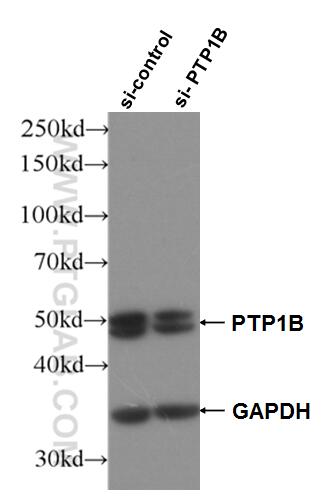
| Calculated Molecular Weight | 435 aa, 50 kDa |
| Observed Molecular Weight | 45-55 kDa |
| GenBank Accession Number | BC015660 |
| Gene Symbol | PTP1B |
| Gene ID (NCBI) | 5770 |
| RRID | AB_10642566 |
| Conjugate | Unconjugated |
| Form | Liquid |
| Purification Method | Antigen affinity purification |
| UNIPROT ID | P18031 |
| Storage Buffer | PBS with 0.02% sodium azide and 50% glycerol, pH 7.3. |
| Storage Conditions | Store at -20°C. Stable for one year after shipment. Aliquoting is unnecessary for -20oC storage. 20ul sizes contain 0.1% BSA. |
Background Information
PTPN1 (protein tyrosine phosphatase, non-receptor type 1) is also named as PTP1B or PTP-1B, and belongs to the protein-tyrosine phosphatase family and non-receptor class 1 subfamily. PTPN1 is involved in the regulation of several important physiological pathways, which regulates both INS and leptin signaling, and interacts with the epidermal-and platelet-derived growth factor receptors (PMID: 20101100). The gene might harbor variants influencing susceptibility to INS resistance and type 2 diabetes (PMID:15919813). The molecular mass of PTPN1 is 50 kDa, but sometimes some truncated forms can be detected as 48, 46, 39, 37 kDa due to non-specific proteolytic cleavage of PTP1B in different cells (PMID: 18253097).
Protocols
| Product Specific Protocols | |
|---|---|
| IF protocol for PTPN1/PTP1B antibody 11334-1-AP | Download protocol |
| IHC protocol for PTPN1/PTP1B antibody 11334-1-AP | Download protocol |
| IP protocol for PTPN1/PTP1B antibody 11334-1-AP | Download protocol |
| WB protocol for PTPN1/PTP1B antibody 11334-1-AP | Download protocol |
| Standard Protocols | |
|---|---|
| Click here to view our Standard Protocols |
Publications
What published studies show
The PTPN1/PTP1B Polyclonal antibody (11334-1-AP) is cited in 62 publications. Citations appear in journals such as Nature Communications, Science Translational Medicine, Journal of Experimental & Clinical Cancer Research, Cell Death & Disease, Phytomedicine, EMBO Journal, Cell Reports, Aging Cell, Journal of Ethnopharmacology, Frontiers in Immunology, and Cell & Bioscience, among others. The research fields span insulin signaling and type 2 diabetes, metabolic and hepatic disorders (NAFLD, alcoholic liver injury), cancers (hepatocellular carcinoma, melanoma, gastric, breast, lung), cardiovascular and fibrotic disease, neuroinflammation and neuroprotection, endocrinology, and immunology/infection studies.
| Species | Application | Title |
|---|---|---|
Sci Transl Med The m6A demethylase FTO links TLR7 to mitochondrial oxidation driving age-associated B cell formation in systemic lupus erythematosus | ||
J Exp Clin Cancer Res HERC2 promotes inflammation-driven cancer stemness and immune evasion in hepatocellular carcinoma by activating STAT3 pathway | ||
J Exp Clin Cancer Res Ficolin 3 promotes ferroptosis in HCC by downregulating IR/SREBP axis-mediated MUFA synthesis | ||
Cell Death Dis The CREB/KMT5A complex regulates PTP1B to modulate high glucose-induced endothelial inflammatory factor levels in diabetic nephropathy.
| ||
Phytomedicine Roburic acid inhibits glucocorticoid-induced osteonecrosis of the femoral head associated osteoclast activity via targeting PTP1B. |


