

Tested Applications
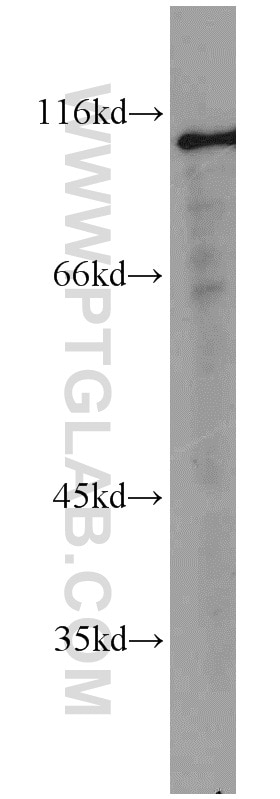
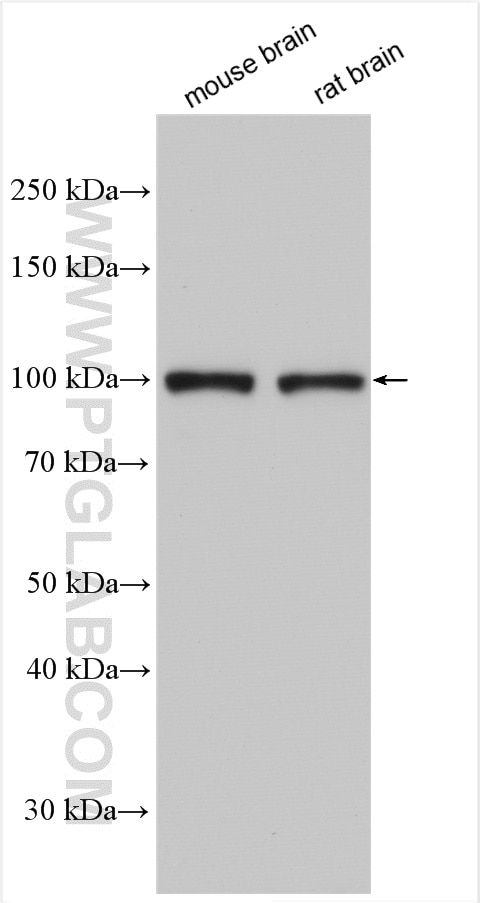
| Positive WB detected in | CHO cells, mouse brain tissue, rat brain tissue |
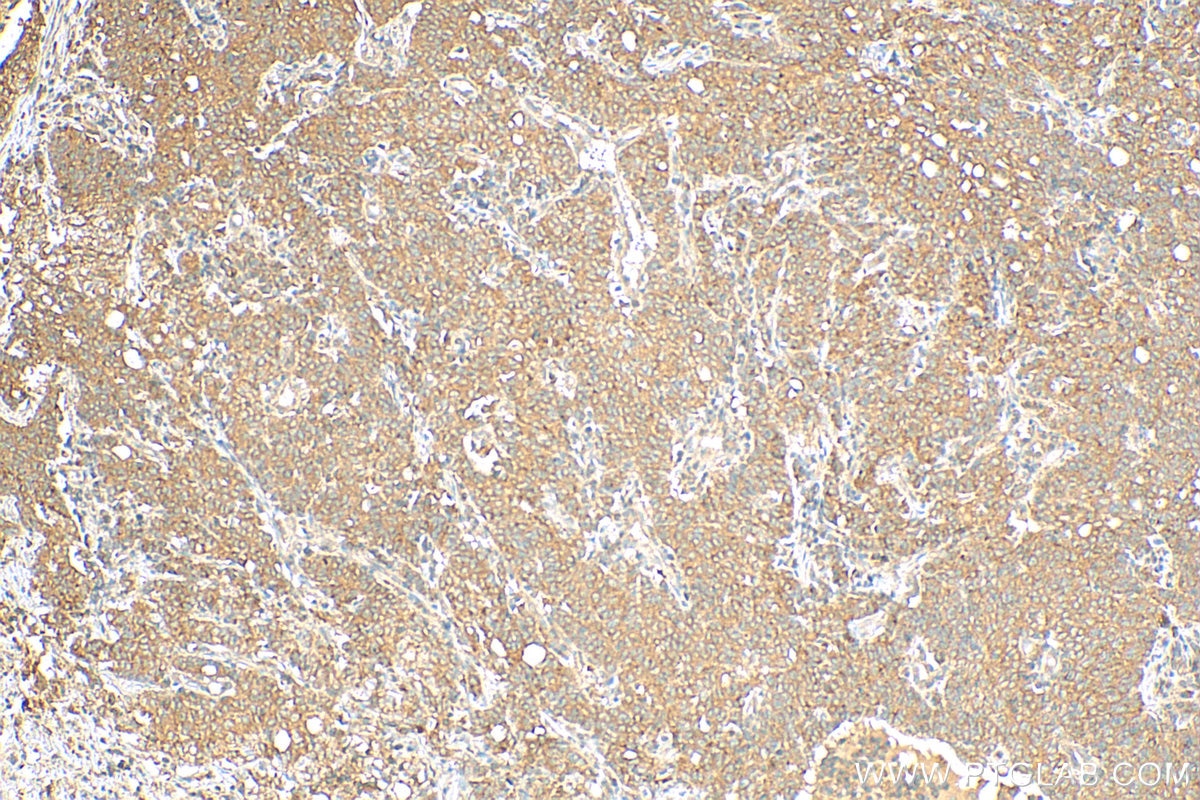
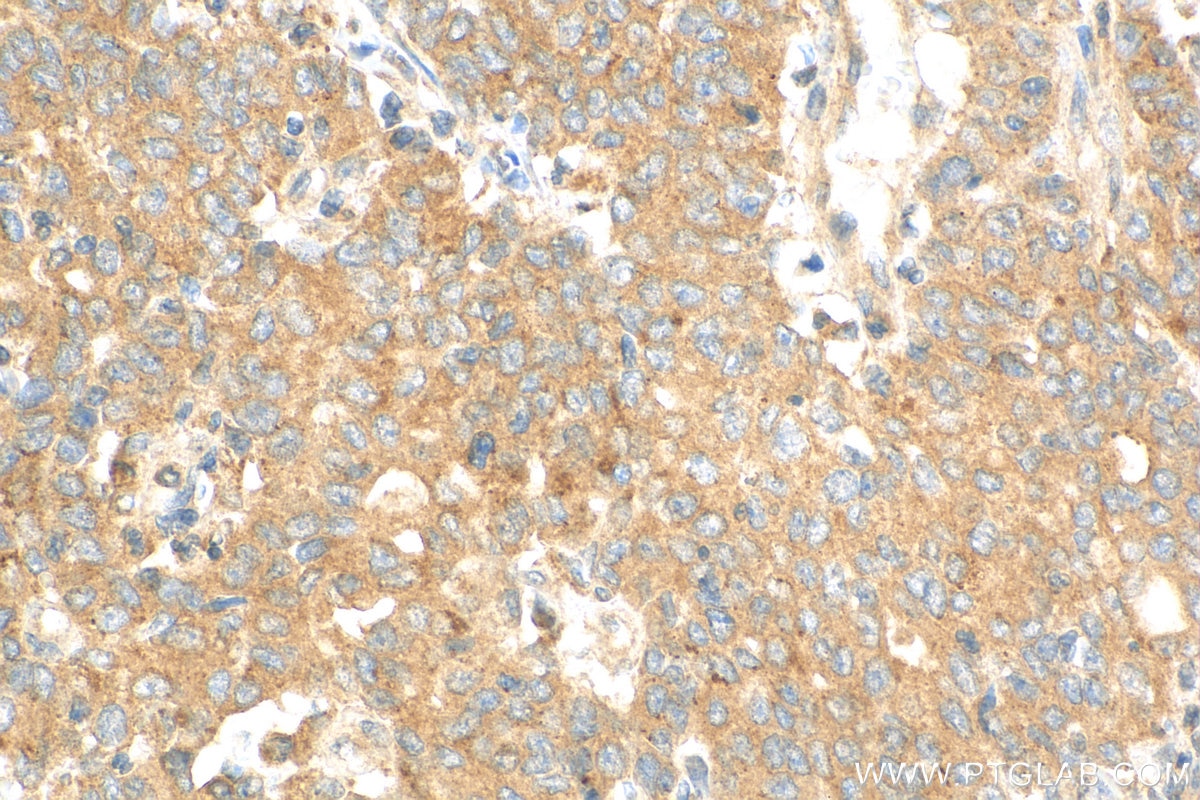
| Positive IHC detected in | human stomach cancer tissue Note: suggested antigen retrieval with TE buffer pH 9.0; (*) Alternatively, antigen retrieval may be performed with citrate buffer pH 6.0 |
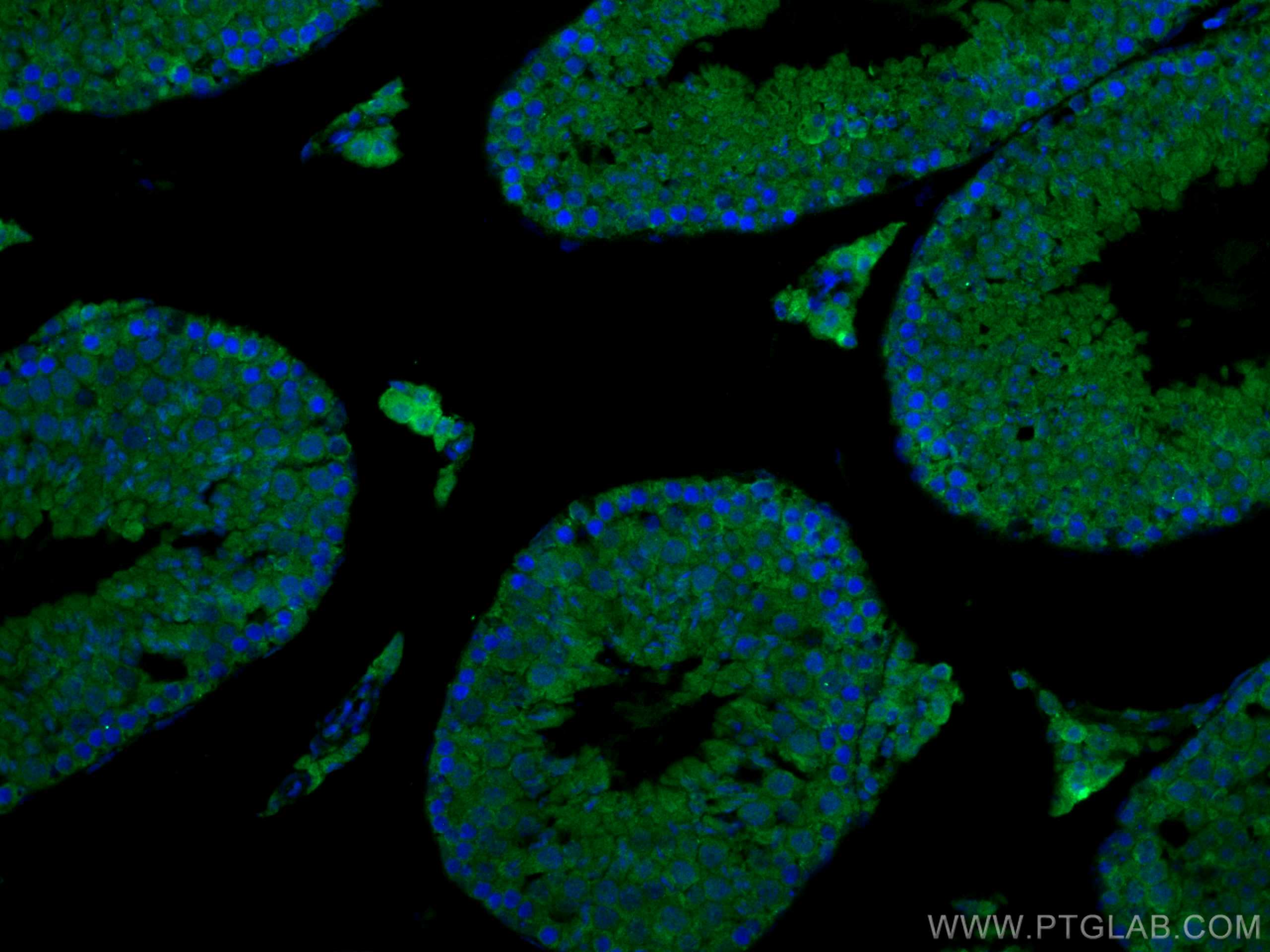
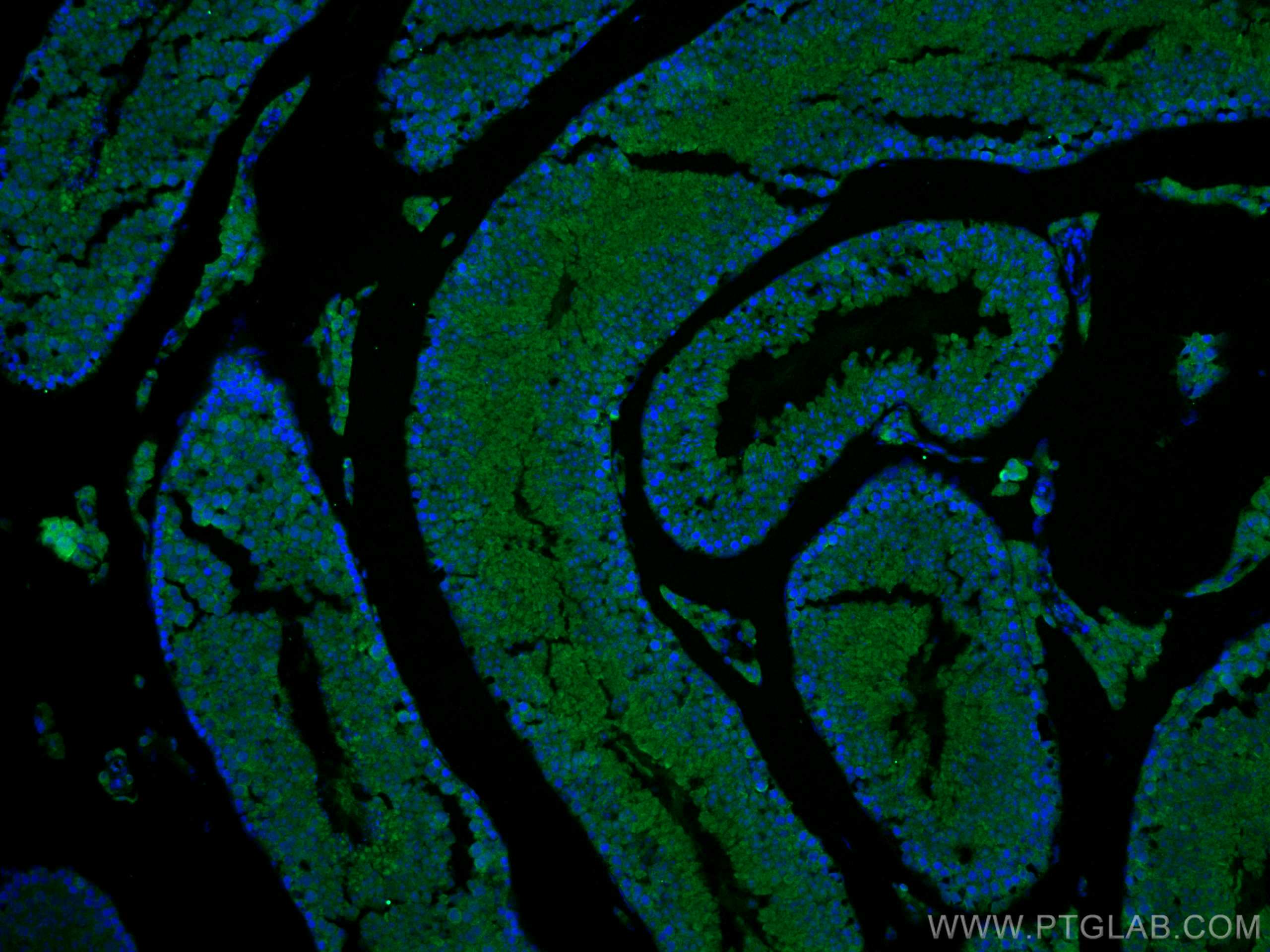
| Positive IF-P detected in | mouse testis tissue |
Recommended dilution
| Application | Dilution |
|---|---|
| Western Blot (WB) | WB : 1:500-1:2000 |
| Immunohistochemistry (IHC) | IHC : 1:50-1:500 |
| Immunofluorescence (IF)-P | IF-P : 1:50-1:500 |
| It is recommended that this reagent should be titrated in each testing system to obtain optimal results. | |
| Sample-dependent, Check data in validation data gallery. | |
Product Information
12572-1-AP targets EPAC1 in WB, IHC, IF-P, CoIP, ELISA applications and shows reactivity with human, mouse, rat, hamster samples.
| Tested Reactivity | human, mouse, rat, hamster |
| Cited Reactivity | human, mouse, rat |
| Host / Isotype | Rabbit / IgG |
| Class | Polyclonal |
| Type | Antibody |
| Immunogen |
CatNo: Ag3240 Product name: Recombinant human RAPGEF3 protein Source: e coli.-derived, PGEX-4T Tag: GST Domain: 441-788 aa of BC017728 Sequence: HFHVEPAGGSEQERSTYVCNKRQQILRLVSQWVALYGSMLHTDPVATSFLQKLSDLVGRDTRLSNLLREQWPERRRCHRLENGCGNASPQMKARNLPVWLPNQDEPLPGSSCAIQVGDKVPYDICRPDHSVLTLQLPVTASVREVMAALAQEDGWTKGQVLVKVNSAGDAIGLQPDARGVATSLGLNERLFVVNPQEVHELIPHPDQLGPTVGSAEGLDLVSAKDLAGQLTDHDWSLFNSIHQVELIHYVLGPQHLRDVTTANLERFMRRFNELQYWVATELCLCPVPGPRAQLLRKFIKLAAHLKEQKNLNSFFAVMFGLSNSAISRLAHTWERLPHKVRKLYSALE Predict reactive species |
| Full Name | Rap guanine nucleotide exchange factor (GEF) 3 |
| Calculated Molecular Weight | 881 aa, 99 kDa |
| Observed Molecular Weight | 99-104 kDa |
| GenBank Accession Number | BC017728 |
| Gene Symbol | EPAC1/RAPGEF3 |
| Gene ID (NCBI) | 10411 |
| RRID | AB_11232407 |
| Conjugate | Unconjugated |
| Form | Liquid |
| Purification Method | Antigen affinity purification |
| UNIPROT ID | O95398 |
| Storage Buffer | PBS with 0.02% sodium azide and 50% glycerol, pH 7.3. |
| Storage Conditions | Store at -20°C. Stable for one year after shipment. Aliquoting is unnecessary for -20oC storage. 20ul sizes contain 0.1% BSA. |
Background Information
EPAC1 functions as a guanine nucleotide exchange factor (GEF), activating small GTPases like Rap1 and Rap2, leading to diverse cellular response. Epac proteins are cAMP sensors that regulate several pivotal cellular processes, including calcium handling, cell proliferation, cell survival, cell differentiation, cell polarization, cell adhesion events, gene transcription, secretion, ion transport, and neuronal signaling. It is a potential target for therapeutic intervention, such as metabolic disorders, cardiovascular diseases (PMID: 20007405, PMID: 20421979). EPAC1 also enhances brown fat growth and beige adipogenesis (PMID: 38195707).
Protocols
| Product Specific Protocols | |
|---|---|
| IF protocol for EPAC1 antibody 12572-1-AP | Download protocol |
| IHC protocol for EPAC1 antibody 12572-1-AP | Download protocol |
| WB protocol for EPAC1 antibody 12572-1-AP | Download protocol |
| Standard Protocols | |
|---|---|
| Click here to view our Standard Protocols |
Publications
What published studies show
The EPAC1 Polyclonal antibody (Cat# 12572-1-AP) has 11 citations published in journals including Cell Death & Disease, Pharmacological Research, Journal of Neuroinflammation, Journal of Ethnopharmacology, Cellular and Molecular Life Sciences, Cell Biosciences, Scientific Reports, Frontiers in Medicine, Fitoterapia, and Translational Cancer Research. Research fields span hepatocellular carcinoma, diabetic retinopathy, neuroinflammation, pulmonary and renal fibrosis, immune regulation, epithelial-mesenchymal transition, and cardiac fibrosis, with applications primarily in WB, IF, IHC, and CoIP.
| Species | Application | Title |
|---|---|---|
Pharmacol Res Ginsenoside Ro prevents endothelial injury via promoting Epac1/AMPK- mediated mitochondria protection in early diabetic retinopathy | ||
Cell Death Dis AARS1-catalyzed H4K12 lactylation promotes HCC resistance to targeted therapy by activating RAPGEF3-RAP1 signaling. | ||
J Neuroinflammation Neural impairments caused by energy storage material NCM811 via aberrated synaptic pruning: role of Th17 cells in microglia polarization. | ||
J Ethnopharmacol Manshenkang granules alleviate fibrosis in chronic renal failure rats by regulating the PDE4b/cAMP pathway | ||
J Ethnopharmacol Multi-omics reveals the effects and mechanisms of Xinxue Granules against idiopathic pulmonary fibrosis through activating the cAMP/EPAC/CREB axis. | ||
Cell Biosci LBH deficiency influences the therapeutic effects of regulatory B cells through the regulation of IL-10 production via the Rap1 pathway.
|
Reviews
What customers say
Able is busy answering your previous question. Please try again later.
The reviews below have been submitted by verified Proteintech customers who received an incentive for providing their feedback.
Tongbin (Verified Customer) (08-25-2020) | This EPAC1 antibody specifically detects EPAC1 in human cell lines.
|

