


Tested Applications
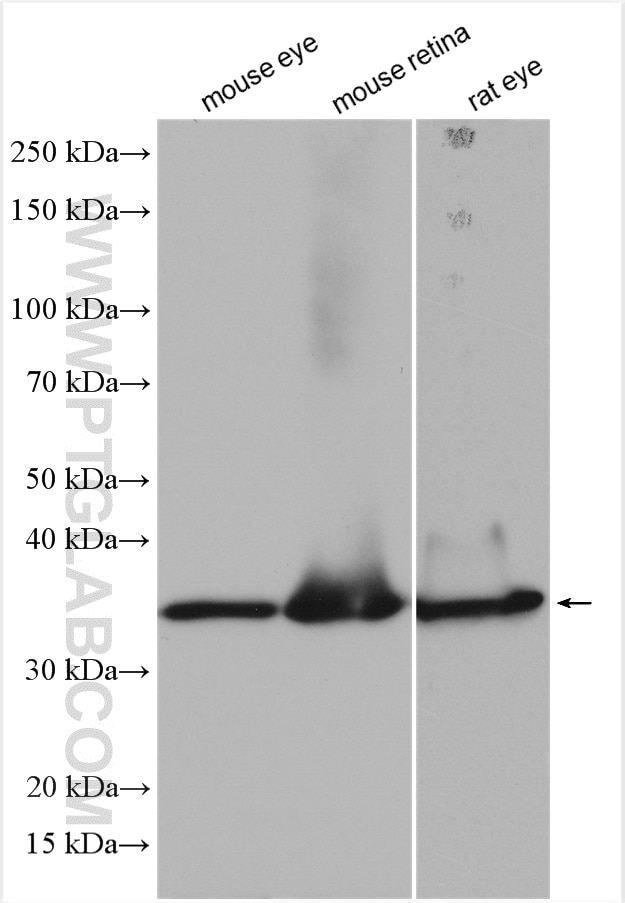
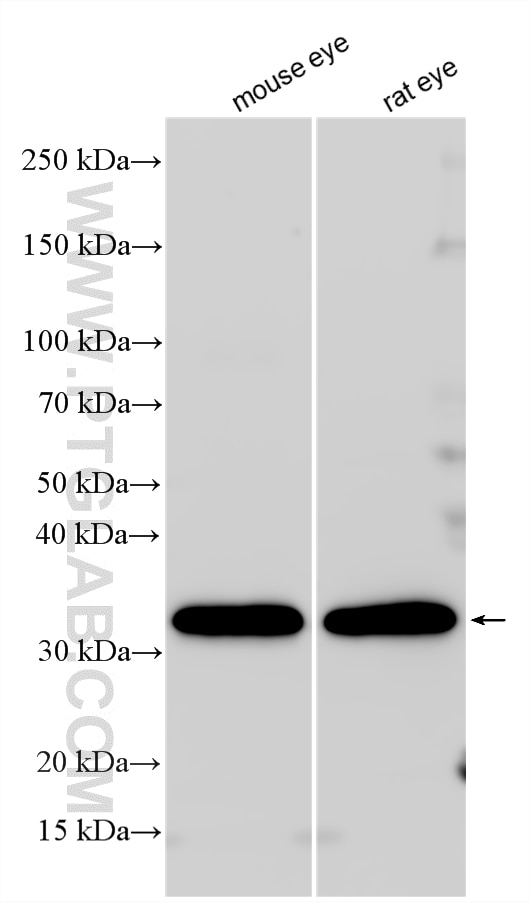
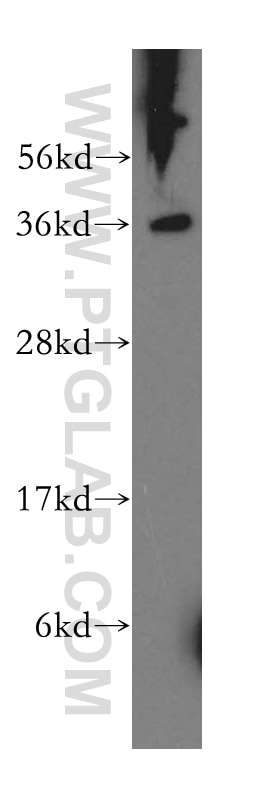
| Positive WB detected in | mouse eye tissue, HepG2 cells, mouse retina tissue, rat eye tissue |
| Positive IP detected in | mouse eye tissue |
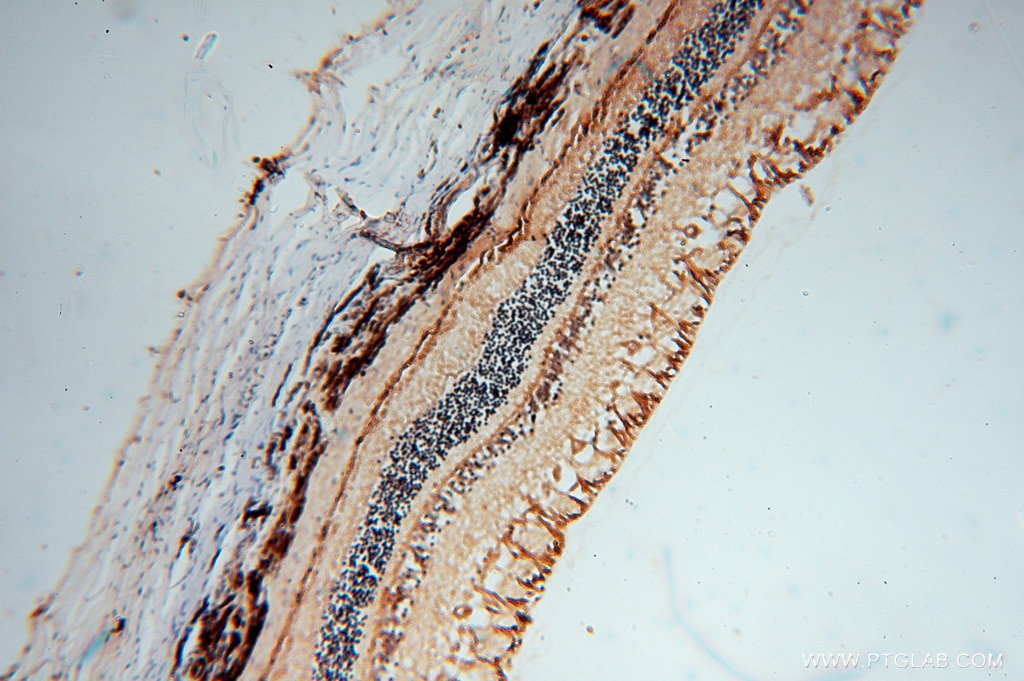
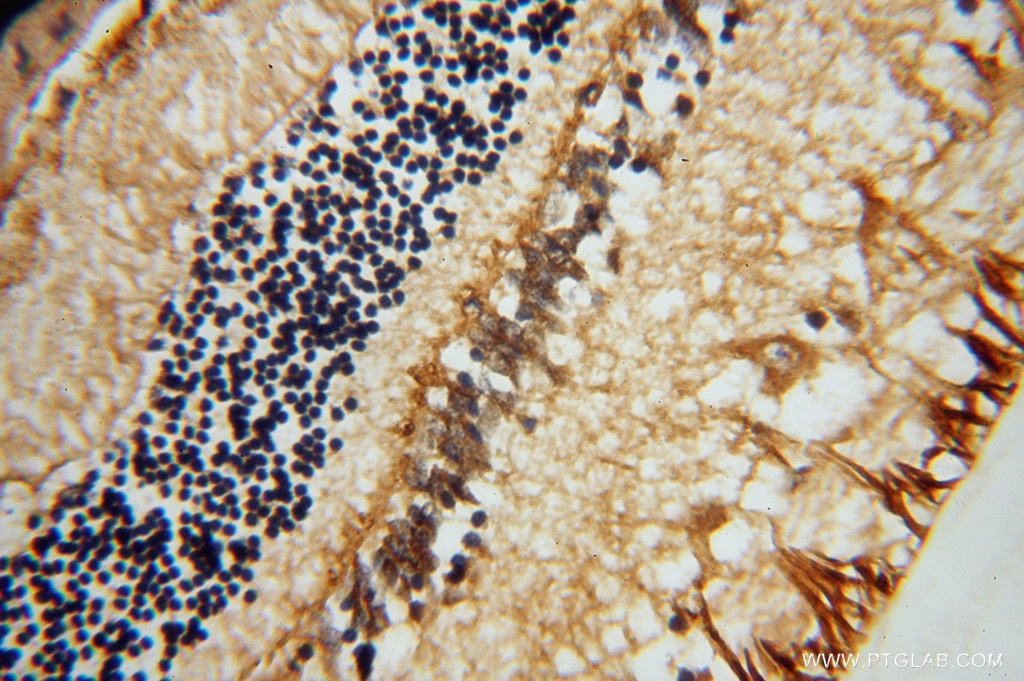
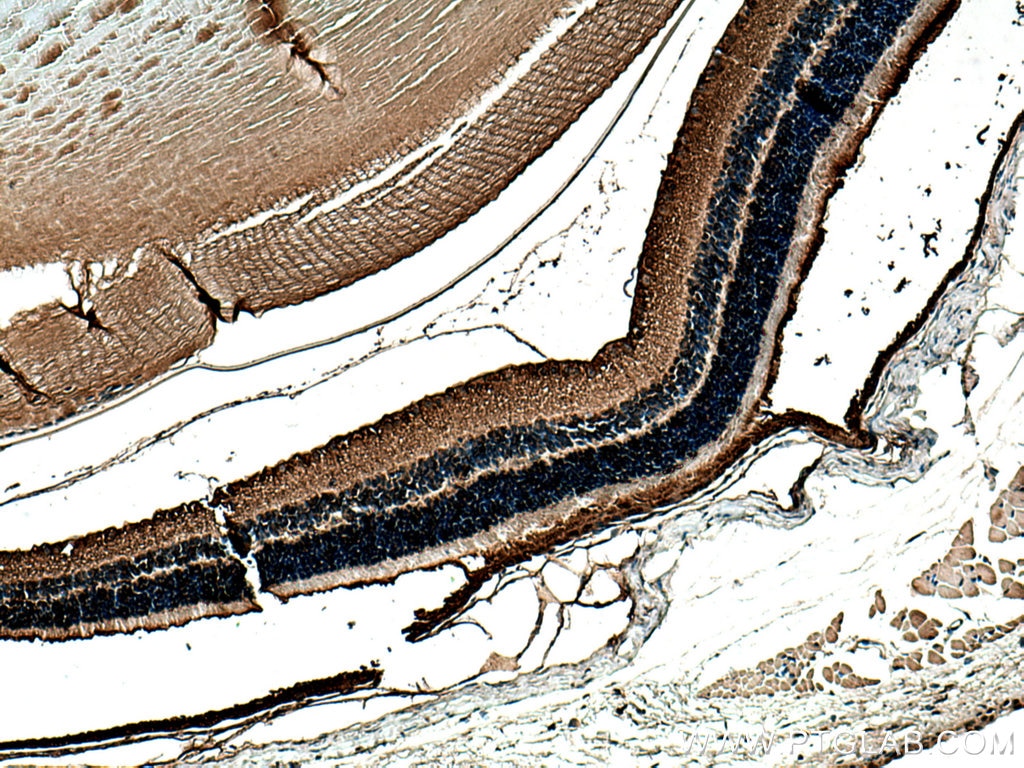
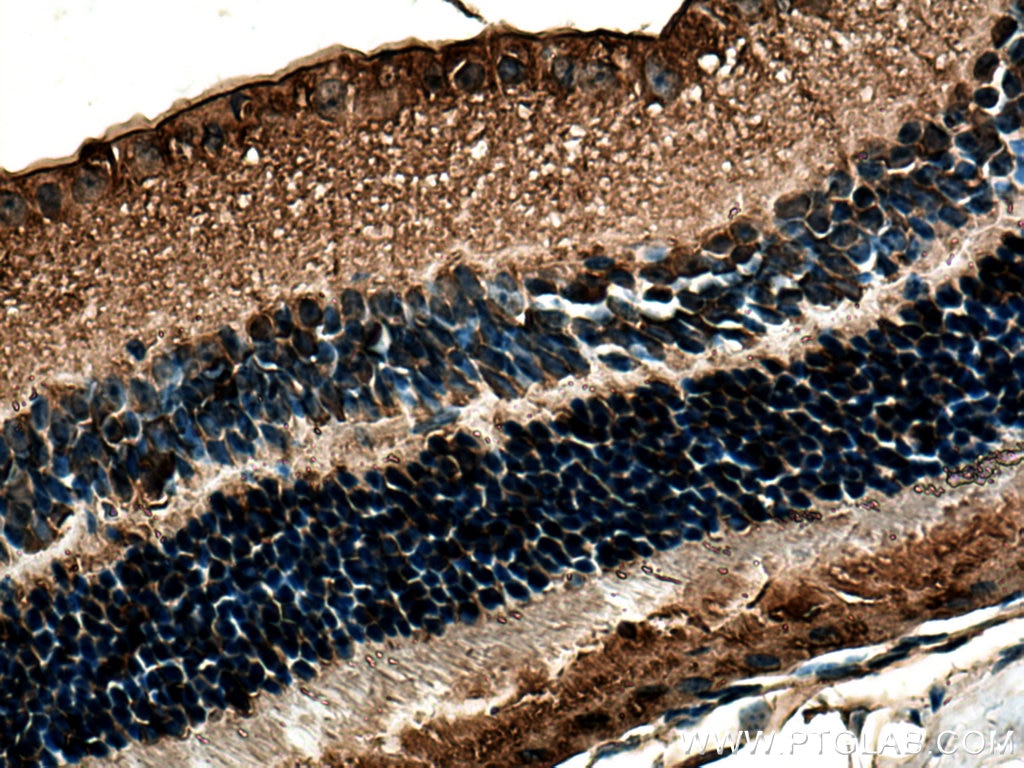
| Positive IHC detected in | mouse eye tissue, human eye tissue Note: suggested antigen retrieval with TE buffer pH 9.0; (*) Alternatively, antigen retrieval may be performed with citrate buffer pH 6.0 |
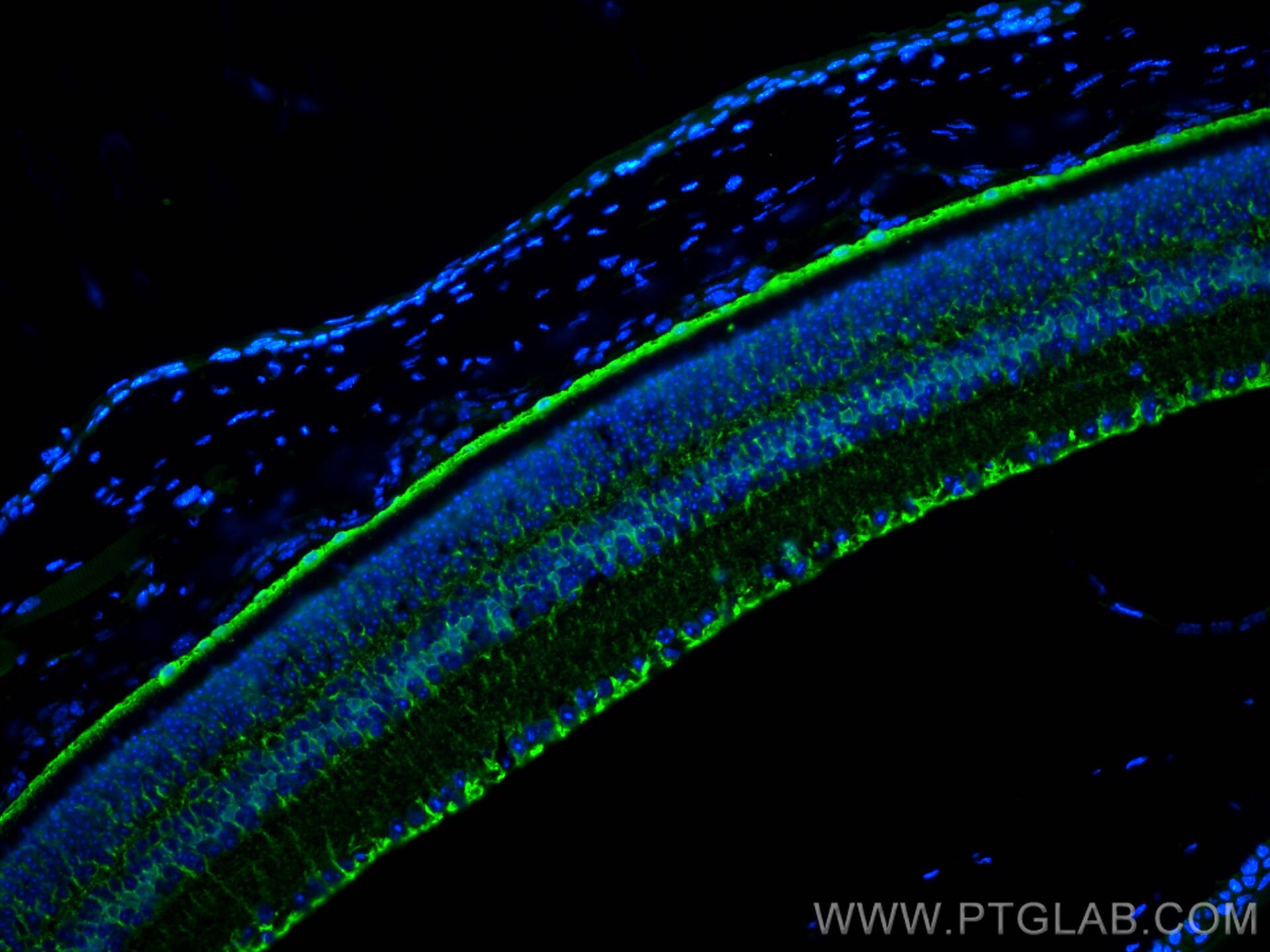
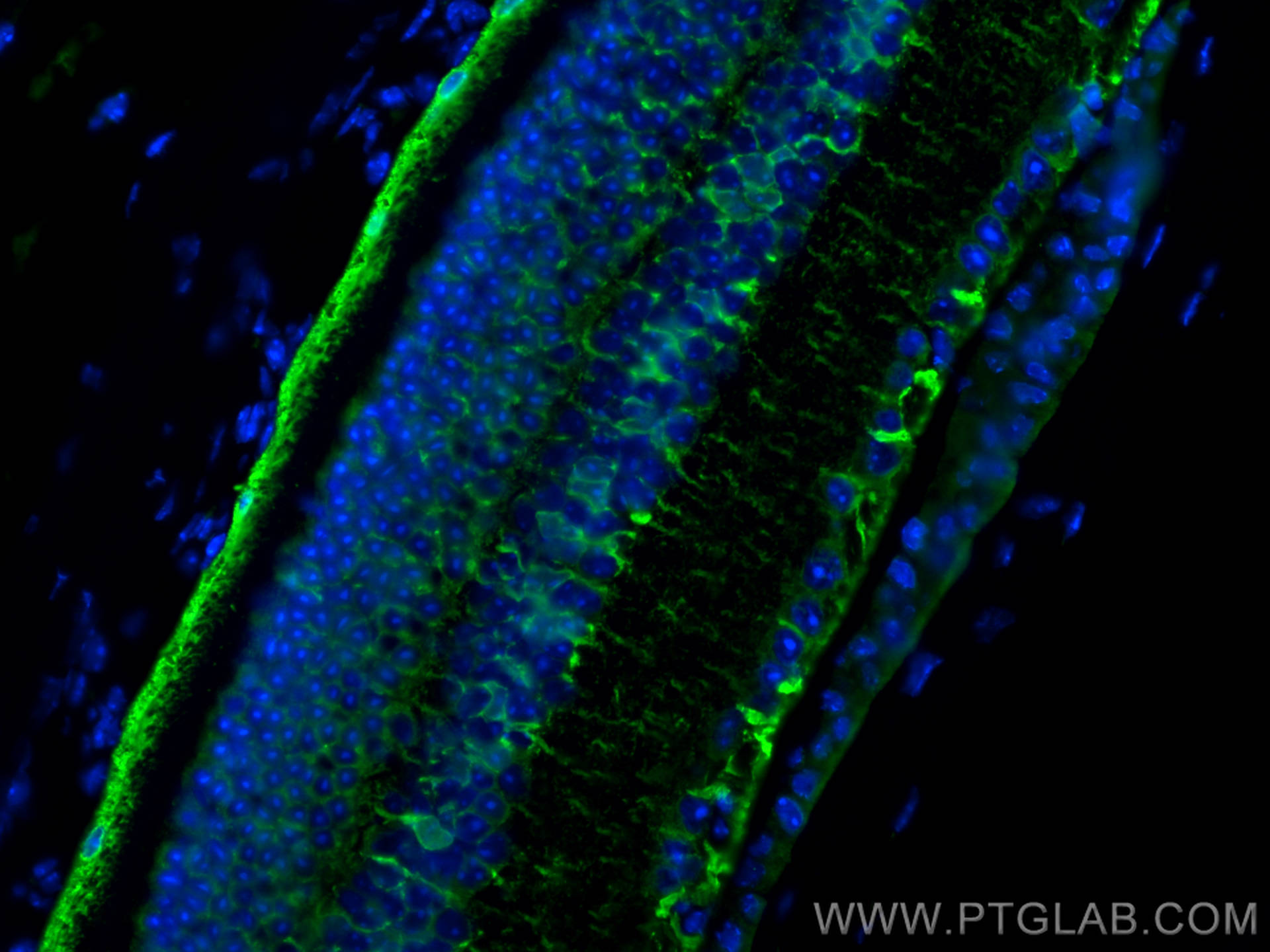
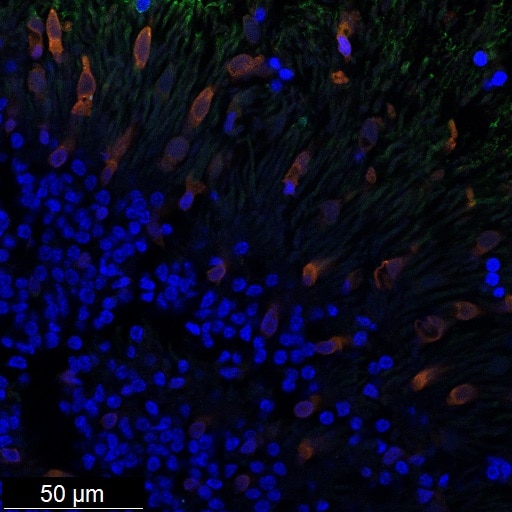
| Positive IF-P detected in | mouse eye tissue, Retinal organoids |
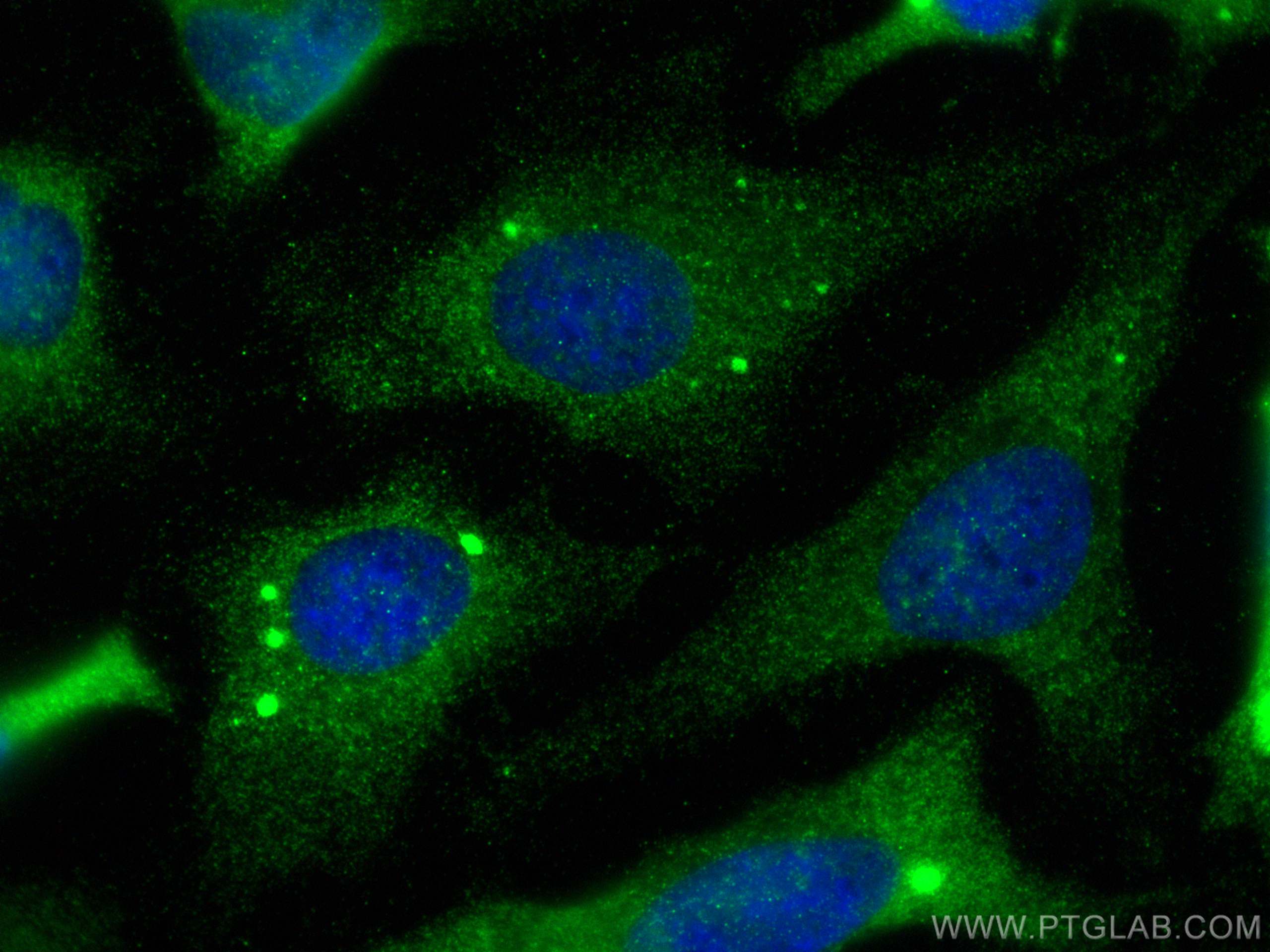
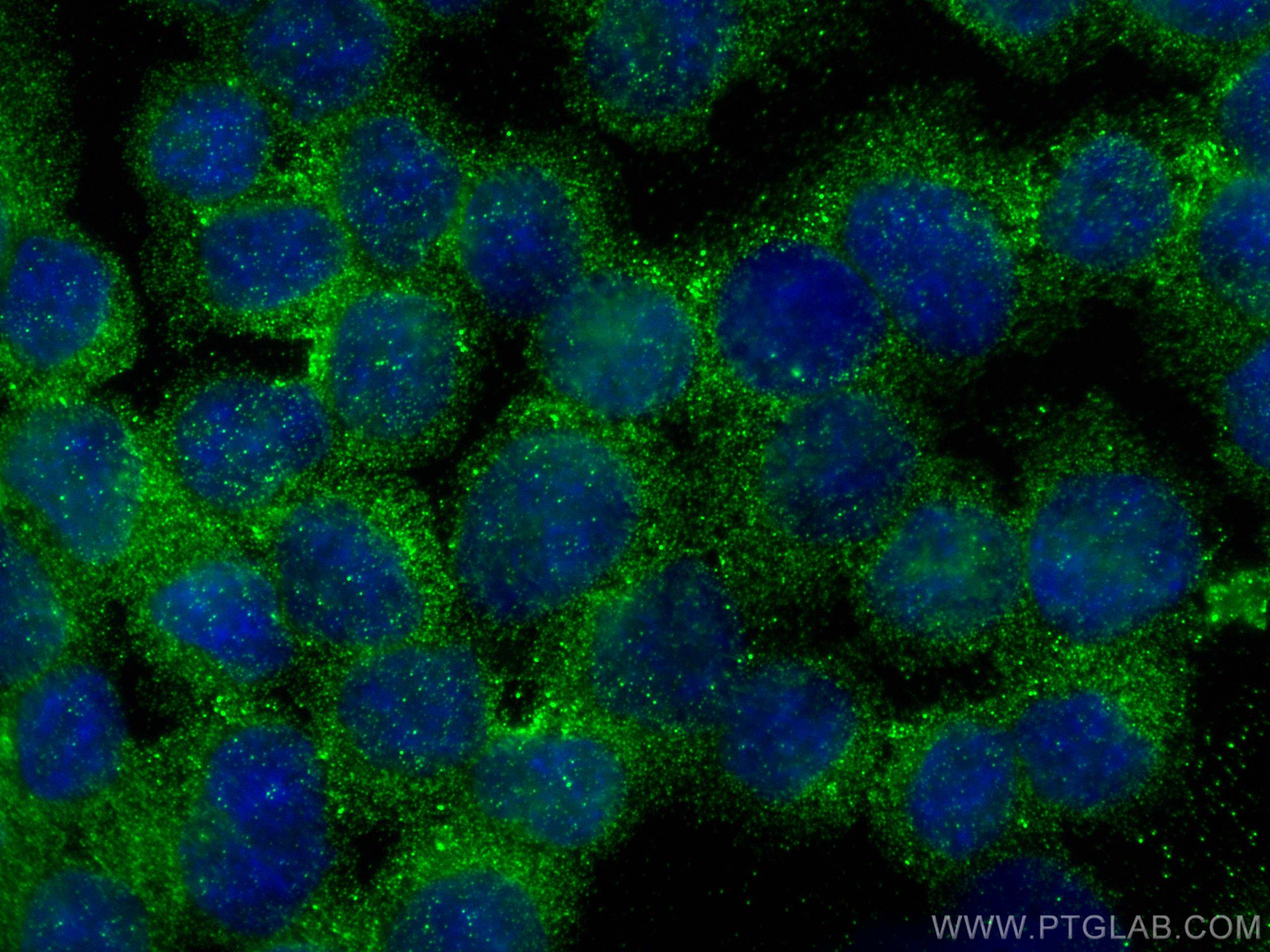
| Positive IF/ICC detected in | HeLa cells, Y79 cells |
Recommended dilution
| Application | Dilution |
|---|---|
| Western Blot (WB) | WB : 1:1000-1:4000 |
| Immunoprecipitation (IP) | IP : 0.5-4.0 ug for 1.0-3.0 mg of total protein lysate |
| Immunohistochemistry (IHC) | IHC : 1:50-1:500 |
| Immunofluorescence (IF)-P | IF-P : 1:200-1:800 |
| Immunofluorescence (IF)/ICC | IF/ICC : 1:50-1:500 |
| It is recommended that this reagent should be titrated in each testing system to obtain optimal results. | |
| Sample-dependent, Check data in validation data gallery. | |
Product Information
15356-1-AP targets RLBP1 in WB, IHC, IF/ICC, IF-P, IP, ELISA applications and shows reactivity with human, mouse, rat samples.
| Tested Reactivity | human, mouse, rat |
| Cited Reactivity | human, mouse, rat, pig, zebrafish |
| Host / Isotype | Rabbit / IgG |
| Class | Polyclonal |
| Type | Antibody |
| Immunogen |
CatNo: Ag7602 Product name: Recombinant human RLBP1 protein Source: e coli.-derived, PGEX-4T Tag: GST Domain: 1-317 aa of BC004199 Sequence: MSEGVGTFRMVPEEEQELRAQLEQLTTKDHGPVFGPCSQLPRHTLQKAKDELNEREETREEAVRELQEMVQAQAASGEELAVAVAERVQEKDSGFFLRFIRARKFNVGRAYELLRGYVNFRLQYPELFDSLSPEAVRCTIEAGYPGVLSSRDKYGRVVMLFNIENWQSQEITFDEILQAYCFILEKLLENEETQINGFCIIENFKGFTMQQAASLRTSDLRKMVDMLQDSFPARFKAIHFIHQPWYFTTTYNVVKPFLKSKLLERVFVHGDDLSGFYQEIDENILPSDFGGTLPKYDGKAVAEQLFGPQAQAENTAF Predict reactive species |
| Full Name | retinaldehyde binding protein 1 |
| Calculated Molecular Weight | 36 kDa |
| Observed Molecular Weight | 36 kDa |
| GenBank Accession Number | BC004199 |
| Gene Symbol | RLBP1 |
| Gene ID (NCBI) | 6017 |
| RRID | AB_2178530 |
| Conjugate | Unconjugated |
| Form | Liquid |
| Purification Method | Antigen affinity purification |
| UNIPROT ID | P12271 |
| Storage Buffer | PBS with 0.02% sodium azide and 50% glycerol, pH 7.3. |
| Storage Conditions | Store at -20°C. Stable for one year after shipment. Aliquoting is unnecessary for -20oC storage. 20ul sizes contain 0.1% BSA. |
Background Information
RLBP1 (Retinaldehyde-binding protein 1) is also named as cellular retinaldehyde-binding protein (CRALBP). CRALBP, a 36-kDa aqueous soluble carrier, is expressed in abundance by both retinal pigment epithelial (RPE) and Muller cells of retina and is important for rod- and cone-driven vision (PMID: 32188692). Retinal RLBP1 expression was decreased in diabetes, and its overexpression in Müller glia mitigated DR-associated neurovascular degeneration (PMID: 33674409).
Protocols
| Product Specific Protocols | |
|---|---|
| IF protocol for RLBP1 antibody 15356-1-AP | Download protocol |
| IHC protocol for RLBP1 antibody 15356-1-AP | Download protocol |
| IP protocol for RLBP1 antibody 15356-1-AP | Download protocol |
| WB protocol for RLBP1 antibody 15356-1-AP | Download protocol |
| Standard Protocols | |
|---|---|
| Click here to view our Standard Protocols |
Publications
What published studies show
I'll search for the citations for catalog number 15356-1-AP.The RLBP1 Polyclonal antibody (15356-1-AP) has 25 citations. The antibody is used primarily in Western blot (WB), immunofluorescence (IF), and immunohistochemistry (IHC) across human, mouse, rat, zebrafish, and pig samples. Citations appear in journals including Advanced Science, Cell Death & Disease, Journal of Translational Medicine, Diabetes, Stem Cell Research & Therapy, Aging Cell, Cell Reports, International Journal of Molecular Sciences, Stem Cell Reports, Investigative Ophthalmology & Visual Science, Molecular Therapy Methods & Clinical Development, Scientific Reports, iScience, Frontiers in Cellular Neuroscience, FASEB Journal, Development, Journal of Cell Science, and PLoS One, among others. Research fields span retinal degeneration, retinal pigment epithelium (RPE) biology, glaucoma, diabetic retinopathy, stem cell/regenerative therapy, and Müller glia biology.
| Species | Application | Title |
|---|---|---|
Adv Sci (Weinh) PHOSPHO1 Suppresses Ferroptosis in Retinal Pigment Epithelial Cells by Reducing the Levels of Phosphatidylethanolamine Molecular Species | ||
Cell Death Dis Direct conversion of human umbilical cord mesenchymal stem cells into retinal pigment epithelial cells for treatment of retinal degeneration | ||
J Transl Med Cargo molecules in plasma neural-derived extracellular vesicles reveal pathological signatures of primary open-angle glaucoma. | ||
Diabetes CD40 in Retinal Müller Cells Induces P2X7-Dependent Cytokine Expression in Macrophages/Microglia in Diabetic Mice and Development of Early Experimental Diabetic Retinopathy. | ||
Stem Cell Res Ther The influence of femtosecond laser intrastromal lenticules on the characteristics and maturity in tissue-engineered stem cell-derived retinal pigment epithelium sheets | ||
Stem Cell Res Ther Determining the optimal stage for cryopreservation of human embryonic stem cell-derived retinal pigment epithelial cells |
Reviews
What customers say
Able is busy answering your previous question. Please try again later.
The reviews below have been submitted by verified Proteintech customers who received an incentive for providing their feedback.
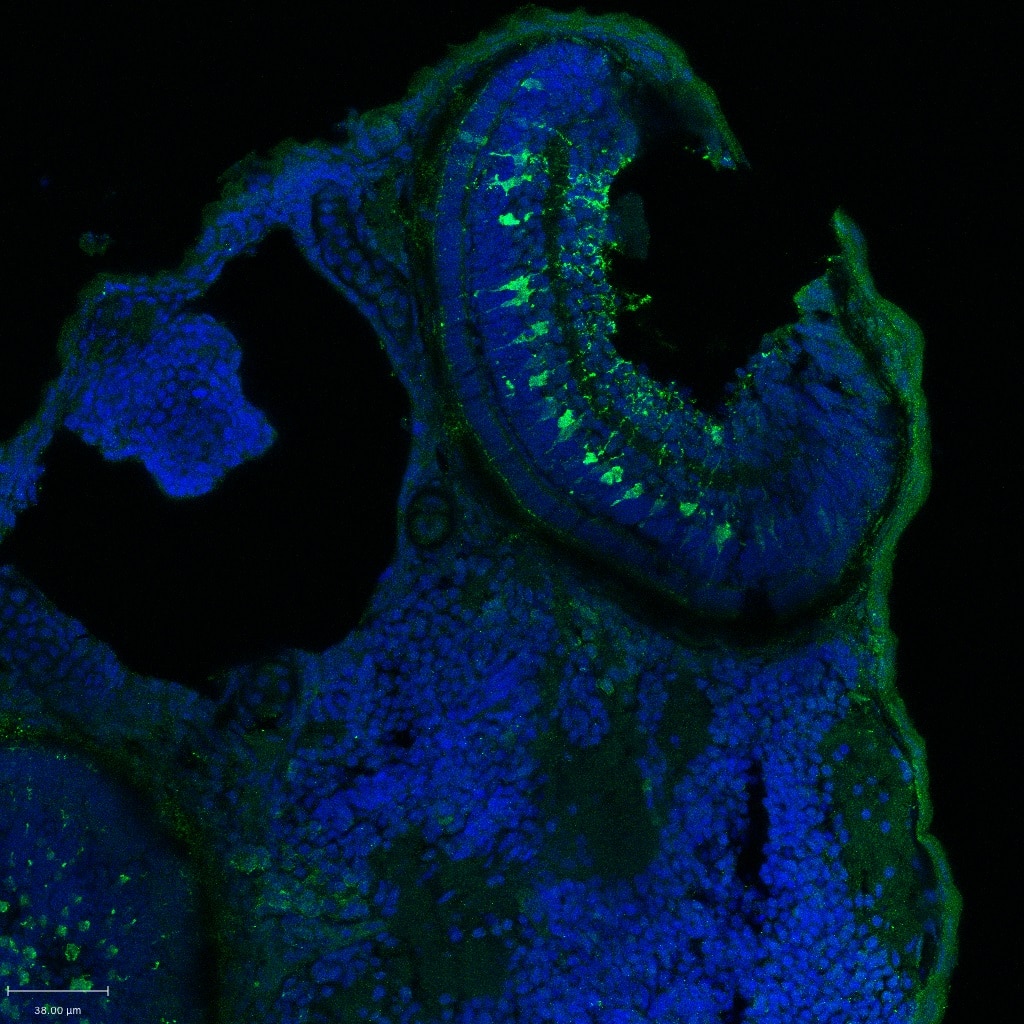
Ryan (Verified Customer) (01-24-2018) | Antigen retrieval in NaCit 0.1M ph 6
 |


