

Tested Applications
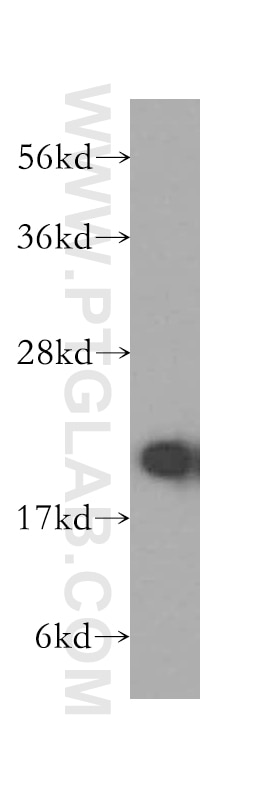
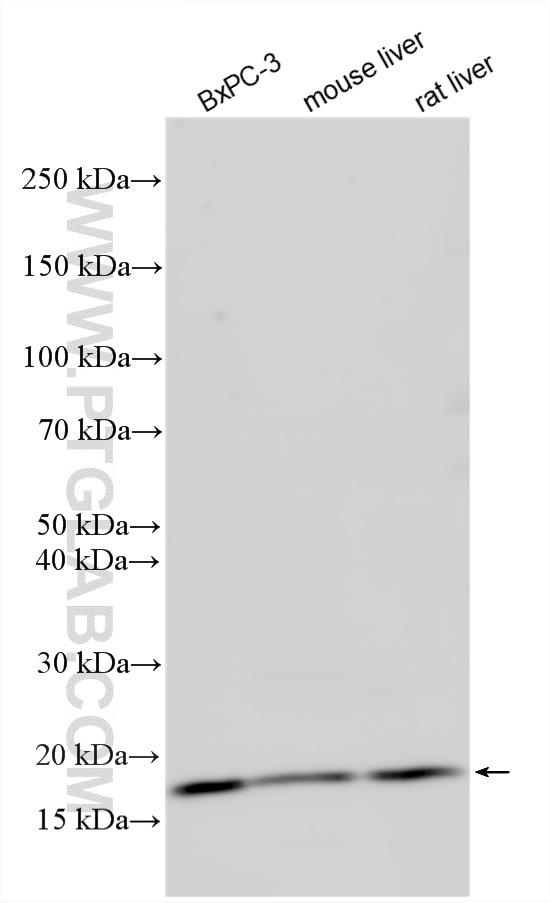
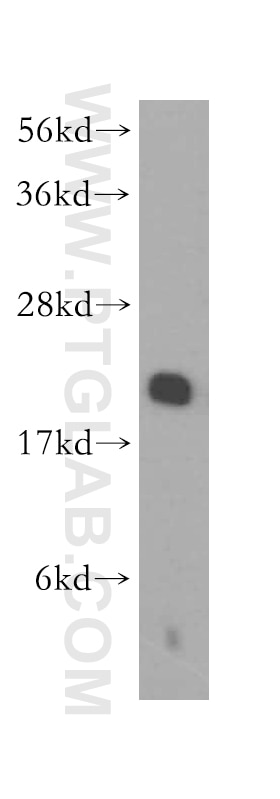
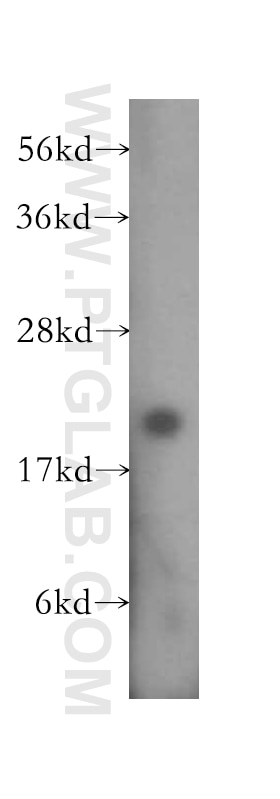
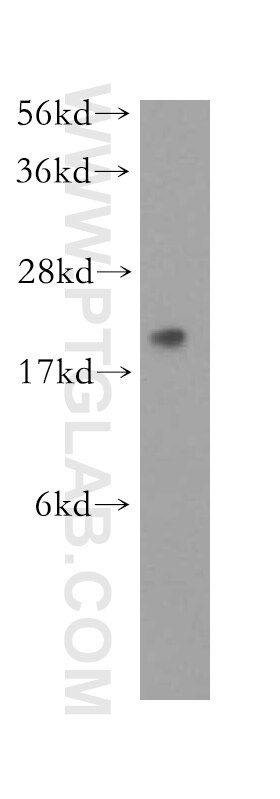
| Positive WB detected in | BxPC-3 cells, human liver tissue, mouse lung tissue, mouse pancreas tissue, mouse liver tissue, rat liver tissue |
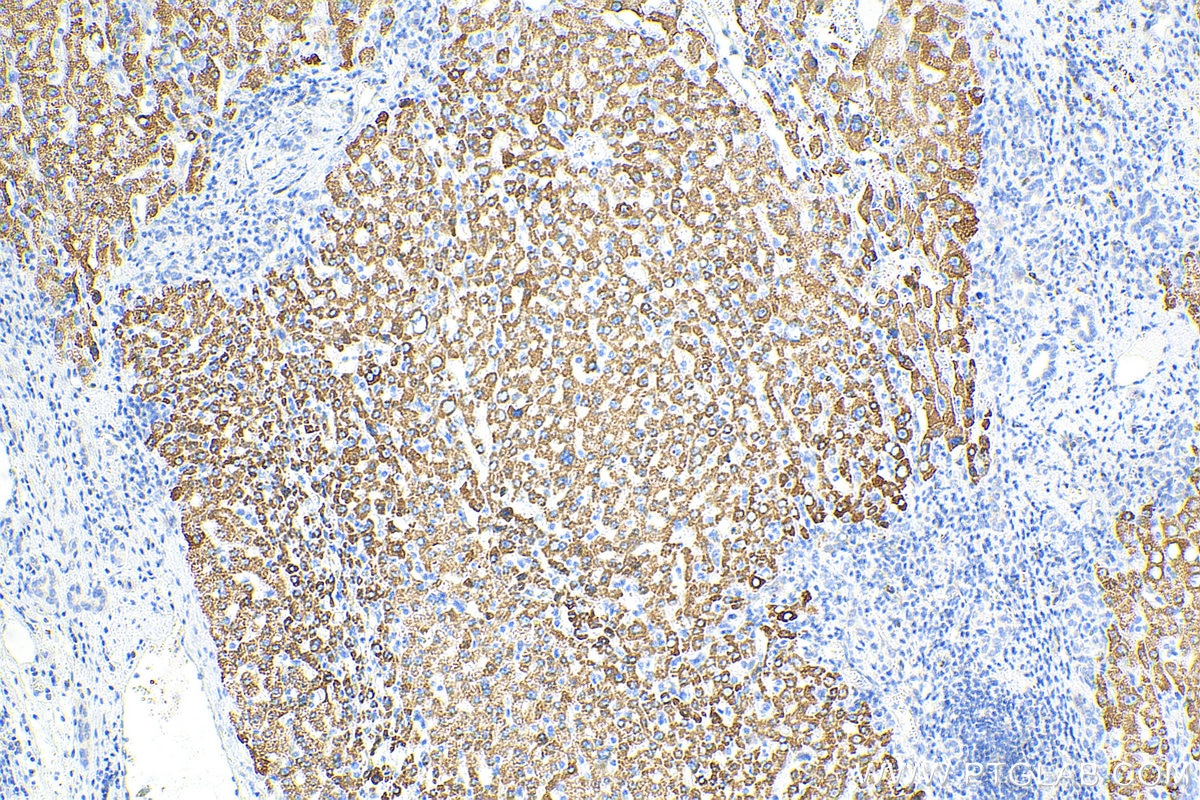
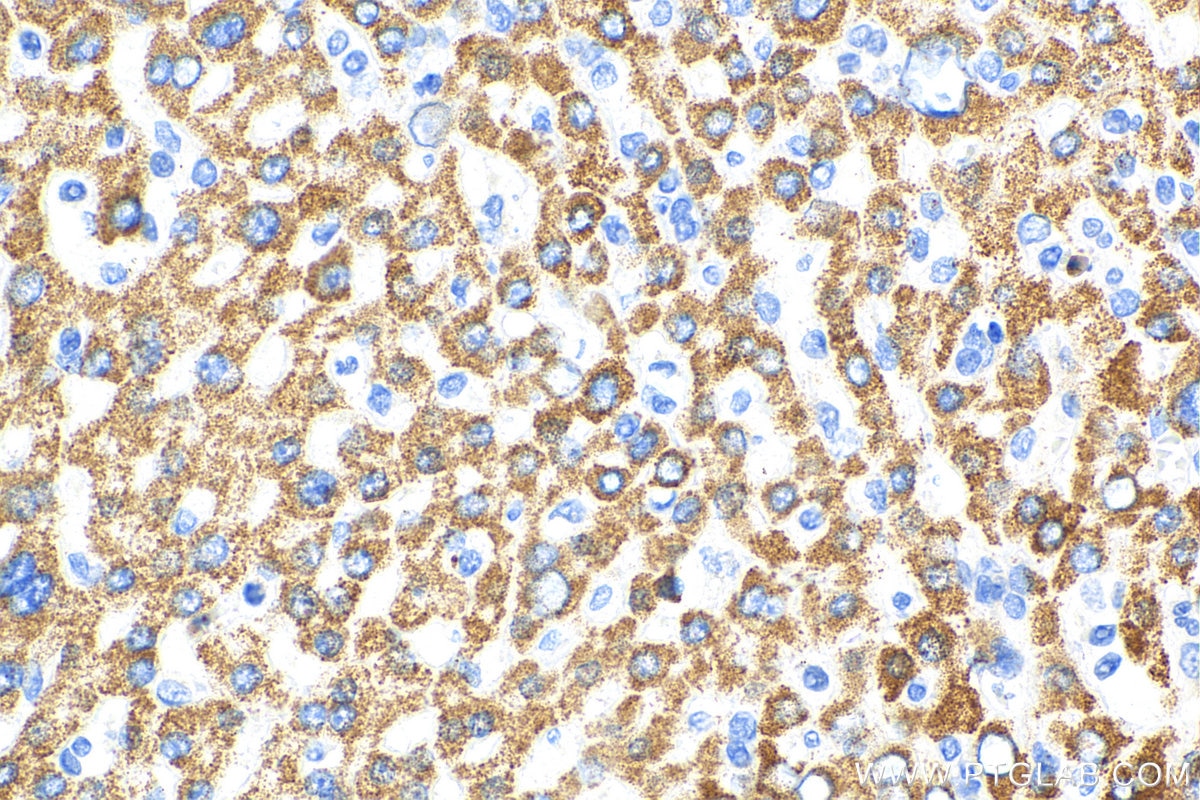
| Positive IHC detected in | human liver cancer tissue Note: suggested antigen retrieval with TE buffer pH 9.0; (*) Alternatively, antigen retrieval may be performed with citrate buffer pH 6.0 |
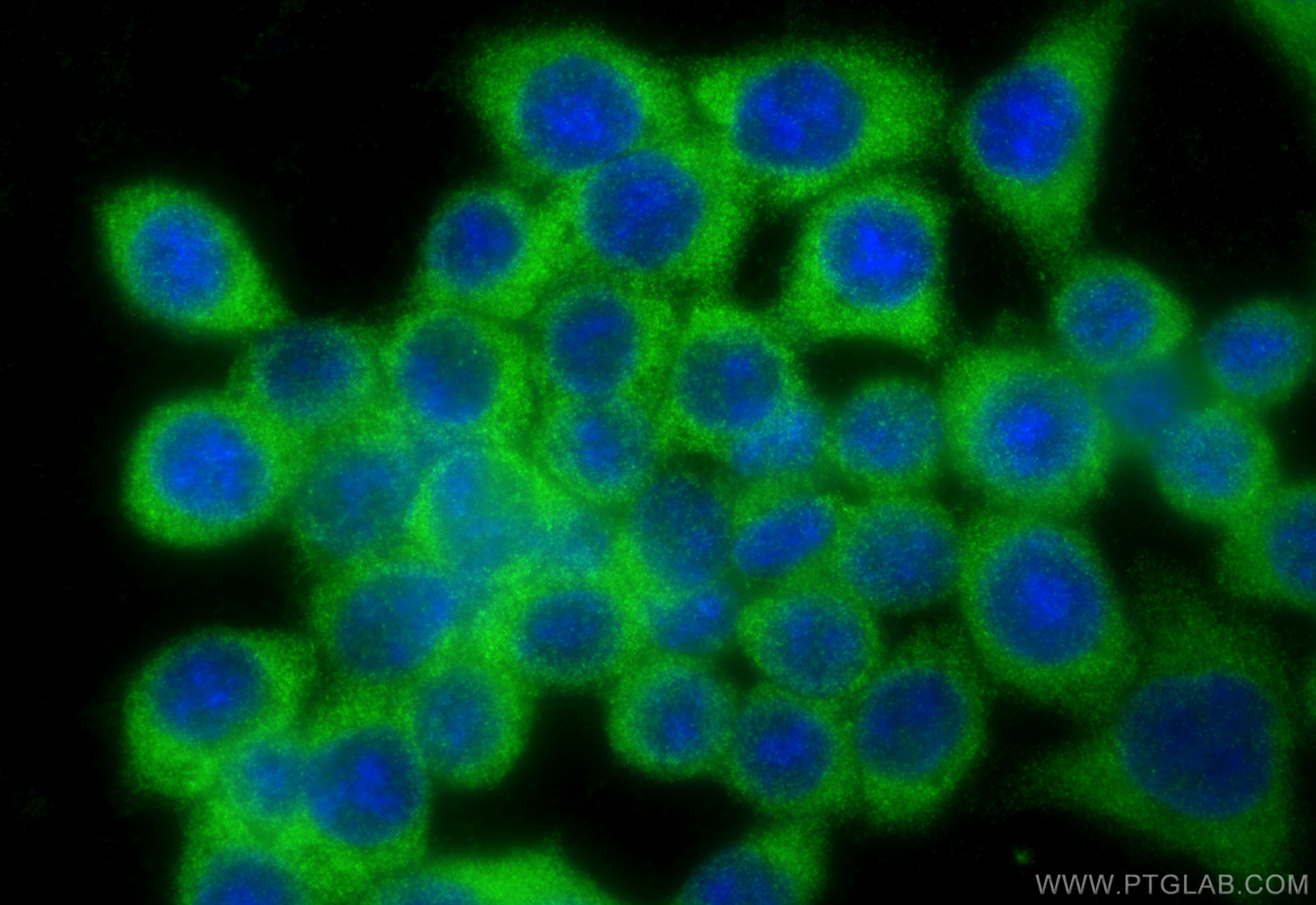
| Positive IF/ICC detected in | BxPC-3 cells |
Recommended dilution
| Application | Dilution |
|---|---|
| Western Blot (WB) | WB : 1:1000-1:8000 |
| Immunohistochemistry (IHC) | IHC : 1:50-1:500 |
| Immunofluorescence (IF)/ICC | IF/ICC : 1:50-1:500 |
| It is recommended that this reagent should be titrated in each testing system to obtain optimal results. | |
| Sample-dependent, Check data in validation data gallery. | |
Product Information
16277-1-AP targets RPL11 in WB, IHC, IF/ICC, IP, CoIP, ChIP, RIP, ELISA applications and shows reactivity with human, mouse, rat samples.
| Tested Reactivity | human, mouse, rat |
| Cited Reactivity | human, mouse |
| Host / Isotype | Rabbit / IgG |
| Class | Polyclonal |
| Type | Antibody |
| Immunogen |
CatNo: Ag9356 Product name: Recombinant human RPL11 protein Source: e coli.-derived, PGEX-4T Tag: GST Domain: 1-177 aa of BC018970 Sequence: MADQGEKENPMRELRIRKLCLNICVGESGDRLTRAAKVLEQLTGQTPVFSKARYTVRSFGIRRNEKIAVHCTVRGAKAEEILEKGLKVREYELRKNNFSDTGNFGFGIQEHIDLGIKYDPSIGIYGLDFYVVLGRPGFSIADKKRRTGCIGAKHRISKEEAMRWFQQKYDGIILPGK Predict reactive species |
| Full Name | ribosomal protein L11 |
| Calculated Molecular Weight | 177 aa, 20 kDa |
| Observed Molecular Weight | 20 kDa |
| GenBank Accession Number | BC018970 |
| Gene Symbol | RPL11 |
| Gene ID (NCBI) | 6135 |
| RRID | AB_2181292 |
| Conjugate | Unconjugated |
| Form | Liquid |
| Purification Method | Antigen affinity purification |
| UNIPROT ID | P62913 |
| Storage Buffer | PBS with 0.02% sodium azide and 50% glycerol, pH 7.3. |
| Storage Conditions | Store at -20°C. Stable for one year after shipment. Aliquoting is unnecessary for -20oC storage. 20ul sizes contain 0.1% BSA. |
Background Information
Ribosomal protein L11 is one of 80 mammalian ribosome proteins. It can bind to 5S ribosomal RNA, for it's required for rRNA maturation and formation of the 60S ribosomal subunit. It can inhibit 40S or 60S ribosome biogenesis via mediated p53 induction. Once retained by PICT1 in the nucleolus, RPL11 involve in regulation of the MDM2-P53 pathway and promotion of tumor progression.
Protocols
| Product Specific Protocols | |
|---|---|
| IF protocol for RPL11 antibody 16277-1-AP | Download protocol |
| IHC protocol for RPL11 antibody 16277-1-AP | Download protocol |
| WB protocol for RPL11 antibody 16277-1-AP | Download protocol |
| Standard Protocols | |
|---|---|
| Click here to view our Standard Protocols |
Publications
What published studies show
Here's a summary of the citations for RPL11 Polyclonal antibody (16277-1-AP).
The RPL11 polyclonal antibody (Catalog No. 16277-1-AP) has 48 total citations. It appears in high-impact journals including Science, Cell, Signal Transduction and Targeted Therapy, Nature Communications, Molecular Cell, Cancer Research, Cell Reports, Cell Death & Differentiation, and Science Advances, among others. The associated research fields include ribosome biogenesis and ribosomal stress, p53/MDM2 signaling, cancer biology (particularly hepatocellular carcinoma, pancreatic cancer, and glioblastoma), translation and rRNA regulation, spermiogenesis/flagellar motility, and ciliary biology.
| Species | Application | Title |
|---|---|---|
Signal Transduct Target Ther A ribosomal gene panel predicting a novel synthetic lethality in non-BRCAness tumors
| ||
Signal Transduct Target Ther Activation of Nerve Growth Factor signaling limits the response to lenvatinib in hepatocellular carcinoma | ||
Science Specific tRNAs promote mRNA decay by recruiting the CCR4-NOT complex to translating ribosomes | ||
Cell A non-canonical role for a small nucleolar RNA in ribosome biogenesis and senescence | ||
Cell Mol Immunol Dhx33 promotes B-cell growth and proliferation by controlling activation-induced rRNA upregulation | ||
Reviews
What customers say
Able is busy answering your previous question. Please try again later.
The reviews below have been submitted by verified Proteintech customers who received an incentive for providing their feedback.
Anita (Verified Customer) (12-22-2020) | Works for C. elegans at a protein concentration of 5 micrograms and above
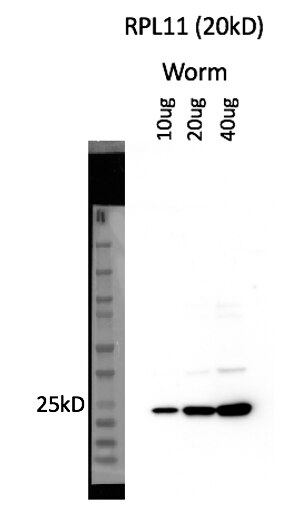 |
Zehua (Verified Customer) (12-17-2019) | It works excellent for WB analysis. I strongly suggested this antibody.
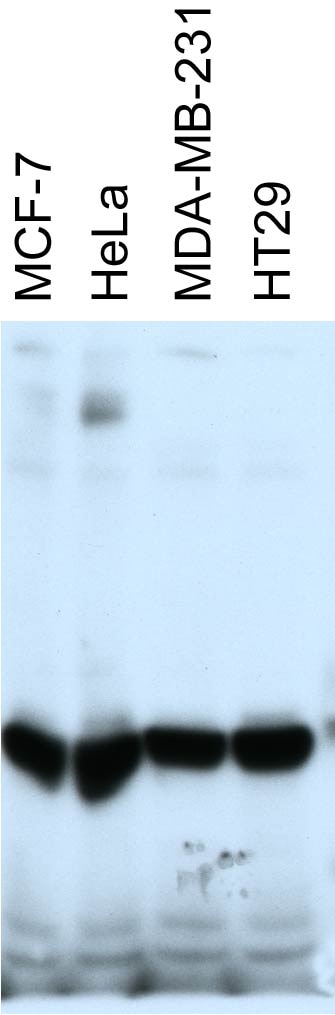 |

