



Tested Applications
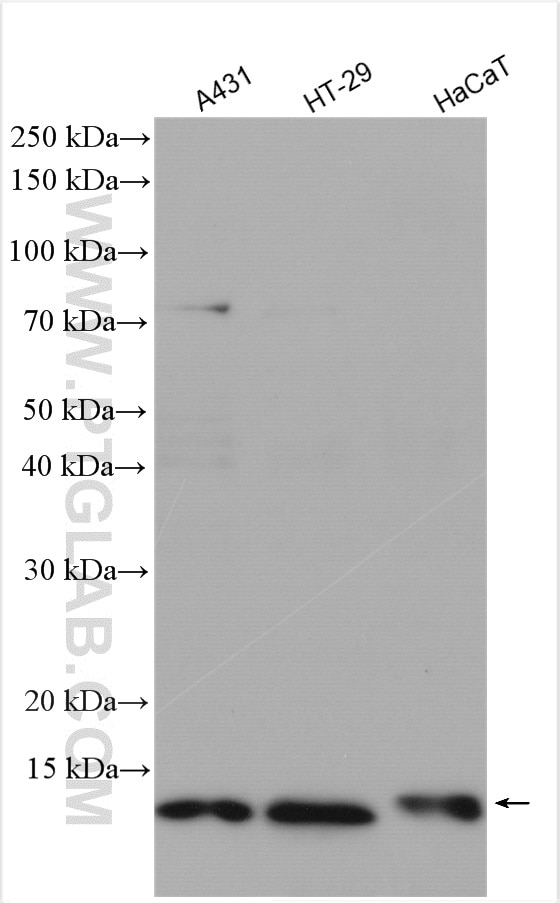
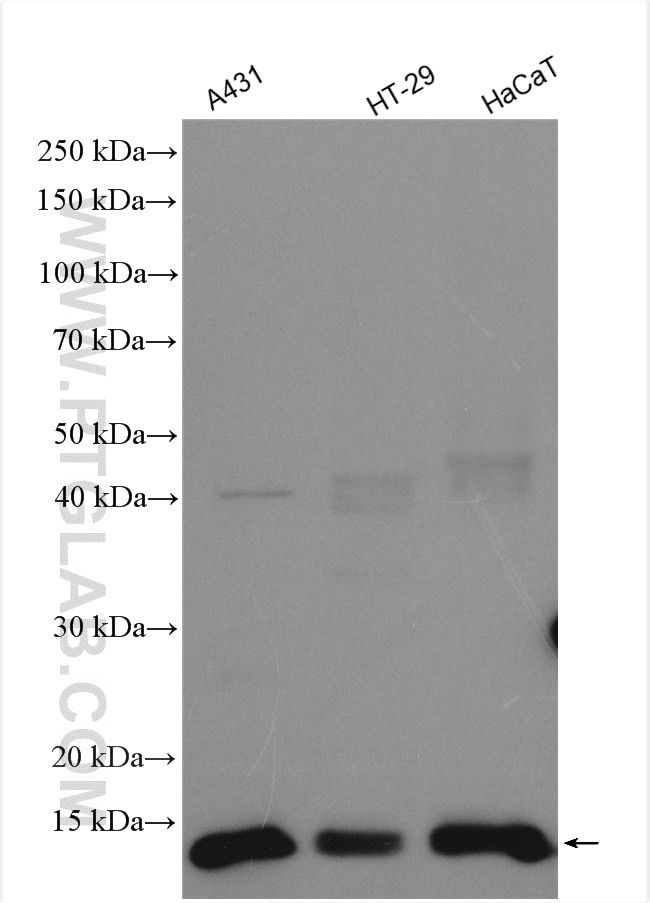
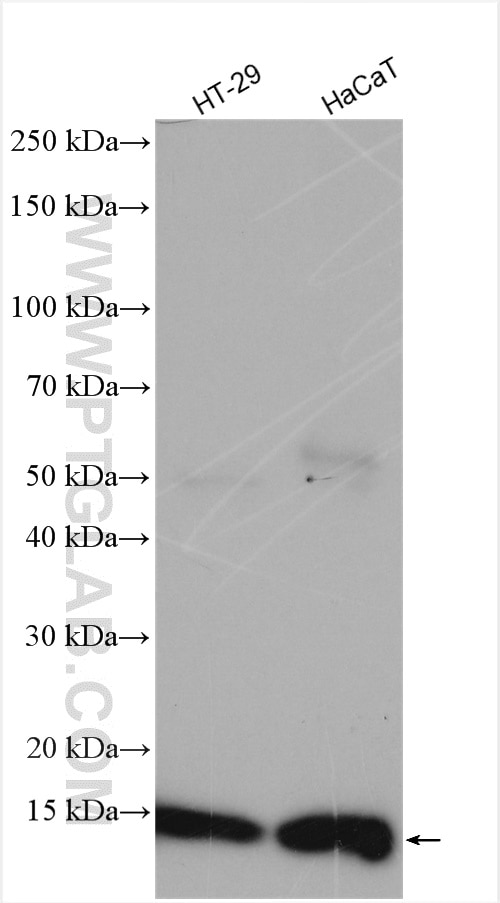
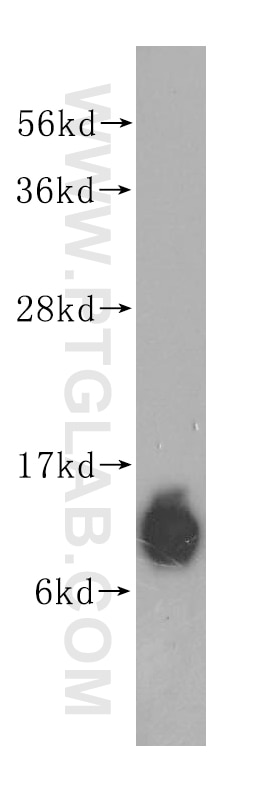
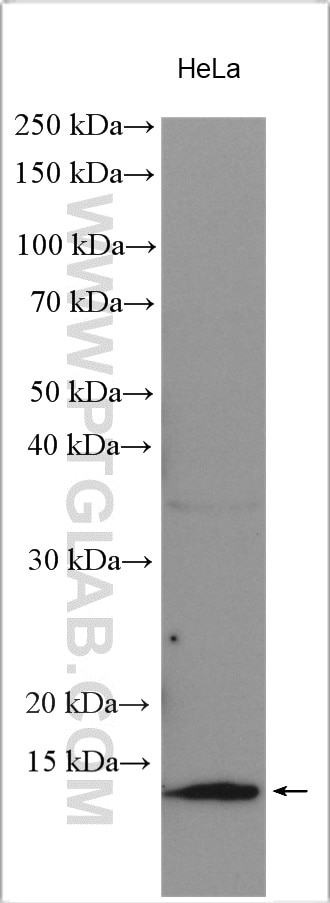
| Positive WB detected in | A431 cells, HeLa cells, HT-29 cells, human lung tissue, HaCaT cells |
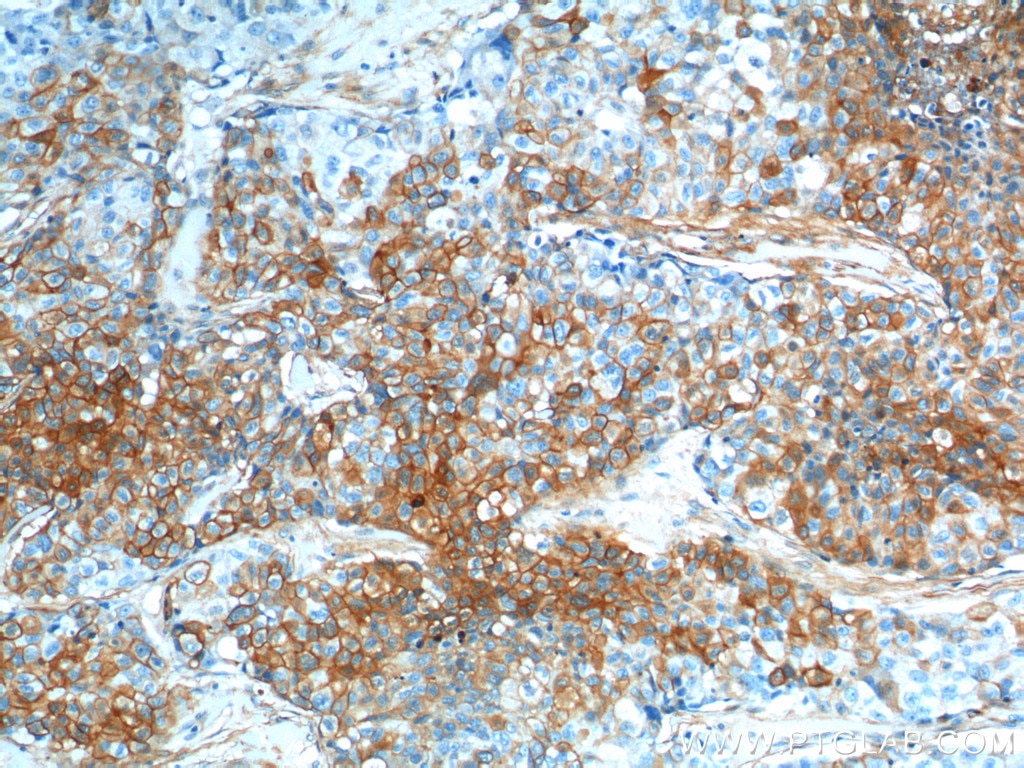
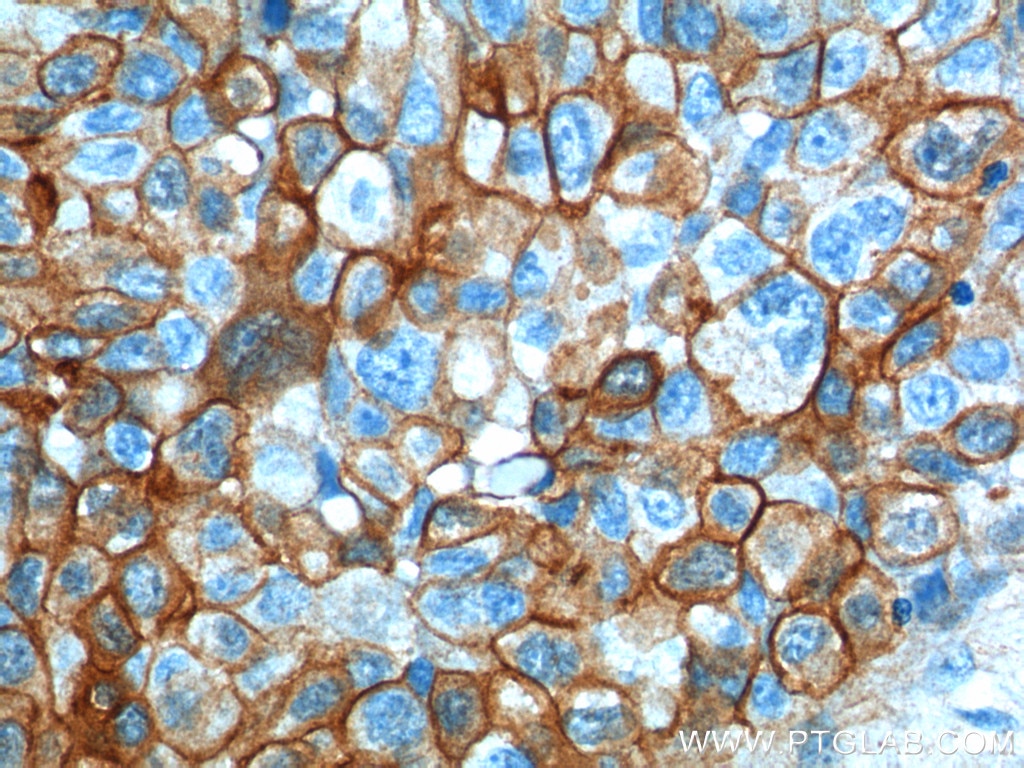
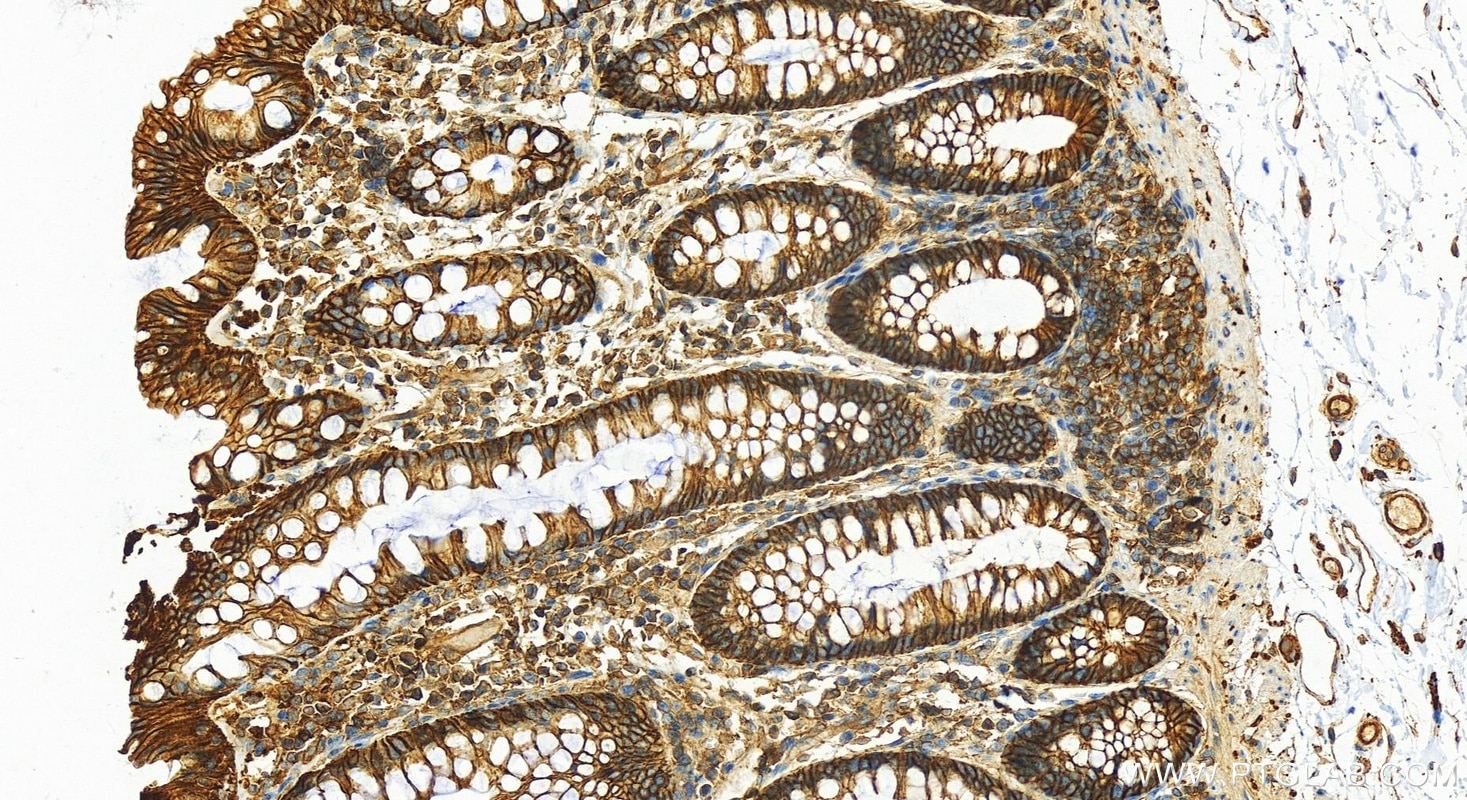
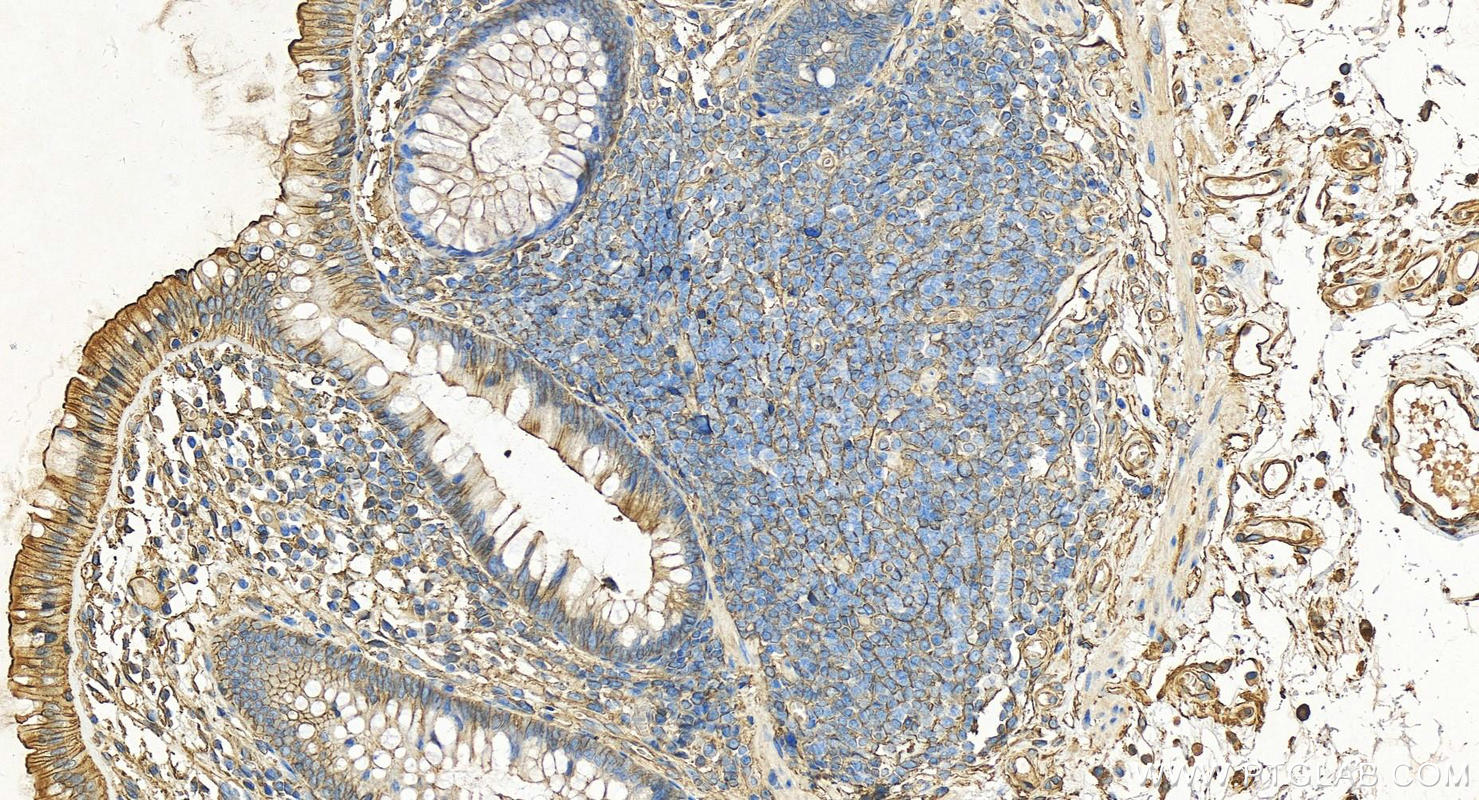
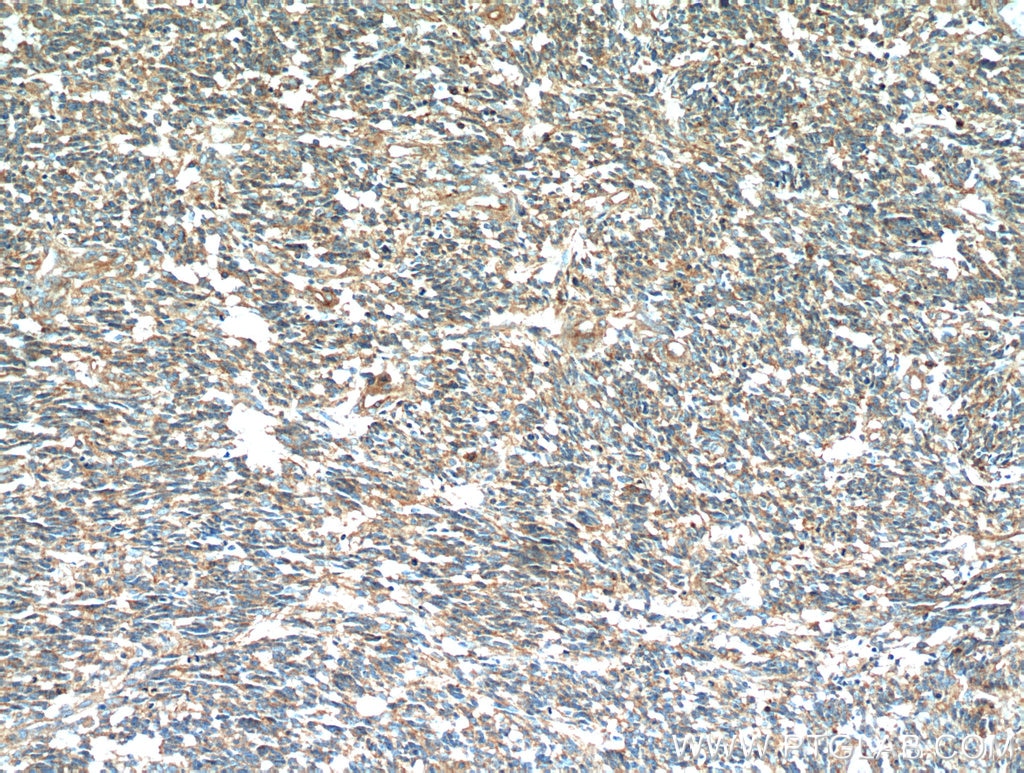
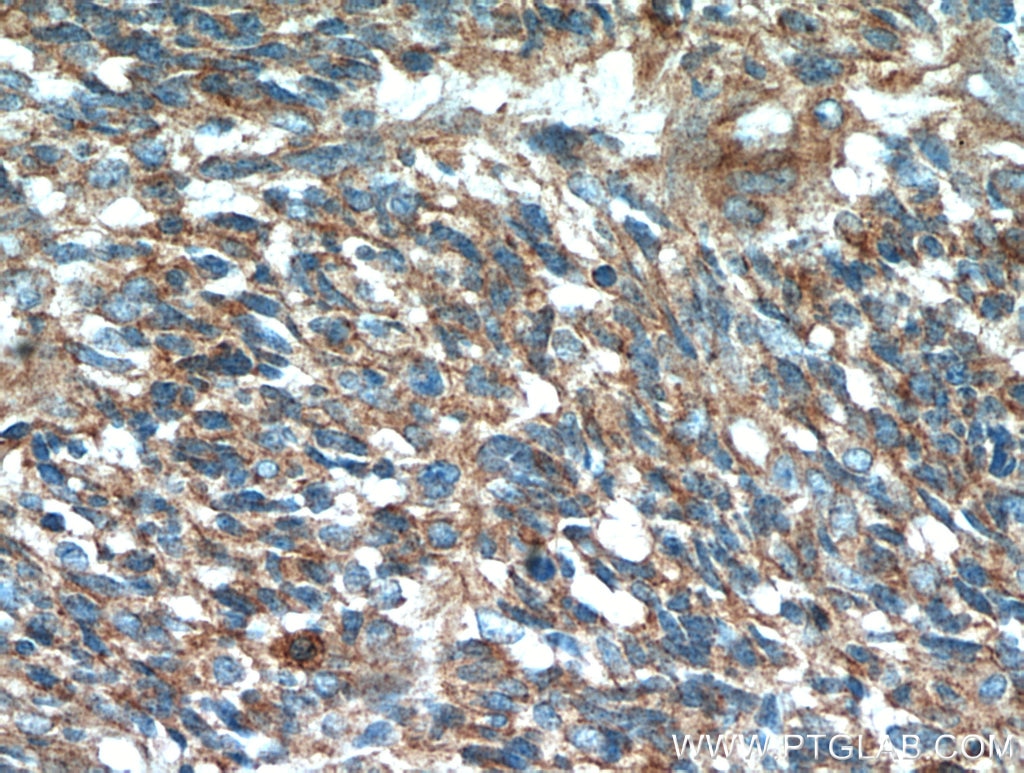
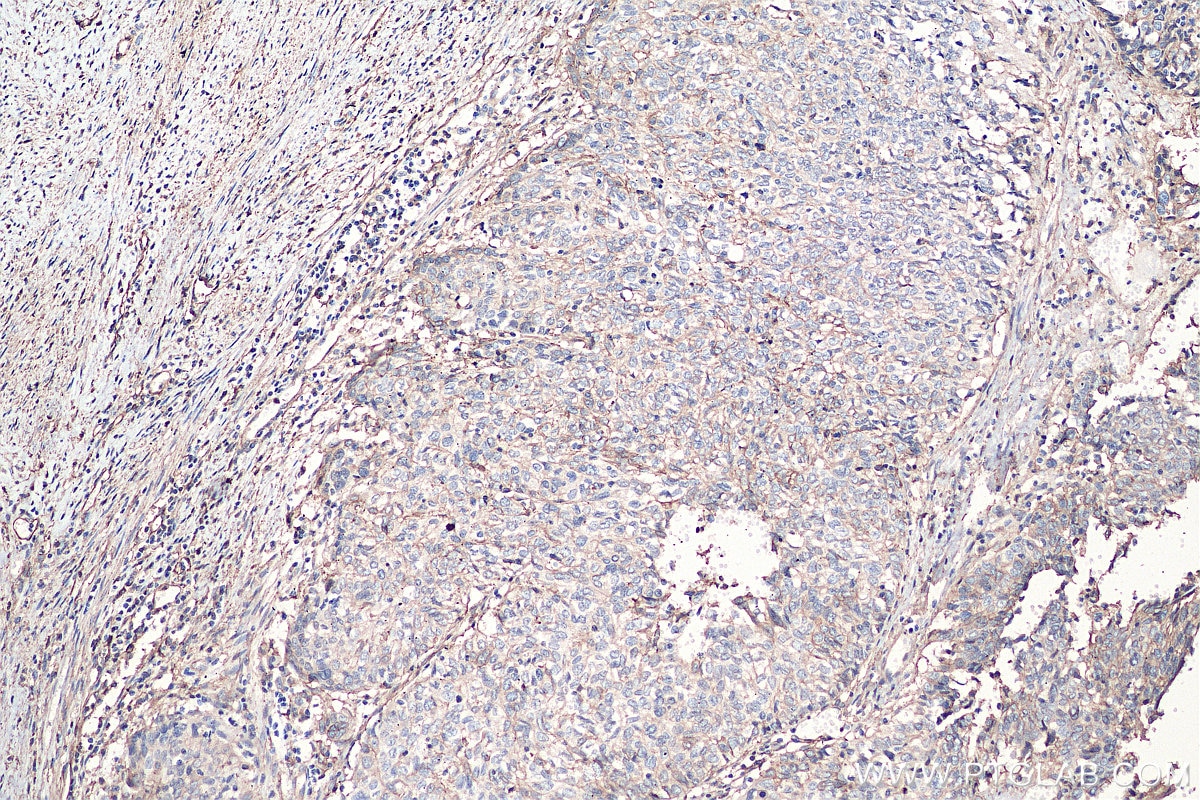
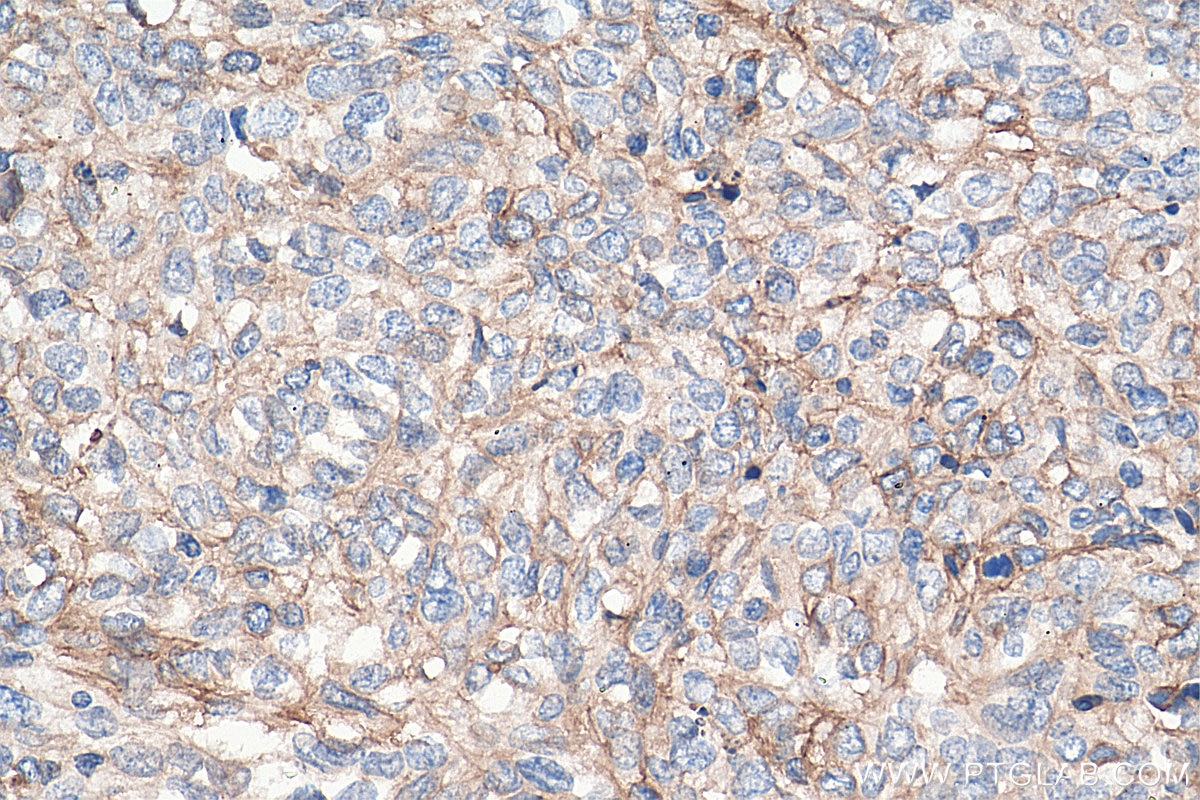
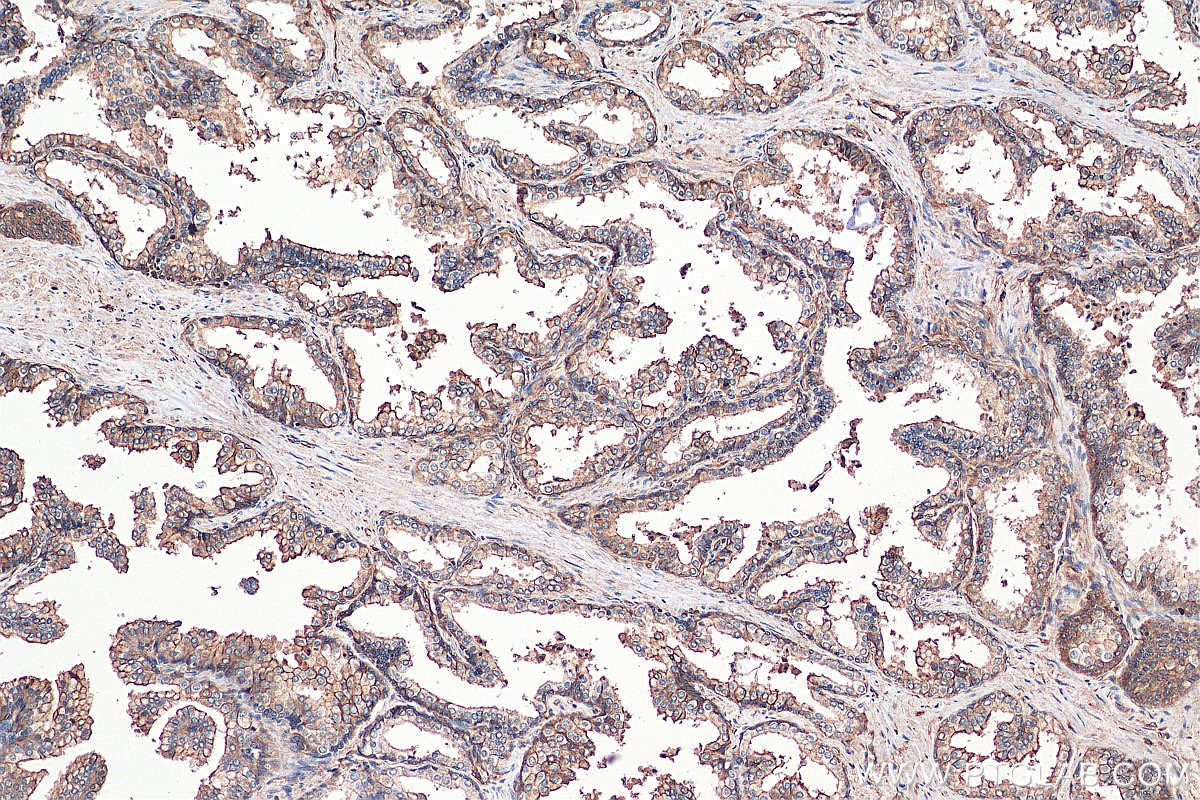
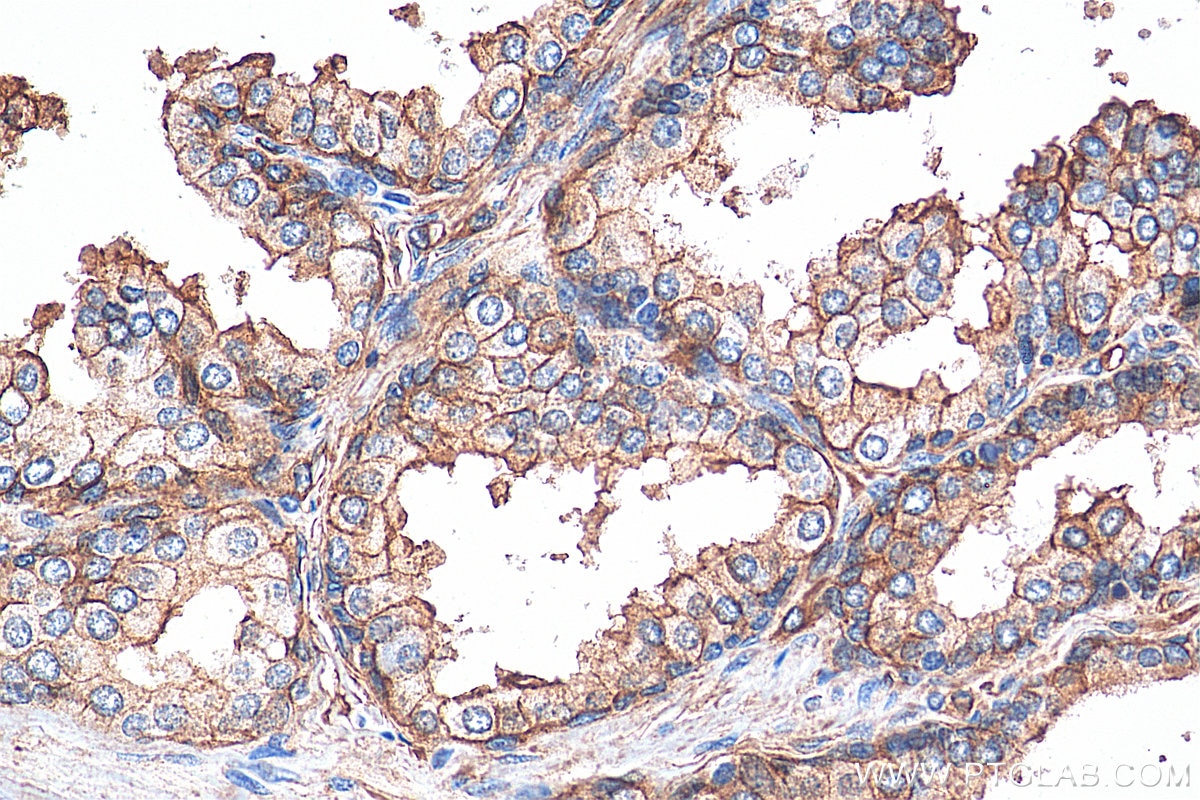
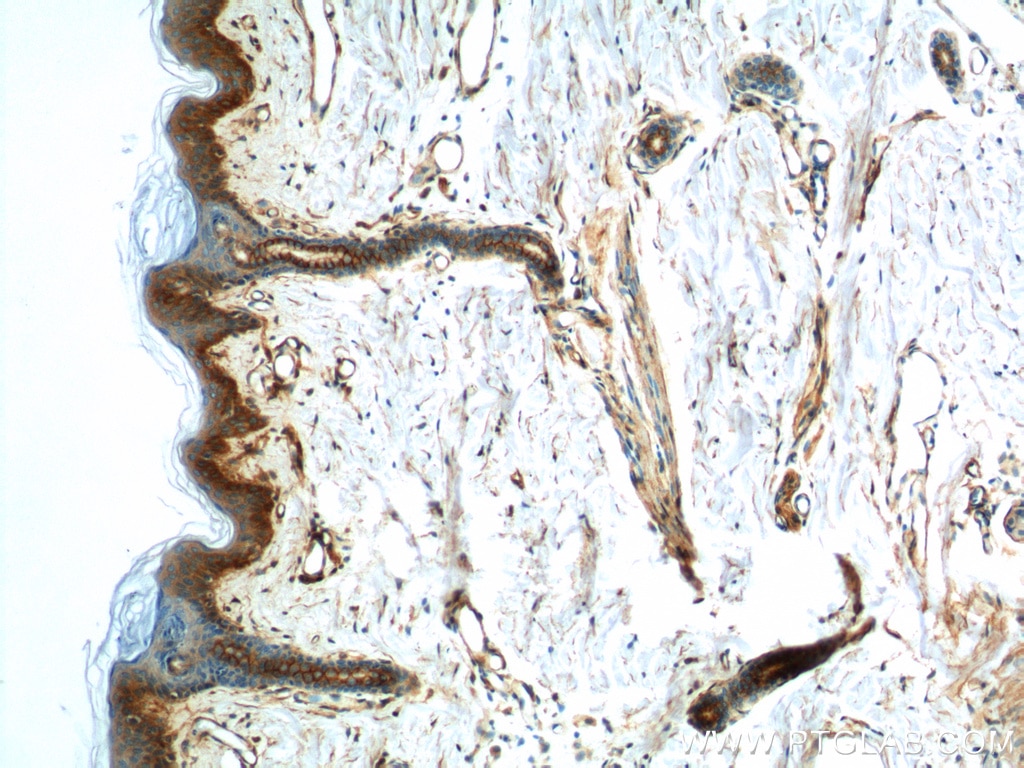
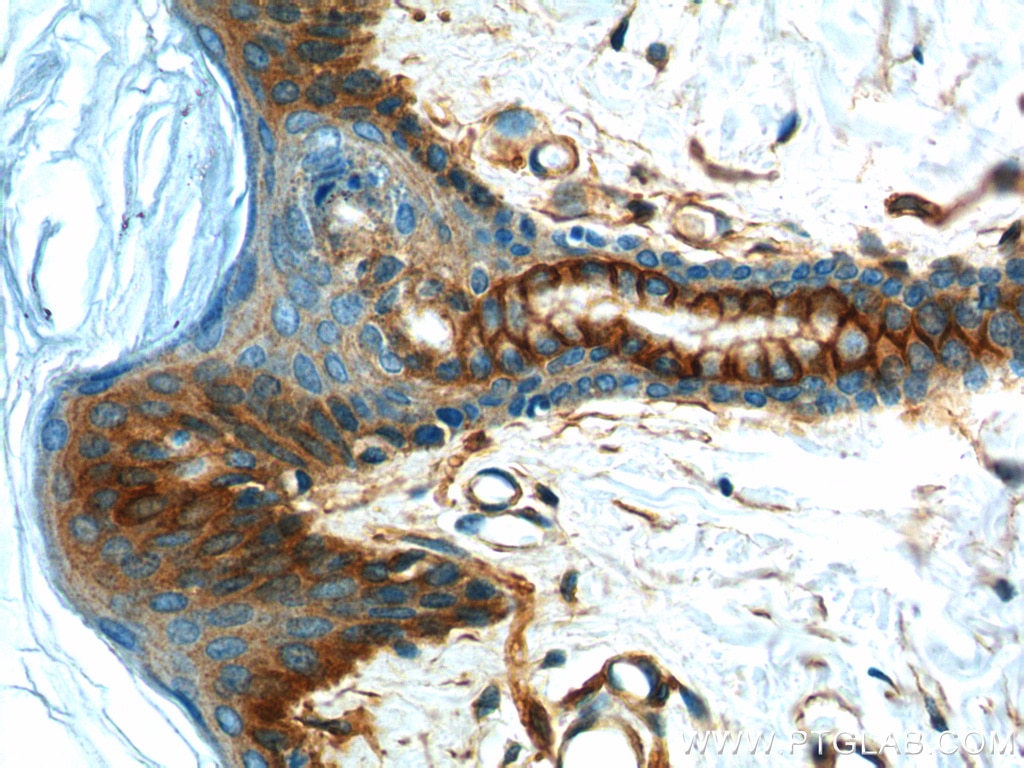
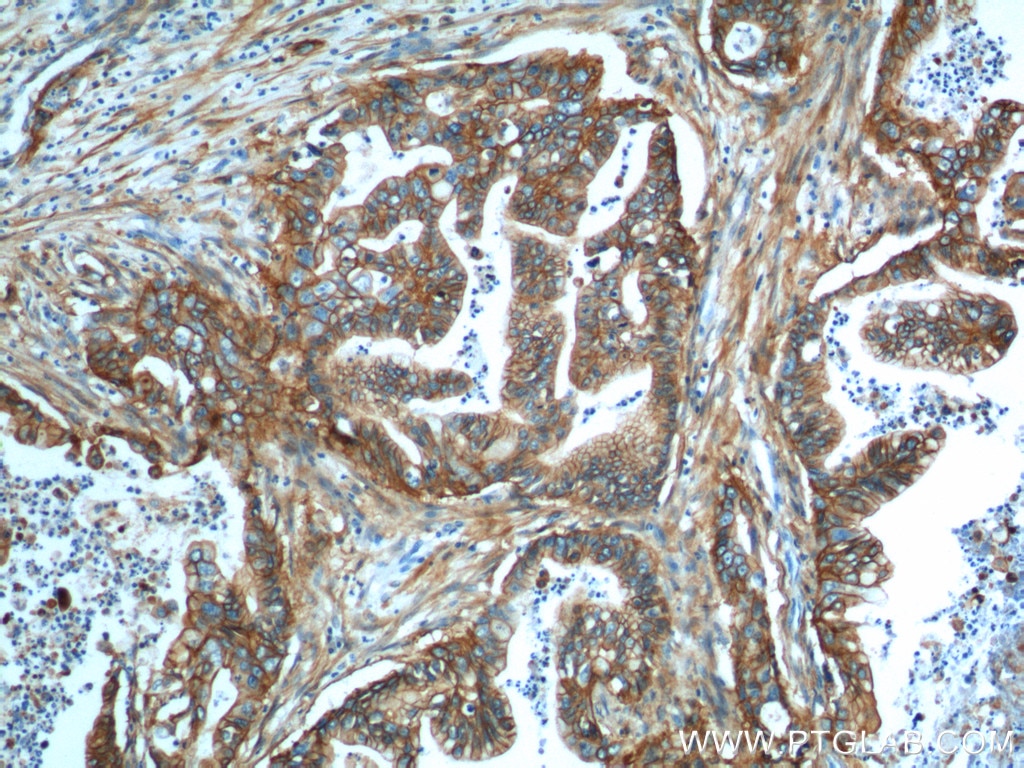
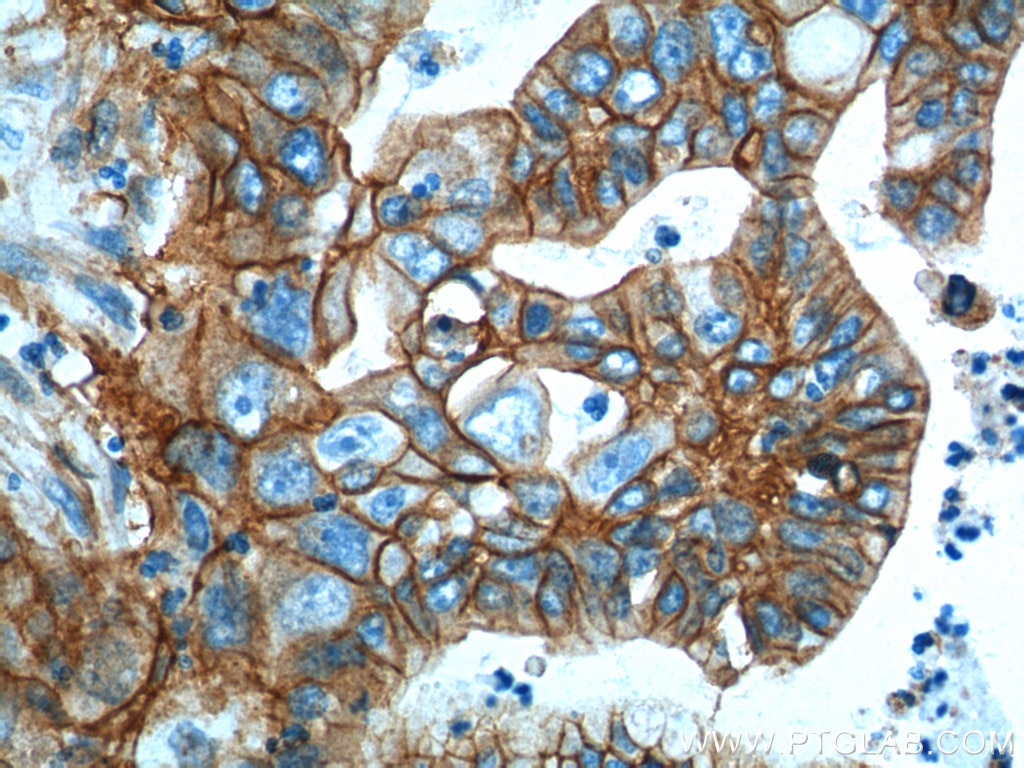
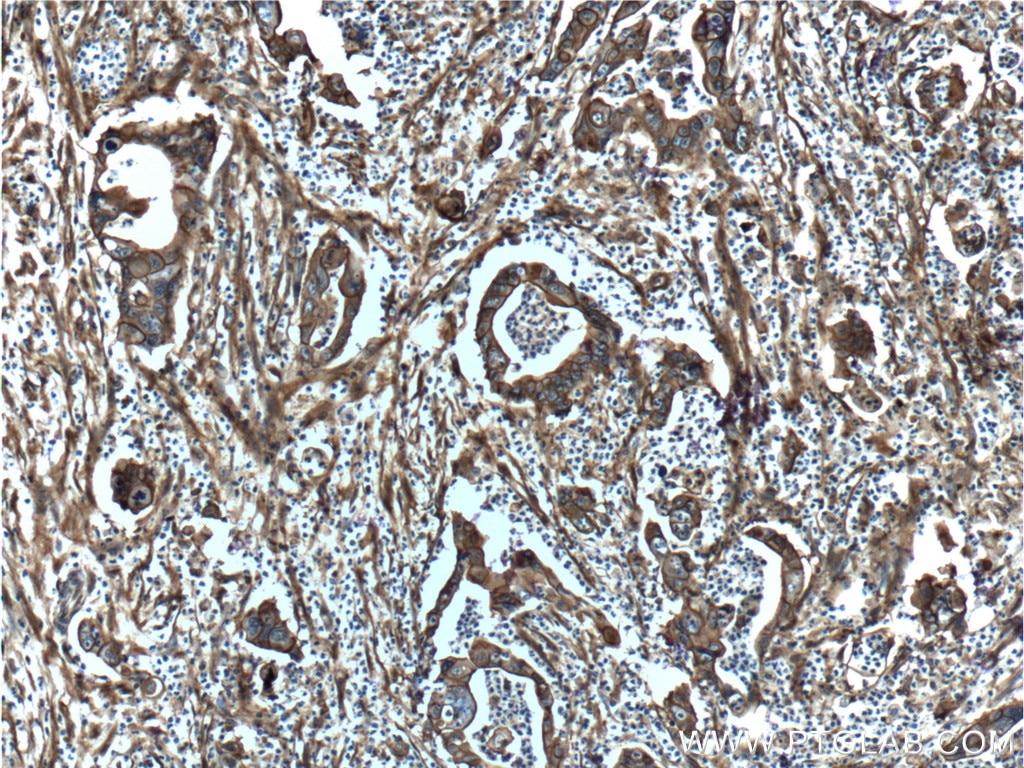
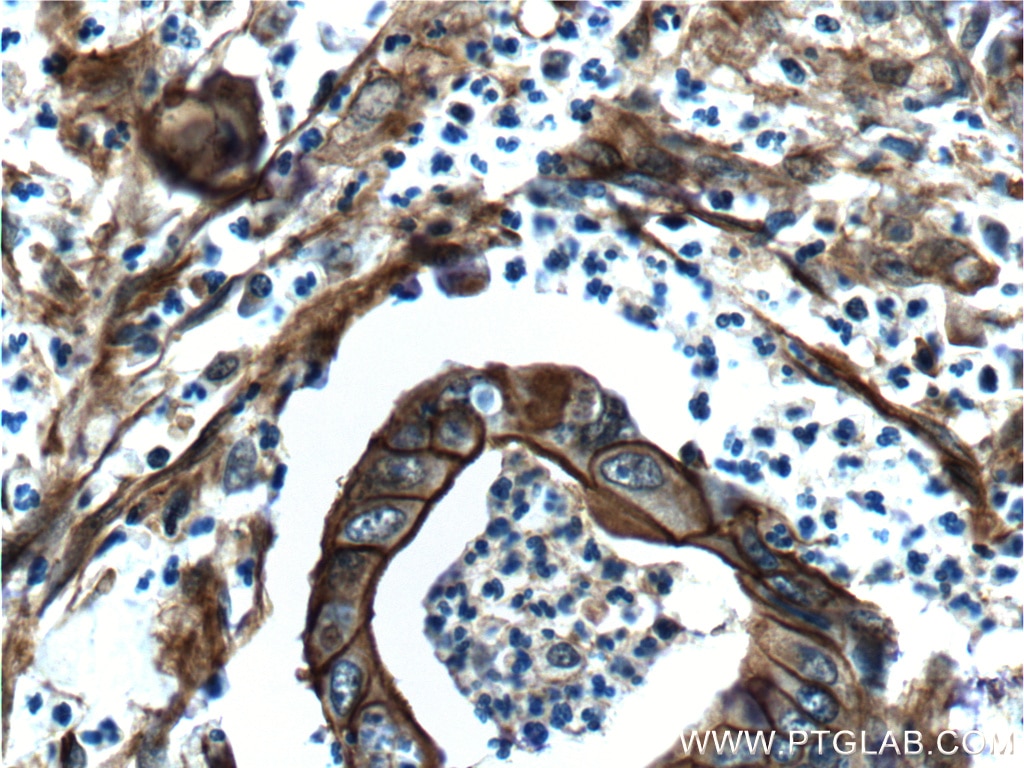
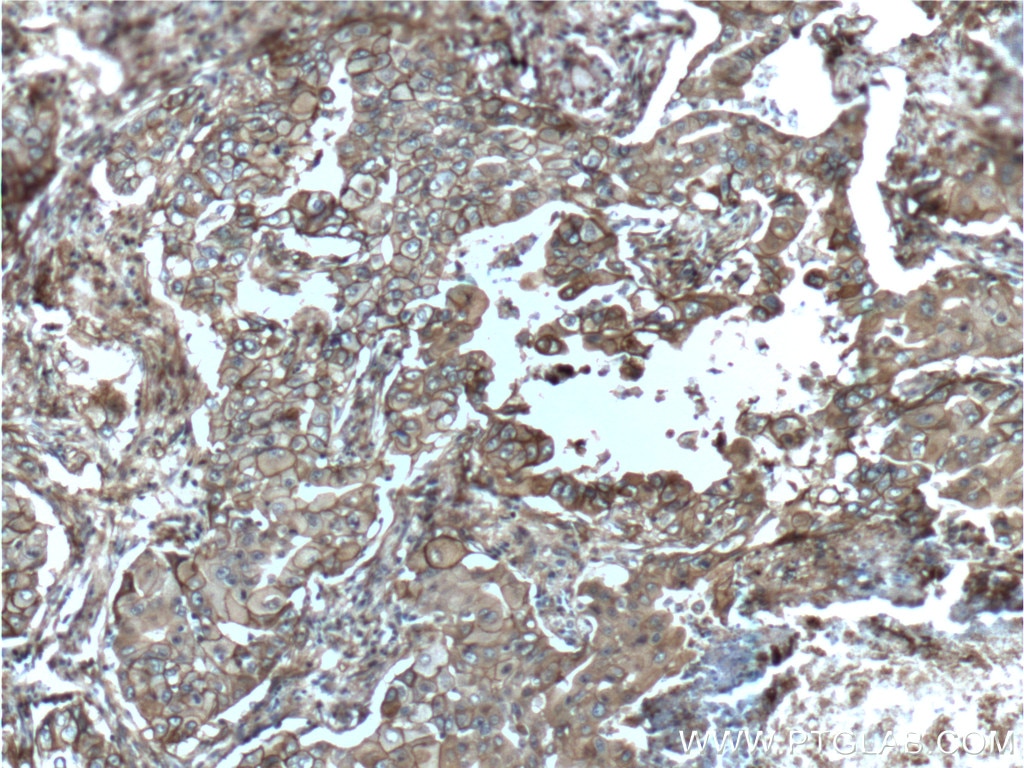
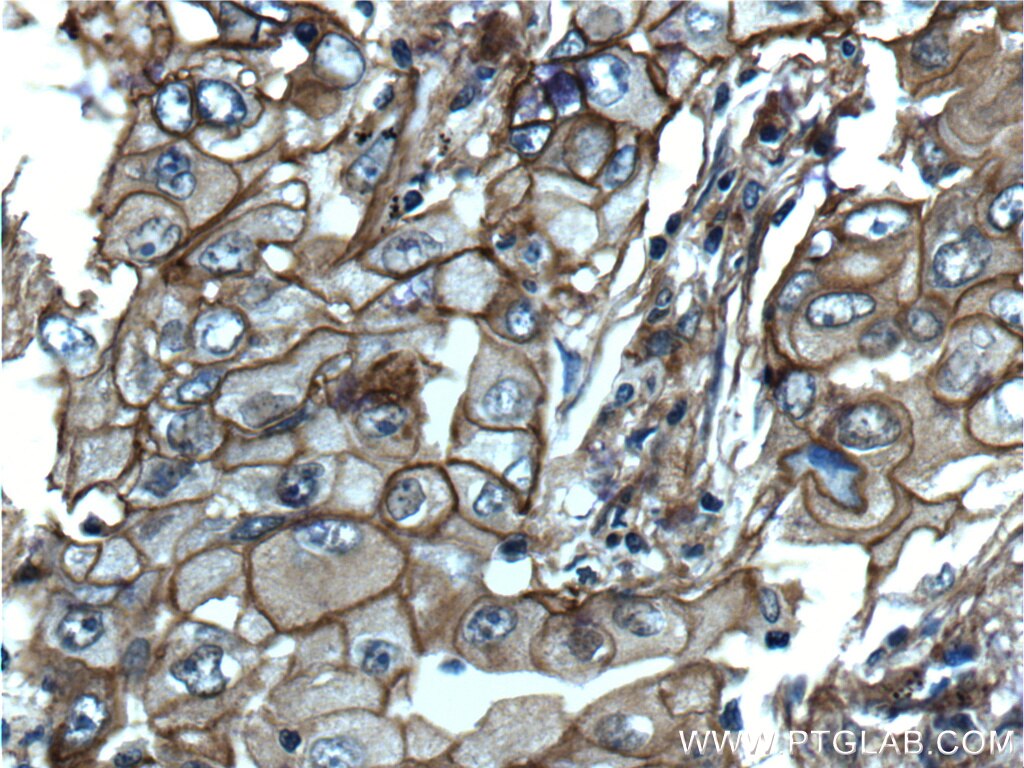
| Positive IHC detected in | human colon tissue, human cervical cancer tissue, human gliomas tissue, human lung cancer tissue, human pancreas cancer tissue, human prostate hyperplasia tissue, human skin tissue Note: suggested antigen retrieval with TE buffer pH 9.0; (*) Alternatively, antigen retrieval may be performed with citrate buffer pH 6.0 |
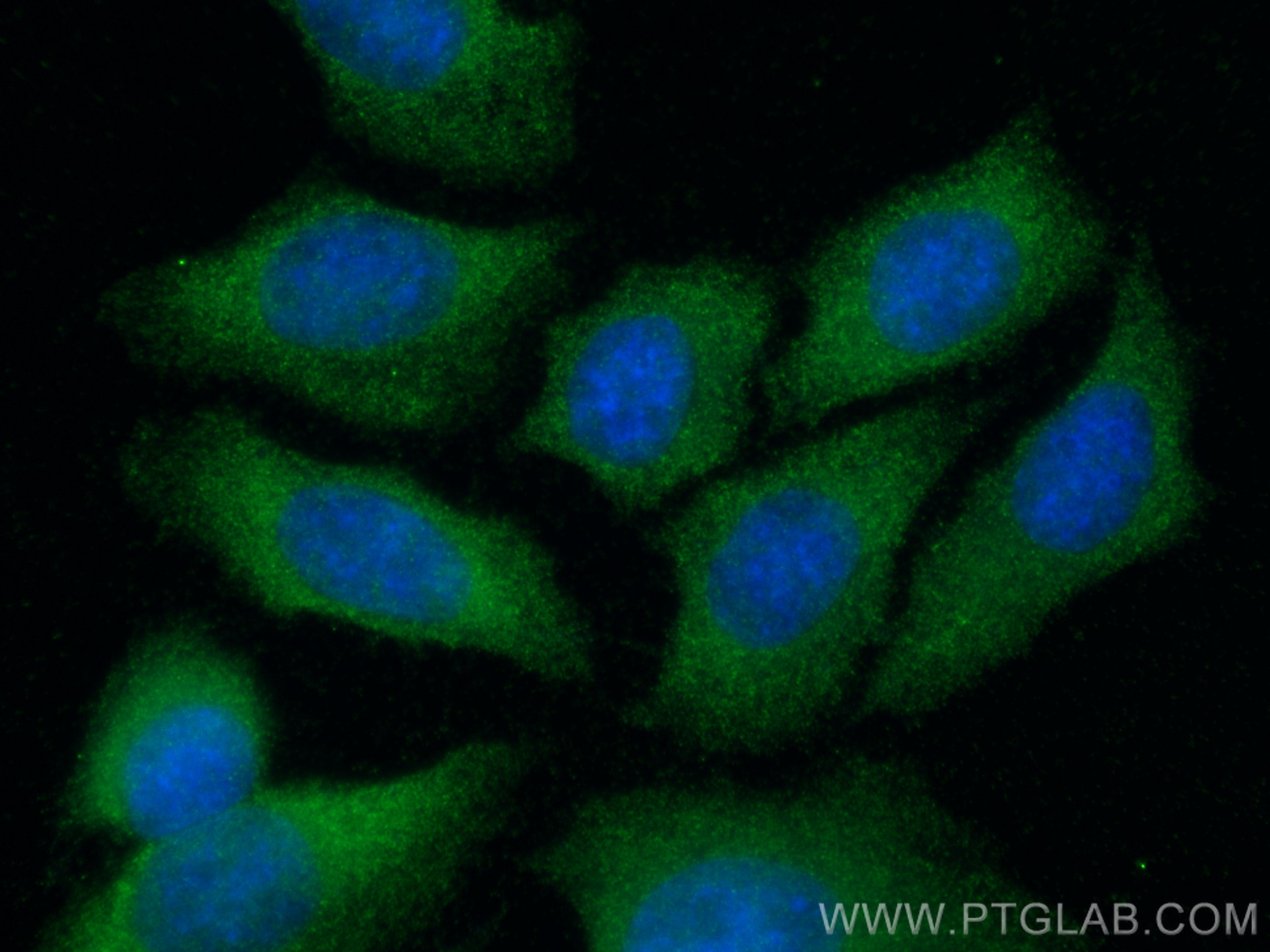
| Positive IF/ICC detected in | HepG2 cells, HeLa cells, U2OS cells |
Recommended dilution
| Application | Dilution |
|---|---|
| Western Blot (WB) | WB : 1:500-1:2000 |
| Immunohistochemistry (IHC) | IHC : 1:50-1:500 |
| Immunofluorescence (IF)/ICC | IF/ICC : 1:200-1:800 |
| It is recommended that this reagent should be titrated in each testing system to obtain optimal results. | |
| Sample-dependent, Check data in validation data gallery. | |
Product Information
11250-1-AP targets S100A10 in WB, IHC, IF/ICC, FC, IP, ELISA applications and shows reactivity with human samples.
| Tested Reactivity | human |
| Cited Reactivity | human, mouse, rat |
| Host / Isotype | Rabbit / IgG |
| Class | Polyclonal |
| Type | Antibody |
| Immunogen |
CatNo: Ag1779 Product name: Recombinant human S100A10 protein Source: e coli.-derived, PGEX-4T Tag: GST Domain: 1-97 aa of BC015973 Sequence: MPSQMEHAMETMMFTFHKFAGDKGYLTKEDLRVLMEKEFPGFLENQKDPLAVDKIMKDLDQCRDGKVGFQSFFSLIAGLTIACNDYFVVHMKQKGKK Predict reactive species |
| Full Name | S100 calcium binding protein A10 |
| Calculated Molecular Weight | 11 kDa |
| Observed Molecular Weight | 11 kDa |
| GenBank Accession Number | BC015973 |
| Gene Symbol | S100A10 |
| Gene ID (NCBI) | 6281 |
| RRID | AB_2269906 |
| Conjugate | Unconjugated |
| Form | Liquid |
| Purification Method | Antigen affinity purification |
| UNIPROT ID | P60903 |
| Storage Buffer | PBS with 0.02% sodium azide and 50% glycerol, pH 7.3. |
| Storage Conditions | Store at -20°C. Stable for one year after shipment. Aliquoting is unnecessary for -20oC storage. 20ul sizes contain 0.1% BSA. |
Background Information
S100A10, also known as p11, is a member of the S100 family of small, EF hand containing dimeric proteins. S100 proteins are localized in the cytoplasm and/or nucleus of a wide range of cells, and involved in the regulation of a number of cellular processes such as cell cycle progression and differentiation. S100A10 is present on the surface of endothelial and other cells in a heterotetrameric complex with another Ca(2+)-binding protein, annexin II. S100A10 may function in exocytosis and endocytosis.
Protocols
| Product Specific Protocols | |
|---|---|
| IF protocol for S100A10 antibody 11250-1-AP | Download protocol |
| IHC protocol for S100A10 antibody 11250-1-AP | Download protocol |
| WB protocol for S100A10 antibody 11250-1-AP | Download protocol |
| Standard Protocols | |
|---|---|
| Click here to view our Standard Protocols |
Publications
What published studies show
The S100A10 Polyclonal antibody (Cat# 11250-1-AP) has accumulated 115 citations across journals including Nature Aging, Cell Molecular Immunology, ACS Nano, Journal of Nanobiotechnology, Journal of Neuroinflammation, Glia, Molecular Neurobiology, and Cell Reports. Research fields span neuroinflammation and astrocyte A1/A2 polarization, spinal cord injury, ischemic stroke, neurodegenerative diseases, cancer (glioblastoma, pancreatic, breast, and colorectal), neuropathic pain, kidney disease, epilepsy, and psychiatric disorders.
| Species | Application | Title |
|---|---|---|
Nat Aging Modulating mTOR-dependent astrocyte substate transitions to alleviate neurodegeneration | ||
Nat Aging Chiral nanoparticle-remodeled gut microbiota alleviates neurodegeneration via the gut-brain axis | ||
Cell Mol Immunol Essential roles of S100A10 in Toll-like receptor signaling and immunity to infection. | ||
ACS Nano Nanoparticle-Assembled Multifaceted Hydrogel Therapy Promotes Functional Recovery After Spinal Cord Injury. | ||
Gut Microbes Gut microbial ammonia as a mediator of PFOS neurotoxicity and its remediation by the flavonoid Icaritin. | ||
J Nanobiotechnology Mesoporous Prussian blue nanoparticle neuroconduit for the biological therapy targeting oxidative stress reduction, inflammation inhibition, and nerve regeneration |


