
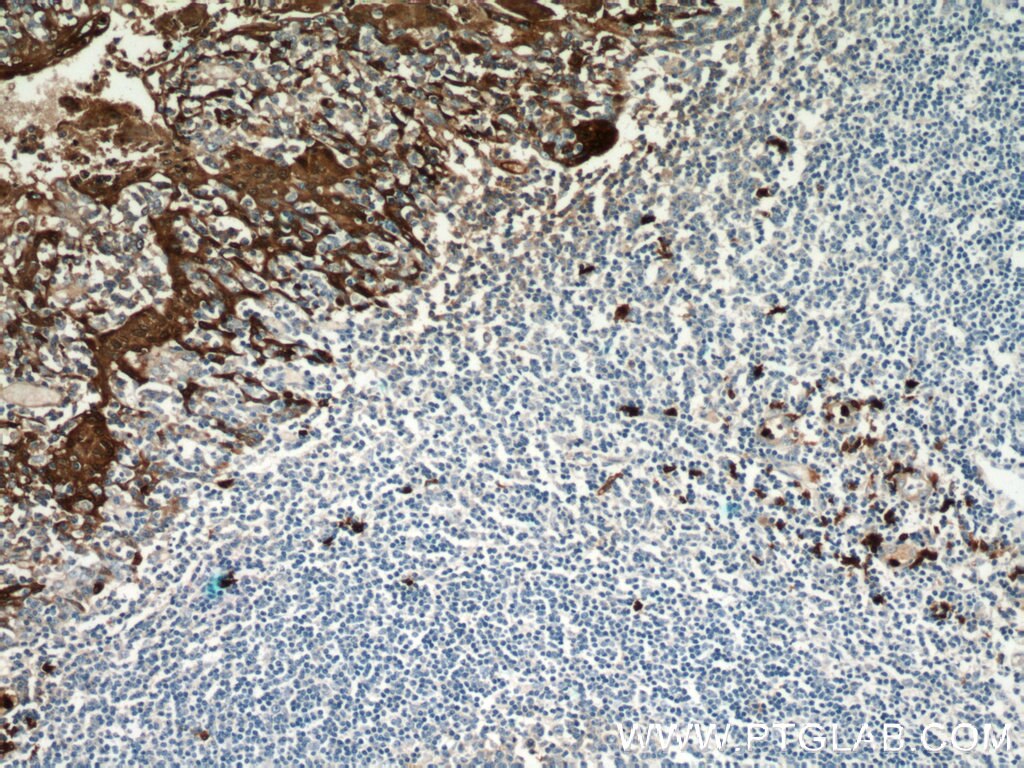
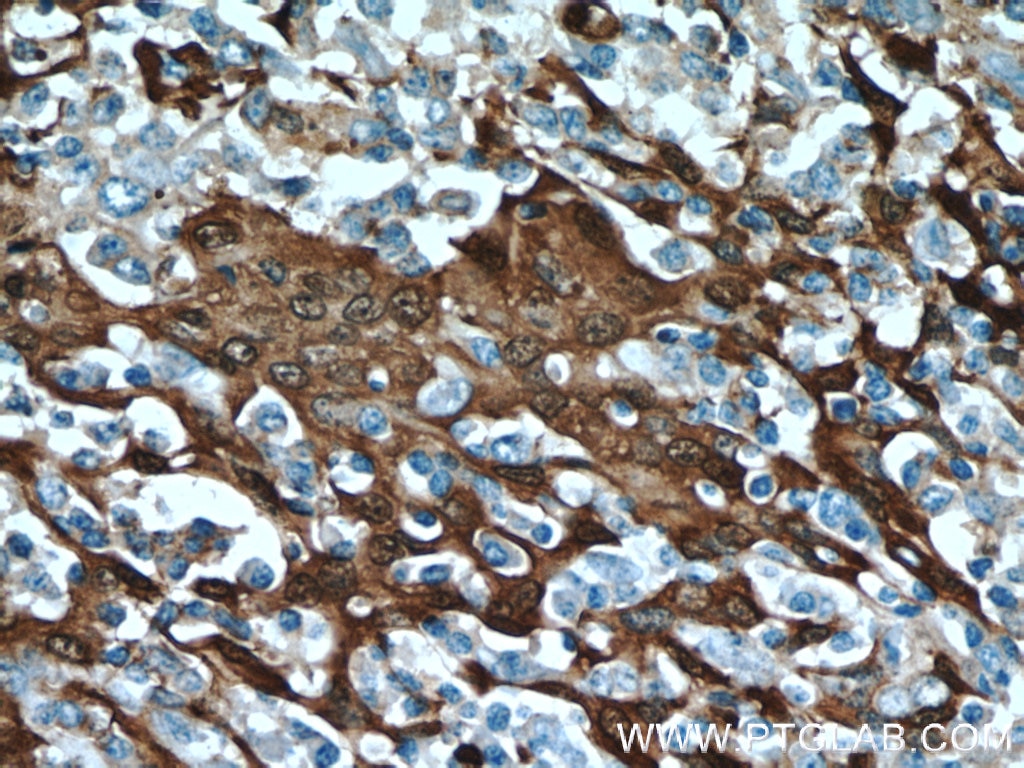
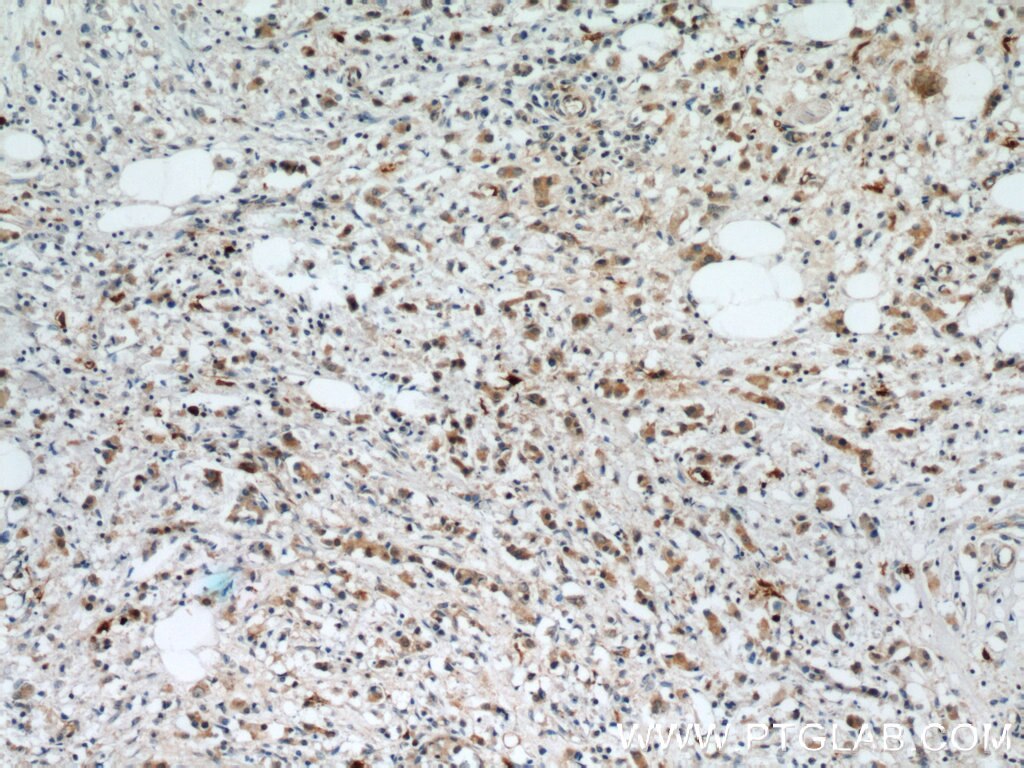
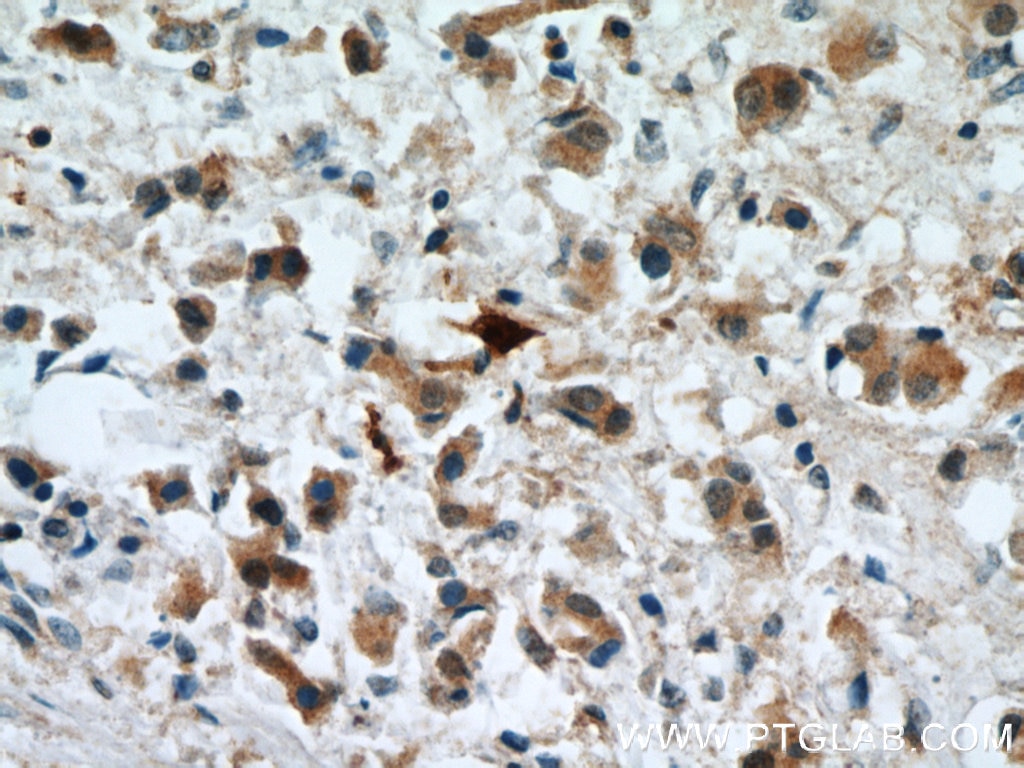

Tested Applications
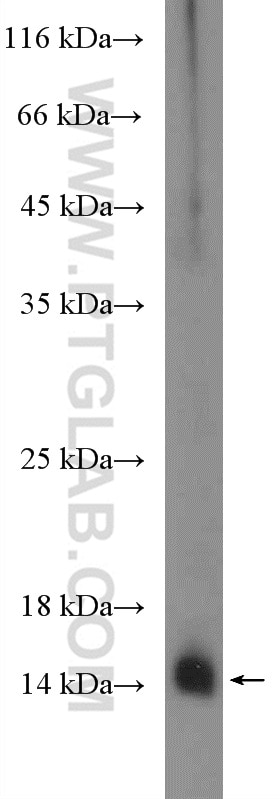
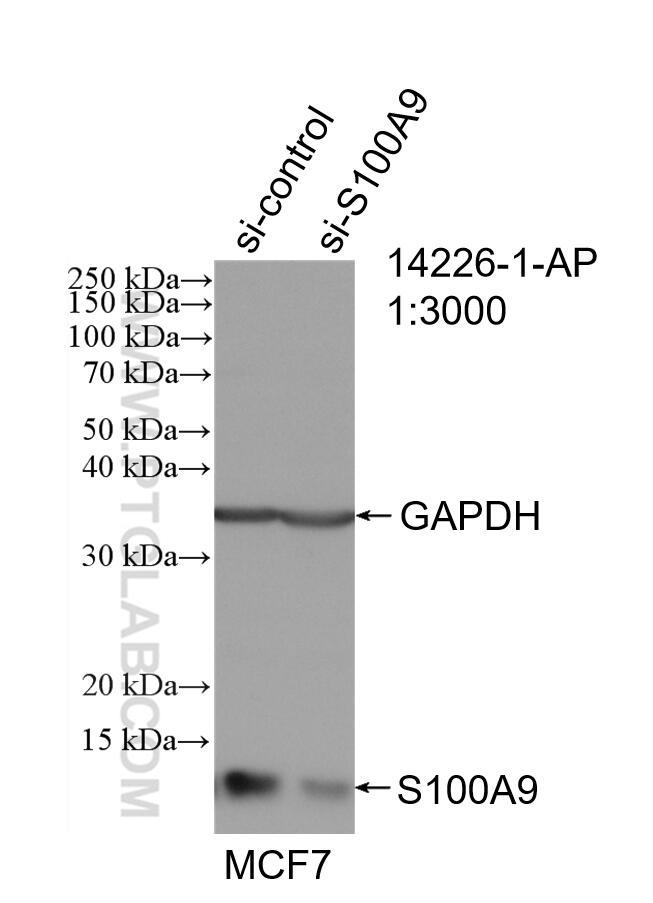
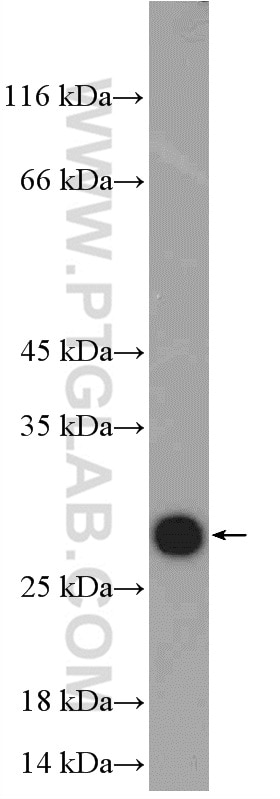
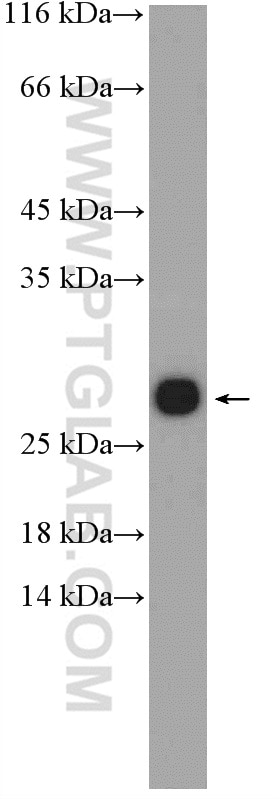
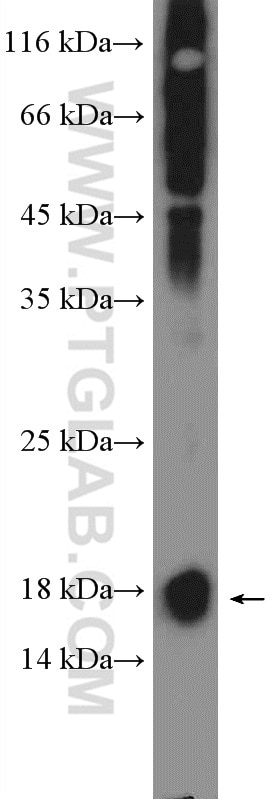
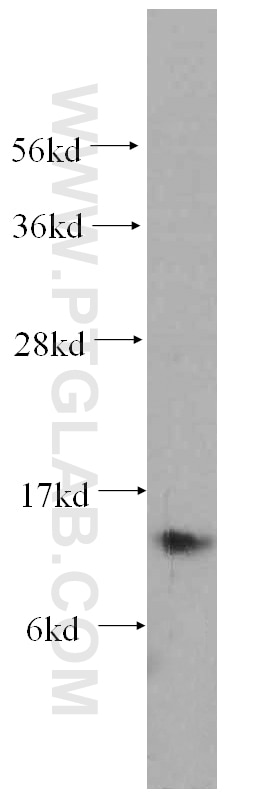
| Positive WB detected in | mouse spleen tissue, human blood, human heart tissue, MCF-7 cells, mouse heart tissue, rat heart tissue |
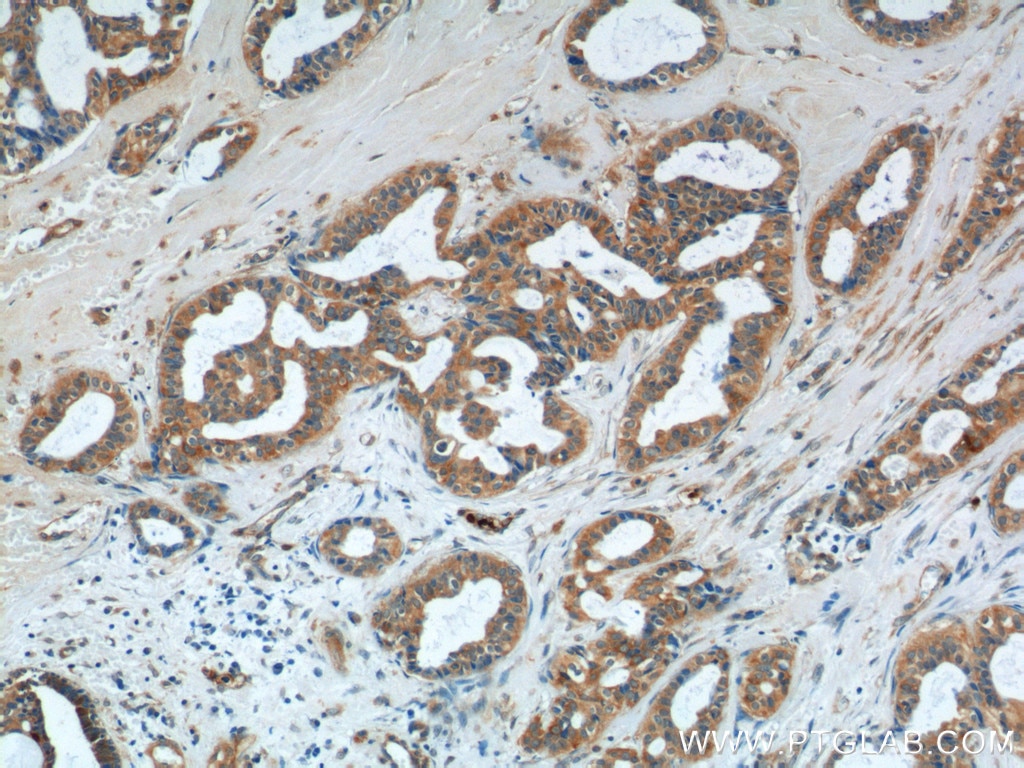
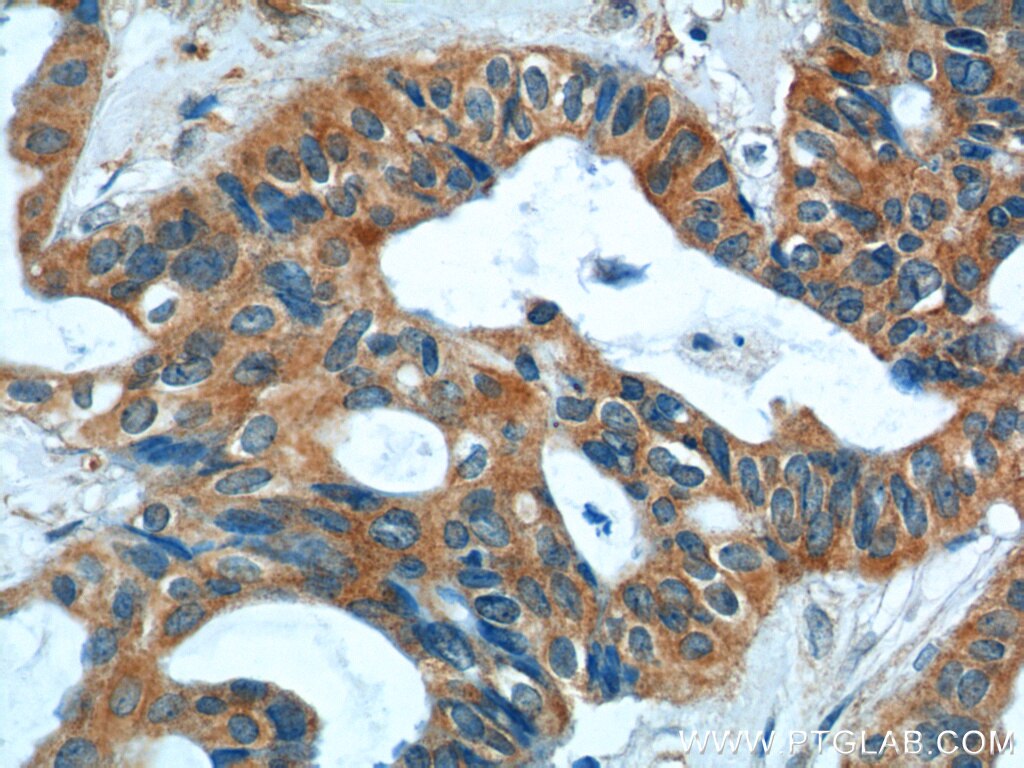
| Positive IHC detected in | human breast cancer tissue, human tonsillitis tissue Note: suggested antigen retrieval with TE buffer pH 9.0; (*) Alternatively, antigen retrieval may be performed with citrate buffer pH 6.0 |
Recommended dilution
| Application | Dilution |
|---|---|
| Western Blot (WB) | WB : 1:200-1:1000 |
| Immunohistochemistry (IHC) | IHC : 1:50-1:500 |
| It is recommended that this reagent should be titrated in each testing system to obtain optimal results. | |
| Sample-dependent, Check data in validation data gallery. | |
Product Information
14226-1-AP targets S100A9 in WB, IHC, IF, ELISA applications and shows reactivity with human, mouse, rat samples.
| Tested Reactivity | human, mouse, rat |
| Cited Reactivity | human, mouse, rat |
| Host / Isotype | Rabbit / IgG |
| Class | Polyclonal |
| Type | Antibody |
| Immunogen |
CatNo: Ag5465 Product name: Recombinant human S100A9 protein Source: e coli.-derived, PGEX-4T Tag: GST Domain: 1-114 aa of BC047681 Sequence: MTCKMSQLERNIETIINTFHQYSVKLGHPDTLNQGEFKELVRKDLQNFLKKENKNEKVIEHIMEDLDTNADKQLSFEEFIMLMARLTWASHEKMHEGDEGPGHHHKPGLGEGTP Predict reactive species |
| Full Name | S100 calcium binding protein A9 |
| Calculated Molecular Weight | 13 kDa |
| Observed Molecular Weight | 14 kDa, 28 kDa |
| GenBank Accession Number | BC047681 |
| Gene Symbol | S100A9 |
| Gene ID (NCBI) | 6280 |
| RRID | AB_2254232 |
| Conjugate | Unconjugated |
| Form | Liquid |
| Purification Method | Antigen affinity purification |
| UNIPROT ID | P06702 |
| Storage Buffer | PBS with 0.02% sodium azide and 50% glycerol, pH 7.3. |
| Storage Conditions | Store at -20°C. Stable for one year after shipment. Aliquoting is unnecessary for -20oC storage. 20ul sizes contain 0.1% BSA. |
Background Information
S100A9 is a calcium binding protein as a member of the S100 family of proteins. S100 proteins are low molecular weight (9 to 14 kDa) intracellular calcium-binding proteins that control key cellular pathways including regulation of the cytoskeleton, cell migration and adhesion, and host oxidative defense. S100A9 may exist as a homodimer, heterodimer (24 kDa) with an S100A8 partner (S100A8/A9), or as a heterotetramer (28 kDa) with an S100A8 partner(S100A8/A9). S100A8 and S100A9 are found intracellularly in granulocytes, monocytes, and early differentiation stages of macrophages.
Protocols
| Product Specific Protocols | |
|---|---|
| IHC protocol for S100A9 antibody 14226-1-AP | Download protocol |
| WB protocol for S100A9 antibody 14226-1-AP | Download protocol |
| Standard Protocols | |
|---|---|
| Click here to view our Standard Protocols |
Publications
What published studies show
The S100A9 Polyclonal antibody (Cat. No. 14226-1-AP) has a total of 24 citations. It appears in venues including Cancer Cell, Cell Metabolism, Cancer Letters, International Journal of Biological Sciences, Phytomedicine, Burns & Trauma, Chinese Medical Journal, Cell & Bioscience, International Journal of Cancer, and Molecular Nutrition & Food Research. Research fields span oncology (colorectal, pancreatic, hepatocellular, and breast cancers), inflammation and immune suppression, organ fibrosis (liver, lung, cardiac), diabetes and diabetic ulcers, tissue regeneration, cardiovascular and periodontitis research, applied mainly in IHC, IF, and WB across human, mouse, and rat samples.
| Species | Application | Title |
|---|---|---|
Cancer Cell KRAS-IRF2 Axis Drives Immune Suppression and Immune Therapy Resistance in Colorectal Cancer. | ||
Cancer Lett Hyperactivation of β-catenin signal in hepatocellular carcinoma recruits myeloid-derived suppressor cells through PF4-CXCR3 axis | ||
Int J Biol Sci NAMPT Impairs Vascular Permeability in Periodontitis by Influencing FASN-mediated Lipogenesis | ||
Phytomedicine Prunella vulgaris polyphenols alleviate liver injury-uveitis comorbidity by regulating acylcarnitine via the S100A9-PP2A-AMPK pathway | ||
Phytomedicine The common mechanism underlying Shuangxinfang's amelioration of post-myocardial infarction depression: Targeting S100A9/NLRP3 to improve mitochondrial energetics. |

