

Tested Applications
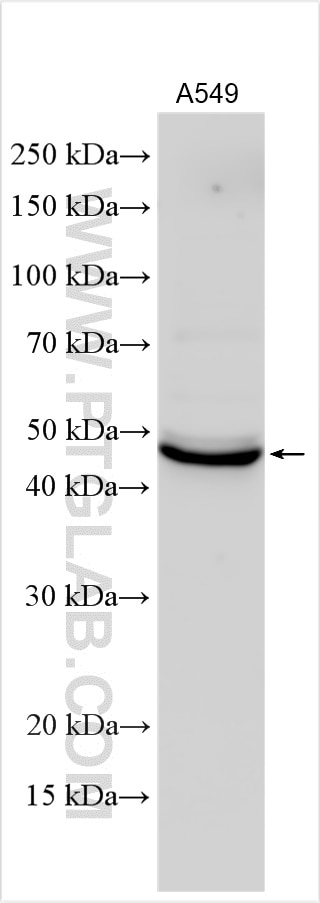
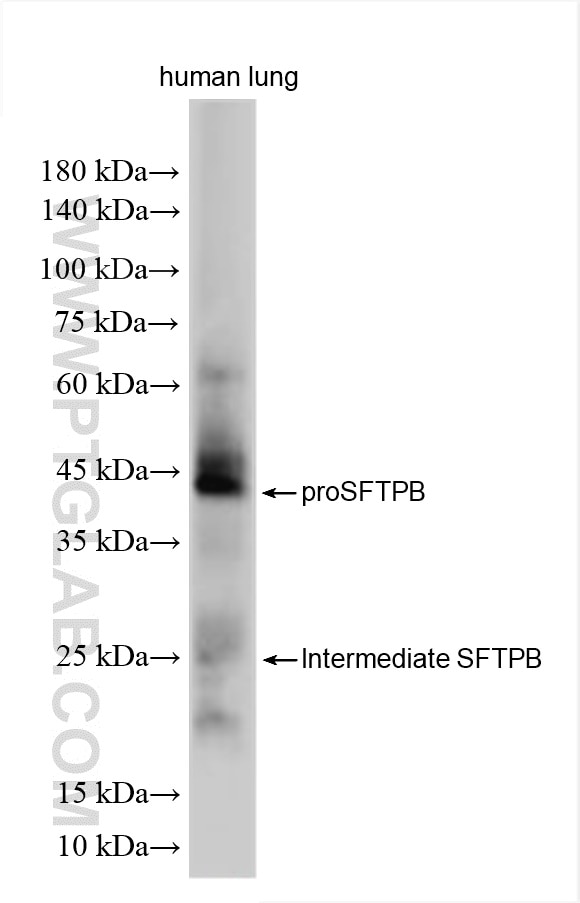
| Positive WB detected in | human lung tissue, A549 cells |
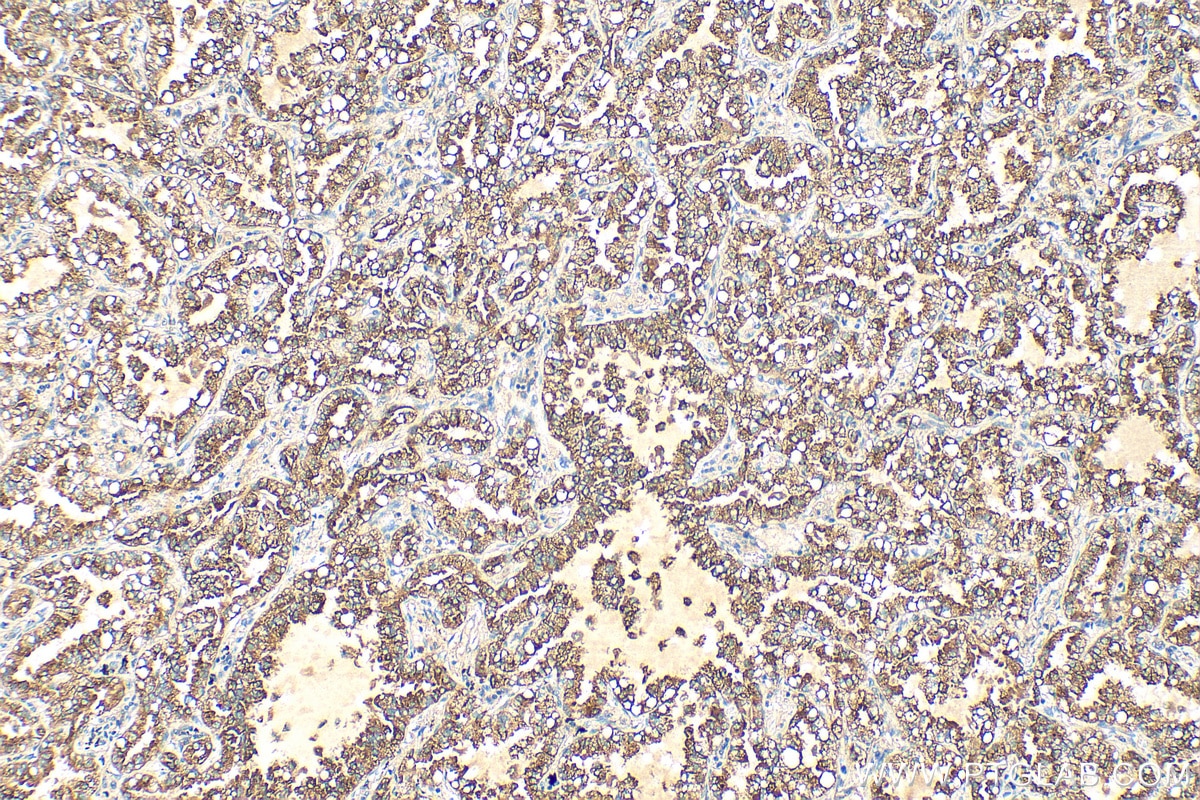
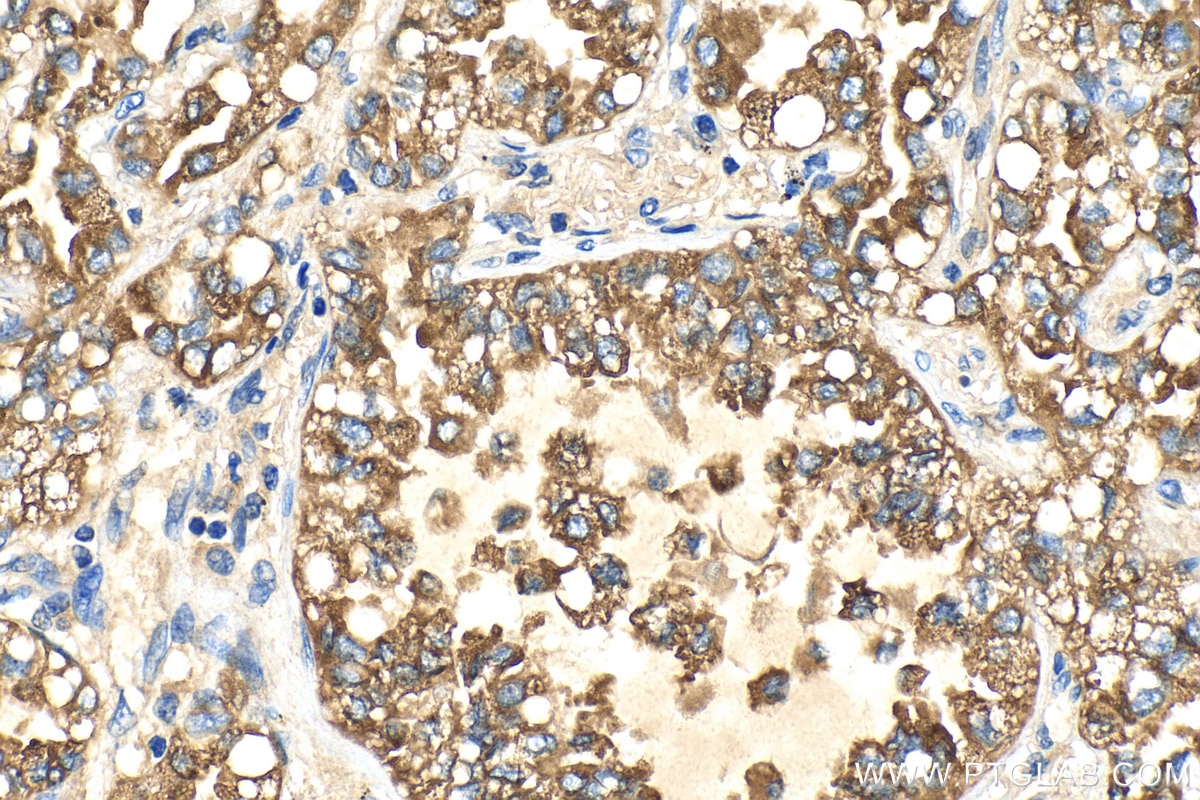
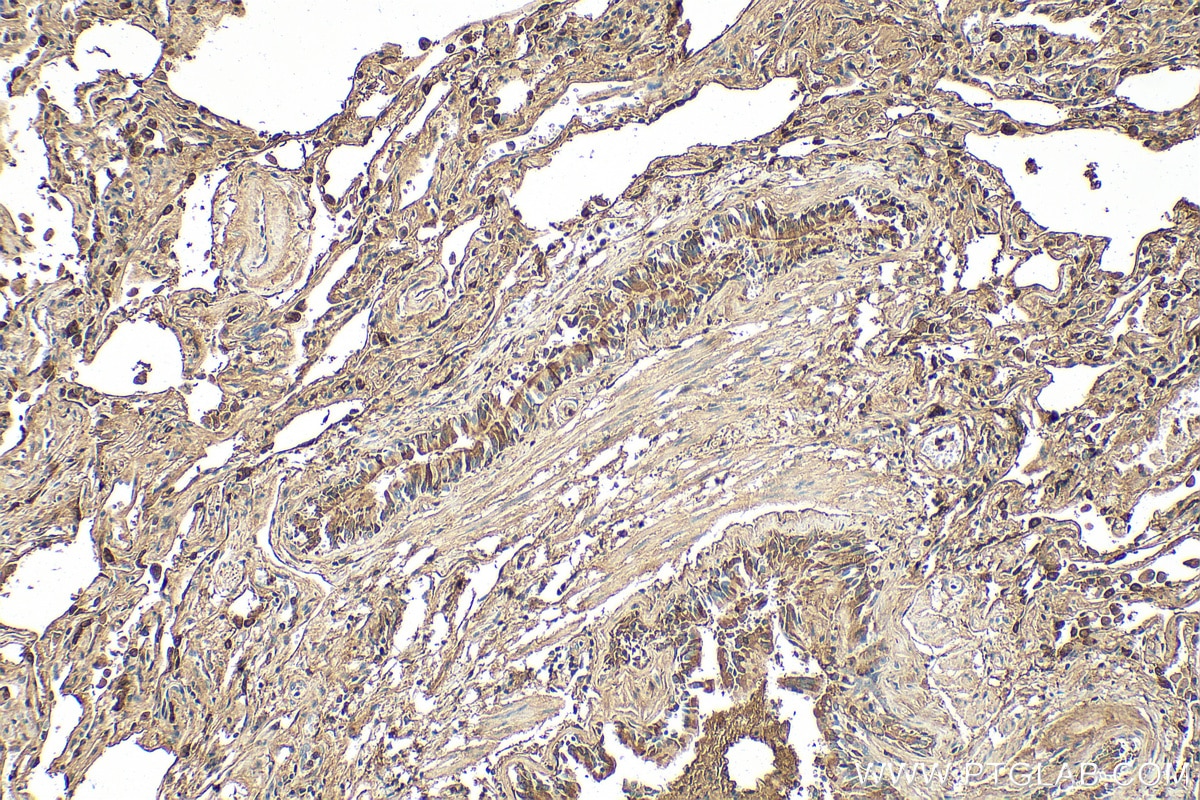
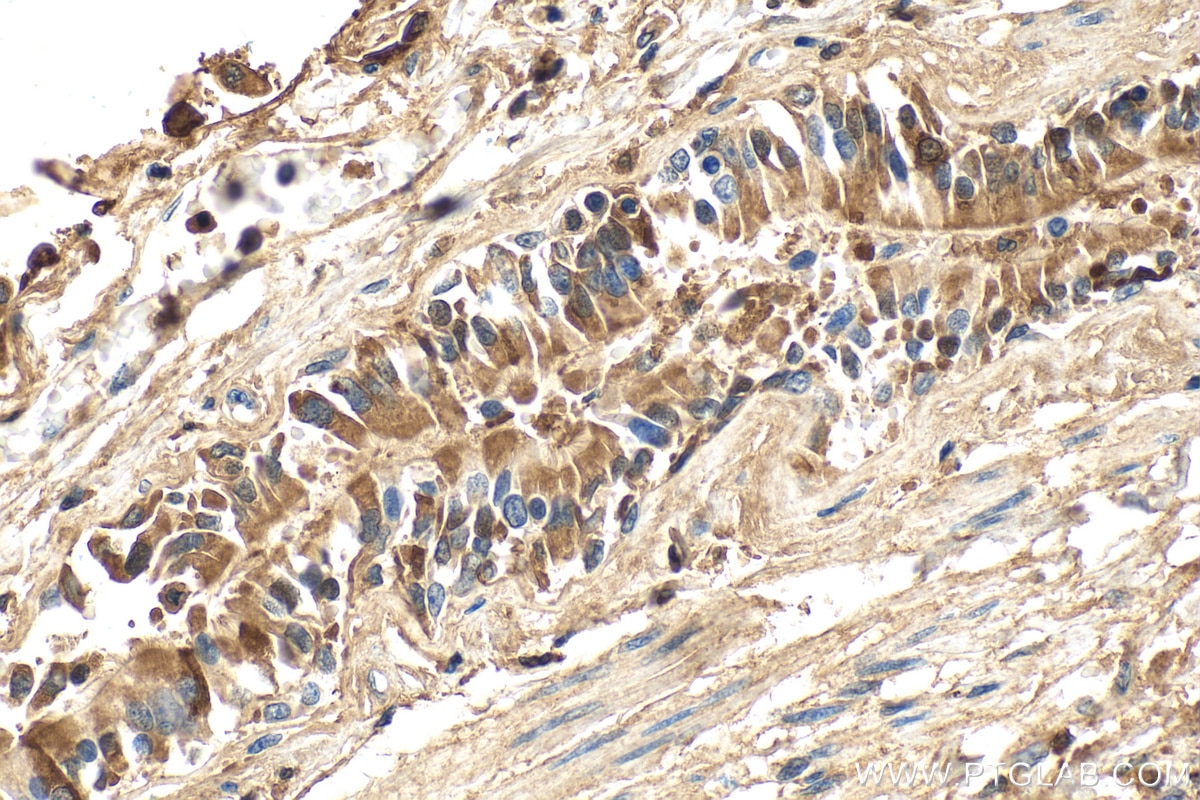
| Positive IHC detected in | human lung cancer tissue, human lung tissue Note: suggested antigen retrieval with TE buffer pH 9.0; (*) Alternatively, antigen retrieval may be performed with citrate buffer pH 6.0 |
Recommended dilution
| Application | Dilution |
|---|---|
| Western Blot (WB) | WB : 1:500-1:2000 |
| Immunohistochemistry (IHC) | IHC : 1:200-1:800 |
| It is recommended that this reagent should be titrated in each testing system to obtain optimal results. | |
| Sample-dependent, Check data in validation data gallery. | |
Product Information
13664-1-AP targets SFTPB in WB, IHC, IF, ELISA applications and shows reactivity with human samples.
| Tested Reactivity | human |
| Cited Reactivity | human, mouse |
| Host / Isotype | Rabbit / IgG |
| Class | Polyclonal |
| Type | Antibody |
| Immunogen |
CatNo: Ag4576 Product name: Recombinant human SFTPB protein Source: e coli.-derived, PGEX-4T Tag: GST Domain: 1-381 aa of BC032785 Sequence: MAESHLLQWLLLLLPTLCGPGTAAWTTSSLACAQGPEFWCQSLEQALQCRALGHCLQEVWGHVGADDLCQECEDIVHILNKMAKEAIFQDTMRKFLEQECNVLPLKLLMPQCNQVLDDYFPLVIDYFQNQTDSNGICMHLGLCKSRQPEPEQEPGMSDPLPKPLRDPLPDPLLDKLVLPVLPGALQARPGPHTQDLSEQQFPIPLPYCWLCRALIKRIQAMIPKGALAVAVAQVCRVVPLVAGGICQCLAERYSVILLDTLLGRMLPQLVCRLVLRCSMDDSAGPRSPTGEWLPRDSECHLCMSVTTQAGNSSEQAIPQAMLQACVGSWLDREKCKQFVEQHTPQLLTLVPRGWDAHTTCQALGVCGTMSSPLQCIHSPDL Predict reactive species |
| Full Name | surfactant protein B |
| Calculated Molecular Weight | 381 aa, 42 kDa |
| Observed Molecular Weight | 43 kDa |
| GenBank Accession Number | BC032785 |
| Gene Symbol | SFTPB |
| Gene ID (NCBI) | 6439 |
| RRID | AB_2185487 |
| Conjugate | Unconjugated |
| Form | Liquid |
| Purification Method | Antigen affinity purification |
| UNIPROT ID | P07988 |
| Storage Buffer | PBS with 0.02% sodium azide and 50% glycerol, pH 7.3. |
| Storage Conditions | Store at -20°C. Stable for one year after shipment. Aliquoting is unnecessary for -20oC storage. 20ul sizes contain 0.1% BSA. |
Background Information
Pulmonary surfactant-associated protein B(SFTPB) also named SFTP3, is a hydrophobic peptide that facilitates the formation and maintenance of a phospholipid-rich film at the alveolar air-liquid interface. SP-B is necessary for postnatal lung function. SFTPB as a risk biomarker for lung cancer. (PMID:36460583).
Protocols
| Product Specific Protocols | |
|---|---|
| IHC protocol for SFTPB antibody 13664-1-AP | Download protocol |
| WB protocol for SFTPB antibody 13664-1-AP | Download protocol |
| Standard Protocols | |
|---|---|
| Click here to view our Standard Protocols |
Publications
What published studies show
I'll look up the citations for catalog number 13664-1-AP.SFTPB Polyclonal antibody (13664-1-AP) has 9 total citations.
Journals: Experimental Hematology & Oncology, Environmental Research, Journal of Genetics and Genomics, Journal of Agricultural and Food Chemistry, International Immunopharmacology, International Journal of Molecular Sciences, Laboratory Investigation (Lab Invest), Environmental Toxicology, and Heliyon.
Research fields: Lung cancer (including non-small cell lung cancer recurrence and lung adenocarcinoma, disulfidptosis, and liquid biopsy), pulmonary surfactant biology and lung development, environmental toxicology (PFOS/PFOA, silica nanoparticles, bisphenol A) and lung function, and blood-testis barrier function.
| Species | Application | Title |
|---|---|---|
Exp Hematol Oncol Downregulation of pro-surfactant protein B contributes to the recurrence of early-stage non-small cell lung cancer by activating PGK1-mediated Akt signaling
| ||
Environ Res Exposure-effect of PFOS and PFOA on lung function: An integrated approach with epidemiological, cellular, and animal studies | ||
J Genet Genomics Tapt1 deficiency in mice impairs pulmonary lipid homeostasis and normal postnatal respiration by targeting ABCA3 for autophagy-lysosomal degradation. | ||
J Agric Food Chem Curcumin Alleviates Bisphenol A-Induced Blood-Testis Barrier Disruption in Mice by Targeting Surfactant Protein B (SFTPB) to Suppress Oxidative Stress-Activated NLRP3 Inflammasome.
| ||
Int J Mol Sci Kub3 Deficiency Causes Aberrant Late Embryonic Lung Development in Mice by the FGF Signaling Pathway. | ||
Int Immunopharmacol The impact of POSTN on tumor cell behavior and the tumor microenvironment in lung adenocarcinoma |

