

Tested Applications
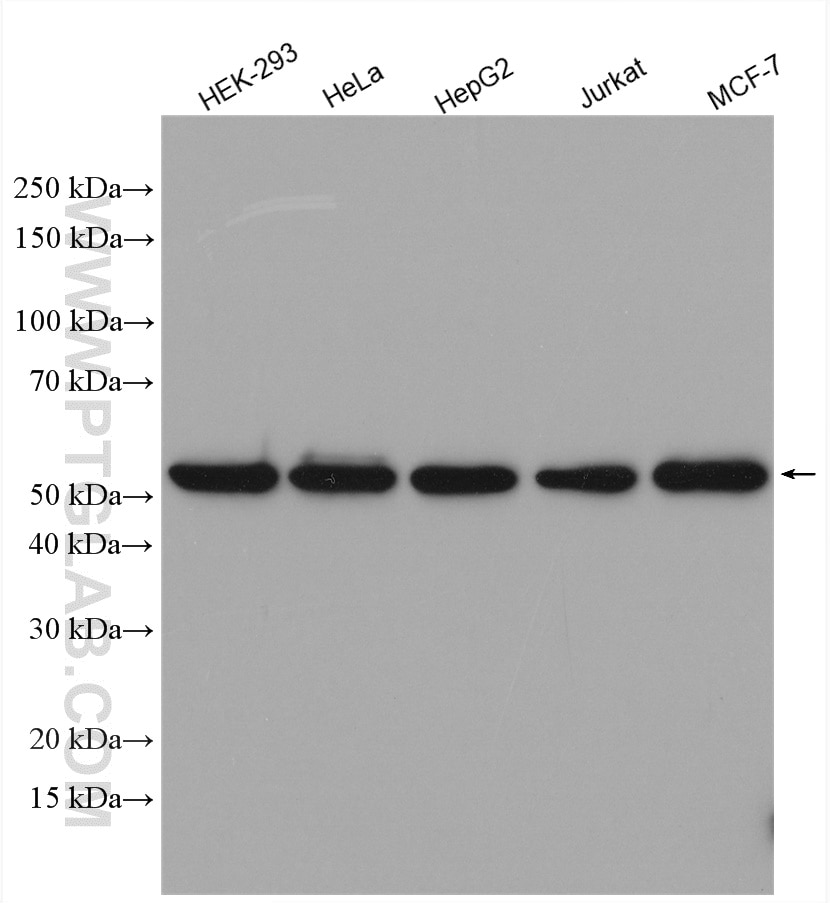
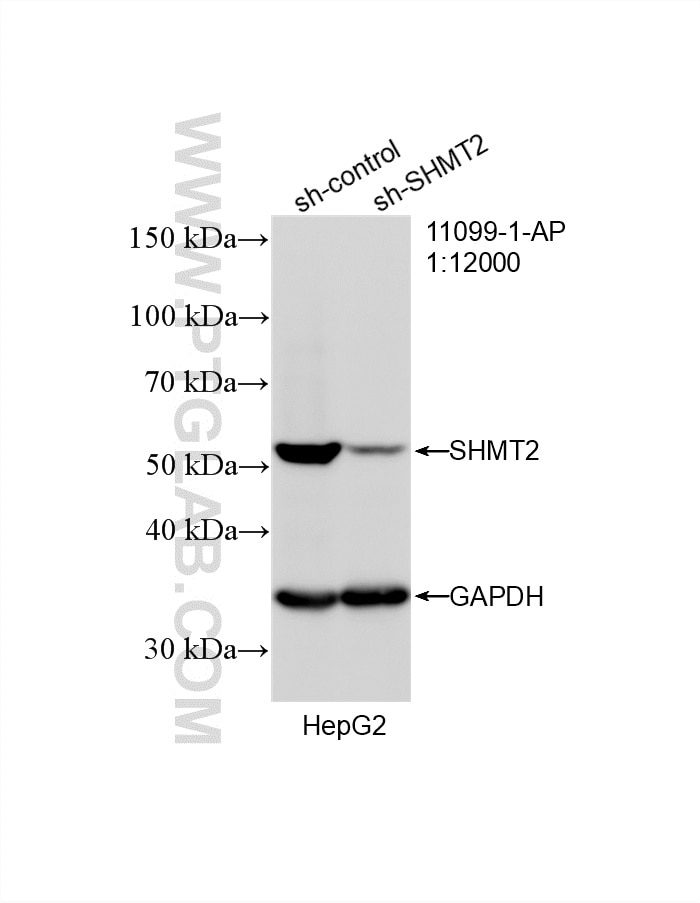
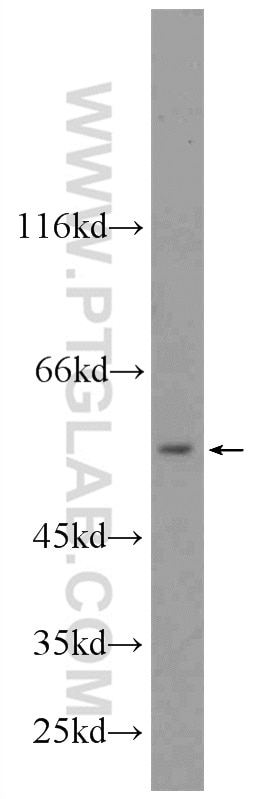
| Positive WB detected in | HEK-293 cells, HepG2 cells, mouse kidney tissue, HeLa cells, Jurkat cells, MCF-7 cells |
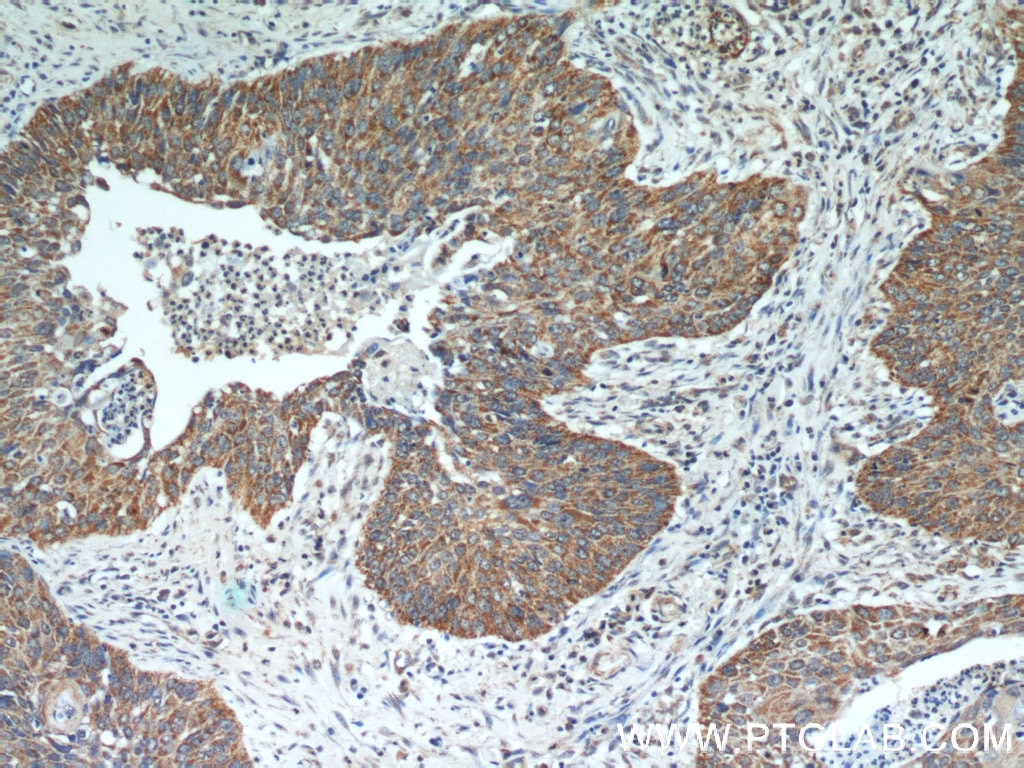
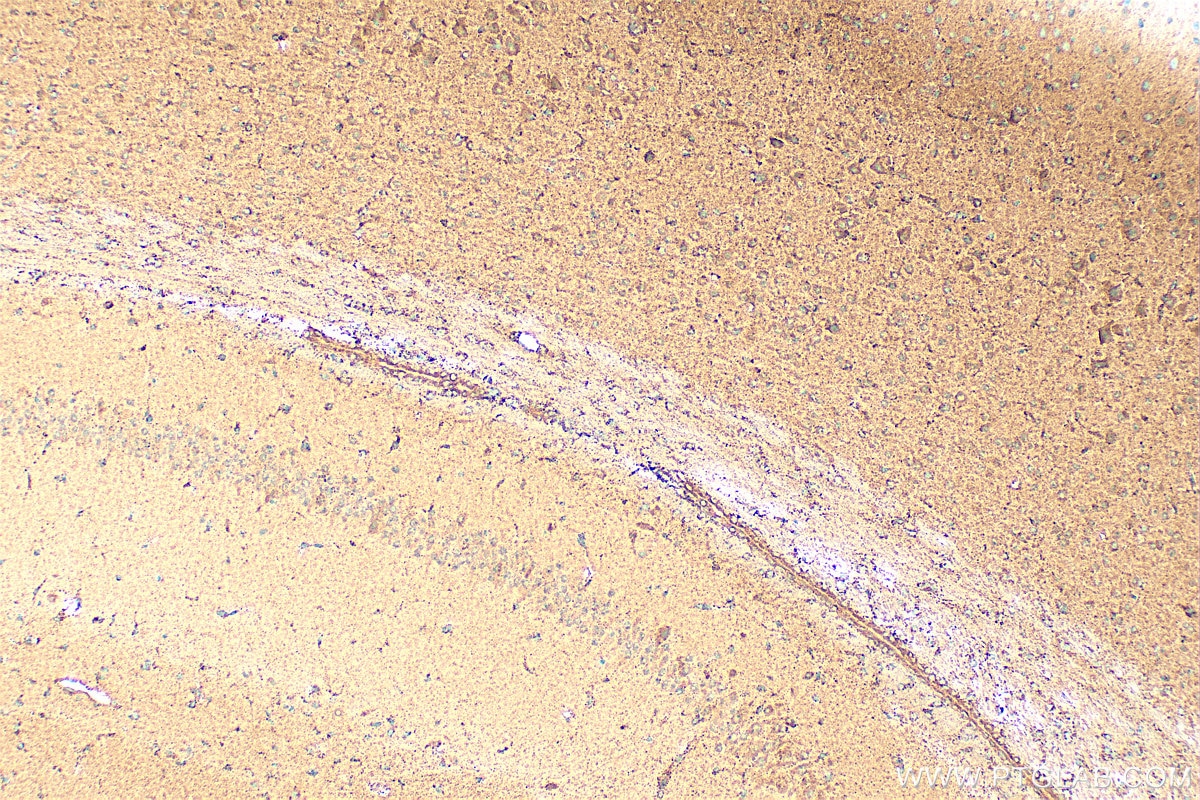
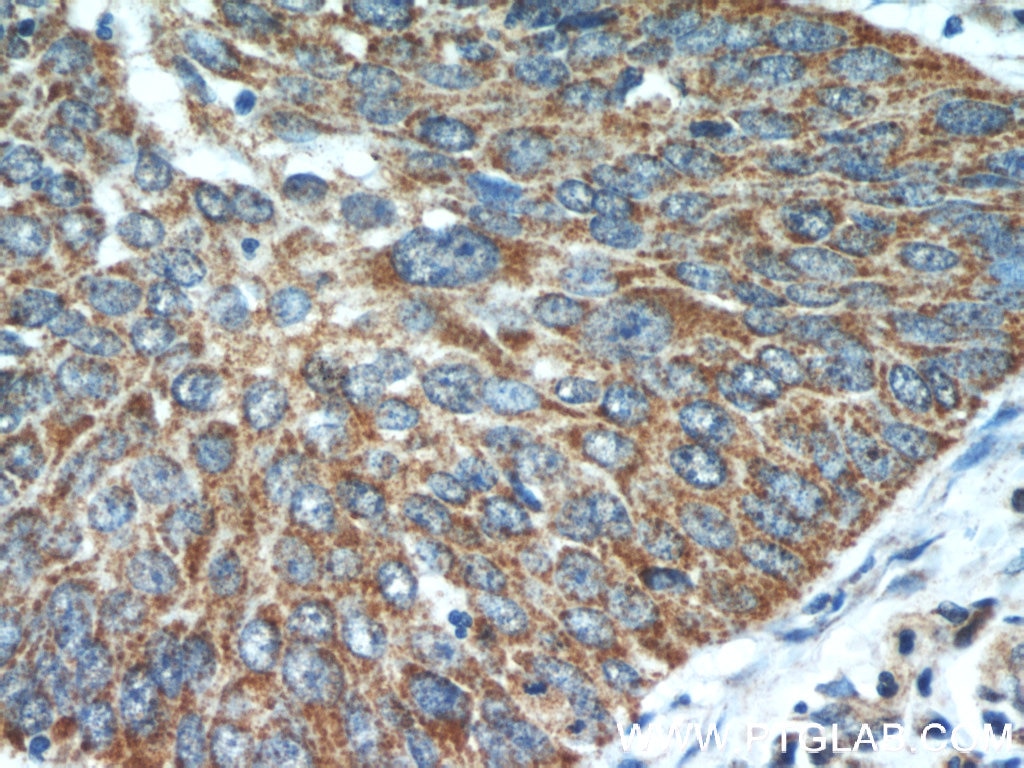
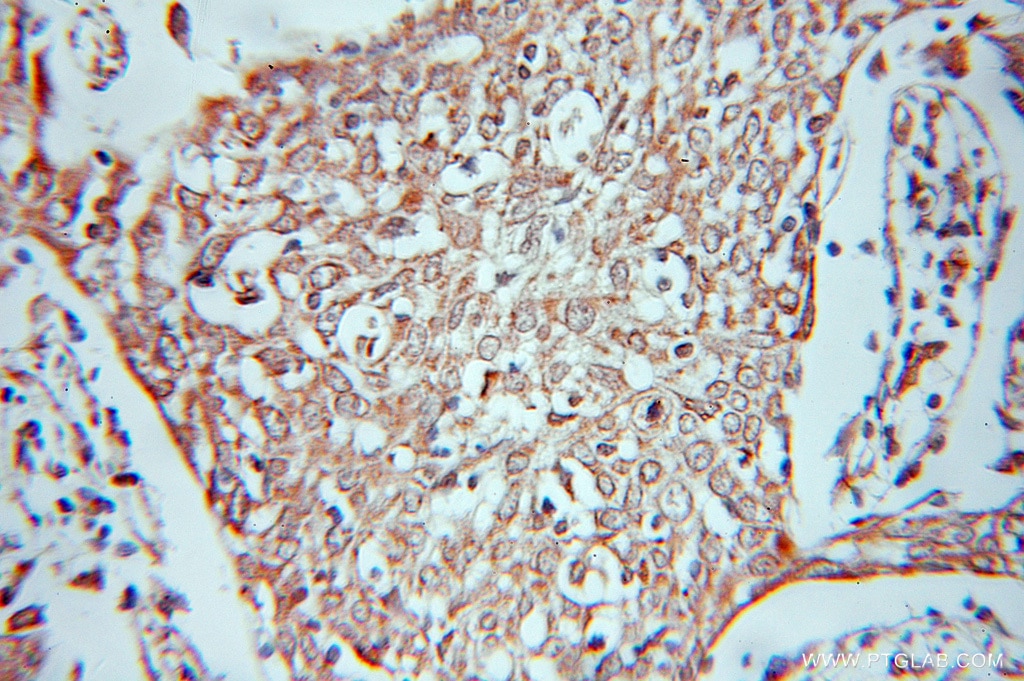
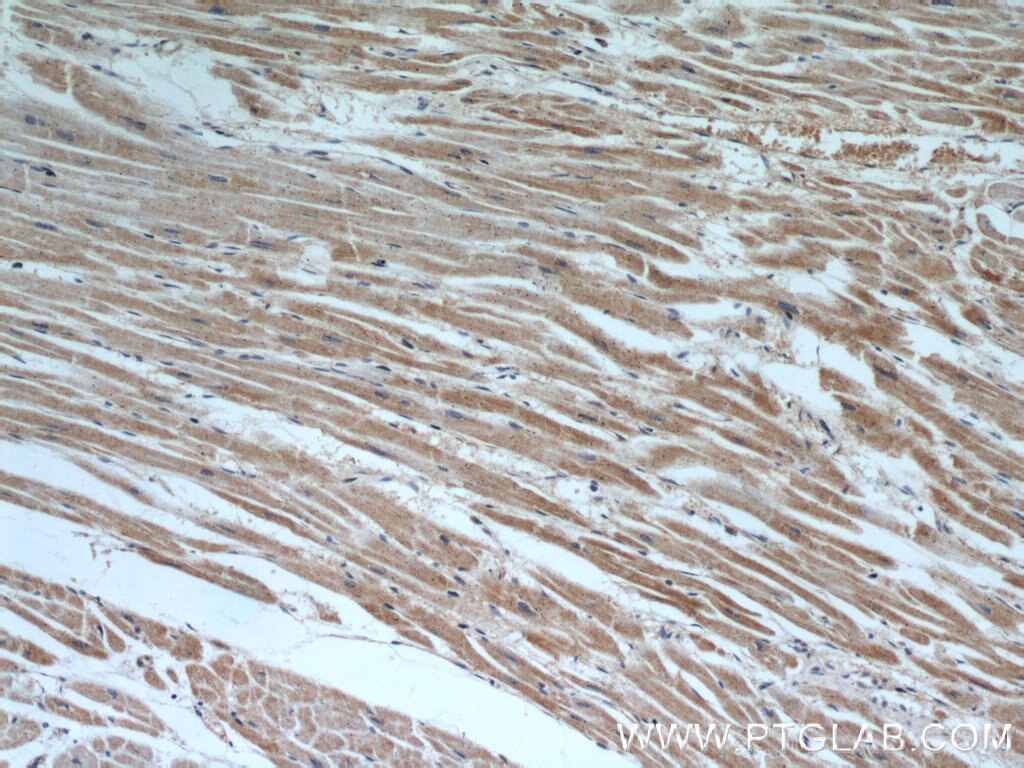
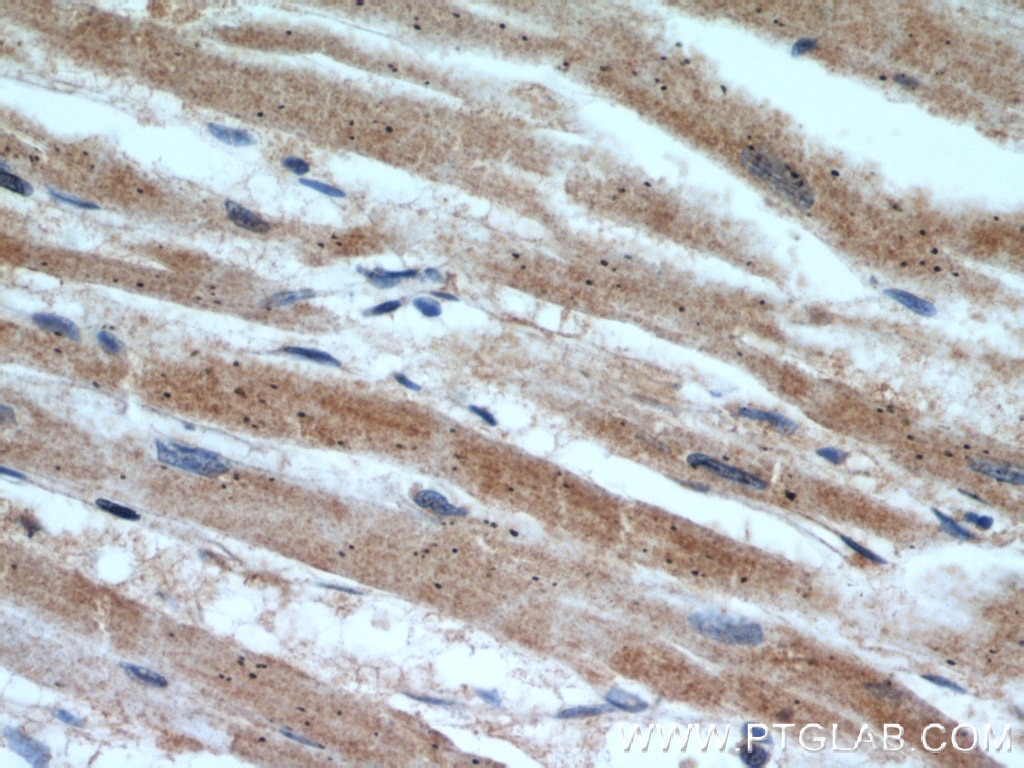
| Positive IHC detected in | mouse brain tissue, human cervical cancer tissue, human heart tissue Note: suggested antigen retrieval with TE buffer pH 9.0; (*) Alternatively, antigen retrieval may be performed with citrate buffer pH 6.0 |
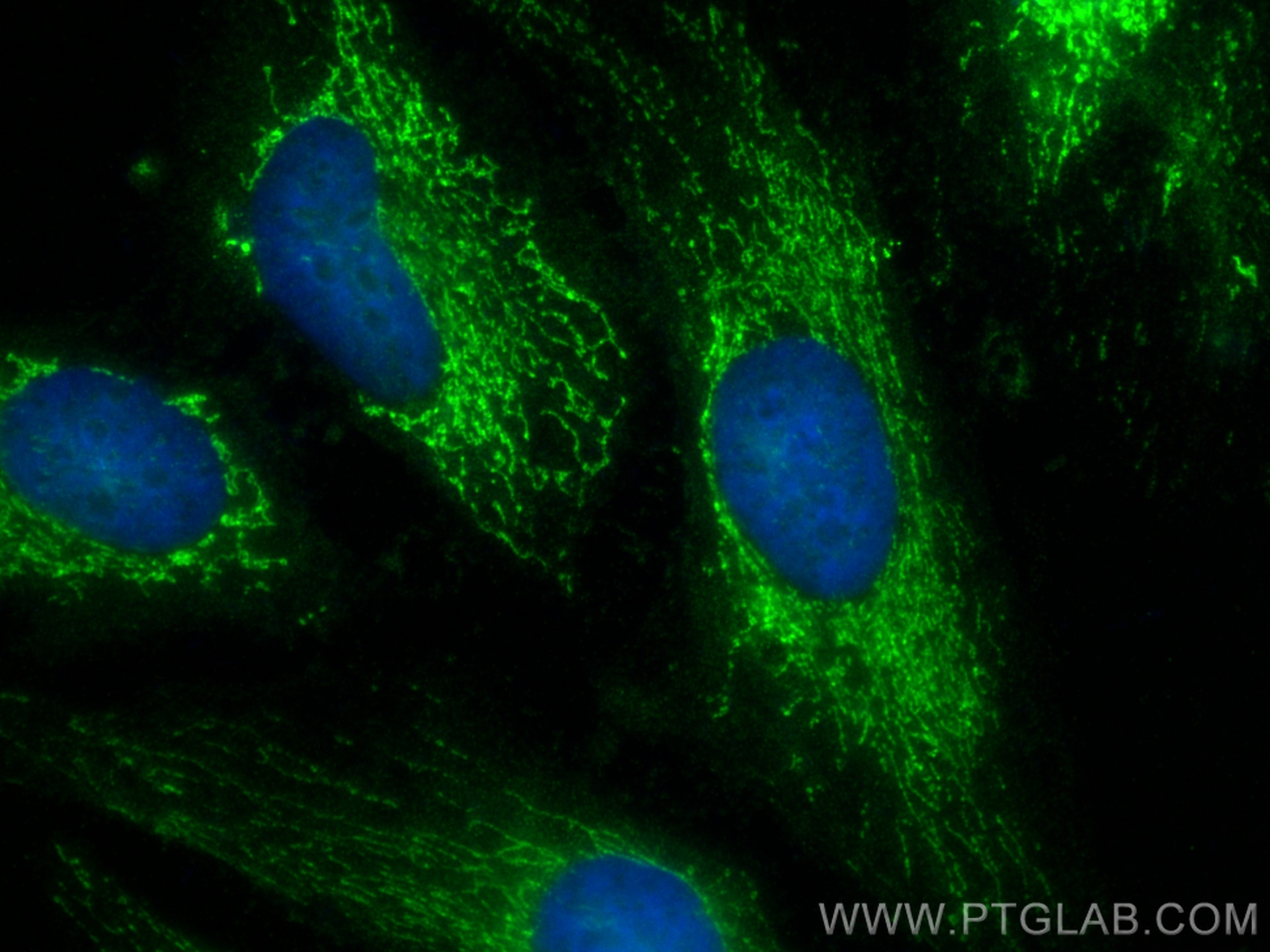
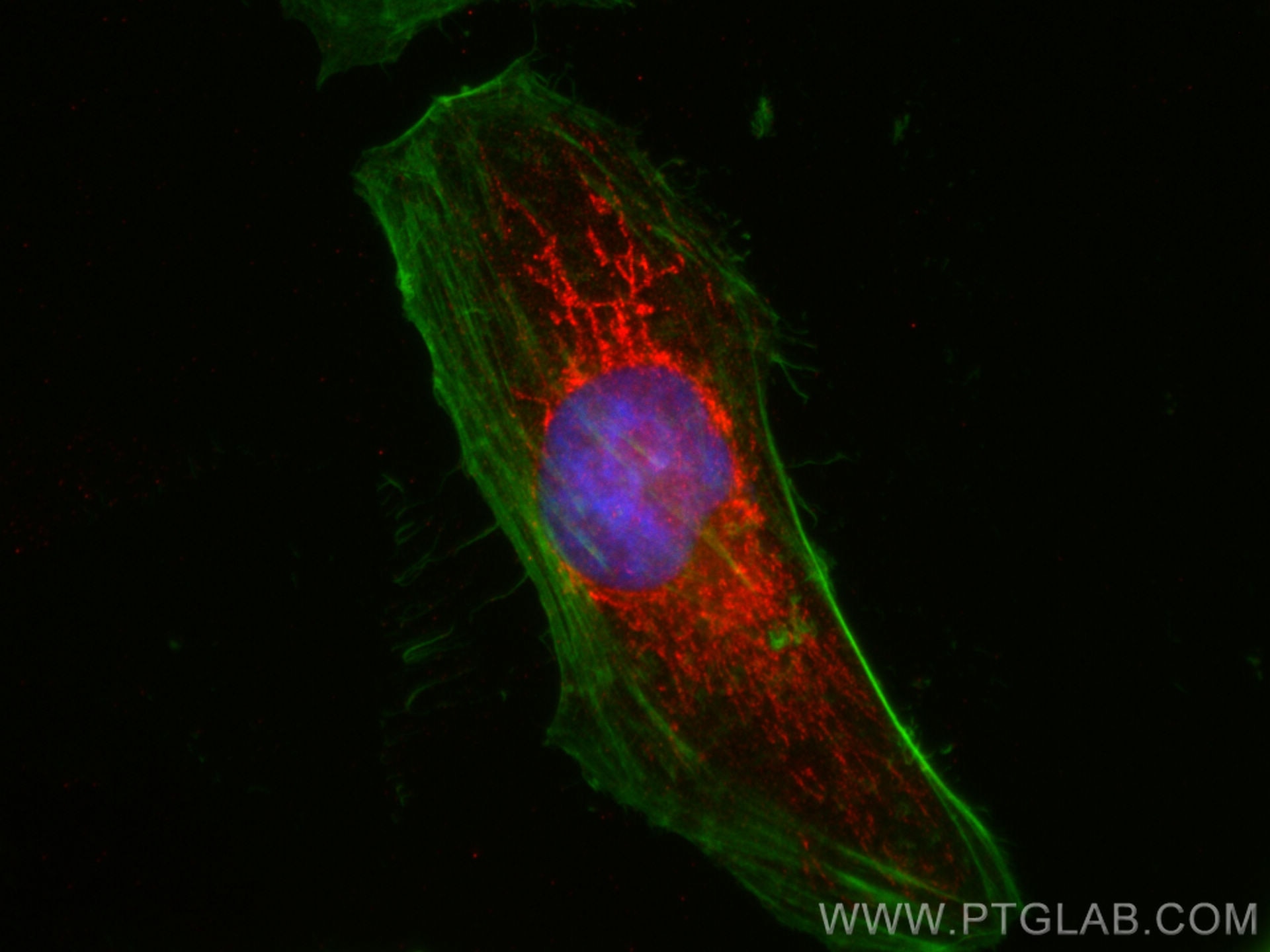
| Positive IF/ICC detected in | HeLa cells |
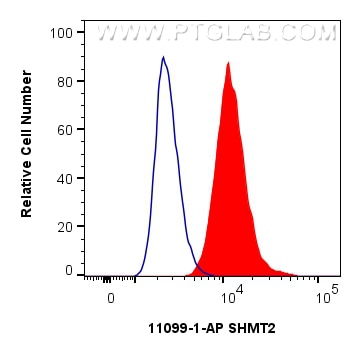
| Positive FC (Intra) detected in | MCF-7 cells |
Recommended dilution
| Application | Dilution |
|---|---|
| Western Blot (WB) | WB : 1:1000-1:6000 |
| Immunohistochemistry (IHC) | IHC : 1:250-1:1000 |
| Immunofluorescence (IF)/ICC | IF/ICC : 1:50-1:500 |
| Flow Cytometry (FC) (INTRA) | FC (INTRA) : 0.25 ug per 10^6 cells in a 100 ul suspension |
| It is recommended that this reagent should be titrated in each testing system to obtain optimal results. | |
| Sample-dependent, Check data in validation data gallery. | |
Product Information
11099-1-AP targets SHMT2 in WB, IHC, IF/ICC, FC (Intra), ELISA applications and shows reactivity with human, mouse, rat samples.
| Tested Reactivity | human, mouse, rat |
| Cited Reactivity | human, mouse |
| Host / Isotype | Rabbit / IgG |
| Class | Polyclonal |
| Type | Antibody |
| Immunogen |
CatNo: Ag1584 Product name: Recombinant human SHMT2 protein Source: e coli.-derived, PGEX-4T Tag: GST Domain: 205-504 aa of BC011911 Sequence: DYNQLALTARLFRPRLIIAGTSAYARLIDYARMREVCDEVKAHLLADMAHISGLVAAKVIPSPFKHADIVTTTTHKTLRGARSGLIFYRKGVKAVDPKTGREIPYTFEDRINFAVFPSLQGGPHNHAIAAVAVALKQACTPMFREYSLQVLKNARAMADALLERGYSLVSGGTDNHLVLVDLRPKGLDGARAERVLELVSITANKNTCPGDRSAITPGGLRLGAPALTSRQFREDDFRRVVDFIDEGVNIGLEVKSKTAKLQDFKSFLLKDSETSQRLANLRQRVEQFARAFPMPGFDEH Predict reactive species |
| Full Name | serine hydroxymethyltransferase 2 (mitochondrial) |
| Calculated Molecular Weight | 55 kDa |
| Observed Molecular Weight | 55 kDa |
| GenBank Accession Number | BC011911 |
| Gene Symbol | SHMT2 |
| Gene ID (NCBI) | 6472 |
| RRID | AB_2188452 |
| Conjugate | Unconjugated |
| Form | Liquid |
| Purification Method | Antigen affinity purification |
| UNIPROT ID | P34897 |
| Storage Buffer | PBS with 0.02% sodium azide and 50% glycerol, pH 7.3. |
| Storage Conditions | Store at -20°C. Stable for one year after shipment. Aliquoting is unnecessary for -20oC storage. 20ul sizes contain 0.1% BSA. |
Protocols
| Product Specific Protocols | |
|---|---|
| FC protocol for SHMT2 antibody 11099-1-AP | Download protocol |
| IF protocol for SHMT2 antibody 11099-1-AP | Download protocol |
| IHC protocol for SHMT2 antibody 11099-1-AP | Download protocol |
| WB protocol for SHMT2 antibody 11099-1-AP | Download protocol |
| Standard Protocols | |
|---|---|
| Click here to view our Standard Protocols |
Publications
What published studies show
The SHMT2 Polyclonal antibody (catalog no. 11099-1-AP) has 42 citations. These appear in journals including Cell Research, Cancer Research, Nature Communications, Molecular Cell, Advanced Science, Cell Reports, Cell Death & Disease, EMBO Molecular Medicine, Journal of Biological Chemistry, FASEB Journal, and PLoS Pathogens. Research fields span cancer metabolism (renal, breast, lung, gastric, bladder, colorectal, and esophageal cancers), one-carbon and serine/glycine metabolism, ferroptosis, mitochondrial disease, fibrosis, neurology, and infectious disease. Applications are mainly Western blot, IHC, and IF.
| Species | Application | Title |
|---|---|---|
Cell Res cMyc-mediated activation of serine biosynthesis pathway is critical for cancer progression under nutrient deprivation conditions. | ||
Cancer Res De Novo Serine Synthesis is a Metabolic Vulnerability that can be Exploited to Overcome Sunitinib Resistance in Advanced Renal Cell Carcinoma | ||
Nat Commun Defective NADPH production in mitochondrial disease complex I causes inflammation and cell death. | ||
Nat Commun Complex I protein NDUFB9 is a metabolic vulnerability in triple negative breast cancer brain metastases. | ||
Nat Commun Native chromatome profiling reveals hundreds of metabolic enzymes in the nucleus across tissues. | ||
Nat Commun Mitochondria-derived nuclear ATP surge protects against confinement-induced proliferation defects |

