

Tested Applications
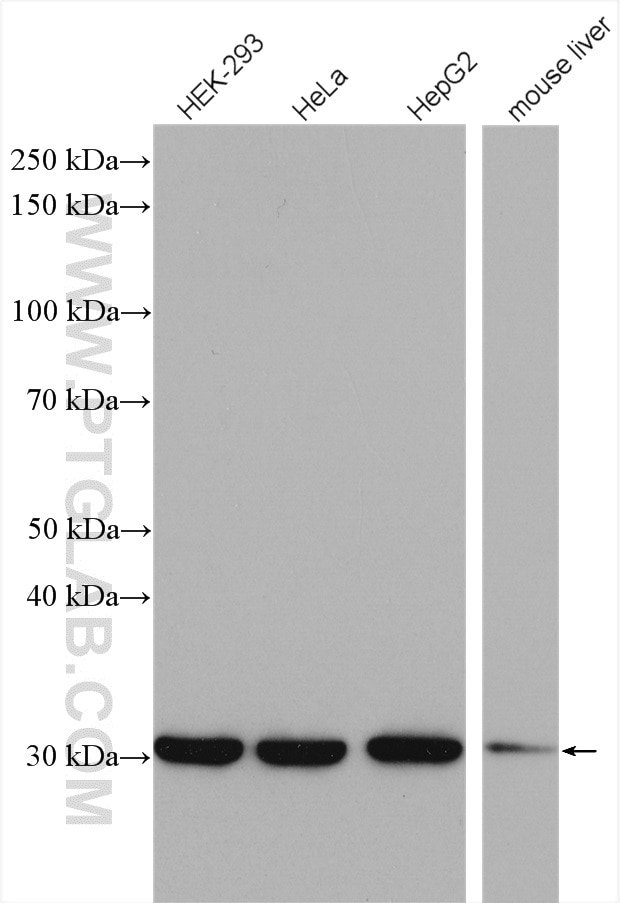
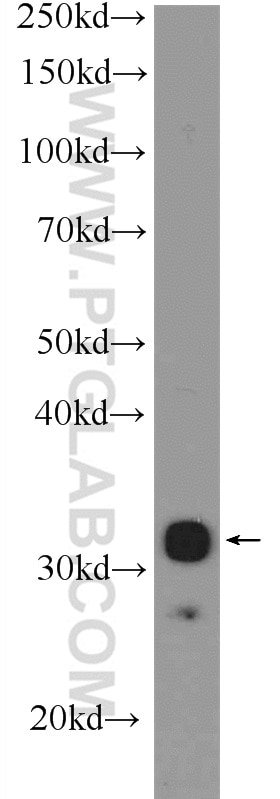
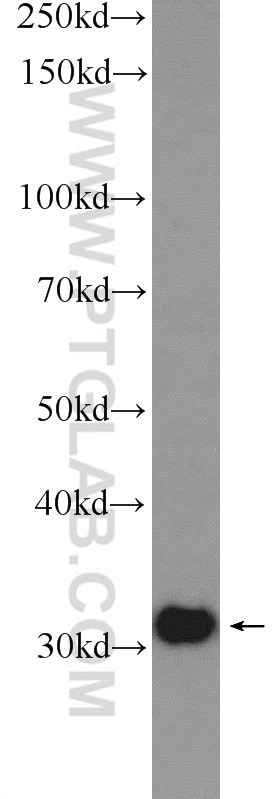
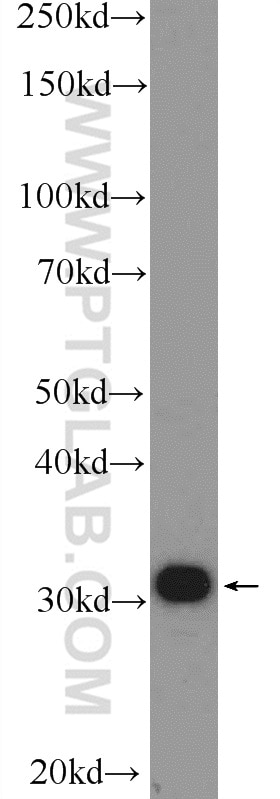
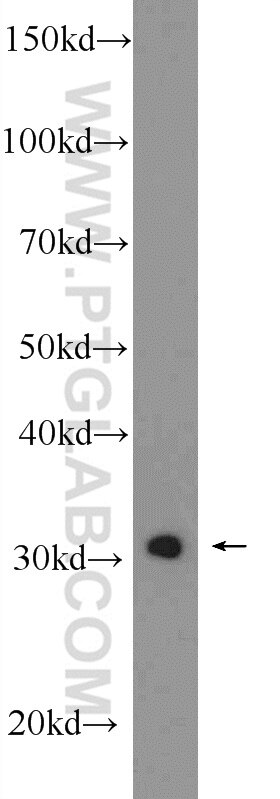
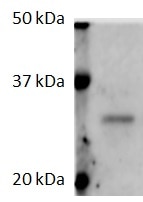
| Positive WB detected in | HEK-293 cells, HeLa cells, A431 cells, HepG2 cells, mouse liver tissue |
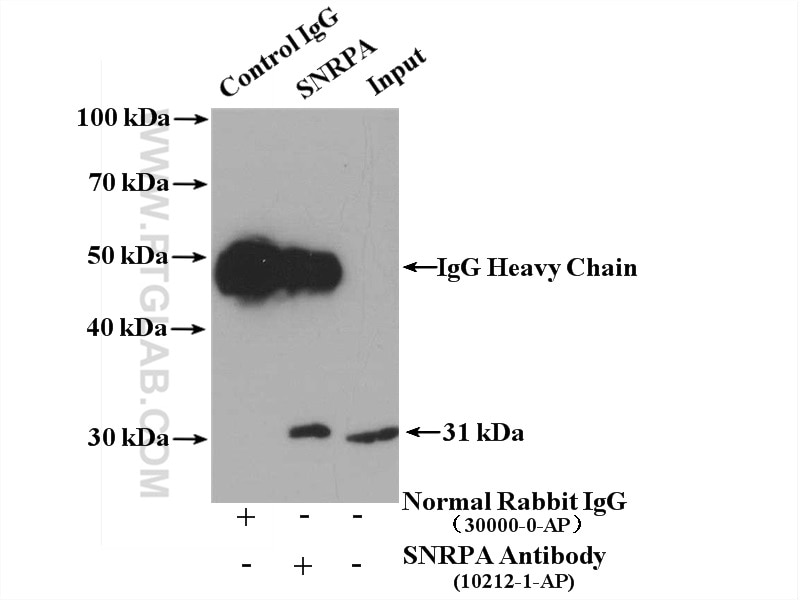
| Positive IP detected in | HEK-293 cells |
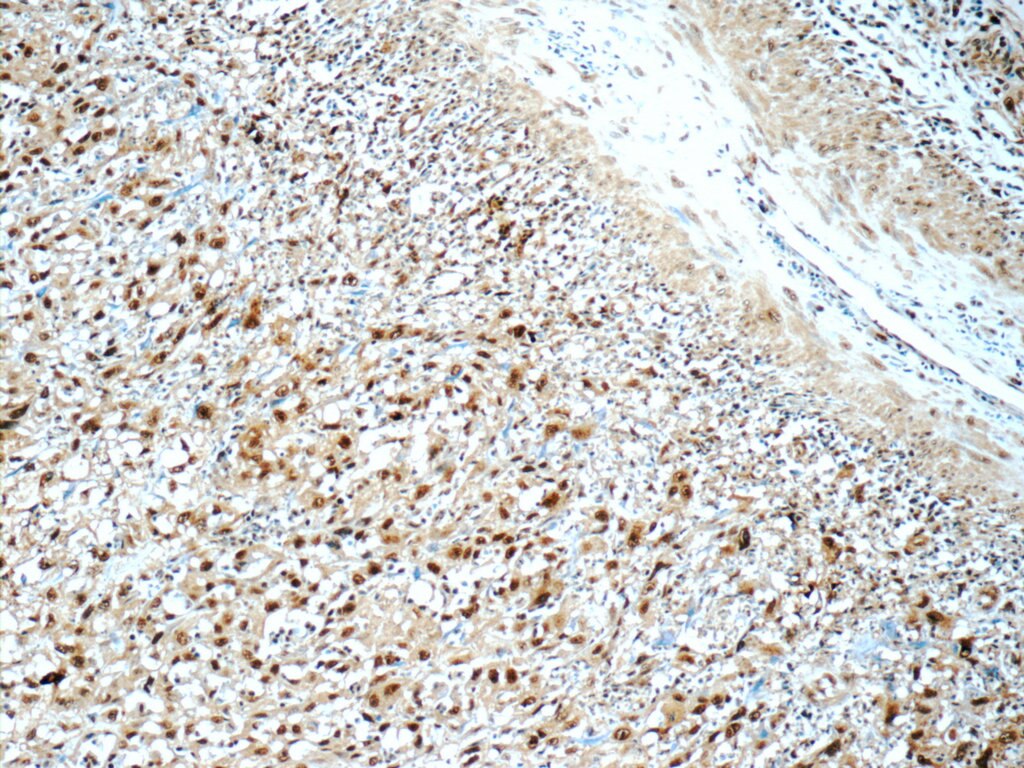
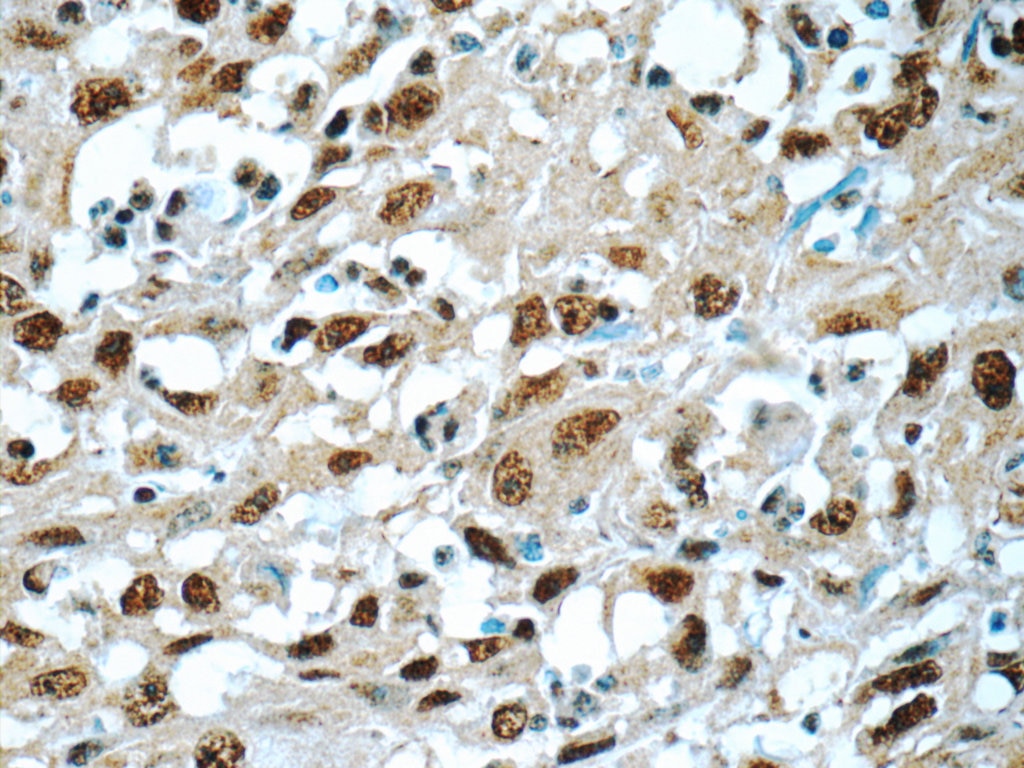
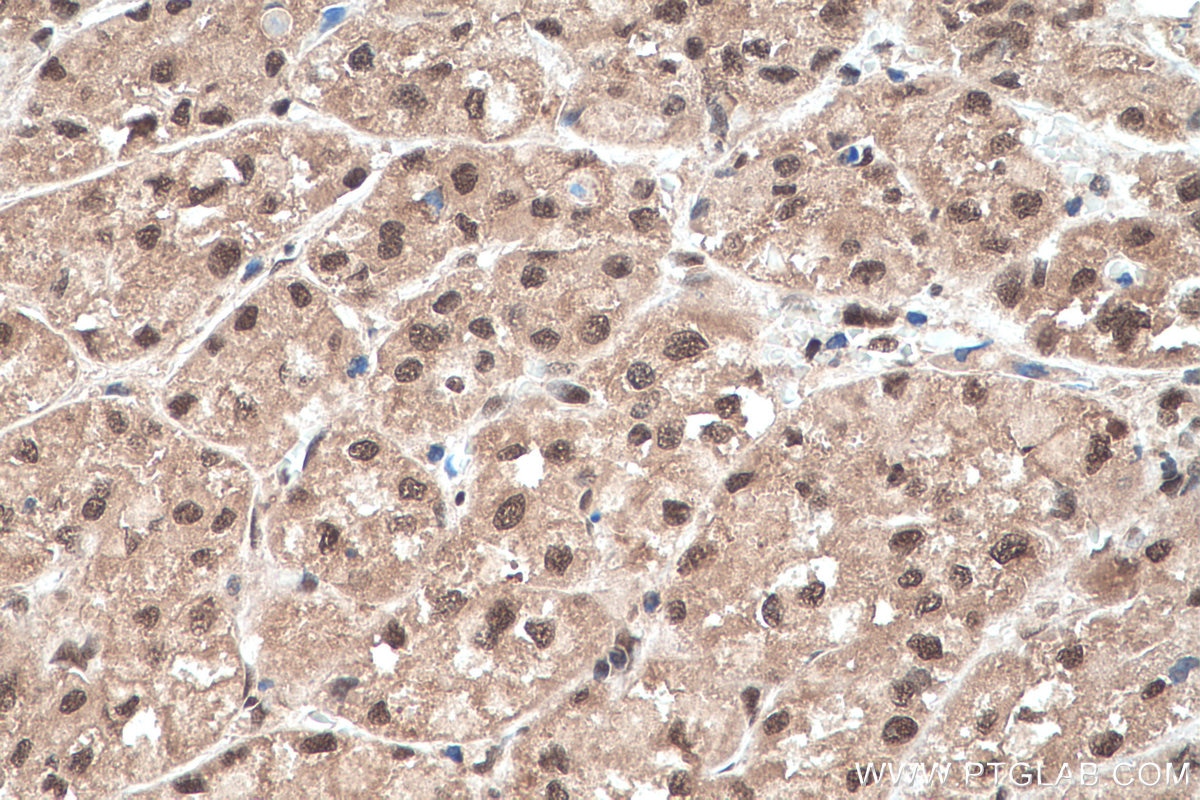
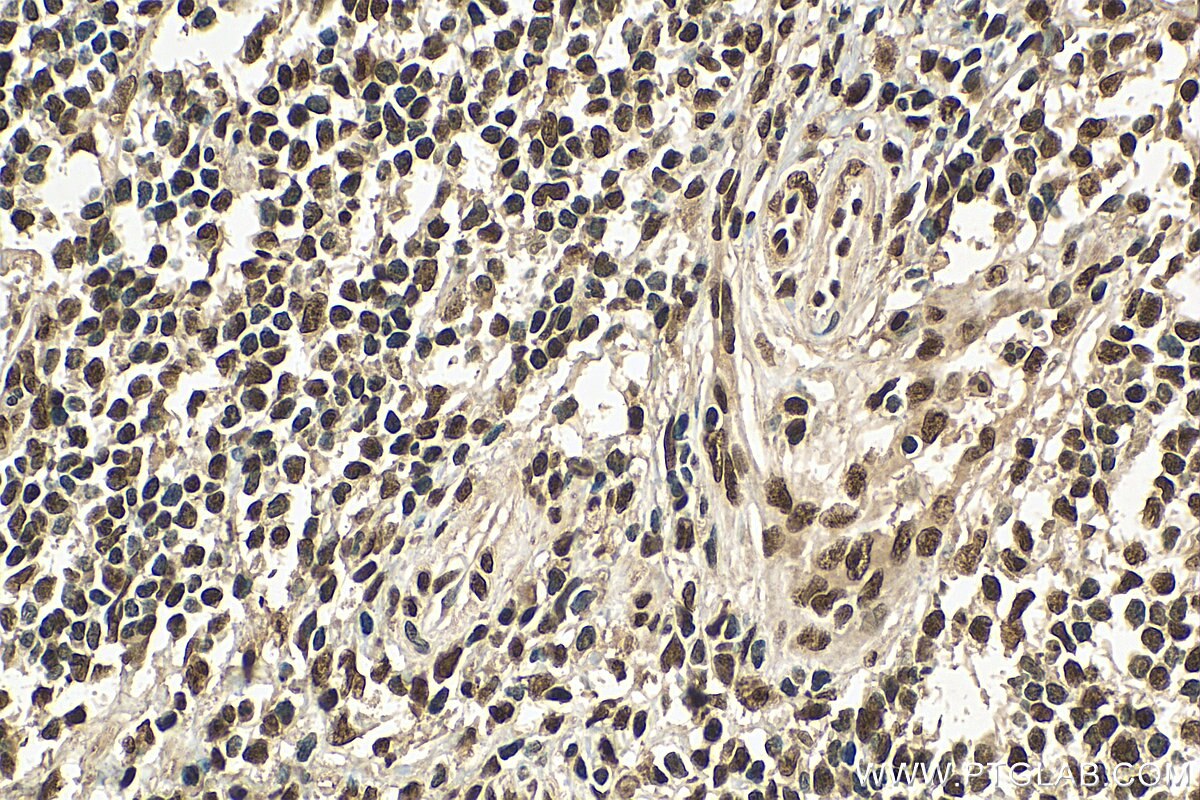
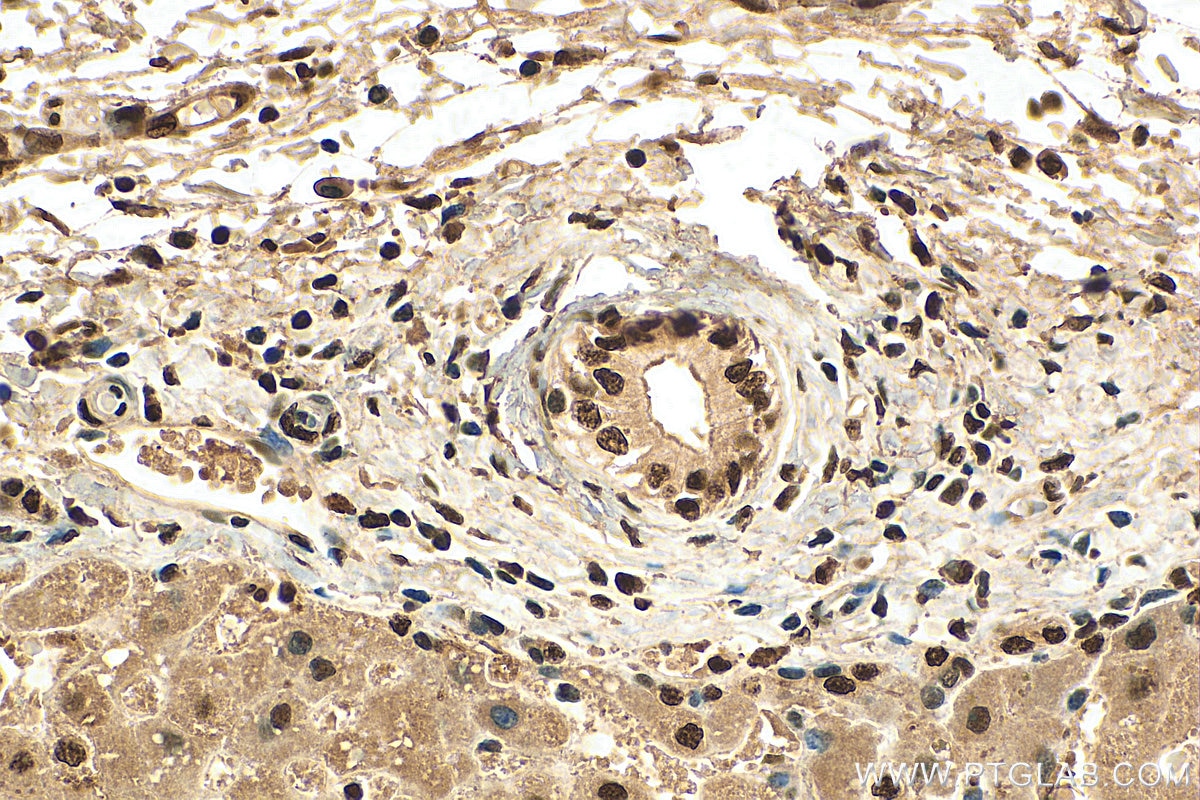
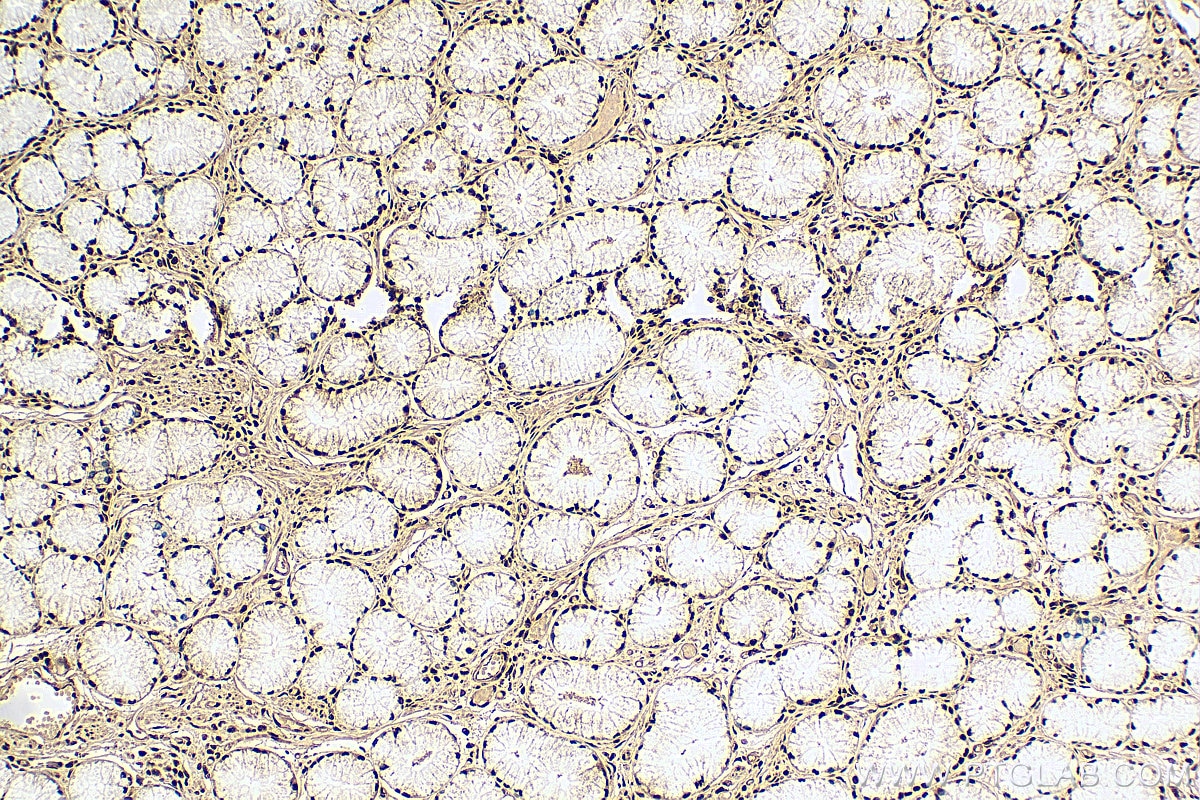
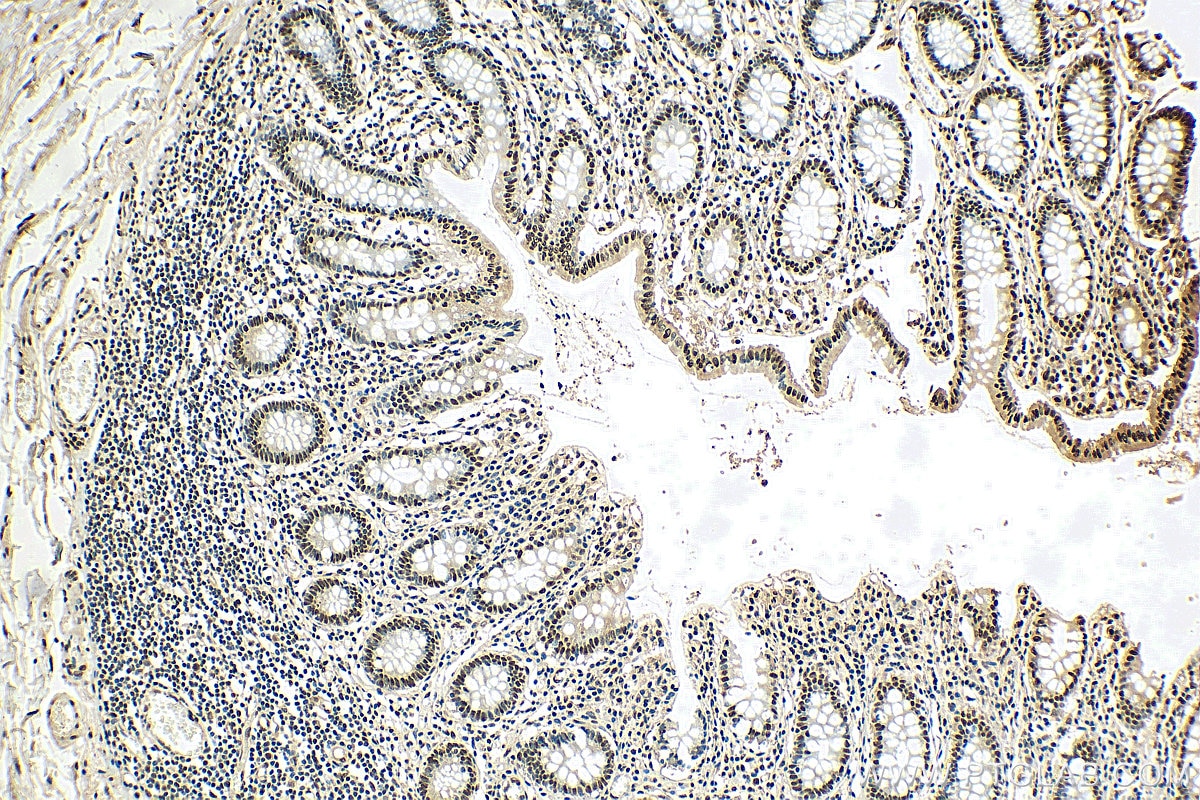
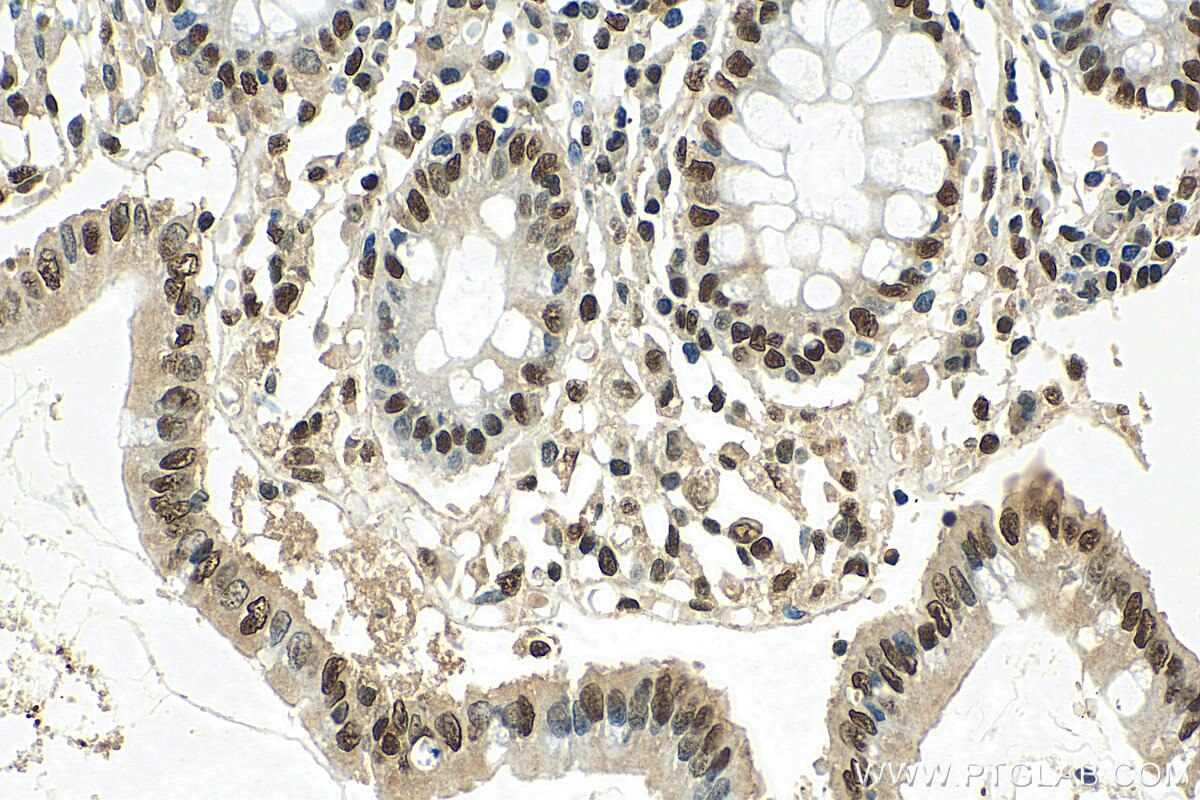
| Positive IHC detected in | human liver cancer tissue, human cervical cancer tissue, human colon tissue, human liver tissue, human stomach cancer tissue Note: suggested antigen retrieval with TE buffer pH 9.0; (*) Alternatively, antigen retrieval may be performed with citrate buffer pH 6.0 |
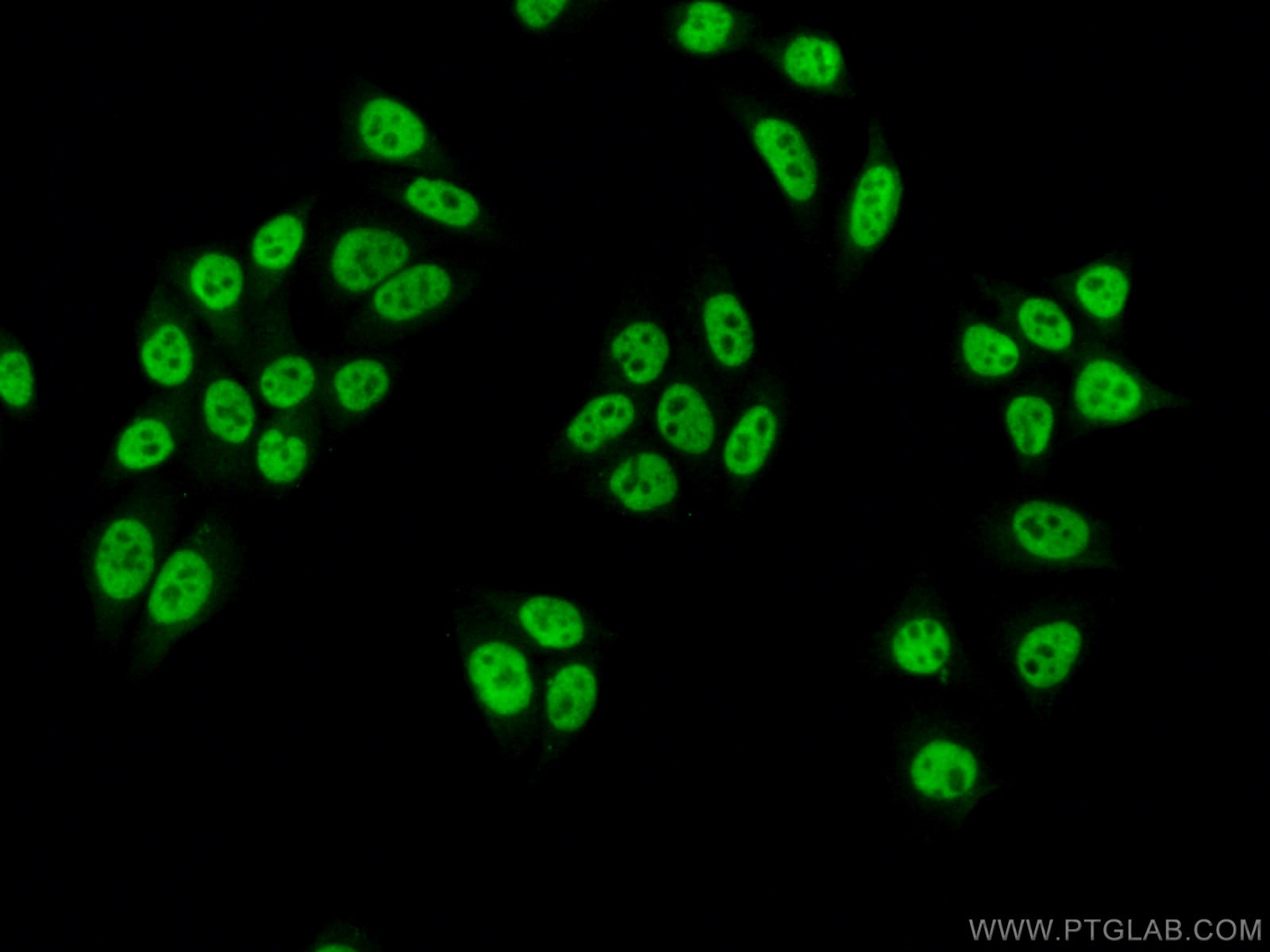
| Positive IF/ICC detected in | HepG2 cells |
Recommended dilution
| Application | Dilution |
|---|---|
| Western Blot (WB) | WB : 1:1000-1:8000 |
| Immunoprecipitation (IP) | IP : 0.5-4.0 ug for 1.0-3.0 mg of total protein lysate |
| Immunohistochemistry (IHC) | IHC : 1:250-1:1000 |
| Immunofluorescence (IF)/ICC | IF/ICC : 1:50-1:500 |
| It is recommended that this reagent should be titrated in each testing system to obtain optimal results. | |
| Sample-dependent, Check data in validation data gallery. | |
Product Information
10212-1-AP targets SNRPA in WB, IHC, IF/ICC, IP, ChIP, RIP, ELISA applications and shows reactivity with human, mouse samples.
| Tested Reactivity | human, mouse |
| Cited Reactivity | human, canine |
| Host / Isotype | Rabbit / IgG |
| Class | Polyclonal |
| Type | Antibody |
| Immunogen |
CatNo: Ag0283 Product name: Recombinant human SNRPA protein Source: e coli.-derived, PGEX-4T Tag: GST Domain: 27-258 aa of BC000405 Sequence: KKSLYAIFSQFGQILDILVSRSLKMRGQAFVIFKEVSSATNALRSMQGFPFYDKPMRIQYAKTDSDIIAKMKGTFVERDRKREKRKPKSQETPATKKAVQGGGATPVVGAVQGPVPGMPPMTQAPRIMHHMPGQPPYMPPPGMIPPPGLAPGQIPPGAMPPQQLMPGQMPPAQPLSENPPNHILFLTNLPEETNELMLSMLFNQFPGFKEVRLVPGRHDIAFVEFDNEVQAG Predict reactive species |
| Full Name | small nuclear ribonucleoprotein polypeptide A |
| Calculated Molecular Weight | 31 kDa |
| Observed Molecular Weight | 31 kDa |
| GenBank Accession Number | BC000405 |
| Gene Symbol | SNRPA |
| Gene ID (NCBI) | 6626 |
| RRID | AB_2239723 |
| Conjugate | Unconjugated |
| Form | Liquid |
| Purification Method | Antigen affinity purification |
| UNIPROT ID | P09012 |
| Storage Buffer | PBS with 0.02% sodium azide and 50% glycerol, pH 7.3. |
| Storage Conditions | Store at -20°C. Stable for one year after shipment. Aliquoting is unnecessary for -20oC storage. 20ul sizes contain 0.1% BSA. |
Background Information
Heterogeneous nuclear ribonucleoproteins (hnRNPs) constitute a set of polypeptides that contribute to mRNA transcription, premRNA processing as well as mature mRNA transport to the cytoplasm and translation. They also bind heterogeneous nuclear RNA (hnRNA), which are the transcripts produced by RNA polymerase II. hnRNP A1 functions in the packaging of nascent RNA polymerase II transcripts and participates in a variety of nuclear and cytoplasmic processes that modulate gene expression. The RNA binding characteristics of hnRNP A1 suggest that it can modulate the expression of specific genes.
Protocols
| Product Specific Protocols | |
|---|---|
| IF protocol for SNRPA antibody 10212-1-AP | Download protocol |
| IHC protocol for SNRPA antibody 10212-1-AP | Download protocol |
| IP protocol for SNRPA antibody 10212-1-AP | Download protocol |
| WB protocol for SNRPA antibody 10212-1-AP | Download protocol |
| Standard Protocols | |
|---|---|
| Click here to view our Standard Protocols |
Publications
What published studies show
I'll search for the citations for this antibody.SNRPA Polyclonal antibody (10212-1-AP) citations
The SNRPA polyclonal antibody (catalog #10212-1-AP) has 14 citations total. They appear in high-impact journals including Science, Cell Discovery, Molecular Cell, Nucleic Acids Research, Cell Mol Biol Lett (12.2), Cell Proliferation, Pharmaceutics, J Biol Chem, RNA Biology, Frontiers in Oncology, Biochem Biophys Res Commun, and two bioRxiv preprints.
Research fields cover RNA splicing mechanisms (U2AF cycling, snRNP formation), transcription elongation and alternative splicing (SF3B1, MEN1), lncRNA regulation, gastric cancer growth, breast cancer study (tiRNA-Met), progeria, ferroptosis in hepatocellular carcinoma, and protein sorting in canine cells. Applications include WB, RIP, ChIP, IP, IHC, and IF.
| Species | Application | Title |
|---|---|---|
Cell Discov Postsynaptic lncRNA Sera/Pkm2 pathway orchestrates the transition from social competition to rank by remodeling the neural ensemble in mPFC | ||
Mol Cell Transcription elongation defects link oncogenic SF3B1 mutations to targetable alterations in chromatin landscape | ||
Mol Cell RNA-coupled CRISPR screens reveal ZNF207 as a regulator of LMNA aberrant splicing in progeria. | ||
Nucleic Acids Res MEN1 is a regulator of alternative splicing and prevents R-loop-induced genome instability through suppression of RNA polymerase II elongation | ||
Cell Mol Biol Lett The novel tRNA-derived fragment, tiRNA-Met, inhibits the malignant progression of triple-negative breast cancer by regulating RANBP3L via a targeted interaction with SNRPA
|
Reviews
What customers say
Able is busy answering your previous question. Please try again later.
The reviews below have been submitted by verified Proteintech customers who received an incentive for providing their feedback.
changwei (Verified Customer) (02-18-2020) | It works well for western blot of Hela S3 whole cell lysates at 1:1000 dilution with incubation at 4 degree overnight.
|
Yaroslav (Verified Customer) (01-06-2020) | Specific signal with modest sensitivity at current dilution
 |

