
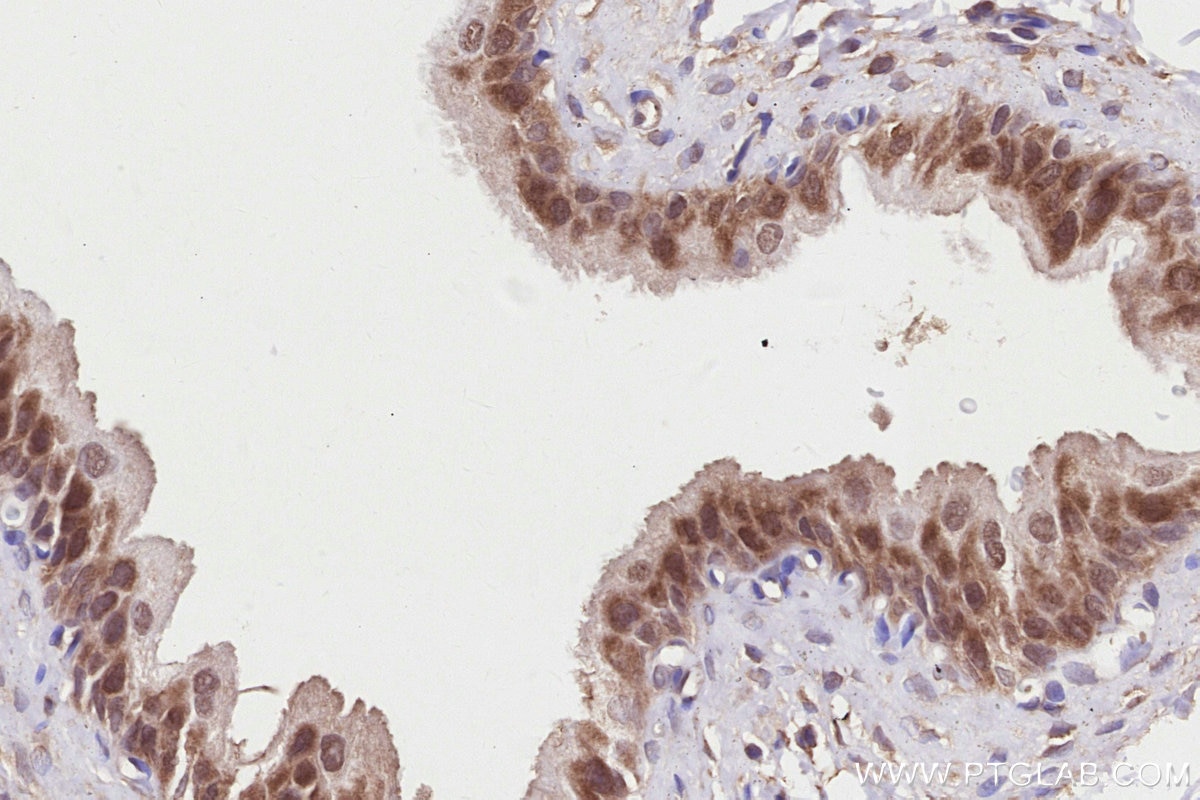

Tested Applications
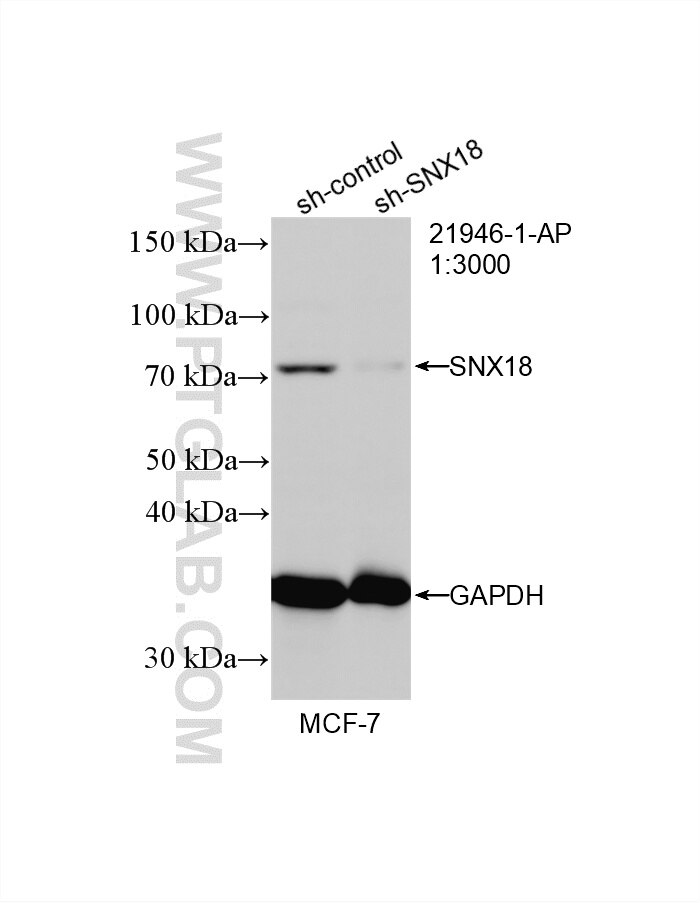
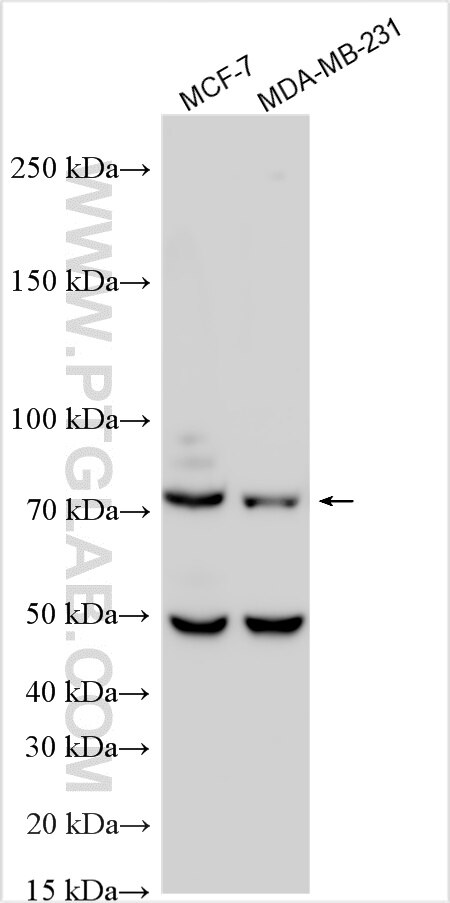
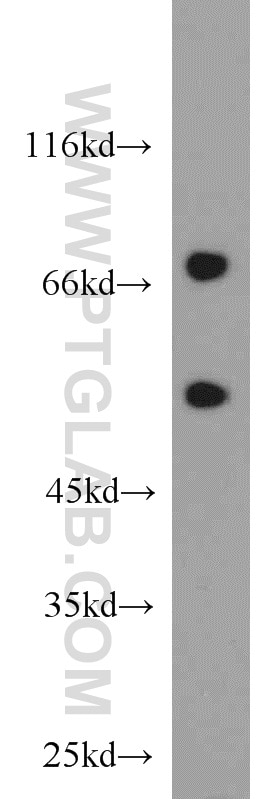
| Positive WB detected in | MCF-7 cells, MDA-MB-231 cells |
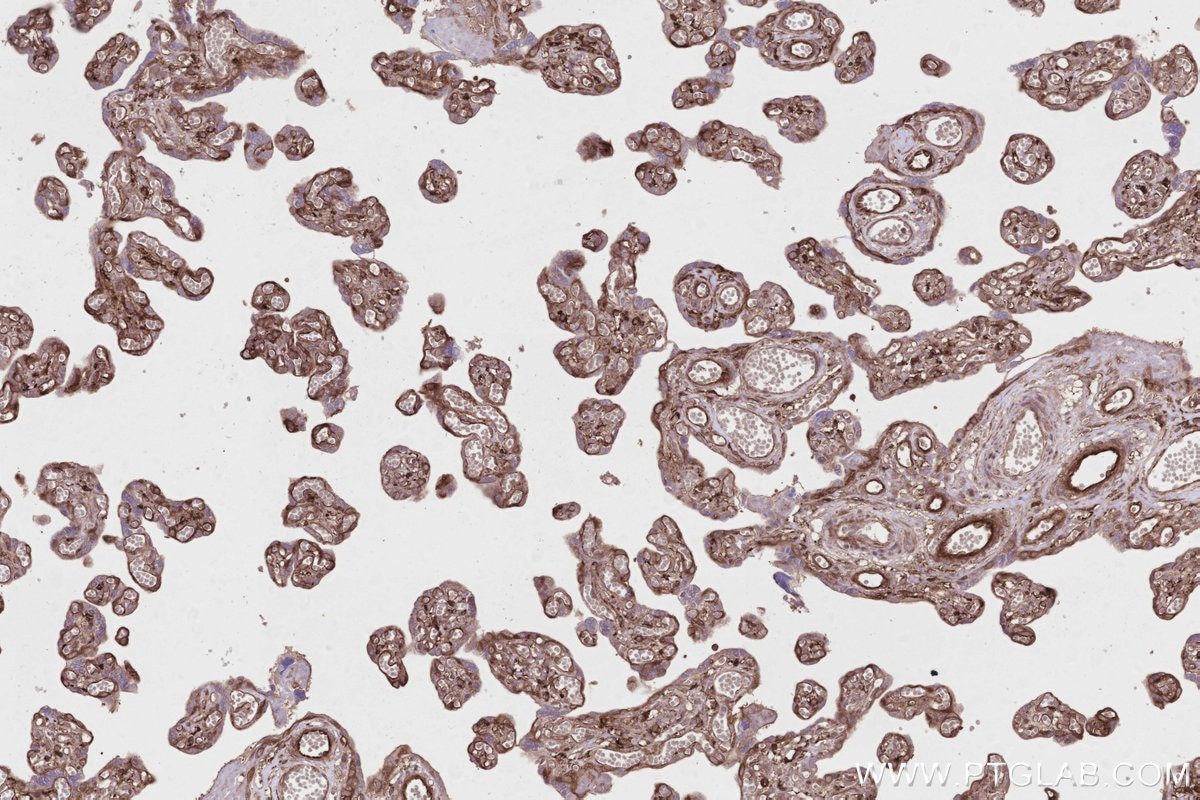
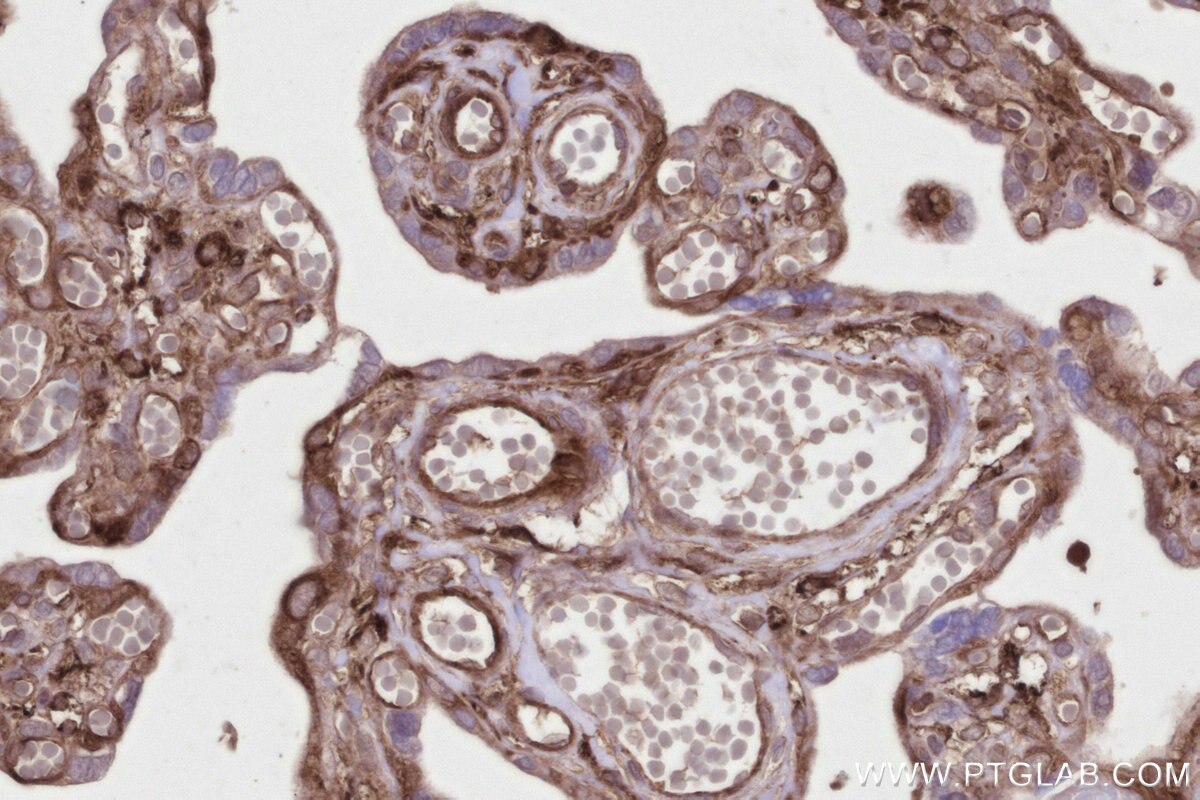
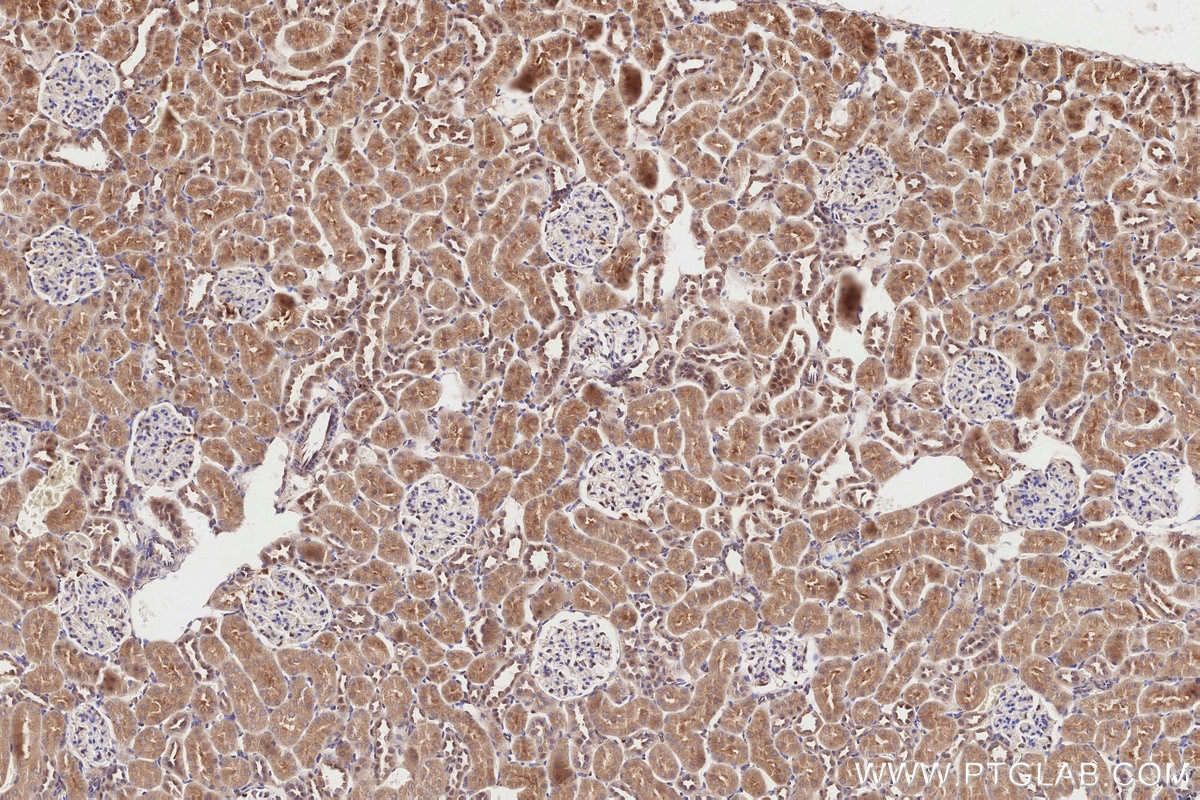
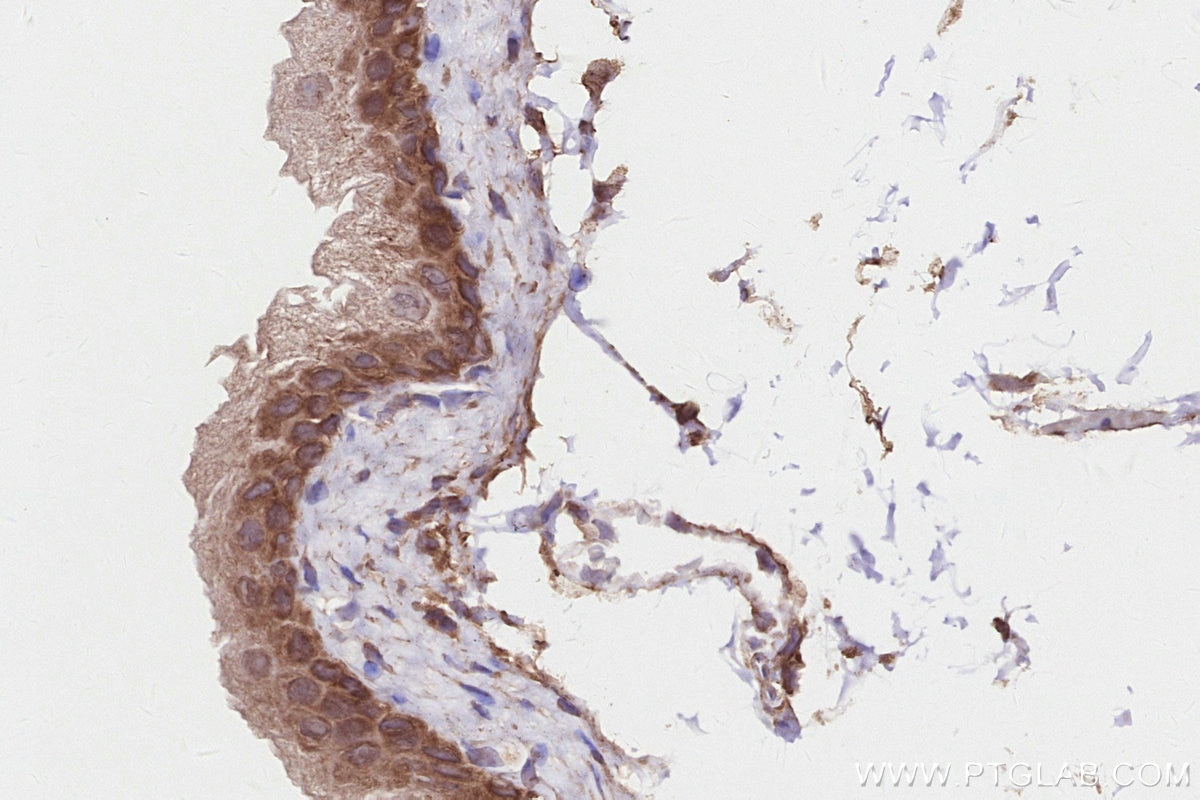
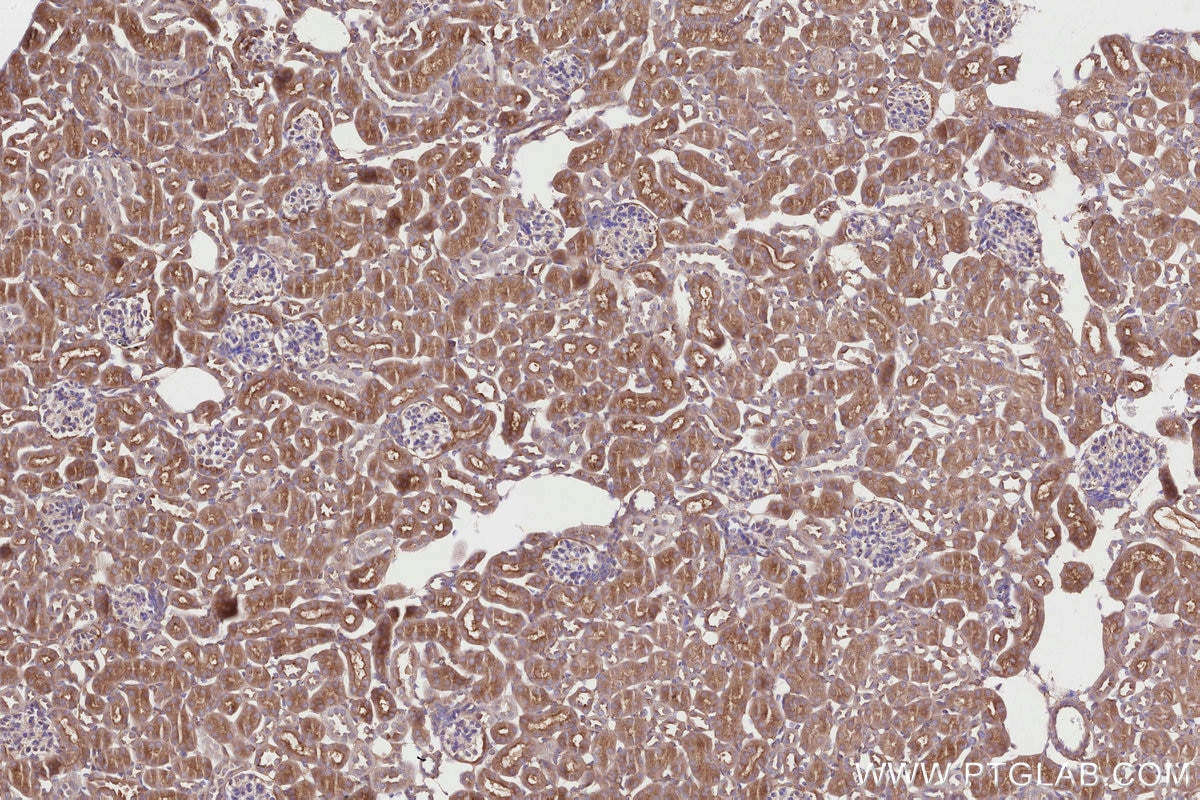
| Positive IHC detected in | human placenta tissue, mouse kidney tissue, mouse bladder tissue, rat bladder tissue, rat kidney tissue Note: suggested antigen retrieval with TE buffer pH 9.0; (*) Alternatively, antigen retrieval may be performed with citrate buffer pH 6.0 |
Recommended dilution
| Application | Dilution |
|---|---|
| Western Blot (WB) | WB : 1:2000-1:16000 |
| Immunohistochemistry (IHC) | IHC : 1:500-1:2000 |
| It is recommended that this reagent should be titrated in each testing system to obtain optimal results. | |
| Sample-dependent, Check data in validation data gallery. | |
Product Information
21946-1-AP targets SNX18 in WB, IHC, ELISA, IB applications and shows reactivity with human, mouse, rat samples.
| Tested Reactivity | human, mouse, rat |
| Cited Reactivity | human |
| Host / Isotype | Rabbit / IgG |
| Class | Polyclonal |
| Type | Antibody |
| Immunogen |
CatNo: Ag16645 Product name: Recombinant human SNX18 protein Source: e coli.-derived, PGEX-4T Tag: GST Domain: 55-284 aa of BC060791 Sequence: YVQVIRAPEPGPAGDGGPGAPARYANVPPGGFEPLPVAPPASFKPPPDAFQALLQPQQAPPPSTFQPPGAGFPYGGGALQPSPQQLYGGYQASQGSDDDWDDEWDDSSTVADEPGALGSGAYPDLDGSSSAGVGAAGRYRLSTRSDLSLGSRGGSVPPQHHPSGPKSSATVSRNLNRFSTFVKSGGEAFVLGEASGFVKDGDKLCVVLGPYGPEWQENPYPFQCTIDDPT Predict reactive species |
| Full Name | sorting nexin 18 |
| Calculated Molecular Weight | 628 aa, 69 kDa |
| Observed Molecular Weight | 70 kDa |
| GenBank Accession Number | BC060791 |
| Gene Symbol | SNX18 |
| Gene ID (NCBI) | 112574 |
| RRID | AB_11182387 |
| Conjugate | Unconjugated |
| Form | Liquid |
| Purification Method | Antigen affinity purification |
| UNIPROT ID | Q96RF0 |
| Storage Buffer | PBS with 0.02% sodium azide and 50% glycerol, pH 7.3. |
| Storage Conditions | Store at -20°C. Stable for one year after shipment. Aliquoting is unnecessary for -20oC storage. 20ul sizes contain 0.1% BSA. |
Background Information
SNXs (sorting nexins) are a diverse group of cytoplasmic and membrane-associated proteins that are classified by the presence of a phospholipid-binding motif-the PX domain (PMID:12461558). SNXs are involved in endocytosis and protein trafficking. SNX18, together with SNX9 and SNX33, constitutes a separate SNX9 subfamily which is required for mitosis through endocytosis processes (PMID: 22718350, 20427313). SNX18 acts as a positive regulator of autophagy and regulates ATG9A trafficking from recycling endosomes (PMID: 24113029, 29437695).
Protocols
| Product Specific Protocols | |
|---|---|
| IHC protocol for SNX18 antibody 21946-1-AP | Download protocol |
| WB protocol for SNX18 antibody 21946-1-AP | Download protocol |
| Standard Protocols | |
|---|---|
| Click here to view our Standard Protocols |
Publications
What published studies show
The SNX18 Polyclonal antibody (Cat# 21946-1-AP) has 4 total citations published in Advanced Science, Cell Chemical Biology, Communications Biology, and bioRxiv. The associated research fields include endocytic regulation of p53 function, multi-protein targeted degradation via the autophagy-lysosome pathway, β-arrestin-independent GPCR endocytosis mediated by the SNX9 family, and interactome mapping in Alzheimer's disease-related excitatory neurons.
| Species | Application | Title |
|---|---|---|
Adv Sci (Weinh) Endocytic Control of Cell-Autonomous and Non-Cell-Autonomous Functions of p53. | ||
Cell Chem Biol A nature-inspired nanoplatform for multi-protein targeted degradation via the autophagy-lysosome pathway. | ||
bioRxiv Interactome mapping in human excitatory neurons reveals novel risk genes and pathways in Alzheimer's disease. |

