
Tested Applications
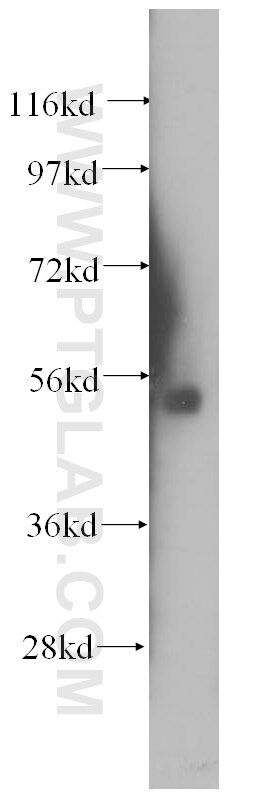
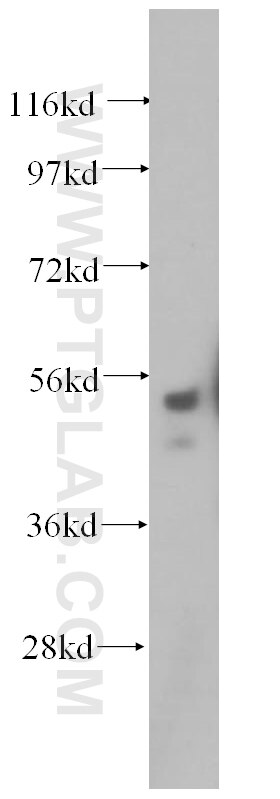
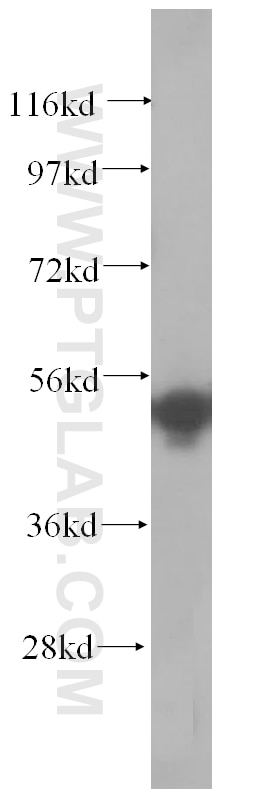
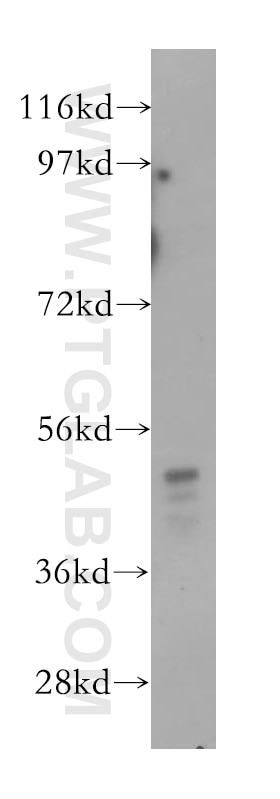
| Positive WB detected in | human placenta tissue, human kidney tissue, human brain tissue, HepG2 cells |
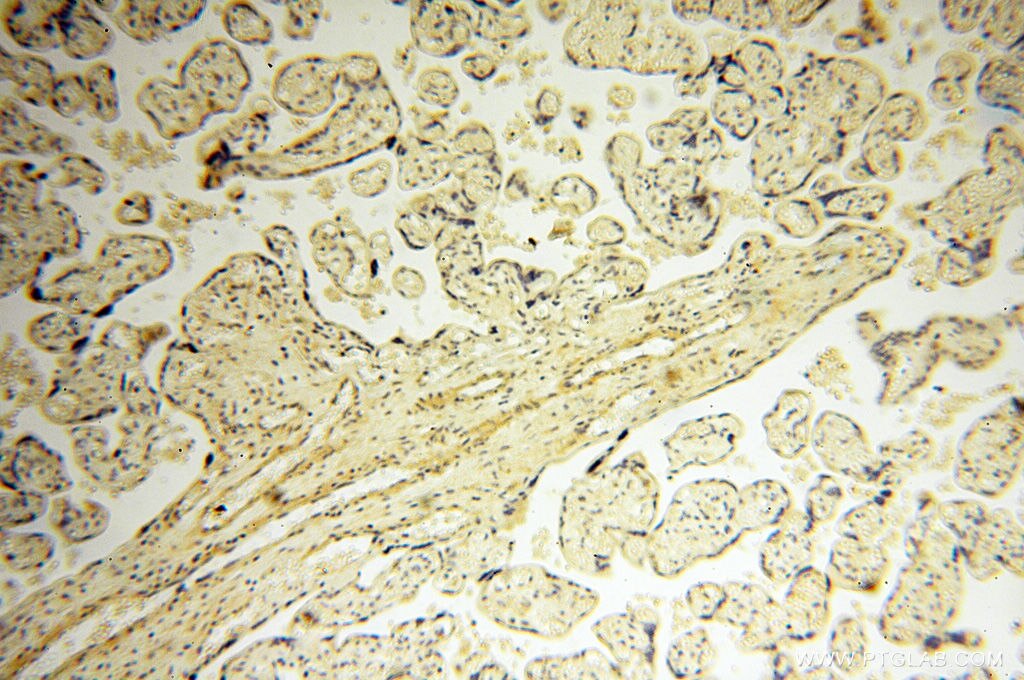
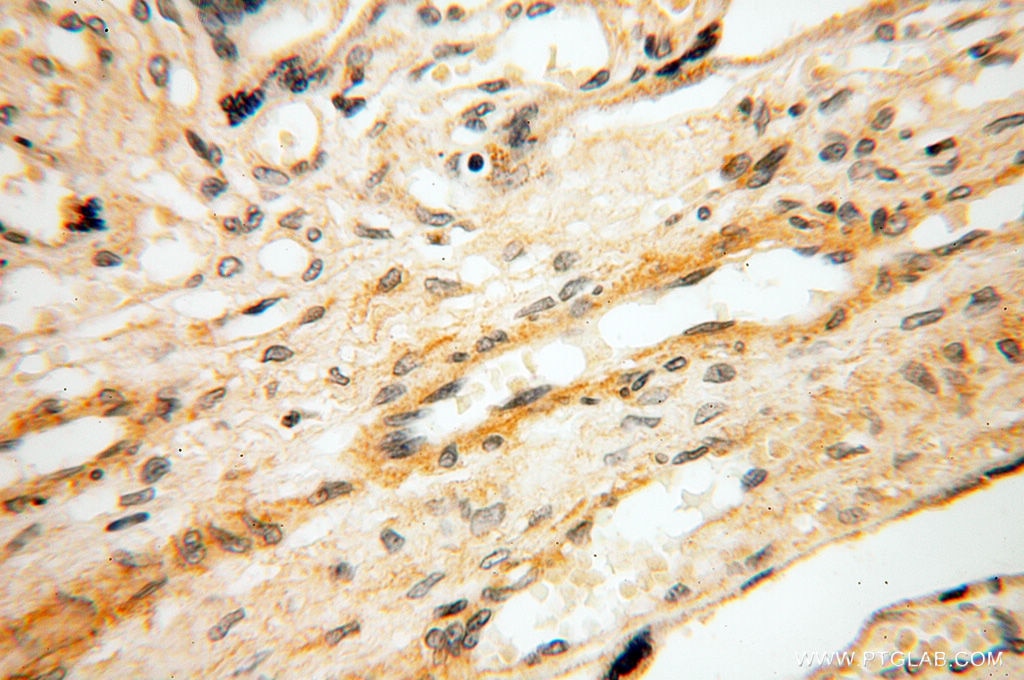
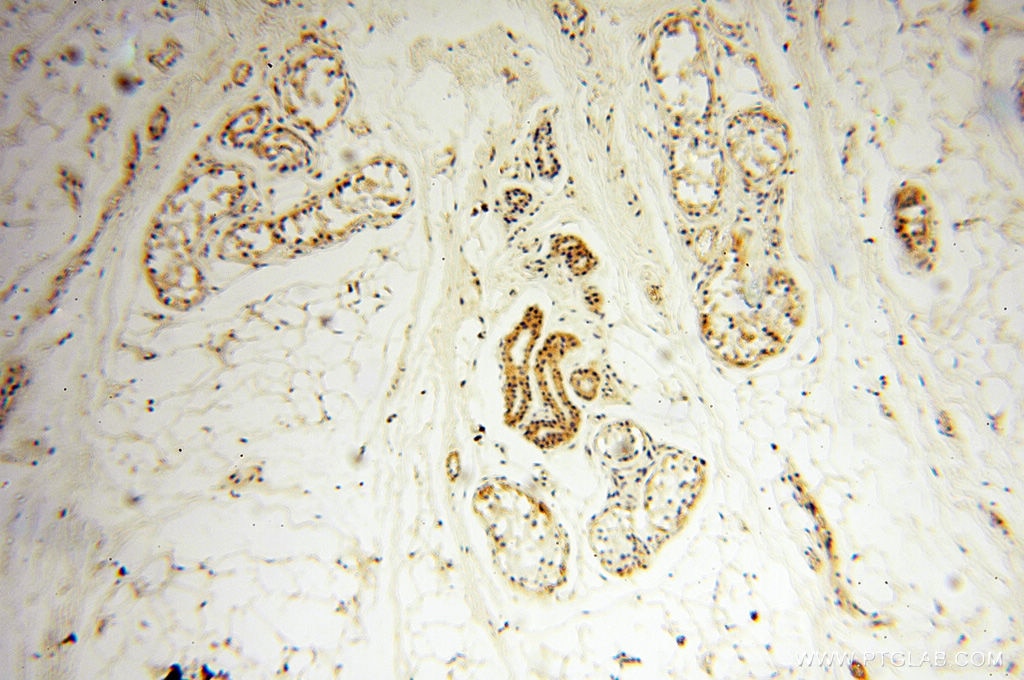
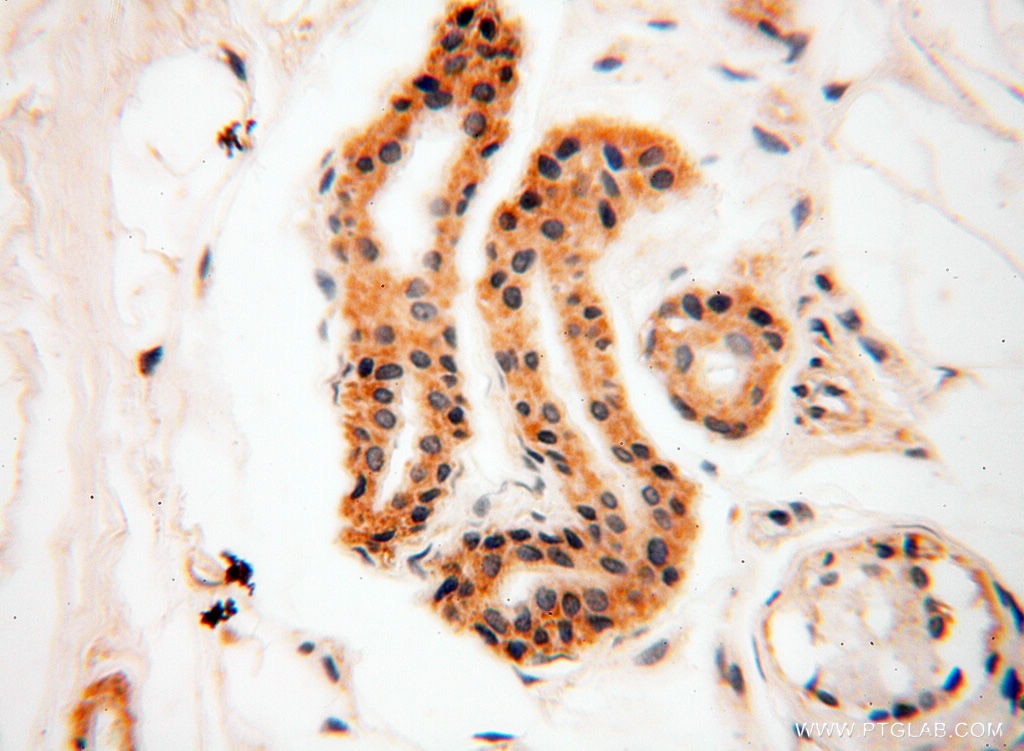
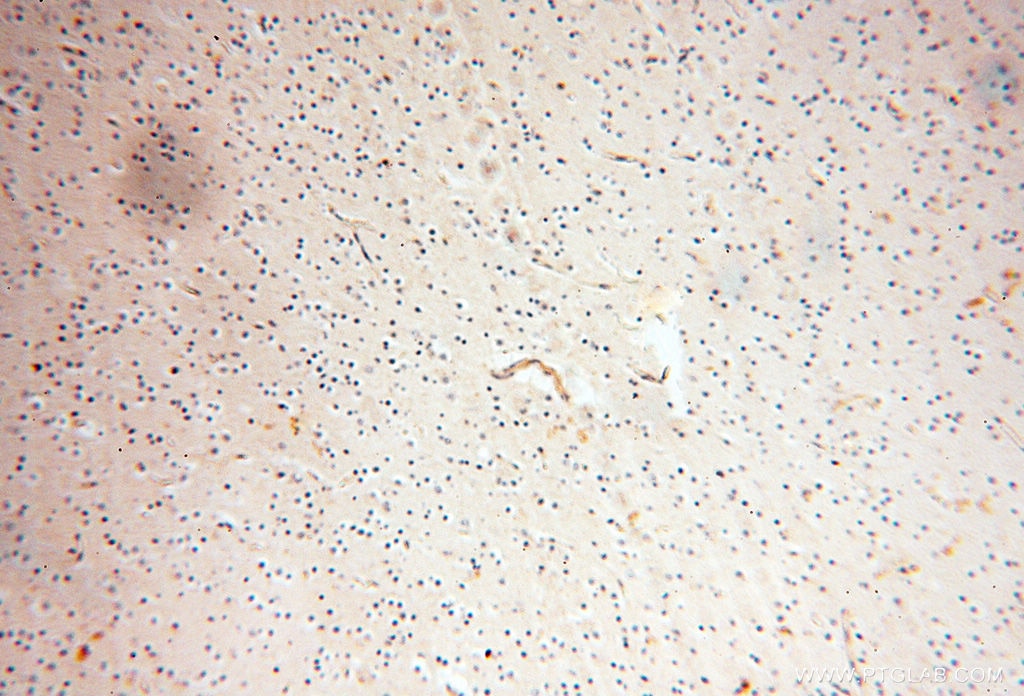
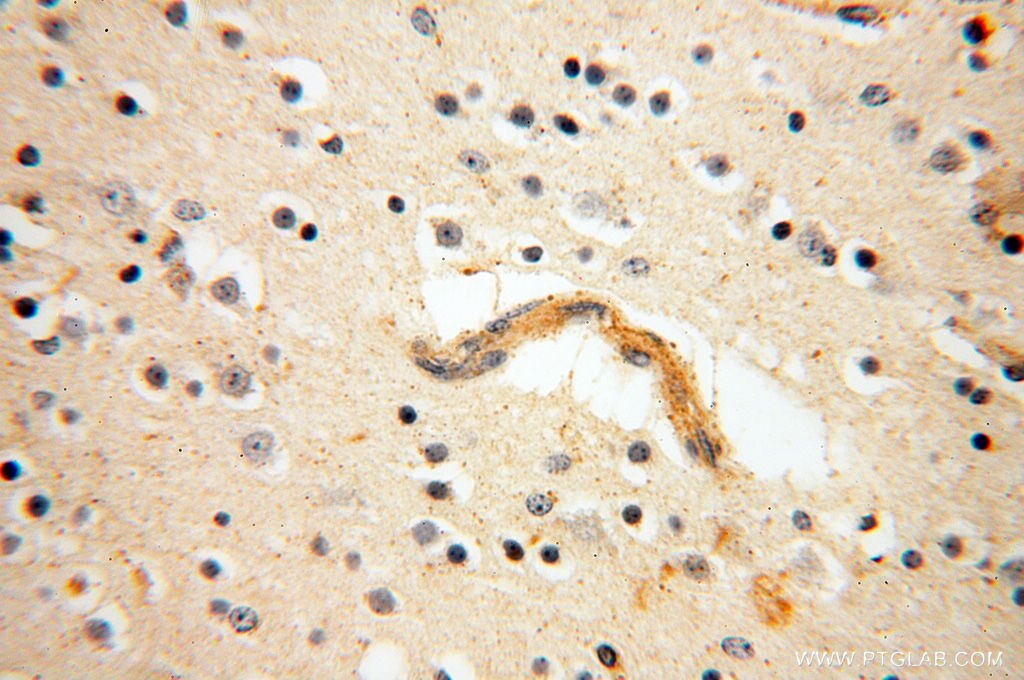
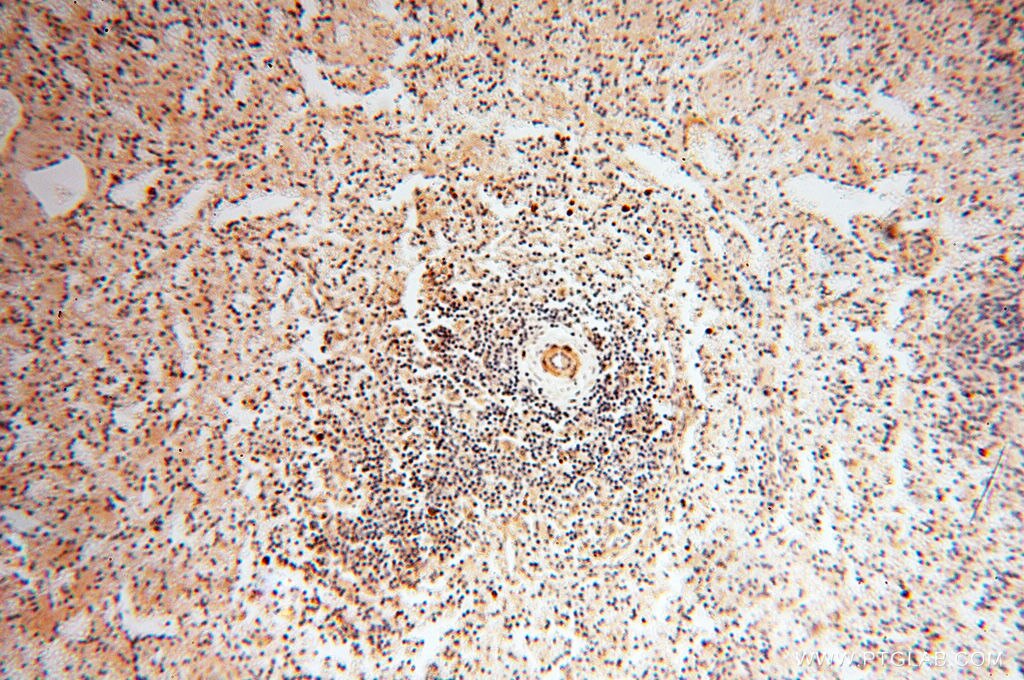
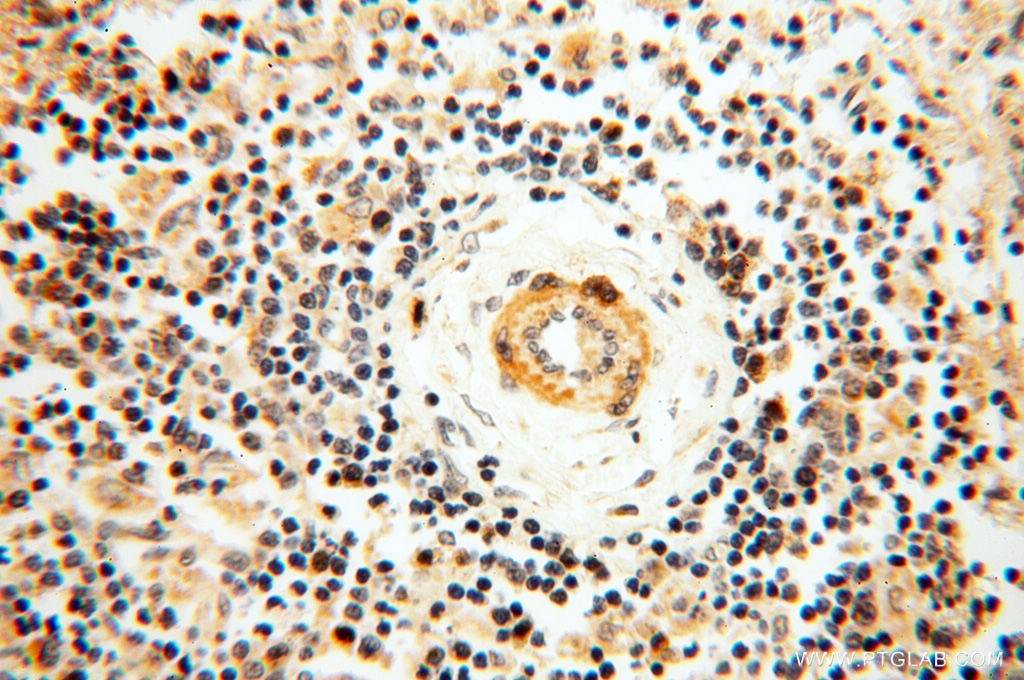
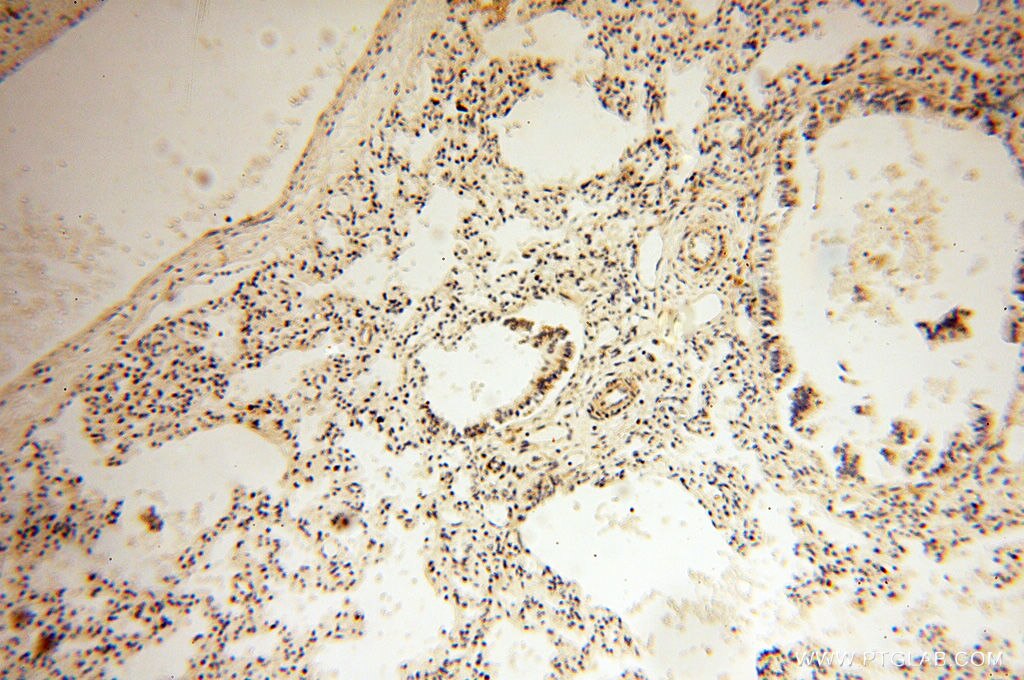
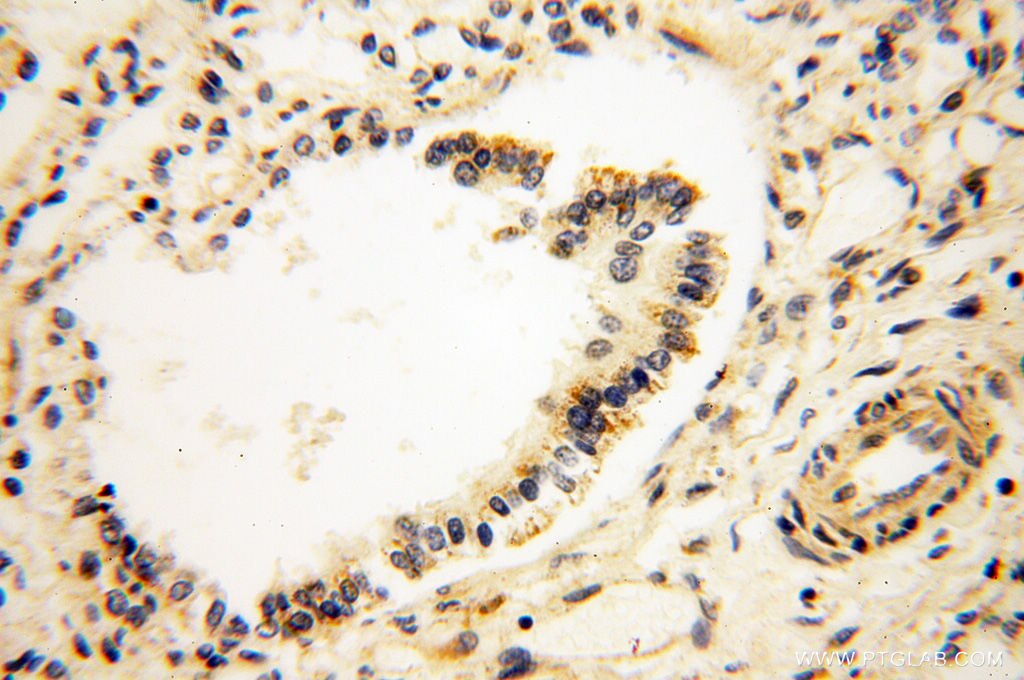
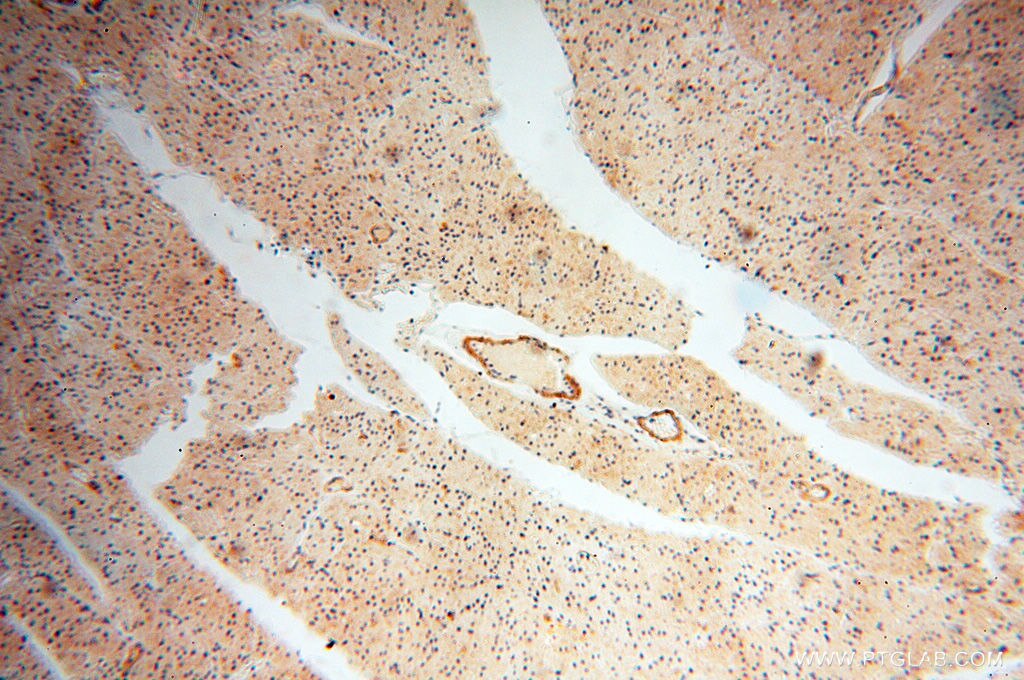
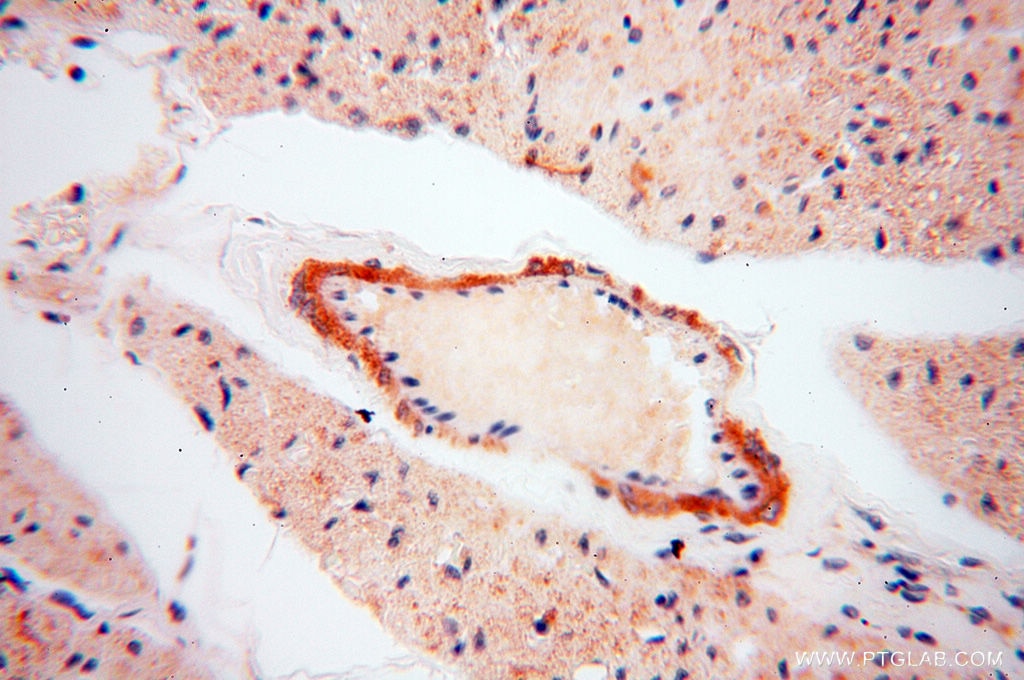
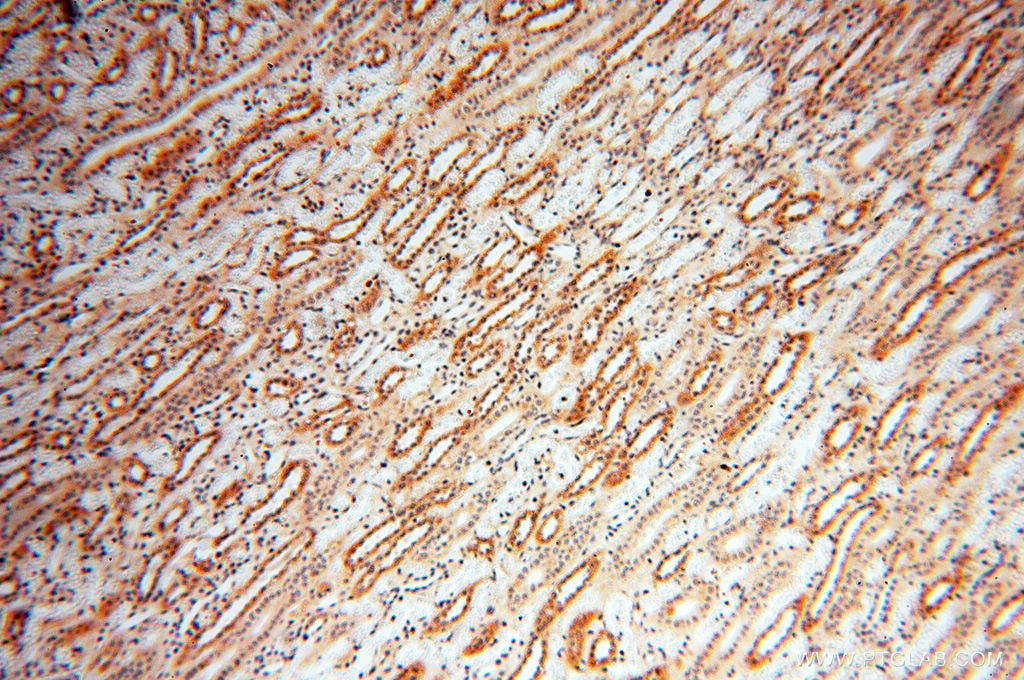
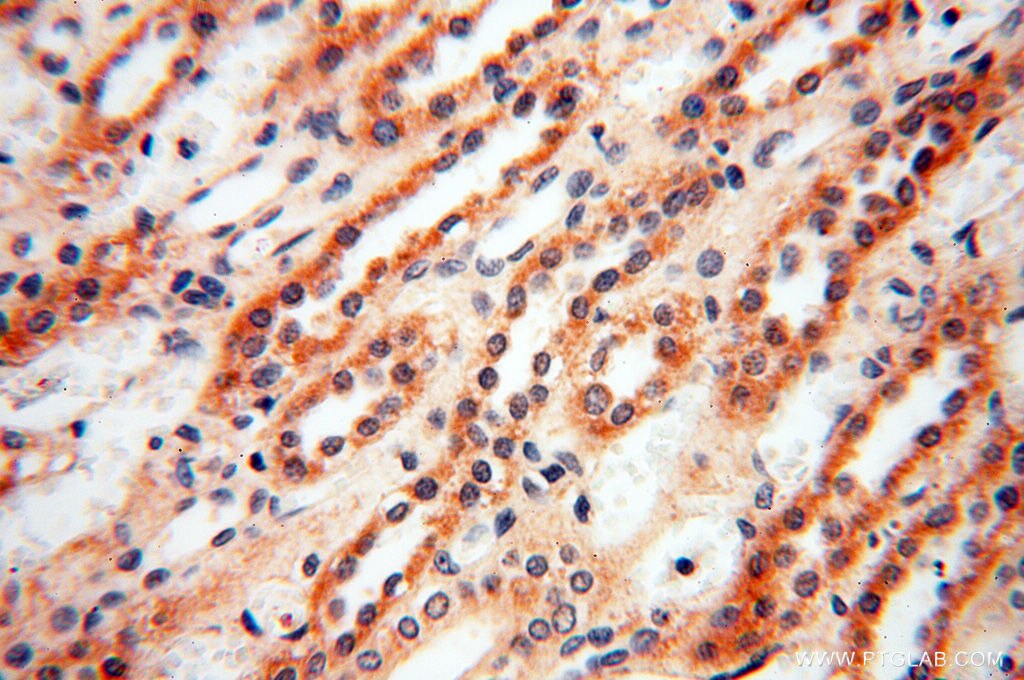
| Positive IHC detected in | human placenta tissue, human brain tissue, human heart tissue, human kidney tissue, human lung tissue, human skin tissue, human spleen tissue Note: suggested antigen retrieval with TE buffer pH 9.0; (*) Alternatively, antigen retrieval may be performed with citrate buffer pH 6.0 |
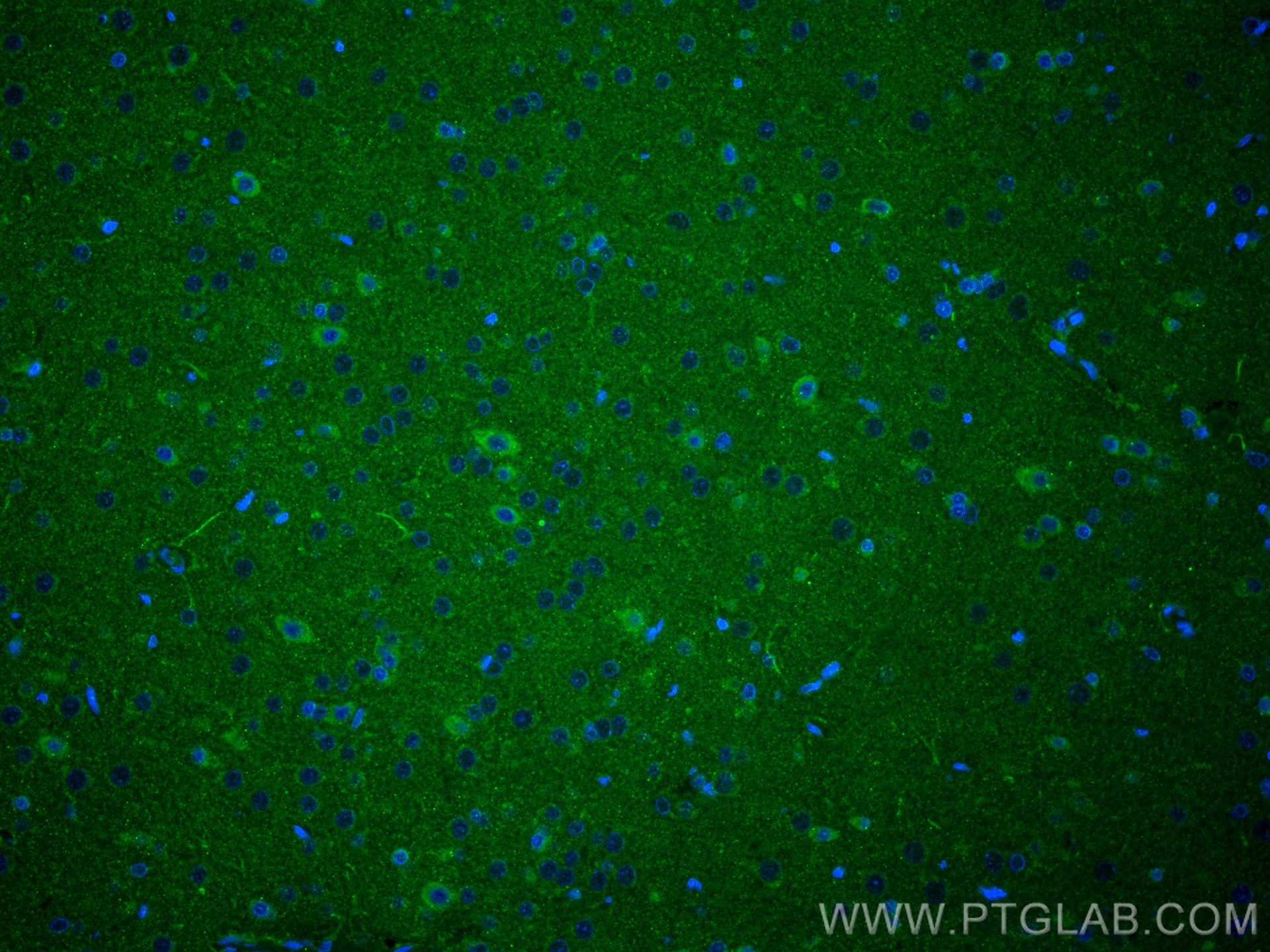
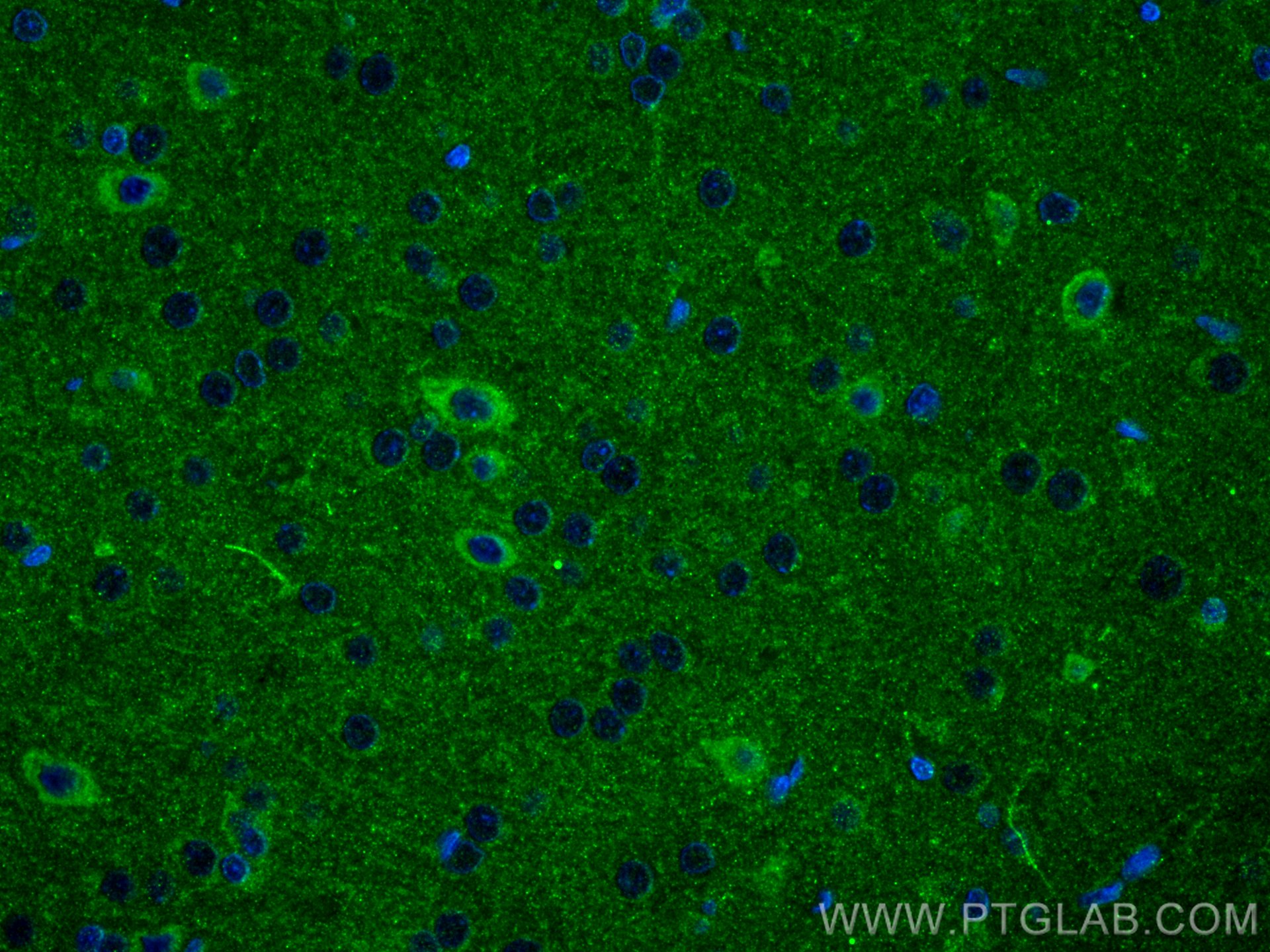
| Positive IF-P detected in | rat brain tissue |
Recommended dilution
| Application | Dilution |
|---|---|
| Western Blot (WB) | WB : 1:500-1:2000 |
| Immunohistochemistry (IHC) | IHC : 1:20-1:200 |
| Immunofluorescence (IF)-P | IF-P : 1:200-1:800 |
| It is recommended that this reagent should be titrated in each testing system to obtain optimal results. | |
| Sample-dependent, Check data in validation data gallery. | |
Product Information
11845-1-AP targets SRPX2 in WB, IHC, IF-P, ELISA applications and shows reactivity with human, mouse, rat samples.
| Tested Reactivity | human, mouse, rat |
| Cited Reactivity | human, mouse, rat |
| Host / Isotype | Rabbit / IgG |
| Class | Polyclonal |
| Type | Antibody |
| Immunogen |
CatNo: Ag2516 Product name: Recombinant human SRPX2 protein Source: e coli.-derived, PGEX-4T Tag: GST Domain: 166-465 aa of BC020733 Sequence: DGRWSGGEPVCVDIDPPKIRCPHSREKMAEPEKLTARVYWDPPLVKDSADGTITRVTLRGPEPGSHFPEGEHVIRYTAYDRAYNRASCKFIVKVQVRRCPTLKPPQHGYLTCTSAGDNYGASCEYHCDGGYDRQGTPSRVCQSSRQWSGSPPICAPMKINVNVNSAAGLLDQFYEKQRLLIISAPDPSNRYYKMQISMLQQSTCGLDLRHVTIIELVGQPPQEVGRIREQQLSANIIEELRQFQRLTRSYFNMVLIDKQGIDRDRYMEPVTPEEIFTFIDDYLLSNQELTQRREQRDICE Predict reactive species |
| Full Name | sushi-repeat-containing protein, X-linked 2 |
| Calculated Molecular Weight | 465 aa, 53 kDa |
| Observed Molecular Weight | 53 kDa |
| GenBank Accession Number | BC020733 |
| Gene Symbol | SRPX2 |
| Gene ID (NCBI) | 27286 |
| RRID | AB_2195006 |
| Conjugate | Unconjugated |
| Form | Liquid |
| Purification Method | Antigen affinity purification |
| UNIPROT ID | O60687 |
| Storage Buffer | PBS with 0.02% sodium azide and 50% glycerol, pH 7.3. |
| Storage Conditions | Store at -20°C. Stable for one year after shipment. Aliquoting is unnecessary for -20oC storage. 20ul sizes contain 0.1% BSA. |
Background Information
SRPX2 (sushi-repeat-containing protein, X-linked 2) is a secreted protein expressed in neurons of the human adult brain, including the rolandic area (PMID: 20874700). Firstly described as sushi-repeat protein up-regulated in leukemia (SPRUL) in leukemia cells with dysregulated expression at the transcriptional level, SRPX2 has been recently shown as a multifunctional protein. SRPX2 is a ligand for uPAR, the urokinase-type plasminogen activator (uPA) receptor (PMID: 18718938). It is involved in seizure disorders, angiogenesis and cellular adhesion (PMID: 22242148; 19667118; 16497722). The involvement of SRPX2 in disorders of language cortex and cognition suggests it has an important role in the perisylvian region critical for language development (PMID: 16497722).
Protocols
| Product Specific Protocols | |
|---|---|
| IF protocol for SRPX2 antibody 11845-1-AP | Download protocol |
| IHC protocol for SRPX2 antibody 11845-1-AP | Download protocol |
| WB protocol for SRPX2 antibody 11845-1-AP | Download protocol |
| Standard Protocols | |
|---|---|
| Click here to view our Standard Protocols |
Publications
What published studies show
| Species | Application | Title |
|---|---|---|
Theranostics Local administration of liposomal-based Srpx2 gene therapy reverses pulmonary fibrosis by blockading fibroblast-to-myofibroblast transition.
| ||
Hum Mol Genet Epileptic and developmental disorders of the speech cortex: ligand/receptor interaction of wild-type and mutant SRPX2 with the plasminogen activator receptor uPAR. | ||
Front Cell Dev Biol The Landscape of the Tumor Microenvironment in Skin Cutaneous Melanoma Reveals a Prognostic and Immunotherapeutically Relevant Gene Signature. | ||
Int J Mol Sci The Role of Lysosomes in a Broad Disease-Modifying Approach Evaluated across Transgenic Mouse Models of Alzheimer's Disease and Parkinson's Disease and Models of Mild Cognitive Impairment. | ||
Int J Clin Exp Pathol SRPX2 promotes cell migration and invasion via FAK dependent pathway in pancreatic cancer. |

