

Tested Applications
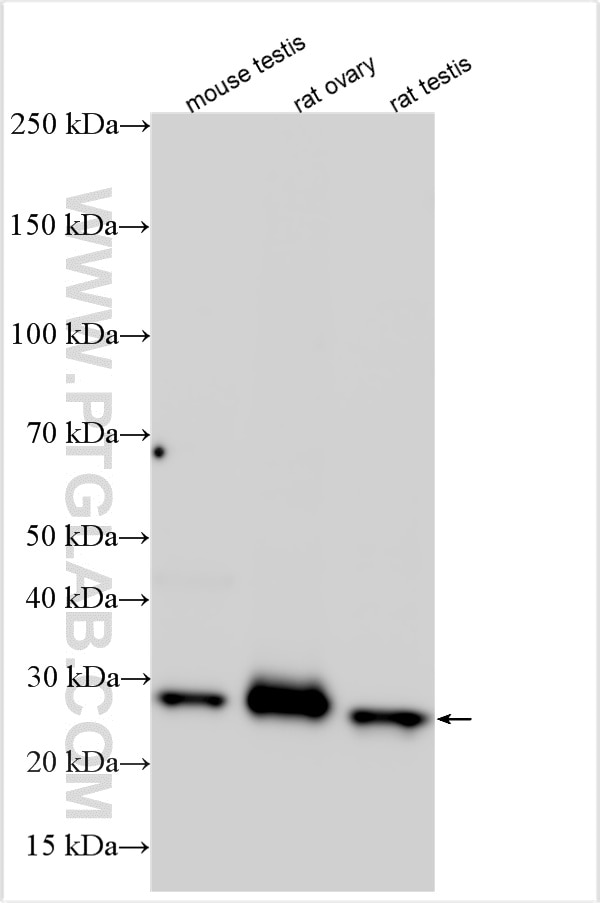
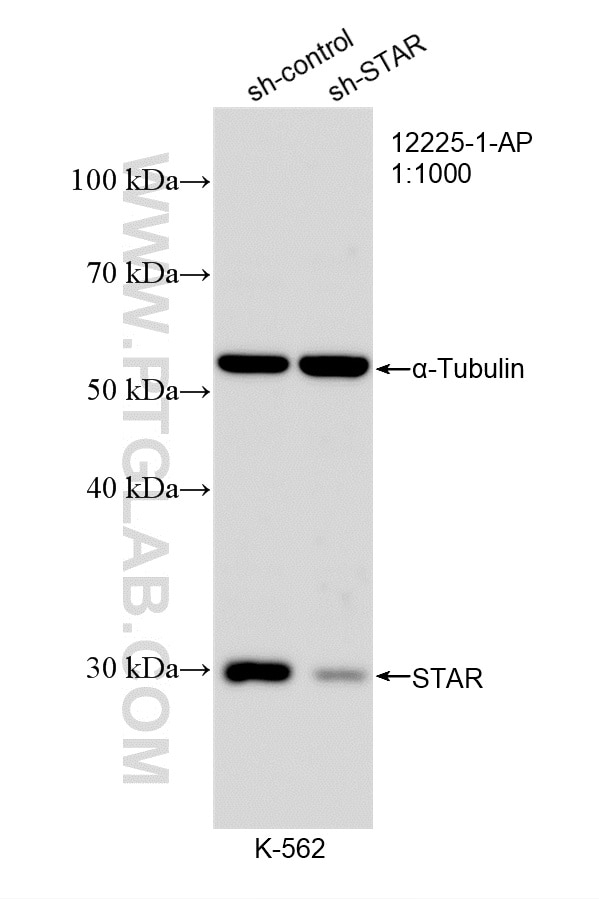
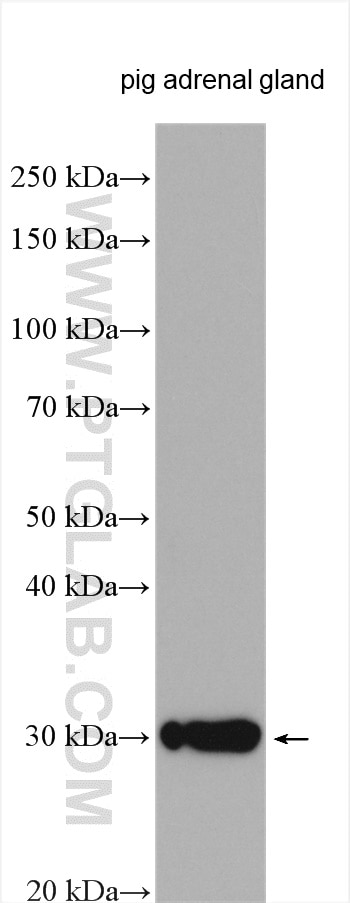
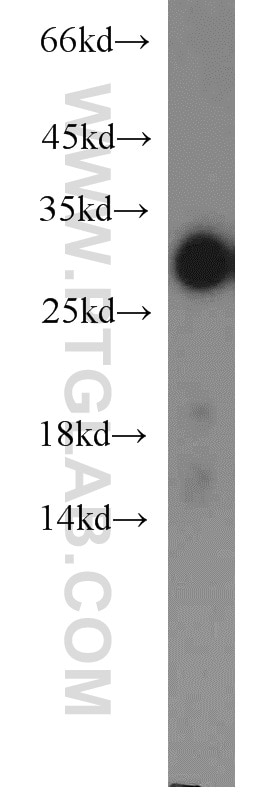
| Positive WB detected in | mouse testis tissue, human adrenal gland tissue, K-562 cells, pig adrenal gland tissue, rat ovary tissue, rat testis tissue |
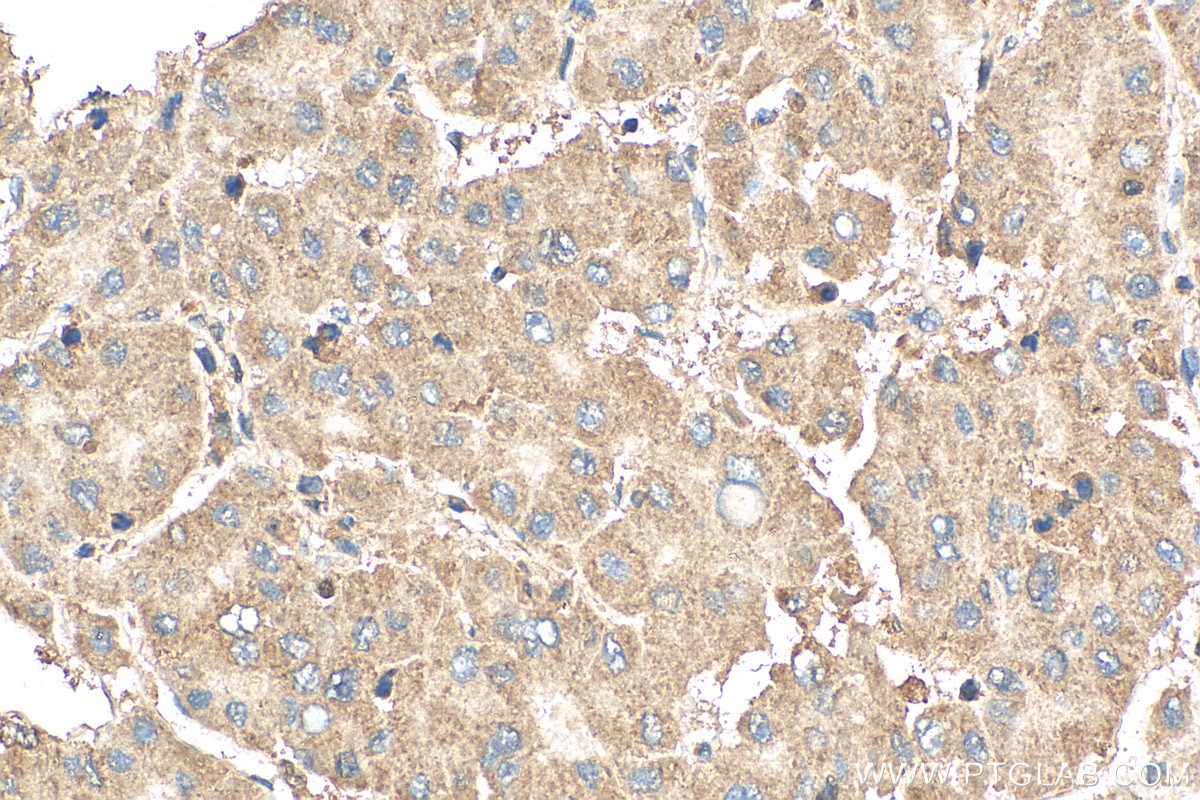
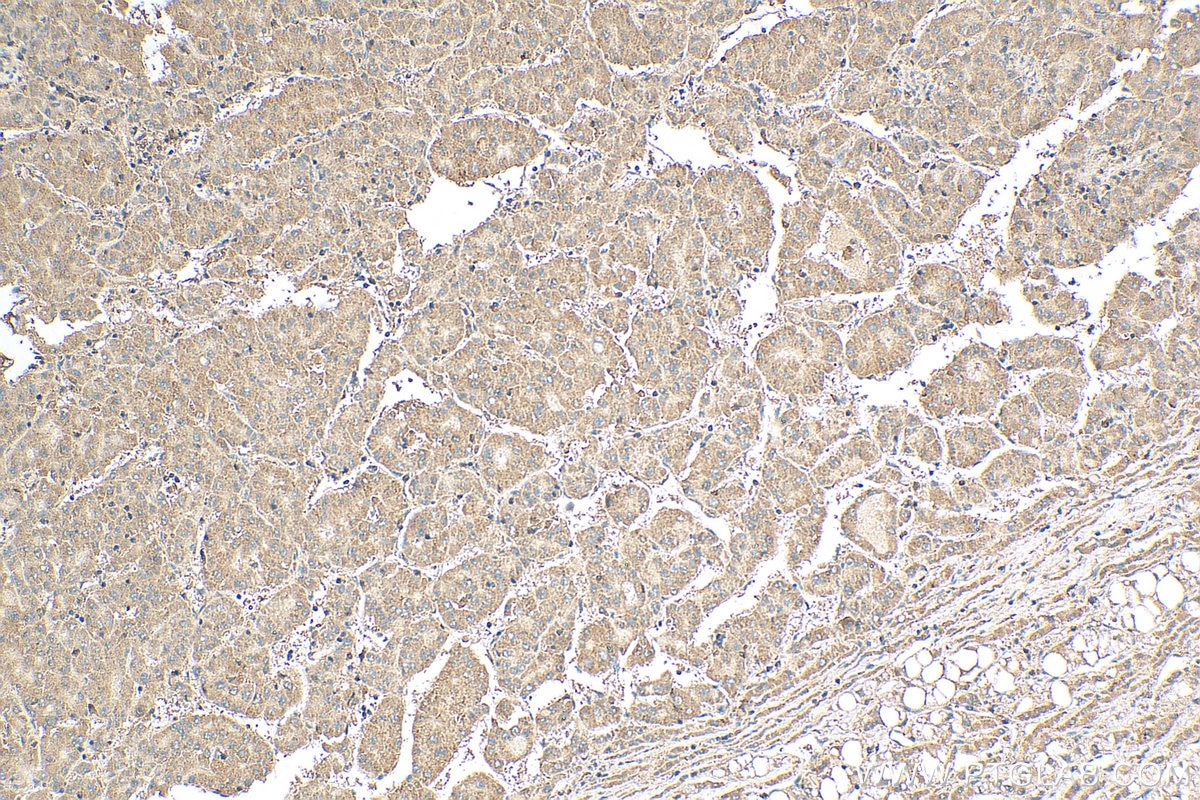
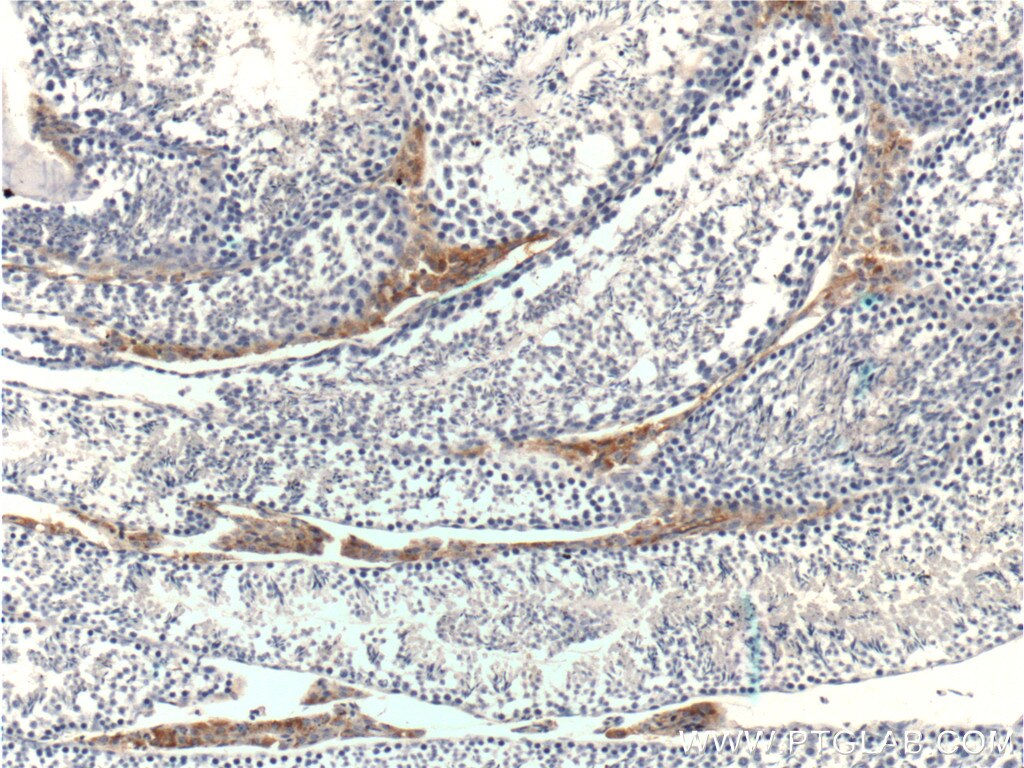
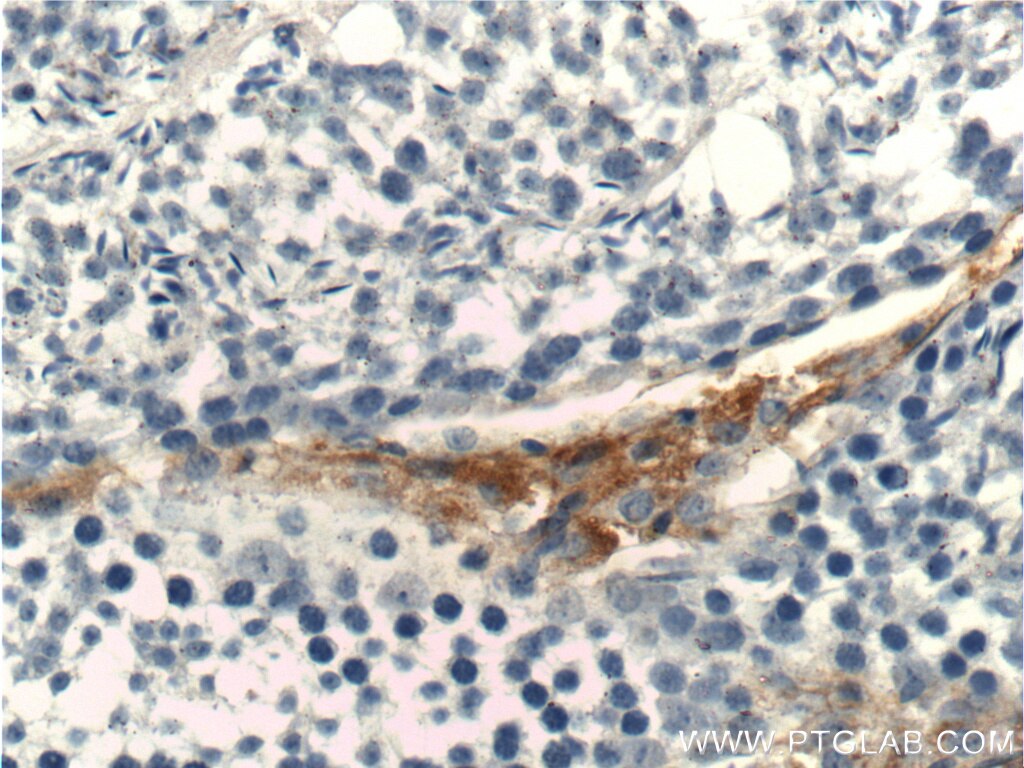
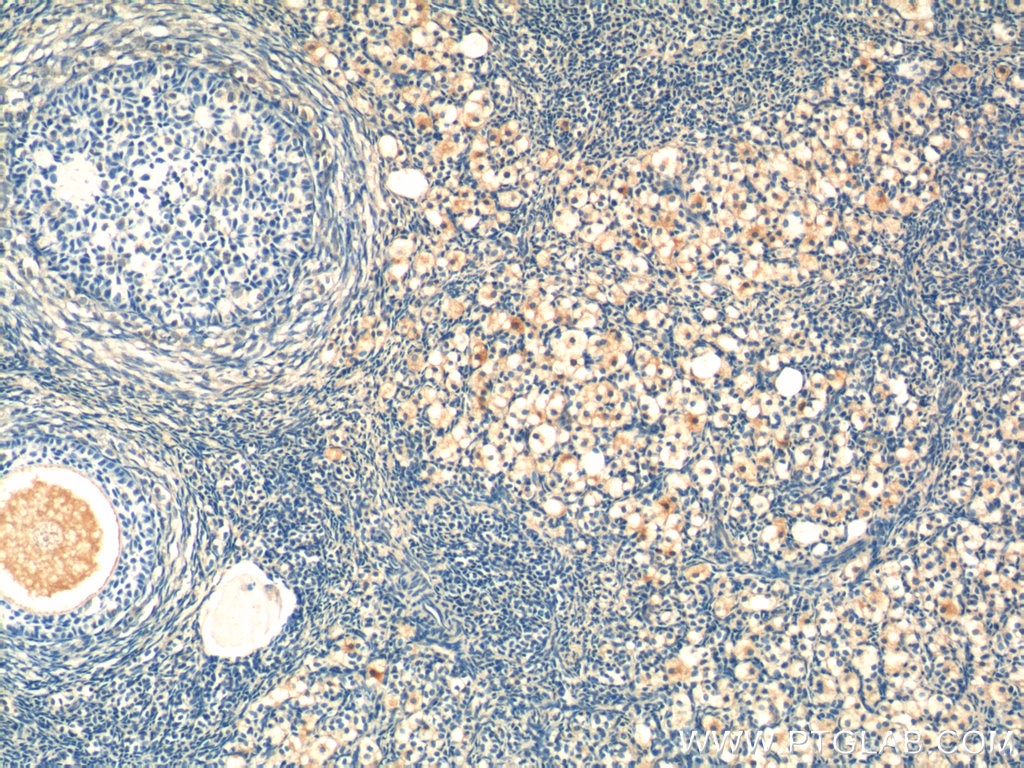
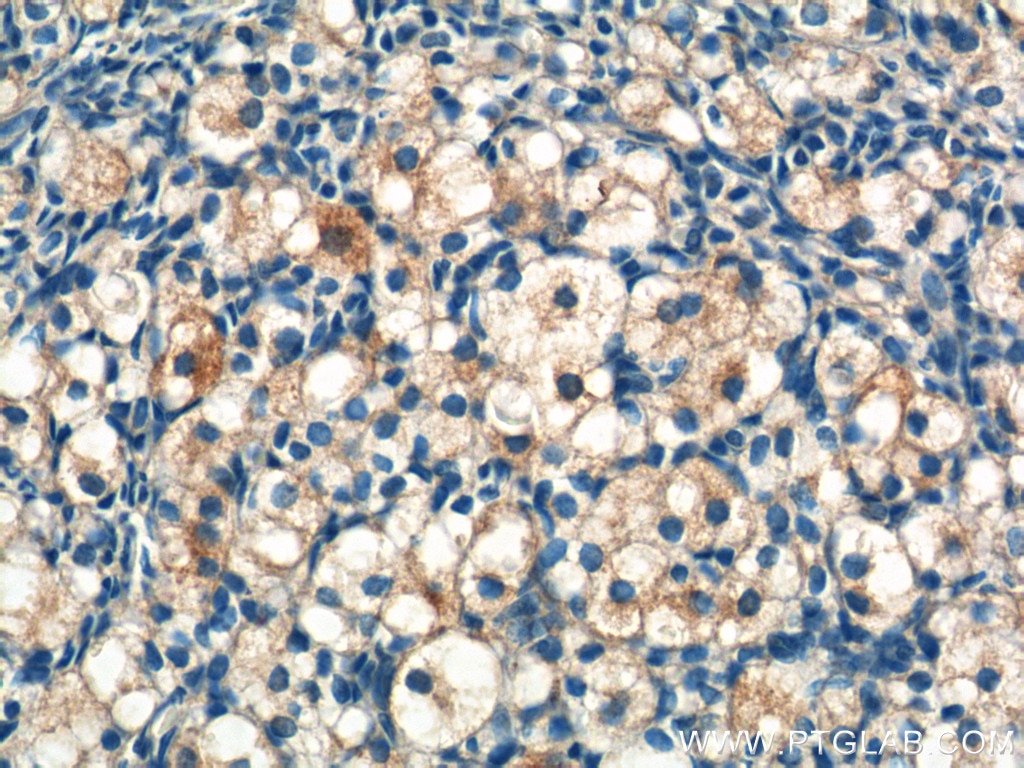
| Positive IHC detected in | mouse testis tissue, human liver cancer tissue, human ovary tissue Note: suggested antigen retrieval with TE buffer pH 9.0; (*) Alternatively, antigen retrieval may be performed with citrate buffer pH 6.0 |
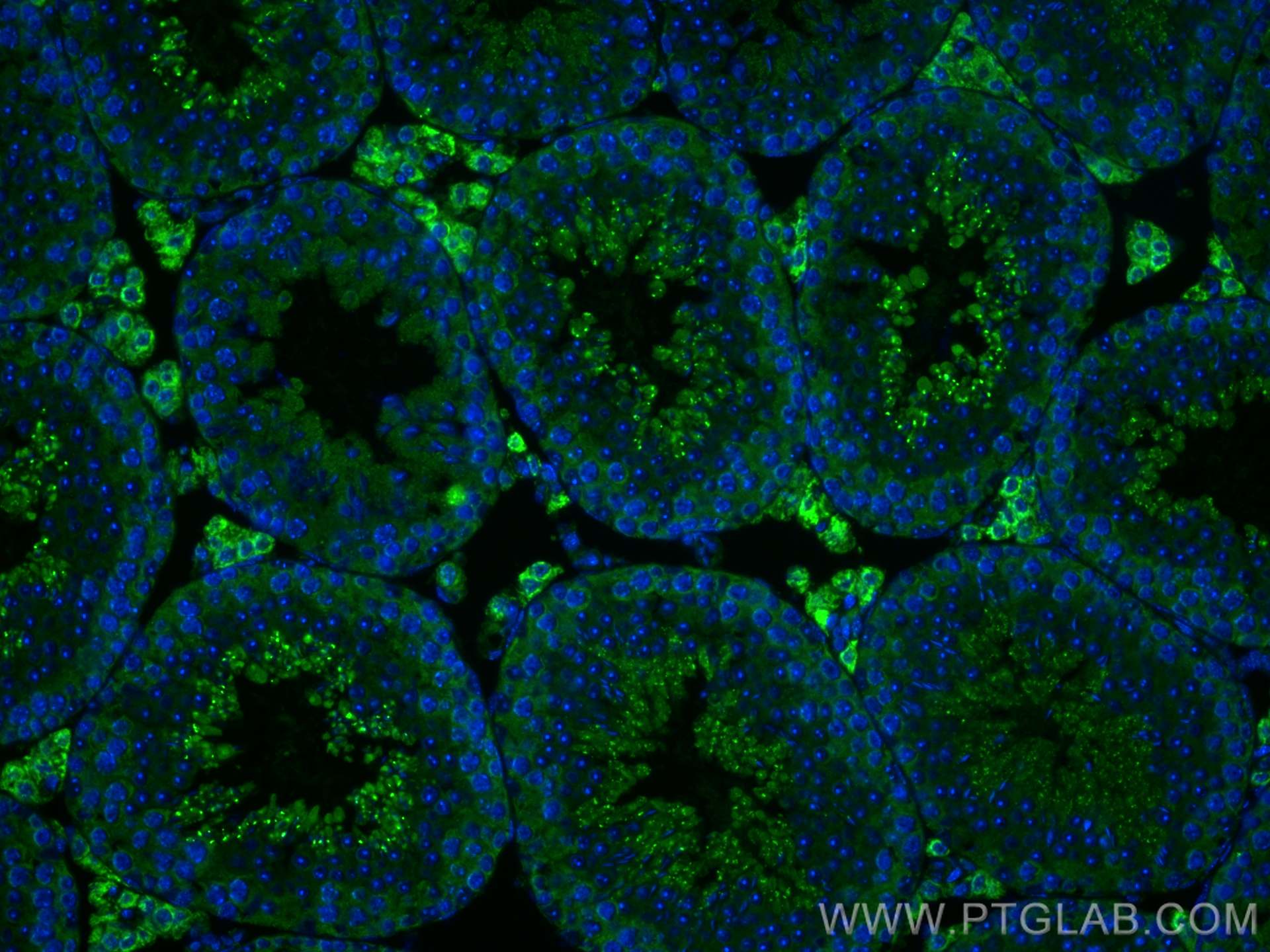
| Positive IF-P detected in | mouse testis tissue |
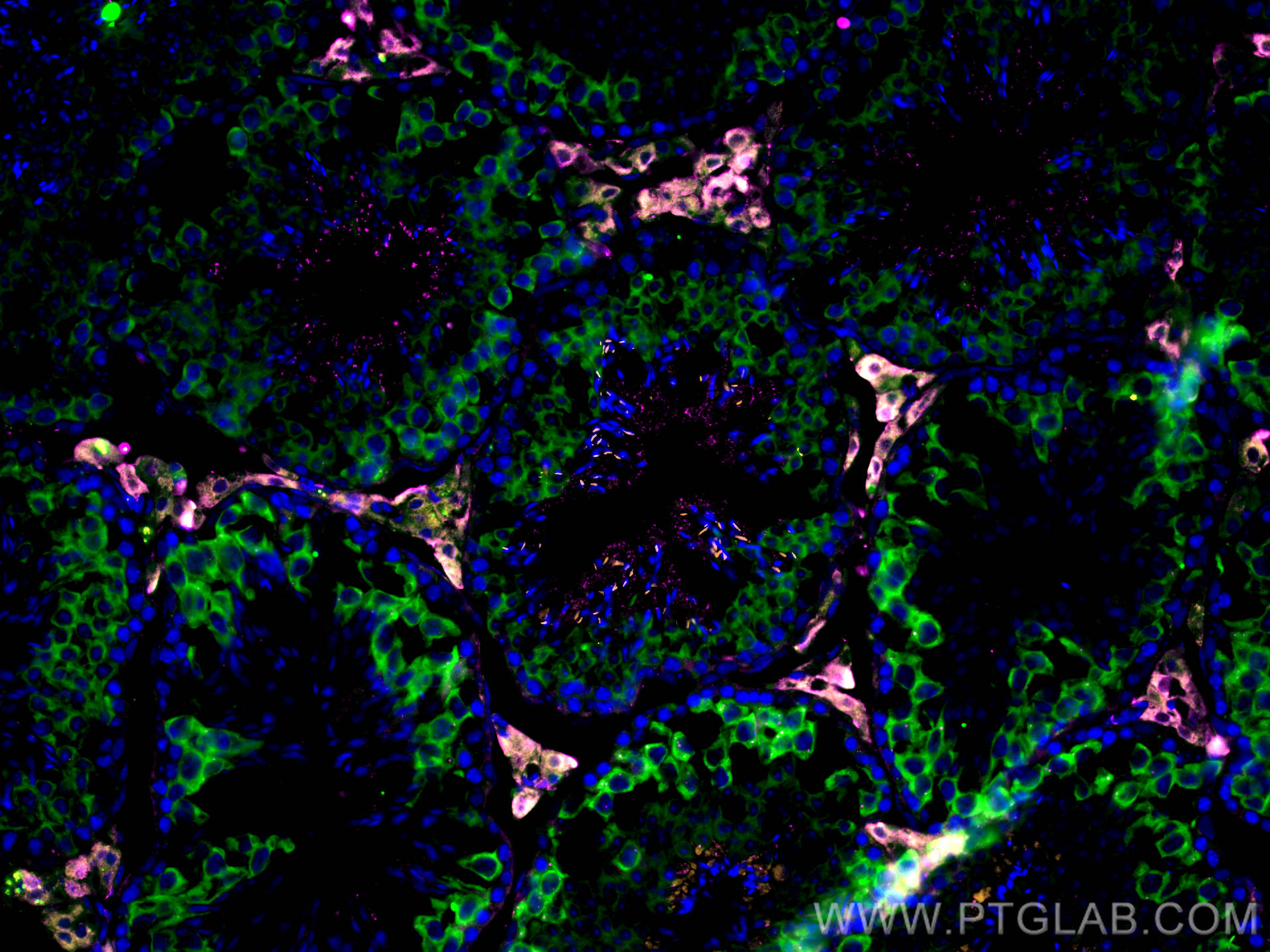
| Positive IF-Fro detected in | mouse testis tissue |
Recommended dilution
| Application | Dilution |
|---|---|
| Western Blot (WB) | WB : 1:1000-1:6000 |
| Immunohistochemistry (IHC) | IHC : 1:50-1:500 |
| Immunofluorescence (IF)-P | IF-P : 1:50-1:500 |
| Immunofluorescence (IF)-FRO | IF-FRO : 1:50-1:500 |
| It is recommended that this reagent should be titrated in each testing system to obtain optimal results. | |
| Sample-dependent, Check data in validation data gallery. | |
Product Information
12225-1-AP targets STAR in WB, IHC, IF-P, IF-Fro, ELISA applications and shows reactivity with human, mouse, rat, pig samples.
| Tested Reactivity | human, mouse, rat, pig |
| Cited Reactivity | human, mouse, rat, pig, monkey, chicken, bovine, goat |
| Host / Isotype | Rabbit / IgG |
| Class | Polyclonal |
| Type | Antibody |
| Immunogen |
CatNo: Ag2862 Product name: Recombinant human STAR protein Source: e coli.-derived, PGEX-4T Tag: GST Domain: 1-285 aa of BC010550 Sequence: MLLATFKLCAGSSYRHMRNMKGLRQQAVMAISQELNRRALGGPTPSTWINQVRRRSSLLGSRLEETLYSDQELAYLQQGEEAMQKALGILSNQEGWKKESQQDNGDKVMSKVVPDVGKVFRLEVVVDQPMERLYEELVERMEAMGEWNPNVKEIKVLQKIGKDTFITHELAAEAAGNLVGPRDFVSVRCAKRRGSTCVLAGMATDFGNMPEQKGVIRAEHGPTCMVLHPLAGSPSKTKLTWLLSIDLKGWLPKSIINQVLSQTQVDFANHLRKRLESHPASEARC Predict reactive species |
| Full Name | steroidogenic acute regulatory protein |
| Calculated Molecular Weight | 285 aa, 32 kDa |
| Observed Molecular Weight | 26-30 kDa |
| GenBank Accession Number | BC010550 |
| Gene Symbol | STAR |
| Gene ID (NCBI) | 6770 |
| RRID | AB_2115832 |
| Conjugate | Unconjugated |
| Form | Liquid |
| Purification Method | Antigen affinity purification |
| UNIPROT ID | P49675 |
| Storage Buffer | PBS with 0.02% sodium azide and 50% glycerol, pH 7.3. |
| Storage Conditions | Store at -20°C. Stable for one year after shipment. Aliquoting is unnecessary for -20oC storage. 20ul sizes contain 0.1% BSA. |
Background Information
Steroidogenic acute regulatory protein (StAR) is a key player in acute regulation of hormone-induced steroidogenesis, by facilitating cholesterol transport from cellular stores to inner mitochondria membrane where the cholesterol was conversed to pregnenolone. StAR is prevalently expressed in mitochondria of steroid-producing adrenal and gonadal tissue.
Protocols
| Product Specific Protocols | |
|---|---|
| IF protocol for STAR antibody 12225-1-AP | Download protocol |
| IHC protocol for STAR antibody 12225-1-AP | Download protocol |
| WB protocol for STAR antibody 12225-1-AP | Download protocol |
| Standard Protocols | |
|---|---|
| Click here to view our Standard Protocols |
Publications
What published studies show
The STAR polyclonal antibody (STARD1; Cat# 12225-1-AP) has over 100 citations. It appears in high-impact journals including Science, Journal of Advanced Research, Gut Microbes, Cell Death & Disease, Cell Communication & Signaling, Phytomedicine, International Journal of Biological Macromolecules, Free Radical Biology & Medicine, Clinical and Translational Medicine, Journal of Ethnopharmacology, and Ecotoxicology and Environmental Safety, among others. The citations center on reproductive endocrinology, steroidogenesis (testosterone/estradiol/progesterone synthesis), spermatogenesis, ovarian function, PCOS, and toxicology, including ferroptosis and oxidative-stress pathways.
| Species | Application | Title |
|---|---|---|
Science Artemisinins ameliorate polycystic ovarian syndrome by mediating LONP1-CYP11A1 interaction | ||
J Adv Res SLC7A11 as a therapeutic target to attenuate phthalates-driven testosterone level decline in mice. | ||
Gut Microbes High-fat diet-induced L-saccharopine accumulation inhibits estradiol synthesis and damages oocyte quality by disturbing mitochondrial homeostasis | ||
Cell Death Dis Oxidized-LDL inhibits testosterone biosynthesis by affecting mitochondrial function and the p38 MAPK/COX-2 signaling pathway in Leydig cells. | ||
Cell Commun Signal Mechanistic insights into targeting APLN/APJ for ameliorating testosterone deficiency and reproductive disorders in diabetic mice. | ||
Phytomedicine Jiao-tai-wan and its component coptisine attenuate PCOS by regulating mitochondrial cholesterol import through suppression of SIRT1 ubiquitination. |

