

Tested Applications
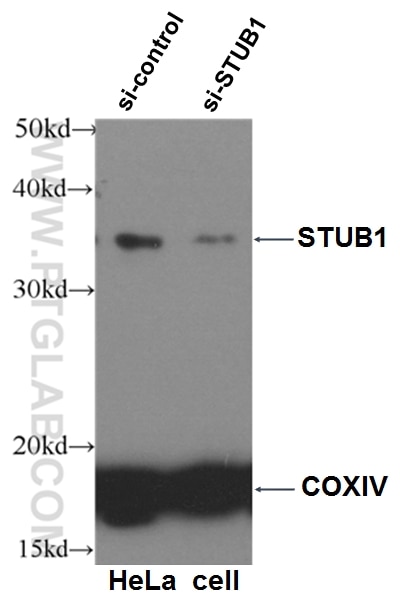
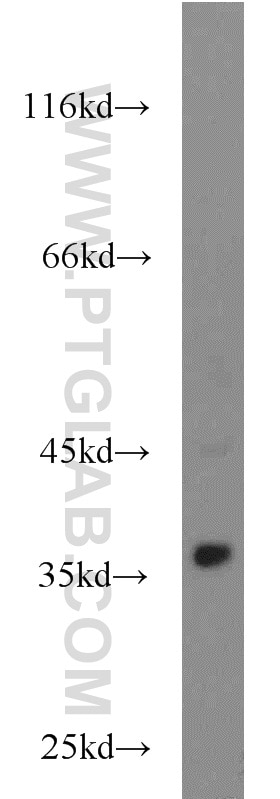
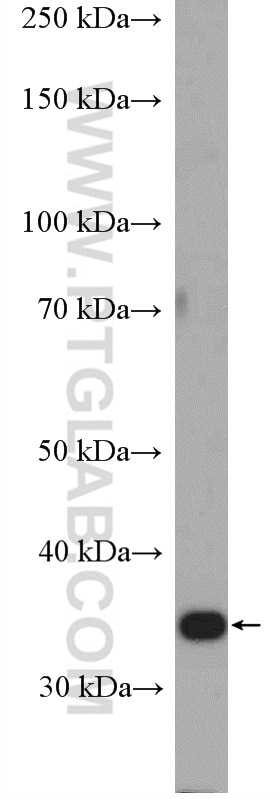
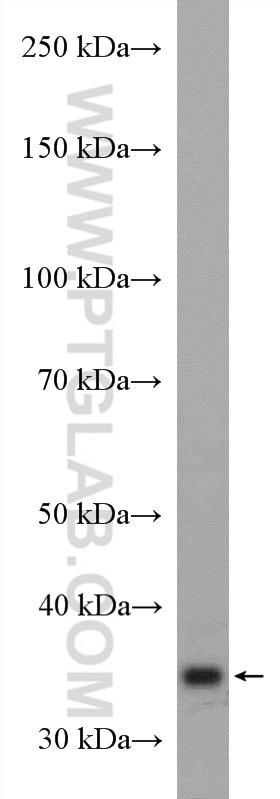
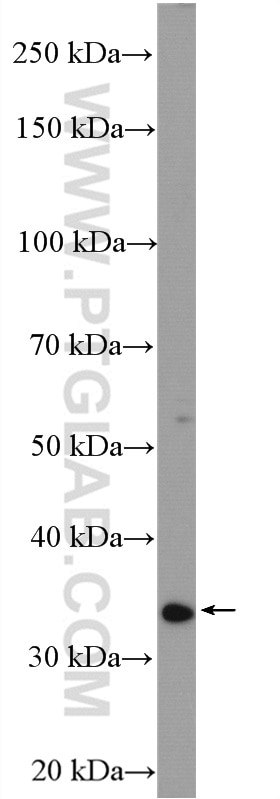
| Positive WB detected in | HeLa cells, mouse brain tissue, HEK-293 cells, MCF-7 cells, mouse liver tissue |
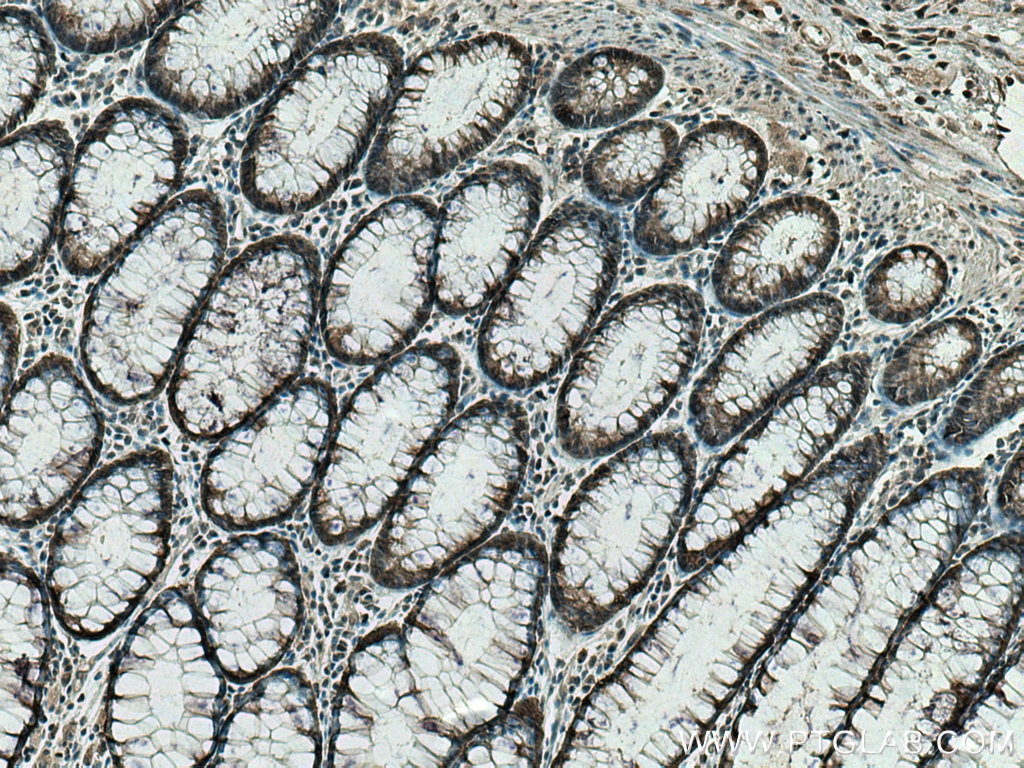
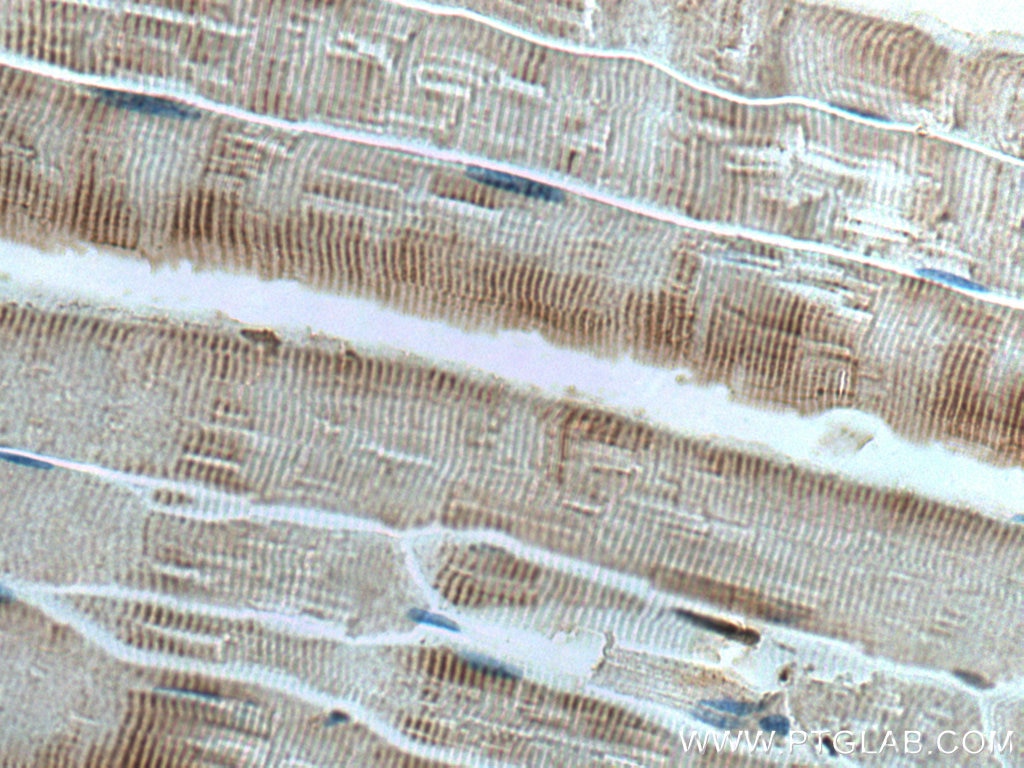
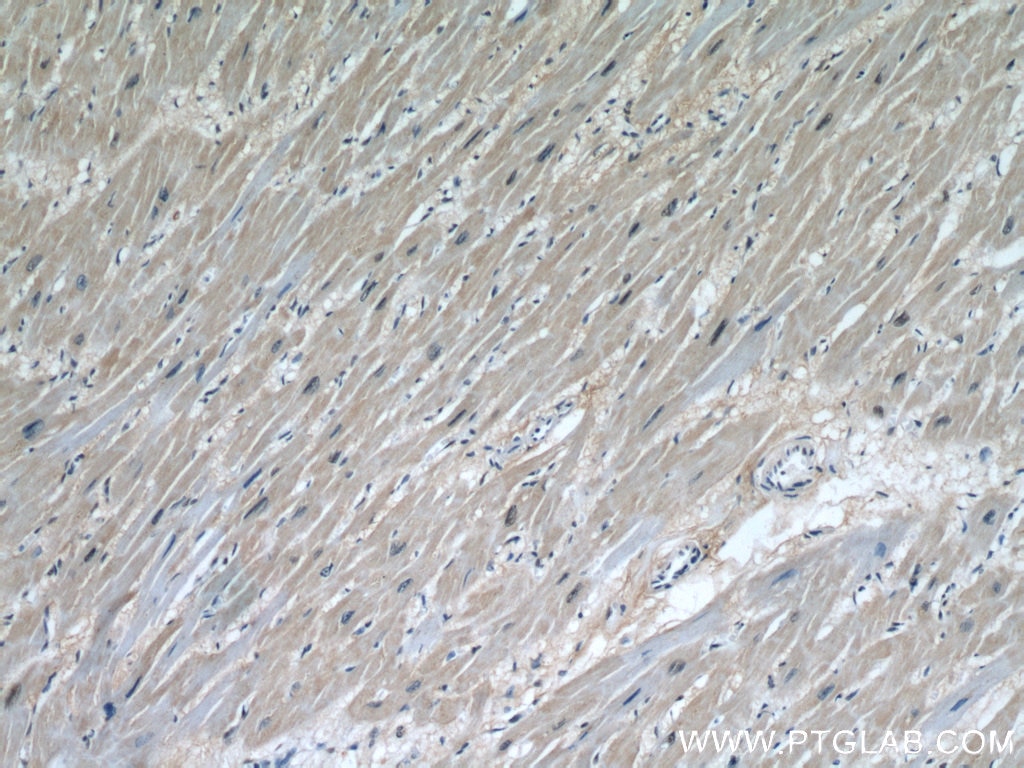
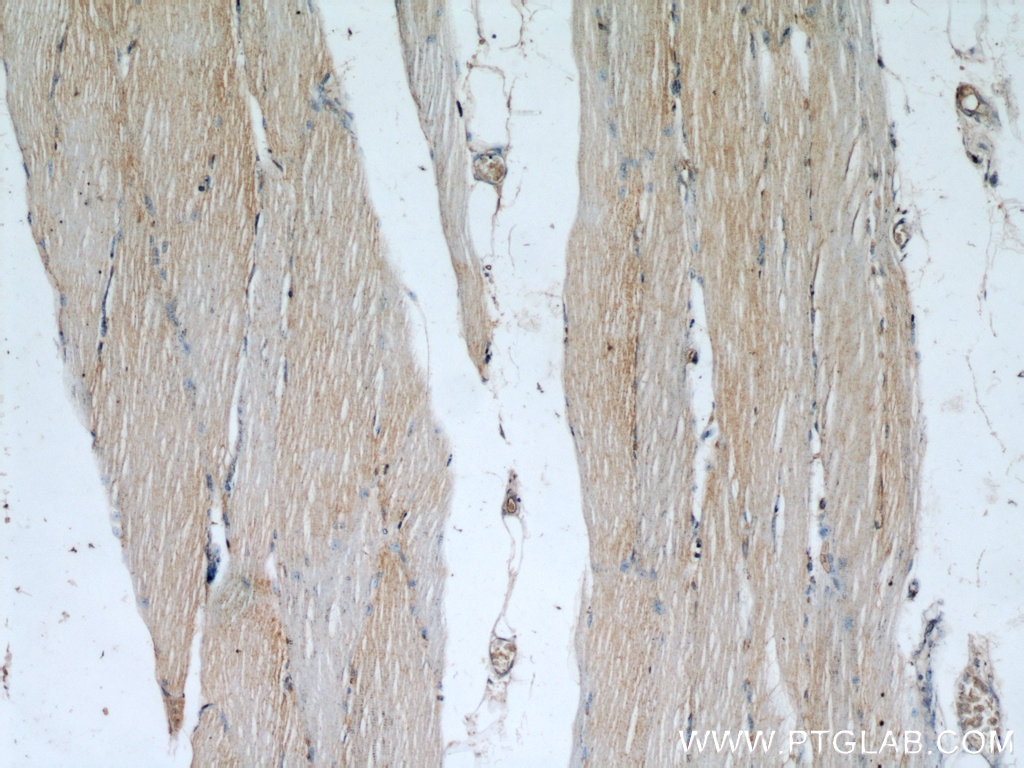
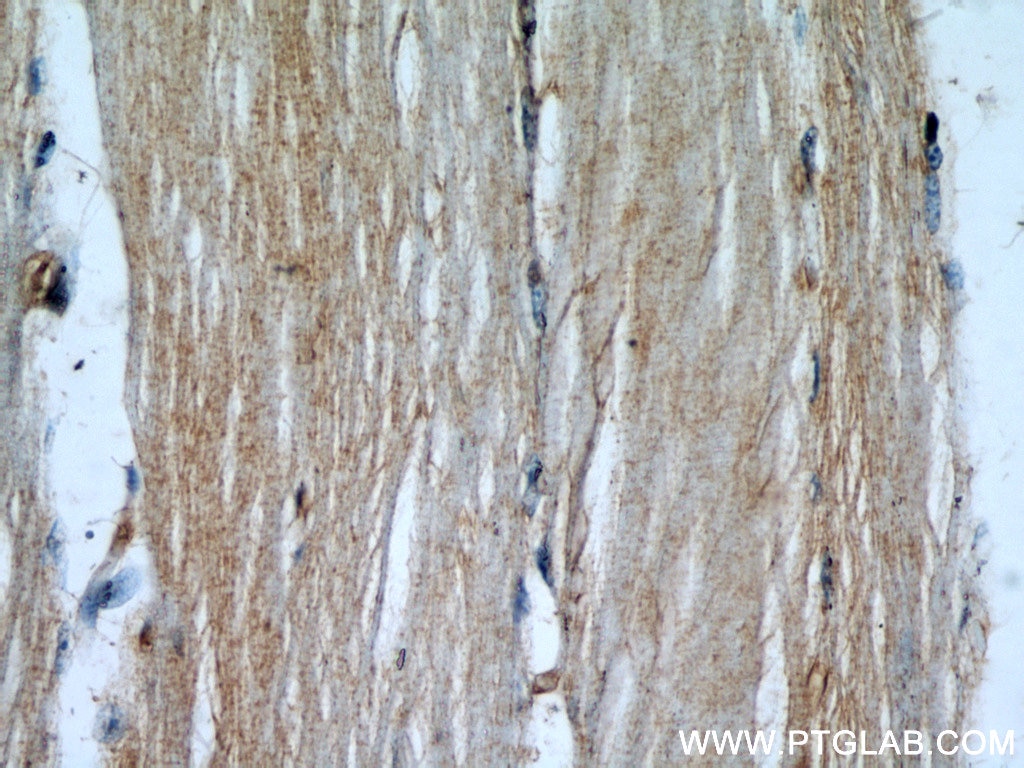
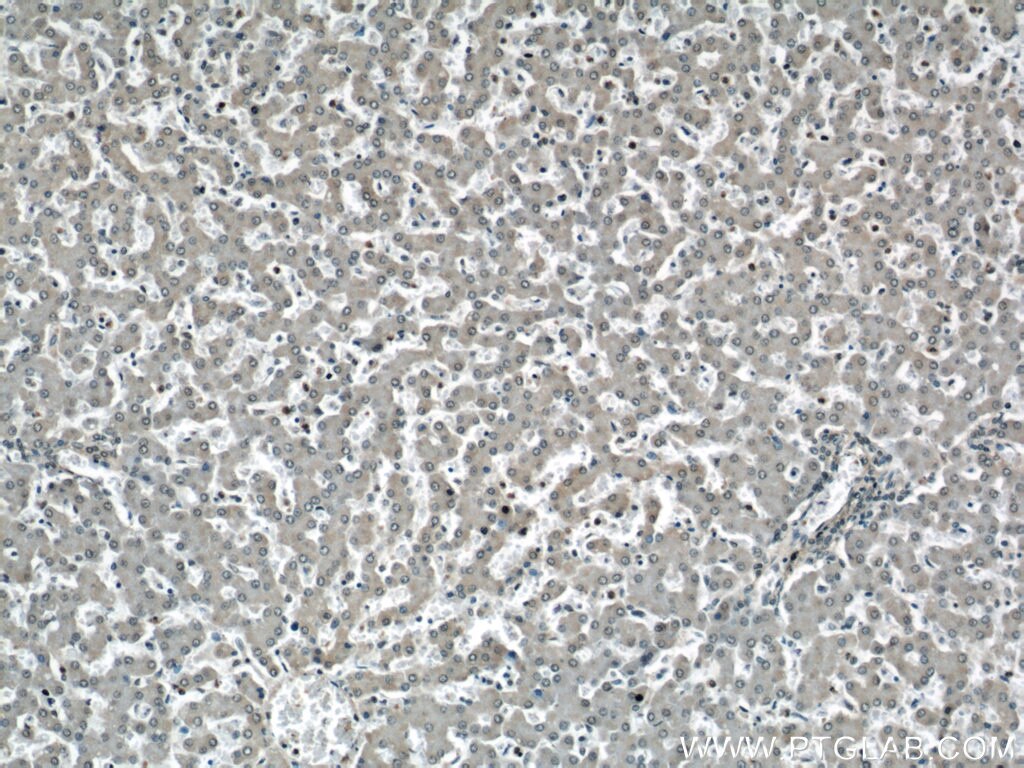
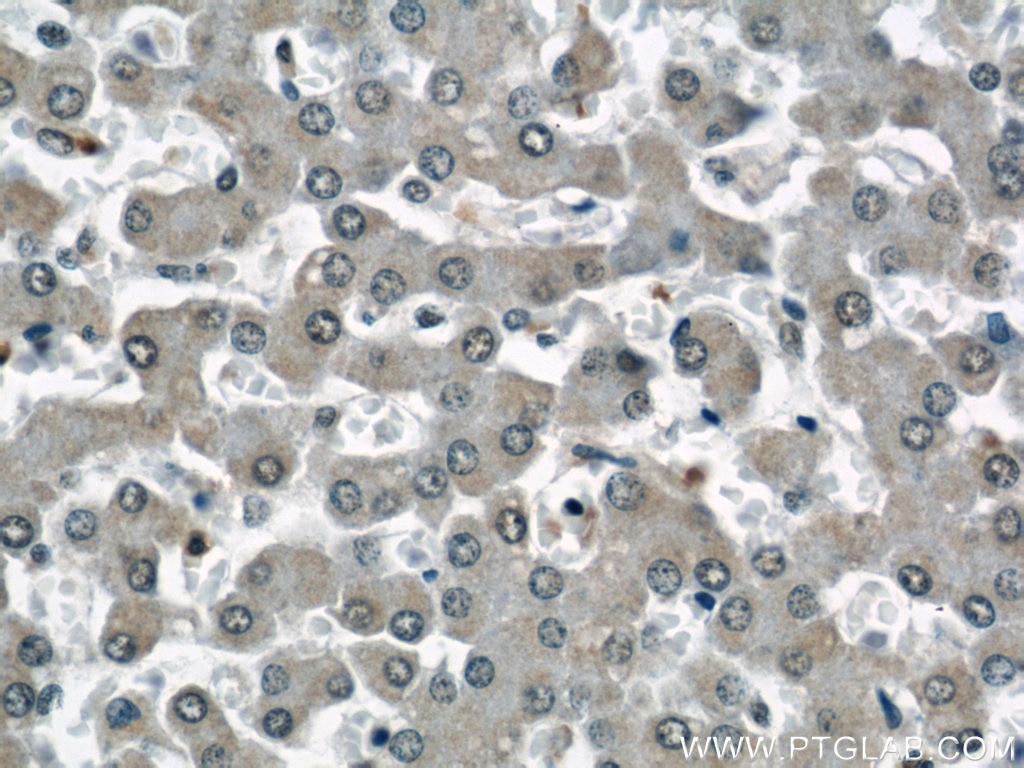
| Positive IHC detected in | human colon cancer tissue, human liver tissue, mouse skeletal muscle tissue, human heart tissue, human skeletal muscle tissue Note: suggested antigen retrieval with TE buffer pH 9.0; (*) Alternatively, antigen retrieval may be performed with citrate buffer pH 6.0 |
Recommended dilution
| Application | Dilution |
|---|---|
| Western Blot (WB) | WB : 1:500-1:1000 |
| Immunohistochemistry (IHC) | IHC : 1:50-1:500 |
| It is recommended that this reagent should be titrated in each testing system to obtain optimal results. | |
| Sample-dependent, Check data in validation data gallery. | |
Product Information
55430-1-AP targets STUB1 in WB, IHC, IF, IP, CoIP, ELISA applications and shows reactivity with human, mouse, rat samples.
| Tested Reactivity | human, mouse, rat |
| Cited Reactivity | human, mouse, rat |
| Host / Isotype | Rabbit / IgG |
| Class | Polyclonal |
| Type | Antibody |
| Immunogen |
Peptide Predict reactive species |
| Full Name | STIP1 homology and U-box containing protein 1 |
| Calculated Molecular Weight | 35 kDa |
| Observed Molecular Weight | 35 kDa |
| GenBank Accession Number | NM_005861 |
| Gene Symbol | STUB1 |
| Gene ID (NCBI) | 10273 |
| RRID | AB_10949225 |
| Conjugate | Unconjugated |
| Form | Liquid |
| Purification Method | Antigen affinity purification |
| UNIPROT ID | Q9UNE7 |
| Storage Buffer | PBS with 0.02% sodium azide and 50% glycerol, pH 7.3. |
| Storage Conditions | Store at -20°C. Stable for one year after shipment. Aliquoting is unnecessary for -20oC storage. 20ul sizes contain 0.1% BSA. |
Background Information
STUB1, also named as CHIP, SDCCAG7, UBOX1 and NY-CO-7, is a E3 ubiquitin-protein ligase which targets misfolded chaperone substrates towards proteasomal degradation. STUB1/CHIP modulates the activity of several chaperone complexes, including Hsp70, Hsc70 and Hsp90. It mediates transfer of non-canonical short ubiquitin chains to HSPA8 that have no effect on HSPA8 degradation. STUB1/CHIP mediates polyubiquitination of CYP3A4.(PMID:10330192) CHIP/STUB1 strongly reduced keratin aggregates through increased degradation of mutant K14. (PMID:20151404) STUB1/CHIP regulates NAD(P)H:quinone oxidoreductase 1 (NQO1) accumulation in aged brain, a process impaired in certain Alzheimer patients.(PMID:21220432 ) This antibody is specific to STUB1.
Protocols
| Product Specific Protocols | |
|---|---|
| IHC protocol for STUB1 antibody 55430-1-AP | Download protocol |
| WB protocol for STUB1 antibody 55430-1-AP | Download protocol |
| Standard Protocols | |
|---|---|
| Click here to view our Standard Protocols |
Publications
What published studies show
STUB1 Polyclonal antibody (55430-1-AP) has 51 tracked citations. It appears in high-impact journals including Cell, Nature Communications, Molecular Cancer, Autophagy, Signal Transduction & Targeted Therapy, Oncogene, EMBO Journal, Advanced Science, Autophagy, Cell Reports, Molecular Medicine, and others such as FASEB J, J Biol Chem, and Aging. The citations span research fields including oncology/cancer biology, protein ubiquitination and degradation, autophagy, cardiovascular disease, neuroscience (Parkinson's disease, neurodegeneration), immunology and inflammation, viral infection, and metabolic/stem-cell biology. Applications used include WB, IF, IHC, IP, and CoIP across human and mouse samples.
| Species | Application | Title |
|---|---|---|
Signal Transduct Target Ther Glucosidase alpha neutral C promotes influenza virus replication by inhibiting proteosome-dependent degradation of hemagglutinin | ||
Mol Cancer Exosomal circSHKBP1 promotes gastric cancer progression via regulating the miR-582-3p/HUR/VEGF axis and suppressing HSP90 degradation. | ||
Autophagy TIGAR exacerbates obesity by triggering LRRK2-mediated defects in macroautophagy and chaperone-mediated autophagy in adipocytes | ||
Autophagy HSPB8 frameshift mutant aggregates weaken chaperone-assisted selective autophagy in neuromyopathies | ||
Nat Commun The LINC01138 drives malignancies via activating arginine methyltransferase 5 in hepatocellular carcinoma. |
Reviews
What customers say
Able is busy answering your previous question. Please try again later.
The reviews below have been submitted by verified Proteintech customers who received an incentive for providing their feedback.
Sai Sindhura (Verified Customer) (03-23-2026) | Good antibody
|
Sai Sindhura (Verified Customer) (03-23-2026) | VERY GOOD ANTIBODY
|
Iram (Verified Customer) (12-19-2025) | Very good antibody. Bands are very sharp.
|

