

Tested Applications
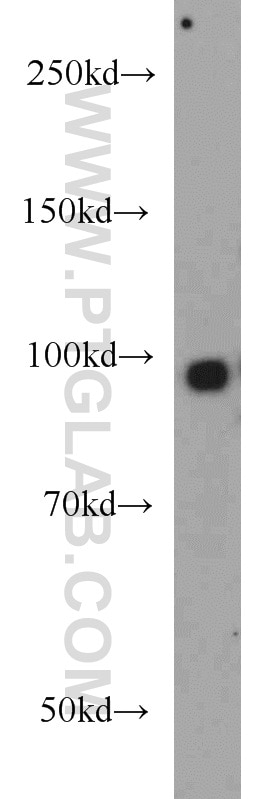
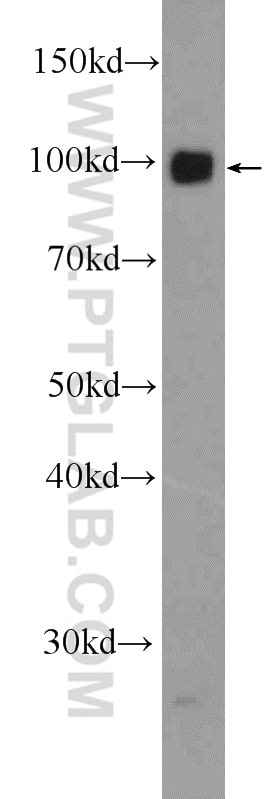
| Positive WB detected in | mouse brain tissue, rat brain tissue |
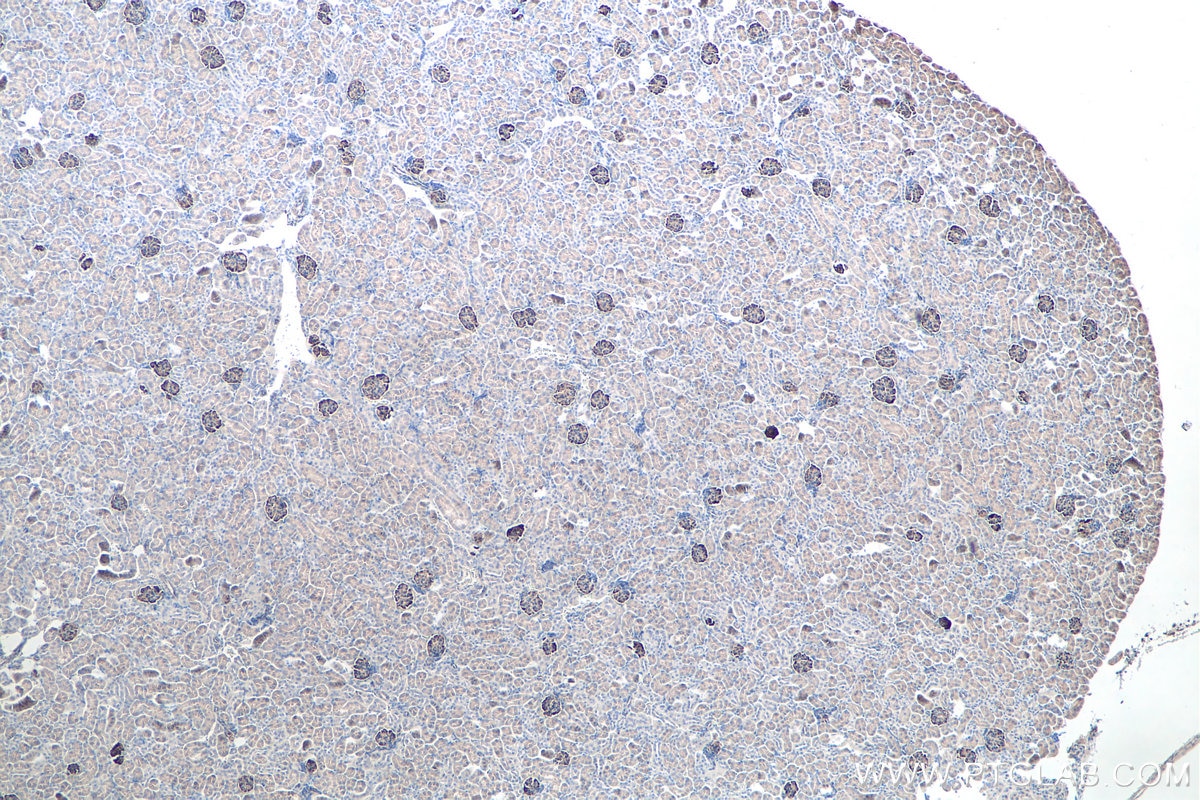
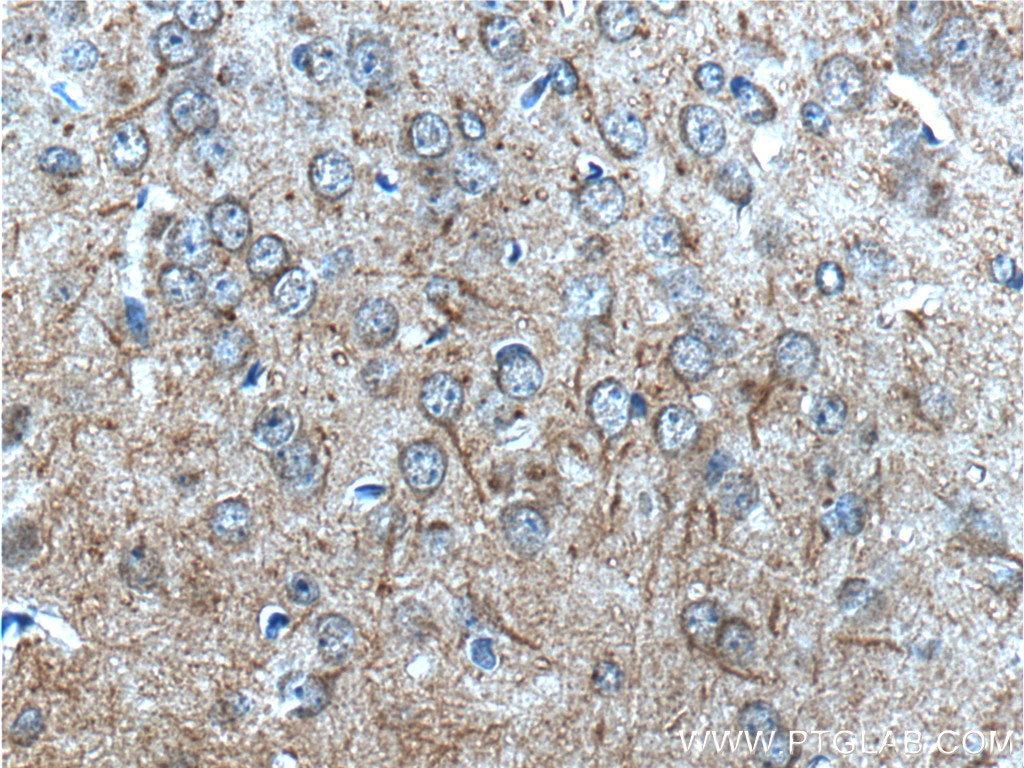
| Positive IHC detected in | mouse brain tissue, mouse kidney tissue Note: suggested antigen retrieval with TE buffer pH 9.0; (*) Alternatively, antigen retrieval may be performed with citrate buffer pH 6.0 |
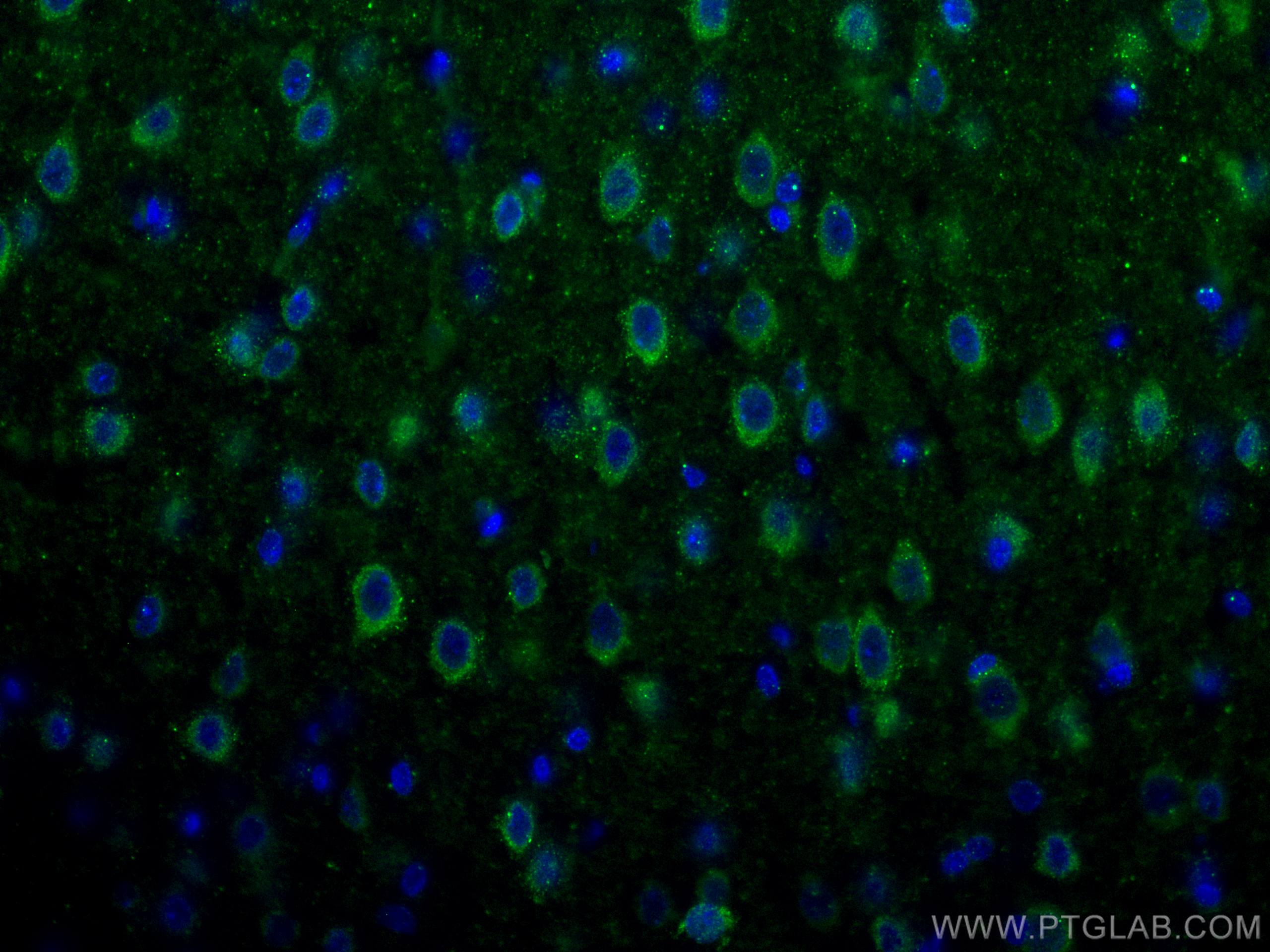
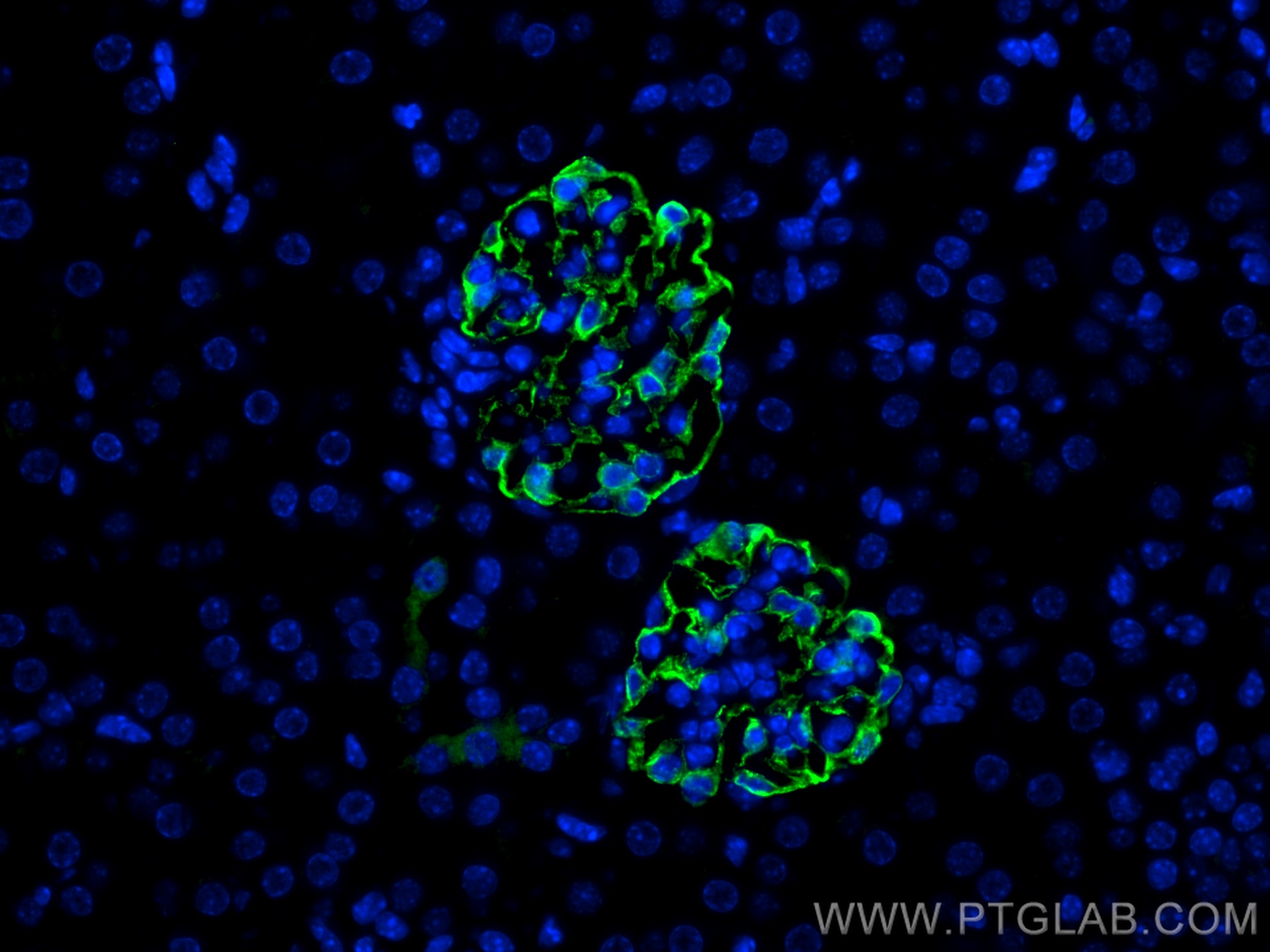
| Positive IF-P detected in | rat brain tissue, mouse kidney tissue |
Recommended dilution
| Application | Dilution |
|---|---|
| Western Blot (WB) | WB : 1:500-1:2000 |
| Immunohistochemistry (IHC) | IHC : 1:20-1:200 |
| Immunofluorescence (IF)-P | IF-P : 1:200-1:800 |
| It is recommended that this reagent should be titrated in each testing system to obtain optimal results. | |
| Sample-dependent, Check data in validation data gallery. | |
Product Information
21064-1-AP targets SYNPO in WB, IHC, IF-P, ELISA applications and shows reactivity with human, mouse, rat samples.
| Tested Reactivity | human, mouse, rat |
| Cited Reactivity | human, mouse, rat |
| Host / Isotype | Rabbit / IgG |
| Class | Polyclonal |
| Type | Antibody |
| Immunogen |
CatNo: Ag15089 Product name: Recombinant human SYNPO protein Source: e coli.-derived, PET28a Tag: 6*His Domain: 336-685 aa of BC146665 Sequence: SPPSYSVLYPSSDPKSSHLKGQAVPASKTGILEESMARRGSRKSMFTFVEKPKVTPNPDLLDLVQTADEKRRQRDQGEVGVEEEPFALGAEASNFQQEPAPRDRASPAAAEEVVPEWASCLKSPRIQAKPKPKPNQNLSEASGKGAELYARRQSRMEKYVIESSSHTPELARCPSPTMSLPSSWKYPTNAPGAFRVASRSPARTPPASLYHGYLPENGVLRPEPTKQPPYQLRPSLFVLSPIKEPAKVSPRAASPAKPSSLDLVPNLPKGALPPSPALPRPSRSSPGLYTSPGQDSLQPTAVSPPYGGDISPVSPSRAWSPRAKQAPRPSFSTRNAGIEAQVWKPSFCFK Predict reactive species |
| Full Name | synaptopodin |
| Calculated Molecular Weight | 929 aa, 99 kDa |
| Observed Molecular Weight | 99-115 kDa |
| GenBank Accession Number | BC146665 |
| Gene Symbol | SYNPO |
| Gene ID (NCBI) | 11346 |
| RRID | AB_10733120 |
| Conjugate | Unconjugated |
| Form | Liquid |
| Purification Method | Antigen affinity purification |
| UNIPROT ID | Q8N3V7 |
| Storage Buffer | PBS with 0.02% sodium azide and 50% glycerol, pH 7.3. |
| Storage Conditions | Store at -20°C. Stable for one year after shipment. Aliquoting is unnecessary for -20oC storage. 20ul sizes contain 0.1% BSA. |
Background Information
Synaptopodin is a actin-associated protein expressed in mature dendritic spines and renal podocytes. Several isoforms of synaptopodin have been reported: the 100 kDa neural form and 110 kDa renal form. 44-45 kDa may represent the degradation product of synaptopodin. As a podocyte specific protein, synaptopodin expression level was decreased in kidney but increased in the urinary podocytes from patients with preeclampsia, indicating that synaptopodin is a useful marker for preeclampsia. (15841212, 10555072)
Protocols
| Product Specific Protocols | |
|---|---|
| IF protocol for SYNPO antibody 21064-1-AP | Download protocol |
| IHC protocol for SYNPO antibody 21064-1-AP | Download protocol |
| WB protocol for SYNPO antibody 21064-1-AP | Download protocol |
| Standard Protocols | |
|---|---|
| Click here to view our Standard Protocols |
Publications
What published studies show
The SYNPO polyclonal antibody (catalog 21064-1-AP) has 89 total citations. It appears in journals including Cancer Cell, Journal of Extracellular Vesicles, Journal of Advanced Research, Cardiovascular Diabetology, Theranostics, Advanced Science, Cell Death & Disease, EMBO Journal, EMBO Molecular Medicine, Antioxidants & Redox Signaling, Hum Mol Genet, and Acta Neuropathologica Communications. Research fields span diabetic kidney disease and podocyte injury, lupus/other nephropathies, glomerular biology, kidney organoids, and some neuroscience (Alzheimer's, ALS) and cancer applications. Applications cited include WB, IF, and IHC across mouse, human, rat, and rat/human samples.
| Species | Application | Title |
|---|---|---|
Cancer Cell Proteogenomic characterization of non-functional pancreatic neuroendocrine tumors unravels clinically relevant subgroups | ||
J Extracell Vesicles Quantification of urinary podocyte-derived migrasomes for the diagnosis of kidney disease | ||
J Adv Res Podocyte TLR4 deletion alleviates diabetic kidney disease through prohibiting PKCδ/SHP-1-dependent ER stress and relieving podocyte damage and inflammation | ||
Cardiovasc Diabetol Klotho inhibits renal ox-LDL deposition via IGF-1R/RAC1/OLR1 signaling to ameliorate podocyte injury in diabetic kidney disease | ||
Theranostics WT1+ glomerular parietal epithelial progenitors promote renal proximal tubule regeneration after severe acute kidney injury | ||
Theranostics Renal tubular Bim mediates the tubule-podocyte crosstalk via NFAT2 to induce podocyte cytoskeletal dysfunction. |

