

Tested Applications
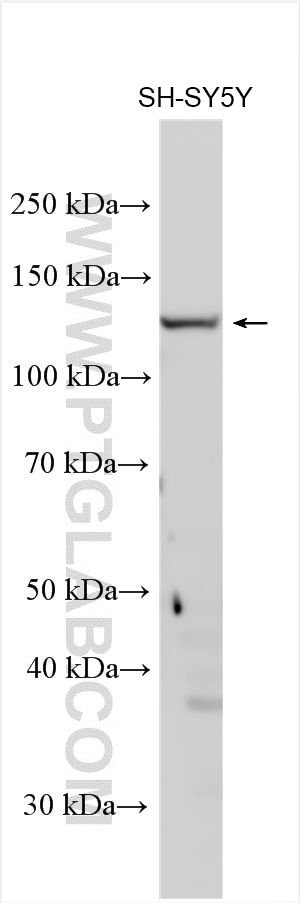
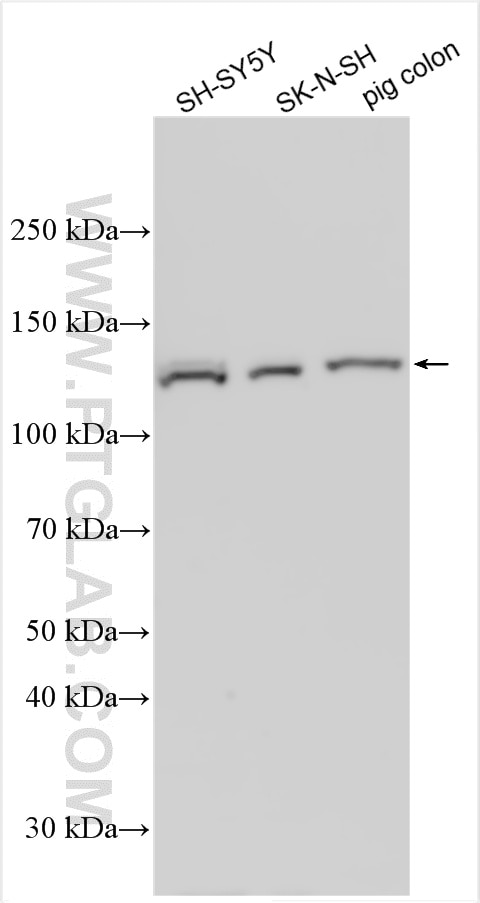
| Positive WB detected in | SH-SY5Y cells, SK-N-SH cells, pig colon tissue |
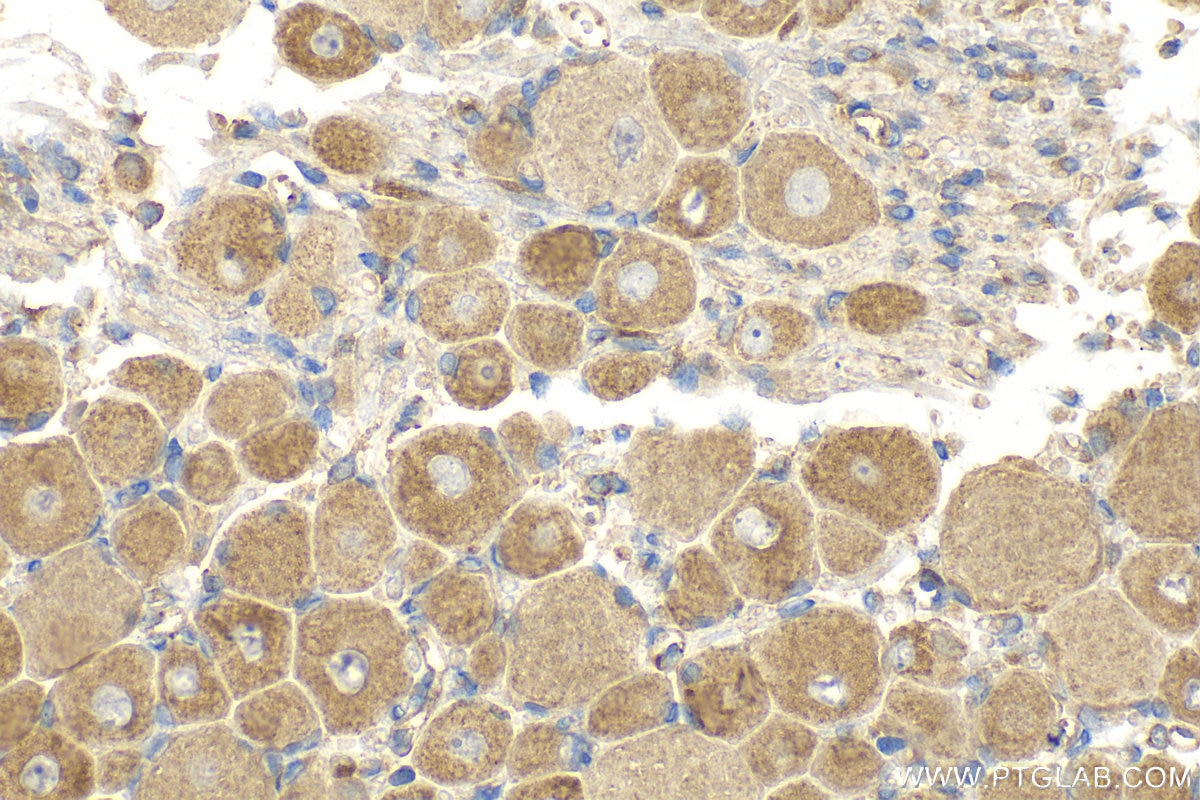
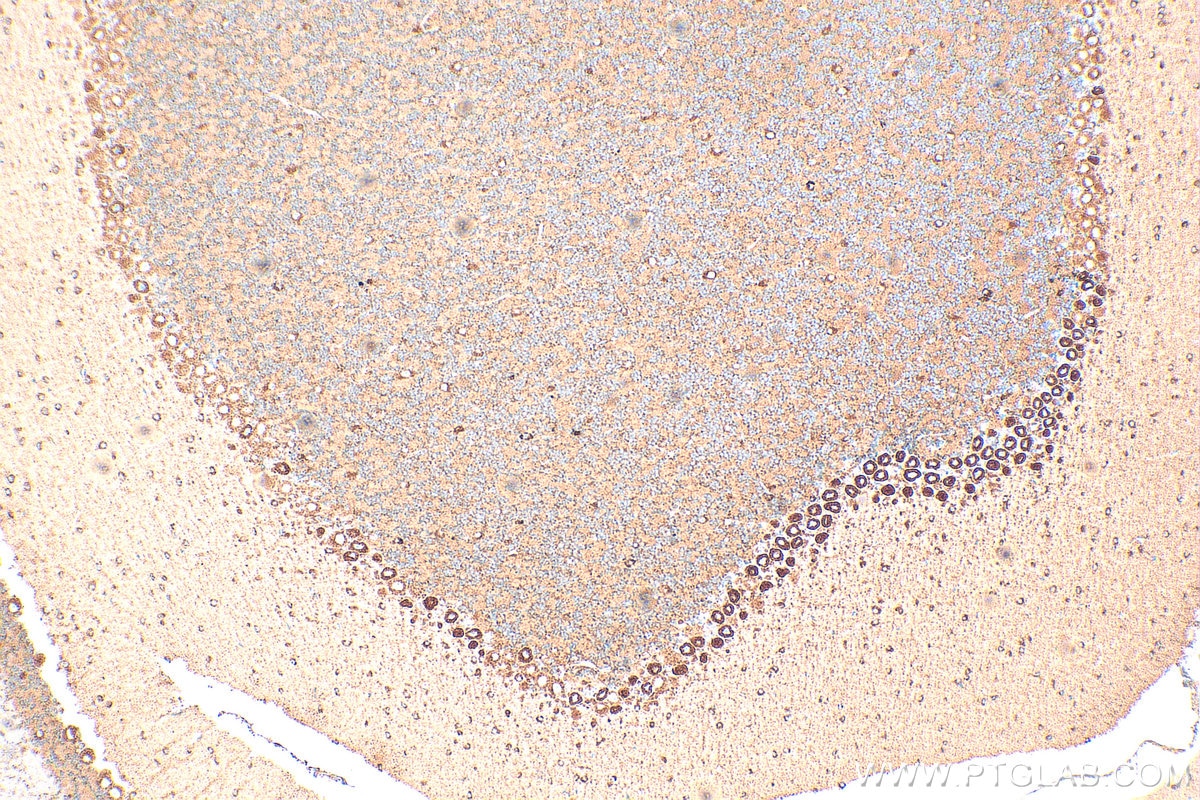
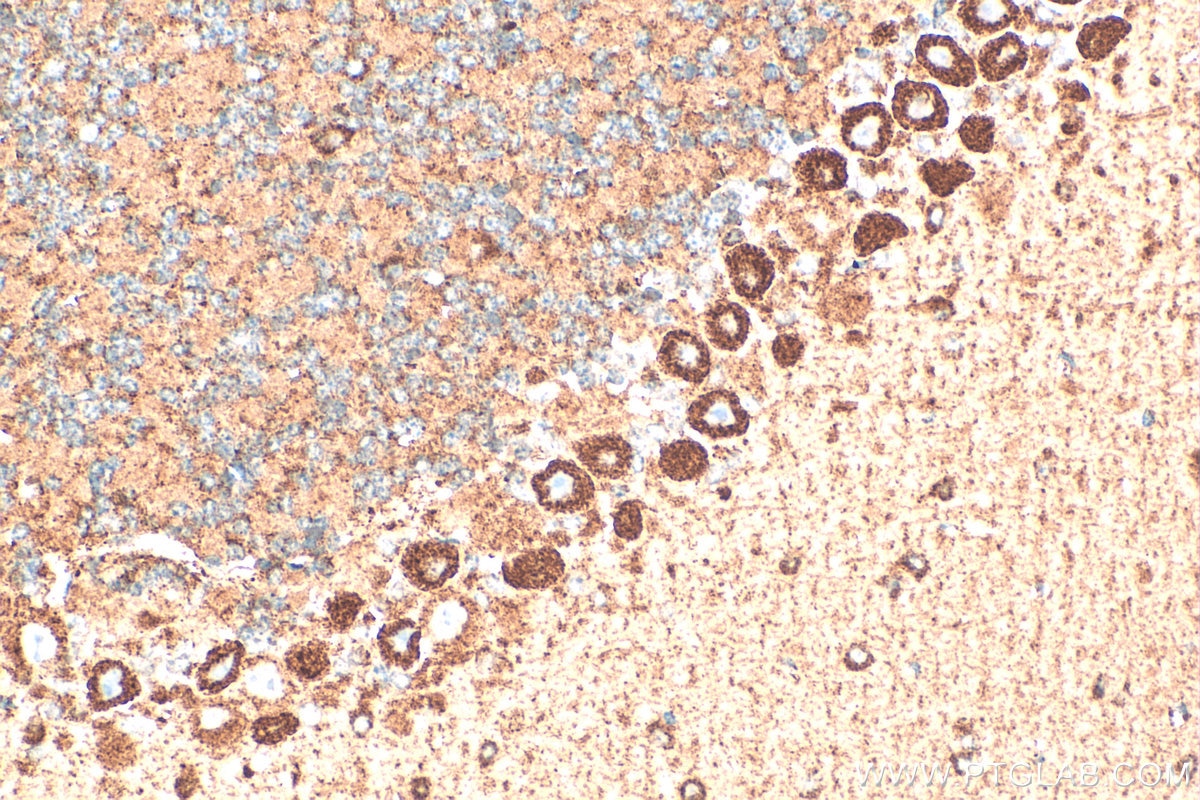
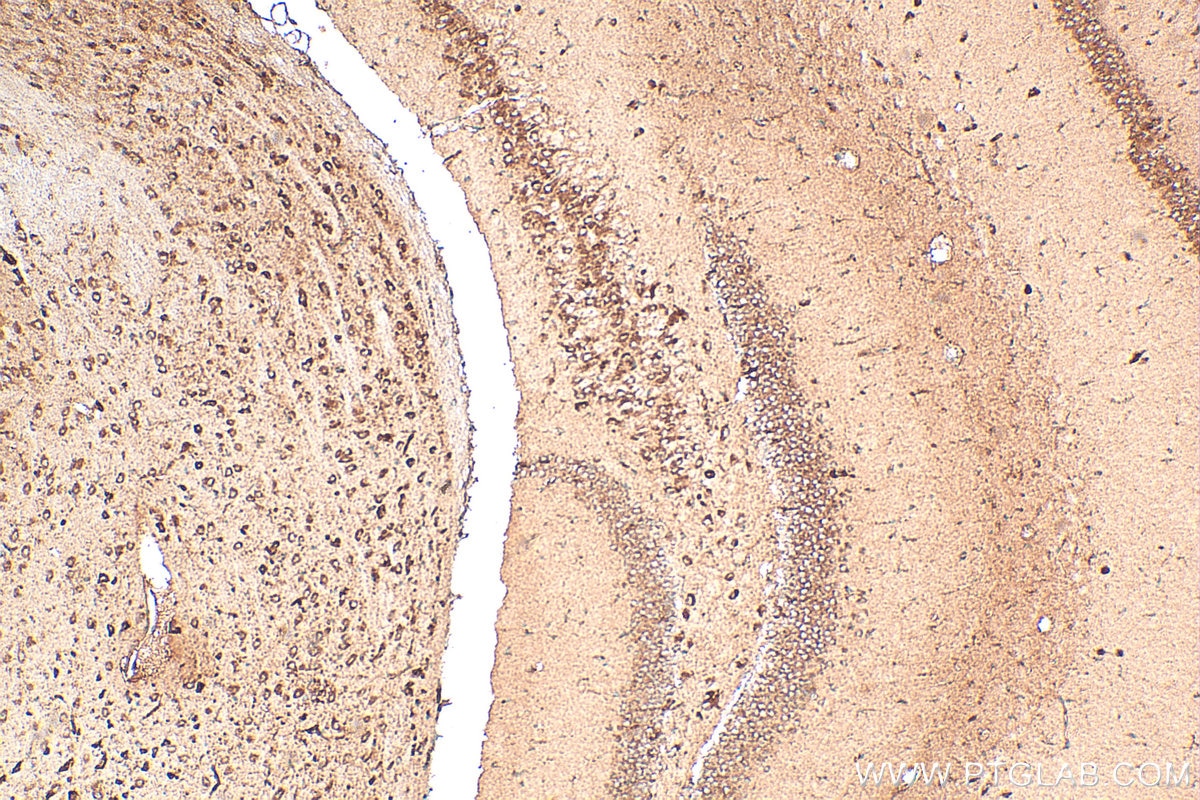
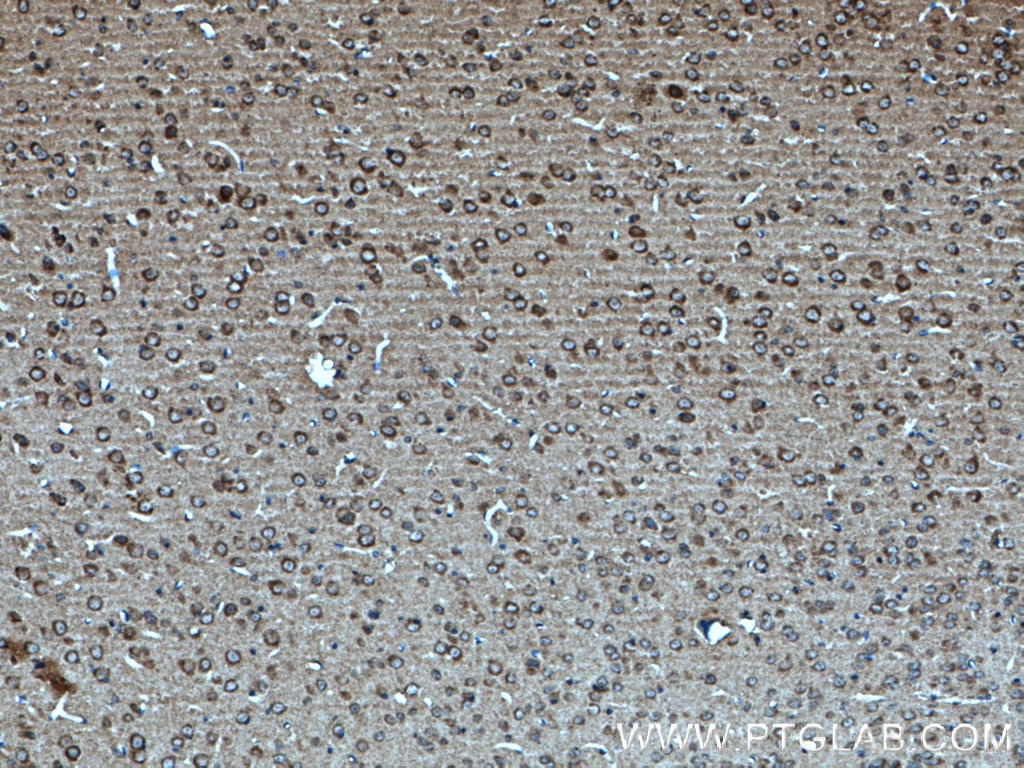
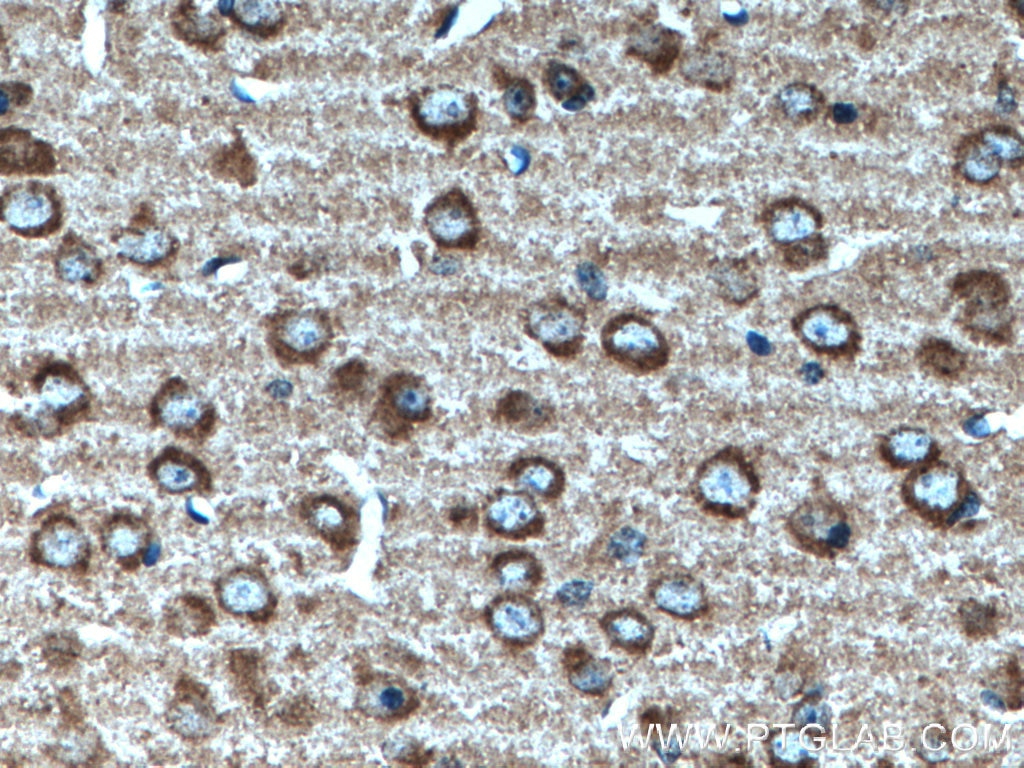
| Positive IHC detected in | mouse cerebellum tissue, mouse brain tissue, rat dorsal root ganglion tissue Note: suggested antigen retrieval with TE buffer pH 9.0; (*) Alternatively, antigen retrieval may be performed with citrate buffer pH 6.0 |
Recommended dilution
| Application | Dilution |
|---|---|
| Western Blot (WB) | WB : 1:1000-1:4000 |
| Immunohistochemistry (IHC) | IHC : 1:250-1:1000 |
| It is recommended that this reagent should be titrated in each testing system to obtain optimal results. | |
| Sample-dependent, Check data in validation data gallery. | |
Product Information
19124-1-AP targets TRPA1 in WB, IHC, IF, ELISA applications and shows reactivity with human, mouse, rat, pig samples.
| Tested Reactivity | human, mouse, rat, pig |
| Cited Reactivity | human, mouse, rat |
| Host / Isotype | Rabbit / IgG |
| Class | Polyclonal |
| Type | Antibody |
| Immunogen |
Peptide Predict reactive species |
| Full Name | transient receptor potential cation channel, subfamily A, member 1 |
| Calculated Molecular Weight | 127 kDa |
| Observed Molecular Weight | 120-130 kDa |
| GenBank Accession Number | NM_007332 |
| Gene Symbol | TRPA1 |
| Gene ID (NCBI) | 8989 |
| RRID | AB_10642143 |
| Conjugate | Unconjugated |
| Form | Liquid |
| Purification Method | Antigen affinity purification |
| UNIPROT ID | O75762 |
| Storage Buffer | PBS with 0.02% sodium azide and 50% glycerol, pH 7.3. |
| Storage Conditions | Store at -20°C. Stable for one year after shipment. Aliquoting is unnecessary for -20oC storage. 20ul sizes contain 0.1% BSA. |
Background Information
TRPA1, also named as ANKTM1, belongs to the transient receptor family. TRPA1 is a receptor-activated non-selective cation channel involved in detection of pain and possibly also in cold perception and inner ear function. TRPA1 has a central role in the pain response to endogenous inflammatory mediators and to a diverse array of volatile irritants, such as mustard oil, garlic and acrolein, an irritant from tears gas and vehicule exhaust fumes. It acts also as a ionotropic cannabinoid receptor by being activated by delta(9)-tetrahydrocannabinol (THC), the psychoactive component of marijuana. It may be a component for the mechanosensitive transduction channel of hair cells in inner ear, thereby participating in the perception of sounds.
Protocols
| Product Specific Protocols | |
|---|---|
| IHC protocol for TRPA1 antibody 19124-1-AP | Download protocol |
| WB protocol for TRPA1 antibody 19124-1-AP | Download protocol |
| Standard Protocols | |
|---|---|
| Click here to view our Standard Protocols |
Publications
What published studies show
I'll look up the citations for TRPA1 Polyclonal antibody 19124-1-AP.The TRPA1 Polyclonal antibody (catalog 19124-1-AP) has 46 citations total.
Journals: These include Nature Aging, Nature Communications, Journal of Advanced Research, Metabolism, Advanced Science, Journal of Controlled Release, Cell Death & Disease, Phytomedicine, Burns & Trauma, British Journal of Pharmacology, Journal of Ethnopharmacology, Biomedicine & Pharmacotherapy, Environmental Pollution, Journal of Neurochemistry, Frontiers in Pharmacology, Neuroscience, Acta Neuropathologica Communications, and many others.
Research fields: Pain and nociception, osteoarthritis and rheumatoid arthritis, respiratory health (asthma, cough, lung injury), neuropathic and inflammatory pain pathways, gut motility and constipation, cancer (bone pain, breast cancer), skin conditions (psoriasis, pigmentation, dermatitis), and TRP channel (TRPA1/TRPV1) functional studies.
Applications span WB, IHC, IF, and ELISA across human, mouse, and rat tissues.
| Species | Application | Title |
|---|---|---|
Nat Aging Cold temperature extends longevity and prevents disease-related protein aggregation through PA28γ-induced proteasomes | ||
Nat Commun Engineering technology of implantable galvanic cells for silencing the bone-neural axis in gouty arthritis therapy. | ||
J Adv Res Transforming destructive mechanical cues into therapeutic power: Activation of PIEZO1 and TRPV4 counteracts mechano-induced damage of cellular junctions in Hailey-Hailey disease. | ||
Metabolism IFT80 and TRPA1 cooperatively regulate bone formation by calcium signaling in response to mechanical stimuli | ||
Adv Sci (Weinh) Neural Circuits between Nodose Ganglion and Pulmonary Neuroendocrine Cells Regulate Lung Inflammatory Responses. | ||
J Control Release A dual receptors-targeting and size-switchable "cluster bomb" co-loading chemotherapeutic and transient receptor potential ankyrin 1 (TRPA-1) inhibitor for treatment of triple negative breast cancer. |

