
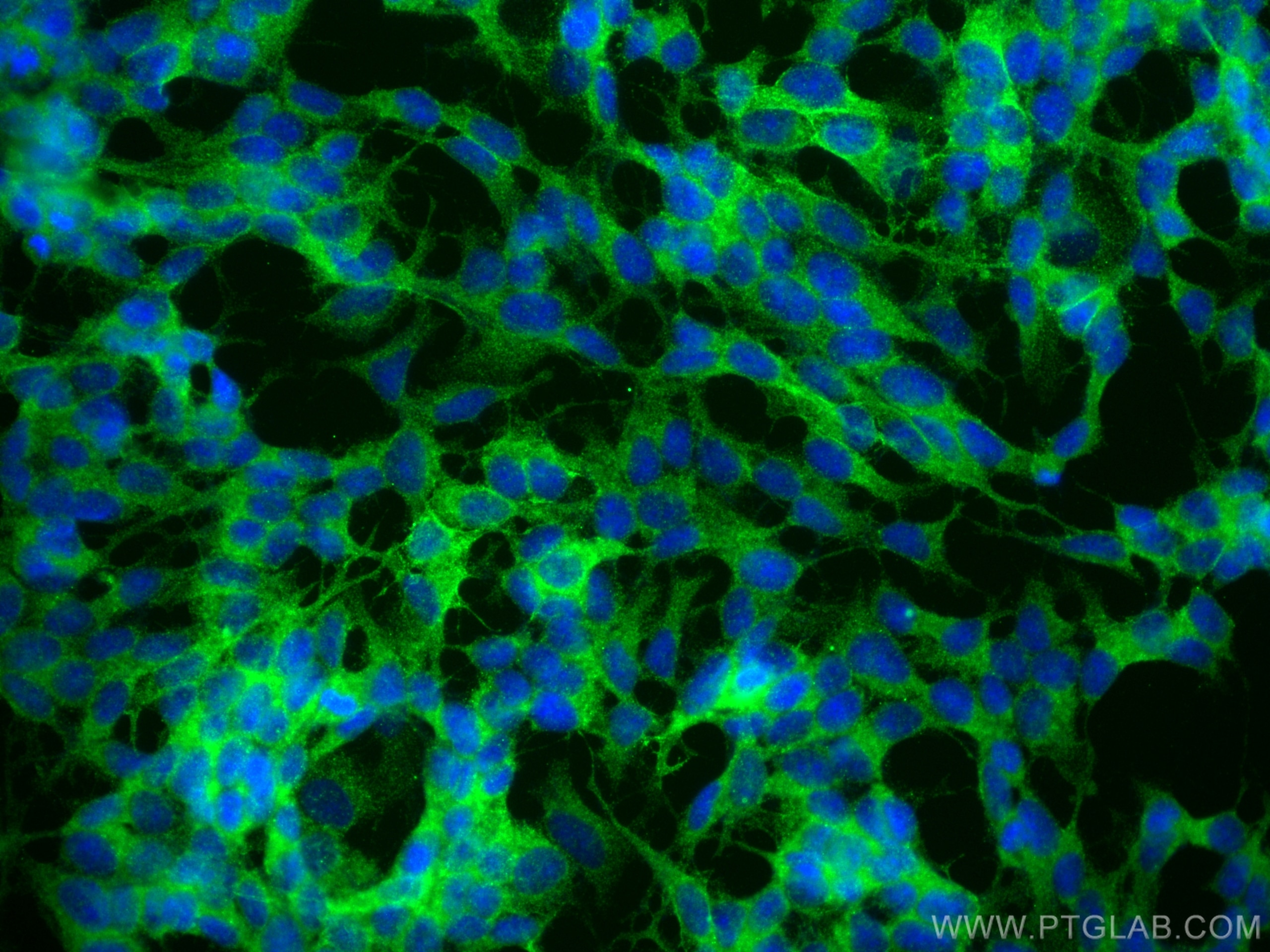

Tested Applications
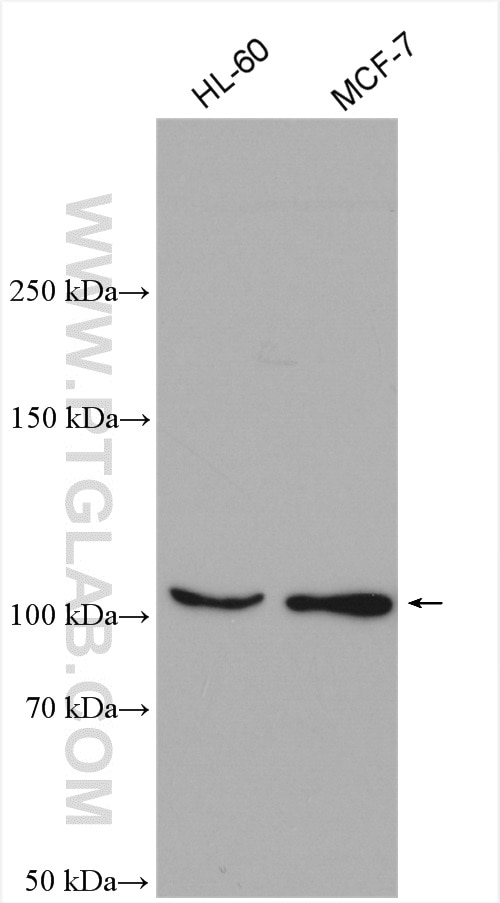
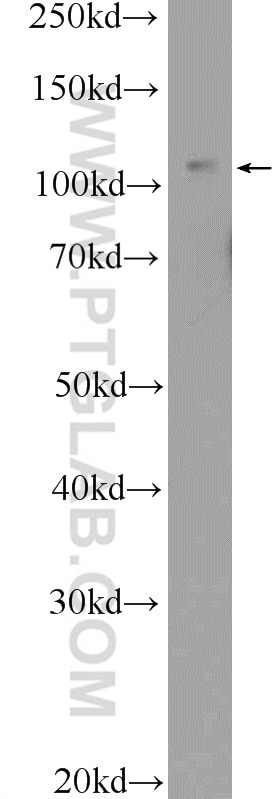
| Positive WB detected in | HL-60 cells, MCF-7 cells |
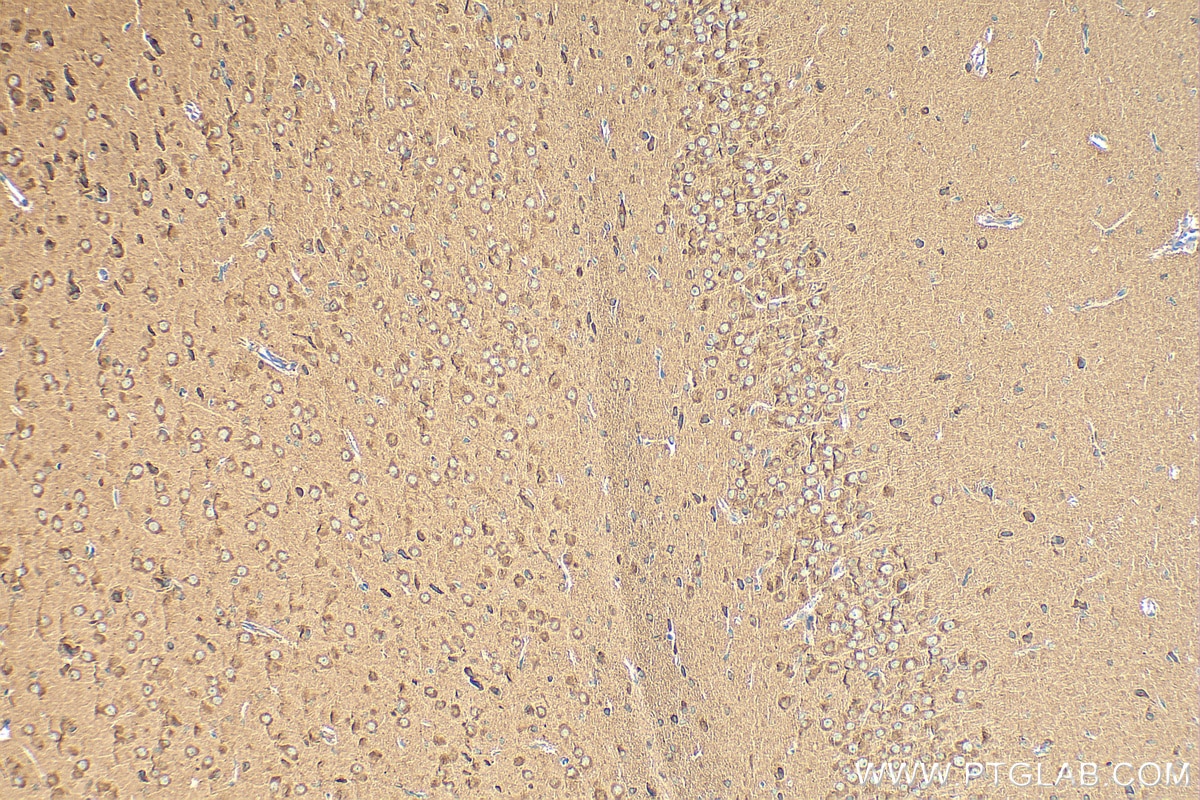
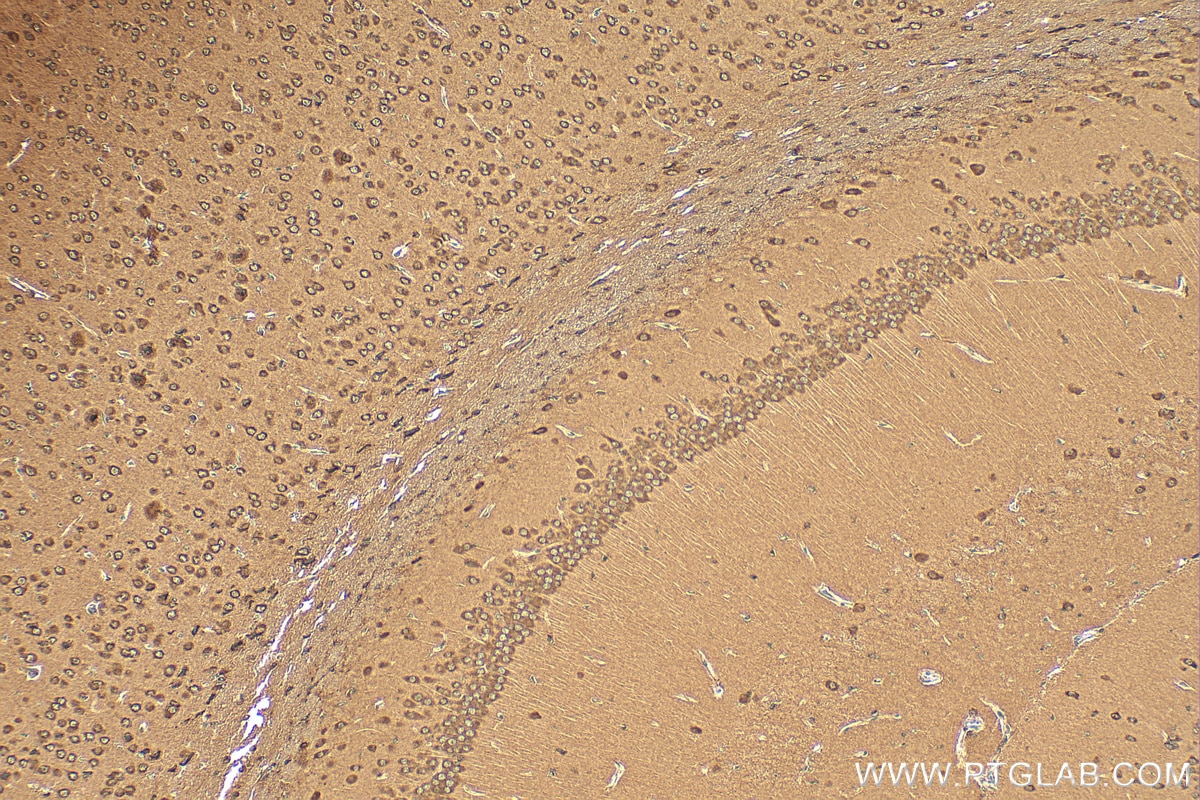
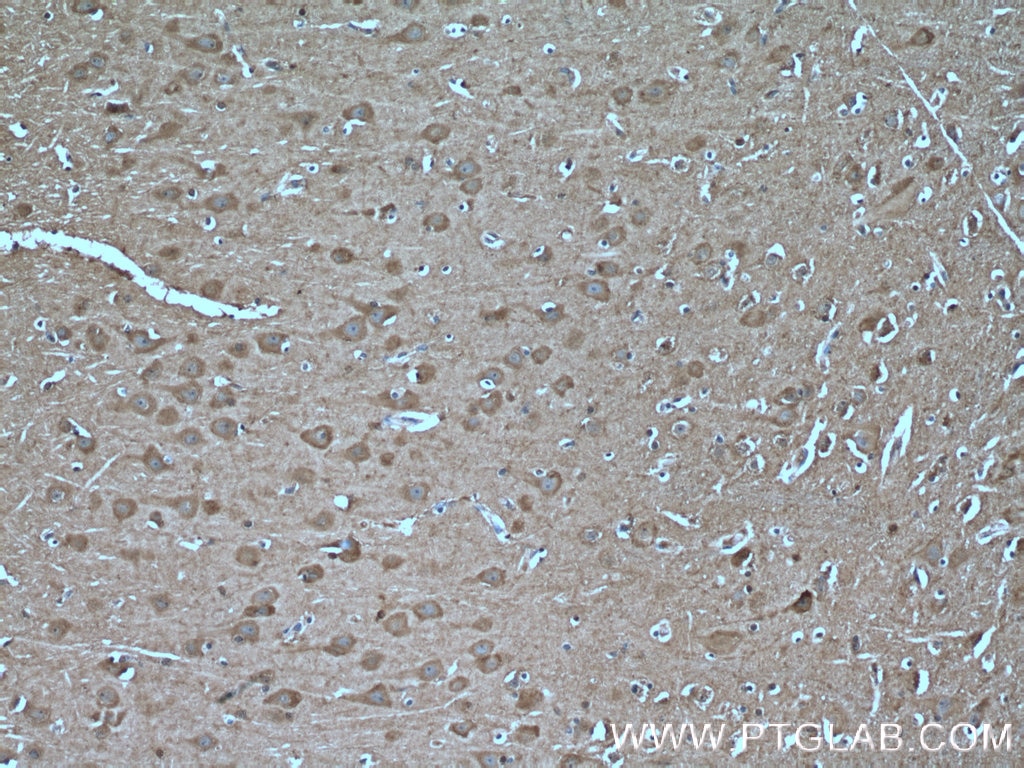
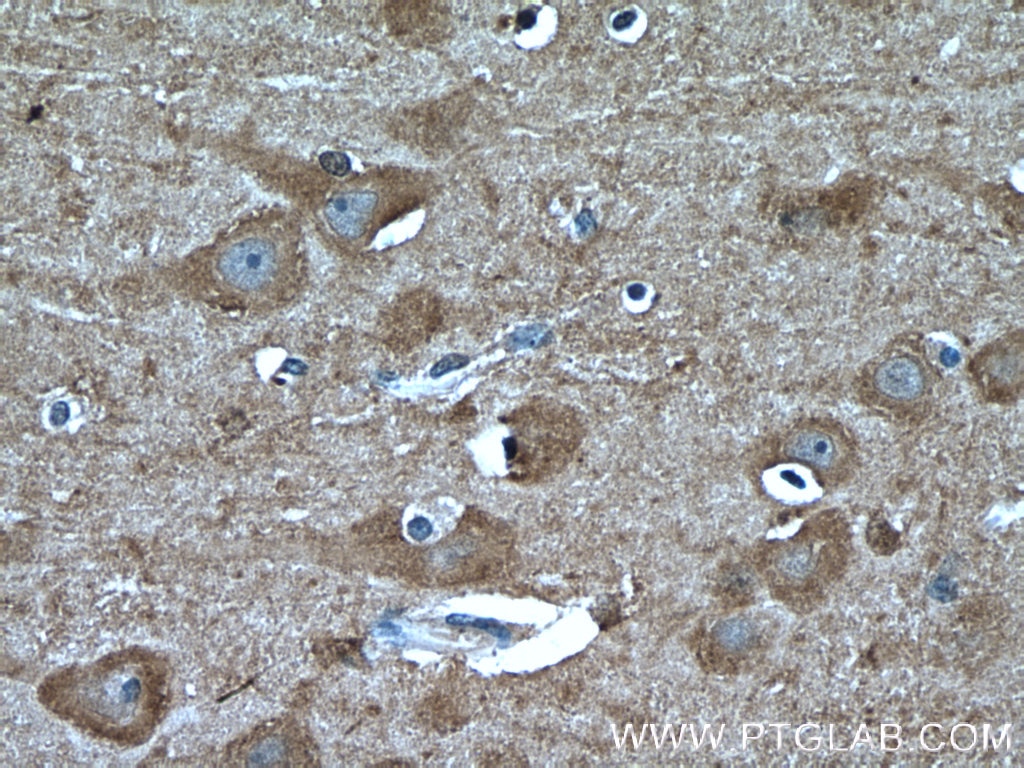
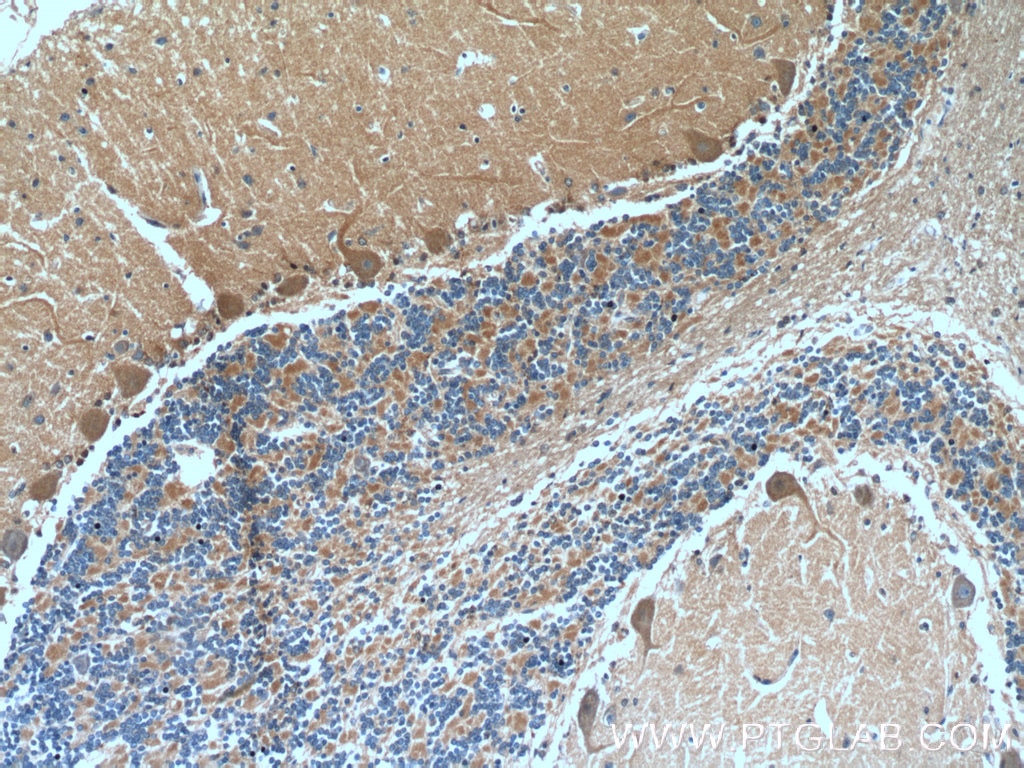
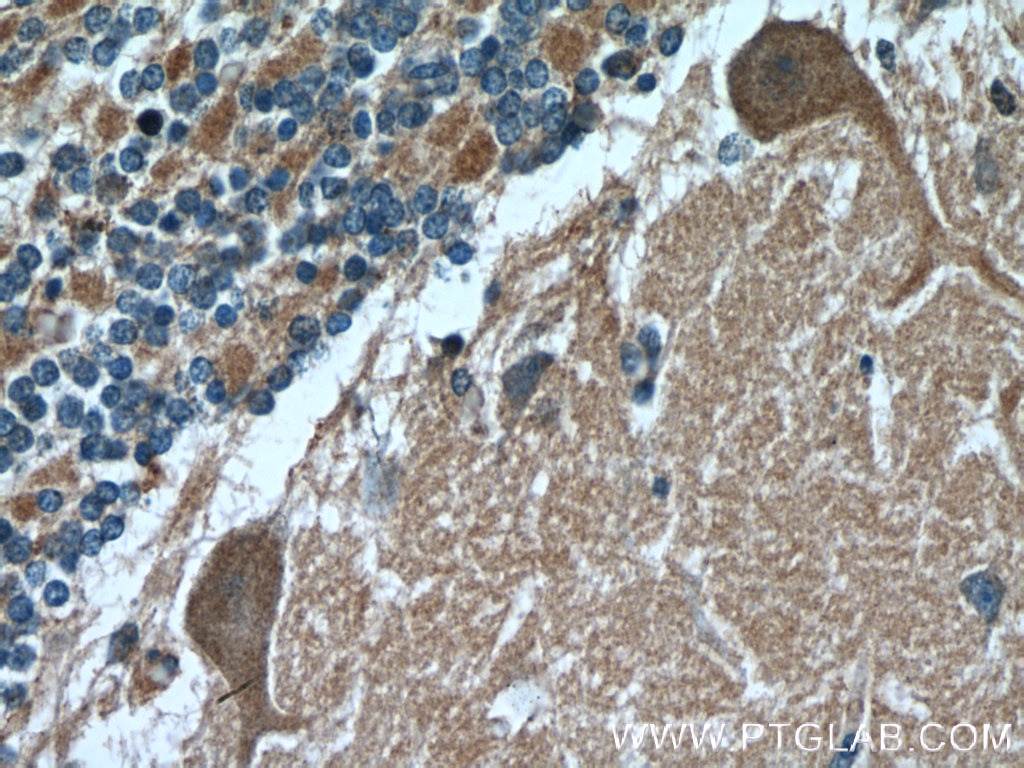
| Positive IHC detected in | human brain tissue, human cerebellum tissue, mouse brain tissue, rat brain tissue Note: suggested antigen retrieval with TE buffer pH 9.0; (*) Alternatively, antigen retrieval may be performed with citrate buffer pH 6.0 |
| Positive IF/ICC detected in | SH-SY5Y cells |
Recommended dilution
| Application | Dilution |
|---|---|
| Western Blot (WB) | WB : 1:1000-1:4000 |
| Immunohistochemistry (IHC) | IHC : 1:50-1:500 |
| Immunofluorescence (IF)/ICC | IF/ICC : 1:50-1:500 |
| It is recommended that this reagent should be titrated in each testing system to obtain optimal results. | |
| Sample-dependent, Check data in validation data gallery. | |
Product Information
25890-1-AP targets TRPC5 in WB, IHC, IF/ICC, ELISA applications and shows reactivity with human, mouse, rat samples.
| Tested Reactivity | human, mouse, rat |
| Cited Reactivity | human, mouse, rat, rabbit |
| Host / Isotype | Rabbit / IgG |
| Class | Polyclonal |
| Type | Antibody |
| Immunogen |
CatNo: Ag23171 Product name: Recombinant human TRPC5 protein Source: e coli.-derived, PGEX-4T Tag: GST Domain: 756-973 aa of BC137271 Sequence: EVLDLLGNRKHPRSFSTSSTELSQRDDNNDGSGGARAKSKSVSFNLGCKKKTCHGPPLIRTMPRSSGAQGKSKAESSSKRSFMGPSLKKLGLLFSKFNGHMSEPSSEPMYTISDGIVQQHCMWQDIRYSQMEKGKAEACSQSEINLSEVELGEVQGAAQSSECPLACSSSLHCASSICSSNSKLLDSSEDVFETWGEACDLLMHKWGDGQEEQVTTRL Predict reactive species |
| Full Name | transient receptor potential cation channel, subfamily C, member 5 |
| Calculated Molecular Weight | 111 kDa |
| Observed Molecular Weight | 105 kDa |
| GenBank Accession Number | BC137271 |
| Gene Symbol | TRPC5 |
| Gene ID (NCBI) | 7224 |
| RRID | AB_2880285 |
| Conjugate | Unconjugated |
| Form | Liquid |
| Purification Method | Antigen affinity purification |
| UNIPROT ID | Q9UL62 |
| Storage Buffer | PBS with 0.02% sodium azide and 50% glycerol, pH 7.3. |
| Storage Conditions | Store at -20°C. Stable for one year after shipment. Aliquoting is unnecessary for -20oC storage. 20ul sizes contain 0.1% BSA. |
Background Information
Short transient receptor potential channel 5(TRPC5), which belongs to TRPC5 sub-subfamily of transient receptor (TC 1.A.4) family, thought to form a receptor-activated non-selective calcium permeant cation channel, and probably is operated by a phosphatidylinositol second messenger system activated by receptor tyrosine kinases or G-protein coupled receptors. TRPC5 has also been shown to be calcium-selective and may also be activated by intracellular calcium store depletion.
Publications
What published studies show
The TRPC5 Polyclonal antibody (Cat# 25890-1-AP) has 16 citations. These appear in journals including Drug Resistance Updates, Advanced Science, Cancer Letters, International Journal of Biological Sciences, Journal of Neuroinflammation, Acta Pharmacologica Sinica, Fundamental Research, Biochemical Pharmacology, Communications Biology, Protein Science, Hypertension Research, Biochimica et Biophysica Acta, Journal of Molecular and Cellular Cardiology, Kidney360, Biochemical and Biophysical Research Communications, and eLife. Research fields span cancer metastasis, neuroinflammation, cardiovascular/vascular contraction, ion channel pharmacology, cardiomyopathy, kidney function, and glucose metabolism.
| Species | Application | Title |
|---|---|---|
Drug Resist Updat RGS5+ lymphatic endothelial cells facilitate metastasis and acquired drug resistance of breast cancer through oxidative stress-sensing mechanism | ||
Adv Sci (Weinh) Morphine Tolerance Gated through EZH2-Mediated Suppression of Trpc5 in Spinal GABAergic Interneurons in Male Mice. | ||
Cancer Lett TRPC3 promotes tumorigenesis of gastric cancer via the CNB2/GSK3β/NFATc2 signaling pathway. | ||
Int J Biol Sci Pharmacological manipulation of TRPC5 by kaempferol attenuates metastasis of gastrointestinal cancer via inhibiting calcium involved in the formation of filopodia | ||
J Neuroinflammation Upregulation of TRPC5 in hippocampal excitatory synapses improves memory impairment associated with neuroinflammation in microglia knockout IL-10 mice. | ||
Acta Pharmacol Sin Endothelial cell Orai1 is essential for endothelium-dependent contraction of mouse carotid arteries in normotensive and hypertensive mice |

