


Tested Applications
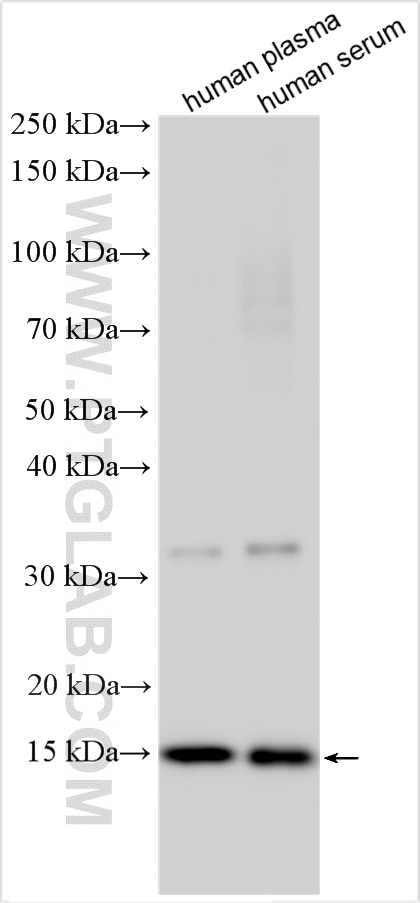
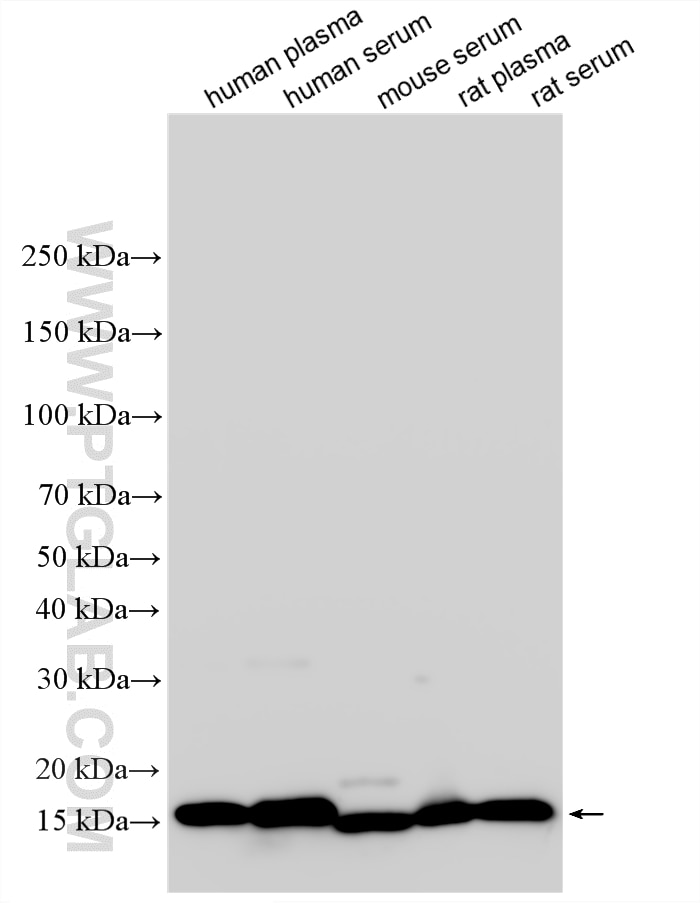
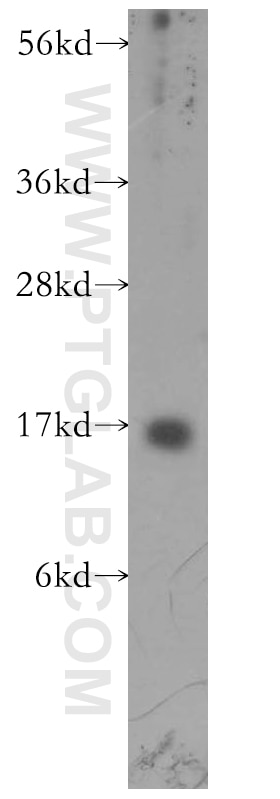
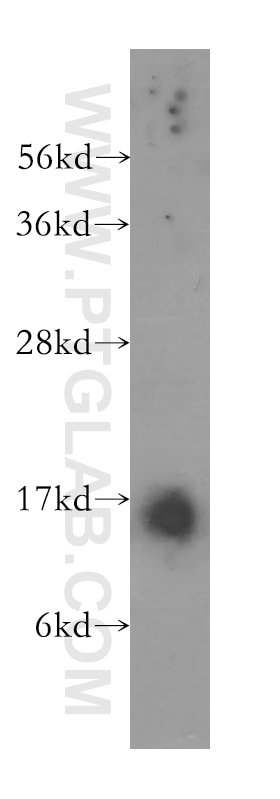
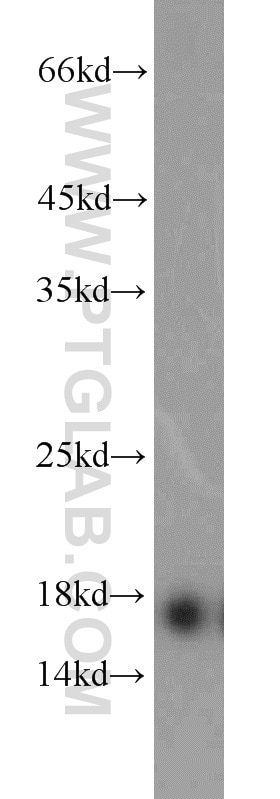
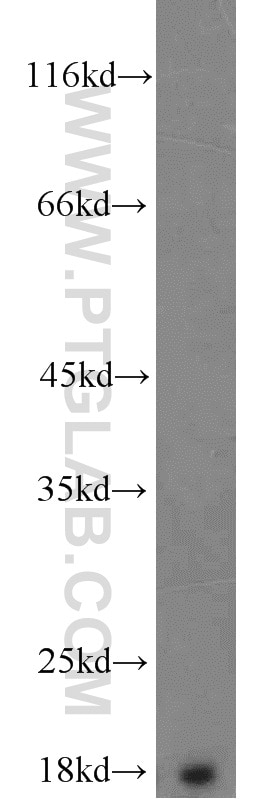
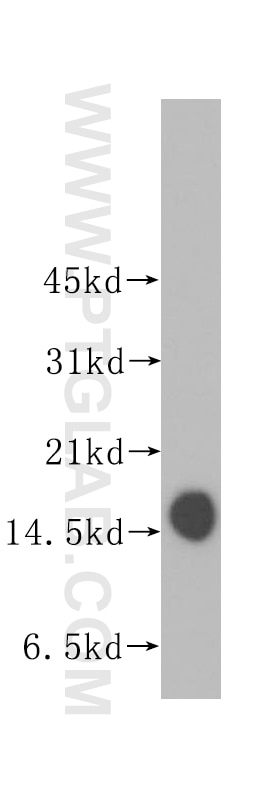
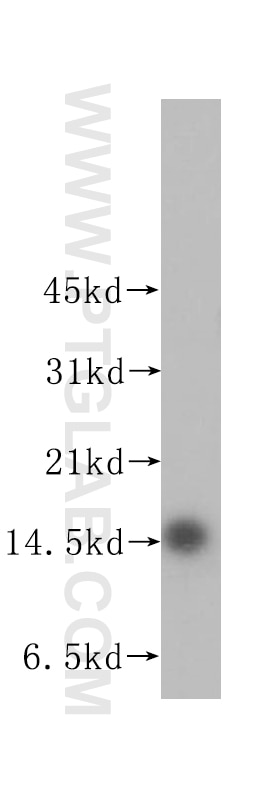
| Positive WB detected in | human plasma, HEK-293 cells, human brain tissue, human heart tissue, human liver tissue, human spleen tissue, human serum, mouse serum, rat plasma, rat serum |
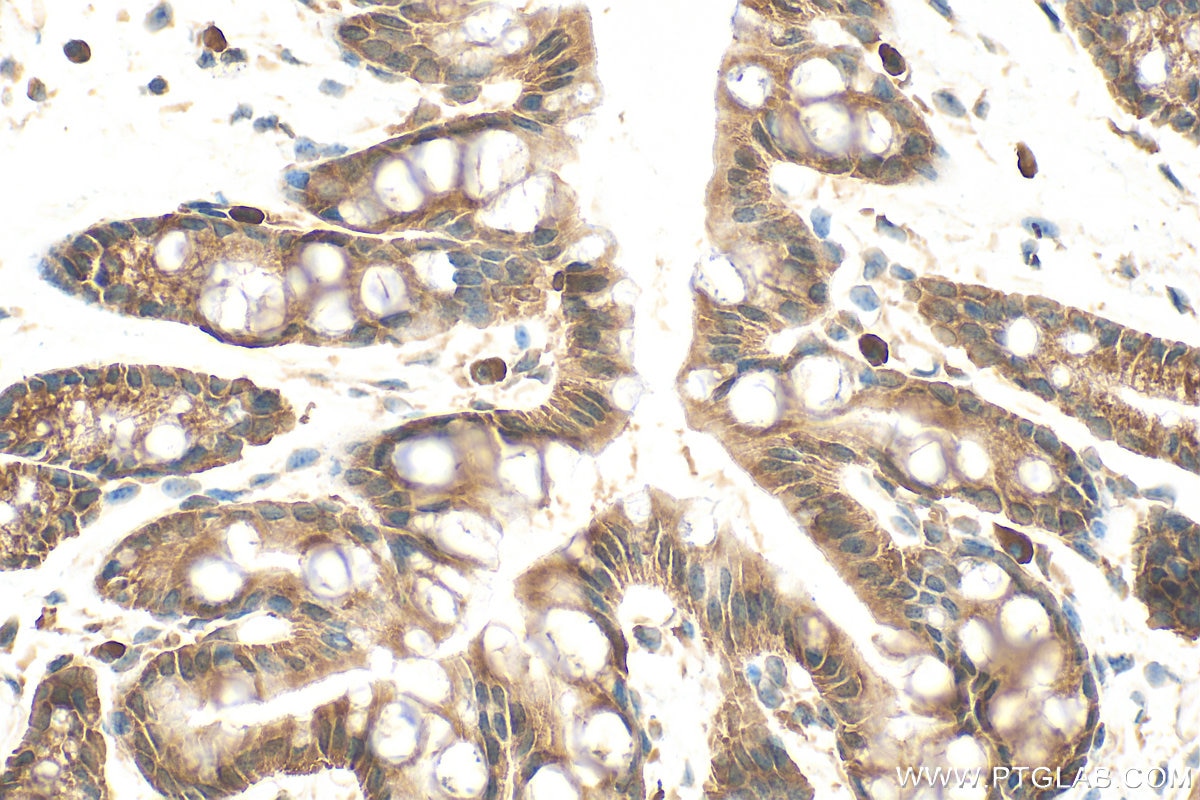
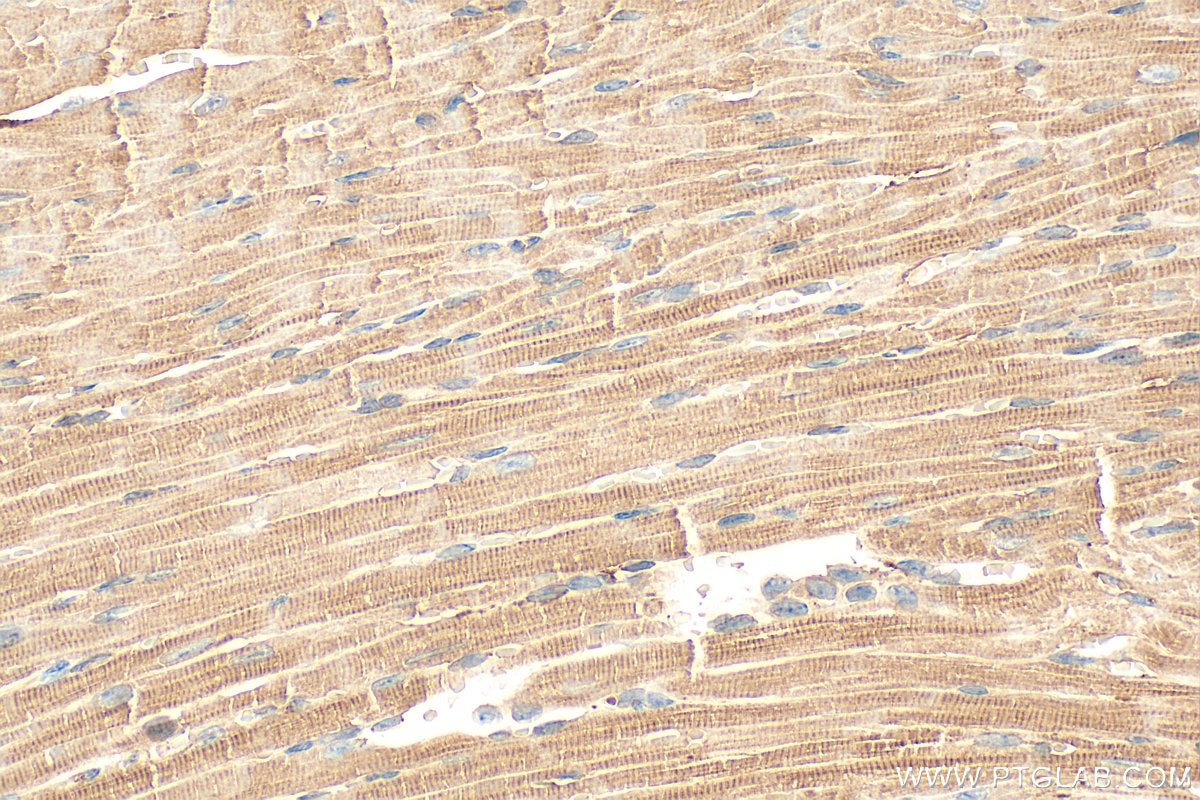
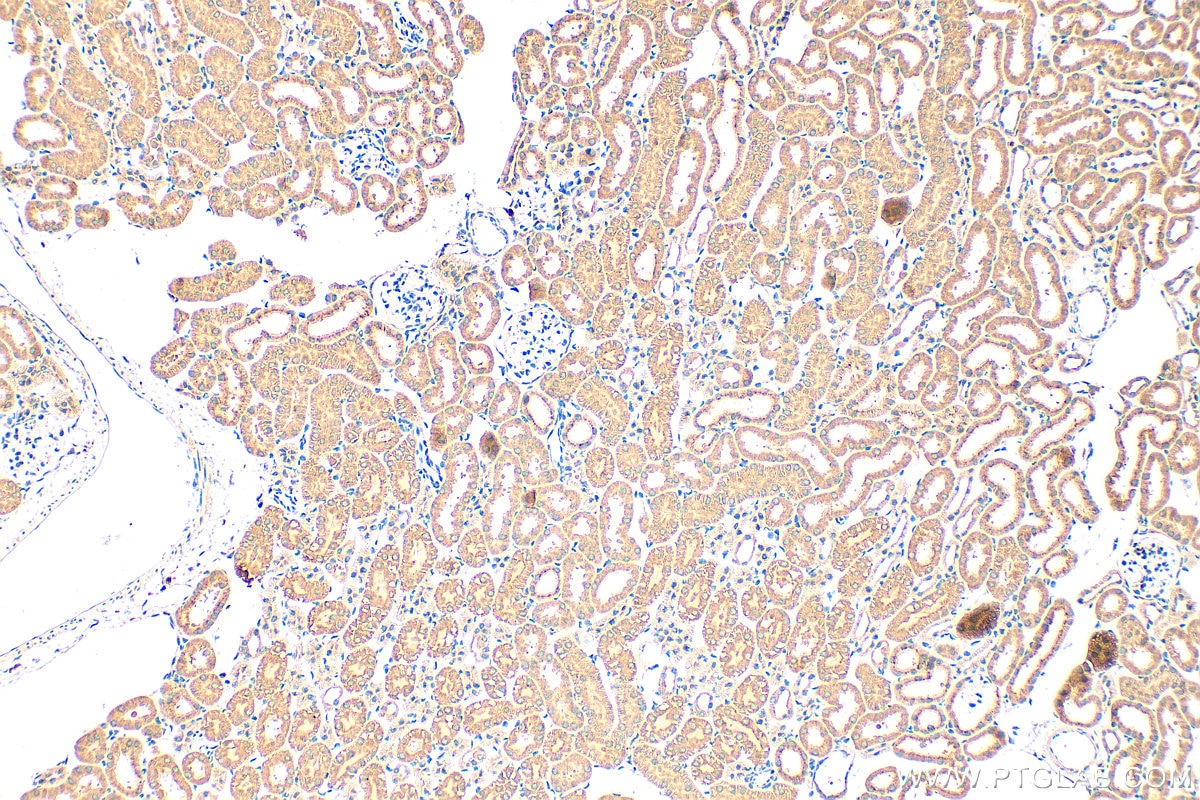
| Positive IHC detected in | mouse colon tissue, mouse heart tissue, mouse kidney tissue Note: suggested antigen retrieval with TE buffer pH 9.0; (*) Alternatively, antigen retrieval may be performed with citrate buffer pH 6.0 |
| Positive IF-P detected in | mouse brain tissue |
Recommended dilution
| Application | Dilution |
|---|---|
| Western Blot (WB) | WB : 1:20000-1:100000 |
| Immunohistochemistry (IHC) | IHC : 1:200-1:800 |
| Immunofluorescence (IF)-P | IF-P : 1:50-1:500 |
| It is recommended that this reagent should be titrated in each testing system to obtain optimal results. | |
| Sample-dependent, Check data in validation data gallery. | |
Product Information
11891-1-AP targets Prealbumin/transthyretin in WB, IHC, IF-P, ELISA applications and shows reactivity with human, mouse, rat samples.
| Tested Reactivity | human, mouse, rat |
| Cited Reactivity | human, mouse |
| Host / Isotype | Rabbit / IgG |
| Class | Polyclonal |
| Type | Antibody |
| Immunogen |
CatNo: Ag2499 Product name: Recombinant human TTR protein Source: e coli.-derived, PGEX-4T Tag: GST Domain: 1-147 aa of BC020791 Sequence: MASHRLLLLCLAGLVFVSEAGPTGTGESKCPLMVKVLDAVRGSPAINVAVHVFRKAADDTWEPFASGKTSESGELHGLTTEEEFVEGIYKVEIDTKSYWKALGISPFHEHAEVVFTANDSGPRRYTIAALLSPYSYSTTAVVTNPKE Predict reactive species |
| Full Name | transthyretin |
| Calculated Molecular Weight | 147 aa, 16 kDa |
| Observed Molecular Weight | 16 kDa |
| GenBank Accession Number | BC020791 |
| Gene Symbol | TTR |
| Gene ID (NCBI) | 7276 |
| RRID | AB_2212083 |
| Conjugate | Unconjugated |
| Form | Liquid |
| Purification Method | Antigen affinity purification |
| UNIPROT ID | P02766 |
| Storage Buffer | PBS with 0.02% sodium azide and 50% glycerol, pH 7.3. |
| Storage Conditions | Store at -20°C. Stable for one year after shipment. Aliquoting is unnecessary for -20oC storage. 20ul sizes contain 0.1% BSA. |
Background Information
Transthyretin (TTR) is a plasma transport protein for thyroxine and retinol, through the association with retinol-binding protein. It is a homotetrameric protein synthesized mainly in liver, choroid plexus, retinal pigment epithelium, and pancreas.Within the CNS, TTR is the only known protein synthesized solely by the choroid plexus. Mutant and wildtype TTR give rise to various forms of amyloid deposition (amyloidosis). Defects in TTR are the cause of amyloidosis transthyretin-related (AMYL-TTR),hyperthyroxinemia dystransthyretinemic euthyroidal (HTDE) and carpal tunnel syndrome type 1 (CTS1). In addition, positive immunostaining for TTR has been reported as a sensitive diagnostic marker of choroid plexus tumors. However Western blot analysis using specific rabbit anti-mouse TTR reveals that TTR is absent from the cortex, hippocampus, and cerebellum and present in the choroid plexus. (PMID: 22103483, 16698124)
Protocols
| Product Specific Protocols | |
|---|---|
| IF protocol for Prealbumin/transthyretin antibody 11891-1-AP | Download protocol |
| IHC protocol for Prealbumin/transthyretin antibody 11891-1-AP | Download protocol |
| WB protocol for Prealbumin/transthyretin antibody 11891-1-AP | Download protocol |
| Standard Protocols | |
|---|---|
| Click here to view our Standard Protocols |
Publications
What published studies show
Able is busy answering your previous question. Please try again later.
| Species | Application | Title |
|---|---|---|
Cell Stem Cell An inducible model of human post-implantation development derived from primed and naive stem cells | ||
Nat Protoc Generation and long-term culture of human cerebellar organoids from pluripotent stem cells | ||
Nat Commun Structures of dye-bound transthyretin amyloid fibrils from abdominal fat biopsies. | ||
Theranostics Growth hormone receptor disrupts glucose homeostasis via promoting and stabilizing retinol binding protein 4. | ||
Phytomedicine A novel regulatory mechanism of geniposide for improving glucose homeostasis mediated by circulating RBP4 |
Reviews
What customers say
Customers report positive results with this antibody across multiple applications. In immunohistochemistry on organoids at a 1:200 dilution, one user rated it 5 stars, noting it "works great." In immunofluorescence on mouse heart tissue sections at a 1:100 dilution, another user rated it 4 stars, highlighting clear staining with little background. Overall, reviewers find the antibody reliable, with strong performance and low background in tissue-based applications.
The reviews below have been submitted by verified Proteintech customers who received an incentive for providing their feedback.
Carla (Verified Customer) (06-16-2025) | Antibody works great
|
Kenzo (Verified Customer) (11-11-2023) | This antibody worked for mouse heart tissue sections with little background.
|


