


Tested Applications
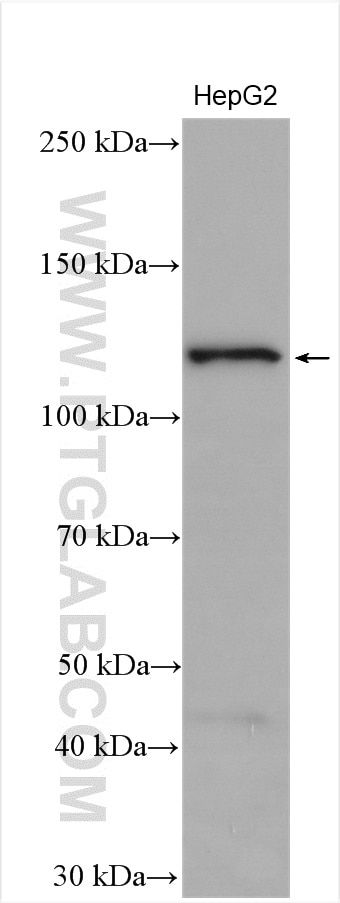
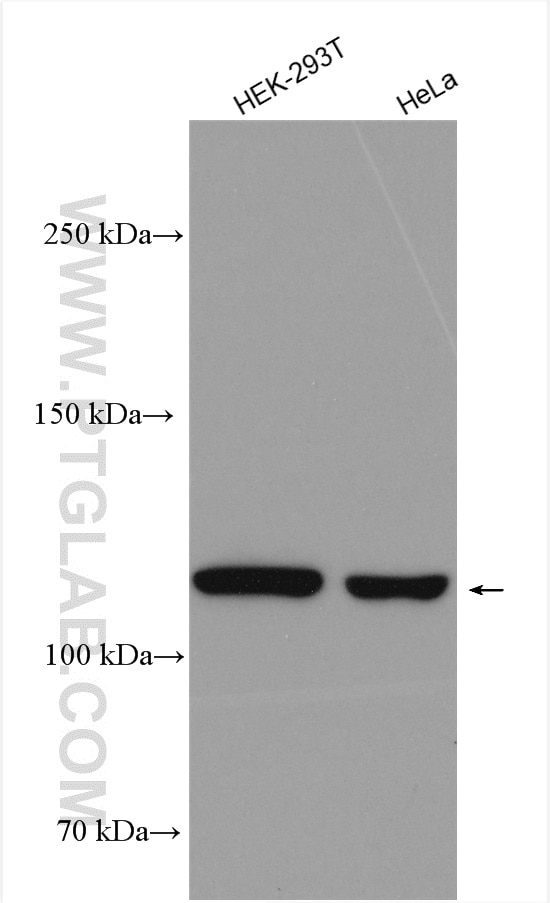
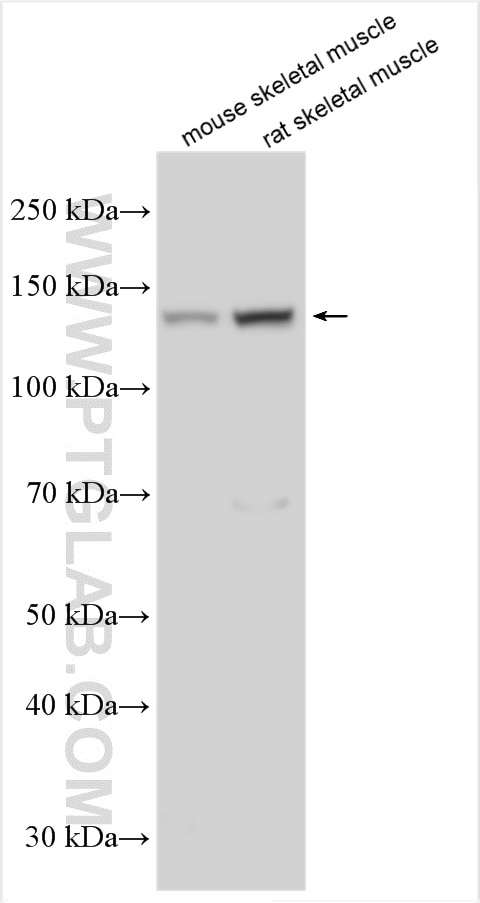
| Positive WB detected in | mouse skeletal muscle tissue, HepG2 cells, HEK-293T cells, rat skeletal muscle tissue, HeLa cells |
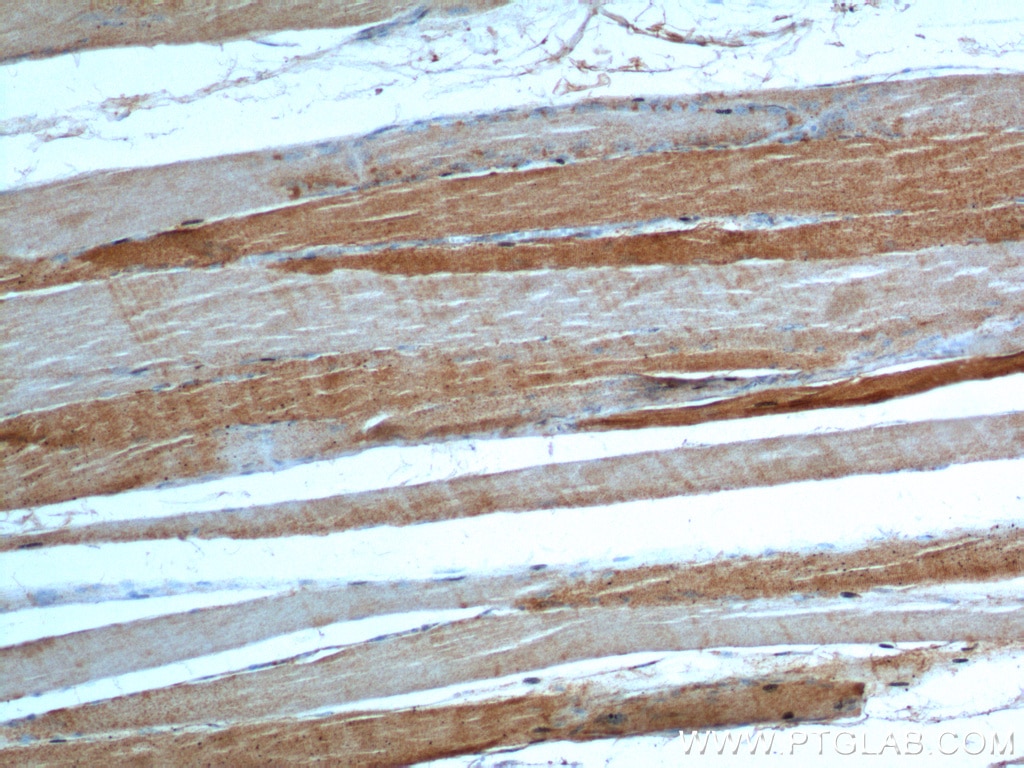
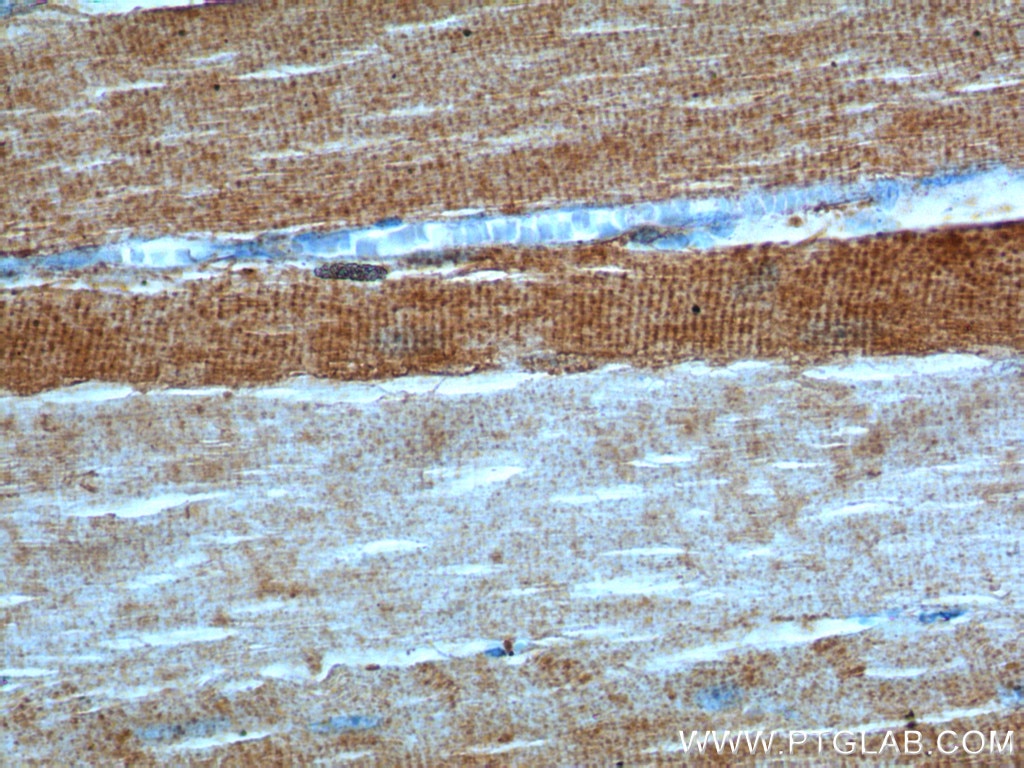
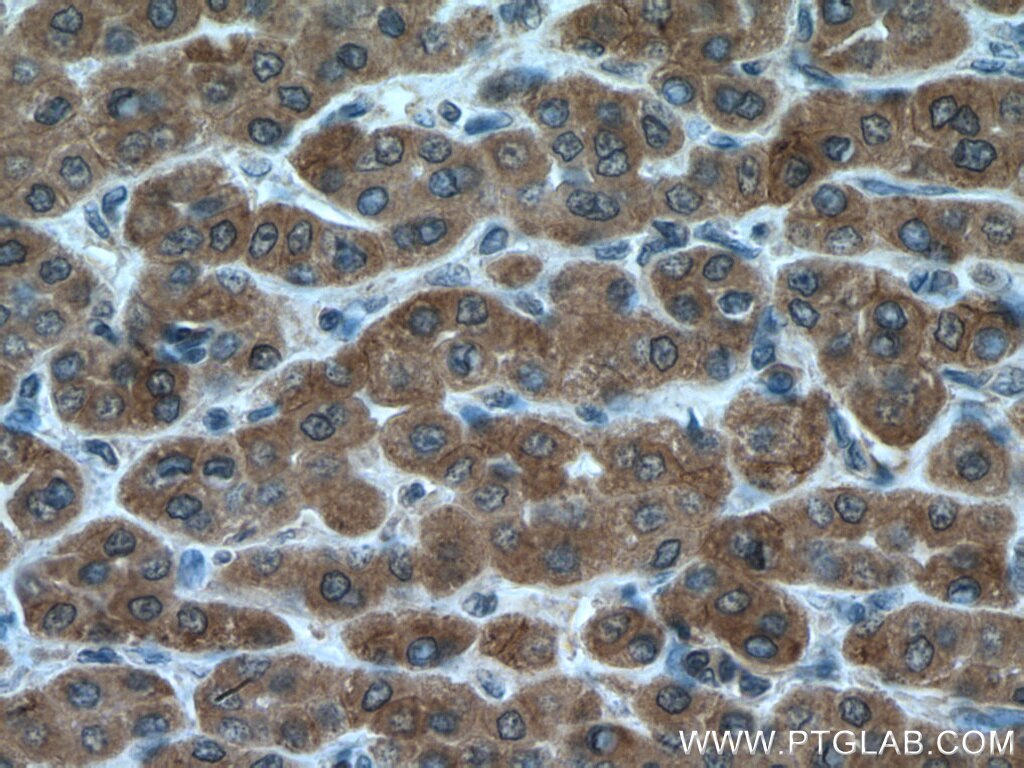
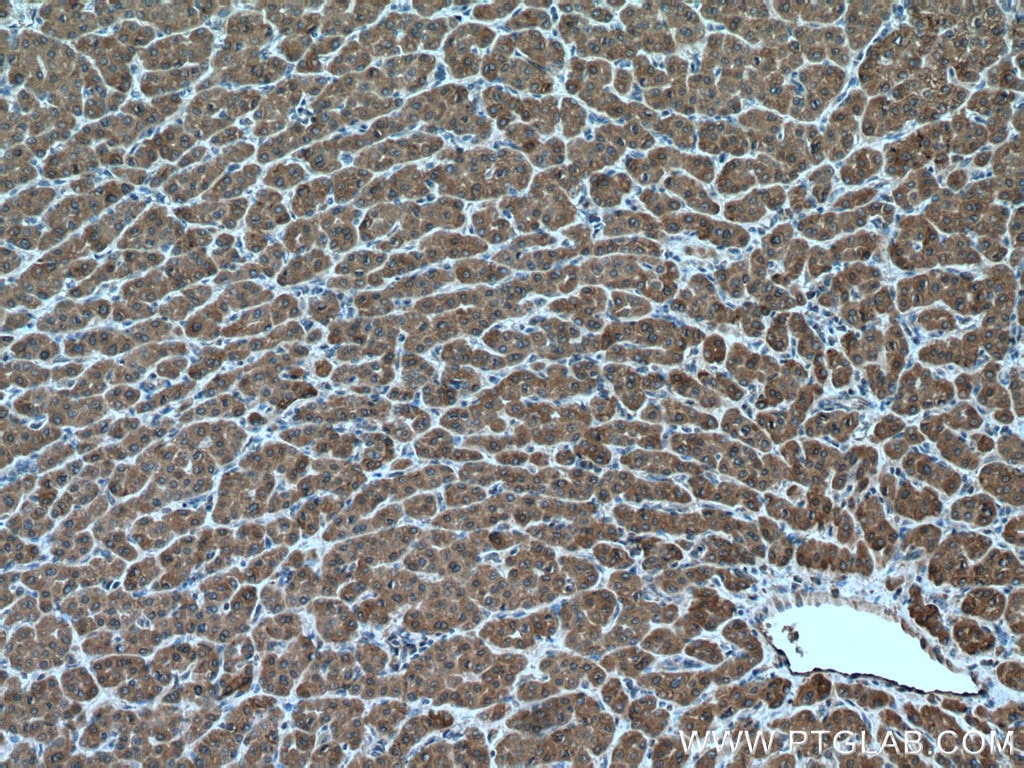
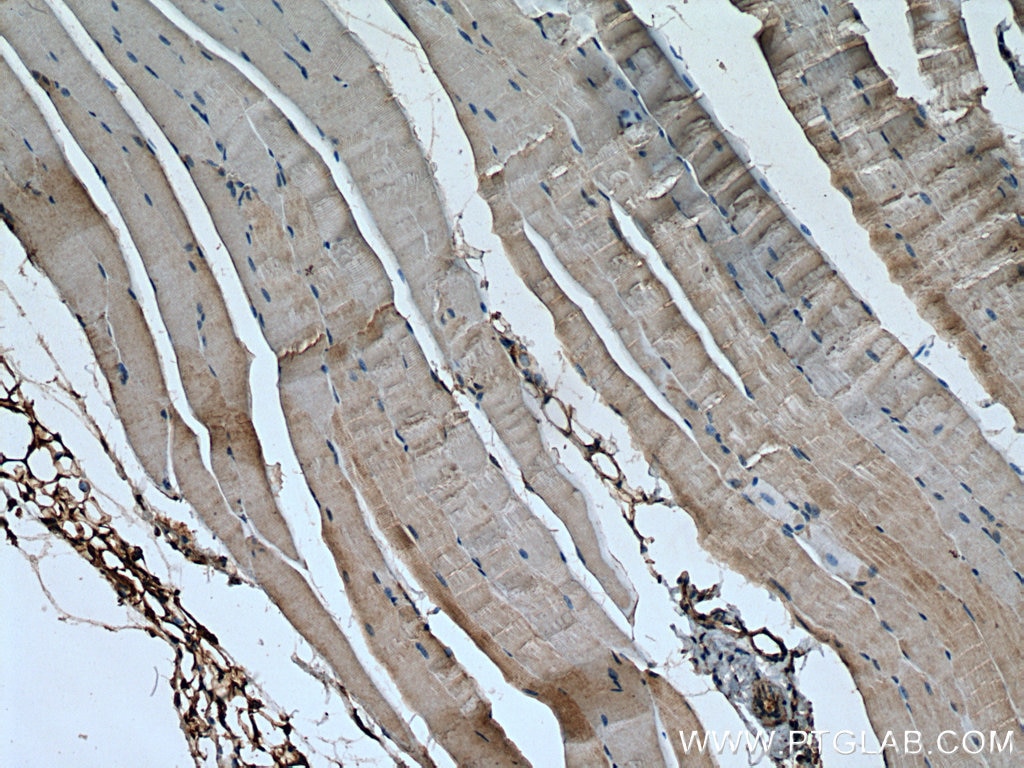
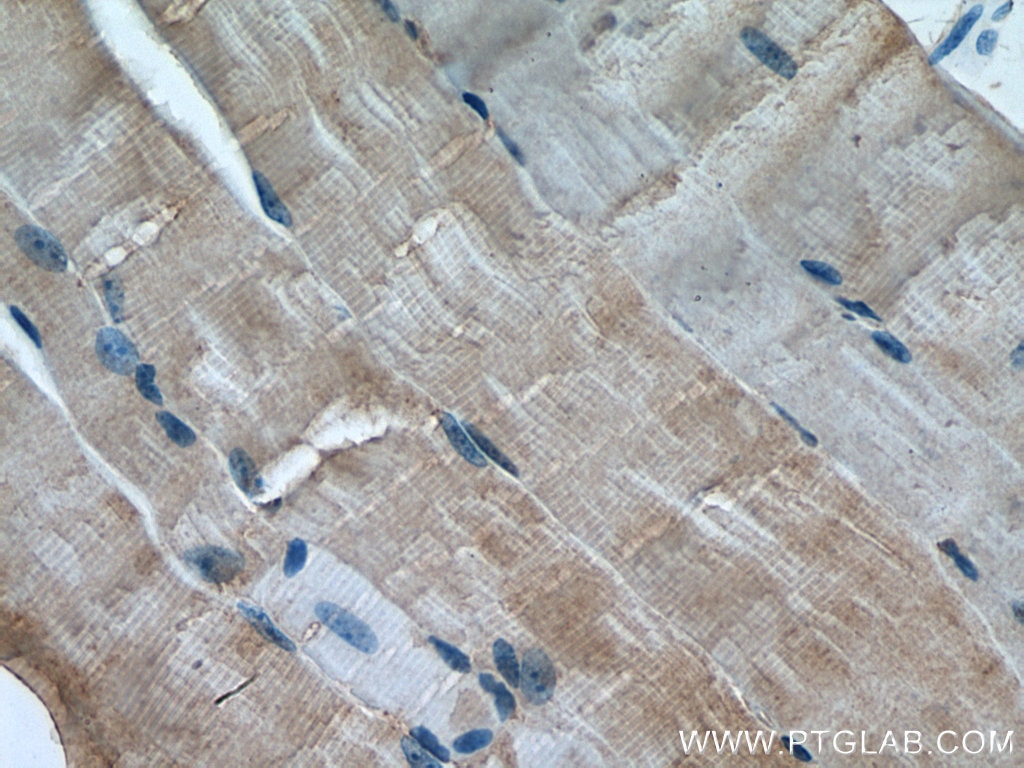
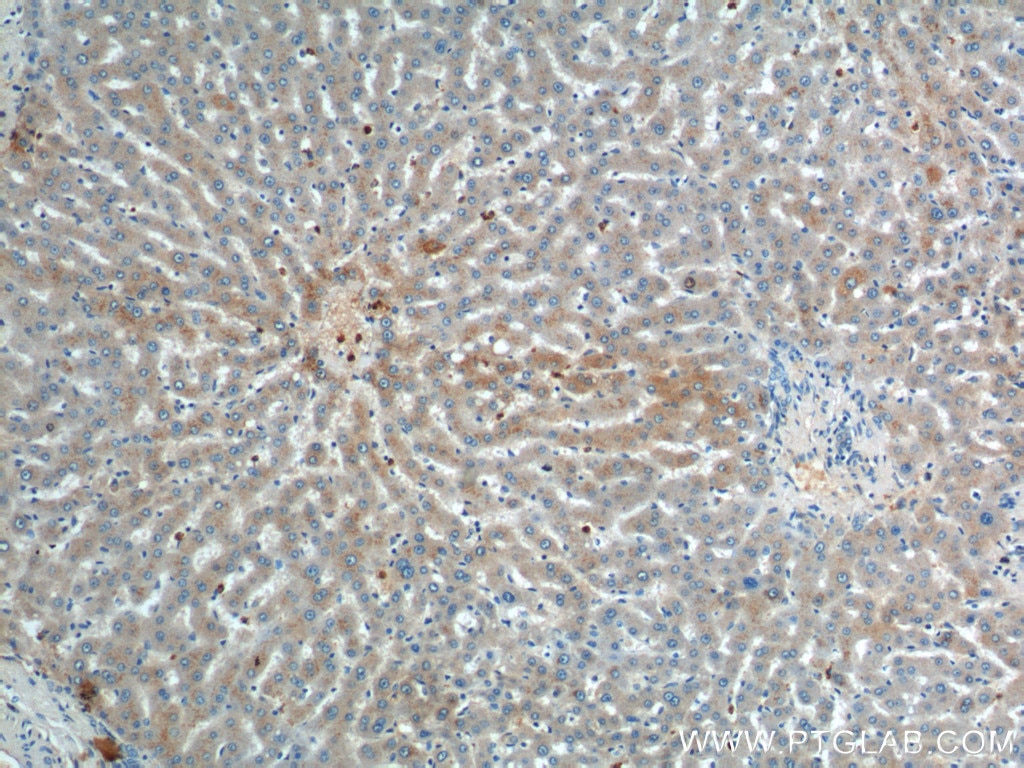
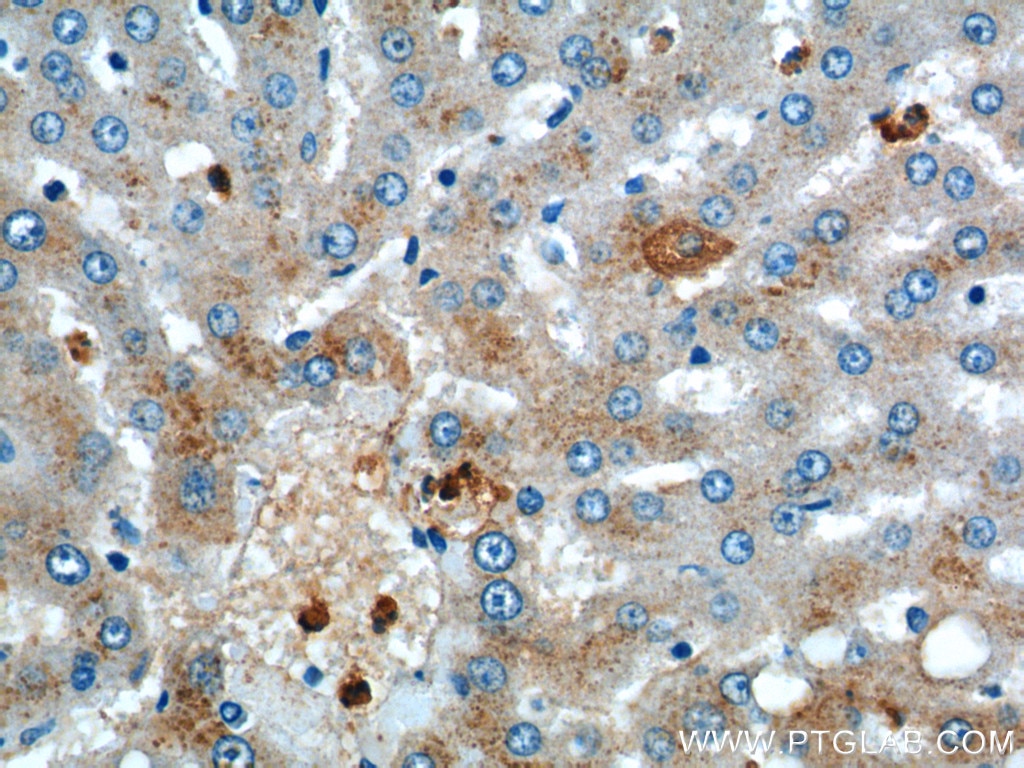
| Positive IHC detected in | human skeletal muscle tissue, human liver cancer tissue, human liver tissue, mouse skeletal muscle tissue Note: suggested antigen retrieval with TE buffer pH 9.0; (*) Alternatively, antigen retrieval may be performed with citrate buffer pH 6.0 |
| Positive IF/ICC detected in | HeLa cells |
Recommended dilution
| Application | Dilution |
|---|---|
| Western Blot (WB) | WB : 1:500-1:2000 |
| Immunohistochemistry (IHC) | IHC : 1:50-1:500 |
| Immunofluorescence (IF)/ICC | IF/ICC : 1:50-1:500 |
| It is recommended that this reagent should be titrated in each testing system to obtain optimal results. | |
| Sample-dependent, Check data in validation data gallery. | |
Product Information
20986-1-AP targets ULK1 in WB, IHC, IF/ICC, IP, ELISA applications and shows reactivity with human, mouse, rat samples.
| Tested Reactivity | human, mouse, rat |
| Cited Reactivity | human, mouse, rat, bovine, goat, duck |
| Host / Isotype | Rabbit / IgG |
| Class | Polyclonal |
| Type | Antibody |
| Immunogen |
Peptide Predict reactive species |
| Full Name | unc-51-like kinase 1 (C. elegans) |
| Calculated Molecular Weight | 113 kDa |
| Observed Molecular Weight | 120-150 kDa |
| GenBank Accession Number | NM_003565 |
| Gene Symbol | ULK1 |
| Gene ID (NCBI) | 8408 |
| RRID | AB_2878783 |
| Conjugate | Unconjugated |
| Form | Liquid |
| Purification Method | Antigen affinity purification |
| UNIPROT ID | O75385 |
| Storage Buffer | PBS with 0.02% sodium azide and 50% glycerol, pH 7.3. |
| Storage Conditions | Store at -20°C. Stable for one year after shipment. Aliquoting is unnecessary for -20oC storage. 20ul sizes contain 0.1% BSA. |
Background Information
ULK1, also named as KIAA0722, belongs to the protein kinase superfamily, Ser/Thr protein kinase family and APG1/unc-51/ULK1 subfamily. It is involved in autophagy. ULK1 is required for autophagosome formation. It forms a stable complex with Atg13 and focal adhesion kinase (FAK) family interacting protein of 200 kDa (FIP 200)(PMID:21460634). ULK1 phosphorylates ATG13/KIAA0652. It is involved in axon growth. ULK1 plays an essential role in neurite extension of cerebellar granule cells. ULK1 represents a potential novel prognostic biomarker for HCC patients and may play an important role during the progression of HCC(PMID:23573318).
Protocols
| Product Specific Protocols | |
|---|---|
| IF protocol for ULK1 antibody 20986-1-AP | Download protocol |
| IHC protocol for ULK1 antibody 20986-1-AP | Download protocol |
| WB protocol for ULK1 antibody 20986-1-AP | Download protocol |
| Standard Protocols | |
|---|---|
| Click here to view our Standard Protocols |
Publications
What published studies show
I'll look up the citations for catalog 20986-1-AP.ULK1 Polyclonal antibody (catalog 20986-1-AP) has 123 total citations. The publications appear in high-impact journals including Nature, Science, Cancer Cell, Autophagy, J Adv Res, Redox Biol, Nucleic Acids Res, Sci Adv, Cell Death Dis, Dev Cell, Mol Psychiatry, Cell Rep, Front Immunol, Biomed Pharmacother, and numerous others spanning Int J Mol Med, J Med Chem, Cells, iScience, FASEB J, and more. The research fields covered include autophagy/mitophagy, cancer biology (gastric, lung, ovarian, breast, colorectal, liver cancers), metabolic and lipid disorders (hepatic steatosis, cardiomyopathy, diabetes), neuroscience (Alzheimer's, autism, spinal cord injury), immunology/inflammation (mastitis), cardiovascular biology, and toxicology/environmental exposure studies.
| Species | Application | Title |
|---|---|---|
Science Liver ALKBH5 regulates glucose and lipid homeostasis independently through GCGR and mTORC1 signaling | ||
Autophagy MLKL-USP7-UBA52 signaling is indispensable for autophagy in brain through maintaining ubiquitin homeostasis | ||
Autophagy PSAT1 inhibits mTORC1 activation by preventing Rag heterodimer formation in lung adenocarcinoma |


