

Tested Applications
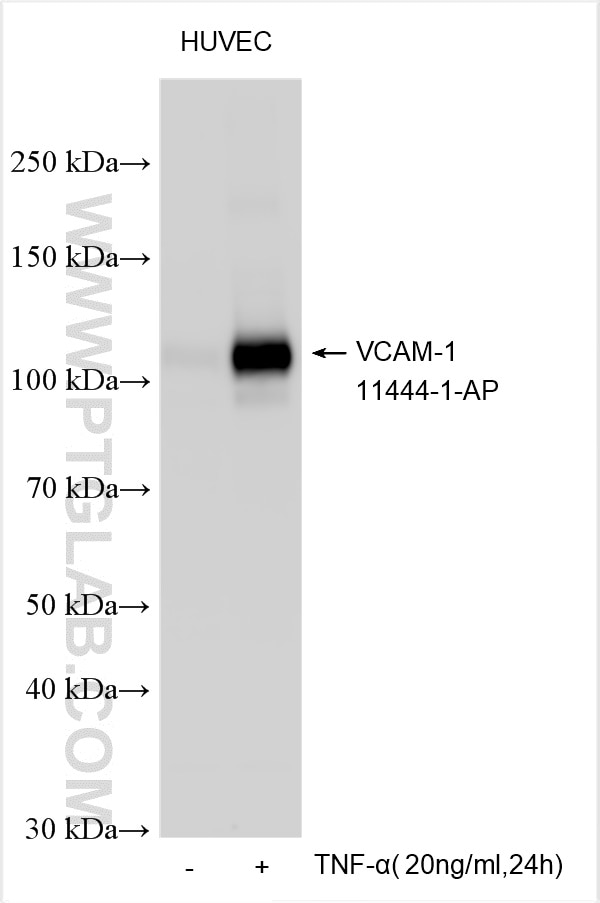
| Positive WB detected in | TNF alpha treated HUVEC cells |
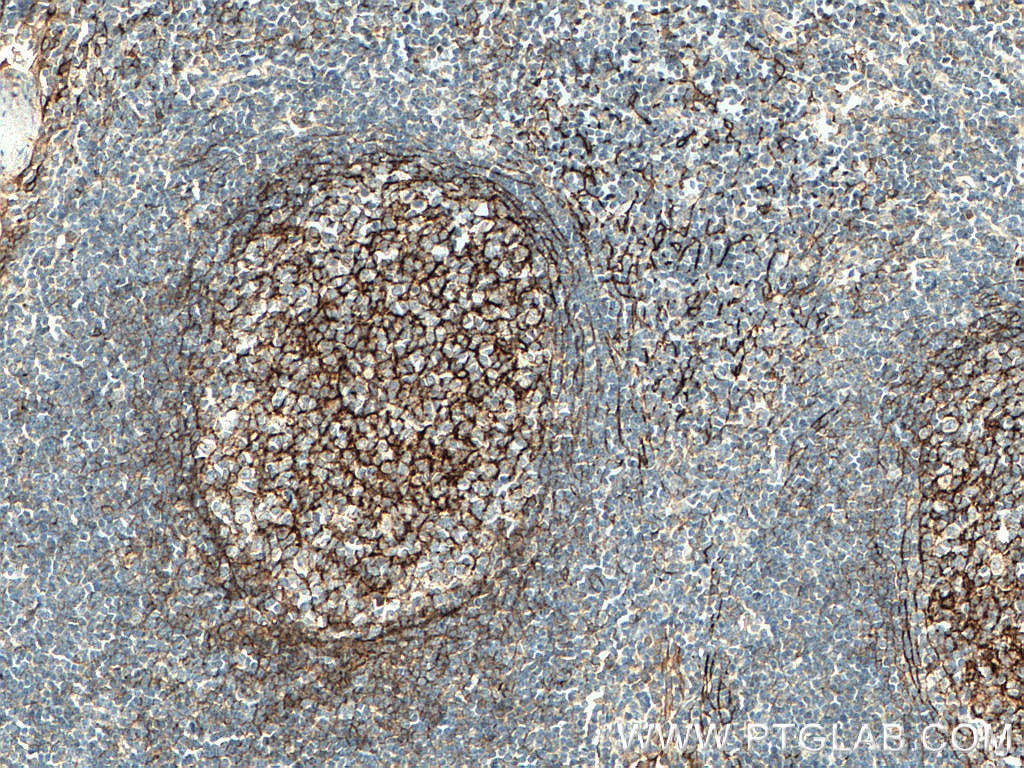
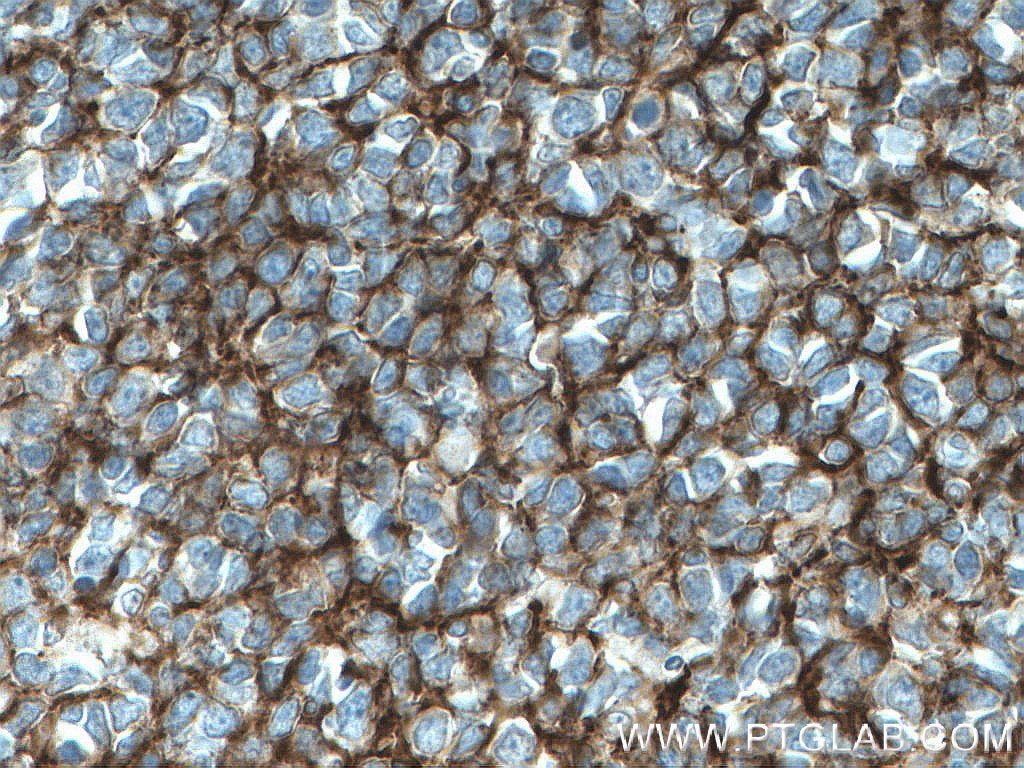
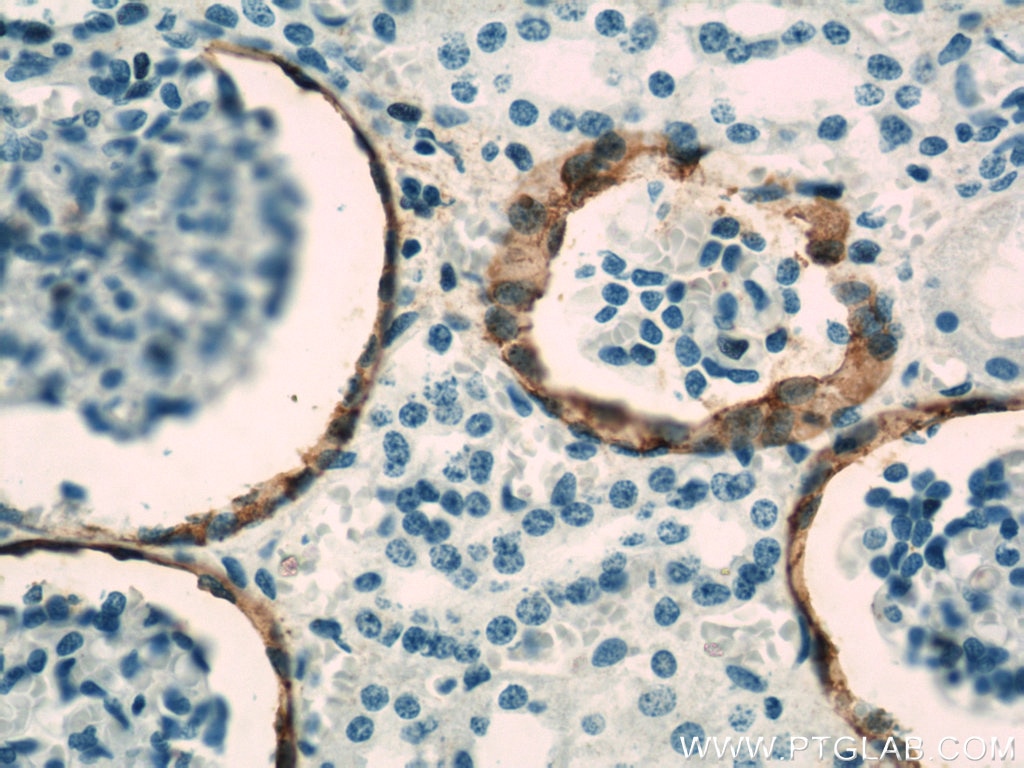
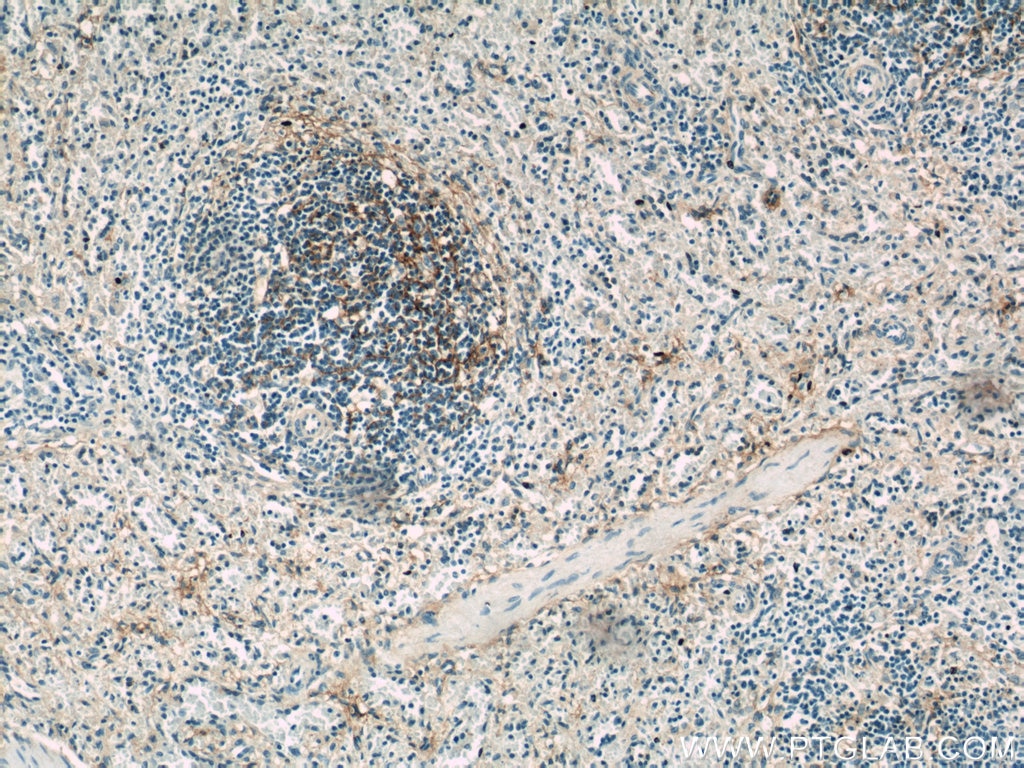
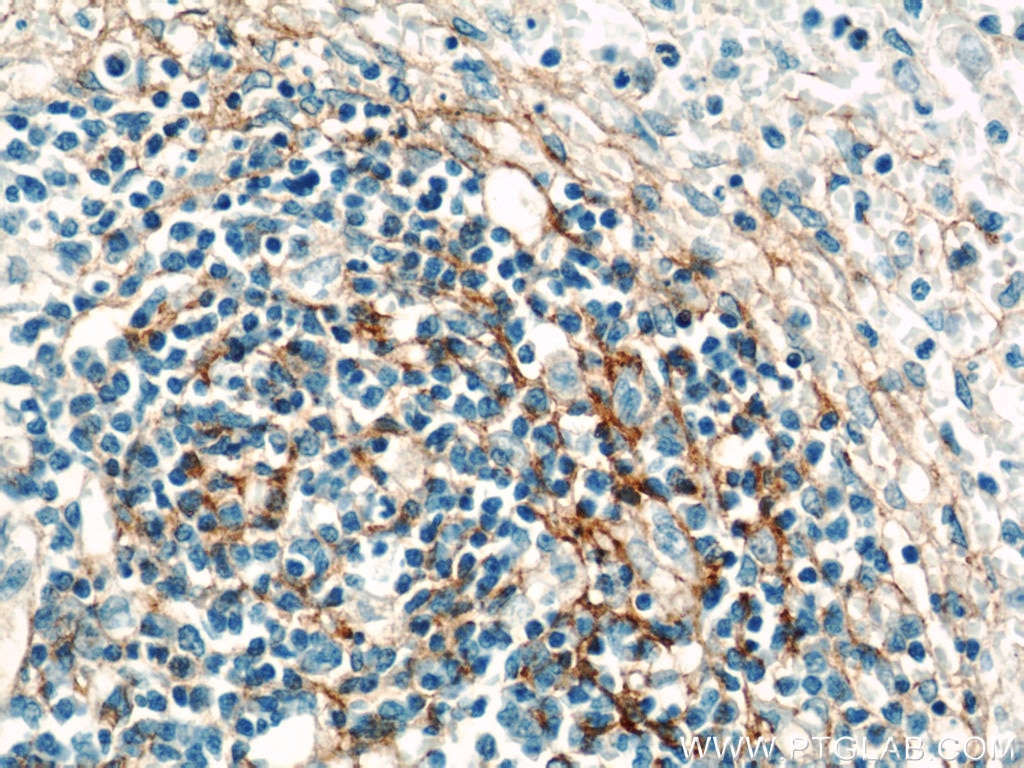
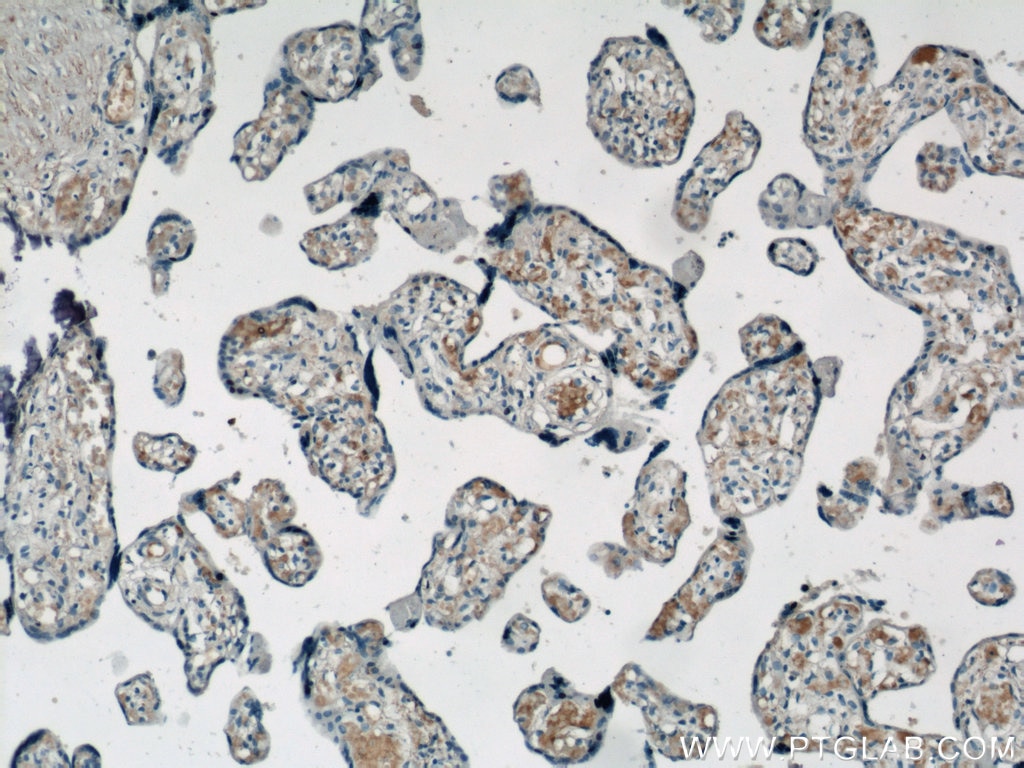
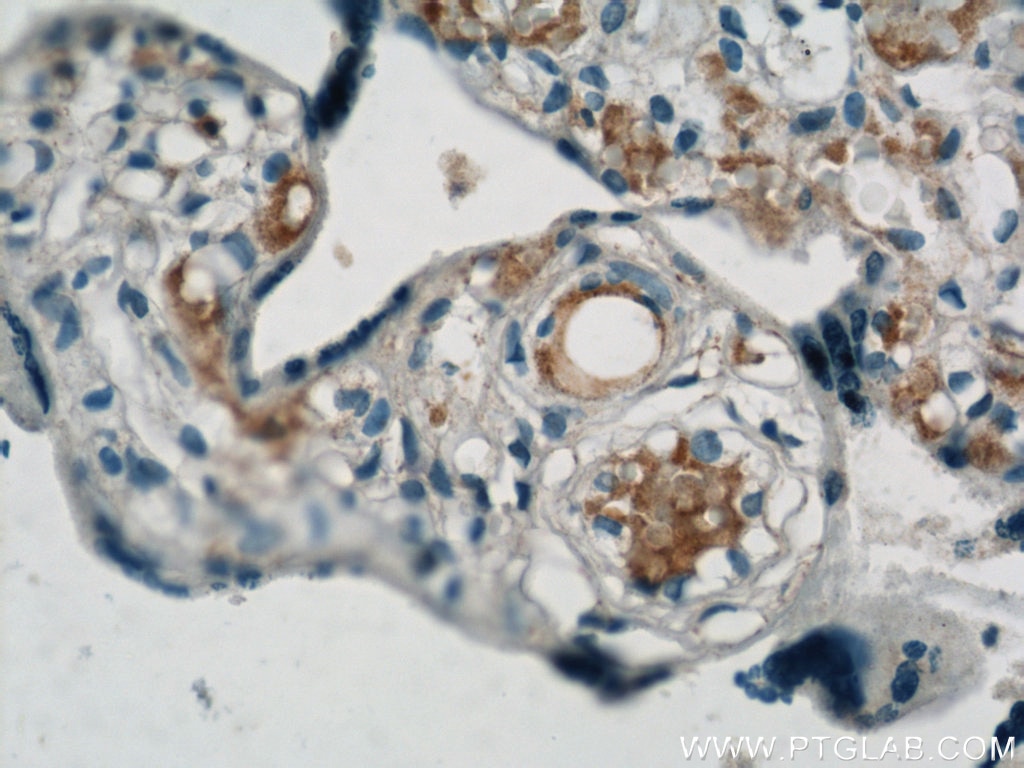
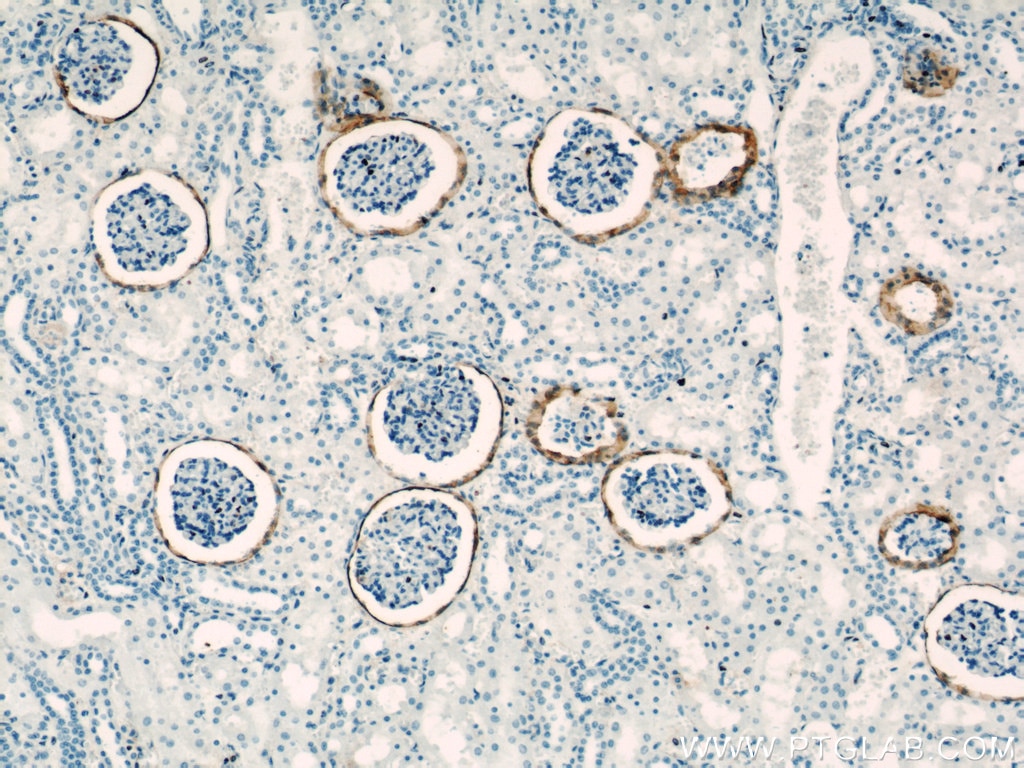
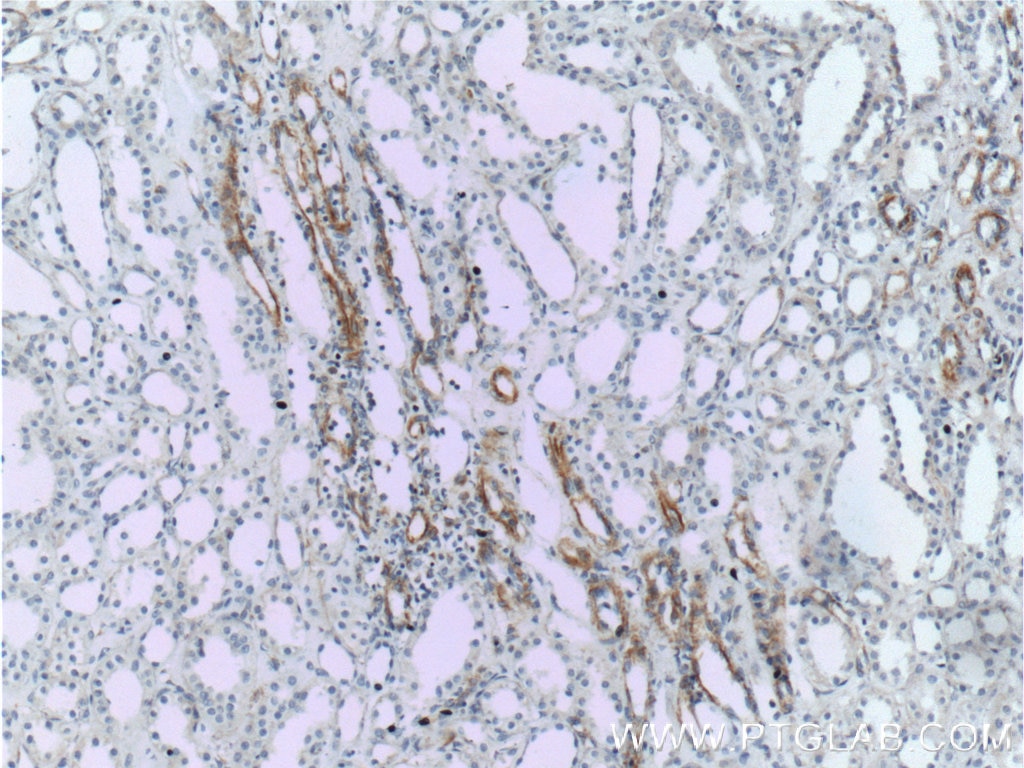
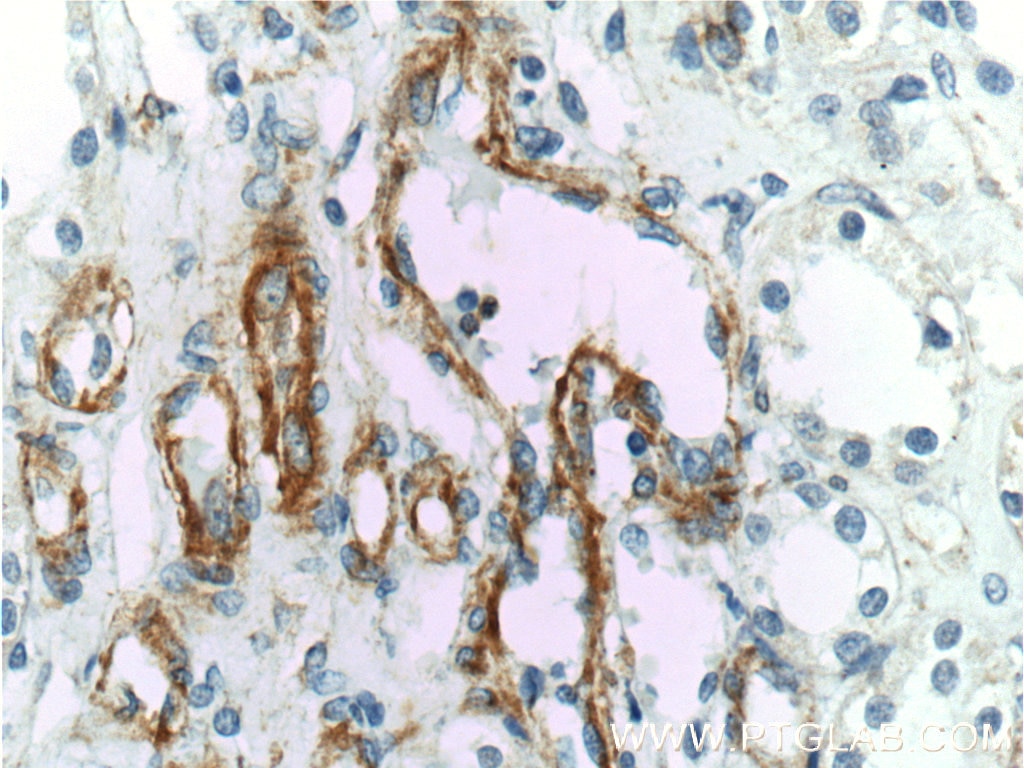
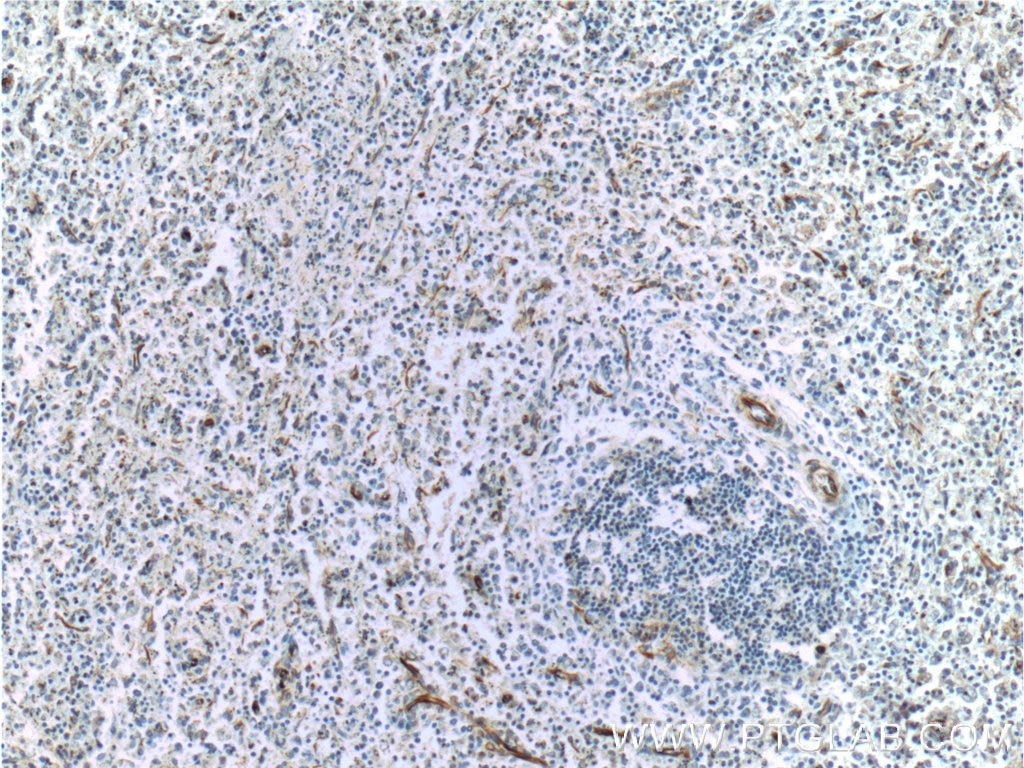
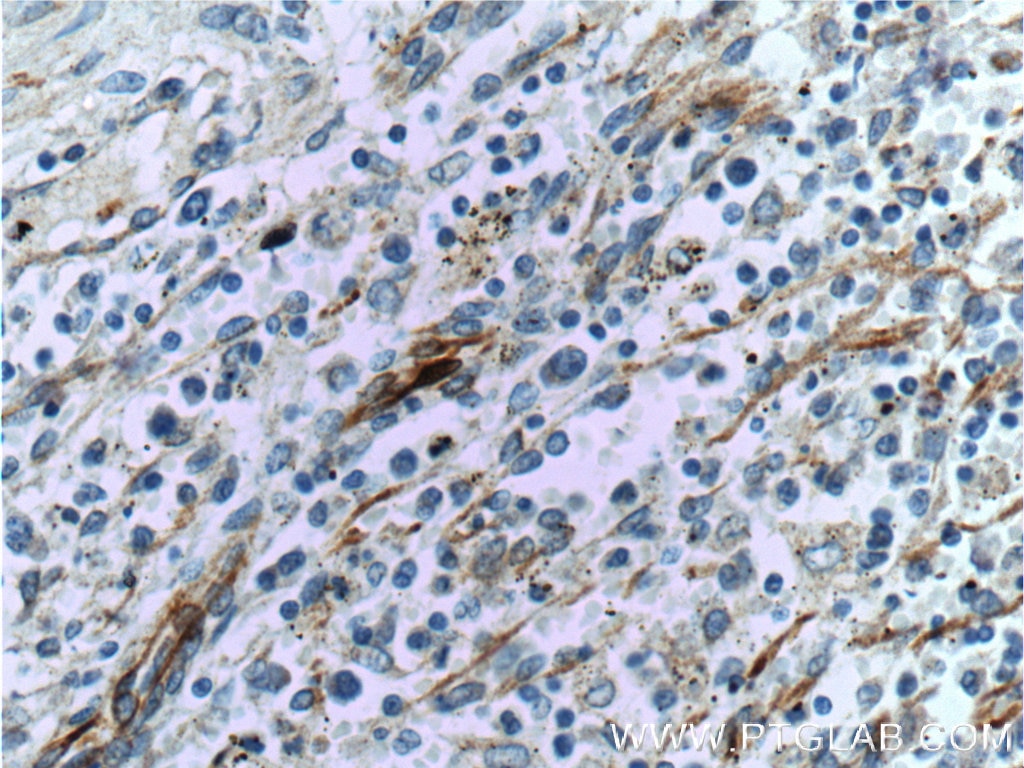
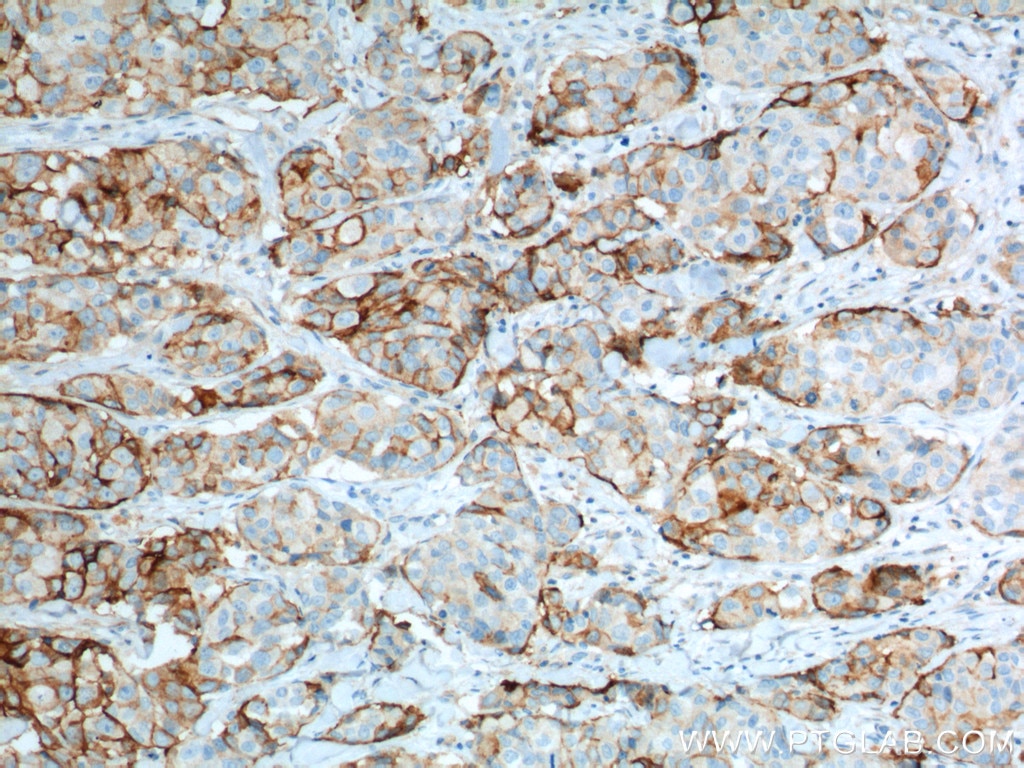
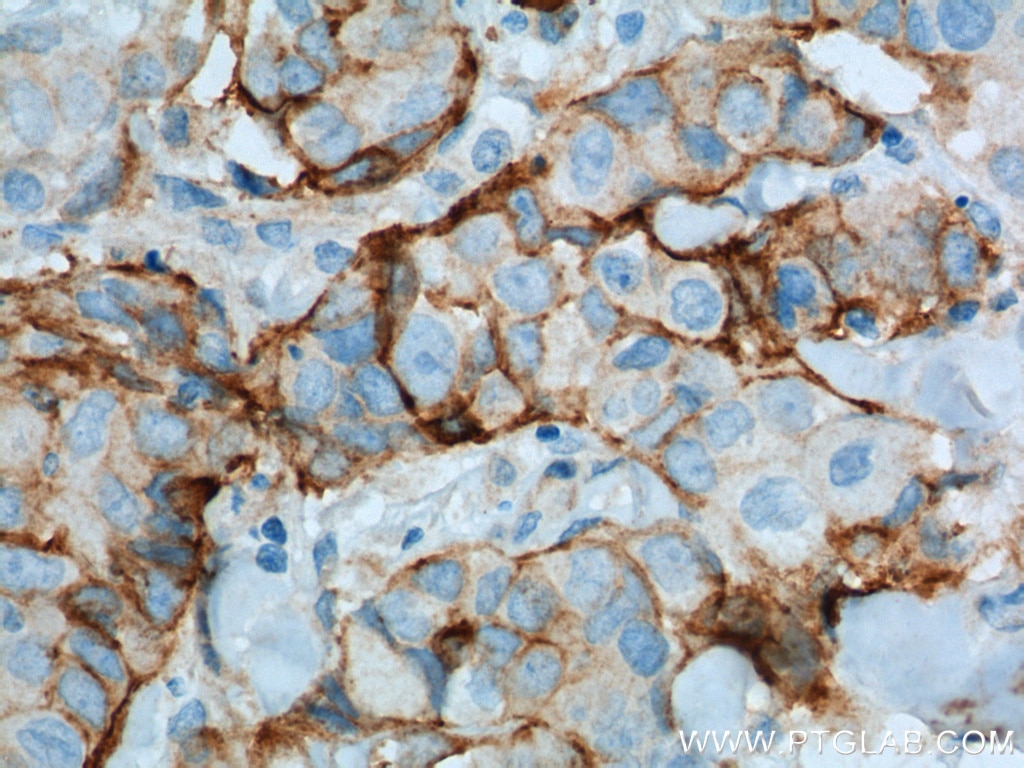
| Positive IHC detected in | human tonsillitis tissue, human kidney tissue, human spleen tissue, human placenta tissue, human lung cancer tissue Note: suggested antigen retrieval with TE buffer pH 9.0; (*) Alternatively, antigen retrieval may be performed with citrate buffer pH 6.0 |
Recommended dilution
| Application | Dilution |
|---|---|
| Western Blot (WB) | WB : 1:500-1:2000 |
| Immunohistochemistry (IHC) | IHC : 1:400-1:1600 |
| It is recommended that this reagent should be titrated in each testing system to obtain optimal results. | |
| Sample-dependent, Check data in validation data gallery. | |
Product Information
11444-1-AP targets VCAM-1/CD106 in WB, IHC, IF, ELISA applications and shows reactivity with human samples.
| Tested Reactivity | human |
| Cited Reactivity | human |
| Host / Isotype | Rabbit / IgG |
| Class | Polyclonal |
| Type | Antibody |
| Immunogen |
CatNo: Ag1993 Product name: Recombinant human VCAM-1 protein Source: e coli.-derived, PGEX-4T Tag: GST Domain: 341-739 aa of BC017276 Sequence: ESPSFSWRTQIDSPLSGKVRSEGTNSTLTLSPVSFENEHSYLCTVTCGHKKLEKGIQVELYSFPRDPEIEMSGGLVNGSSVTVSCKVPSVYPLDRLEIELLKGETILENIEFLEDTDMKSLENKSLEMTFIPTIEDTGKALVCQAKLHIDDMEFEPKQRQSTQTLYVNVAPRDTTVLVSPSSILEEGSSVNMTCLSQGFPAPKILWSRQLPNGELQPLSENATLTLISTKMEDSGVYLCEGINQAGRSRKEVELIIQVTPKDIKLTAFPSESVKEGDTVIISCTCGNVPETWIILKKKAETGDTVLKSIDGAYTIRKAQLKDAGVYECESKNKVGSQLRSLTLDVQGRENNKDYFSPELLVLYFASSLIIPAIGMIIYFARKANMKGSYSLVEAQKSKV Predict reactive species |
| Full Name | vascular cell adhesion molecule 1 |
| Calculated Molecular Weight | 739 aa, 81 kDa |
| Observed Molecular Weight | 110 kDa |
| GenBank Accession Number | BC017276 |
| Gene Symbol | VCAM-1 |
| Gene ID (NCBI) | 7412 |
| RRID | AB_2214232 |
| Conjugate | Unconjugated |
| Form | Liquid |
| Purification Method | Antigen affinity purification |
| UNIPROT ID | P19320 |
| Storage Buffer | PBS with 0.02% sodium azide and 50% glycerol, pH 7.3. |
| Storage Conditions | Store at -20°C. Stable for one year after shipment. Aliquoting is unnecessary for -20oC storage. 20ul sizes contain 0.1% BSA. |
Background Information
Vascular cell adhesion molecule 1 (VCAM1), also known as CD106, is a 110-kDa transmembrane glycoprotein belonging to the immunoglobulin gene superfamily. VCAM1 is expressed by cytokine-activated endothelium, interacts with integrin VLA4 (α4β1) present on the surface of leukocytes, and mediates both adhesion and signal transduction. It is also expressed either constitutively or inducibly in a variety of other cell types, including vascular smooth muscle cells, differentiating skeletal muscle cells, renal and neural epithelial cells, macrophages (Kupffer cells), dendritic cells, and bone marrow stromal cells (PMID: 7507076, 11359843).
Protocols
| Product Specific Protocols | |
|---|---|
| IHC protocol for VCAM-1/CD106 antibody 11444-1-AP | Download protocol |
| WB protocol for VCAM-1/CD106 antibody 11444-1-AP | Download protocol |
| Standard Protocols | |
|---|---|
| Click here to view our Standard Protocols |
Publications
What published studies show
The VCAM-1/CD106 Polyclonal antibody (catalog #11444-1-AP) has accumulated 127 citations across a wide spectrum of journals, including Nature Immunology, Cell Stem Cell, Nature Communications, Autophagy, Theranostics, Cardiovascular Research, Cell Death & Disease, EBioMedicine, Oncogene, and PLoS Pathogens. Research fields span vascular biology and atherosclerosis, endothelial inflammation, cardiovascular and kidney disease, neuroinflammation and the blood-brain barrier, cancer (glioblastoma, lung, colorectal), and diabetes. Applications most commonly cited include Western blot, IHC, and immunofluorescence in human and mouse tissues.
| Species | Application | Title |
|---|---|---|
Nat Immunol Sparcl1 mitigates abdominal aortic aneurysm through inhibiting lymphangiogenesis-mediated TLS formation | ||
Cell Stem Cell Glioblastoma stem cell-specific histamine secretion drives pro-angiogenic tumor microenvironment remodeling | ||
Autophagy H3K18la- driven neutrophil secretory autophagy promotes pulmonary endothelial dysfunction in sepsis-induced lung injury. | ||
Nat Commun Elevating cytosolic NADPH metabolism in endothelial cells ameliorates vascular aging. | ||
Redox Biol Sulfhydrated albumin transmits H2S signaling and ameliorates DOX-induced multiorgan injuries | ||
Theranostics Ligand Activation of PPARγ by Ligustrazine Suppresses Pericyte Functions of Hepatic Stellate Cells via SMRT-Mediated Transrepression of HIF-1α. |

