
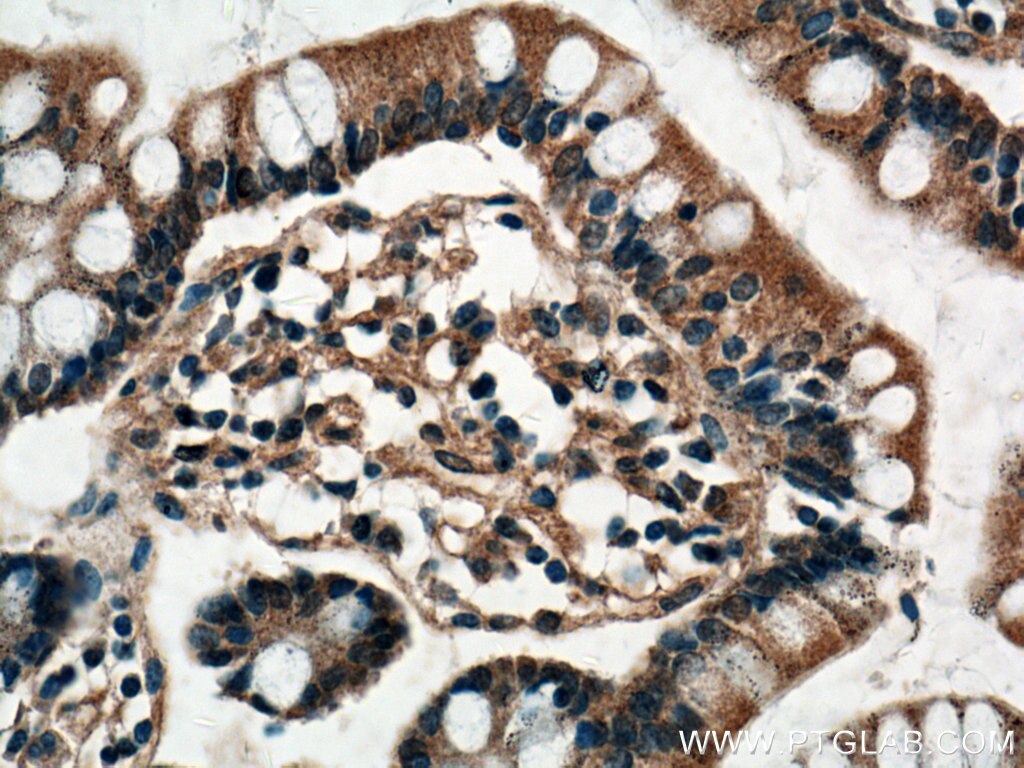
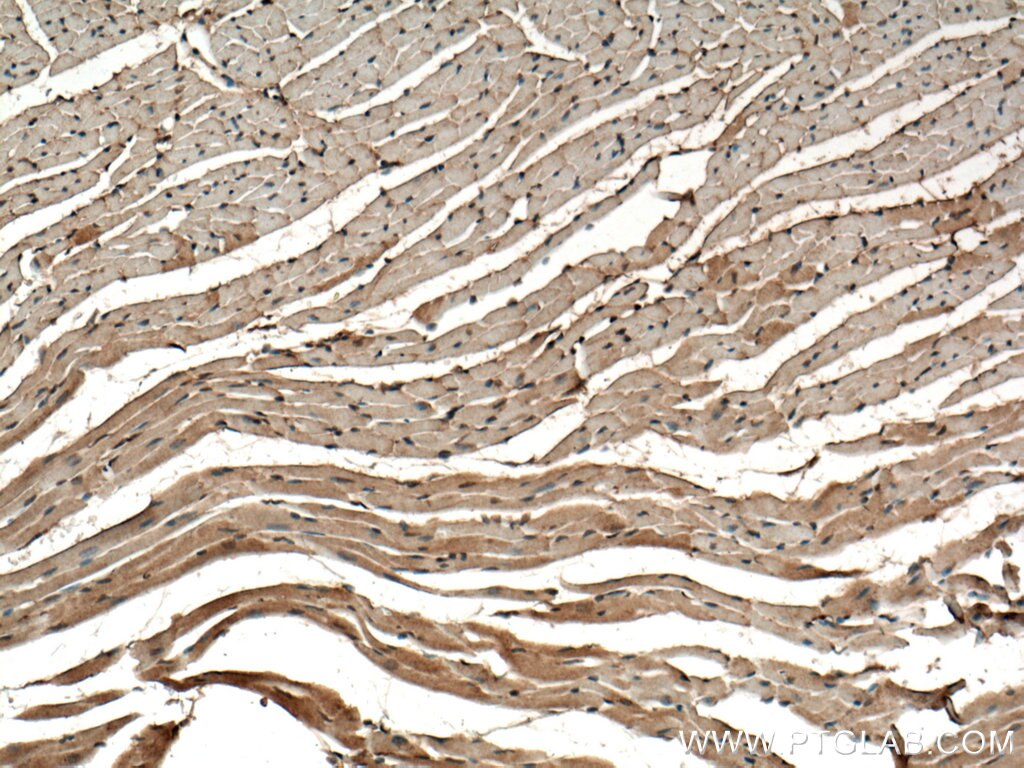
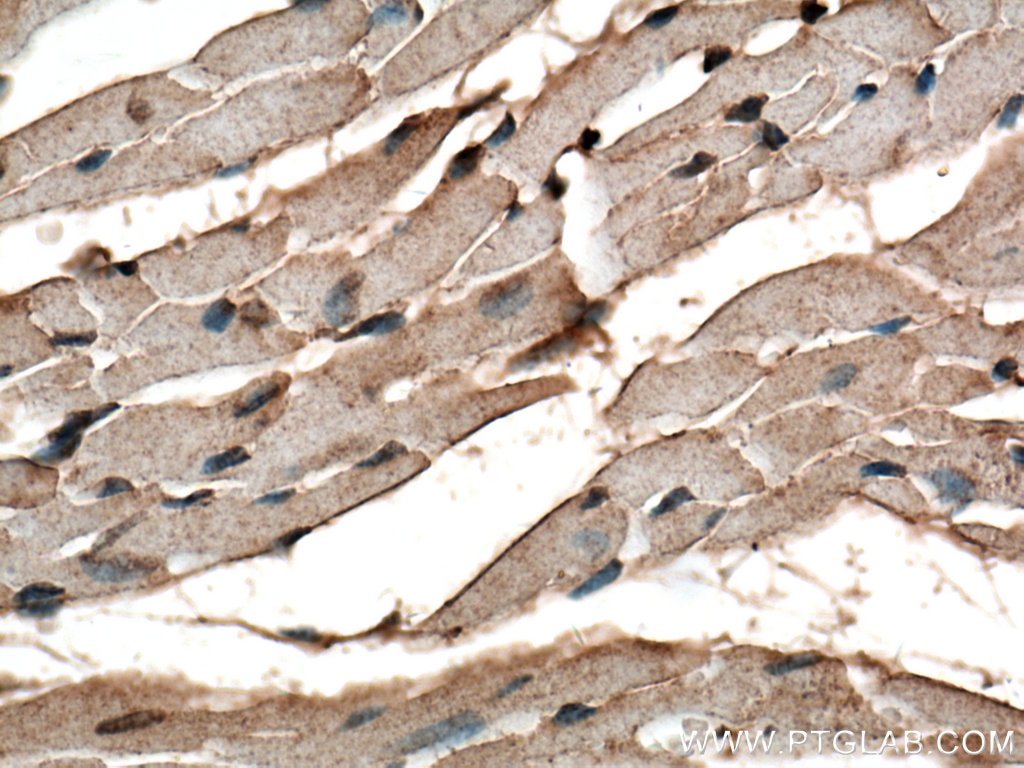

Tested Applications
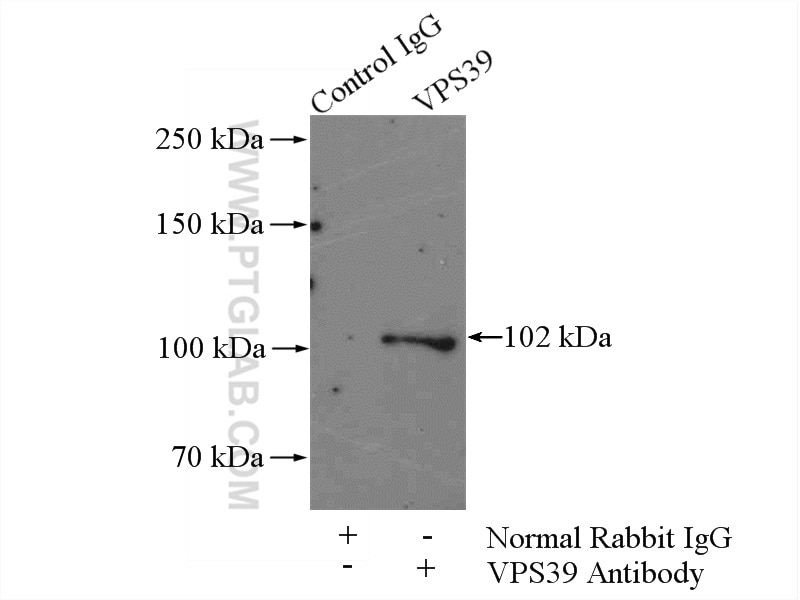
| Positive IP detected in | mouse brain tissue |
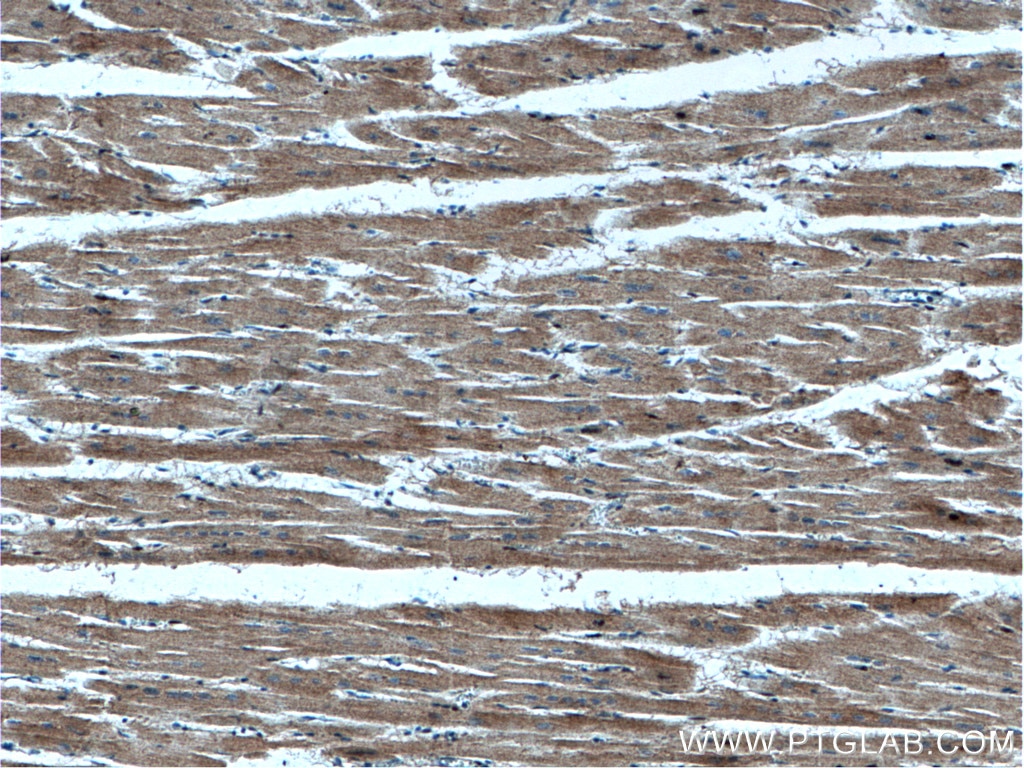
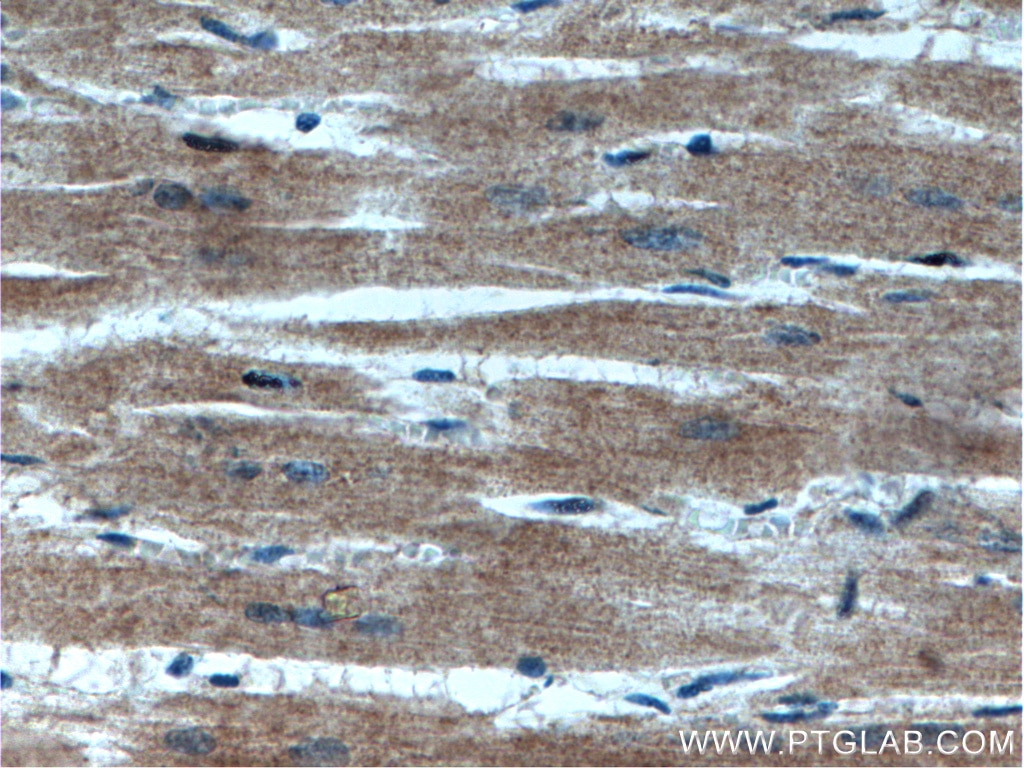
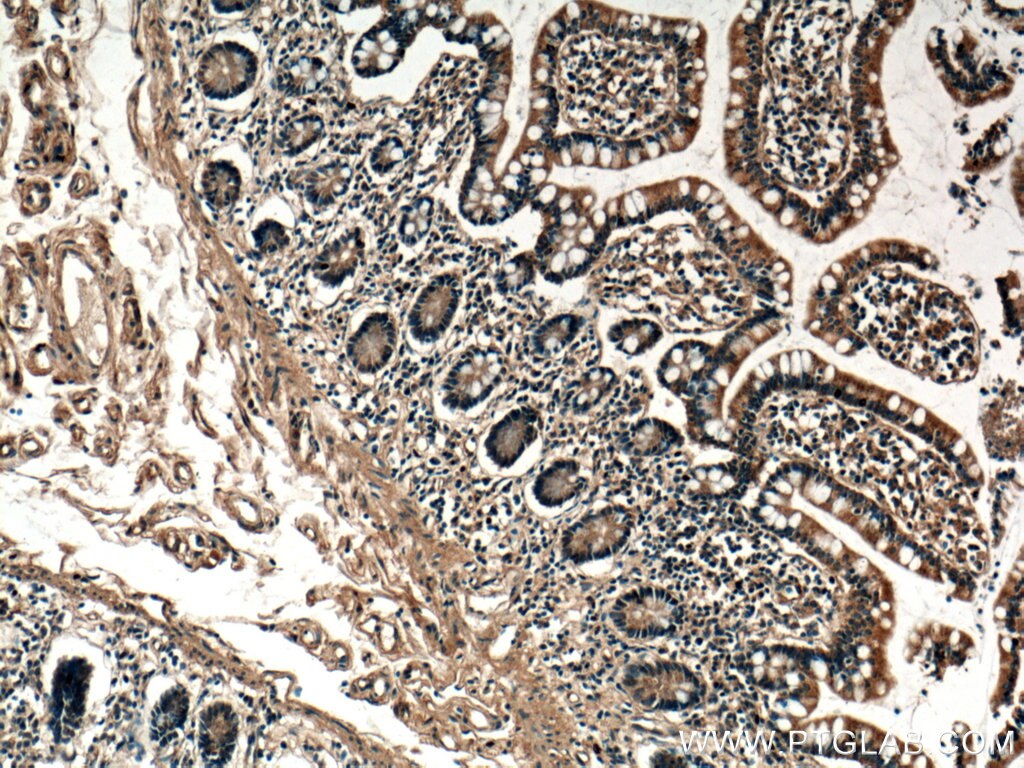
| Positive IHC detected in | human heart tissue, human small intestine tissue, mouse heart tissue Note: suggested antigen retrieval with TE buffer pH 9.0; (*) Alternatively, antigen retrieval may be performed with citrate buffer pH 6.0 |
Recommended dilution
| Application | Dilution |
|---|---|
| Immunoprecipitation (IP) | IP : 0.5-4.0 ug for 1.0-3.0 mg of total protein lysate |
| Immunohistochemistry (IHC) | IHC : 1:50-1:500 |
| It is recommended that this reagent should be titrated in each testing system to obtain optimal results. | |
| Sample-dependent, Check data in validation data gallery. | |
Product Information
16219-1-AP targets VPS39 in IHC, IF, IP, ELISA applications and shows reactivity with human, mouse samples.
| Tested Reactivity | human, mouse |
| Cited Reactivity | human, mouse |
| Host / Isotype | Rabbit / IgG |
| Class | Polyclonal |
| Type | Antibody |
| Immunogen |
CatNo: Ag9267 Product name: Recombinant human VPS39 protein Source: e coli.-derived, PGEX-4T Tag: GST Domain: 437-786 aa of BC015817 Sequence: ERTVQYLQHLGTENLHLIFSYSVWVLRDFPEDGLKIFTEDLPEVESLPRDRVLGFLIENFKGLAIPYLEHIIHVWEETGSRFHNCLIQLYCEKVQGLMKEYLLSFPAGKTPVPAGEEEGELGEYRQKLLMFLEISSYYDPGRLICDFPFDGLLEERALLLGRMGKHEQALFIYVHILKDTRMAEEYCHKHYDRNKDGNKDVYLSLLRMYLSPPSIHCLGPIKLELLEPKANLQAALQVLELHHSKLDTTKALNLLPANTQINDIRIFLEKVLEENAQKKRFNQVLKNLLHAEFLRVQEERILHQQVKCIITEEKVCMVCKKKIGNSAFARYPNGVVVHYFCSKEVNPADT Predict reactive species |
| Full Name | vacuolar protein sorting 39 homolog (S. cerevisiae) |
| Calculated Molecular Weight | 886 aa, 102 kDa |
| Observed Molecular Weight | 102 kDa |
| GenBank Accession Number | BC015817 |
| Gene Symbol | VPS39 |
| Gene ID (NCBI) | 23339 |
| RRID | AB_11043179 |
| Conjugate | Unconjugated |
| Form | Liquid |
| Purification Method | Antigen affinity purification |
| UNIPROT ID | Q96JC1 |
| Storage Buffer | PBS with 0.02% sodium azide and 50% glycerol, pH 7.3. |
| Storage Conditions | Store at -20°C. Stable for one year after shipment. Aliquoting is unnecessary for -20oC storage. 20ul sizes contain 0.1% BSA. |
Background Information
VPS39, also named as KIAA0770, TLP, or VAM6, is a 886 amino acid protein, which contains one CNH domain and one CHCR repeat. VPS39 belongs to the VAM6/VPS39 family and localizes in the cytoplasm. VPS39 is widely expressed, with highest levels in heart, skeletal muscle, kidney, pancreas, brain, placenta and spleen. VPS39 may play a role in clustering and fusion of late endosomes and lysosomes. VPS39 modulates the transforming growth factor-beta response by coupling the transforming growth factor-beta receptor complex to the Smad pathway.
Protocols
| Product Specific Protocols | |
|---|---|
| IHC protocol for VPS39 antibody 16219-1-AP | Download protocol |
| IP protocol for VPS39 antibody 16219-1-AP | Download protocol |
| Standard Protocols | |
|---|---|
| Click here to view our Standard Protocols |
Publications
What published studies show
The VPS39 Polyclonal antibody (Cat# 16219-1-AP) has 9 citations published in journals including Cell Host Microbe, Autophagy, Nature Communications, Developmental Cell, Current Biology, Cell Reports, Molecular Metabolism, and Journal of Biological Chemistry. Research fields span autophagy, lysosomal biology, membrane trafficking, viral infection (SARS-CoV-2, Salmonella, polyomavirus), cancer (renal cell carcinoma, glioblastoma), mechanotransduction, and mitochondrial function. Applications cited include IP, IF, and WB.
| Species | Application | Title |
|---|---|---|
Cell Host Microbe Global mapping of Salmonella enterica-host protein-protein interactions during infection. | ||
Autophagy Atractylenolide I inhibits angiogenesis and reverses sunitinib resistance in clear cell renal cell carcinoma through ATP6V0D2-mediated autophagic degradation of EPAS1/HIF2α | ||
Autophagy SDC1-dependent TGM2 determines radiosensitivity in glioblastoma by coordinating EPG5-mediated fusion of autophagosomes with lysosomes | ||
Nat Commun C9orf72-catalyzed GTP loading of Rab39A enables HOPS-mediated membrane tethering and fusion in mammalian autophagy | ||
Dev Cell ORF3a of SARS-CoV-2 promotes lysosomal exocytosis-mediated viral egress
| ||
Cell Rep Consecutive functions of small GTPases guide HOPS-mediated tethering of late endosomes and lysosomes |

