

Tested Applications
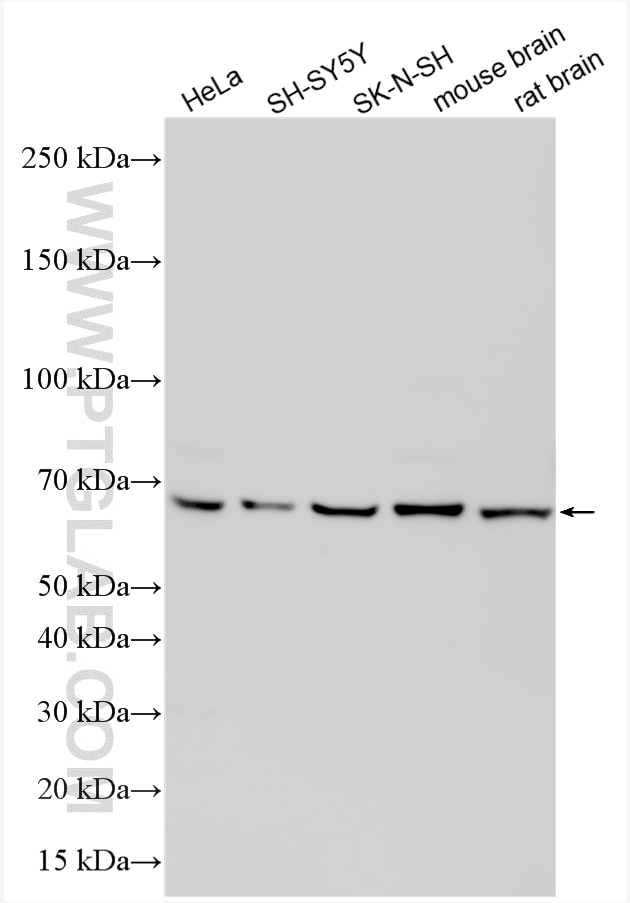
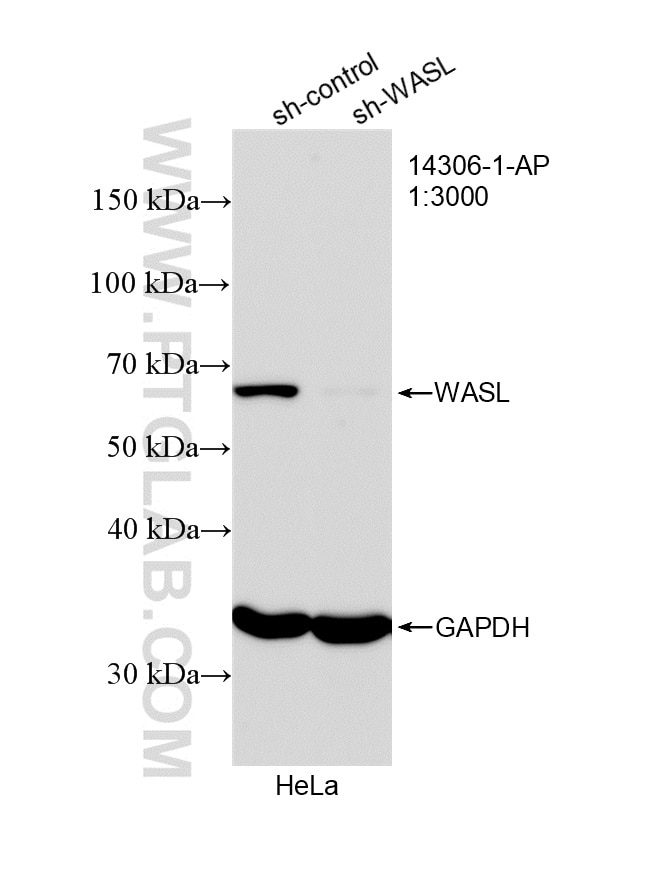
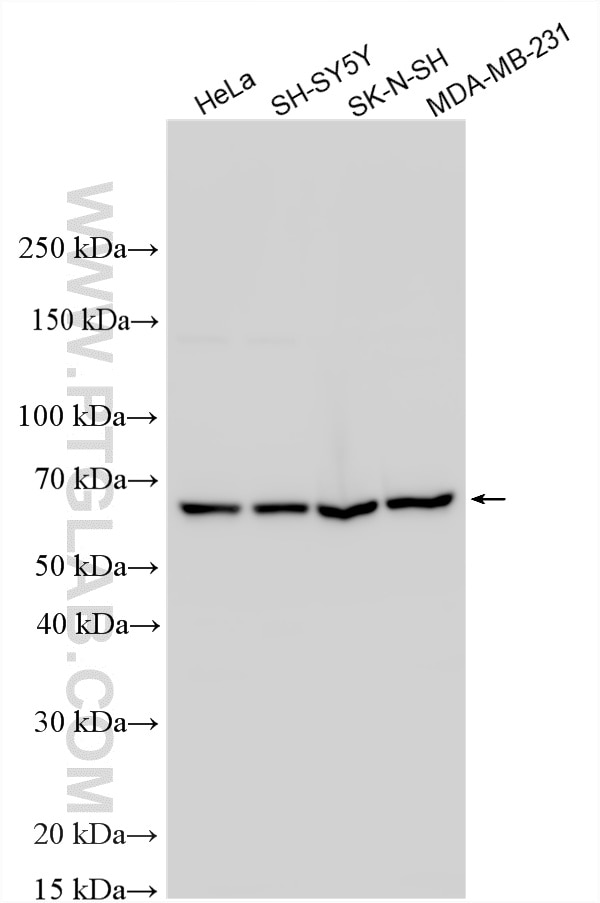
| Positive WB detected in | HeLa cells, MDA-MB-231 cells, SH-SY5Y cells, SK-N-SH cells, mouse brain tissue, rat brain tissue |
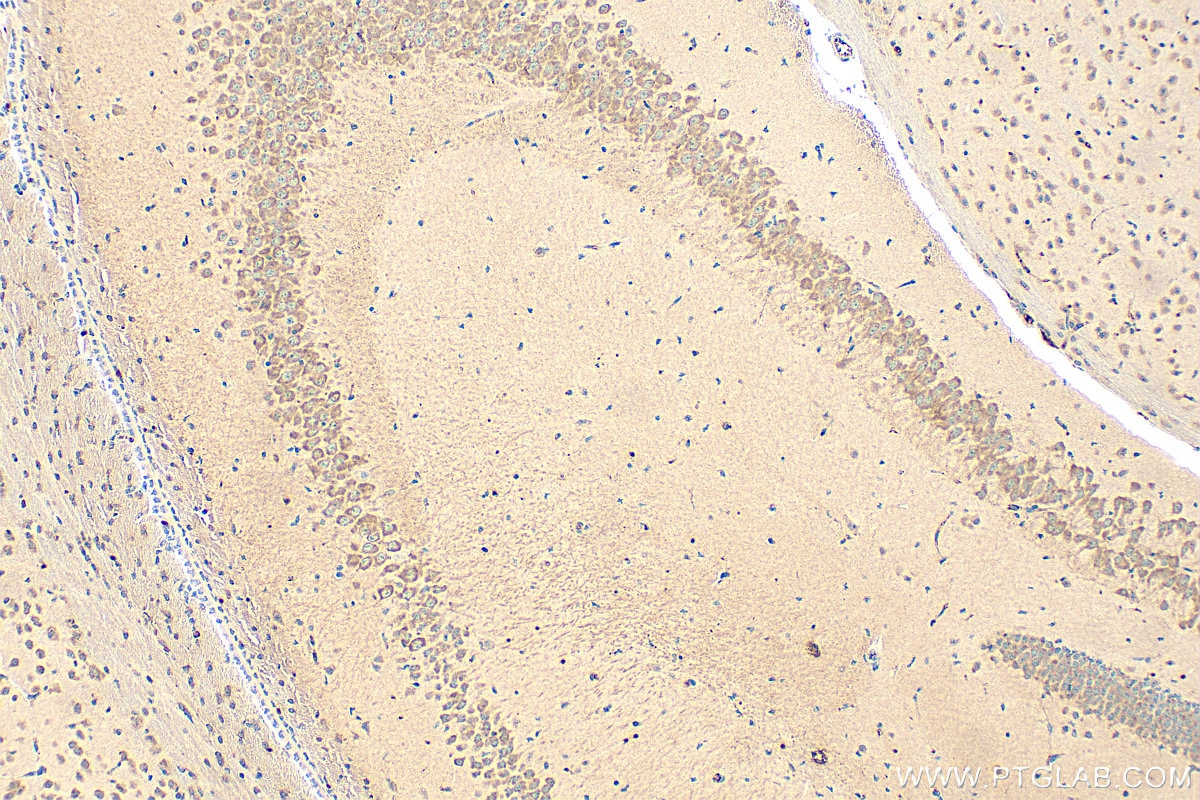
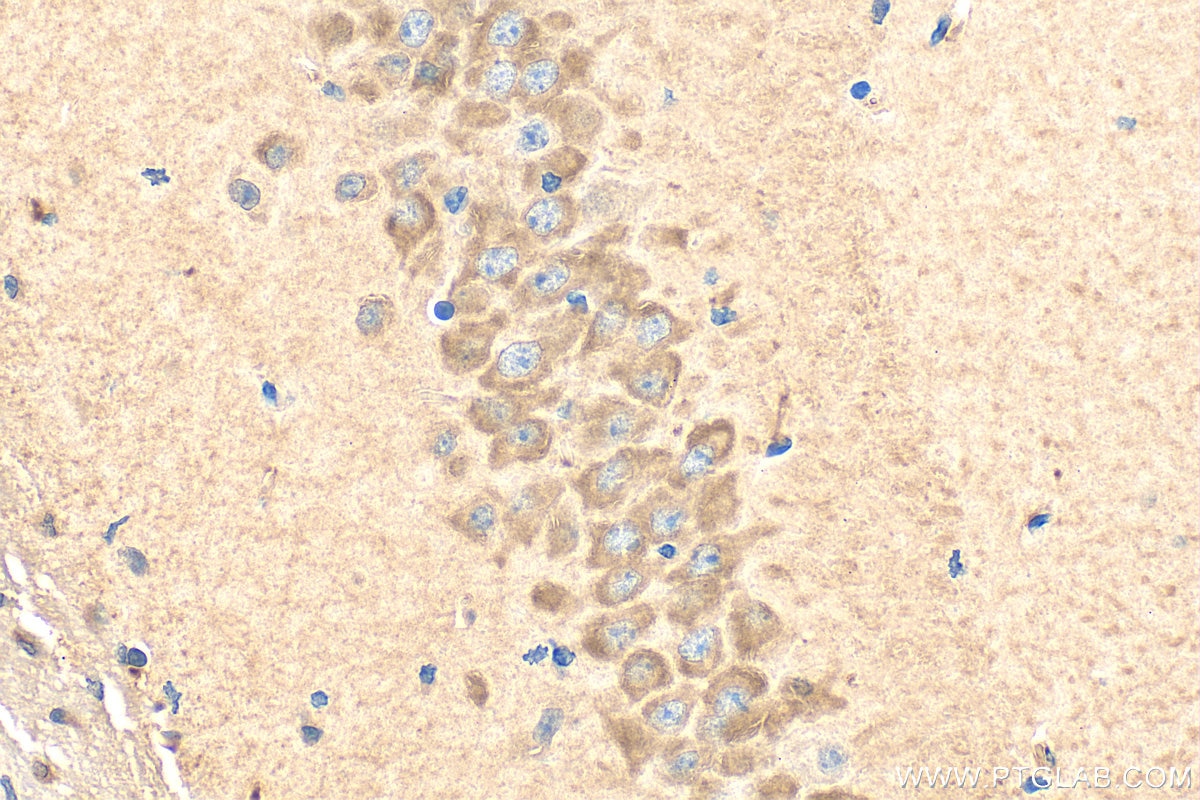
| Positive IHC detected in | mouse brain tissue Note: suggested antigen retrieval with TE buffer pH 9.0; (*) Alternatively, antigen retrieval may be performed with citrate buffer pH 6.0 |
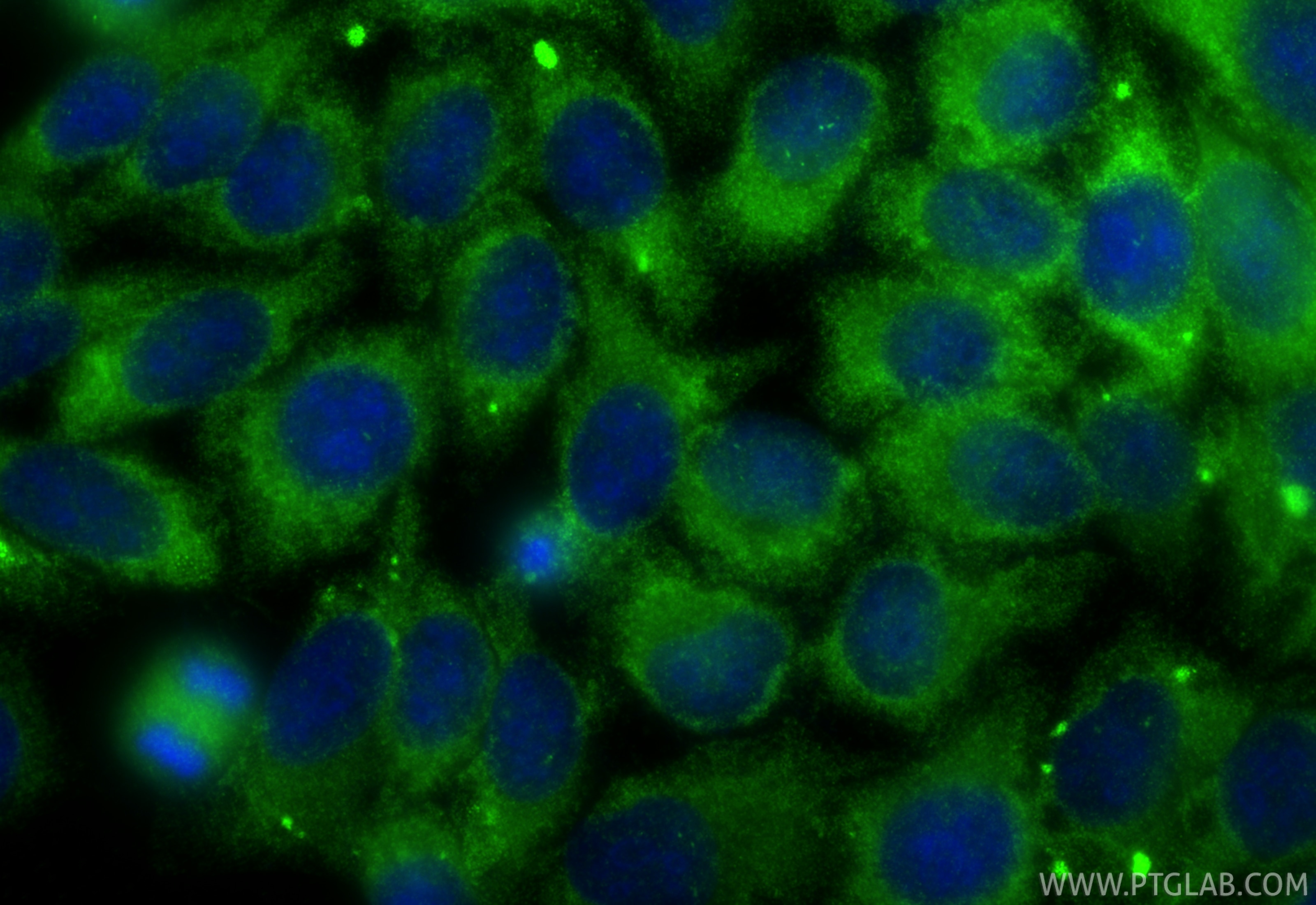
| Positive IF/ICC detected in | HepG2 cells |
Recommended dilution
| Application | Dilution |
|---|---|
| Western Blot (WB) | WB : 1:1000-1:8000 |
| Immunohistochemistry (IHC) | IHC : 1:50-1:500 |
| Immunofluorescence (IF)/ICC | IF/ICC : 1:50-1:500 |
| It is recommended that this reagent should be titrated in each testing system to obtain optimal results. | |
| Sample-dependent, Check data in validation data gallery. | |
Product Information
14306-1-AP targets WASL in WB, IHC, IF/ICC, CoIP, ELISA applications and shows reactivity with human, mouse, rat samples.
| Tested Reactivity | human, mouse, rat |
| Cited Reactivity | human, mouse |
| Host / Isotype | Rabbit / IgG |
| Class | Polyclonal |
| Type | Antibody |
| Immunogen |
CatNo: Ag5424 Product name: Recombinant human WASL protein Source: e coli.-derived, PET28a Tag: 6*His Domain: 1-350 aa of BC052955 Sequence: MSSVQQQPPPPRRVTNVGSLLLTPQENESLFTFLGKKCVTMSSAVVQLYAADRNCMWSKKCSGVACLVKDNPQRSYFLRIFDIKDGKLLWEQELYNNFVYNSPRGYFHTFAGDTCQVALNFANEEEAKKFRKAVTDLLGRRQRKSEKRRDPPNGPNLPMATVDIKNPEITTNRFYGPQVNNISHTKEKKKGKAKKKRLTKADIGTPSNFQHIGHVGWDPNTGFDLNNLDPELKNLFDMCGISEAQLKDRETSKVIYDFIEKTGGVEAVKNELRRQAPPPPPPSRGGPPPPPPPPHNSGPPPPPARGRGAPPPPPSRAPTAAPPPPPPSRPSVAVPPPPPNRMYPPPPPAL Predict reactive species |
| Full Name | Wiskott-Aldrich syndrome-like |
| Calculated Molecular Weight | 55 kDa |
| Observed Molecular Weight | 55-65 kDa |
| GenBank Accession Number | BC052955 |
| Gene Symbol | WASL |
| Gene ID (NCBI) | 8976 |
| RRID | AB_10638478 |
| Conjugate | Unconjugated |
| Form | Liquid |
| Purification Method | Antigen affinity purification |
| UNIPROT ID | O00401 |
| Storage Buffer | PBS with 0.02% sodium azide and 50% glycerol, pH 7.3. |
| Storage Conditions | Store at -20°C. Stable for one year after shipment. Aliquoting is unnecessary for -20oC storage. 20ul sizes contain 0.1% BSA. |
Background Information
WASL, also known as N-WASP, is a member of the Wiskott-Aldrich syndrome (WAS) protein family. The feature that defines all WASP family proteins is their conserved C-terminal WCA (WASP homology 2 (WH2)) sequence. WASL regulates actin polymerization by stimulating the actin-nucleating activity of the Arp2/3 complex. WASL is highly expressed in neural tissues and interacts with several proteins involved in cytoskeletal organization(PMID: 35667337).
Protocols
| Product Specific Protocols | |
|---|---|
| IF protocol for WASL antibody 14306-1-AP | Download protocol |
| IHC protocol for WASL antibody 14306-1-AP | Download protocol |
| WB protocol for WASL antibody 14306-1-AP | Download protocol |
| Standard Protocols | |
|---|---|
| Click here to view our Standard Protocols |
Publications
What published studies show
Anti-Cortactin (Cat# 14306-1-AP) has 12 citations published across 12 journals, including Molecular Cell, Cancer Letters, iScience, Journal of Biological Chemistry, BMC Cancer, Respiratory Research, Frontiers in Immunology, and Neuroreport. Associated research fields span oncology (bladder, nasopharyngeal, and lung cancer), pulmonary fibrosis, cytoskeletal/actin biology, immunology, neurology, developmental biology, dermatology, and infectious disease.
| Species | Application | Title |
|---|---|---|
Cancer Lett Sulforaphane suppresses bladder cancer metastasis via blocking actin nucleation-mediated pseudopodia formation | ||
Front Immunol FLI1 Induces Megakaryopoiesis Gene Expression Through WAS/WIP-Dependent and Independent Mechanisms; Implications for Wiskott-Aldrich Syndrome. | ||
Respir Res Tuftelin1 drives experimental pulmonary fibrosis progression by facilitating stress fiber assembly | ||
Noncoding RNA Res ADAR1-regulated miR-142-3p/RIG-I axis suppresses antitumor immunity in nasopharyngeal carcinoma | ||
Front Cell Dev Biol Reduced Wiskott-Aldrich syndrome protein expression in preeclampsia placenta impairs trophoblast syncytialization by modulating syncytin-2 via FAK/β-catenin pathway. |

