
Tested Applications
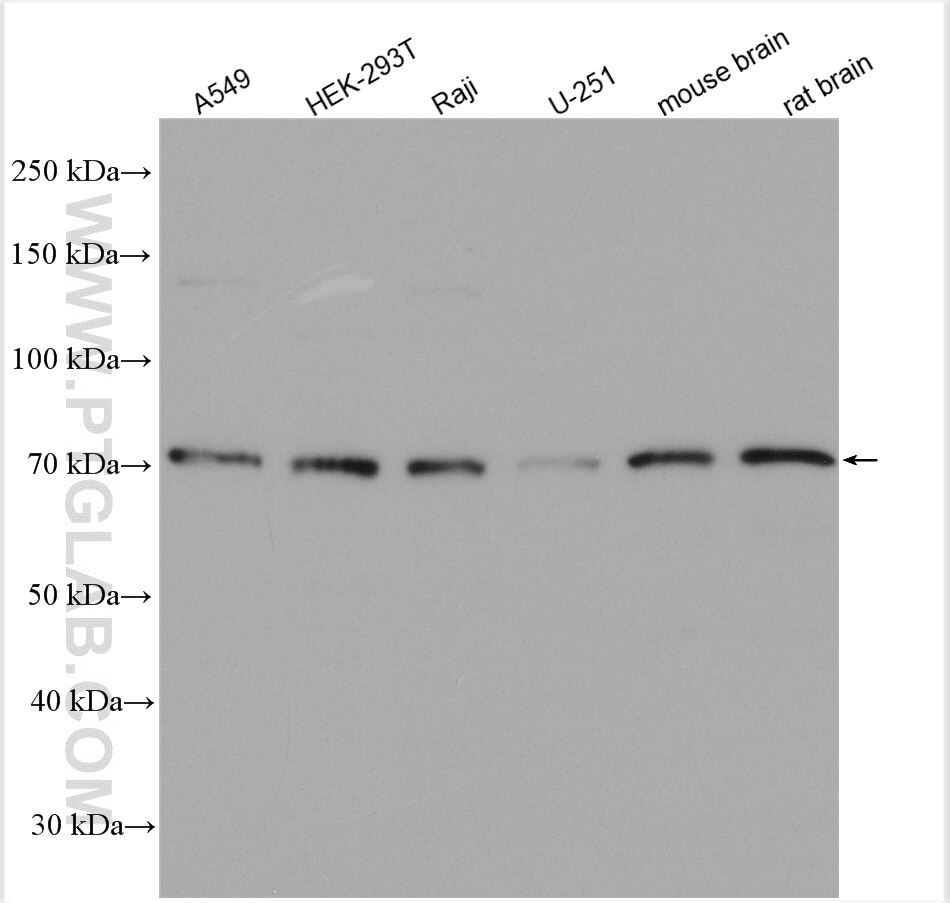
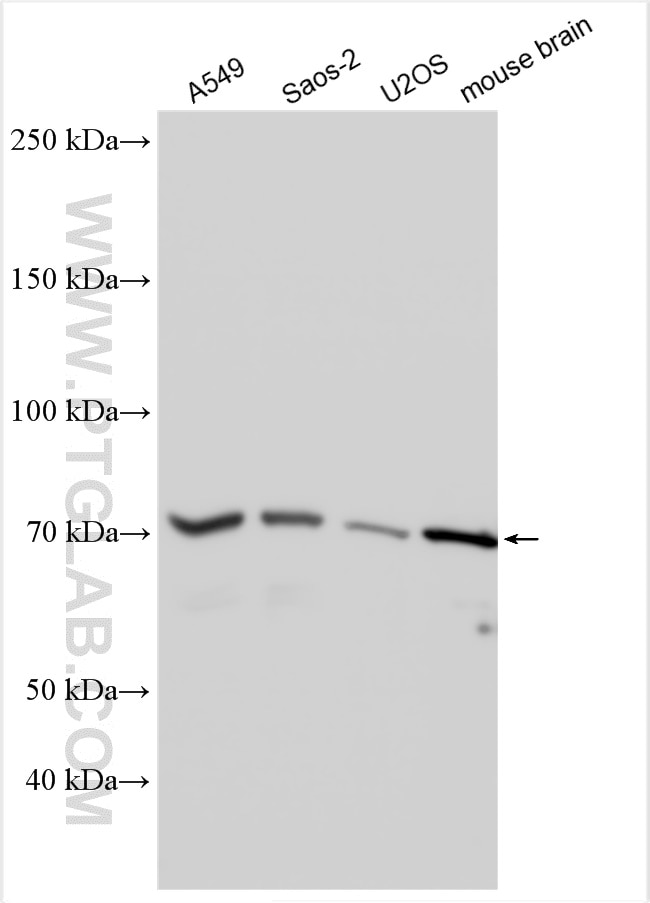
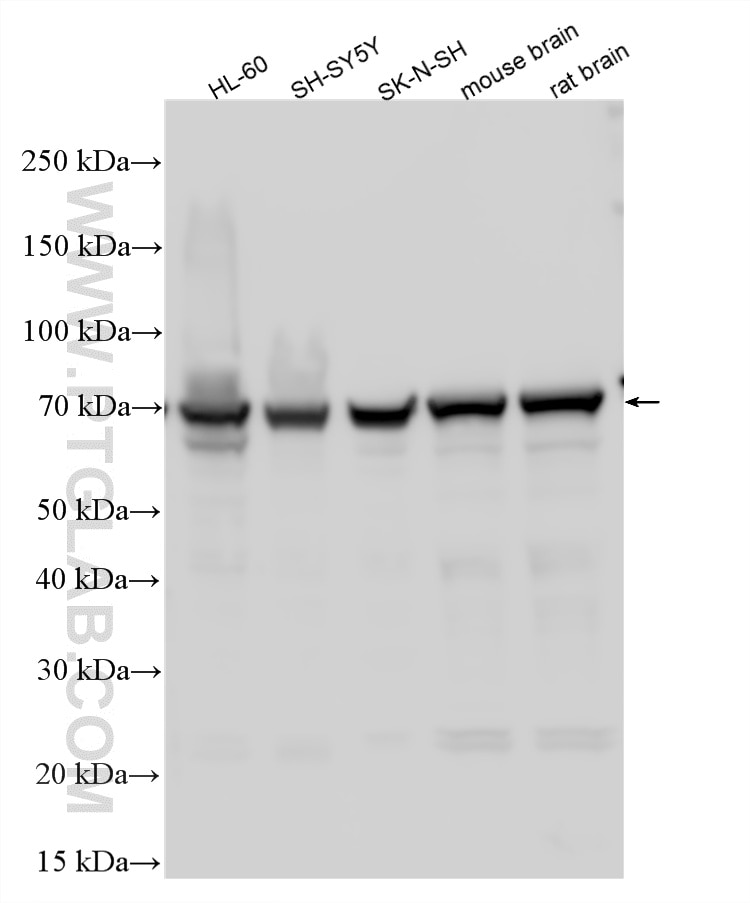
| Positive WB detected in | A549 cells, HL-60 cells, HEK-293T cells, Raji cells, U-251 cells, mouse brain tissue, rat brain tissue, SH-SY5Y cells, SK-N-SH cells |
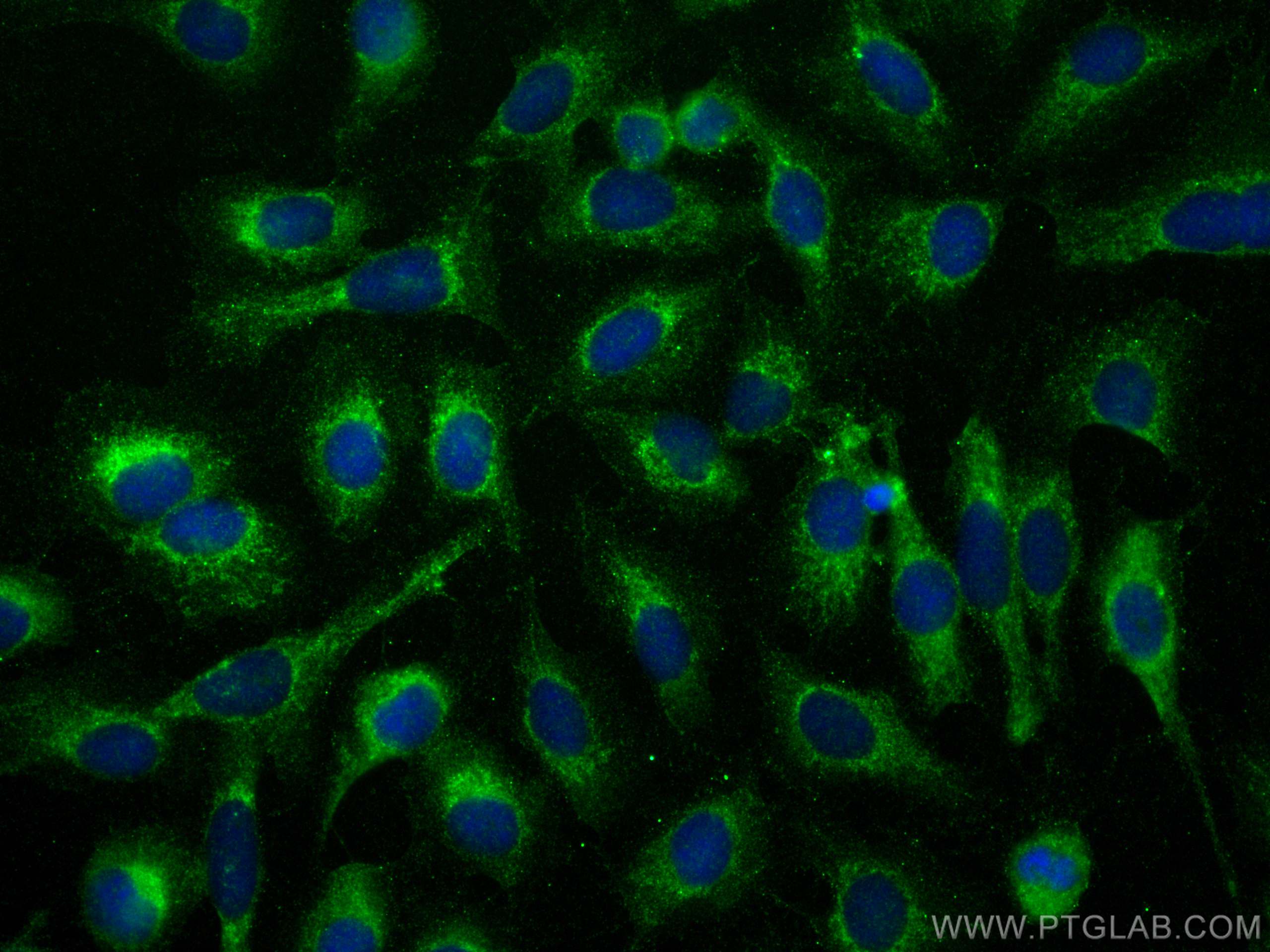
| Positive IF/ICC detected in | U2OS cells |
Recommended dilution
| Application | Dilution |
|---|---|
| Western Blot (WB) | WB : 1:500-1:3000 |
| Immunofluorescence (IF)/ICC | IF/ICC : 1:50-1:500 |
| It is recommended that this reagent should be titrated in each testing system to obtain optimal results. | |
| Sample-dependent, Check data in validation data gallery. | |
Product Information
30022-1-AP targets HIP14/ZDHHC17 in WB, IF/ICC, ELISA applications and shows reactivity with human, mouse, rat samples.
| Tested Reactivity | human, mouse, rat |
| Host / Isotype | Rabbit / IgG |
| Class | Polyclonal |
| Type | Antibody |
| Immunogen |
CatNo: Ag32654 Product name: Recombinant human HIP14; ZDHHC17 protein Source: e coli.-derived, PGEX-4T Tag: GST Domain: 1-203 aa of BC050324 Sequence: MQREEGFNTKMADGPDEYDTEAGCVPLLHPEEIKPQSHYNHGYGEPLGRKTHIDDYSTWDIVKATQYGIYERCRELVEAGYDVRQPDKENVTLLHWAAINNRIDLVKYYISKGAIVDQLGGDLNSTPLHWATRQGHLSMVVQLMKYGADPSLIDGEGCSCIHLAAQFGHTSIVAYLIAKGQDVDMMDQNGMTPLMWAAYRTHS Predict reactive species |
| Full Name | zinc finger, DHHC-type containing 17 |
| Calculated Molecular Weight | 73 kDa |
| Observed Molecular Weight | 70-73 kDa |
| GenBank Accession Number | BC050324 |
| Gene Symbol | ZDHHC17 |
| Gene ID (NCBI) | 23390 |
| RRID | AB_2935500 |
| Conjugate | Unconjugated |
| Form | Liquid |
| Purification Method | Antigen affinity purification |
| UNIPROT ID | Q8IUH5 |
| Storage Buffer | PBS with 0.02% sodium azide and 50% glycerol, pH 7.3. |
| Storage Conditions | Store at -20°C. Stable for one year after shipment. Aliquoting is unnecessary for -20oC storage. 20ul sizes contain 0.1% BSA. |
Background Information
ZDHHC17 is a neuronal palmitoyl transferase. Post-translational modification by the lipid palmitate is crucial for the correct targeting and function of many proteins. Polyglutamine expansions of huntingtin protein are responsible for the Huntington neurological disorder. ZDHHC17 gene encodes palmitoyl transferase huntingtin interacting protein (HIP14) which regulates palmitoylation and distribution of hungtingtin. The latter is implicated in the formation of inclusion bodies and enhanced neuronal toxicity. HIP14 was also shown to control neurotransmitter release.
Protocols
| Product Specific Protocols | |
|---|---|
| IF protocol for HIP14/ZDHHC17 antibody 30022-1-AP | Download protocol |
| WB protocol for HIP14/ZDHHC17 antibody 30022-1-AP | Download protocol |
| Standard Protocols | |
|---|---|
| Click here to view our Standard Protocols |
Publications
What published studies show
| Species | Application | Title |
|---|---|---|
iScience ZDHHC17-mediated IKKβ palmitoylation suppresses NF-κB signaling to mitigate the progression of liver fibrosis. | ||
Nat Metab Palmitate promotes liver metastases by decreasing neutrophil antitumour behaviour. |

