

Tested Applications
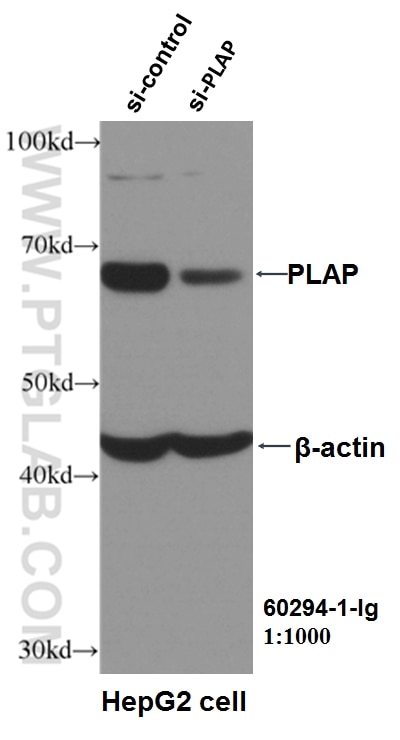
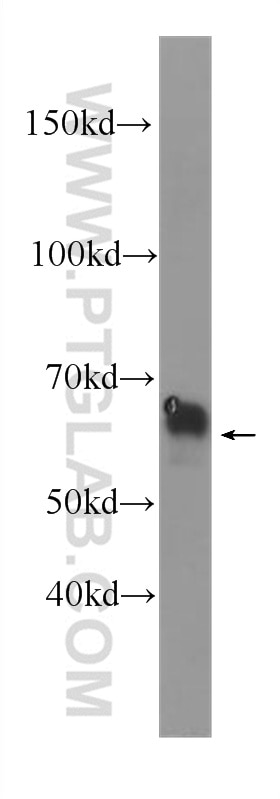
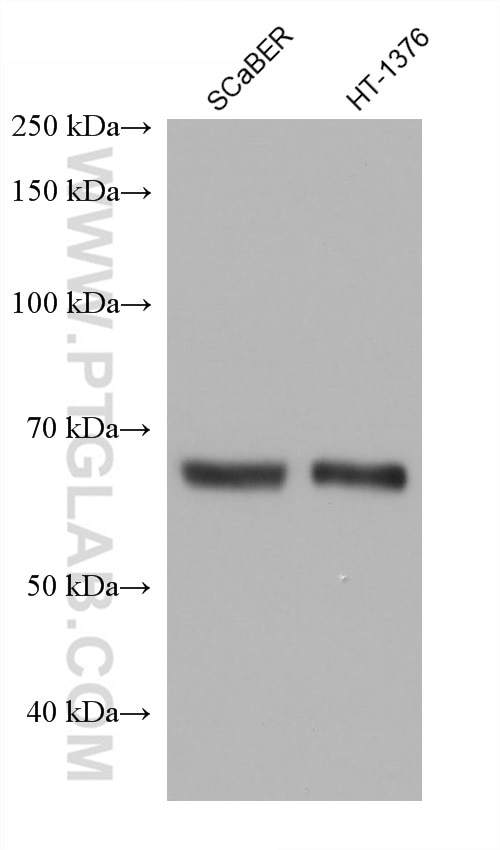
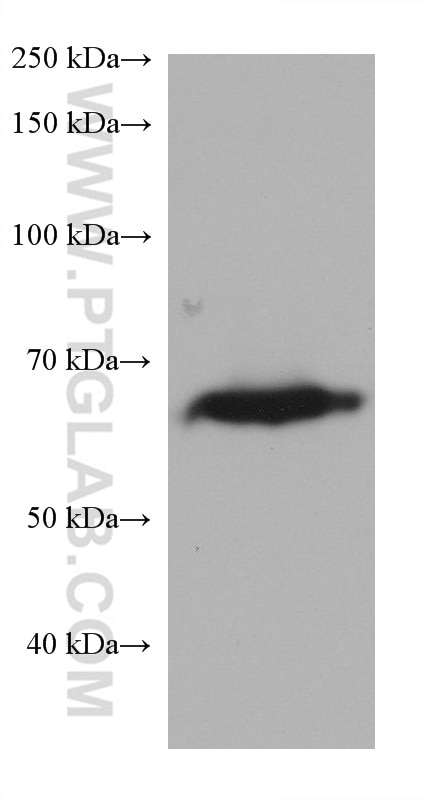
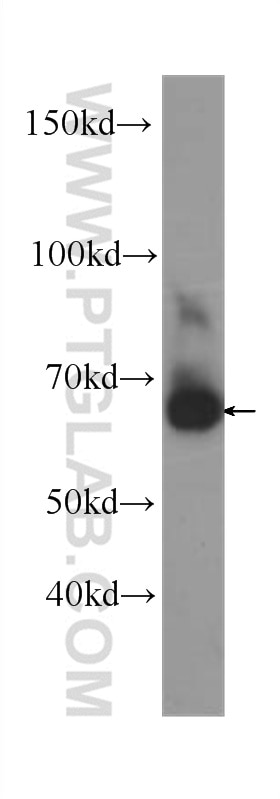
| Positive WB detected in | SCaBER cells, HepG2 cells, human placenta tissue, HT-1376 cells |
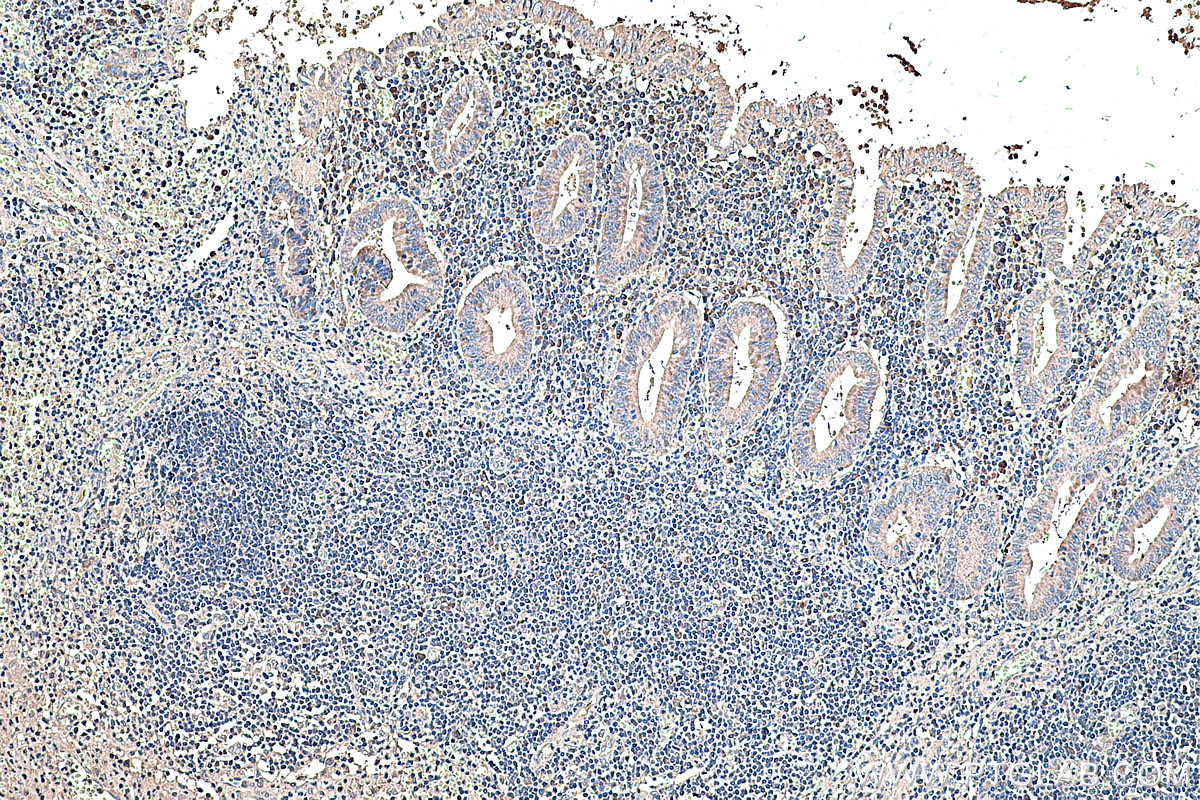
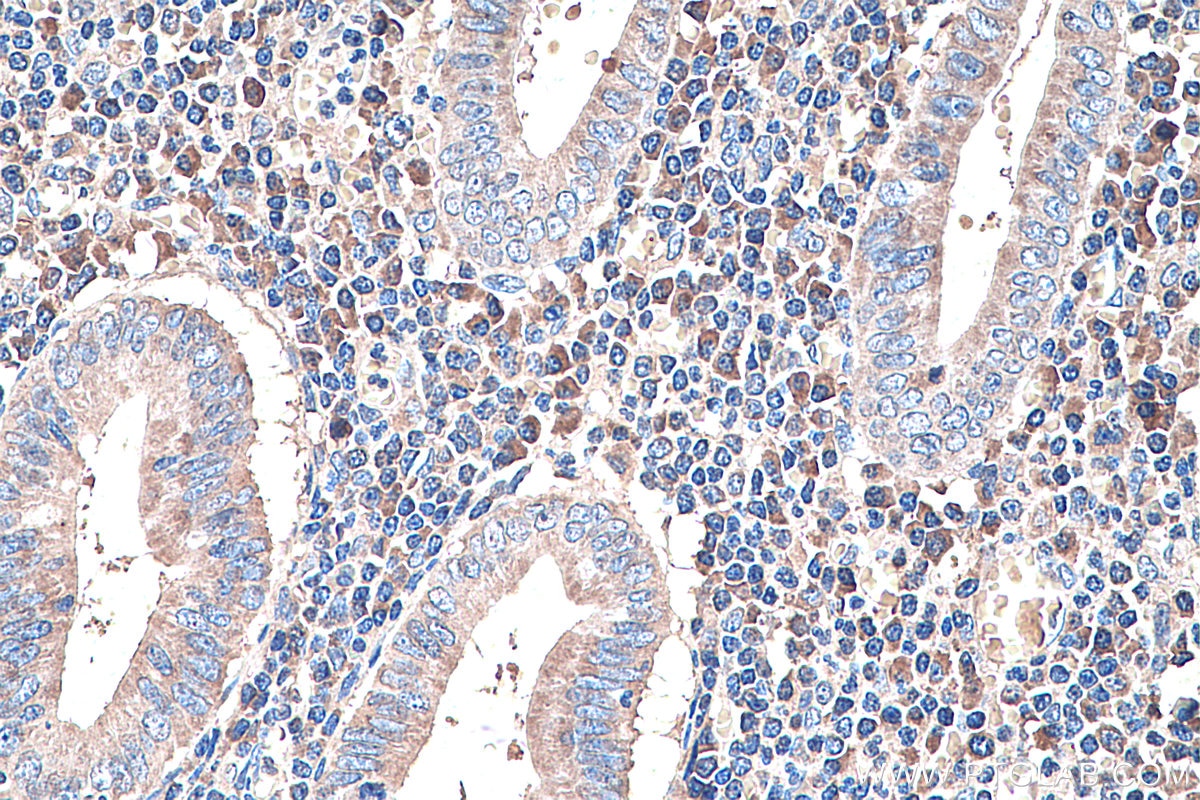
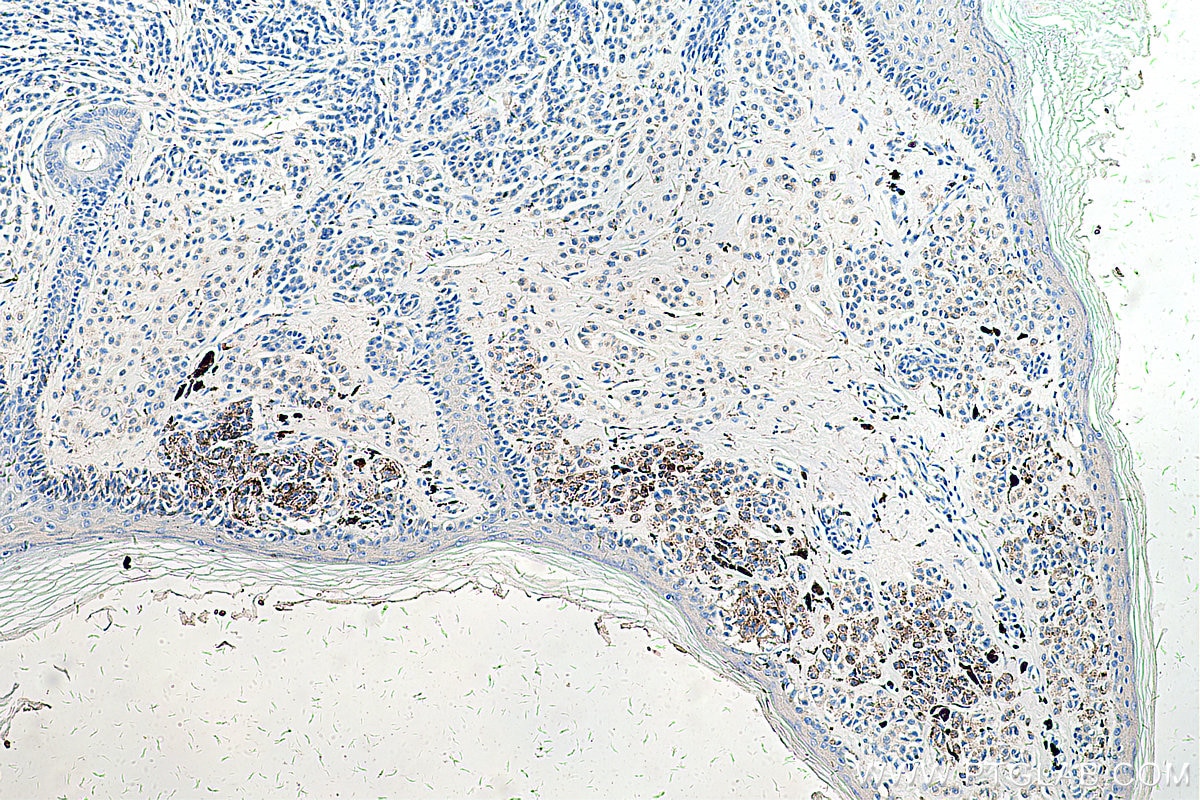
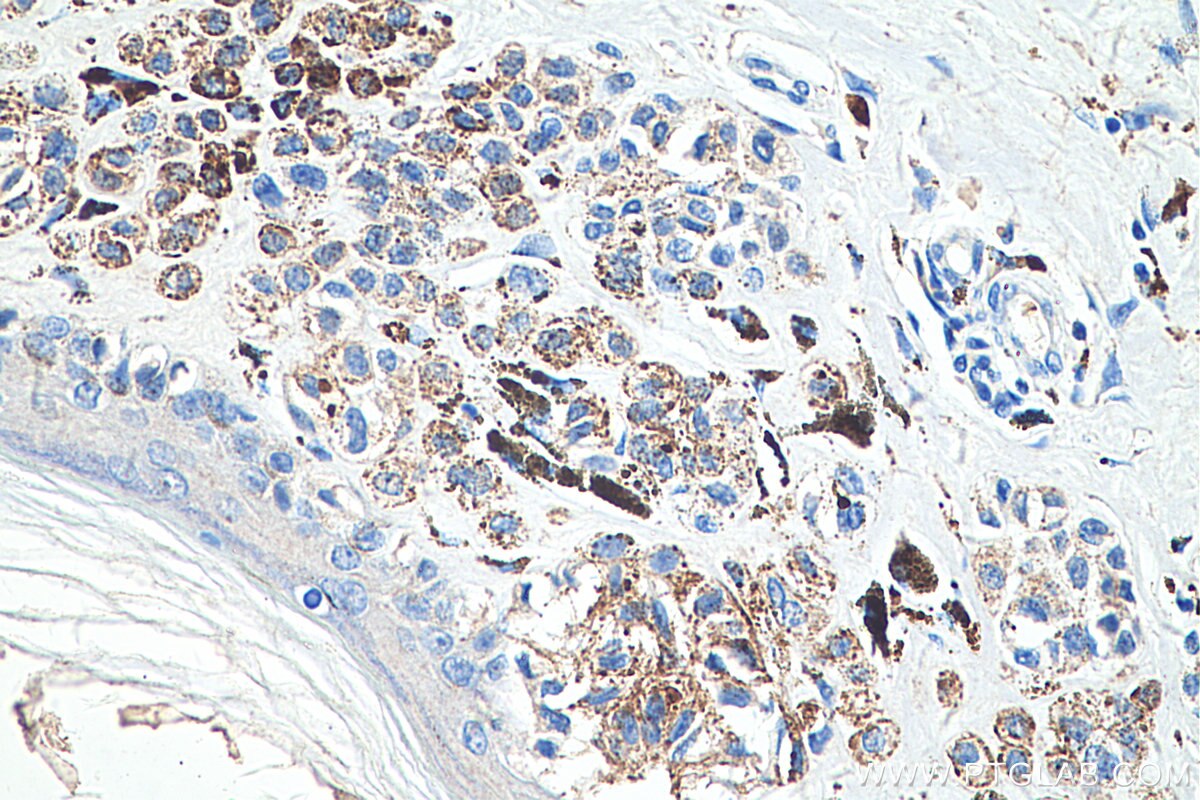
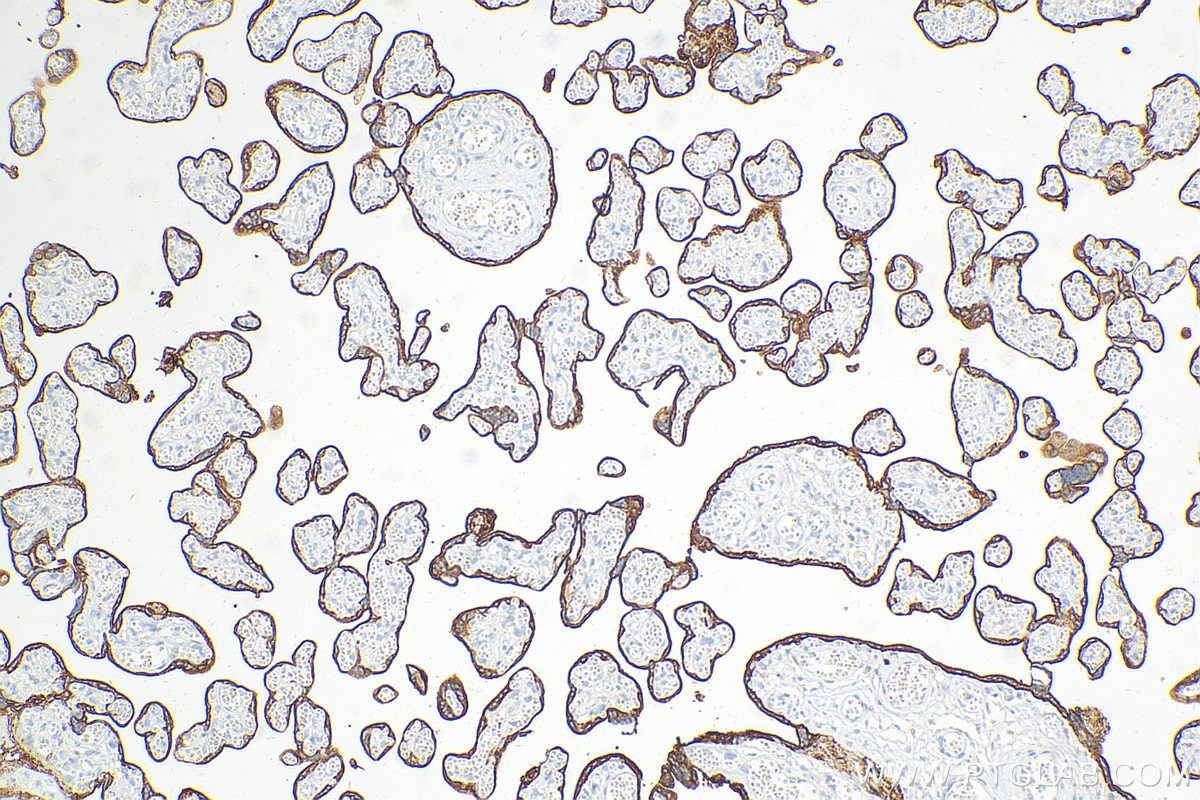
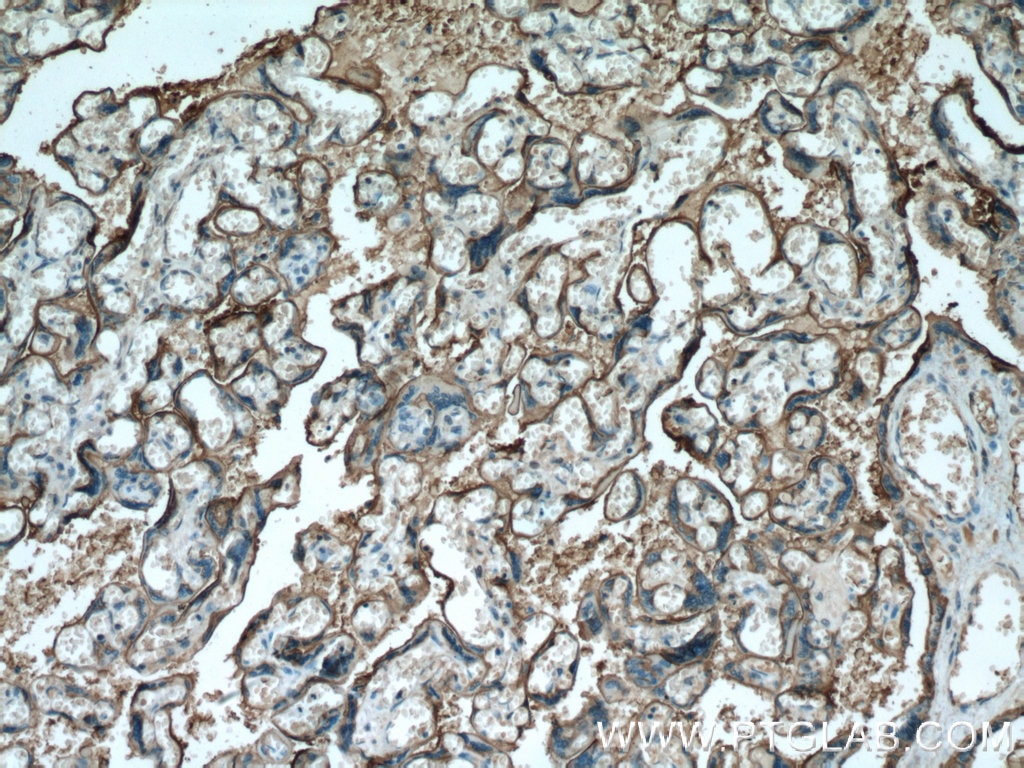
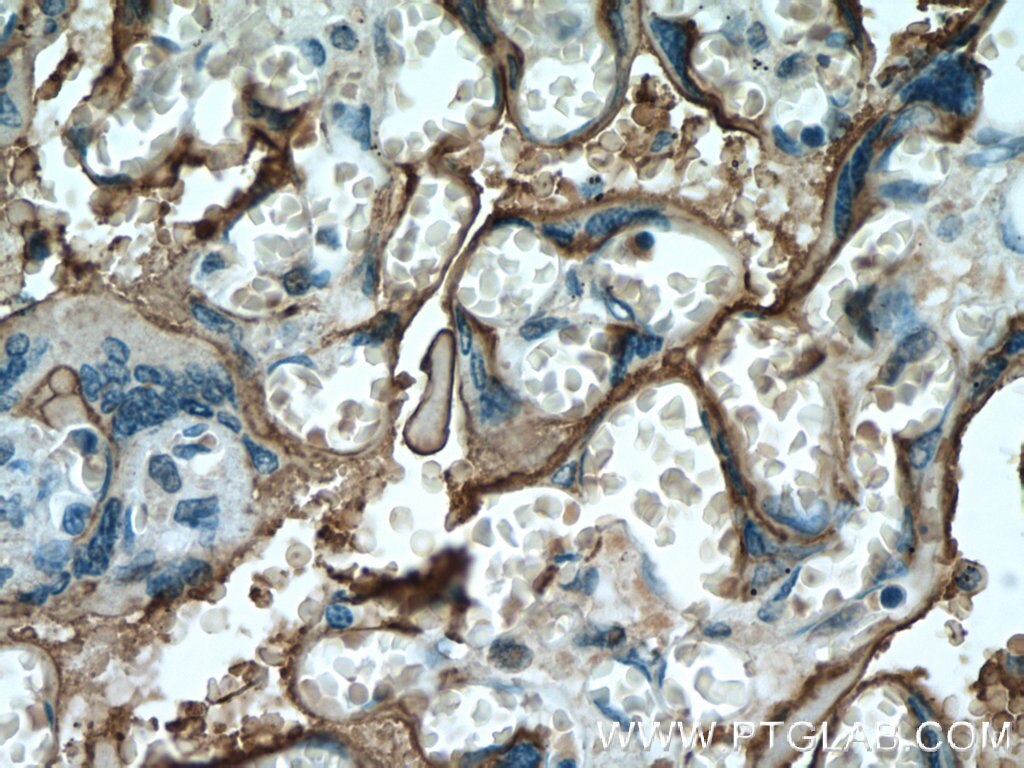
| Positive IHC detected in | human placenta tissue, human appendicitis tissue, human malignant melanoma tissue Note: suggested antigen retrieval with TE buffer pH 9.0; (*) Alternatively, antigen retrieval may be performed with citrate buffer pH 6.0 |
Recommended dilution
| Application | Dilution |
|---|---|
| Western Blot (WB) | WB : 1:5000-1:50000 |
| Immunohistochemistry (IHC) | IHC : 1:5000-1:20000 |
| It is recommended that this reagent should be titrated in each testing system to obtain optimal results. | |
| Sample-dependent, Check data in validation data gallery. | |
Product Information
60294-1-Ig targets PLAP in WB, IHC, IF, ELISA applications and shows reactivity with human samples.
| Tested Reactivity | human |
| Cited Reactivity | human, mouse, rat |
| Host / Isotype | Mouse / IgG1 |
| Class | Monoclonal |
| Type | Antibody |
| Immunogen |
CatNo: Ag13361 Product name: Recombinant human ALPP protein Source: e coli.-derived, PGEX-4T Tag: GST Domain: 199-535 aa of BC009647 Sequence: SARQEGCQDIATQLISNMDIDVILGGGRKYMFRMGTPDPEYPDDYSQGGTRLDGKNLVQEWLAKRQGARYVWNRTELMQASLDPSVTHLMGLFEPGDMKYEIHRDSTLDPSLMEMTEAALRLLSRNPRGFFLFVEGGRIDHGHHESRAYRALTETIMFDDAIERAGQLTSEEDTLSLVTADHSHVFSFGGYPLRGSSIFGLAPGKARDRKAYTVLLYGNGPGYVLKDGARPDVTESESGSPEYRQQSAVPLDEETHAGEDVAVFARGPQAHLVHGVQEQTFIAHVMAFAACLEPYTACDLAPPAGTTDAAHPGRSVVPALLPLLAGTLLLLETATAP Predict reactive species |
| Full Name | alkaline phosphatase, placental (Regan isozyme) |
| Calculated Molecular Weight | 58 kDa |
| Observed Molecular Weight | 66 kDa |
| GenBank Accession Number | BC009647 |
| Gene Symbol | PLAP |
| Gene ID (NCBI) | 250 |
| RRID | AB_2881409 |
| Conjugate | Unconjugated |
| Form | Liquid |
| Purification Method | Protein G purification |
| UNIPROT ID | P05187 |
| Storage Buffer | PBS with 0.02% sodium azide and 50% glycerol, pH 7.3. |
| Storage Conditions | Store at -20°C. Stable for one year after shipment. Aliquoting is unnecessary for -20oC storage. 20ul sizes contain 0.1% BSA. |
Background Information
Placental alkaline phosphatase (PLAP) is a glycosyl phosphatidylinositol (GPI)-anchored sialoglycoprotein , which shows greater resistance to heat inactivation than other alkaline phosphatase. Presented at high levels in placental trophoblasts, PLAP is recognized as an important marker of differentiation in human malignancies.
Protocols
| Product Specific Protocols | |
|---|---|
| IHC protocol for PLAP antibody 60294-1-Ig | Download protocol |
| WB protocol for PLAP antibody 60294-1-Ig | Download protocol |
| Standard Protocols | |
|---|---|
| Click here to view our Standard Protocols |
Publications
What published studies show
The PLAP Monoclonal antibody (2B7C9), catalog number 60294-1-Ig, has 11 total citations. These appear in journals including Cell Death & Differentiation, Materials Today Bio, ACS Applied Materials & Interfaces, Communications Biology, Biomedical Pharmacotherapy, Journal of Agricultural and Food Chemistry, Frontiers in Bioengineering and Biotechnology, Journal of Cellular and Molecular Medicine, Journal of Biomedical Materials Research A, International Journal of Biological Macromolecules, and BMC Pregnancy and Childbirth. Research fields span osteogenesis, osteoporosis, bone regeneration, endothelial cell biology, and gestational diabetes.
| Species | Application | Title |
|---|---|---|
Mater Today Bio Harnessing engineered exosomes as METTL3 carriers: Enhancing osteogenesis and suppressing lipogenesis in bone marrow mesenchymal stem cells for postmenopausal osteoporosis treatment | ||
Int J Biol Macromol Yigu Decoction polysaccharides mediate gut microbiota and metabolites to promote bone formation-related protein expression and improve osteoporosis. | ||
ACS Appl Mater Interfaces An Asymmetric Zn Membrane with Degradability, Antimicrobial, and Bone Immunomodulation for Guided Bone Regeneration | ||
Biomed Pharmacother The multi-protective effect of IL-37-Smad3 against ox-LDL induced dysfunction of endothelial cells | ||
J Agric Food Chem Sodium Benzoate Inhibits Osteoblast Differentiation and Accelerates Bone Loss by Regulating the FGF2/p38/RUNX2 Pathway |

