

Tested Applications
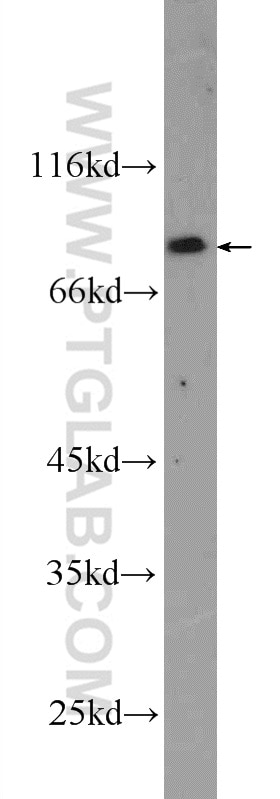
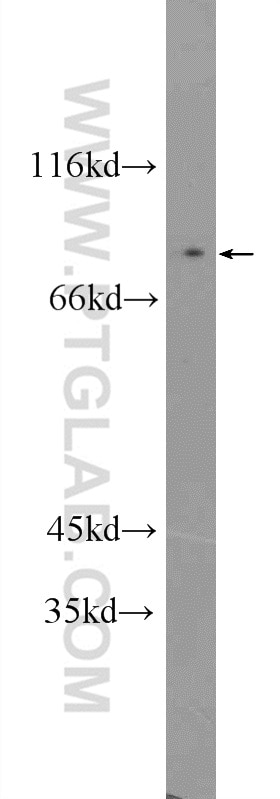
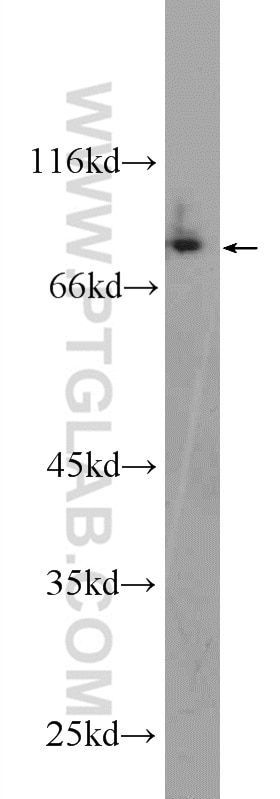
| Positive WB detected in | SH-SY5Y cells, A375 cells, HeLa cells |
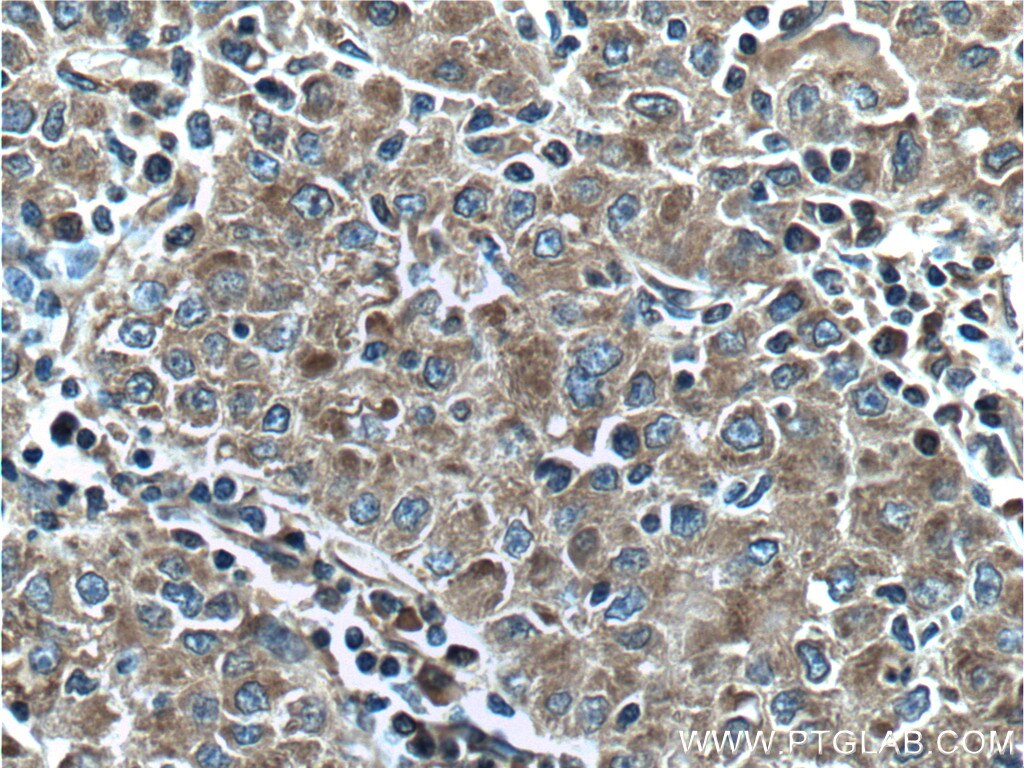
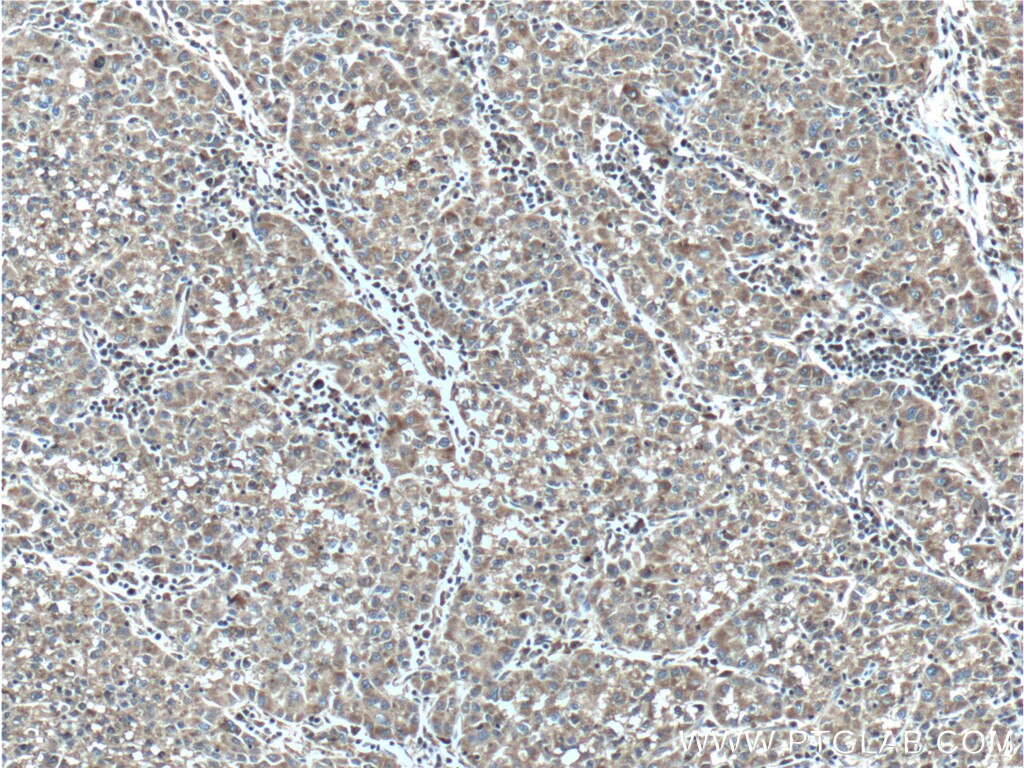
| Positive IHC detected in | human liver cancer tissue Note: suggested antigen retrieval with TE buffer pH 9.0; (*) Alternatively, antigen retrieval may be performed with citrate buffer pH 6.0 |
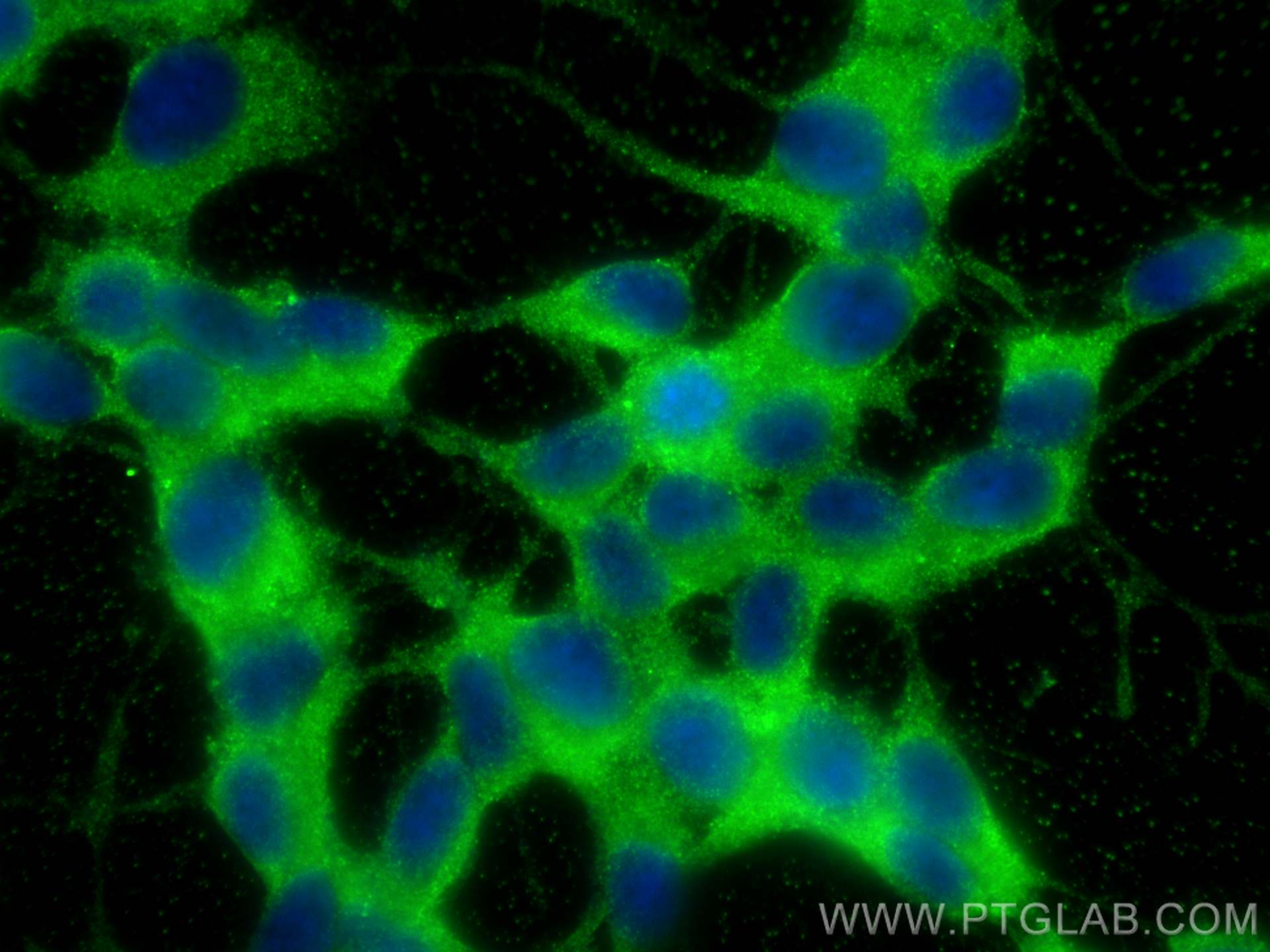
| Positive IF/ICC detected in | SH-SY5Y cells |
Recommended dilution
| Application | Dilution |
|---|---|
| Western Blot (WB) | WB : 1:500-1:1000 |
| Immunohistochemistry (IHC) | IHC : 1:50-1:500 |
| Immunofluorescence (IF)/ICC | IF/ICC : 1:200-1:800 |
| It is recommended that this reagent should be titrated in each testing system to obtain optimal results. | |
| Sample-dependent, Check data in validation data gallery. | |
Product Information
25342-1-AP targets CPEB4 in WB, IHC, IF/ICC, RIP, ELISA applications and shows reactivity with human, mouse, rat samples.
| Tested Reactivity | human, mouse, rat |
| Cited Reactivity | human, mouse, rat |
| Host / Isotype | Rabbit / IgG |
| Class | Polyclonal |
| Type | Antibody |
| Immunogen |
Peptide Predict reactive species |
| Full Name | cytoplasmic polyadenylation element binding protein 4 |
| Calculated Molecular Weight | 80 kDa |
| Observed Molecular Weight | 80 kDa |
| GenBank Accession Number | NM_030627 |
| Gene Symbol | CPEB4 |
| Gene ID (NCBI) | 80315 |
| RRID | AB_2880036 |
| Conjugate | Unconjugated |
| Form | Liquid |
| Purification Method | Antigen affinity purification |
| UNIPROT ID | Q17RY0 |
| Storage Buffer | PBS with 0.02% sodium azide and 50% glycerol, pH 7.3. |
| Storage Conditions | Store at -20°C. Stable for one year after shipment. Aliquoting is unnecessary for -20oC storage. 20ul sizes contain 0.1% BSA. |
Background Information
CPEB4 also named as CPE binding protein 4 or hCPEB 4 is a 729 amino acid protein, which contains two RRM domains and belongs to the RRM CPEB family. CPEB4 involves in some forms of synaptic plasticity and regulate translation by binding to regulatory motifs of defined mRNA targets. CPEB1 and CPEB4 are differentially regulated by phase-specific kinases, generating the need of two sequential CPEB activities to sustain cytoplasmic polyadenylation during all the meiotic phases.
Protocols
| Product Specific Protocols | |
|---|---|
| IF protocol for CPEB4 antibody 25342-1-AP | Download protocol |
| IHC protocol for CPEB4 antibody 25342-1-AP | Download protocol |
| WB protocol for CPEB4 antibody 25342-1-AP | Download protocol |
| Standard Protocols | |
|---|---|
| Click here to view our Standard Protocols |
Publications
What published studies show
The CPEB4 Polyclonal antibody (25342-1-AP) has 16 citations across journals including Nature Communications, J Nanobiotechnology, J Transl Med, Developmental Cell, Biomolecules, Front Cell Dev Biol, Scientific Reports, J Cell Physiol, Technol Cancer Res Treat, Front Pediatr, Elife, and others. The associated research fields span oncology (gastric, endometrial, renal, glioblastoma, colorectal, melanoma, hepatocellular cancers), muscle stem cell and alveolar type II cell senescence/aging, T-cell mRNA regulation, osteoclast differentiation, memory/neurobiology, and environmental nanoparticle toxicology. Citations used WB, IHC, IF, and RIP applications across human, mouse, and rat samples.
| Species | Application | Title |
|---|---|---|
Nat Commun Defining the RBPome of primary T helper cells to elucidate higher-order Roquin-mediated mRNA regulation. | ||
J Nanobiotechnology Circ_0008315 promotes tumorigenesis and cisplatin resistance and acts as a nanotherapeutic target in gastric cancer | ||
J Transl Med CircESRP1 enhances metastasis and epithelial-mesenchymal transition in endometrial cancer via the miR-874-3p/CPEB4 axis. | ||
Biomolecules Interaction of Alkannin with CPEB4 Contributes to Its Antitumor Effects in Melanoma. | ||
Front Cell Dev Biol CPEB4 Inhibit Cell Proliferation via Upregulating p21 mRNA Stability in Renal Cell Carcinoma. |

